Natural Language UnderstandingMachine Learning Basic

Natural Language
Understanding
Machine Learning Basic
Understanding
Machine Learning Basic
Mingming Sun
BIMSA
Outline

Outline
What is Machine Learning
Building A Machine Learning System
Machine Learning Models
Optimization Methods
Generalization and Model Selection
Suggested Readings
0.3 Machine Learning Basics 0.3.1 What Is Machine Learning
0.3 Machine Learning Basics 0.3.1 What Is Machine Learning
Domains of AI
Domains of AI

https://www.instagram.com/dataprocomputersofficial/p/C11GBTPRn-F/
What is Machine Learning
What is Machine Learning
Learning is any process by which a system improves performance from experience. —— Herbert Simon
Machine Learning is the field of study that gives computers the ability to learn without being explicitly programmed. —— Arthur Samuel, 1959
Machine Learning is the science (and art) of programming computers so they can learn from data (experience).
A Formal Definition by Tom Mitchell (1998)
A Formal Definition by Tom Mitchell (1998)
Machine Learning is the study of algorithms that
improve their performance P
at some task T
with experience E.
A well-defined learning task is given by <P, T, E>.
Why Machine Learning (I)
Why Machine Learning (I)
The traditional approach:
You must read and understand the experience yourself;
Write a long list of complex rules pretty hard to maintain.
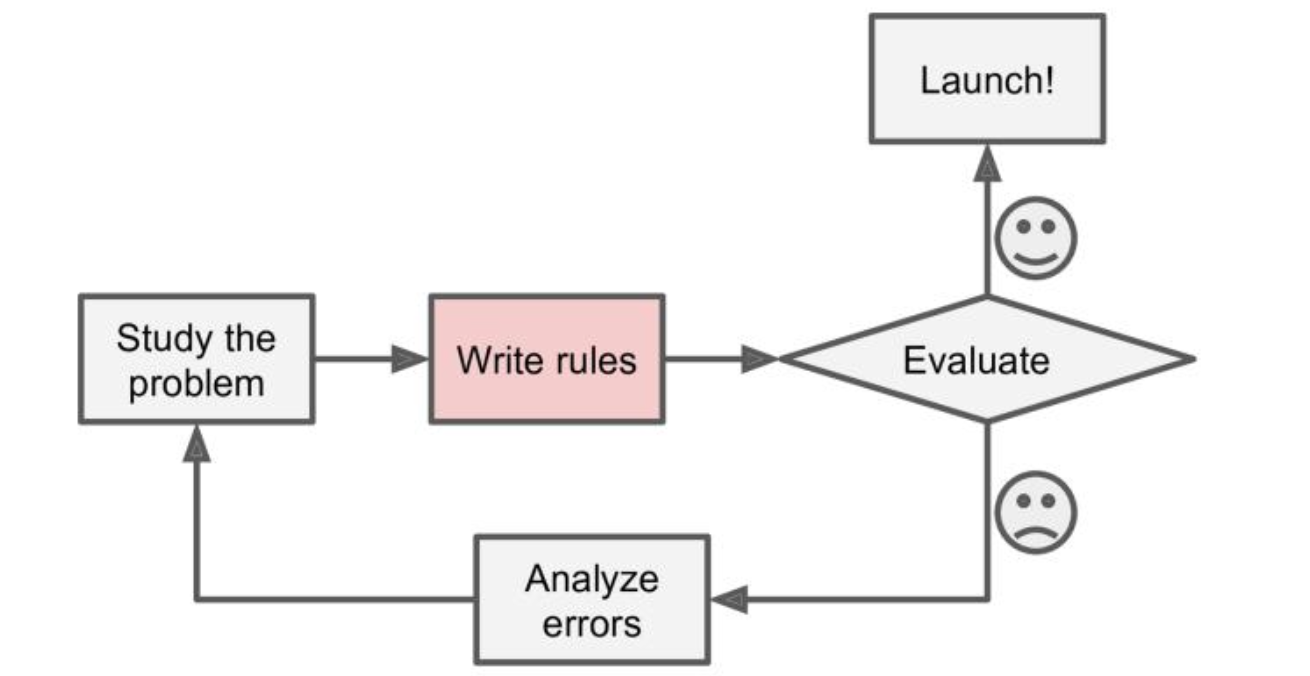
https://www.slideshare.net/slideshow/the-fundamentals-of-machine-learning/238653218
Why Machine Learning (II)
Why Machine Learning (II)
The Machine Learning approach:
Machine learns from experience;
Faster to generate a program (model);
The performance is generally better.
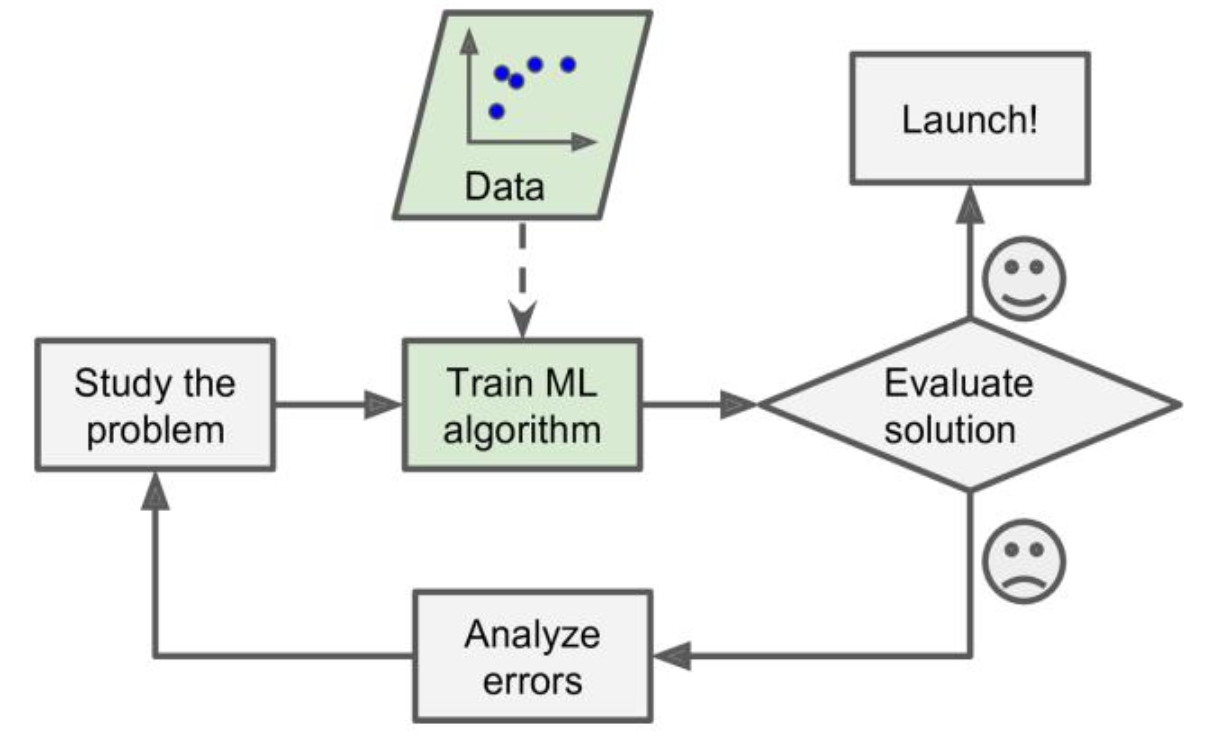
https://www.slideshare.net/slideshow/the-fundamentals-of-machine-learning/238653218
Why Machine Learning (III)
Why Machine Learning (III)
Machine Learning helps human learning, think and discover.
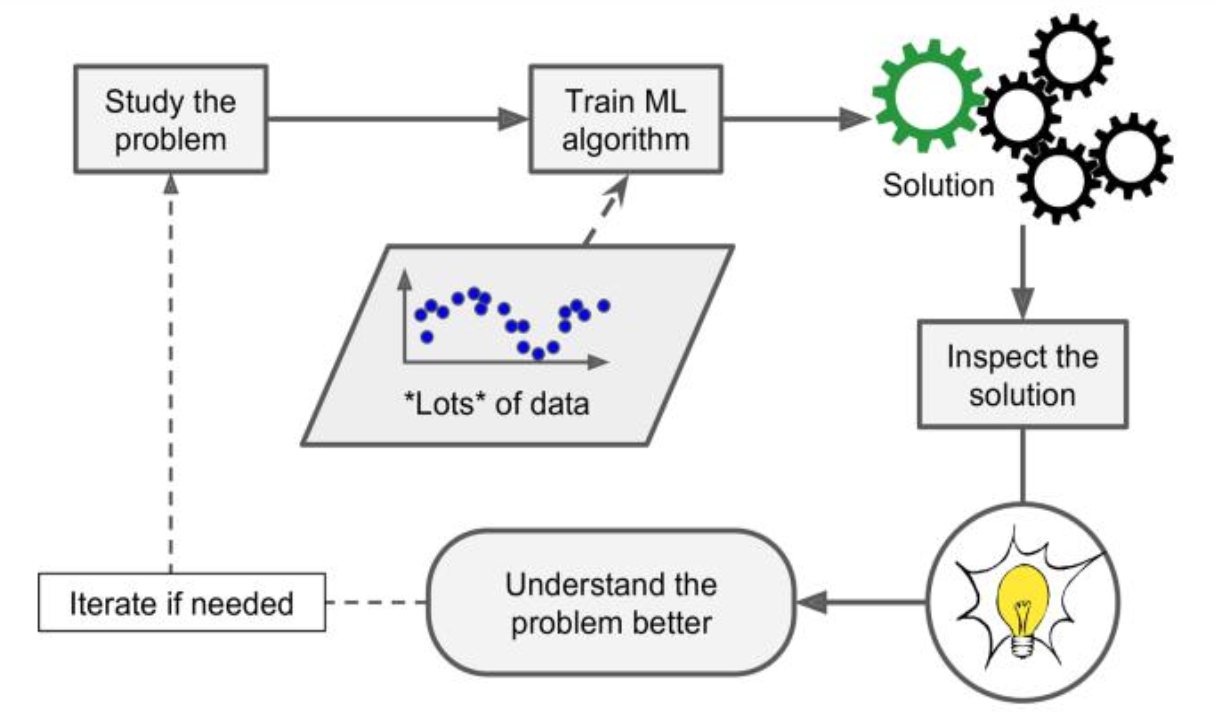
https://www.slideshare.net/slideshow/the-fundamentals-of-machine-learning/238653218
Why Machine Learning (IV)
Why Machine Learning (IV)
Machine Learning is great for:
Problems for which existing solutions require a lot of hand-tuning or long lists of rules: one Machine Learning algorithm can often simplify code and perform better.
Complex problems for which there is no good solution at all using a traditional approach: the best Machine Learning techniques can find a solution.
https://www.slideshare.net/slideshow/the-fundamentals-of-machine-learning/238653218
0.3 Machine Learning Basics 0.3.2 Building Machine Learning Systems
0.3 Machine Learning Basics 0.3.2 Building Machine Learning Systems
Building A Machine Learning System (I)
Building A Machine Learning System (I)
https://insights.blackcoffer.com/the-workflow-of-a-machine-learning-artificial-intelligence-project/
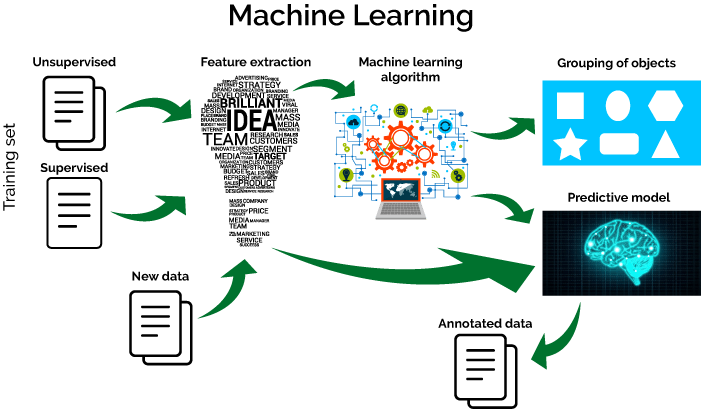
Building A Machine Learning System (II)
Building A Machine Learning System (II)
Yae Won Park, et.al, Radiomics features of hippocampal regions in magnetic resonance imaging can differentiate medial temporal lobe epilepsy patients from healthy controls, Scientific Reports 2020
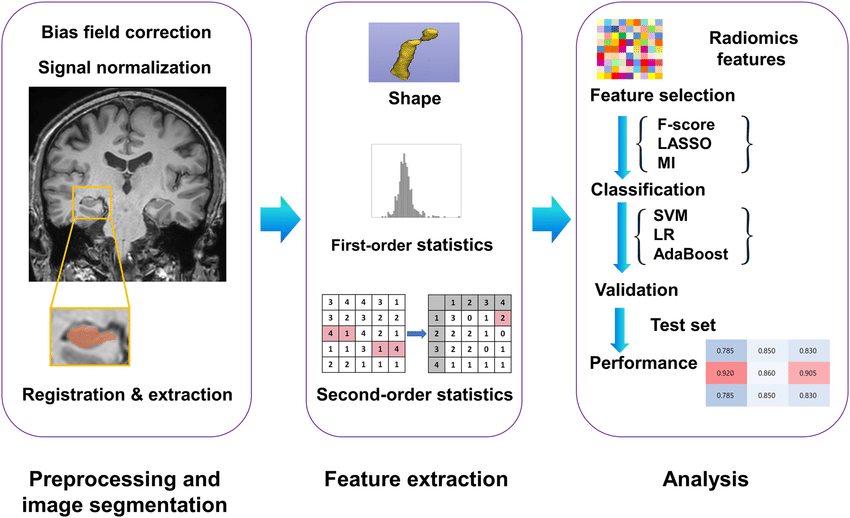
Preprocessing
Preprocessing
Preprocessing step receives the raw data, and prepare the samples for feature extraction using following steps:
Data selection: Filter relevant part of data;
Clean data: Removes low quality, inconsistent data;
Handles missing values: Ensures no critical information is lost.
Normalizes data: Brings data to a common scale for better convergence;
…
Feature Extraction
Feature Extraction
Feature Extraction bridges the raw input data of the task to the learning model;
It generally convert text, sounds, images, videos into vector of features;
Methods:
Text: word index in vocabulary, word pos-tag catetory, TF-IDF vector of document;
Image: SIFT, Gabor;
Speech: Wavelet
…
Choose the Model Family
Choose the Model Family
Model Families:
Linear Model, Decision Tree, Support Vector Machines, Neural Network
Key Considerations
Problem Type: Classification vs Regression.
Data: Size and complexity.
Resources: Simpler models for less computation.
Key Takeaway
Start with simple models (linear models, decision trees) and move to complex models (SVM, neural networks) if needed.
Model Training and Evaluation
Model Training and Evaluation
Model Training
Training Data: Labeled data used to teach the model.
Loss Function: Measures model performance (e.g., MSE, Cross-Entropy).
Optimization: Adjusts parameters to minimize error (e.g., gradient descent).
Model Evaluation
Test Set: Used to evaluate the final model’s real-world performance.
Evaluation Metrics: Accuracy, Precision, Recall, F1 Score; RMSE.
Common Challenges
Overfitting: Model captures noise, mitigated by regularization.
Underfitting: Model too simple, mitigated by using more complex models.
0.3 Machine Learning Basics 0.3.3 Machine Learning Models
0.3 Machine Learning Basics 0.3.3 Machine Learning Models
Types of Machine Learning Systems
Types of Machine Learning Systems
Supervised Learning
Mapping samples to given label system.
Unsupervised Learning
Explore and find inner-structure of data.
Reinforcement Learning
Learning from feedbacks from the environment.
Supervised Learning
Supervised Learning
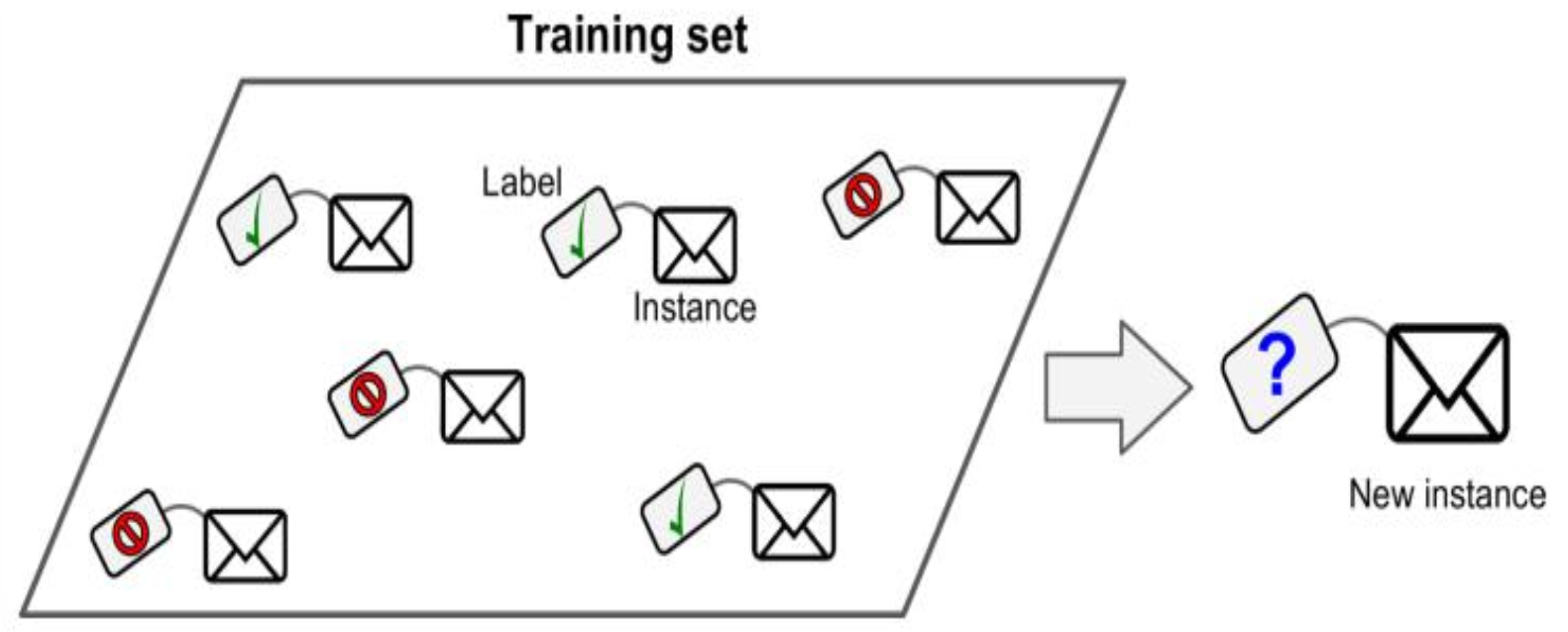
In supervised learning, the training data feed to the algorithm includes the desired output (labels).
Regression: when y is real.
Classification: when y is discrete.

Supervised Learning
Supervised Learning
https://www.slideshare.net/slideshow/the-fundamentals-of-machine-learning/238653218
Supervised Learning
Supervised Learning
k-Nearest Neighbors
Linear Regression
Logistic Regression
Support Vector Machines (SVMs)
Decision Trees and Random Forests
Feed-Forward Neural networks
Logistic Regression
Logistic Regression
https://machinelearningmastery.com/plot-a-decision-surface-for-machine-learning/
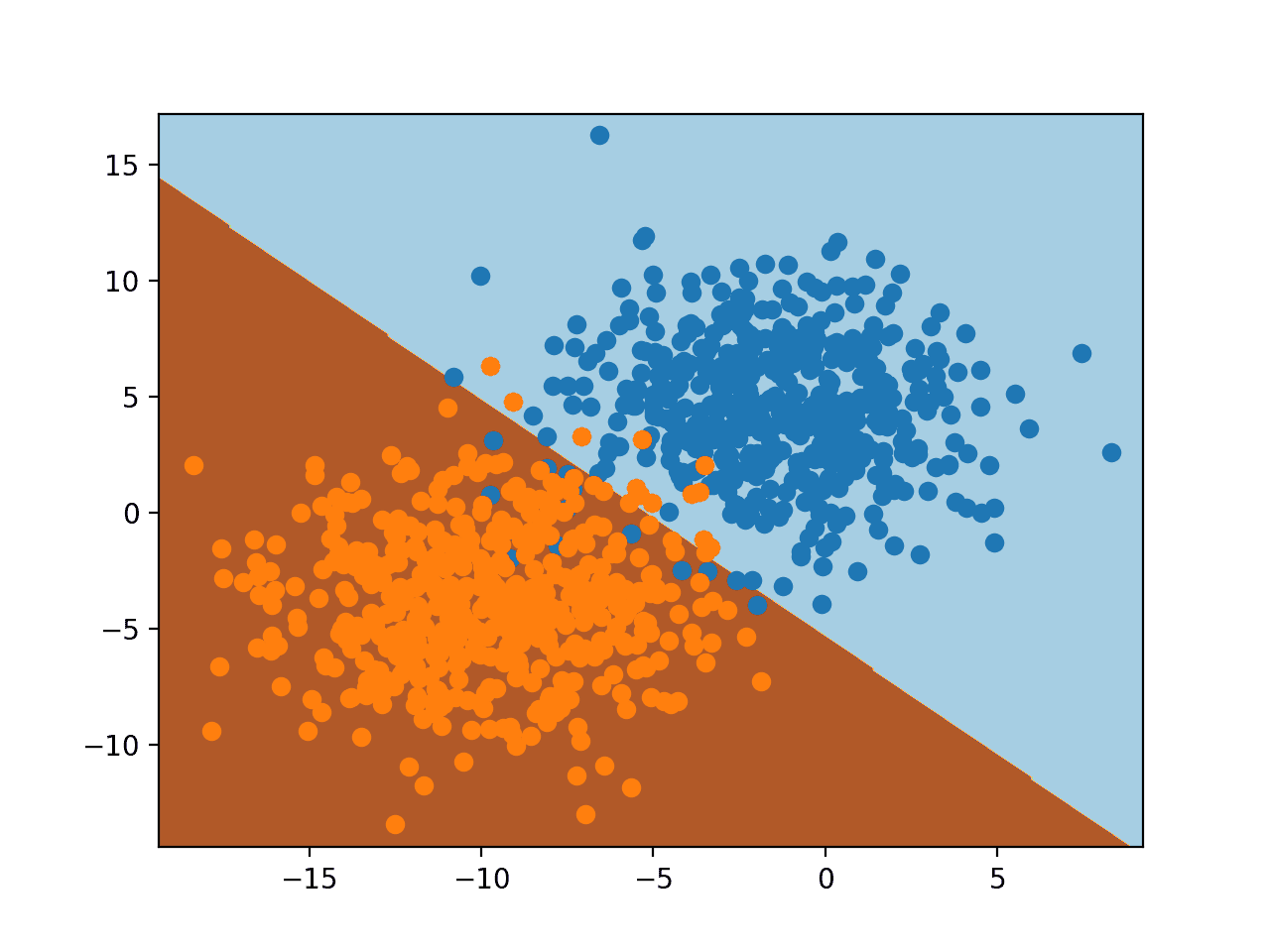
Binary classification by predicting the probability of 0 or 1.
Components:
Model: ;
Prediction: ;
Loss function: Cross-Entropy
Optimization: Gradient Descent
Unsupervised Learning
Unsupervised Learning
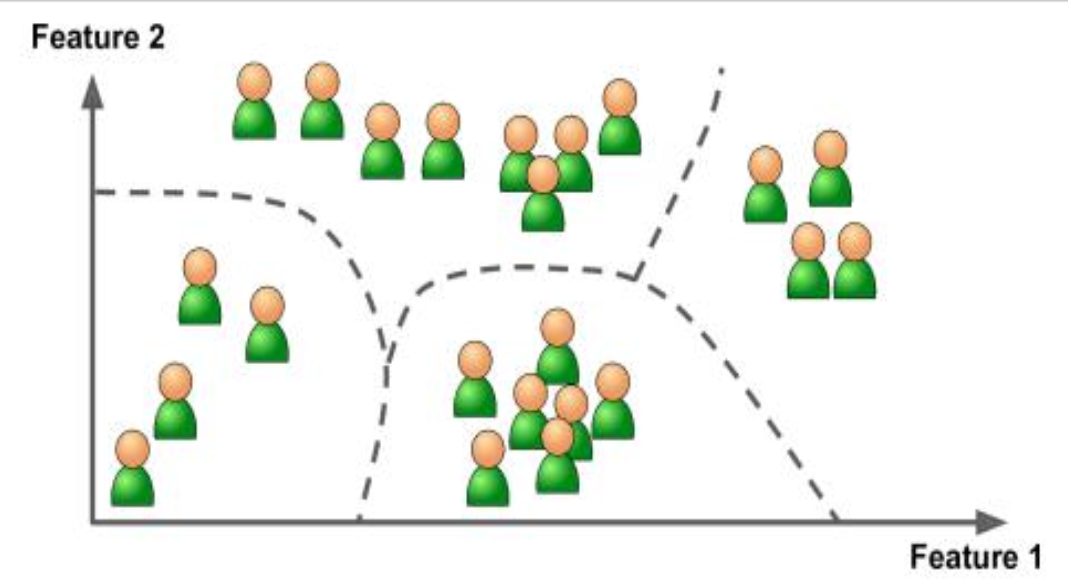
In unsupervised learning, the training data is unlabeled. The system tries to learn without a teacher.
No labels are given to the learning algorithm, leaving it on its own to explore or find structure in the data.

Unsupervised Learning
Unsupervised Learning
https://www.slideshare.net/slideshow/the-fundamentals-of-machine-learning/238653218
Unsupervised Learning
Unsupervised Learning
Distribution Estimation:
MLE, VAE, Language Model;
Clustering:
K-Means, GMM, Affinity Propagation;
Dimensionality Reduction
PCA, ICA
Visualization
t-SNE
Gaussian Mixture Model
Gaussian Mixture Model
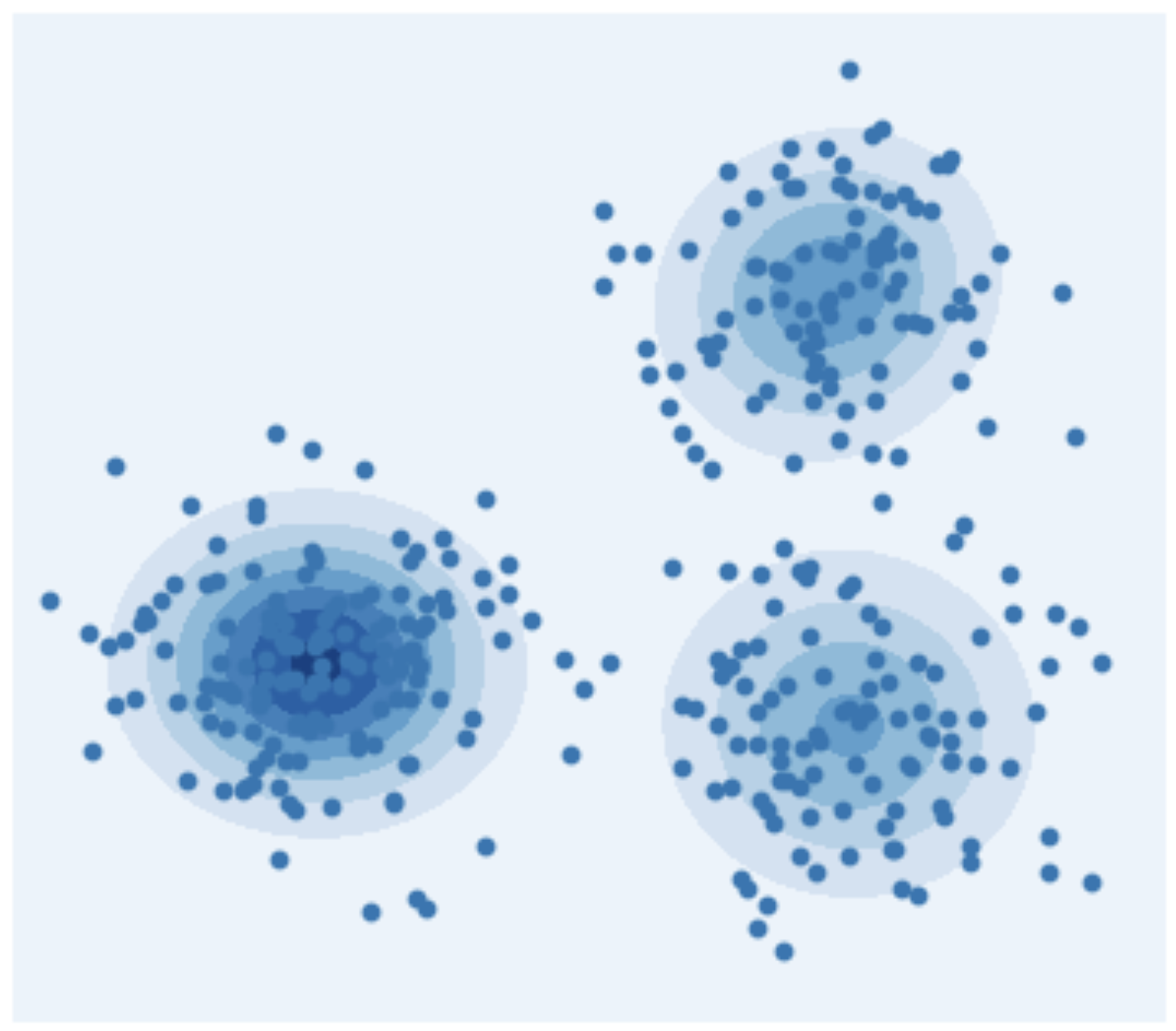
https://pomegranate.readthedocs.io/en/latest/tutorials/B_Model_Tutorial_2_General_Mixture_Models.html
Estimate the density of data by a mixture of several Gaussian distributions
Components:
Model: ;
Loss: negative log-likelihood
Optimization: EM algorithm;
Application: Clustering, Anomaly Detection
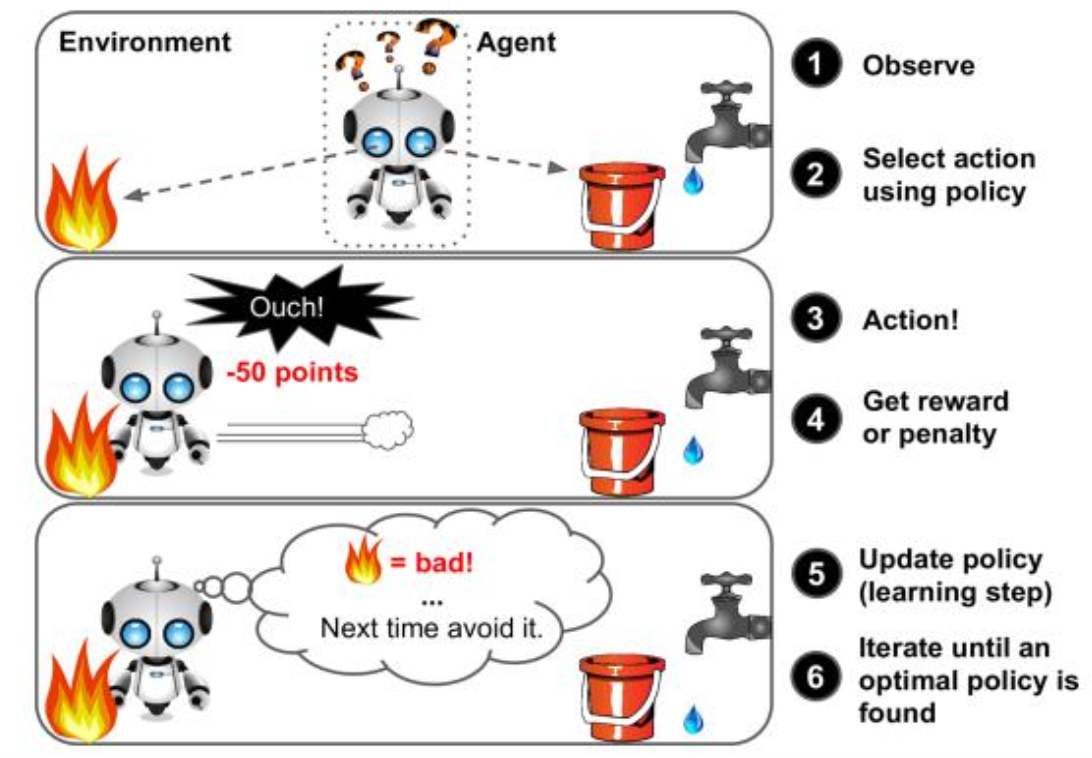
Reinforcement Learning
Reinforcement Learning
Agent learns to make decisions by interacting with an environment to maximize a reward signal over time.
Exploration vs. Exploitation:
Exploration refers to trying new actions to discover potentially better rewards.
Exploitation means choosing the action that gives the highest known reward based on past experience.
The agent interacts with the environment by taking actions, receiving rewards, and updating its policy to maximize future rewards.
Reinforcement Learning
Reinforcement Learning
https://www.slideshare.net/slideshow/the-fundamentals-of-machine-learning/238653218
0.3 Machine Learning Basics 0.3.4 Optimization Methods
0.3 Machine Learning Basics 0.3.4 Optimization Methods
Optimization for Machine Learning
Optimization for Machine Learning
Optimization: find the best parameters for the machine that minimize the loss function (or cost function) , where represents the machine’s predictions based on parameters .
Where:
is the regularization term (e.g., L1 or L2 regularization).
is the regularization strength.
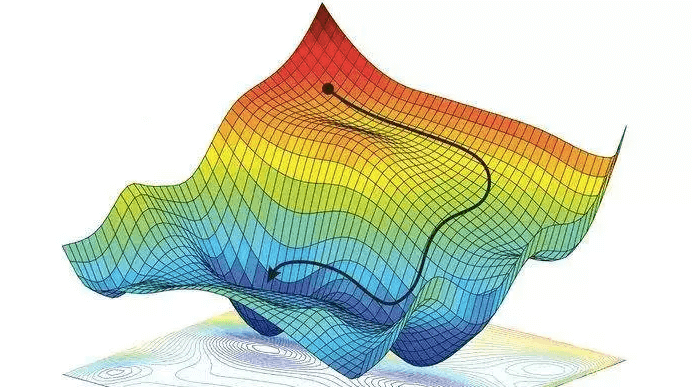
Gradient Decent
Gradient Decent
https://easyai.tech/en/ai-definition/gradient-descent/
Objective: Minimize loss function by updating parameters .
Update Rule:
Challenges:
Choosing Learning Rate.
Local Minima
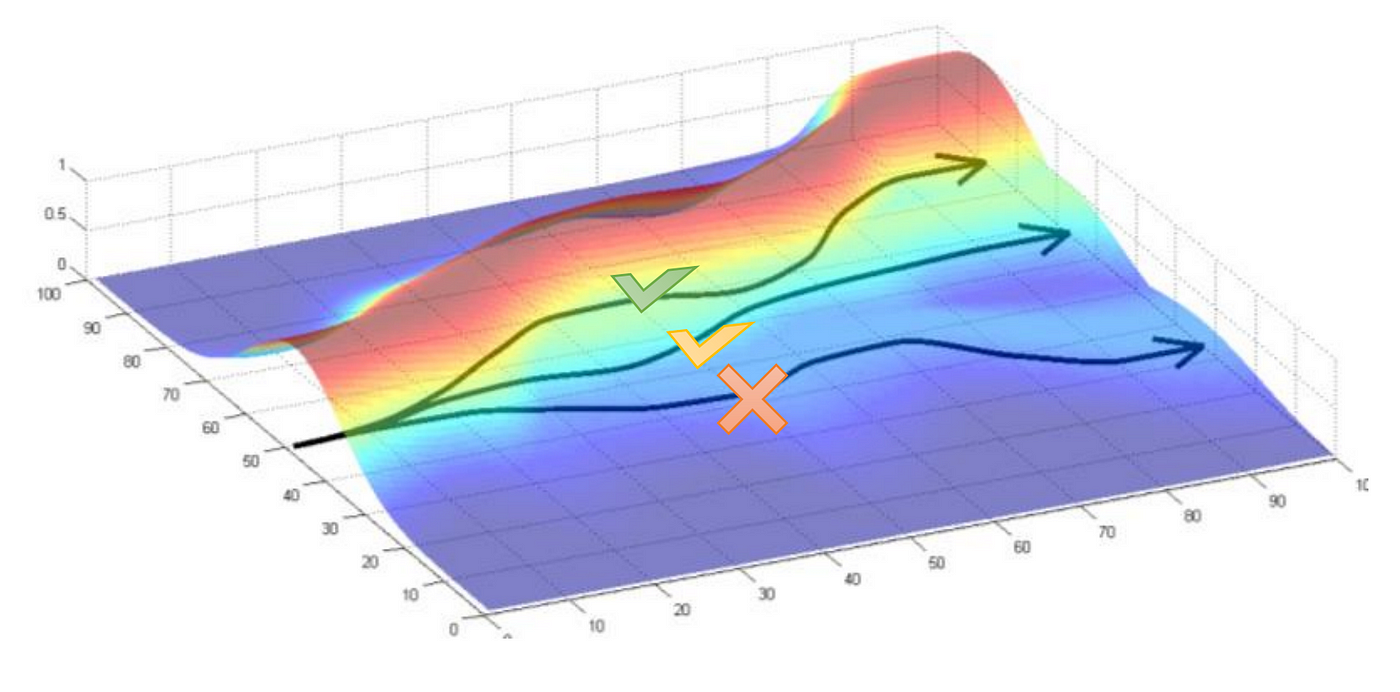
Policy Gradient
Policy Gradient
Sample trajectories;
Compute return ;
Compute the gradient:
Update the policy;
Repeat until convergence.
https://jonathan-hui.medium.com/rl-policy-gradients-explained-9b13b688b146
Expectation Maximization
Expectation Maximization
Goal: Maximize the likelihood given latent variables .
E-step (Expectation):
Estimate the latent variables .
M-step (Maximization):
Update the parameters to maximize
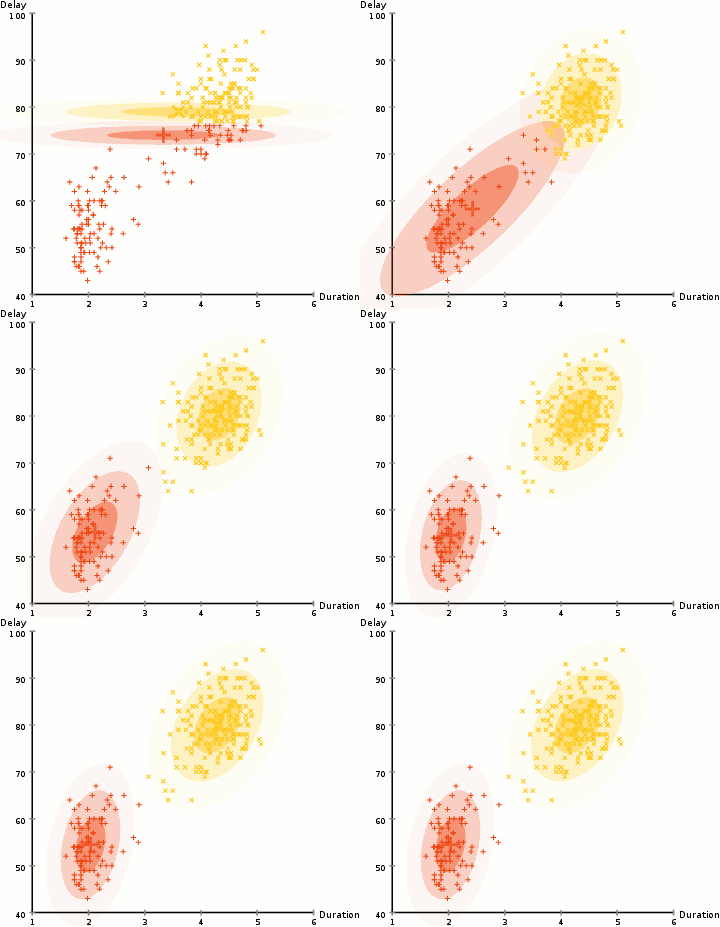
https://en.wikipedia.org/wiki/Expectation%E2%80%93maximization_algorithm
0.3 Machine Learning Basics 0.3.5 Generalization and Model Selection
0.3 Machine Learning Basics 0.3.5 Generalization and Model Selection
Generalization, Underfitting and Overfitting
Generalization, Underfitting and Overfitting
Generalization: The ability of a model to perform well on unseen data.
Underfitting: Model cannot capture the underlying patterns of the data.
Overfitting: Model learns the noise or random fluctuations in the training data, rather than the underlying patterns.
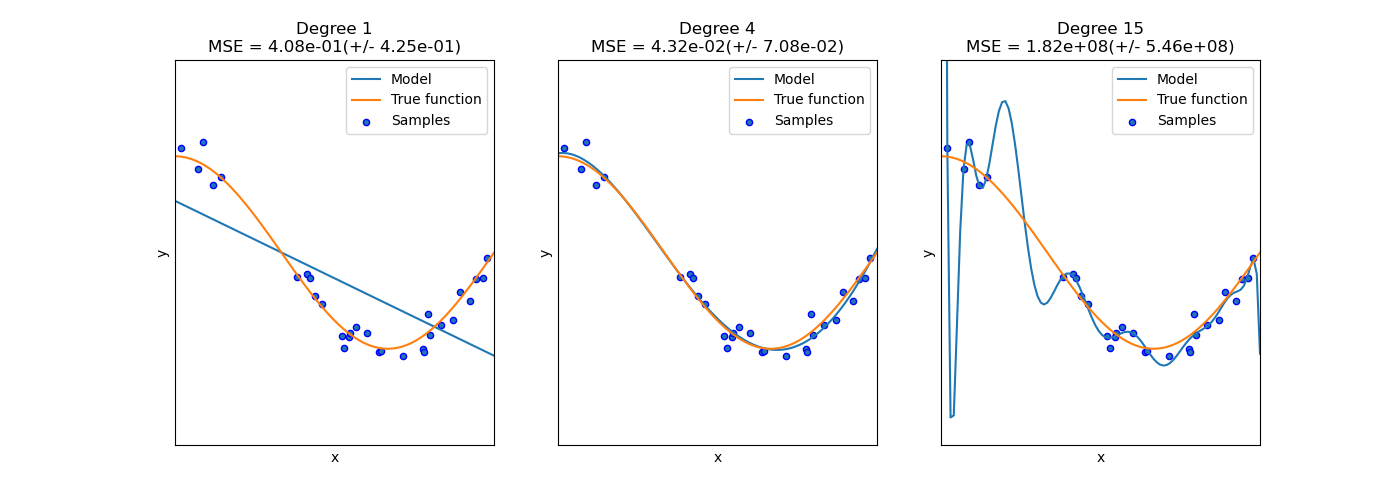
https://scikit-learn.org/stable/auto_examples/model_selection/plot_underfitting_overfitting.html
Generalization, Underfitting and Overfitting
Generalization, Underfitting and Overfitting
https://vitalflux.com/overfitting-underfitting-concepts-interview-questions/
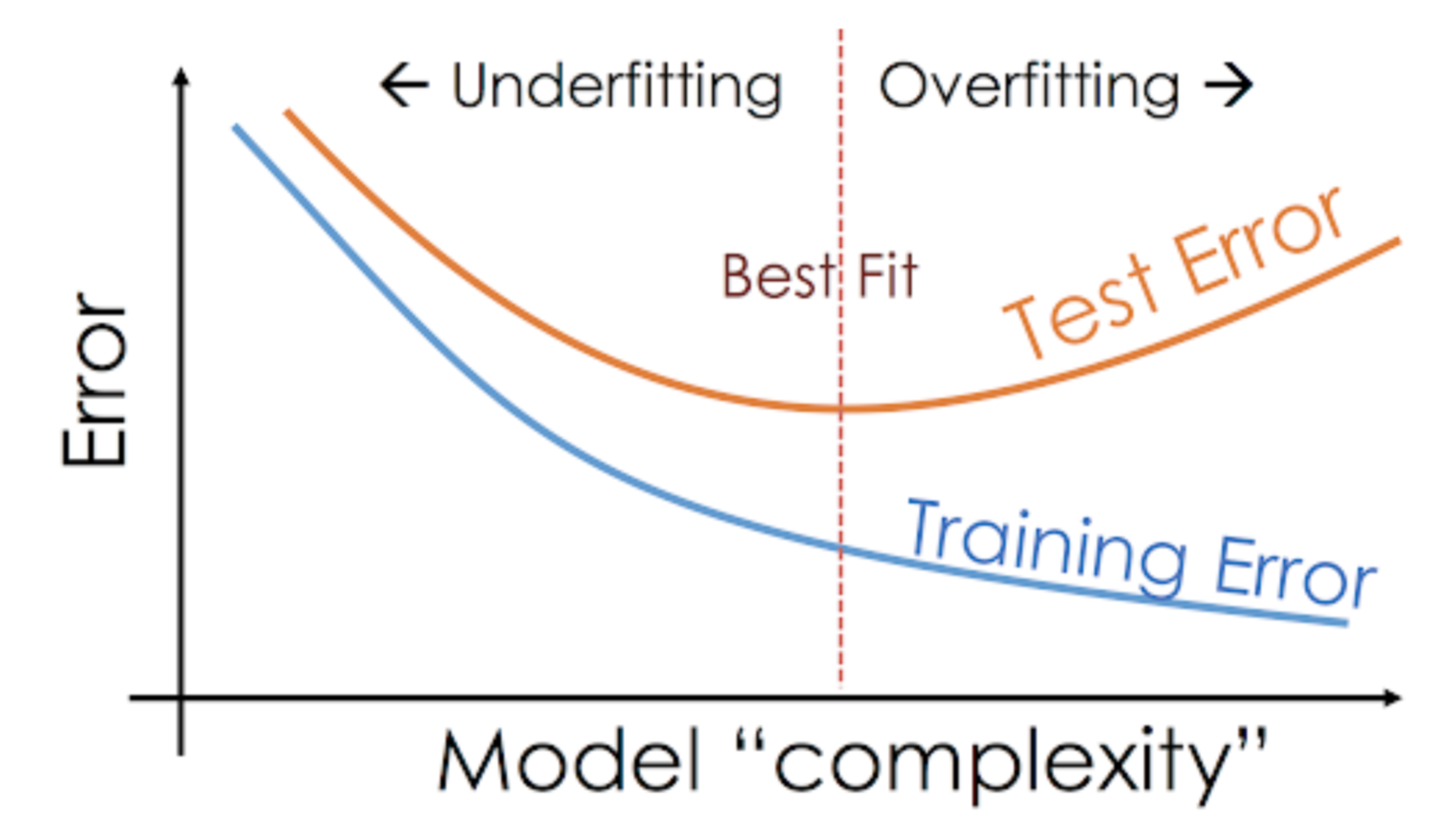
Statistical Learning Setting
Statistical Learning Setting
Given:
Data Distribution:
Model: set of candidate predictors of the form
Loss function:
Goal:
Introduction to Statistical Learning Theory. J. Saketha Nath (IIT Bombay)
Statistical Learning Setting
Statistical Learning Setting
Given a sampled training data set
Empirical Error:
We can obtain a machine by minimize the empirical error;
We study the statistical property of given different sampling form data distributions.
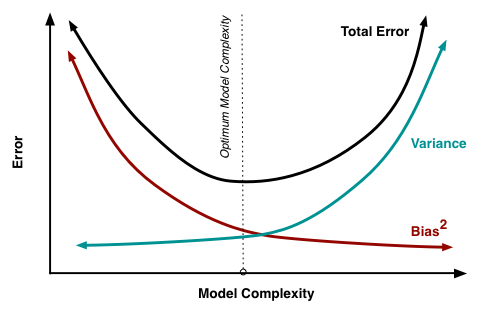
Bias Variance Trade-off
The bias is the difference between the expected value of the model’s prediction and the true value of the target
The variance measures how much the model’s prediction fluctuates when trained on different training sets.
Bias Variance Trade-off
https://scott.fortmann-roe.com/docs/BiasVariance.html



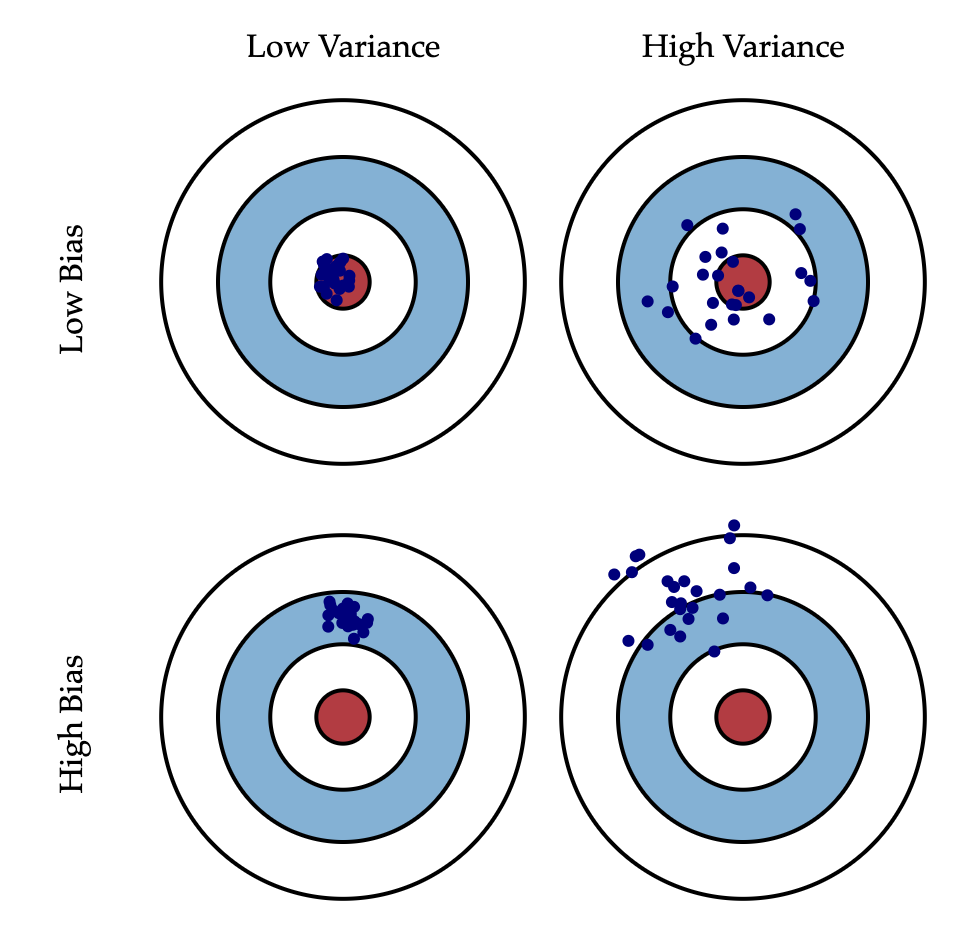
Bias Variance Trade-off
Bias Variance Trade-off
https://scott.fortmann-roe.com/docs/BiasVariance.html
Regularization
Regularization
Simpler Model
Smoother Model
Add Noise
Early Stop
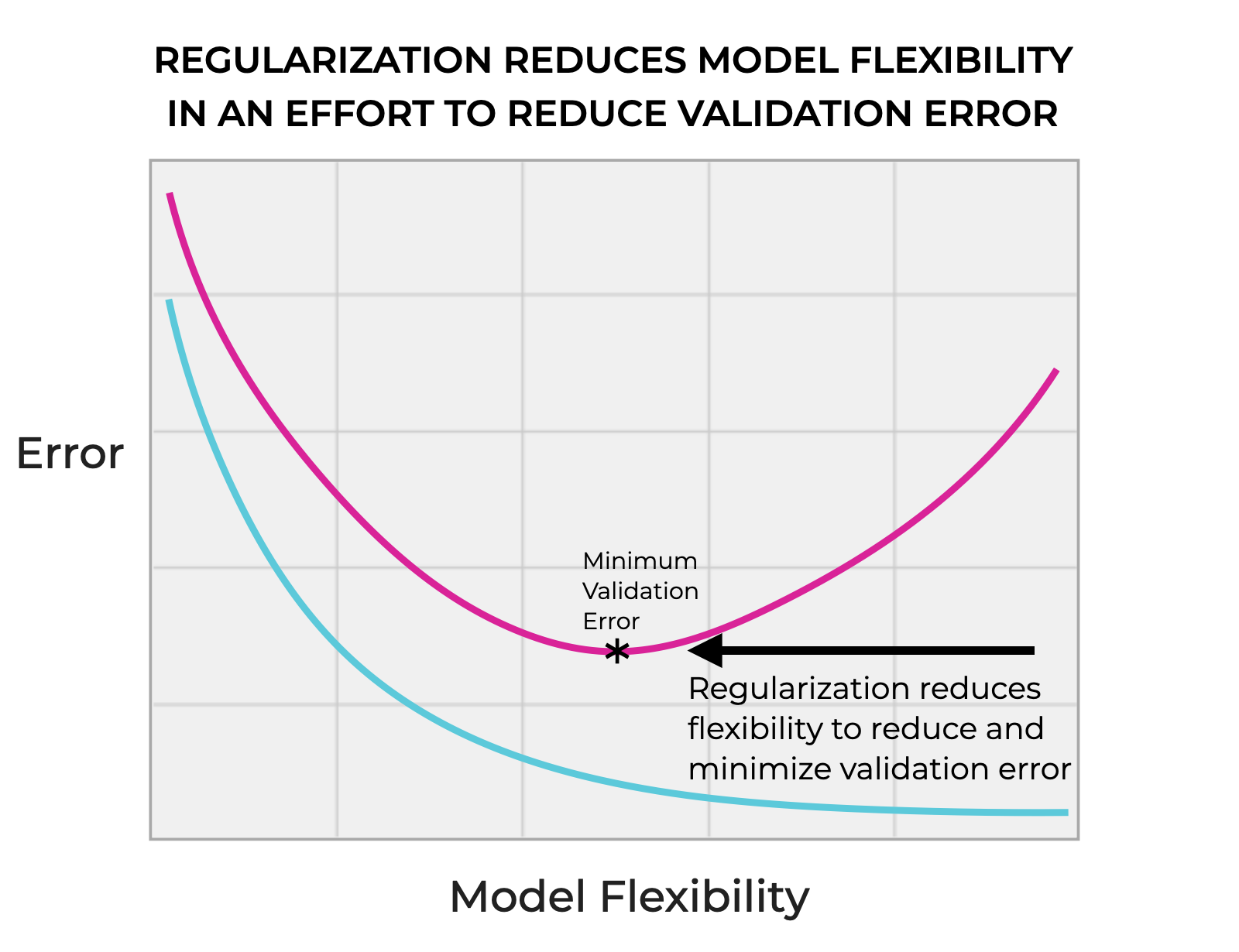
https://www.sharpsightlabs.com/blog/regularization-explained/
Model Selection
Model Selection
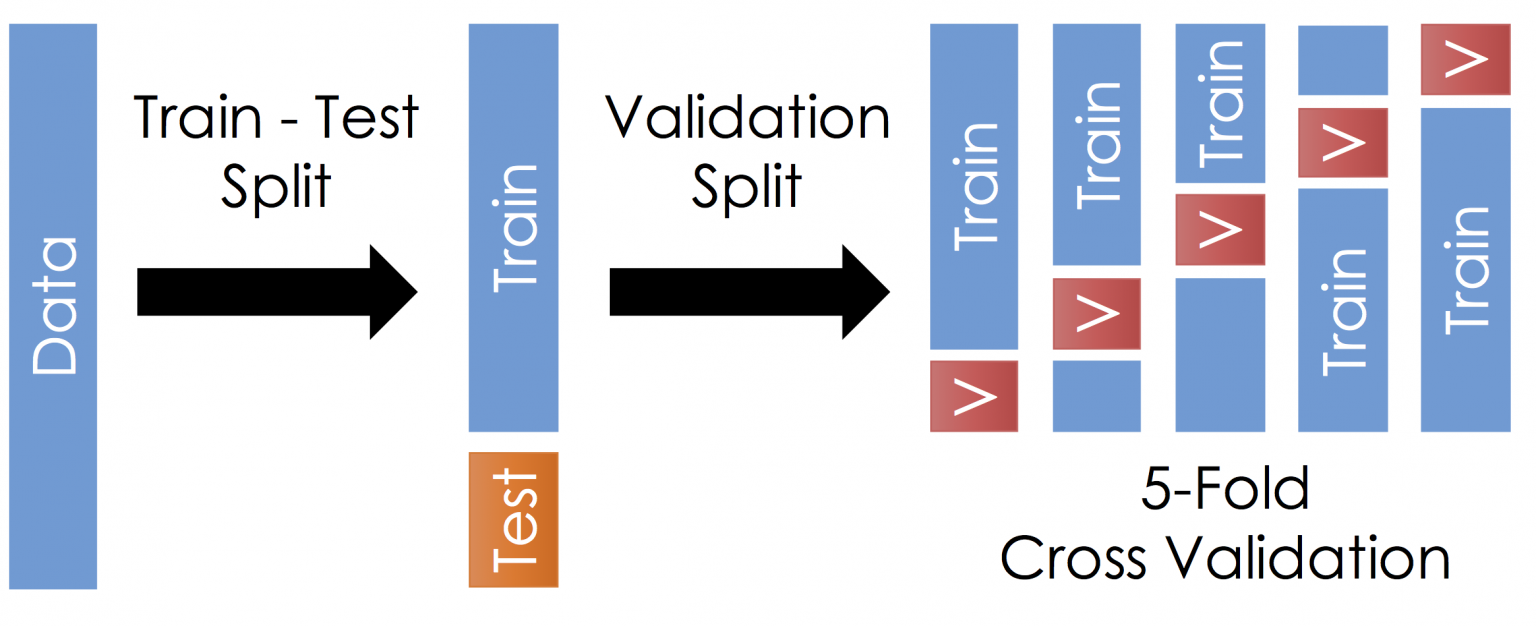
https://insights.blackcoffer.com/the-workflow-of-a-machine-learning-artificial-intelligence-project/
Resampling Methods: Cross-Validation
0.3 Machine Learning Basics 0.3.6 Suggested Readings
0.3 Machine Learning Basics 0.3.6 Suggested Readings
Books
Books
The Elements of Statistical Learning: Data Mining, Inference, and Prediction.by Trevor Hastie, Robert Tibshirani, Jerome Friedman https://hastie.su.domains/ElemStatLearn/
Pattern Recognition and Machine Learning, by Christopher M. Bishop, https://www.microsoft.com/en-us/research/uploads/prod/2006/01/Bishop-Pattern-Recognition-and-Machine-Learning-2006.pdf
Any Questions?
Any Questions?