Natural Language UnderstandingCourse Introduction

Natural Language
Understanding
Course Introduction
Understanding
Course Introduction
Mingming Sun
BIMSA
Outline

Outline
Teaching Staff
Content and Goal;
Prerequisites;
Reference Texts;
Assignments and Project.
0.1 Course Introduction 0.1.1 Teaching Staff
0.1 Course Introduction 0.1.1 Teaching Staff
Teacher: Mingming Sun
Teacher: Mingming Sun
Professor at Beijing Institute of Mathematical Sciences and Applications (BIMSA);
Research Area: Cognitive Computing, World Model, Multi-Agent System;
Email: sunmingming@bimsa.cn
Teaching Assistant: Haitao Su
Teaching Assistant: Haitao Su
Ph.D. student at Qiuzhen College
Research Area: Safety of Deep Learning and Large Language models.
Email: sht23@mails.tsinghua.edu.cn
0.1 Course Introduction 0.1.2 Course Content and Goals
0.1 Course Introduction 0.1.2 Course Content and Goals
Processing vs. Understanding
Processing vs. Understanding
Natural Language Processing = Processing the Natural Language
Natural Language Understanding = Understanding the Natural Language
Understanding = Processing + ?
John Searle’s Chinese Room
Let’s keep thinking what the “?” might represent.
Content
Content
Representation
Language:
Knowledge
Symbolic
Distributed
Language Model
Probabilistic LM
Neural LM
LLM
RLHF
Reasoning
Logical Reasoning
Language Reasoning
Agent and System
Tool Use
Planning
Memory
Goal (I)
Goal (I)
Language intelligence is the core of human intelligence;
The most significant distinction between human intelligence and that of other animals.
Learning natural language understanding is about:
understanding how human comprehend language intelligence
implement language understanding system.
Goal (II)
Goal (II)
Basic Research Perspective: Understand how human intelligence works.
Applied Research Perspective: Learn how to develop appropriate methods to solve real-world problems in various language scenarios.
For Researcher from Math Background (I)
For Researcher from Math Background (I)
Strengths
Your mathematical background gives you rigor, abstraction, and pursuit of elegance.
In AI, the main challenge is not programming skills, but shifting ways of thinking.
Embracing Complexity
AI often deals with messy, incomplete, and heuristic phenomena.
Like physicists studying nature, you must observe, experiment, and model before theory.
For Researcher from Math Background (II)
For Researcher from Math Background (II)
Mutual Enrichment
Heuristics and phenomenological models are stepping stones.
Mathematical depth is essential later to unify these into systematic, elegant theories.
Long-Term Goal
Build your own cognitive picture of intelligence.
Develop a methodological system that bridges mathematical rigor with real-world complexity.
The Path to Goal : Learning from History
The Path to Goal : Learning from History
The history of AI is composed of continuously discovering and solving problems.
There is no ultimate solution: every scenario has its own specific needs.
We learn from history to build a toolbox and a methodology for solving problems.
So we concern the history of NLU, not just fashion technologies.
Three Key Aspects
Three Key Aspects
Modeling: How to build mathematic models from linguistic elements to task objectives ?
Evaluation: How to assess the quality of a language system?
Algorithms: How to optimize the model to maximize the evaluation performance?
0.1 Course Introduction 0.1.3 Prerequisites
0.1 Course Introduction 0.1.3 Prerequisites
Calculus and Linear Algebra
Calculus and Linear Algebra
Understand matrix and vector operations.
Understand matrix factorization techniques, including Principal Component Analysis (PCA) and Singular Value Decomposition (SVD).
Understand gradient computation, including the chain rule and gradients with respect to matrices, among other concepts.
Probability and Statistics
Probability and Statistics
Probability Foundations: Understand key concepts: probability space, conditional probability, Bayes’ Theorem, and event dependencies.
Statistical Inference & Estimation: Learn methods for parameter estimation, hypothesis testing, and p-value interpretation.
Sampling Methods: Monte Carlo, Importance Sampling, and MCMC for probabilistic inference.
Information Theory: Apply entropy, cross-entropy, and KL divergence to measure uncertainty and error.
Python Programming
Python Programming
Proficient in writing Python scripts, functions, and classes.
Familiar with using libraries and packages such as NumPy, scikit-learn, PyTorch, etc.
Capable of developing custom modules and packages.
Skilled in visualizing experimental results.
Experienced in creating command-line interfaces and GUI applications using Streamlit.
Foundations of Machine Learning
Foundations of Machine Learning
Key Concepts: including model capacity, overfitting, cross-validation;
Typical Models: linear model, logistic regression, SVM, MLP, deep neural network;
Learning Methods: supervised learning, unsupervised learning, reinforcement learning;
Optimization: gradient descent, back-propagation, etc.
Evaluation Metrics: precision, recall, F1, AUC, ROC.
0.1 Course Introduction 0.1.4 Reference Texts
0.1 Course Introduction 0.1.4 Reference Texts
Reference Texts
Reference Texts
Speech and Language Processing, Dan Jurafsky and James H. Martin. https://web.stanford.edu/~jurafsky/slp3/
Neural Network Methods in Natural Language Processing, Yoav Goldberg
Natural Language Processing, Jacob Eisenstein
Knowledge Graphs: Fundamentals, Techniques, and Applications, Mayank Kejriwal, Craig A. Knoblock, Pedro Szekely
0.1 Course Introduction 0.1.5 Assignments and Final Project
0.1 Course Introduction 0.1.5 Assignments and Final Project
Assignments
Assignments
48% of total score;
4 Assignments, each focusing on a major topic;
Each assignment may involve algorithm design, analysis, and implementation;
Duration: 1-2 weeks for completion.
Final Project
Final Project
52% of total score;
Default project: Implementing a Mini-LLM;
Custom project: Choose a topic of interests;
Team Size: Up to 3 members
Duration: 4 weeks for completion.
Academic Integrity (I)
Academic Integrity (I)
Independent Work (Assignments): All assignments must be completed individually. Any form of plagiarism, ghostwriting, or unauthorized collaboration is strictly prohibited.
Teamwork (Final Project): The final project allows collaboration in teams of up to 3 members. However, all members must contribute equally, and the work must remain original.
Academic Integrity (II)
Academic Integrity (II)
Originality: All code, reports, and project materials must be original. Proper citations must be given when referencing external work.
Academic Integrity: Adhere to academic integrity principles. Any cheating or dishonest behavior will be dealt with severely.
Code and Resource Usage: Only course-approved external resources may be used. Any external libraries or tools used must be properly cited in the report.
Any Questions?
Any Questions?
Natural Language UnderstandingProgramming and Environment

Natural Language
Understanding
Programming and Environment
Understanding
Programming and Environment
Mingming Sun
BIMSA
Outline

Outline
Why Python
Programming Techniques
Soft Development Skills
Experimental Environment
Suggested Readings
0.2 Python Programming 0.2.1 Why Python
0.2 Python Programming 0.2.1 Why Python
Why Python?
Why Python?
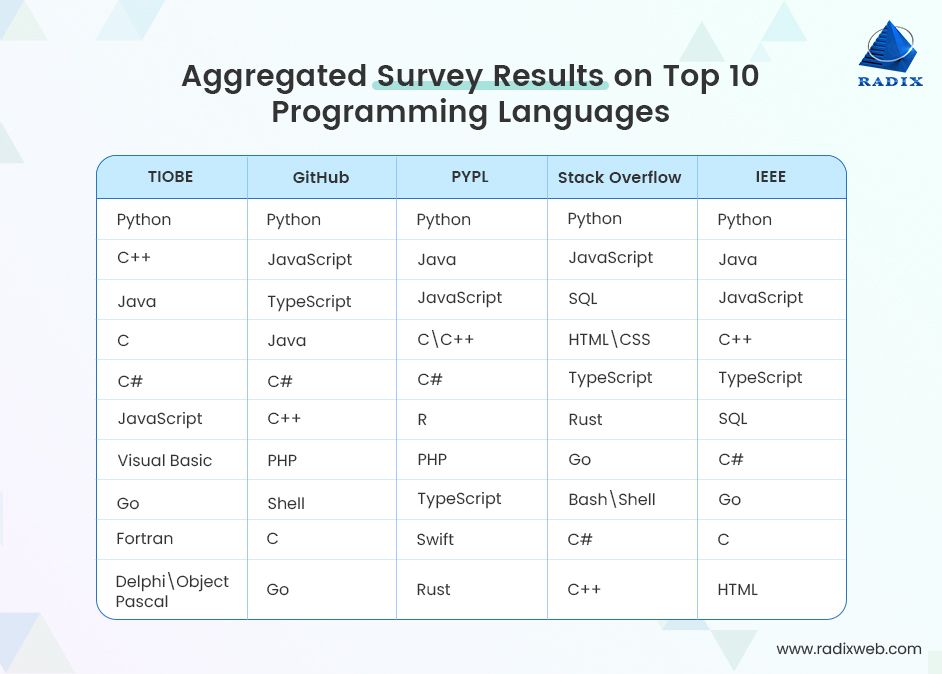
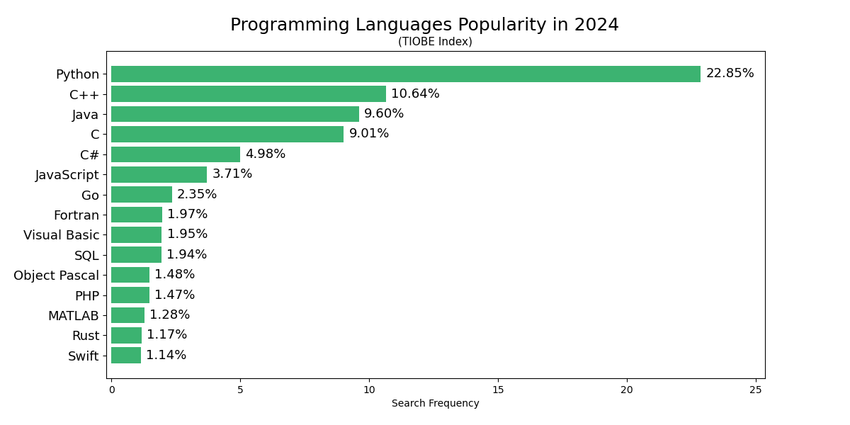
https://www.researchgate.net/publication/387584210_Popularity_of_programming_languages
Efficient for Human
Efficient for Human
Easy to learn, read, write, and run;
Interactive environment:
Quick experiment;
Easy to debug;
Great IDE:
Jupyter lab and notebook
Easy to merge into current system:
IPython, JPython
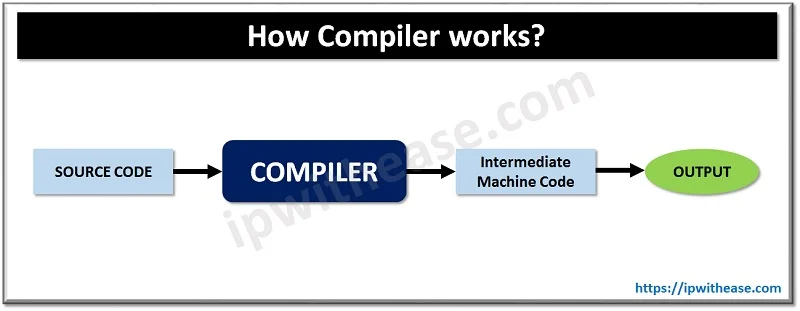
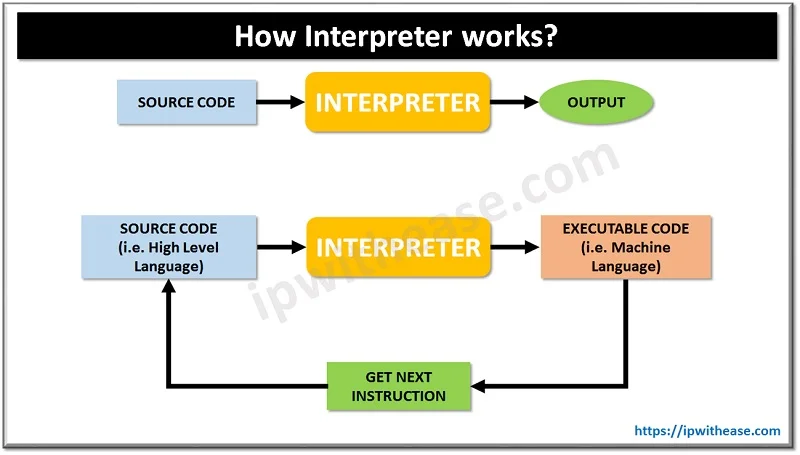
Efficient for Machine
Efficient for Machine
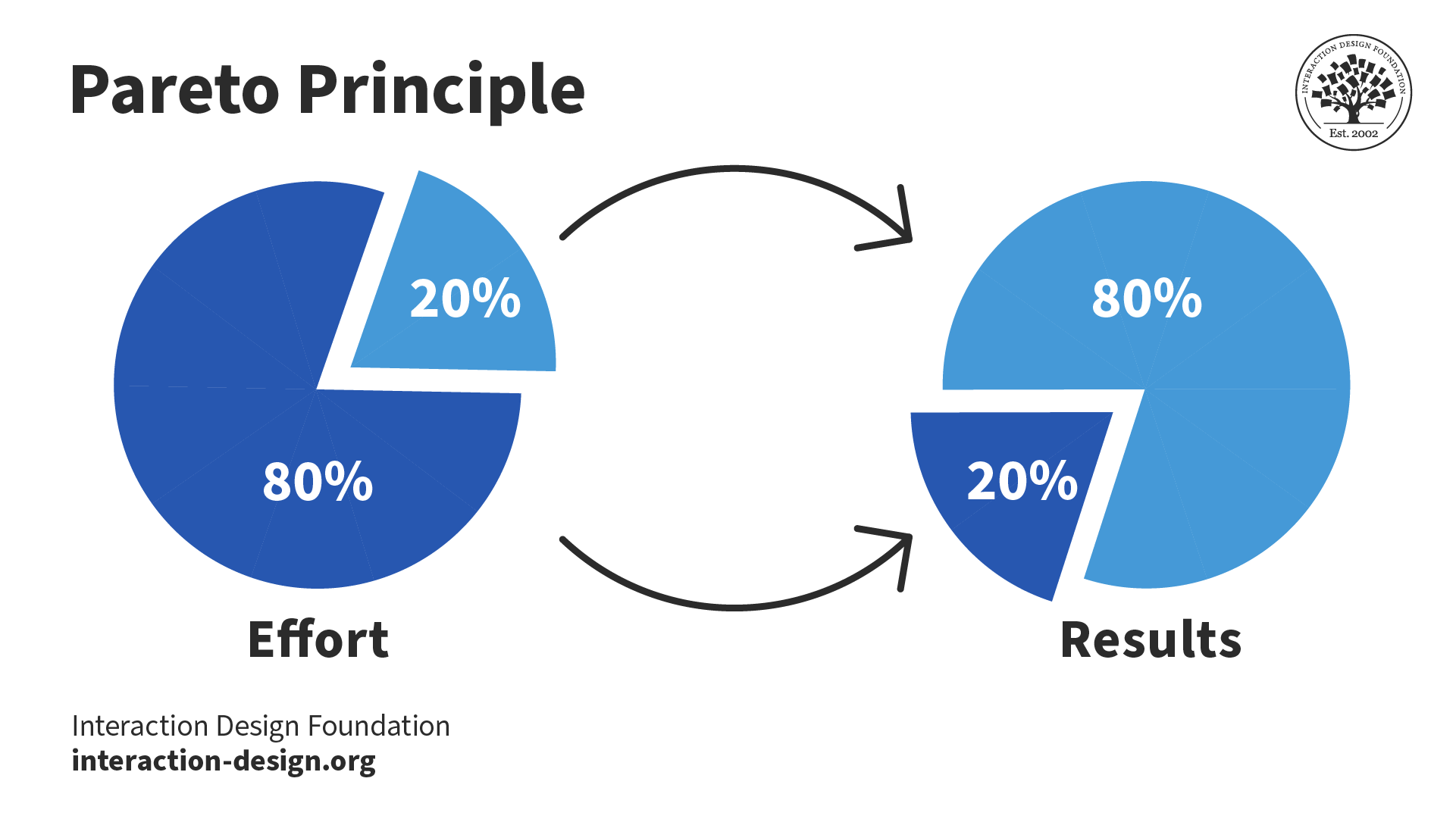
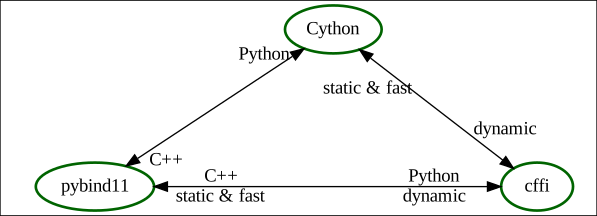
Why python can be used in high performance area, such AI?
http://blog.behnel.de/posts/cython-pybind11-cffi-which-tool-to-choose.html
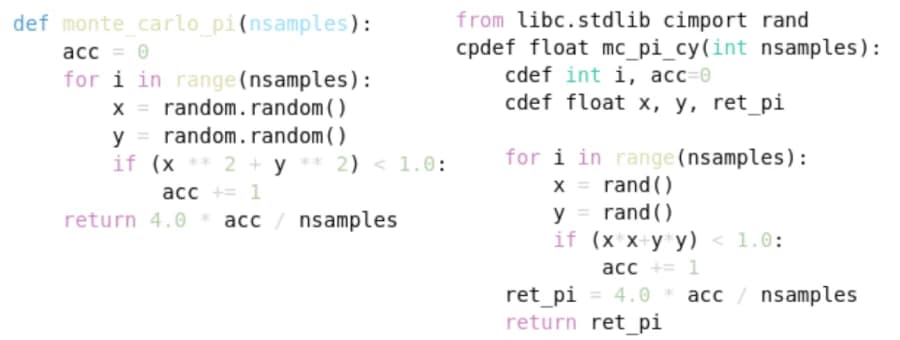
Efficient for Machine: Cython
Efficient for Machine: Cython
https://inlocrobotics.com/en/optimizing-python-with-cython/
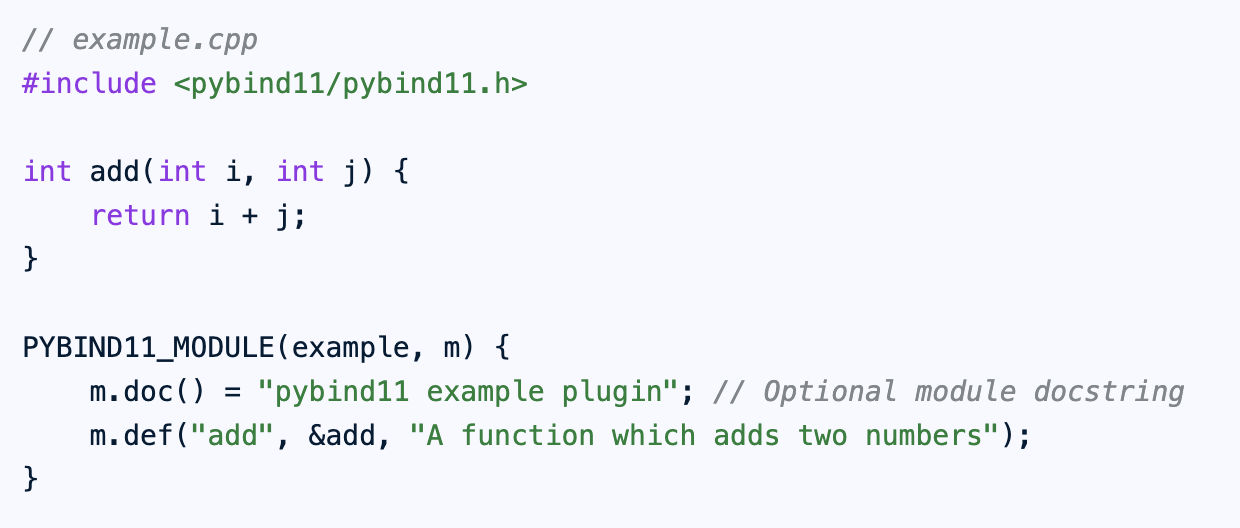
Efficient for Machine: Pybind11
Efficient for Machine: Pybind11
Great Ecosystem and Community
Great Ecosystem and Community
Open-source & Accessible: Free to use, with a vast, growing ecosystem.
Rich Libraries & Frameworks:
Data Science: pandas, NumPy
Machine Learning: Scikit-learn, PyTorch
Web Development: Django, Flask
Thriving Community:
Extensive documentation, forums, and tutorials.
Active contributors and collaborative development
0.2 Python Programming 0.2.2 Programming Techniques
0.2 Python Programming 0.2.2 Programming Techniques
Data Processing and Analysis (I)
Data Processing and Analysis (I)
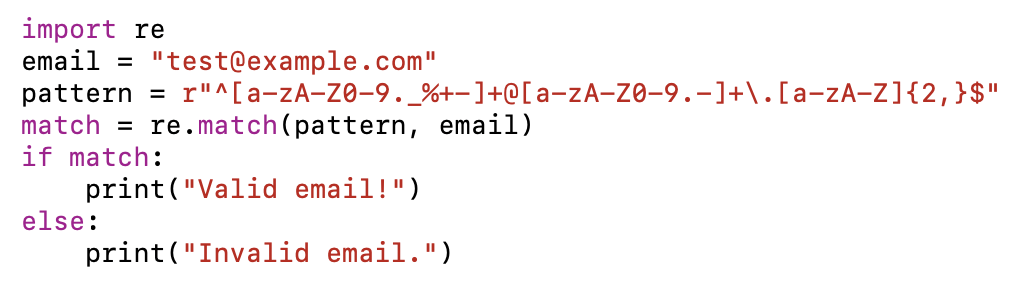
Regex
A powerful tool for pattern matching and text processing.
Helps with tasks like searching, replacing, or validating strings.
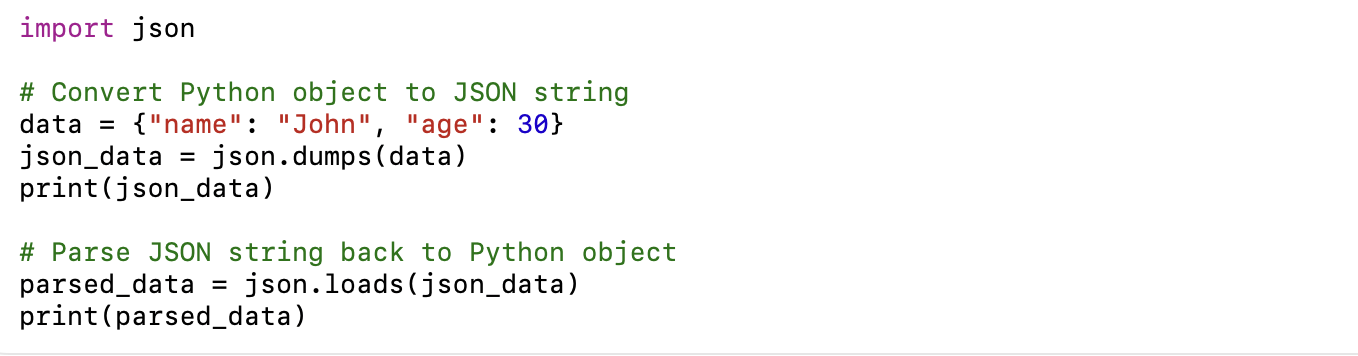
Json (JavaScript Object Notation)
A lightweight data format.
Commonly used for serialize data with multiple attributes, for example, sample with feature and labels.
Data Processing and Analysis (II)
Data Processing and Analysis (II)
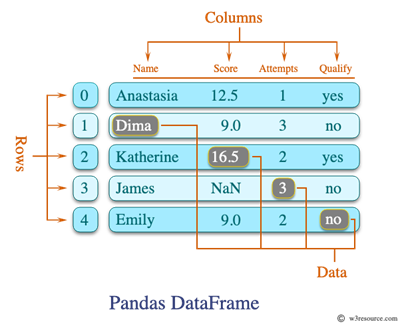
Pandas: Table Data Processing
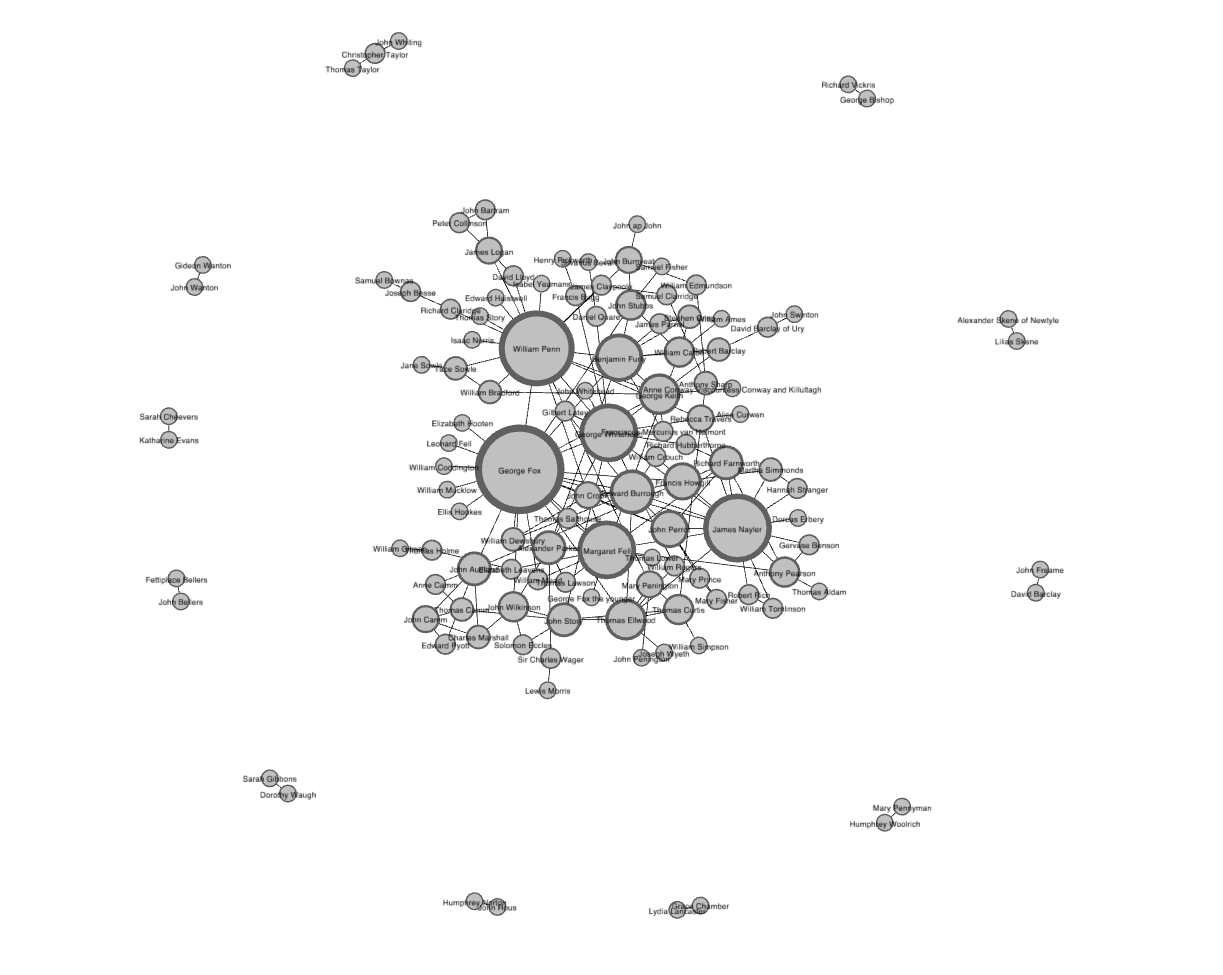
NetworkX: Graph Data Processing
https://programminghistorian.org/en/lessons/exploring-and-analyzing-network-data-with-python
https://codingsight.com/an-overview-of-dataframes-in-python/
Numerical Computing and Machine Learning
Numerical Computing and Machine Learning
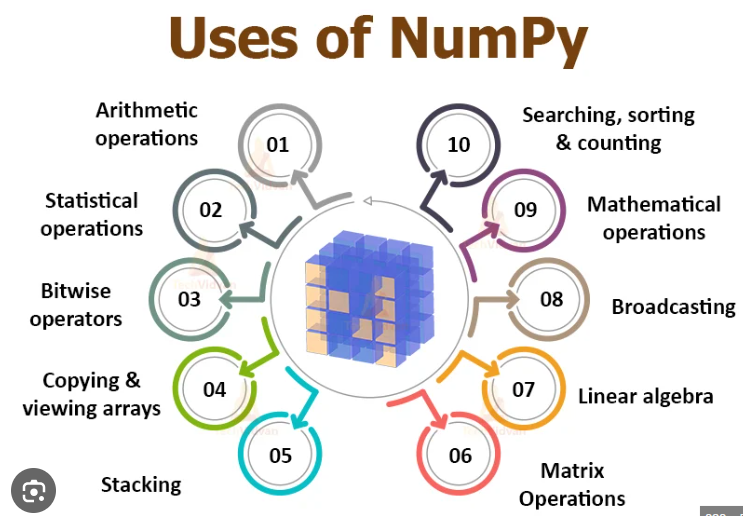
Numpy: Powerful Numerical Computations
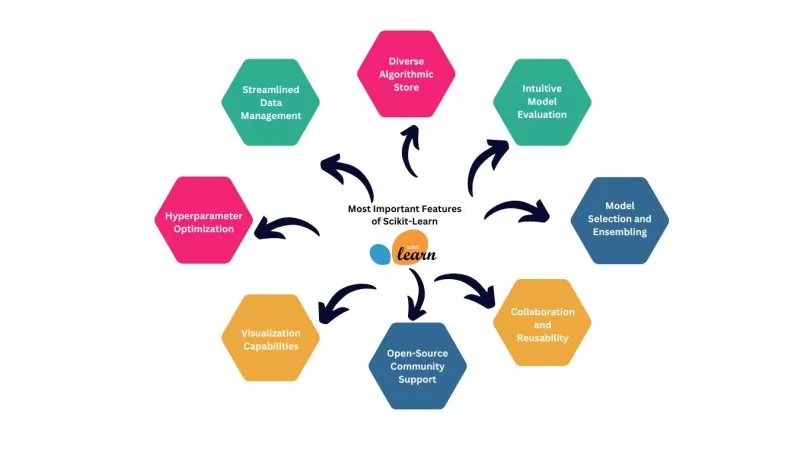
https://www.techprofree.com/most-important-features-of-scikit-learn/
Scikit-Learn: Machine Learning Made Simple
https://decodingdatascience.com/numpy-the-foundation-of-data-science-and-ai/
Deep Learning
Deep Learning
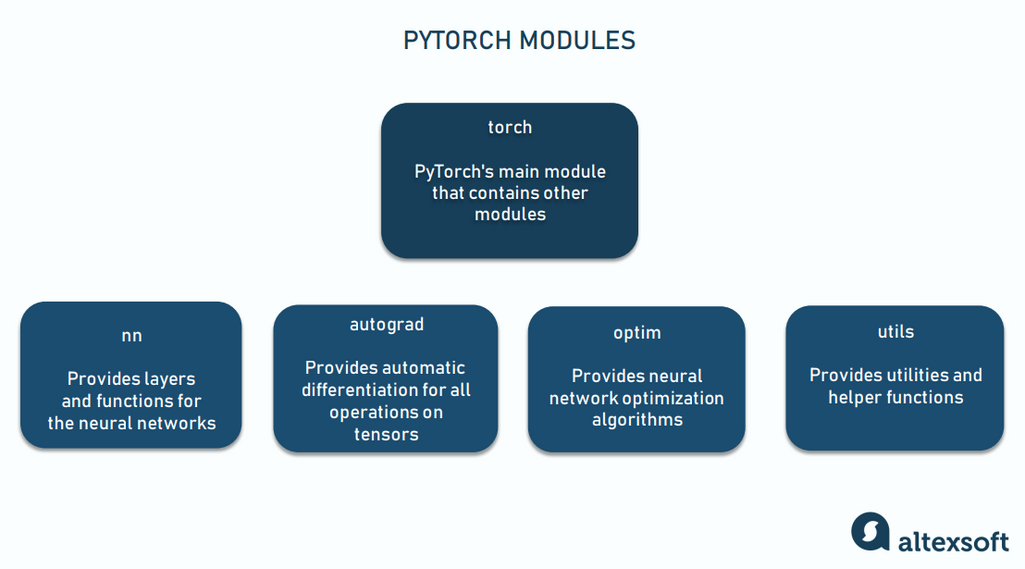
Pytorch: Deep Learning Framework
Huggingface: Platform for Deep Learning
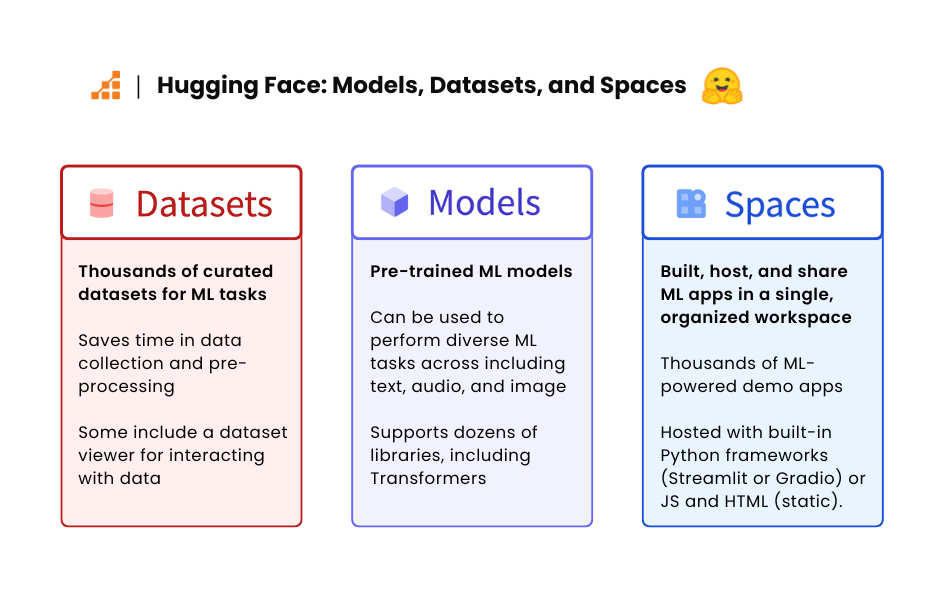
https://www.scalablepath.com/machine-learning/hugging-face
https://www.altexsoft.com/blog/pytorch-library/
Visualization
Visualization
Matplotlib:
Visualization library for data science, machine learning, and scientific research for data exploration and presentation.
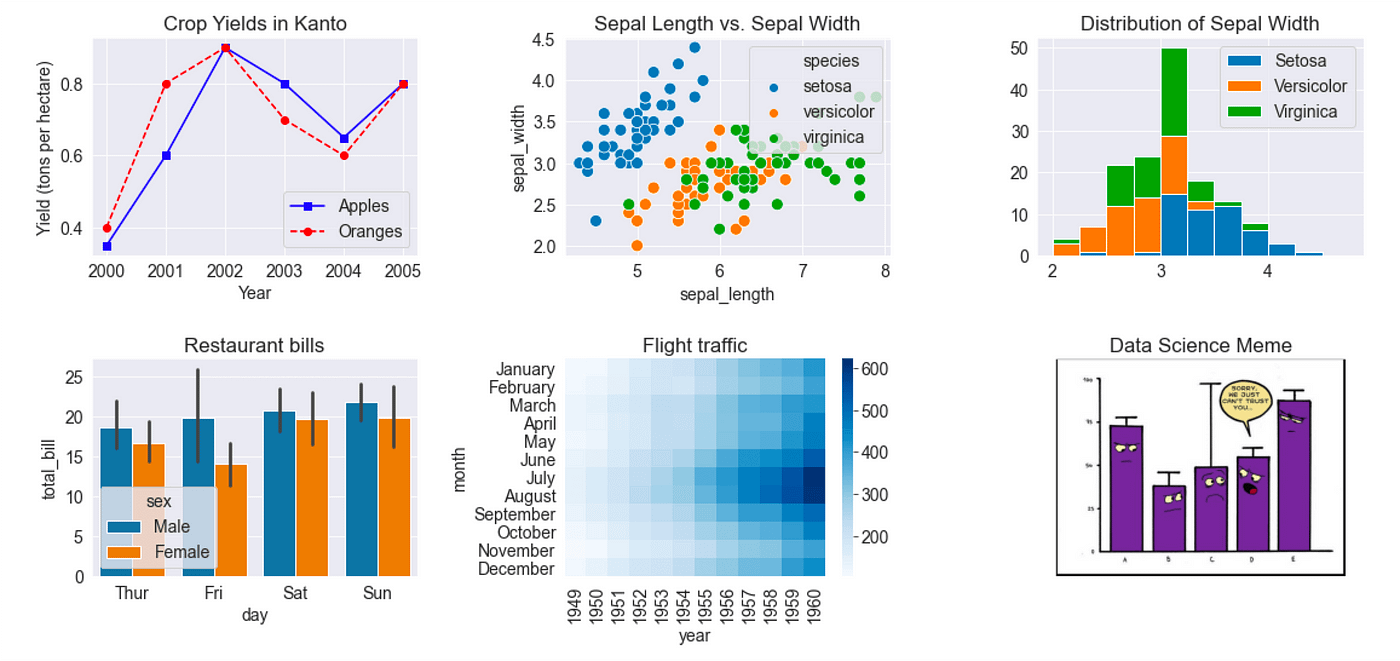
https://medium.com/@aakash_7/data-visualization-with-matplotlib-d7967ee42fce
GUI
GUI
Streamlit
An open-source Python library that makes it easy to create interactive web applications for data science and machine learning projects.
Allows you to turn Python scripts into web apps with minimal code.
Ideal for quickly sharing results, visualizations, and models in a user-friendly interface.
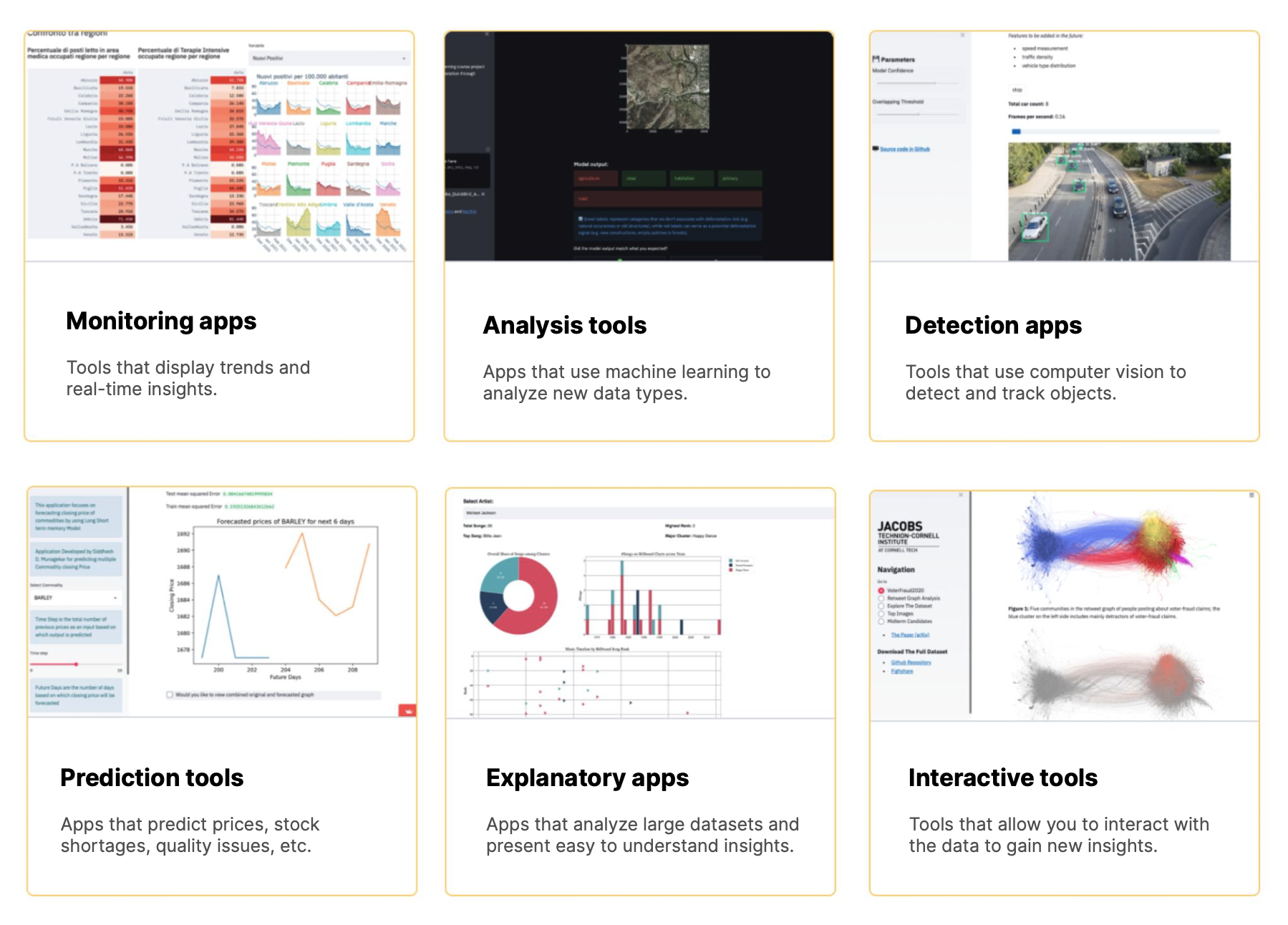
https://blog.streamlit.io/introducing-streamlit-cloud/
0.2 Python Programming 0.2.3 Software Development Skills
0.2 Python Programming 0.2.3 Software Development Skills
Virtual Environment and Package Management
Virtual Environment and Package Management
A virtual environment is an isolated environment that:
Manage dependencies for different projects separately.
Prevents conflicts between different projects.
Enables reproducibility by isolating project-specific libraries.
Package Management:
It allows you to install, upgrade, and remove packages from your environment.
Recommendation:
Micromamba + Pip
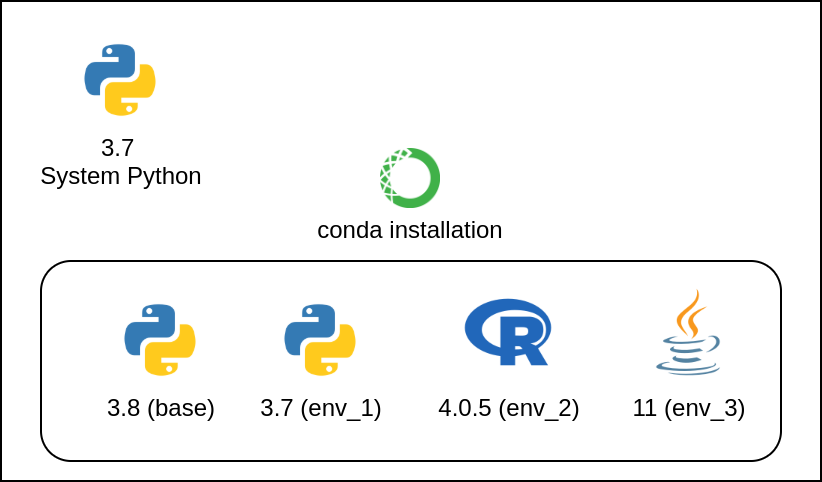
https://www.whiteboxml.com/blog/the-definitive-guide-to-python-virtual-environments-with-conda
Source Code Version Control
Source Code Version Control
Version control is a system:
Track changes: Easily see what changes have been made to the code, who made them, and why.
Collaboration: Multiple developers can work on the same project without overwriting each other’s work.
History: Revert back to previous versions of the code if needed.
Recommendation: Github
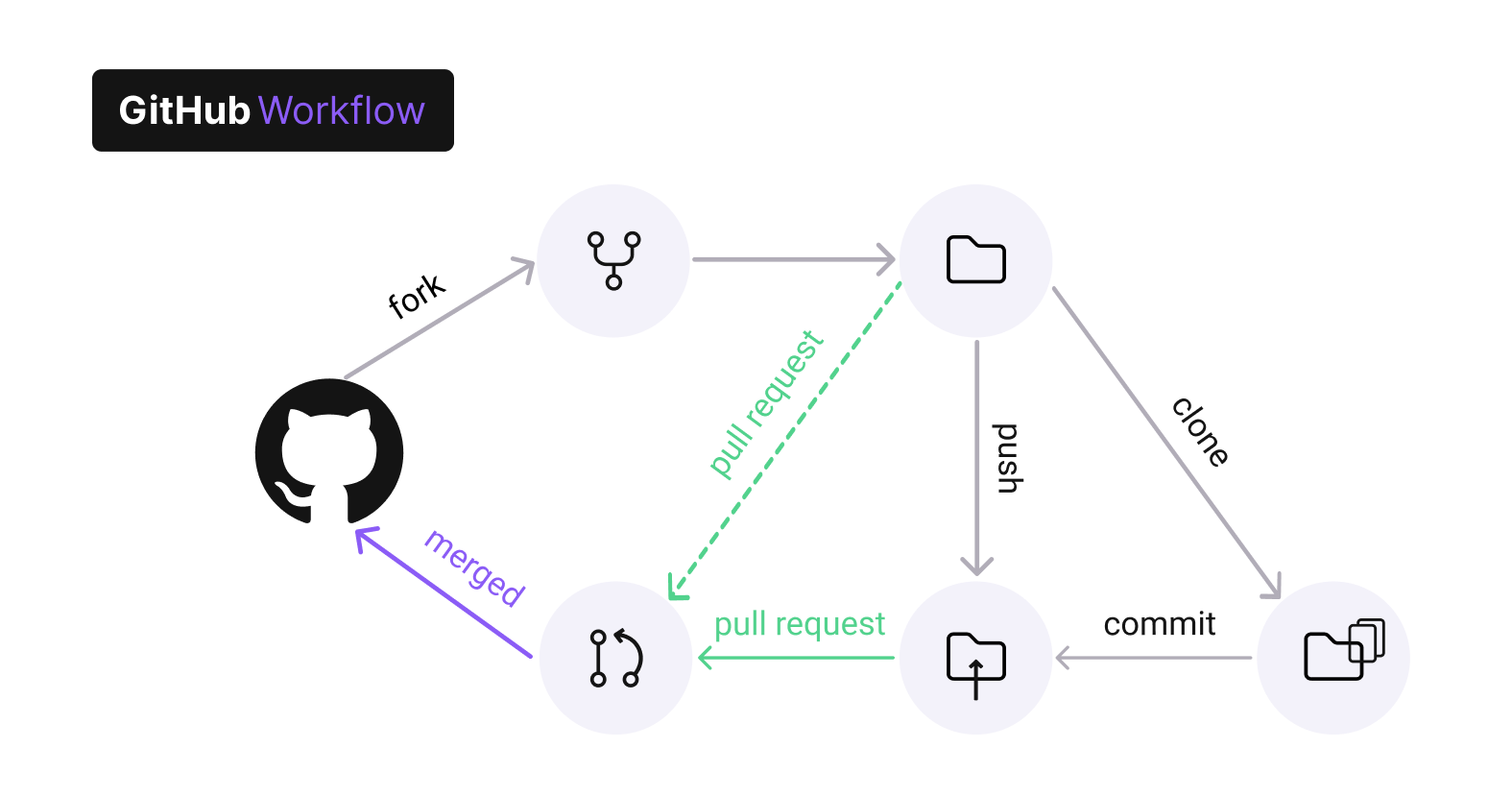
https://www.legitsecurity.com/blog/github-privilege-escalation-vulnerability
0.2 Python Programming 0.2.4 Experimental Environment
0.2 Python Programming 0.2.4 Experimental Environment
Jupyter Lab and Notebook
Jupyter Lab and Notebook
Lab:
Web-based interactive development environment
Notebook
An interactive web-based environment for running code, visualizing data, and documenting results.
Ideal for data analysis, machine learning, and educational purposes.
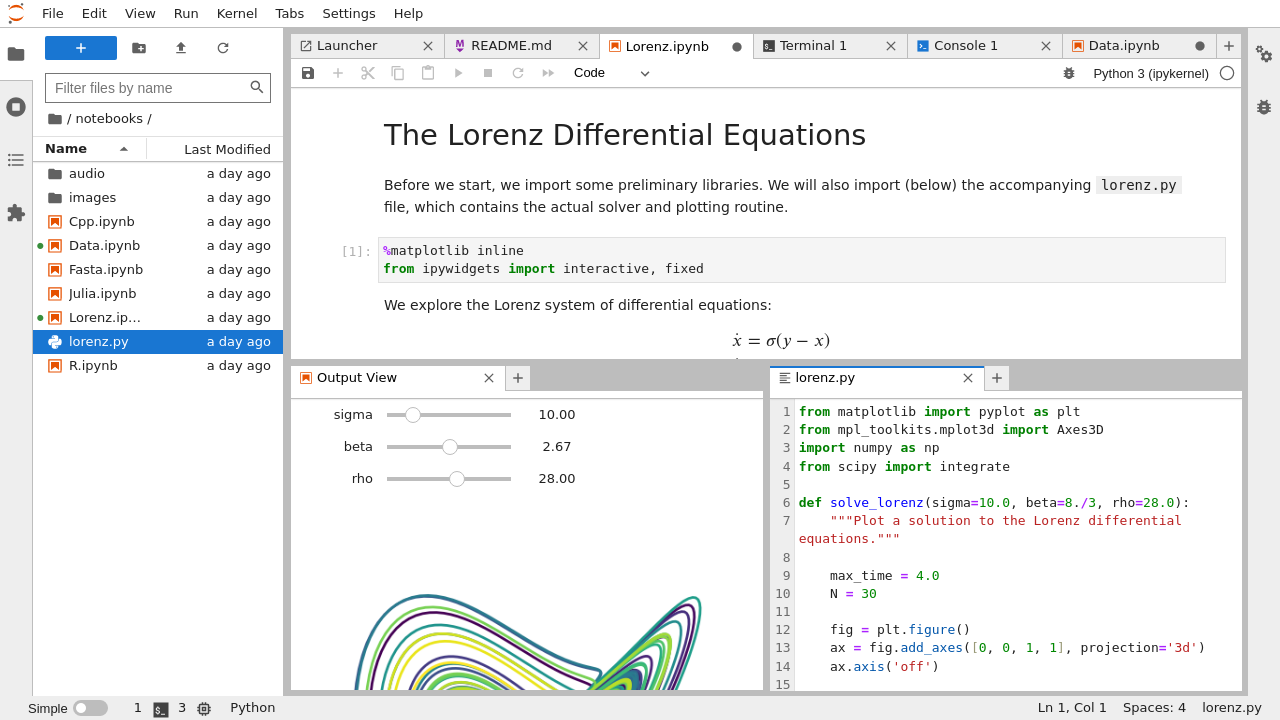
https://docs.jupyter.org/en/latest/
Experimental Platform
Experimental Platform
Provide unlimited CPU resource and 100 hours GPU;
With jupyter notebook support;
Student should finish programming assignment by:
Writing document and code in the notebook,
Test the code in the provided computer,
Visualize the result;
Submit the final notebook.
0.2 Python Programming 0.2.5 Suggested Readings
0.2 Python Programming 0.2.5 Suggested Readings
Books
Any Questions?
Any Questions?
Natural Language UnderstandingMachine Learning Basic

Natural Language
Understanding
Machine Learning Basic
Understanding
Machine Learning Basic
Mingming Sun
BIMSA
Outline

Outline
What is Machine Learning
Building A Machine Learning System
Machine Learning Models
Optimization Methods
Generalization and Model Selection
Suggested Readings
0.3 Machine Learning Basics 0.3.1 What Is Machine Learning
0.3 Machine Learning Basics 0.3.1 What Is Machine Learning
Domains of AI
Domains of AI
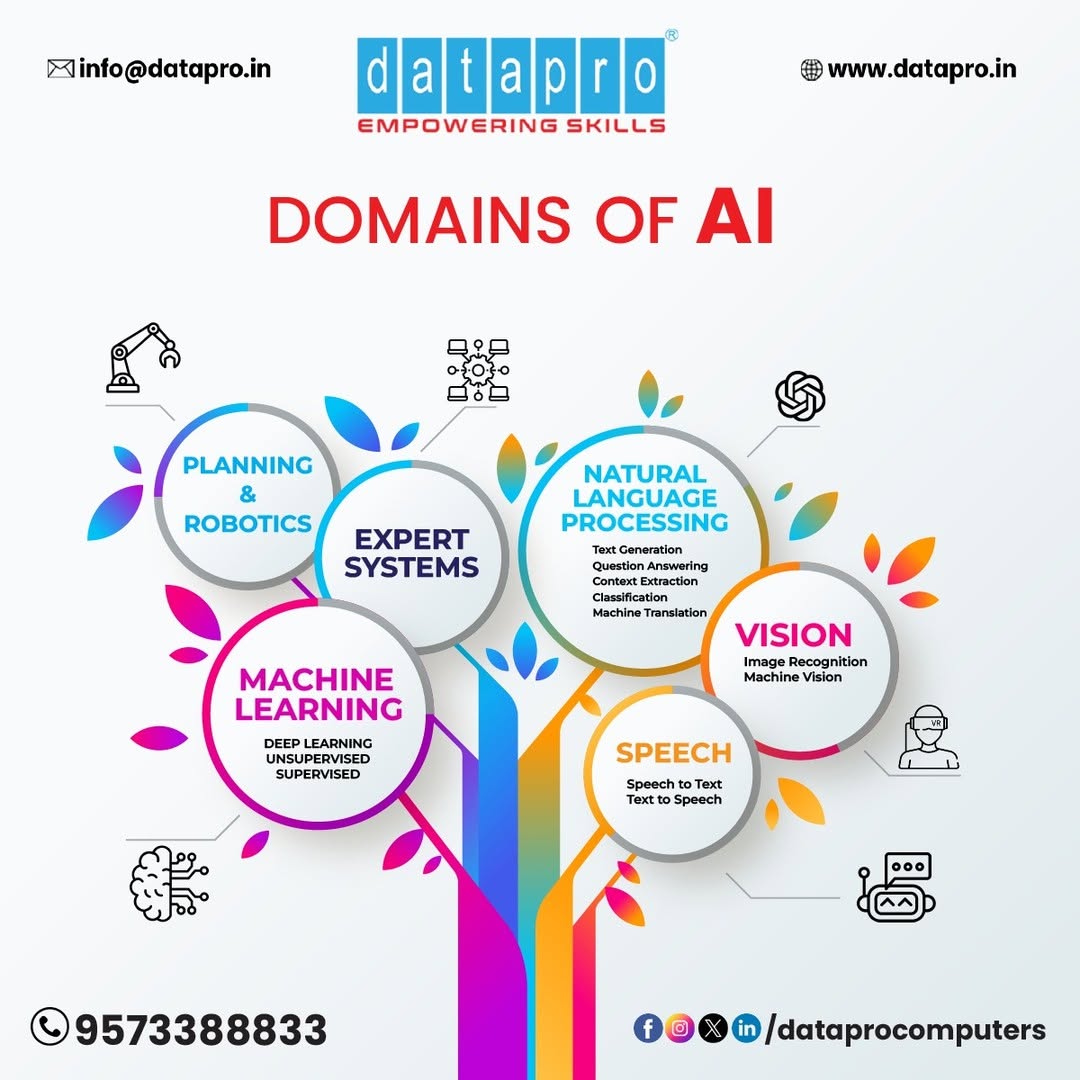
https://www.instagram.com/dataprocomputersofficial/p/C11GBTPRn-F/
What is Machine Learning
What is Machine Learning
Learning is any process by which a system improves performance from experience. —— Herbert Simon
Machine Learning is the field of study that gives computers the ability to learn without being explicitly programmed. —— Arthur Samuel, 1959
Machine Learning is the science (and art) of programming computers so they can learn from data (experience).
A Formal Definition by Tom Mitchell (1998)
A Formal Definition by Tom Mitchell (1998)
Machine Learning is the study of algorithms that
improve their performance P
at some task T
with experience E.
A well-defined learning task is given by <P, T, E>.
Why Machine Learning (I)
Why Machine Learning (I)
The traditional approach:
You must read and understand the experience yourself;
Write a long list of complex rules pretty hard to maintain.
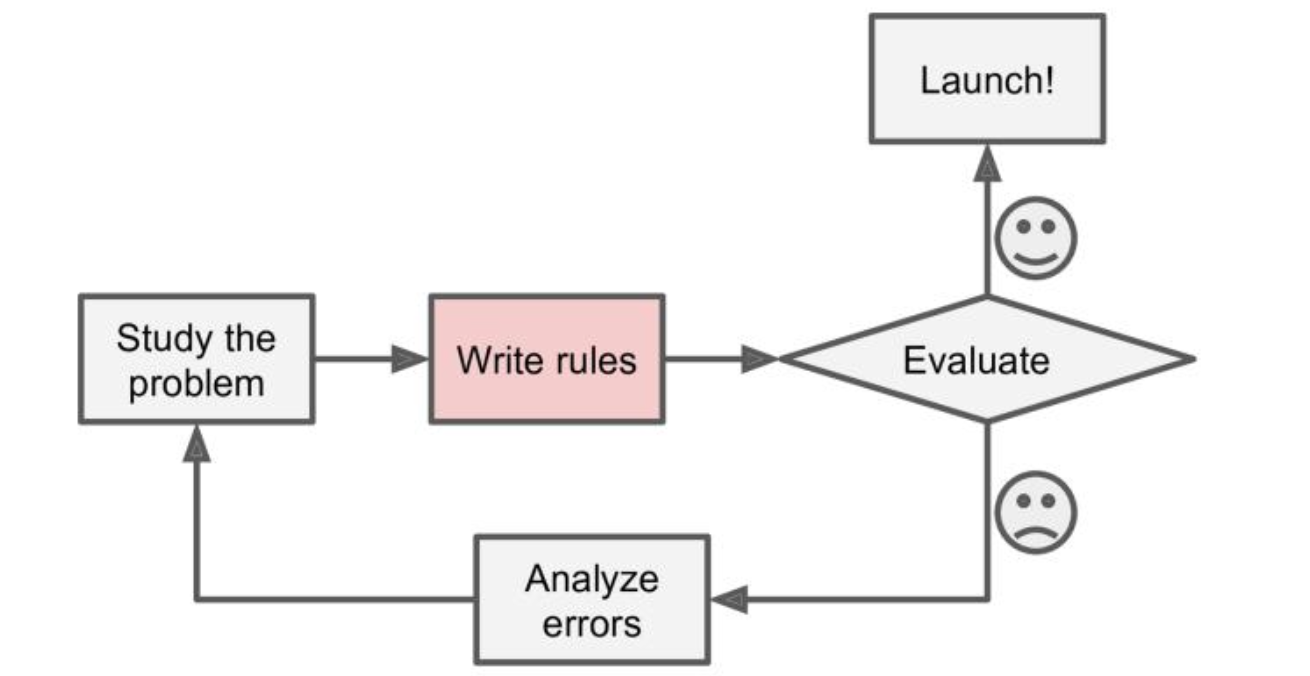
https://www.slideshare.net/slideshow/the-fundamentals-of-machine-learning/238653218
Why Machine Learning (II)
Why Machine Learning (II)
The Machine Learning approach:
Machine learns from experience;
Faster to generate a program (model);
The performance is generally better.
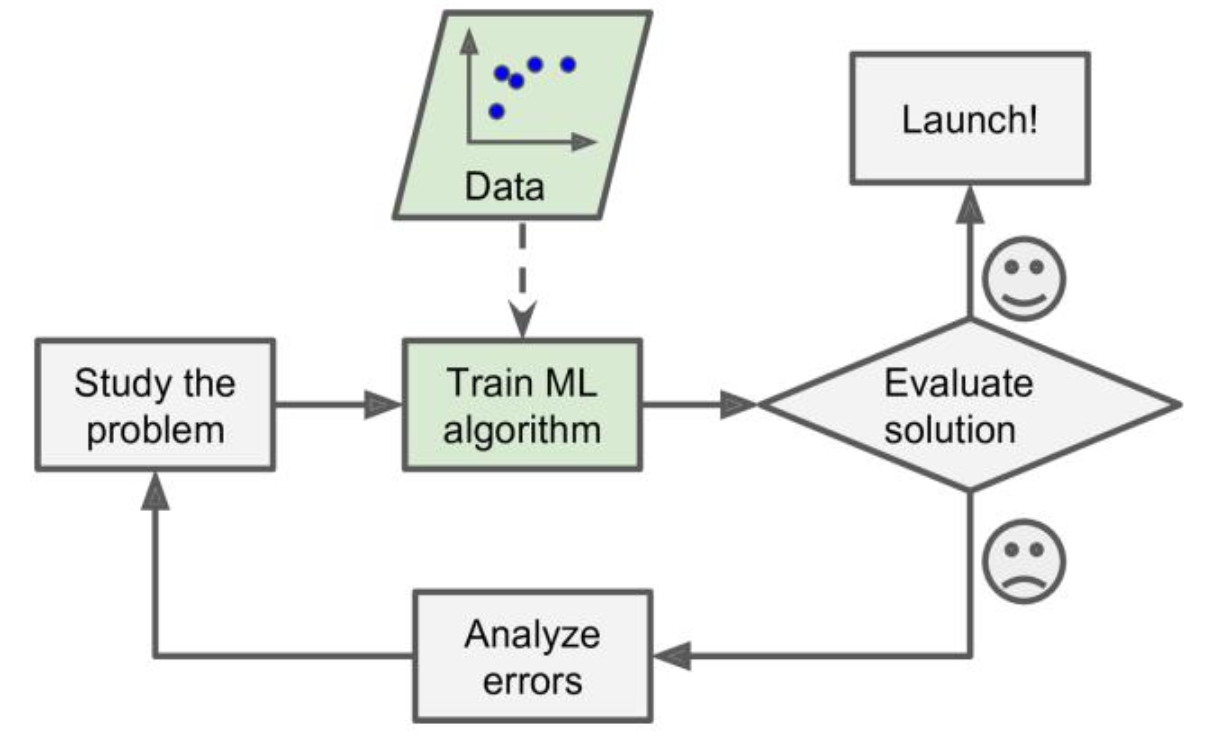
https://www.slideshare.net/slideshow/the-fundamentals-of-machine-learning/238653218
Why Machine Learning (III)
Why Machine Learning (III)
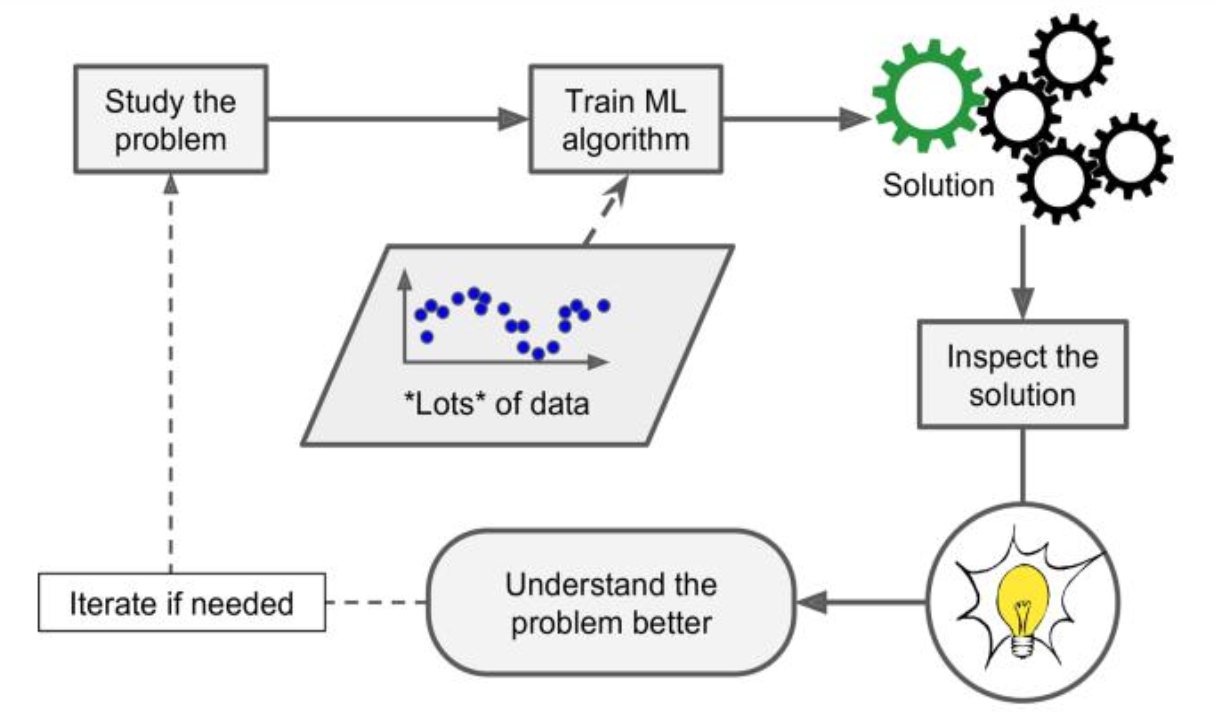
Machine Learning helps human learning, think and discover.
https://www.slideshare.net/slideshow/the-fundamentals-of-machine-learning/238653218
Why Machine Learning (IV)
Why Machine Learning (IV)
Machine Learning is great for:
Problems for which existing solutions require a lot of hand-tuning or long lists of rules: one Machine Learning algorithm can often simplify code and perform better.
Complex problems for which there is no good solution at all using a traditional approach: the best Machine Learning techniques can find a solution.
https://www.slideshare.net/slideshow/the-fundamentals-of-machine-learning/238653218
0.3 Machine Learning Basics 0.3.2 Building Machine Learning Systems
0.3 Machine Learning Basics 0.3.2 Building Machine Learning Systems
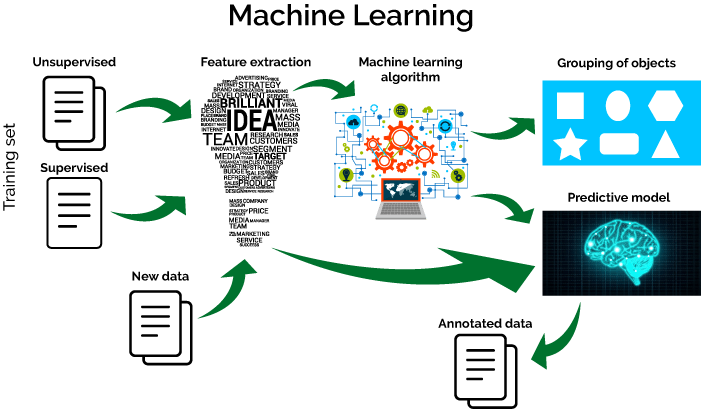
Building A Machine Learning System (I)
Building A Machine Learning System (I)
https://insights.blackcoffer.com/the-workflow-of-a-machine-learning-artificial-intelligence-project/
Building A Machine Learning System (II)
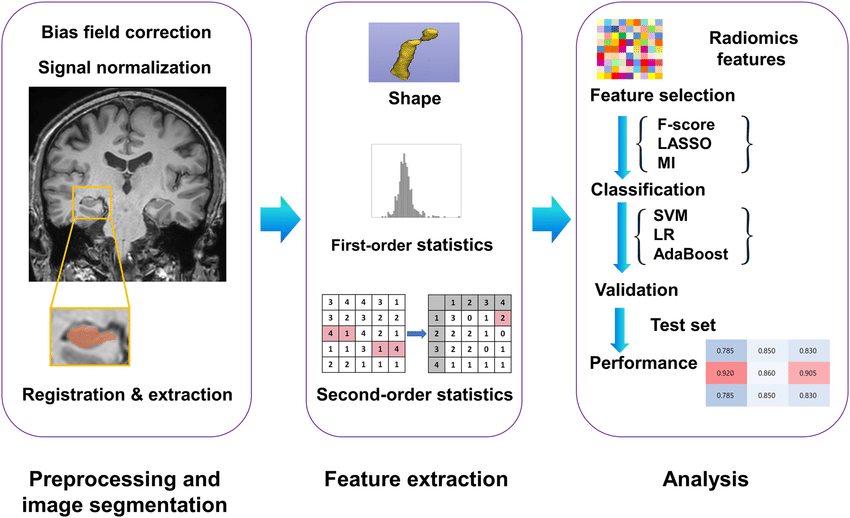
Building A Machine Learning System (II)
Yae Won Park, et.al, Radiomics features of hippocampal regions in magnetic resonance imaging can differentiate medial temporal lobe epilepsy patients from healthy controls, Scientific Reports 2020
Preprocessing
Preprocessing
Preprocessing step receives the raw data, and prepare the samples for feature extraction using following steps:
Data selection: Filter relevant part of data;
Clean data: Removes low quality, inconsistent data;
Handles missing values: Ensures no critical information is lost.
Normalizes data: Brings data to a common scale for better convergence;
…
Feature Extraction
Feature Extraction
Feature Extraction bridges the raw input data of the task to the learning model;
It generally convert text, sounds, images, videos into vector of features;
Methods:
Text: word index in vocabulary, word pos-tag catetory, TF-IDF vector of document;
Image: SIFT, Gabor;
Speech: Wavelet
…
Choose the Model Family
Choose the Model Family
Model Families:
Linear Model, Decision Tree, Support Vector Machines, Neural Network
Key Considerations
Problem Type: Classification vs Regression.
Data: Size and complexity.
Resources: Simpler models for less computation.
Key Takeaway
Start with simple models (linear models, decision trees) and move to complex models (SVM, neural networks) if needed.
Model Training and Evaluation
Model Training and Evaluation
Model Training
Training Data: Labeled data used to teach the model.
Loss Function: Measures model performance (e.g., MSE, Cross-Entropy).
Optimization: Adjusts parameters to minimize error (e.g., gradient descent).
Model Evaluation
Test Set: Used to evaluate the final model’s real-world performance.
Evaluation Metrics: Accuracy, Precision, Recall, F1 Score; RMSE.
Common Challenges
Overfitting: Model captures noise, mitigated by regularization.
Underfitting: Model too simple, mitigated by using more complex models.
0.3 Machine Learning Basics 0.3.3 Machine Learning Models
0.3 Machine Learning Basics 0.3.3 Machine Learning Models
Types of Machine Learning Systems
Types of Machine Learning Systems
Supervised Learning
Mapping samples to given label system.
Unsupervised Learning
Explore and find inner-structure of data.
Reinforcement Learning
Learning from feedbacks from the environment.
Supervised Learning
Supervised Learning
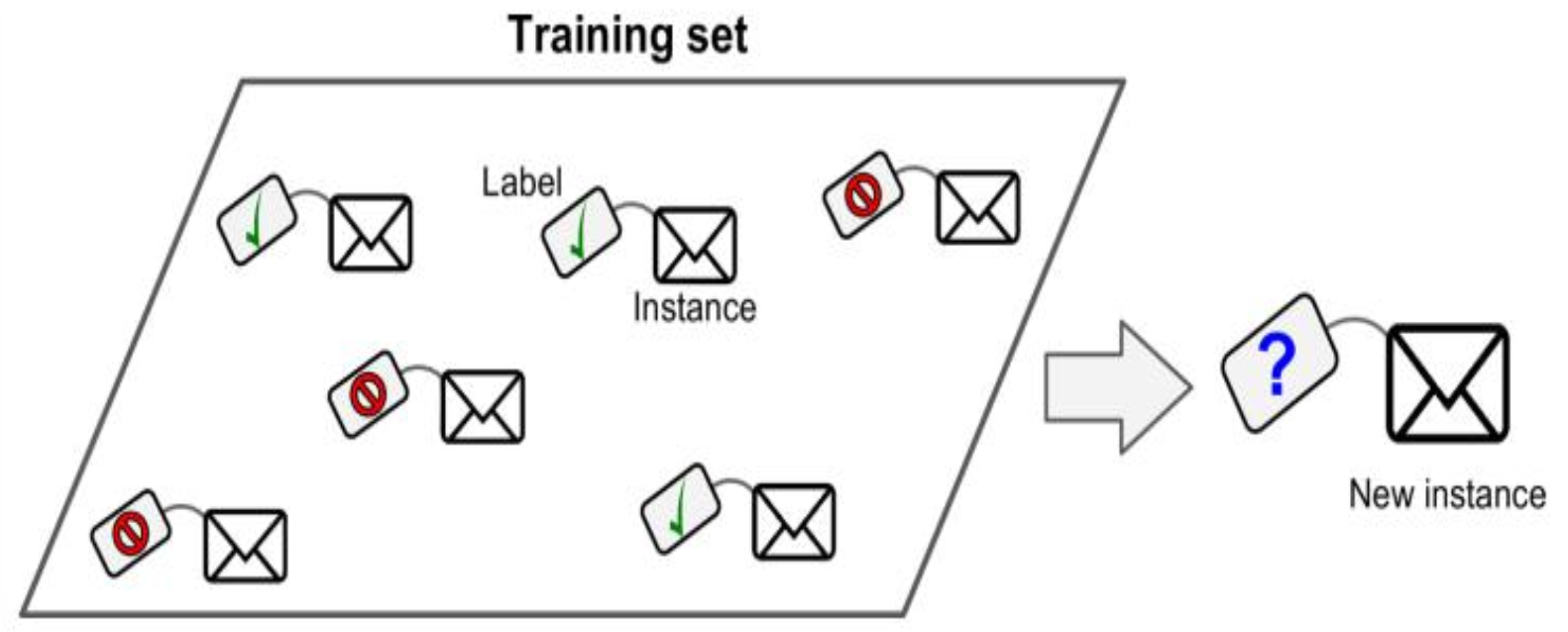
In supervised learning, the training data feed to the algorithm includes the desired output (labels).
Regression: when y is real.
Classification: when y is discrete.

Supervised Learning
Supervised Learning
https://www.slideshare.net/slideshow/the-fundamentals-of-machine-learning/238653218
Supervised Learning
Supervised Learning
k-Nearest Neighbors
Linear Regression
Logistic Regression
Support Vector Machines (SVMs)
Decision Trees and Random Forests
Feed-Forward Neural networks
Logistic Regression
Logistic Regression
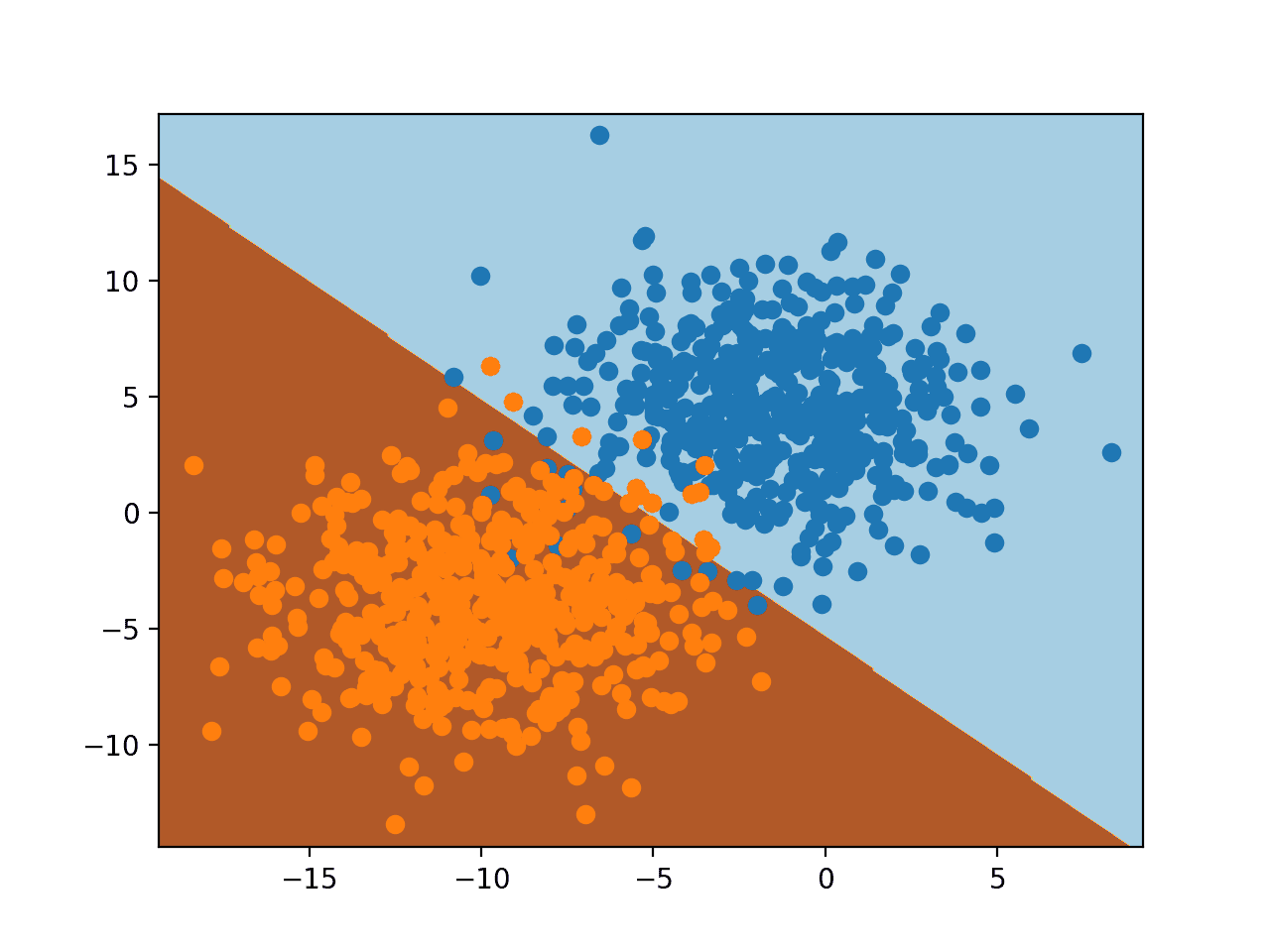
https://machinelearningmastery.com/plot-a-decision-surface-for-machine-learning/
Binary classification by predicting the probability of 0 or 1.
Components:
Model: ;
Prediction: ;
Loss function: Cross-Entropy
Optimization: Gradient Descent
Unsupervised Learning
Unsupervised Learning
In unsupervised learning, the training data is unlabeled. The system tries to learn without a teacher.
No labels are given to the learning algorithm, leaving it on its own to explore or find structure in the data.

Unsupervised Learning
Unsupervised Learning
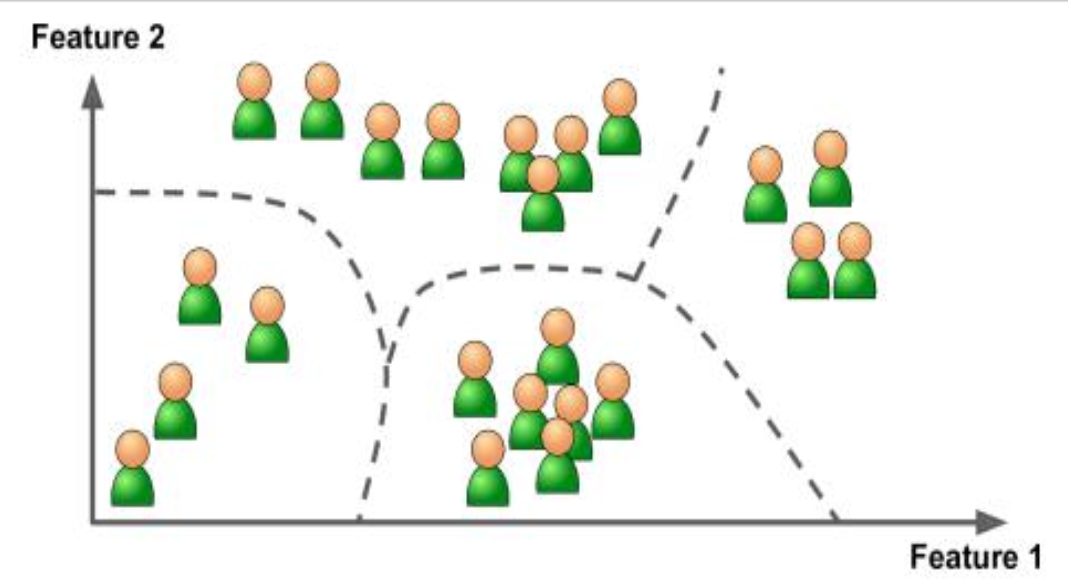
https://www.slideshare.net/slideshow/the-fundamentals-of-machine-learning/238653218
Unsupervised Learning
Unsupervised Learning
Distribution Estimation:
MLE, VAE, Language Model;
Clustering:
K-Means, GMM, Affinity Propagation;
Dimensionality Reduction
PCA, ICA
Visualization
t-SNE
Gaussian Mixture Model
Gaussian Mixture Model
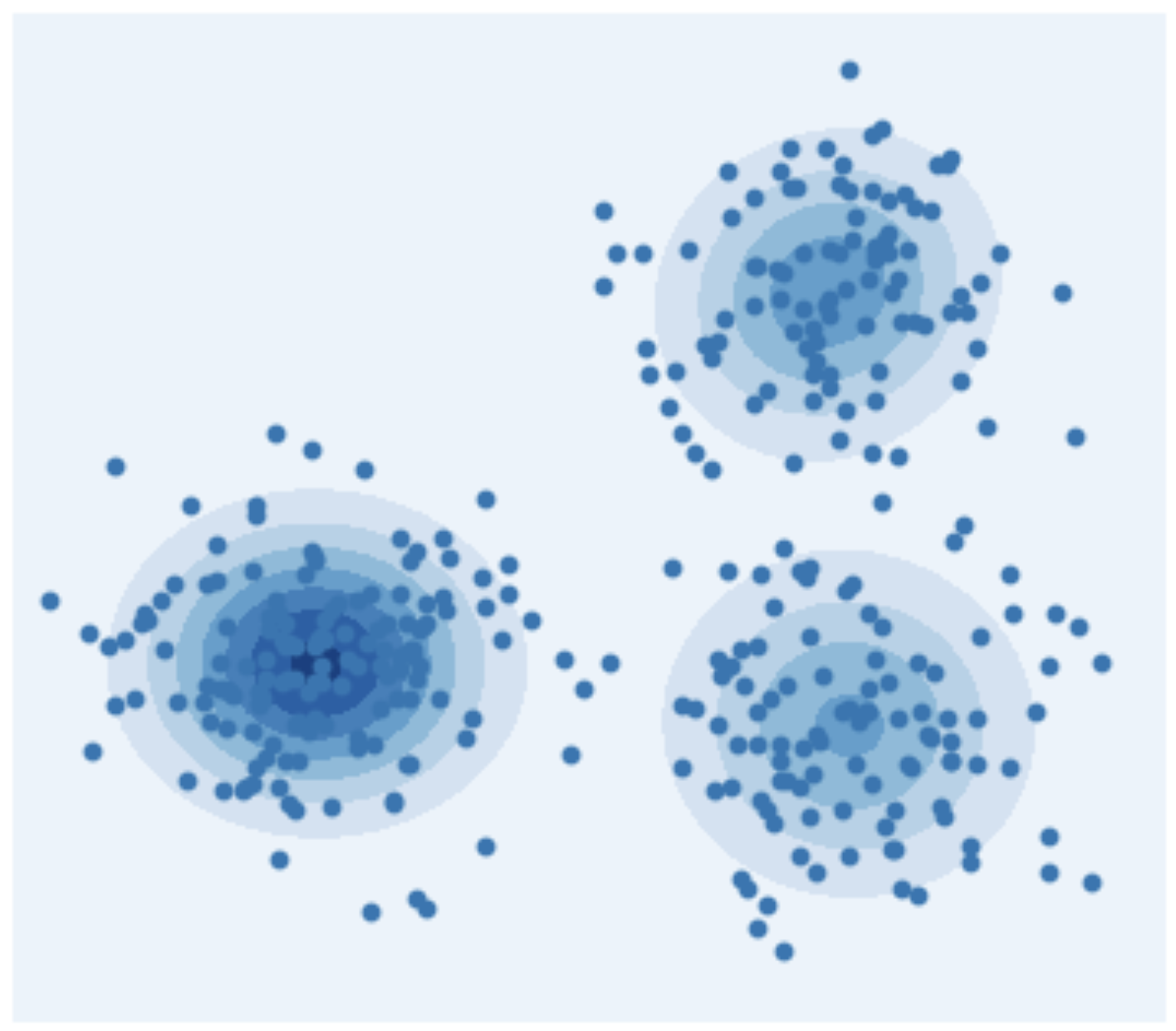
https://pomegranate.readthedocs.io/en/latest/tutorials/B_Model_Tutorial_2_General_Mixture_Models.html
Estimate the density of data by a mixture of several Gaussian distributions
Components:
Model: ;
Loss: negative log-likelihood
Optimization: EM algorithm;
Application: Clustering, Anomaly Detection
Reinforcement Learning
Reinforcement Learning
Agent learns to make decisions by interacting with an environment to maximize a reward signal over time.
Exploration vs. Exploitation:
Exploration refers to trying new actions to discover potentially better rewards.
Exploitation means choosing the action that gives the highest known reward based on past experience.
The agent interacts with the environment by taking actions, receiving rewards, and updating its policy to maximize future rewards.
Reinforcement Learning
Reinforcement Learning
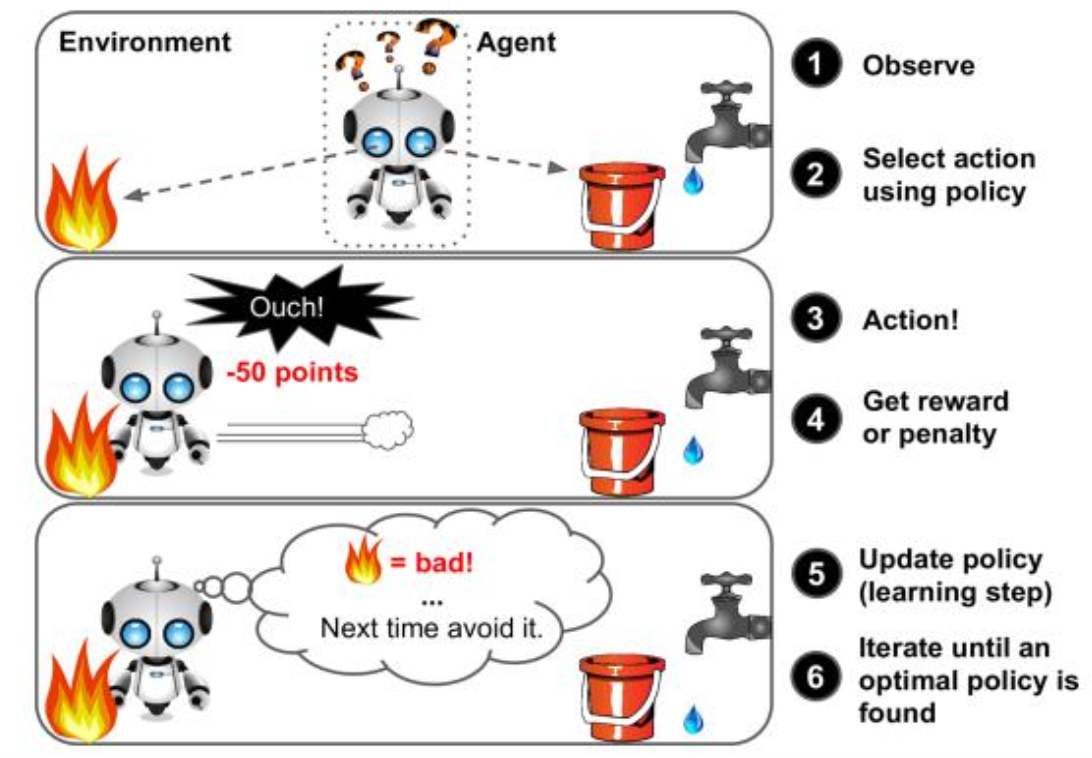
https://www.slideshare.net/slideshow/the-fundamentals-of-machine-learning/238653218
0.3 Machine Learning Basics 0.3.4 Optimization Methods
0.3 Machine Learning Basics 0.3.4 Optimization Methods
Optimization for Machine Learning
Optimization for Machine Learning
Optimization: find the best parameters for the machine that minimize the loss function (or cost function) , where represents the machine’s predictions based on parameters .
Where:
is the regularization term (e.g., L1 or L2 regularization).
is the regularization strength.
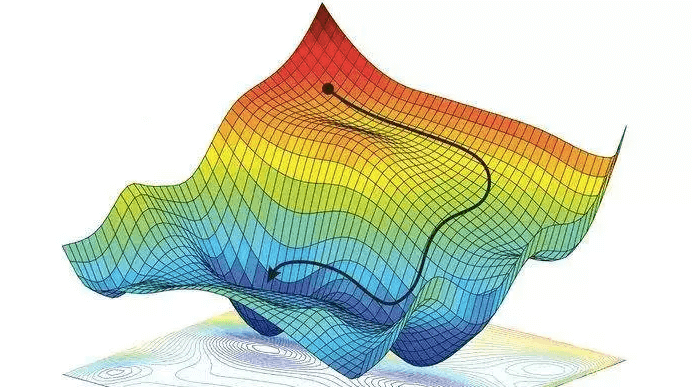
Gradient Decent
Gradient Decent
https://easyai.tech/en/ai-definition/gradient-descent/
Objective: Minimize loss function by updating parameters .
Update Rule:
Challenges:
Choosing Learning Rate.
Local Minima
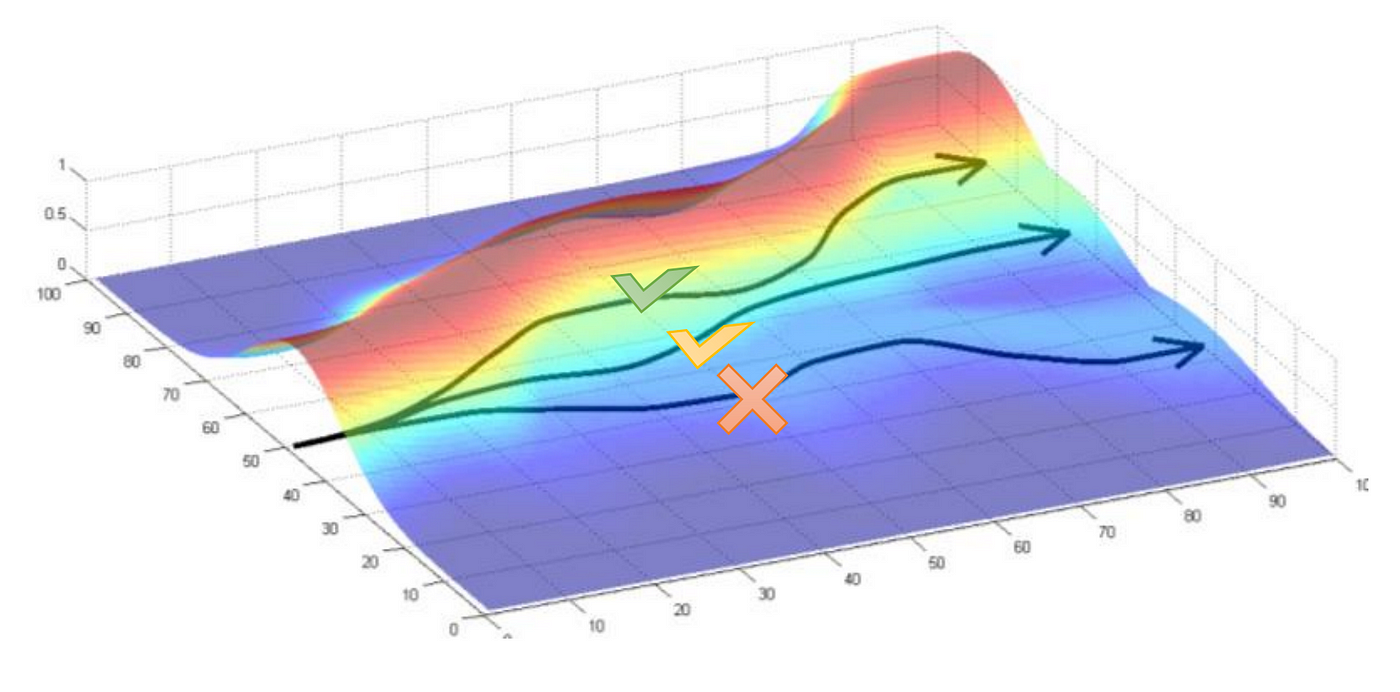
Policy Gradient
Policy Gradient
Sample trajectories;
Compute return ;
Compute the gradient:
Update the policy;
Repeat until convergence.
https://jonathan-hui.medium.com/rl-policy-gradients-explained-9b13b688b146
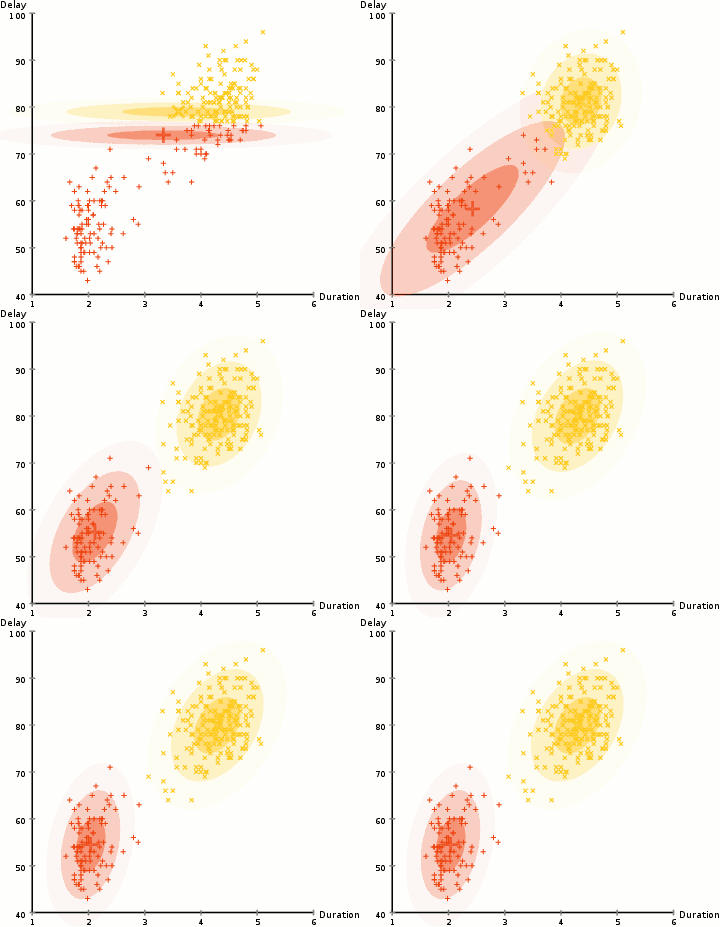
Expectation Maximization
Expectation Maximization
Goal: Maximize the likelihood given latent variables .
E-step (Expectation):
Estimate the latent variables .
M-step (Maximization):
Update the parameters to maximize
https://en.wikipedia.org/wiki/Expectation%E2%80%93maximization_algorithm
0.3 Machine Learning Basics 0.3.5 Generalization and Model Selection
0.3 Machine Learning Basics 0.3.5 Generalization and Model Selection
Generalization, Underfitting and Overfitting
Generalization, Underfitting and Overfitting
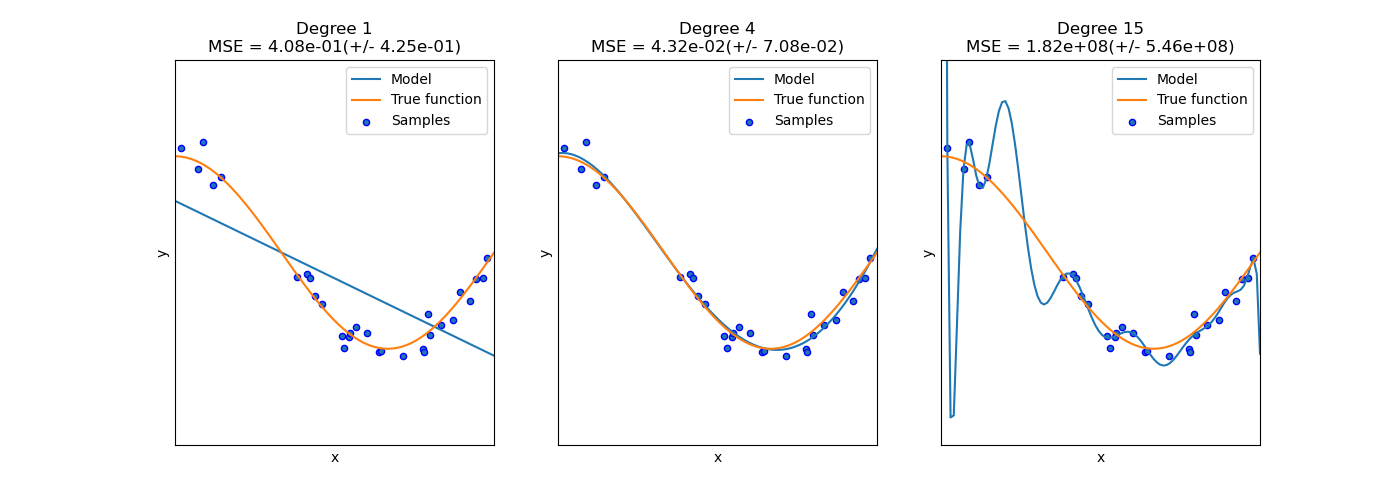
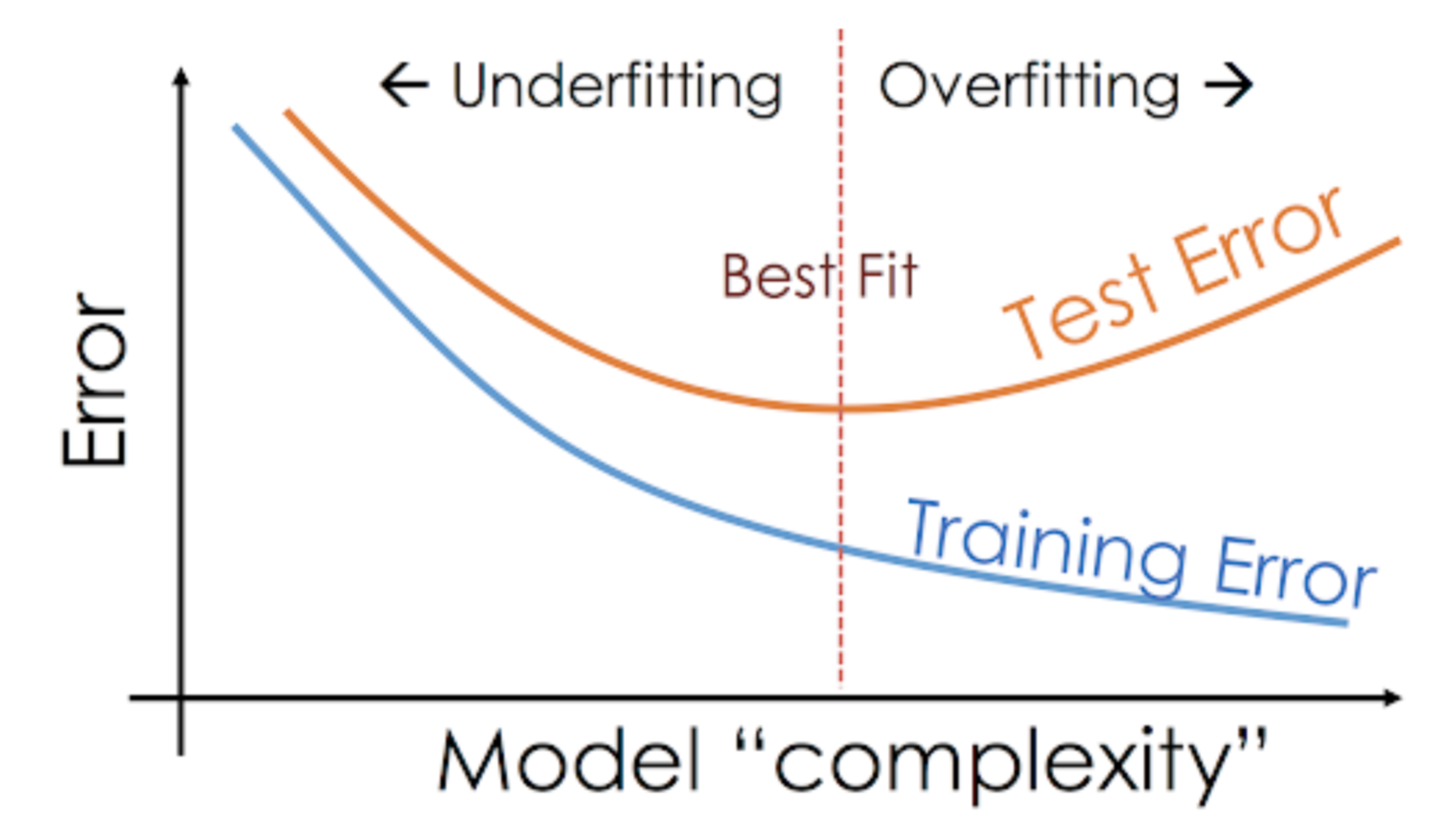
Generalization: The ability of a model to perform well on unseen data.
Underfitting: Model cannot capture the underlying patterns of the data.
Overfitting: Model learns the noise or random fluctuations in the training data, rather than the underlying patterns.
https://scikit-learn.org/stable/auto_examples/model_selection/plot_underfitting_overfitting.html
Generalization, Underfitting and Overfitting
Generalization, Underfitting and Overfitting
https://vitalflux.com/overfitting-underfitting-concepts-interview-questions/
Statistical Learning Setting
Statistical Learning Setting
Given:
Data Distribution:
Model: set of candidate predictors of the form
Loss function:
Goal:
Introduction to Statistical Learning Theory. J. Saketha Nath (IIT Bombay)
Statistical Learning Setting
Statistical Learning Setting
Given a sampled training data set
Empirical Error:
We can obtain a machine by minimize the empirical error;
We study the statistical property of given different sampling form data distributions.
Bias Variance Trade-off
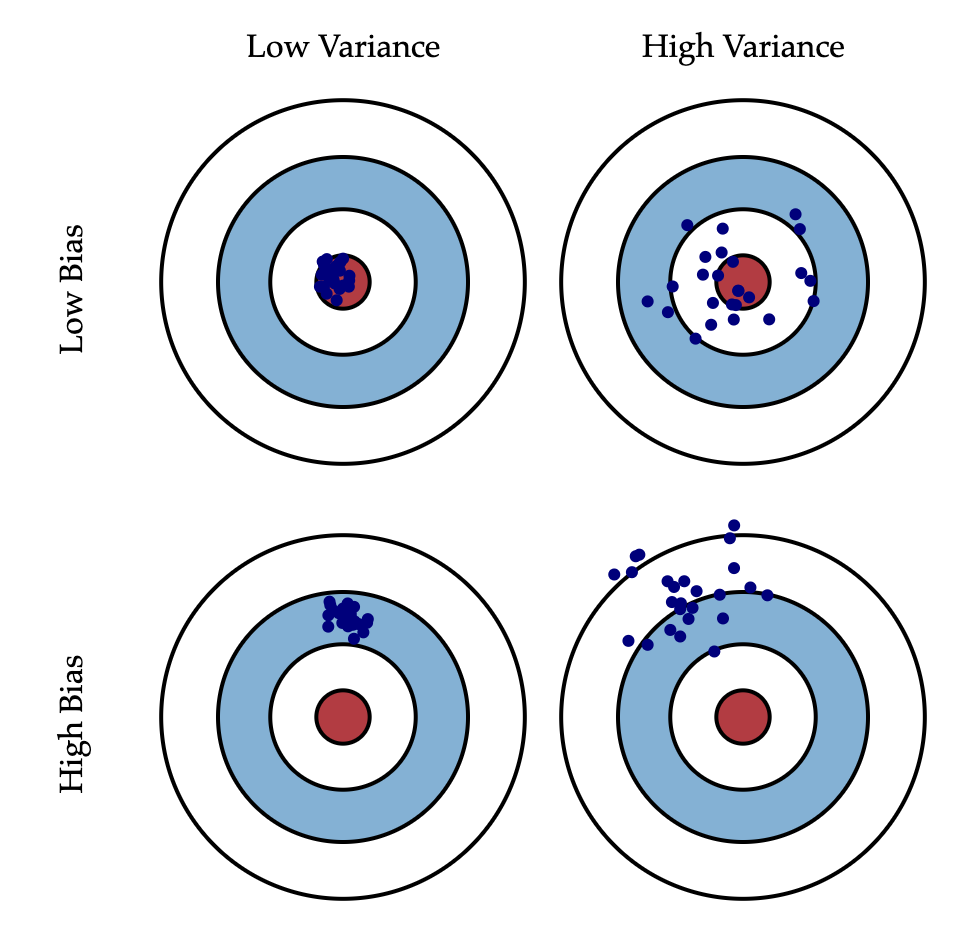
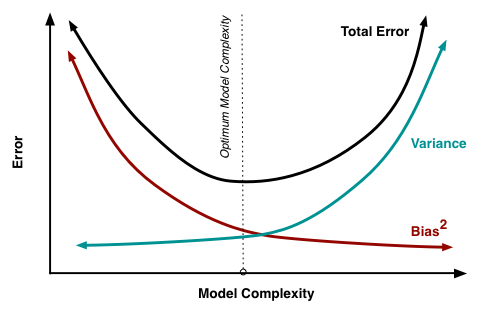
The bias is the difference between the expected value of the model’s prediction and the true value of the target
The variance measures how much the model’s prediction fluctuates when trained on different training sets.
Bias Variance Trade-off
https://scott.fortmann-roe.com/docs/BiasVariance.html



Bias Variance Trade-off
Bias Variance Trade-off
https://scott.fortmann-roe.com/docs/BiasVariance.html
Regularization
Regularization
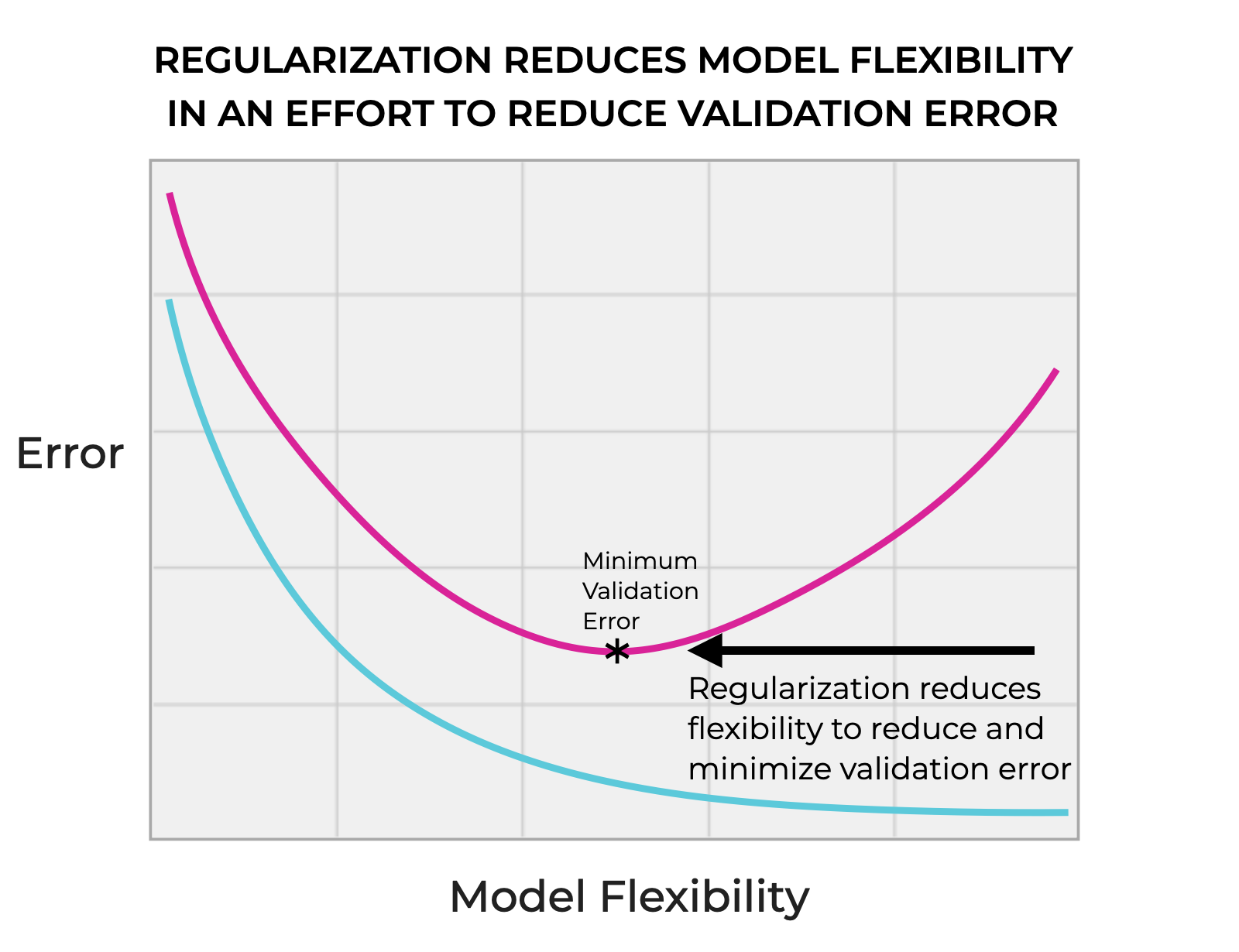
Simpler Model
Smoother Model
Add Noise
Early Stop
https://www.sharpsightlabs.com/blog/regularization-explained/
Model Selection
Model Selection
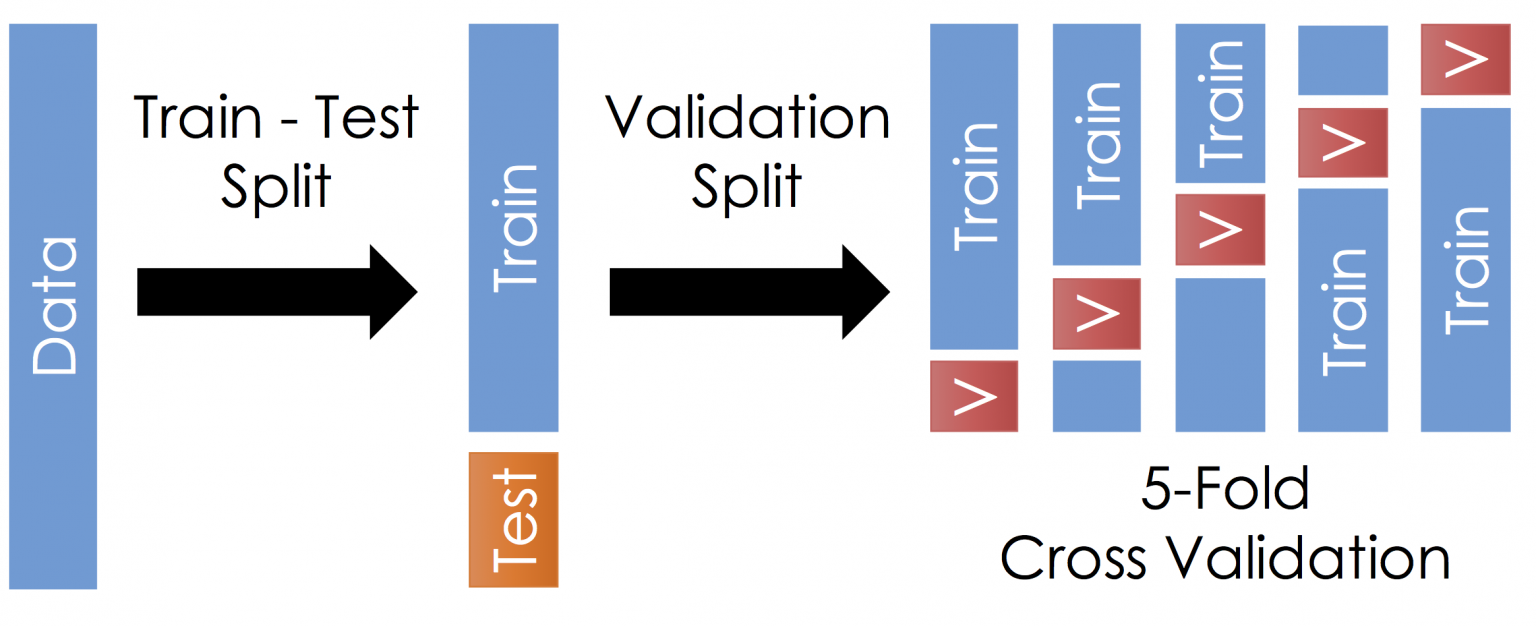
https://insights.blackcoffer.com/the-workflow-of-a-machine-learning-artificial-intelligence-project/
Resampling Methods: Cross-Validation
0.3 Machine Learning Basics 0.3.6 Suggested Readings
0.3 Machine Learning Basics 0.3.6 Suggested Readings
Books
Books
The Elements of Statistical Learning: Data Mining, Inference, and Prediction.by Trevor Hastie, Robert Tibshirani, Jerome Friedman https://hastie.su.domains/ElemStatLearn/
Pattern Recognition and Machine Learning, by Christopher M. Bishop, https://www.microsoft.com/en-us/research/uploads/prod/2006/01/Bishop-Pattern-Recognition-and-Machine-Learning-2006.pdf
Any Questions?
Any Questions?
Natural Language UnderstandingDeep Learning Basic

Natural Language
Understanding
Deep Learning Basic
Understanding
Deep Learning Basic
Mingming Sun
BIMSA
Outline

Outline
History of Deep Learning
Why Deep Learning
Feed-forward Neural Networks and Back-Propagation
Convolution Neural Networks
Recurrent Neural Networks
0.4 Deep Learning Basics 0.4.1 History of Deep Learning
0.4 Deep Learning Basics 0.4.1 History of Deep Learning
Neural Bionics
Neural Bionics
M-P Neuron Model (1943, McCulloch & Pitts): The first formalized and systematized artificial neuron model. It can implement basic logic gates (such as AND, OR, and NOT gates), thereby demonstrating that neural networks can perform logical computations.
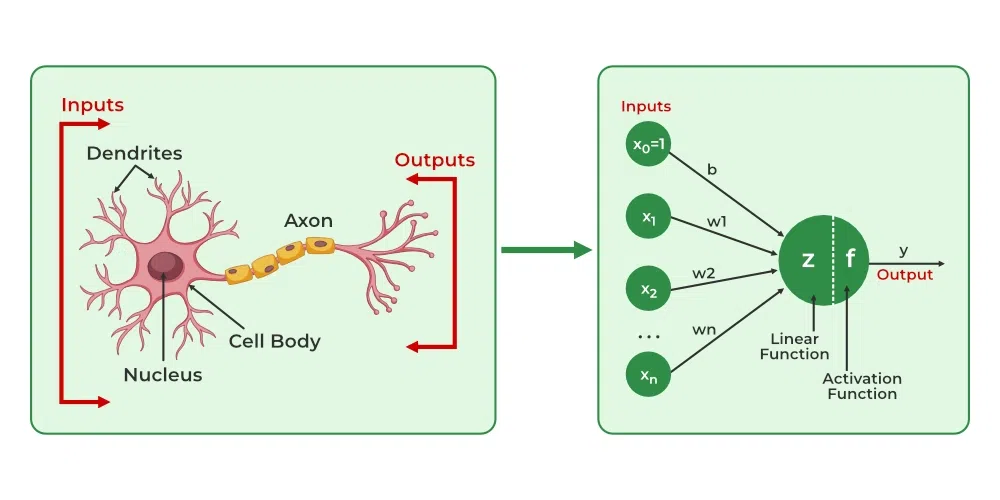
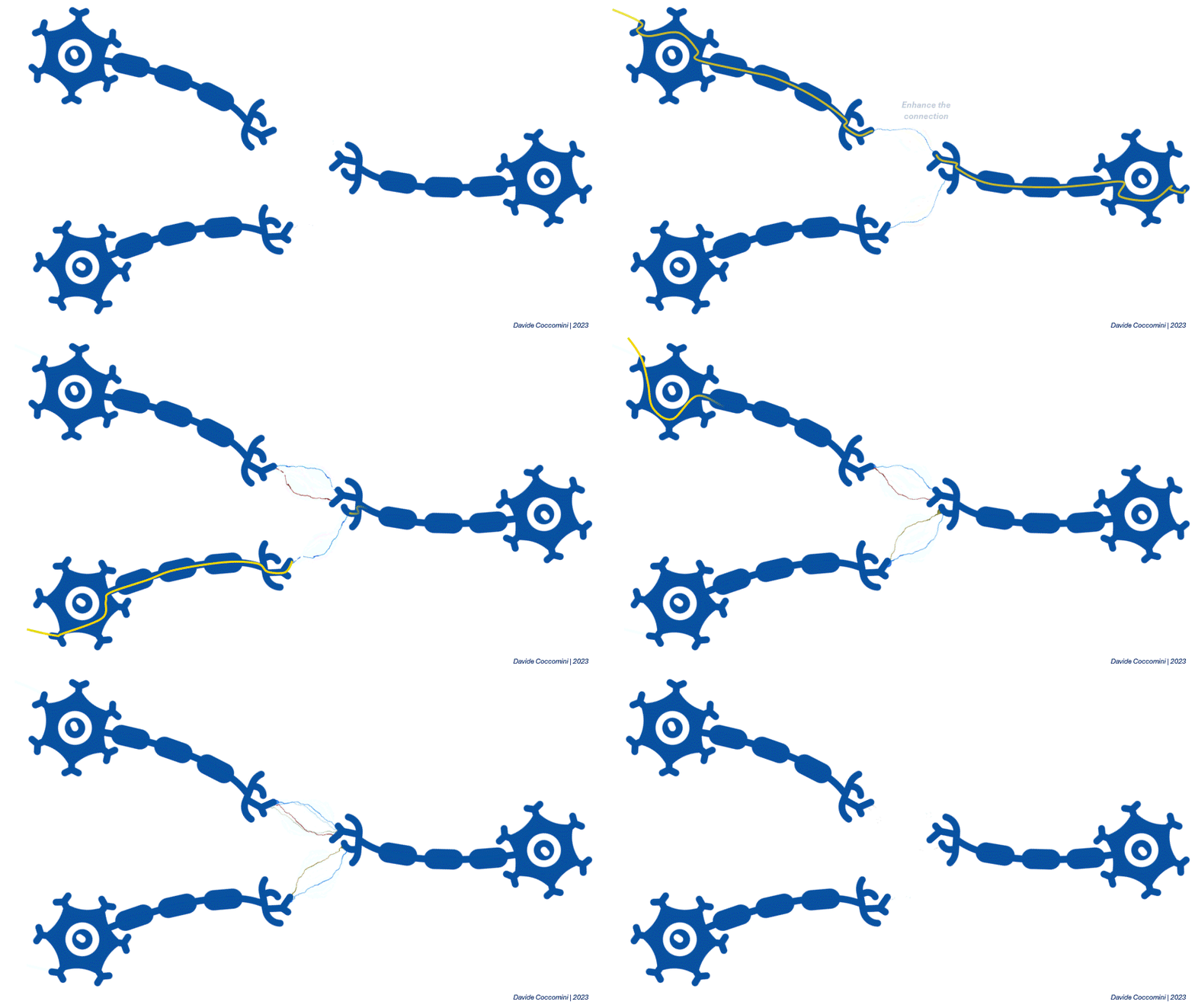
Hebb’s learning rule (1949, Hebb): Inspired by the principle of synaptic plasticity observed in the human brain: “neurons that fire together, wire together.” The first learning rule for neural networks to solve classification problems.
Expectation, Despair, and Hope
Expectation, Despair, and Hope
1958: Frank Rosenblatt invents the Perceptron, the first trainable single-layer neural network.
1969: Minsky exposes the limitations of linear separability in perceptrons, triggering the first AI winter.
1986: Hinton, Rumelhart, and others introduce Backpropagation, enabling training of multi-layer networks.
Dormancy and Brewing
Dormancy and Brewing
1989: Yann LeCun develops an early Convolutional Neural Network (CNN) for digit recognition.
1997: Hochreiter & Schmidhuber propose LSTM, revolutionizing sequence modeling.
2006: Hinton’s Deep Belief Networks (DBNs) reignite interest in "deep learning.”
However, in this small-data phrase, SVM dominate this period.
Dominate the Domain AI
Dominate the Domain AI
2012: AlexNet dominates ImageNet (error rate: 15.3%), sparking the deep learning boom.
2014: Ian Goodfellow invents GANs; VGGNet and GoogleNet advance image classification.
2015: ResNet uses residual connections to train networks with 1,000+ layers (ImageNet error: 3.57%).
2017: The Transformer architecture (Vaswani et al.) reshapes NLP.
AGI
AGI
2018: BERT (Google) redefines NLP; GPT-1 pioneers pre-trained language models.
2020: GPT-3 demonstrates few-shot learning (175B parameters).
2022: ChatGPT goes viral, Pretrain-SFT-RLHF as road map to AGI;
2023: GPT-4 achieves near-human expertise;
2024: GPT-o1/DeepSeek-R1 introduce the RL based deep-think;
2025: Agents, Coding, Math, …
0.4 Deep Learning Basics 0.4.2 Why Deep Learning
0.4 Deep Learning Basics 0.4.2 Why Deep Learning
Traditional Machine Learning
Traditional Machine Learning
Data
Feature
Shallow Machine
Why Neural Nets Failed in Small Data Period?
Why Neural Nets Failed in Small Data Period?
Small Data Period (Pre-2010s): Hundreds, at most Thousands samples
Recall the Bias-Variance Trade-off, complex machines will have large variance when sample size is small, thus is easy to overfit.
Shallow machines dominate this period.
Shallow NN is identical to kernel machines. Deep NN are too complex;
NN is sensitive to initialization.
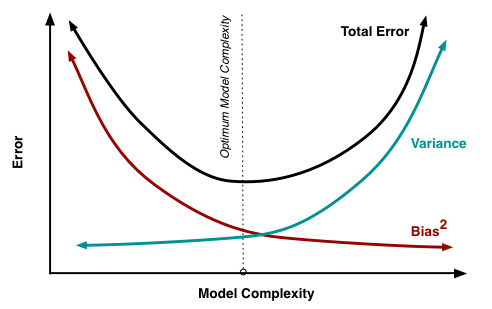
https://scott.fortmann-roe.com/docs/BiasVariance.html
How Hinton Solve this Problem
How Hinton Solve this Problem
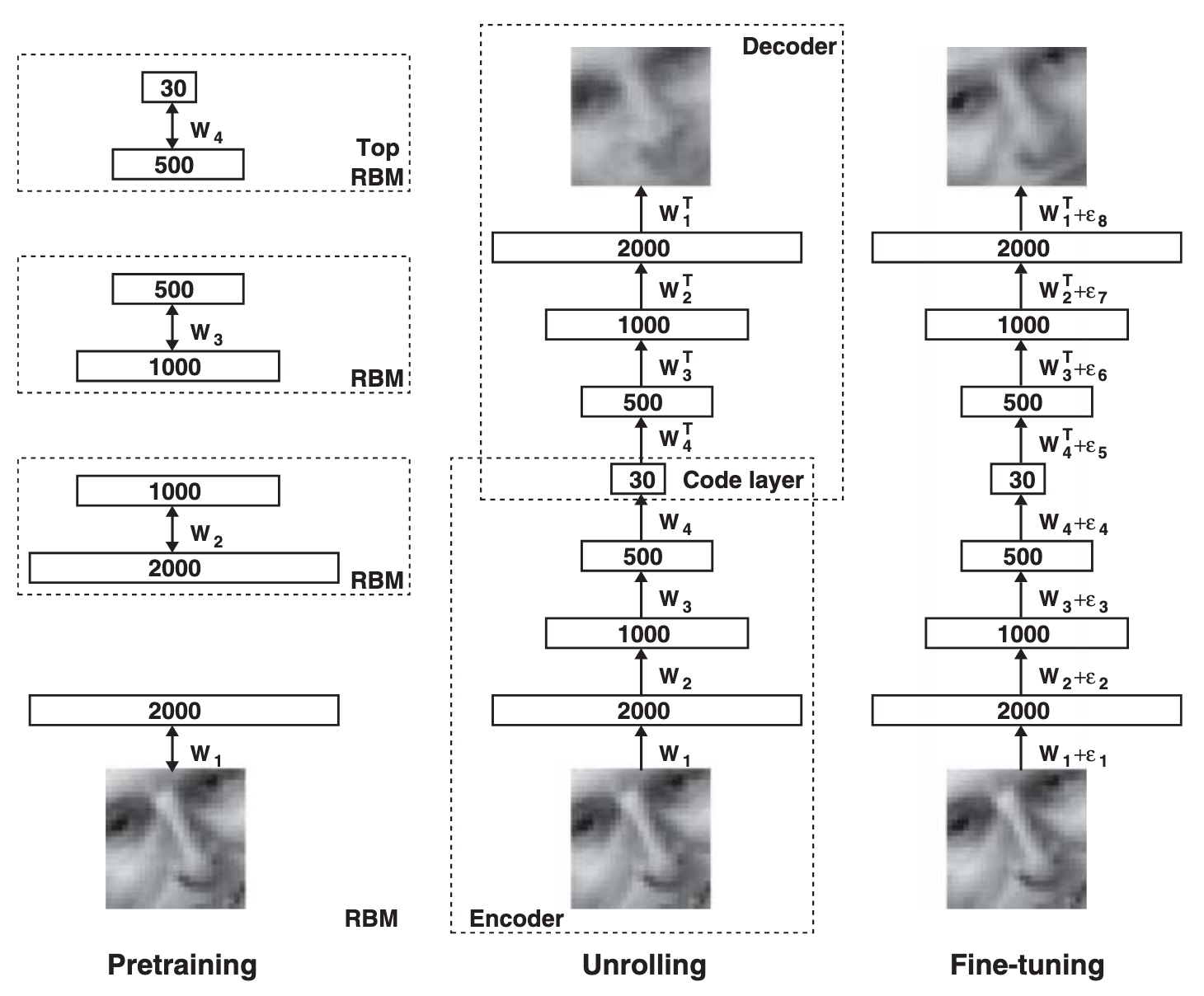
1.Hinton, G. E. & Salakhutdinov, R. R. Reducing the Dimensionality of Data with Neural Networks. Science 313, 504–507 (2006).
Deep Learning
Deep Learning
“Depth … is defined for circuits. A circuit is a directed acyclic graph where each node is associated with a computation, and whose output results are used by the successors of that node. … The depth of a circuit is the longest path from an input to an output node. ”
“…(Yao, 1985), showing that logic gates circuits of depth-2 require exponential size to implement d-bit parity where a deep circuit of depth O(log(d)) could implement it with O(d) nodes. H ̊astad (1986) then showed that there are functions computable with a polynomial-size logic gate circuit of depth k that require exponential size when restricted to depth k − 1 (Ha ̊stad, 1986).”
Think: what is the architecture depth of decision trees?
Bengio, Y. & Delalleau, O. On the Expressive Power of Deep Architectures.
Non-local Learning
Non-local Learning
Local Learning
Learning depends only on local signals (e.g., Hebbian learning: synaptic updates rely only on the activity of connected neurons).
Pros: biologically plausible; Cons: hard to capture complex global dependencies.
Non-local Learning
Parameter updates require global or distant signals (e.g., backpropagation gradients).
Pros: captures long-range dependencies and global structure with higher-level abstraction.
Deep Learning is Non-Local Learning
Deep learning’s success partly relies on non-local mechanism across layers and modules.
Representation Learning
Representation Learning
Deep Learning = Learning Multiple Levels of Representation
“The intent is to discover more abstract features in the higher levels of the representation, which hopefully make it easier to separate from each other the various explanatory factors extent in the data.”
Deep representations lie within the human brain and human knowledge structures, among other areas.
Bengio, Y. & Delalleau, O. On the Expressive Power of Deep Architectures.
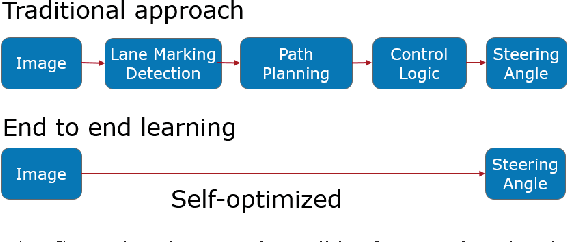
End-to-End Learning
End-to-End Learning
Zhilu Chen, Xinming Huang Published in IEEE Intelligent Vehicles… 11 June 2017
It connect every component to the final loss;
Thus make each hidden component more closely cooperative.
Case Study: Decision Tree
Case Study: Decision Tree
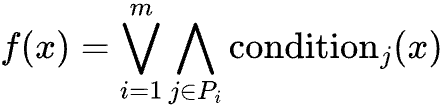
Shallow Learner
In circuit terms, always equivalent to a depth-2 AND–OR structure.
Local Learner
Training relies on local greedy splits (e.g., information gain / Gini).
No global error optimization or cross-layer coordination.
Not Representation Learning
Merely partitions the input space into regions → outputs predictions.
Does not generate new feature representations or hierarchical abstractions.
Not End-to-End Learning
Learns by stage-wise tree construction, not by unified differentiable optimization.
0.4 Deep Learning Basics 0.4.3 Feedforward Neural Networks and Backpropagation
0.4 Deep Learning Basics 0.4.3 Feedforward Neural Networks and Backpropagation
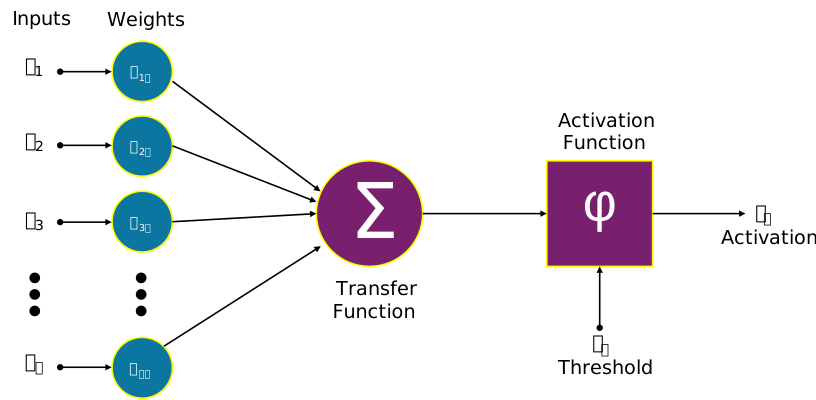
Artificial Neuron
Artificial Neuron
https://en.wikipedia.org/wiki/Artificial_neuron
Activation Functions
Activation Functions
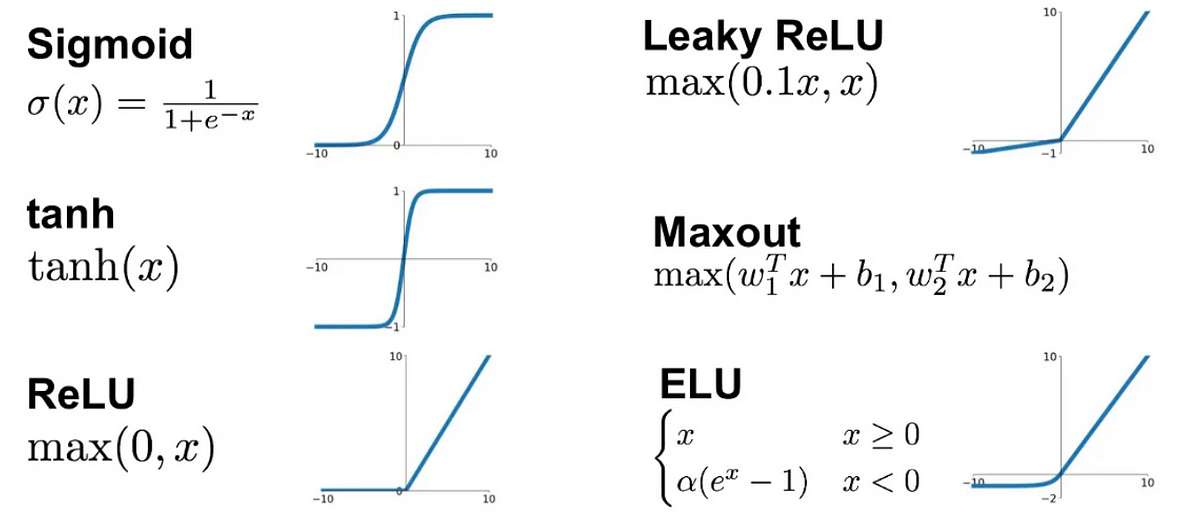
https://medium.datadriveninvestor.com/types-of-activation-functions-in-deep-learning-e7c2a48d3242
Feedforward Neural Network
Feedforward Neural Network
Input Sample with fixed dimension (feature vector);
Output Target also with fixed dimension (probabilities of classes);
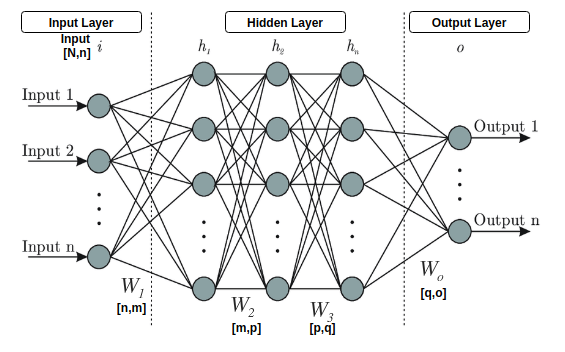
https://medium.com/analytics-vidhya/linear-algebra-how-uses-in-artificial-intelligence-2e1e001c65
Back-Propagation
Back-Propagation
https://analyticsarora.com/8-unique-machine-learning-interview-questions-on-backpropagation/
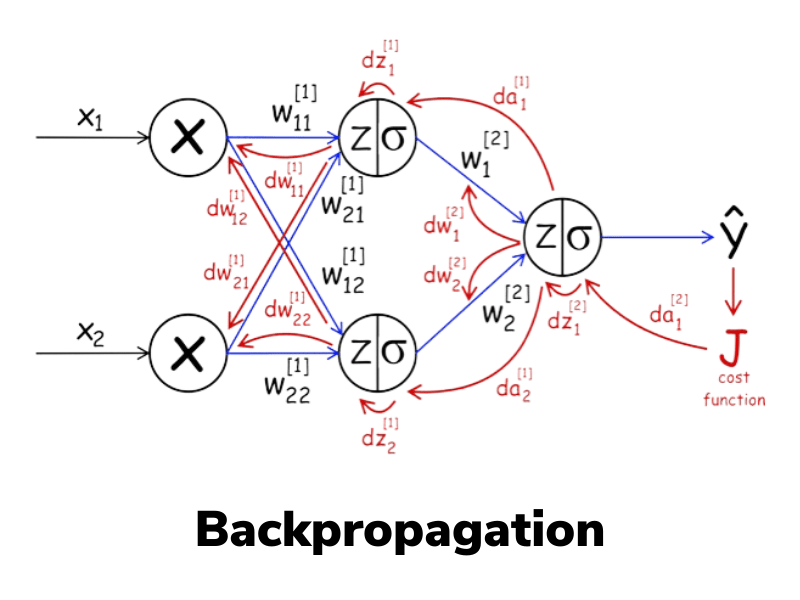
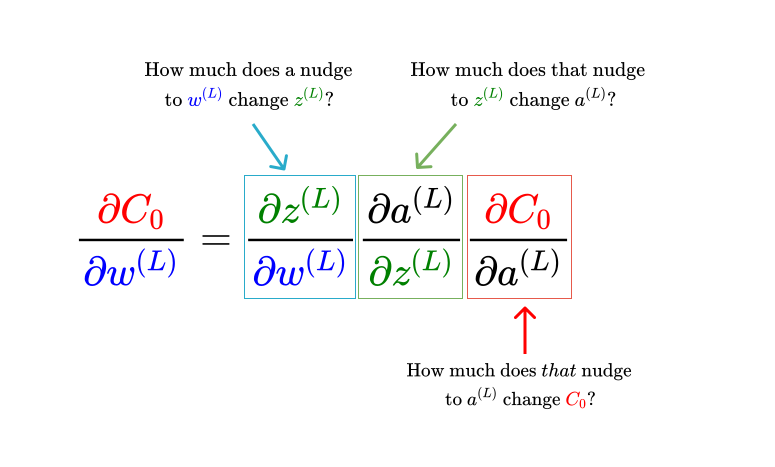
https://www.3blue1brown.com/lessons/backpropagation-calculus
Residual Block and ResNet
Residual Block and ResNet
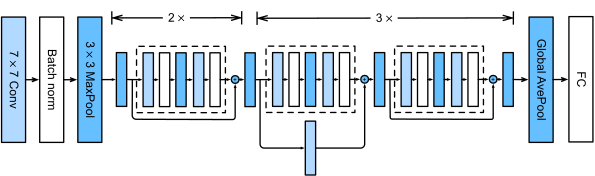
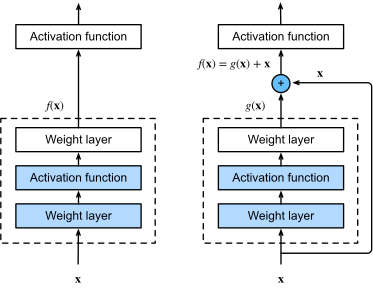
Residual Block
ResNet 18
When networks goes deeper, their performances will degrade (not overfitting, as the training performance also drop);
ResNet extends the depth to 100-1000, with better performance.
https://d2l.ai/chapter_convolutional-modern/resnet.html
0.4 Deep Learning Basics 0.4.4 Convolutional Neural Networks
0.4 Deep Learning Basics 0.4.4 Convolutional Neural Networks
From Fully Connected Layers to Convolutions
From Fully Connected Layers to Convolutions
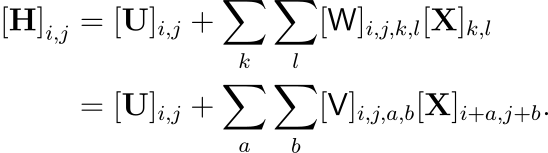
For images, fully connected layers are as follows:
Translation Invariance:
Locality:
Convolution:



https://d2l.ai/chapter_convolutional-neural-networks/conv-layer.html
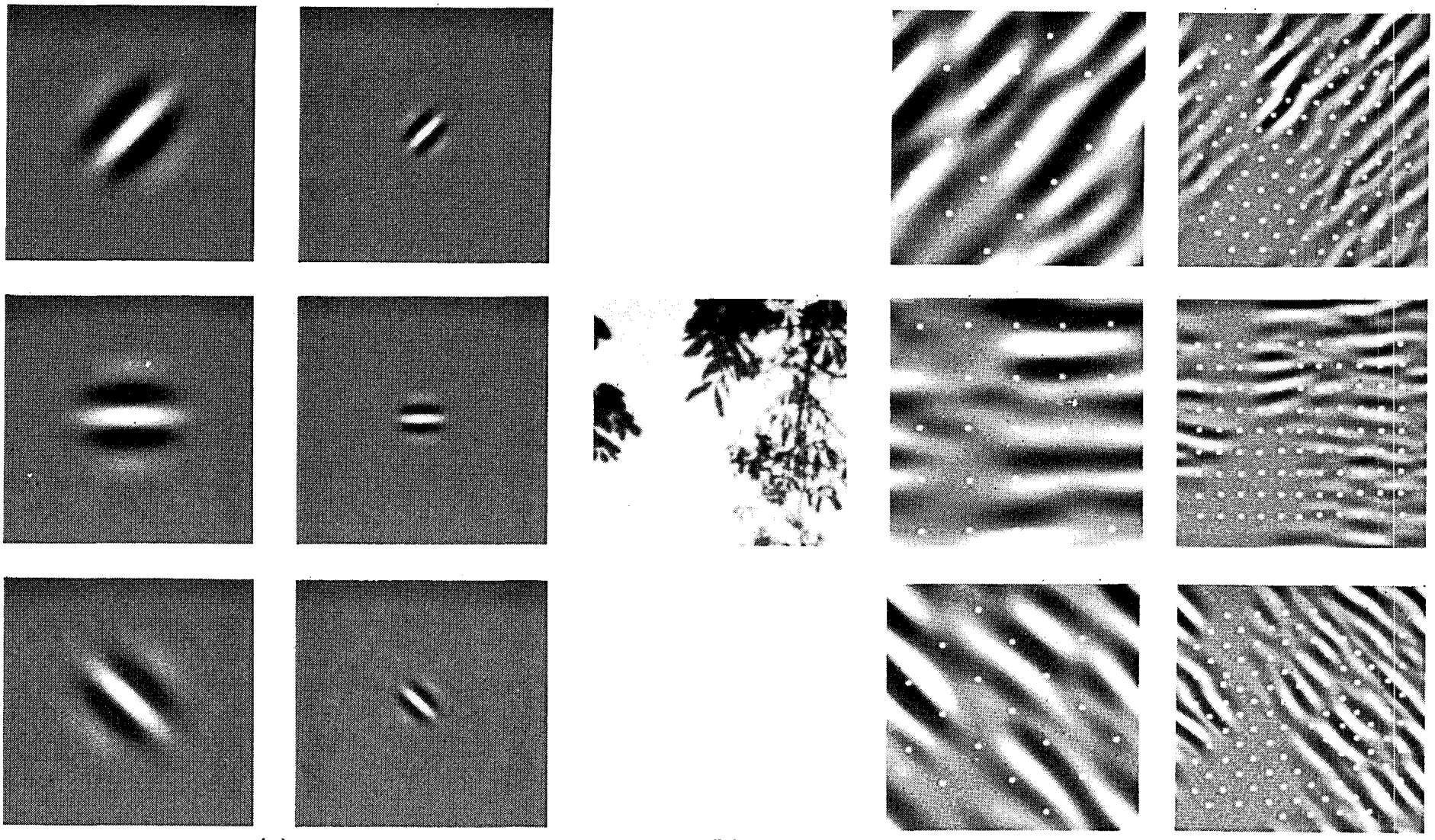
Proof in Vision
Proof in Vision
https://d2l.ai/chapter_convolutional-neural-networks/conv-layer.html#fig-correlation
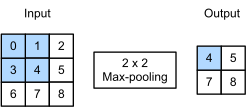
Convolution and Pooling Operation
Convolution and Pooling Operation
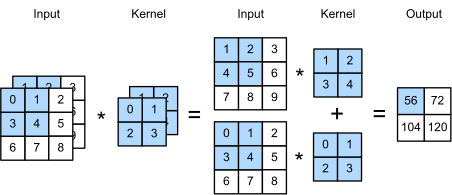
convolution
pooling
https://d2l.ai/chapter_convolutional-neural-networks/conv-layer.html#fig-correlation
Convolution Network (LeNet)
Convolution Network (LeNet)
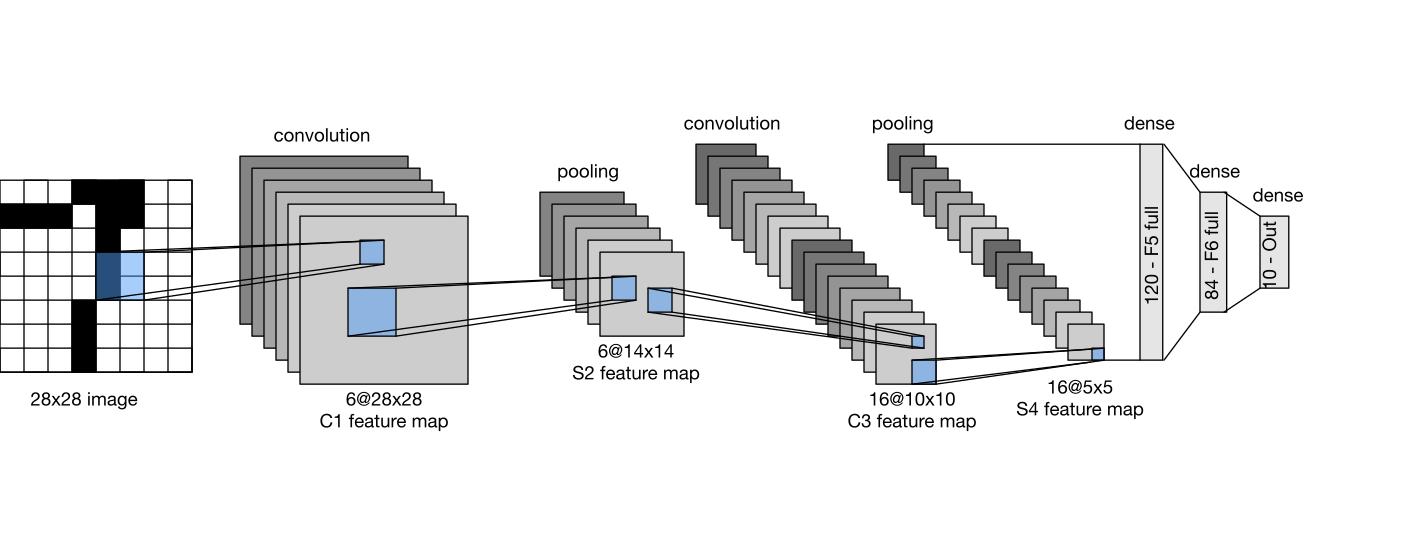
https://d2l.ai/chapter_convolutional-neural-networks/conv-layer.html#fig-correlation
Convolution Network (AlexNet)
Convolution Network (AlexNet)
https://d2l.ai/chapter_convolutional-neural-networks/conv-layer.html#fig-correlation
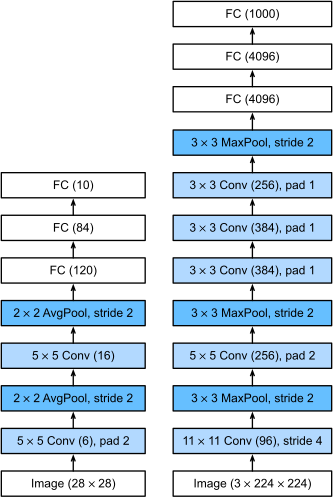
LeNet
AlexNet
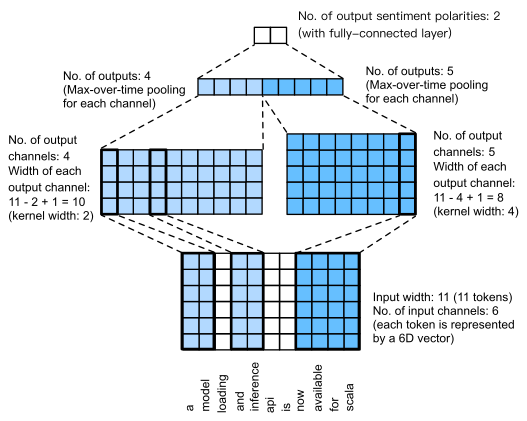
Convolution Network for Text
Convolution Network for Text
https://d2l.ai/chapter_convolutional-neural-networks/conv-layer.html#fig-correlation
0.4 Deep Learning Basics 0.4.5 Recurrent Neural Networks
0.4 Deep Learning Basics 0.4.5 Recurrent Neural Networks
Sequential Data
Sequential Data
Neuron/Electron Signal;
Sound and voice;
Language;
Multi-step Action Procedure;


Coping with the Sequential Data (I)
Coping with the Sequential Data (I)
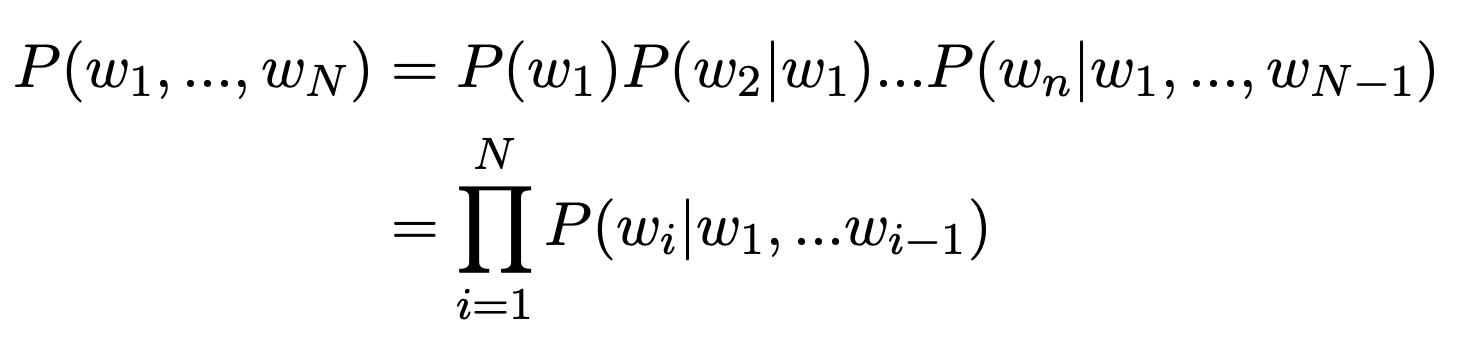
Probabilistic Sequence Model:
Variant number of input tokens: .
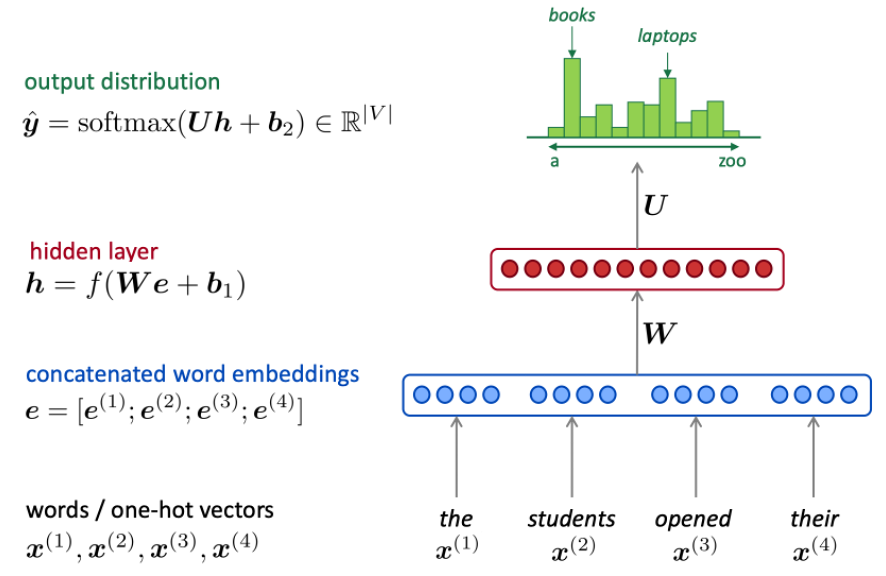
To employee a feedforward neural model, we need a fix-size window;

Coping with the Sequential Data (II)
Coping with the Sequential Data (II)
Simple and efficient;
But window cannot be arbitrarily large;
Forget any thing before the window;
We need new neural architecture.
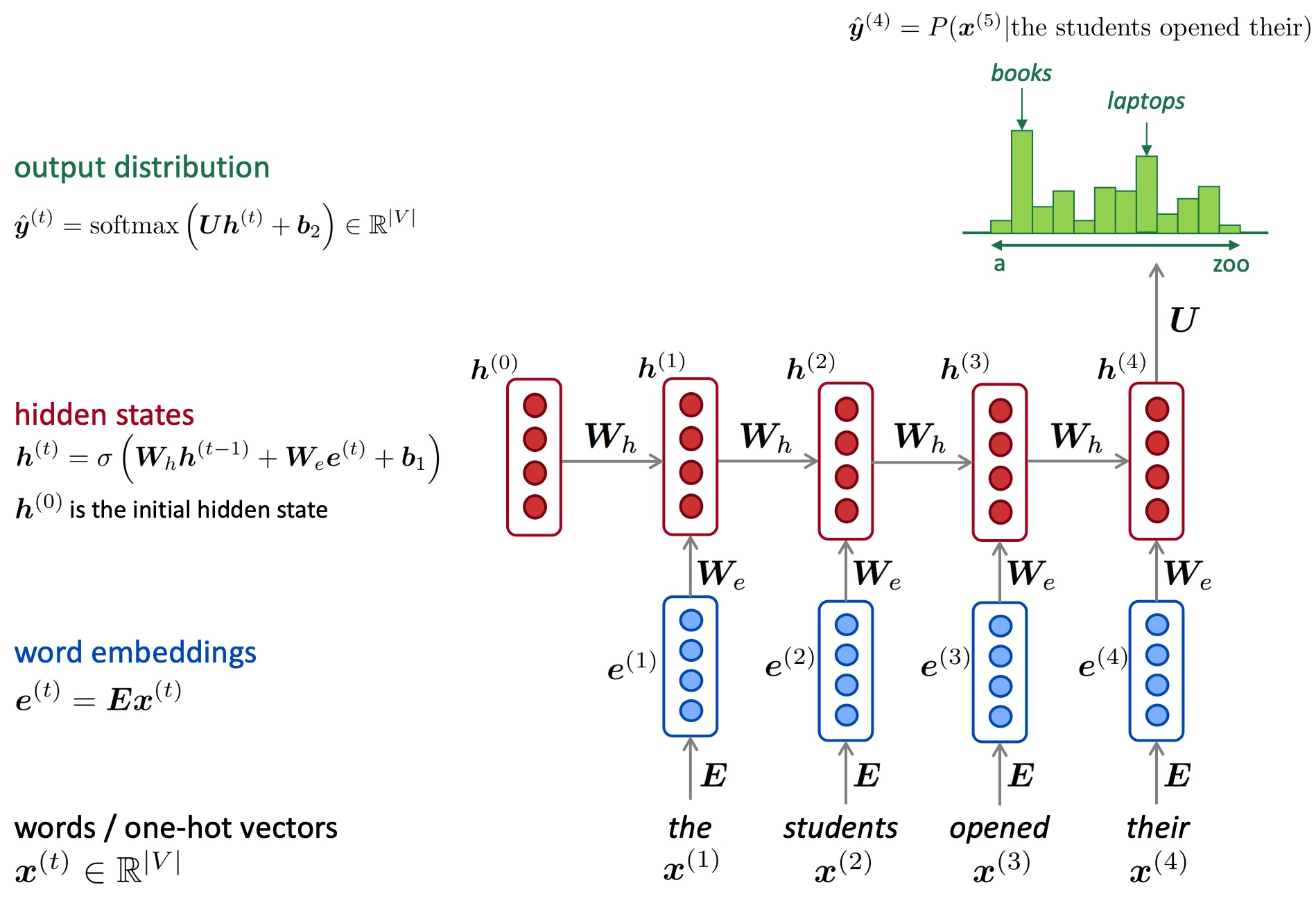
Recurrent Architecture
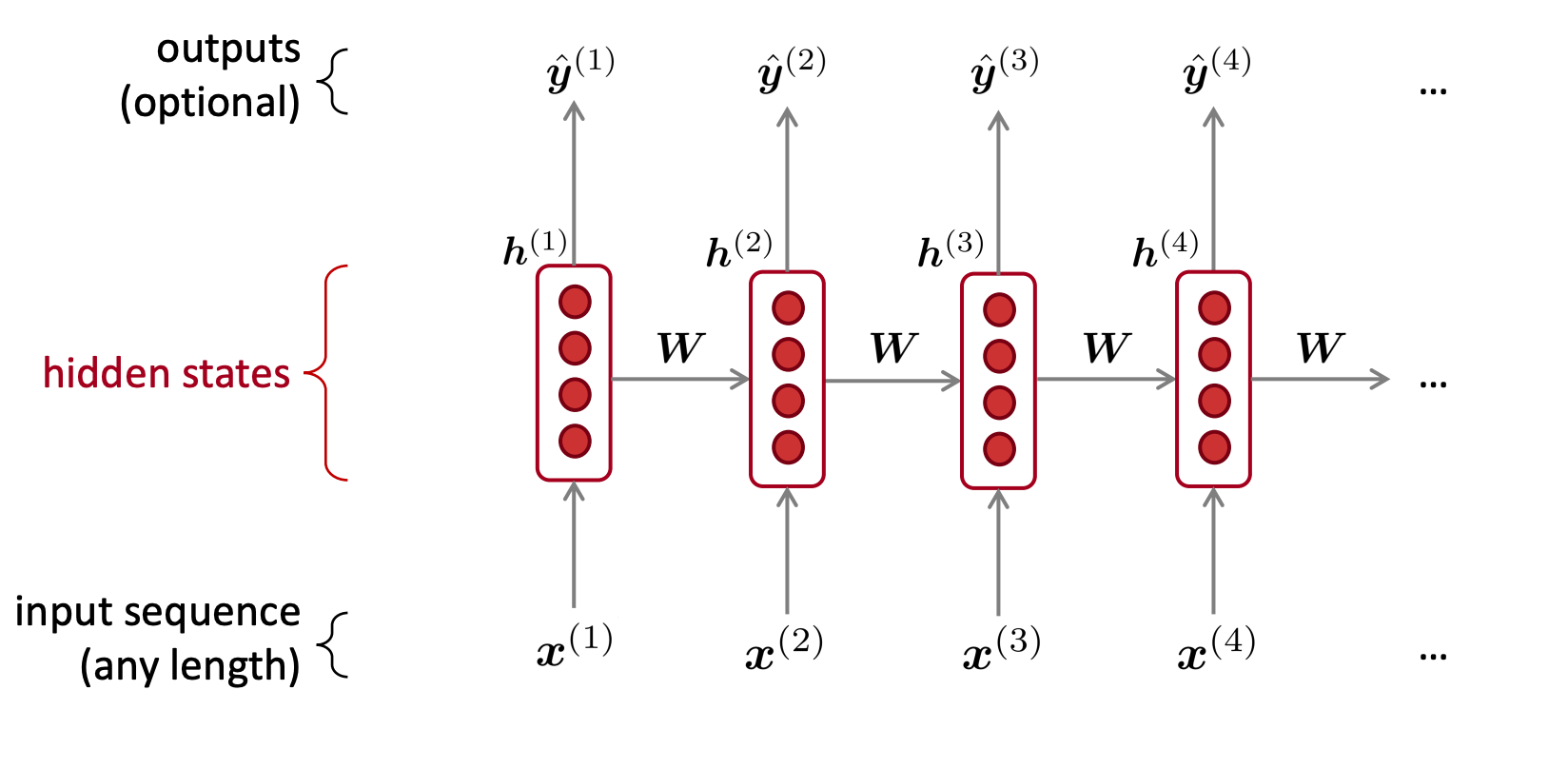
Recurrent Architecture
Introduce inner-state to memorize history;
Update the inner-state when meet new token;
Make decision based on newest inner-state.

Language as an example
Language as an example
Capacity
Capacity
If training vanilla neural nets is optimization over functions, training recurrent nets is optimization over programs.
RNNs are Turing-Complete in the sense that they can simulate arbitrary programs (with proper weights).
Training
Training
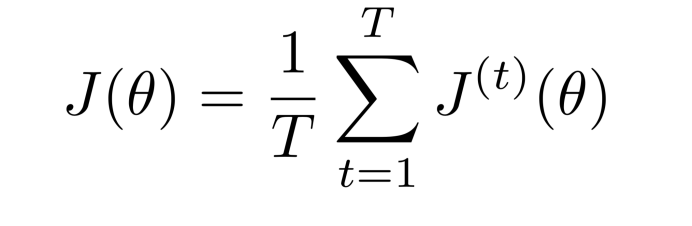
Calculate the loss of output to the ground truth;
For sequence generation task, calculate loss at each generation and sum up;
Apply gradient-descend to optimize the parameters using BPTT;
For large dataset, stochastic gradient descend (SGD) should be applied;
Time consuming since the dependencies between hidden-state (cannot parallelize along generation step T);
Backpropagation Through Time
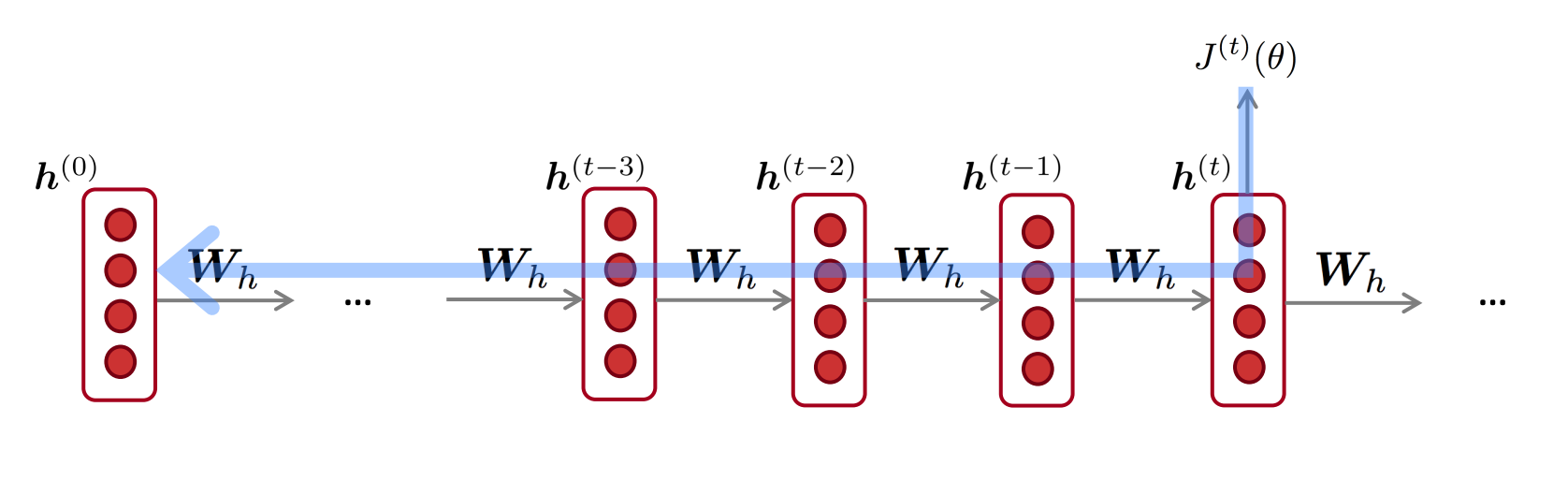
Backpropagation Through Time
Apply the Backpropagation along the sequence (time dimension).
The error of each output step should be backpropagated through the sequence.
Details will be discussed later.
Vanila RNN
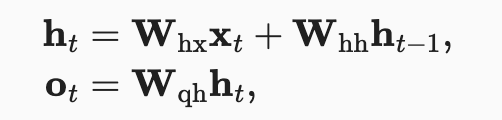
Vanila RNN
Inner-State: a fix-dimensional vector;
State-Update: Activation of linear combination of inner-state and new input;
Details in Gradient Computing
Details in Gradient Computing
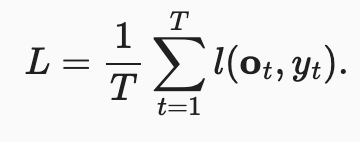
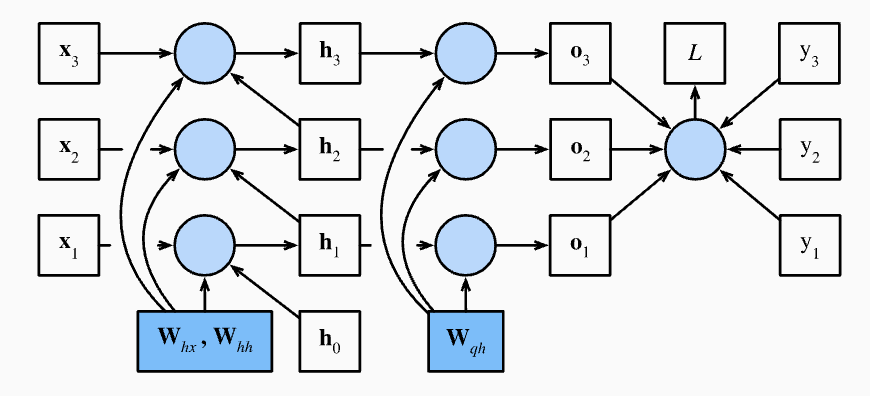
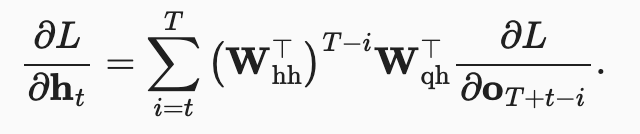
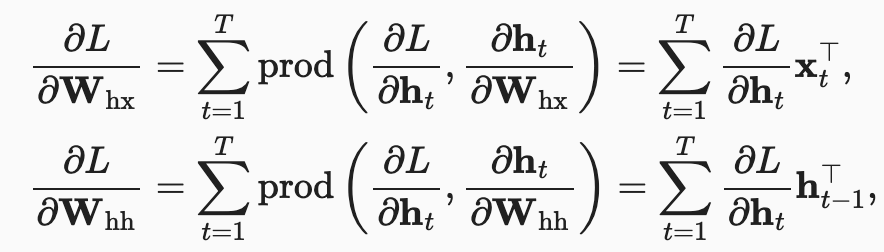

Gradient Vanish/Exploding
Gradient Vanish/Exploding
The gradient involves potentially very large powers of .
If its eigenvalues smaller than 1, the gradient vanishes;
If its eigenvalues larger than 1, the gradient explodes/diverges.
The essential problem of vanilla RNN: numerically unstable.
Long Short-Term Memory (LSTM)
Long Short-Term Memory (LSTM)
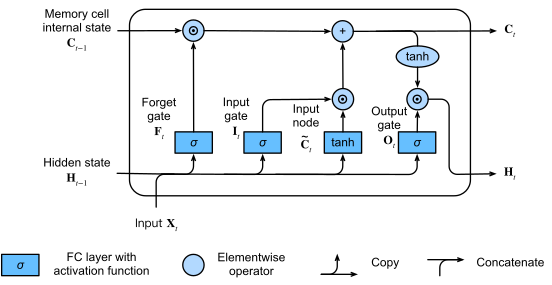
Intuition: Control the long-term dependency:
when the hidden state should be updated and when it should be reset;
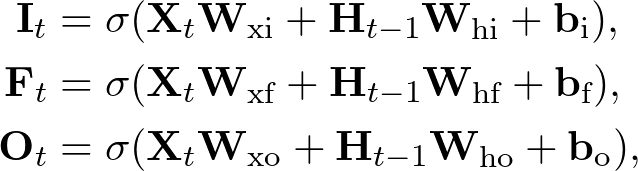
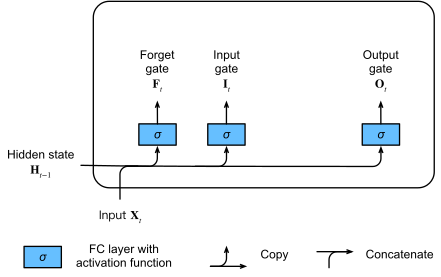
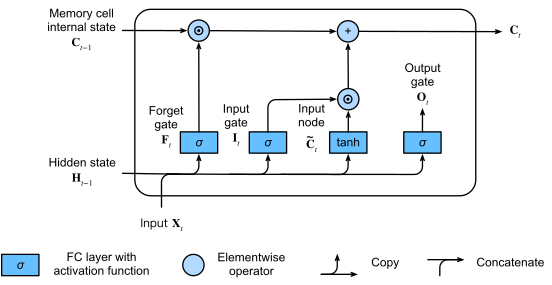
Gated Memory Cell: with an internal state and a number of multiplicative gates that determine whether:
a given input should impact the internal state (the input gate);
the internal state should be flushed to 0 (the forget gate);
the internal state should be allowed to impact the cell’s output (the output gate).
LSTM: (1) The Gates
LSTM: (1) The Gates
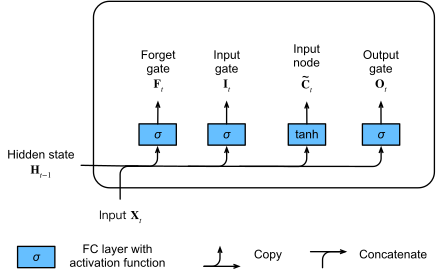
LSTM: (2) The Input Node
LSTM: (2) The Input Node

LSTM: (3) Memory Cell Internal State
LSTM: (3) Memory Cell Internal State

LSTM : (4) Hidden State
LSTM : (4) Hidden State

Gated Recurrent Unit (GRU)
Gated Recurrent Unit (GRU)
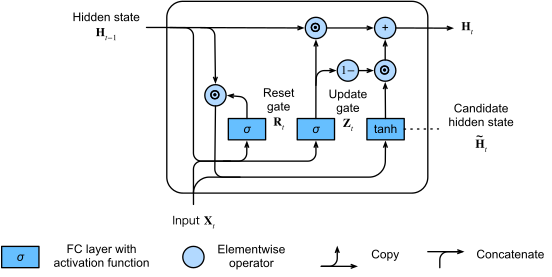
GRU: A simplified LSTM with faster computation.
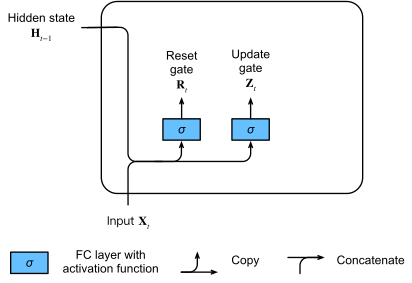
Two Gates: reset gate, and update gate;
Only one state;
GRU: (1) Gates
GRU: (1) Gates

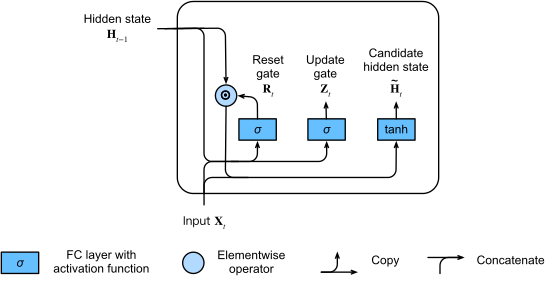
GRU: (2) Candidate Hidden State
GRU: (2) Candidate Hidden State

GRU: (3) Hidden State
GRU: (3) Hidden State

Summary
Summary
What should we do to make the gates works as expected?
Nothing. We just design the mechanism, enlarge the capacity, then feed the data. Machine will learn how to behave well.
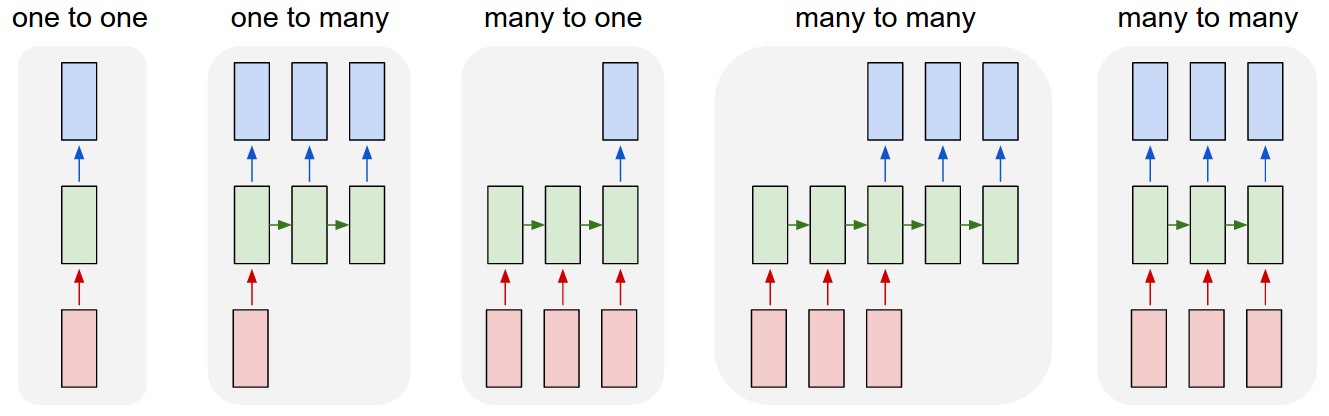
Input-Output Paradigms
Input-Output Paradigms
Deep RNN
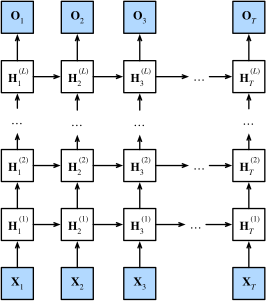
Deep RNN
Stack RNN layers;
Each layer take hidden-states of previous-layer as input;
Can memorize a lot, analyze deeply, and accomplish difficult task:
Large amount of hidden-states;
Deep hidden-states;
Bidirectional RNN
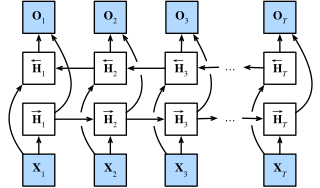
Bidirectional RNN
Uni-directional RNN know history and generate future;
Bidirectional RNN know both history and future and finish tasks:
Fill the blank;
Tagging the items of the sequence;
Predict attributes of the sequence.
Encoder-Decoder
Encoder-Decoder
Based on Representation Learning: anything can be represented by embedding vectors;
Encoder: takes a variable-length sequence as input produce embedding vectors as the representations of that sequence;
Decoder generate the output from the representative embedding vectors.

Sequence Generation
Sequence Generation
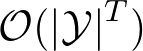
Given input representative embeddings , consider the problem of generating a sequence of items from a vocabulary .
Finding the sequence maximizing above probability would have a unacceptable cost .
We must fall back on an efficient solution.

Greedy Search
Greedy Search
At each step, select the token with the highest conditional probability;
Simple but sub-optimal;

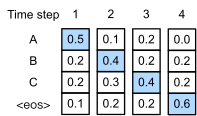
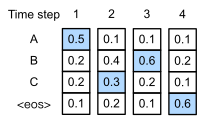
Beam Search
Beam Search
At each step, consider candidates with the top conditional sequence probability;
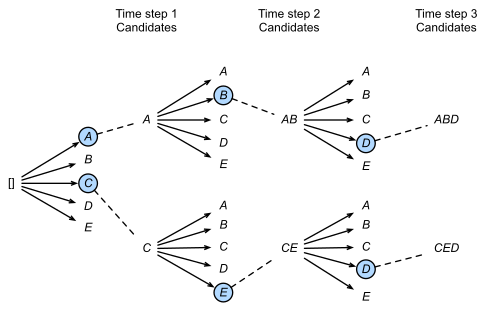
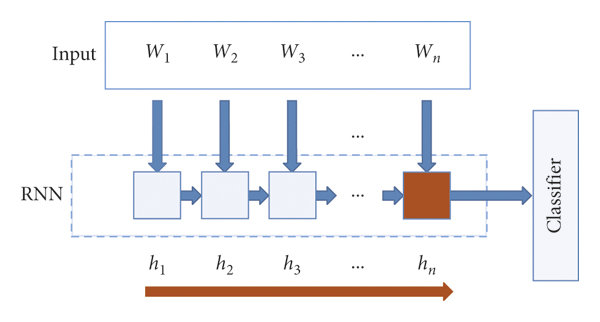
Applications: Sequence Classification
Applications: Sequence Classification
Feed the last hidden-state to the classifier;
Widely used in NLP task such as text classification;
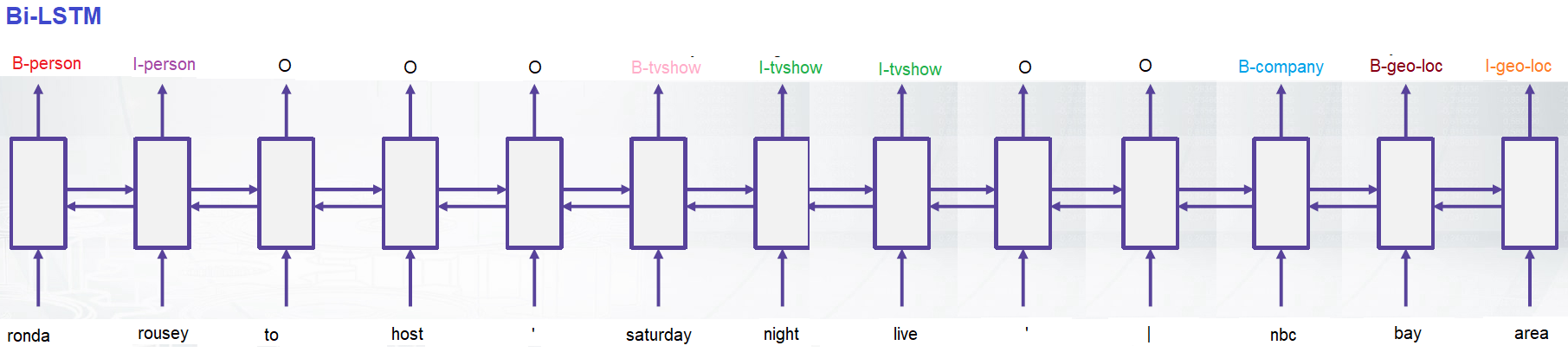
Applications: Sequence Labeling
Applications: Sequence Labeling
Predict a label for each item of input sequence.
Widely used in NLP task like NER;
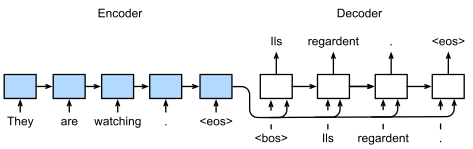
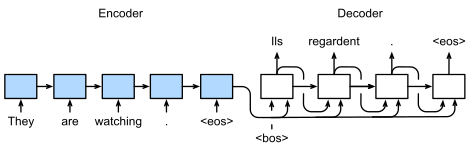
Applications: Sequence Prediction
Applications: Sequence Prediction
Modeling the problem as a sequence prediction task;
Typical application: Machine Translation, AGI LLM;
0.4 Deep Learning Basics 0.4.6 Suggested Readings
0.4 Deep Learning Basics 0.4.6 Suggested Readings
Books
Books
Deep Learning, Ian Goodfellow and Yoshua Bengio and Aaron Courville https://www.deeplearningbook.org/
Any Questions?
Any Questions?