Natural Language UnderstandingSymbolic Representation of Knowledge

Natural Language
Understanding
Symbolic Representation of
Knowledge
Understanding
Symbolic Representation of
Knowledge
Mingming Sun
BIMSA
Outline

Outline
History of Symbolic Knowledge Representation
Knowledge Based System
Knowledge Graph Overview
Knowledge Graph Construction
Knowledge Graph Refinement
1.2 Symbolic Representation of Knowledge 1.2.1 History of Symbolic Knowledge Representation
1.2 Symbolic Representation of Knowledge 1.2.1 History of Symbolic Knowledge Representation
Logical and Semantic Representations——Richard Montague, 1970s: Montague Grammar
Logical and Semantic Representations——Richard Montague, 1970s: Montague Grammar
Language can be given a formal, logical structure, much like the languages of mathematics and logic. (English as a Formal Language, 1970, and Universal Grammar, 1973)
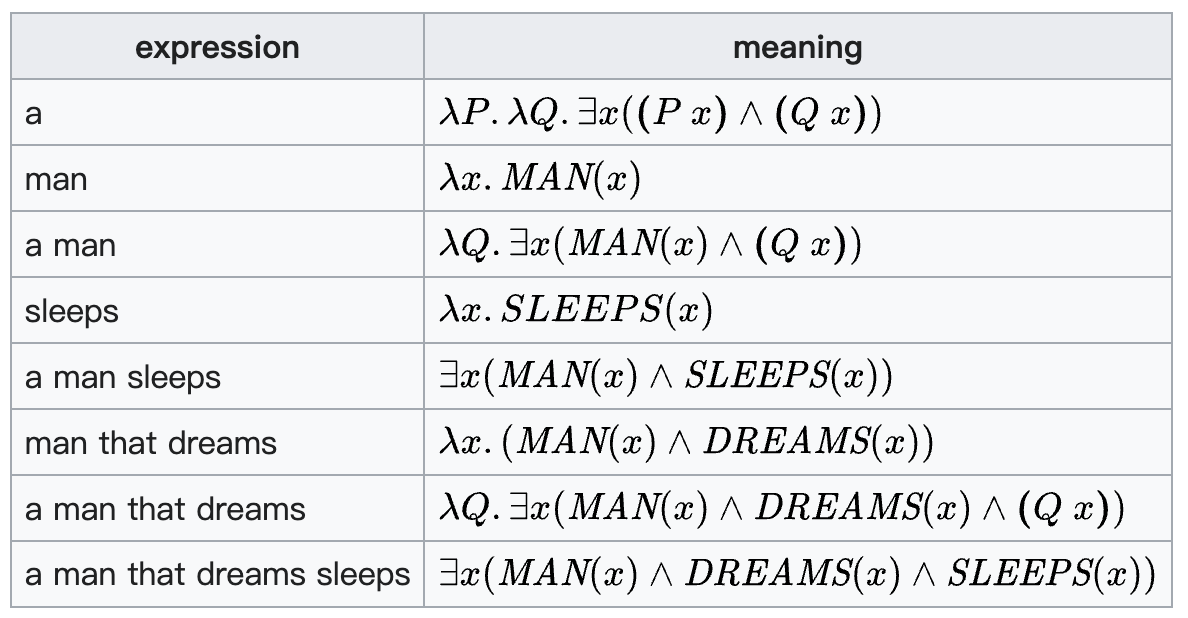
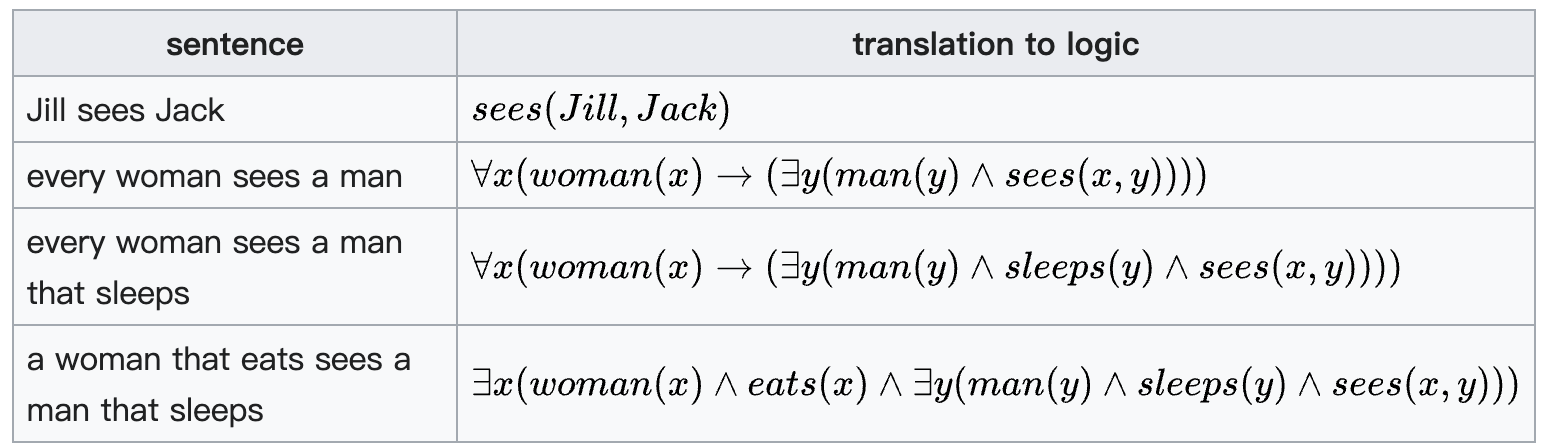
https://en.wikipedia.org/wiki/Montague_grammar
Knowledge-Based Representations——Semantic Networks (1960s–1980s)
Knowledge-Based Representations——Semantic Networks (1960s–1980s)
A semantic network is a directed graph :
Nodes represent concepts (entities, words, or ideas).
Edges represent relationships between concepts.
Instances: WordNet, ConceptNet
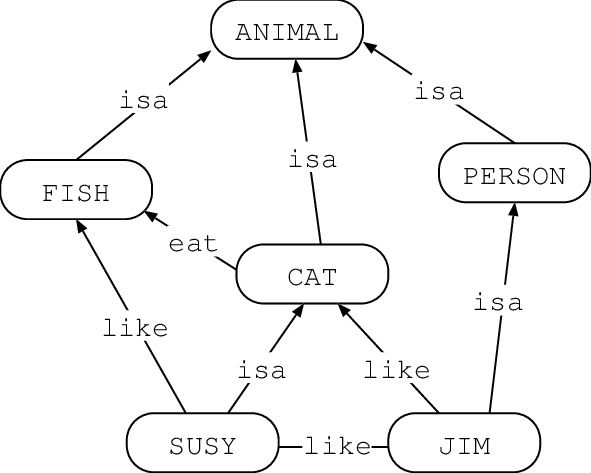
https://www.researchgate.net/publication/2701045_On_Generating_Semantic_Dispositions_in_a_Given_Subject_Domain
Types of Semantic Relations in Semantic Networks
Types of Semantic Relations in Semantic Networks
Category | Relation Type | Description | Example |
Hierarchical Relations (Taxonomy) | is-a (Hypernymy/Hyponymy) | X is a subtype of Y (generalization/specialization) | Dog is-a Mammal |
part-of (Meronymy/Holonymy) | X is a part of Y | Wheel part-of Car | |
has-a (Possession) | Y possesses X | Bird has-a Beak | |
Lexical Relations | Synonymy | X and Y have similar meanings | Big ↔ Large |
Antonymy | X and Y have opposite meanings | Hot ↔ Cold | |
Homonymy | X and Y have the same form but different meanings | Bank (financial) vs. Bank (riverbank) | |
Polysemy | X has multiple related meanings | Mouth (of a river, of a person) | |
Associative Relations | Causality (Cause-Effect) | X causes Y | Fire causes Smoke |
Entailment | If X is true, then Y must be true | Kill entails Die | |
Related-to | General associative relation | Doctor related-to Hospital | |
Thematic Roles (Case Roles) | Agent | The doer of an action | John (agent) eats an apple |
Patient | The receiver of an action | John eats an Apple (patient) | |
Instrument | The means used for an action | He wrote with a Pen (instrument) | |
Experiencer | The entity experiencing a state | She felt Happy (experiencer) | |
Event-Based Relations | Precondition | X must occur before Y | Study is required for Passing |
Temporal (Before/After) | X occurs before/after Y | Breakfast before Work | |
Subevent | X is a part of Y as an event | Buying includes Paying | |
Linguistic Relations | Coreference | X and Y refer to the same entity | John said he is happy. (he = John) |
Anaphora | X refers back to Y in discourse | Mary saw a dog. It was barking. | |
Ellipsis | Omitted elements understood from context | I like coffee, and she does too. (ellipsis of “likes coffee”) |
Knowledge-Based Representations——Frame Semantics (Charles Fillmore, 1970s)
Knowledge-Based Representations——Frame Semantics (Charles Fillmore, 1970s)
Structured representation of knowledge that provides a context for understanding words or concepts. It consists of:
Participants (Entities in the frame)
Roles (How participants interact)
Relations (Connections between roles and entities)
With the BUYING frame, when someone says: “Alice purchased a book from the store for $10.”
Instance: FrameNet
Role | Example |
Buyer | Alice |
Seller | Store |
Goods | A book |
Money | $10 |
The Central Problem: Surface Expression and Underlying Meaning
The Central Problem:
Surface Expression and Underlying Meaning
Surface Expression and Underlying Meaning
Theory | View on Surface Expression | View on Underlying Meaning | Key Mechanism of Mapping | Example |
Montague Semantics (Montague, 1970s) | Language is a formal system like logic. | Meaning is truth conditions in a formal logical system. | Lambda calculus and first-order logic assign formal meaning to expressions. | “Every student passed” = ∀x (Student(x) → Passed(x)) in logic. |
Frame Semantics (Fillmore, 1970s) | Words activate semantic frames (structured scenarios). | Meaning is a network of roles (agent, patient, action). | Words are linked to real-world experiences. | “Buy” involves a buyer, seller, goods, and money. |
Knowledge-Based Representations (WordNet, ConceptNet, 1990s–present) | Words are nodes in a network of meanings. | Meaning is defined by relations to other concepts. | Hierarchical & associative links between concepts. | “Dog” → “is-a” → “Mammal”. |
1.2 Symbolic Representation of Knowledge 1.2.2 Knowledge-Based Systems
1.2 Symbolic Representation of Knowledge 1.2.2 Knowledge-Based Systems
Components of Knowledge Based System
Components of Knowledge Based System
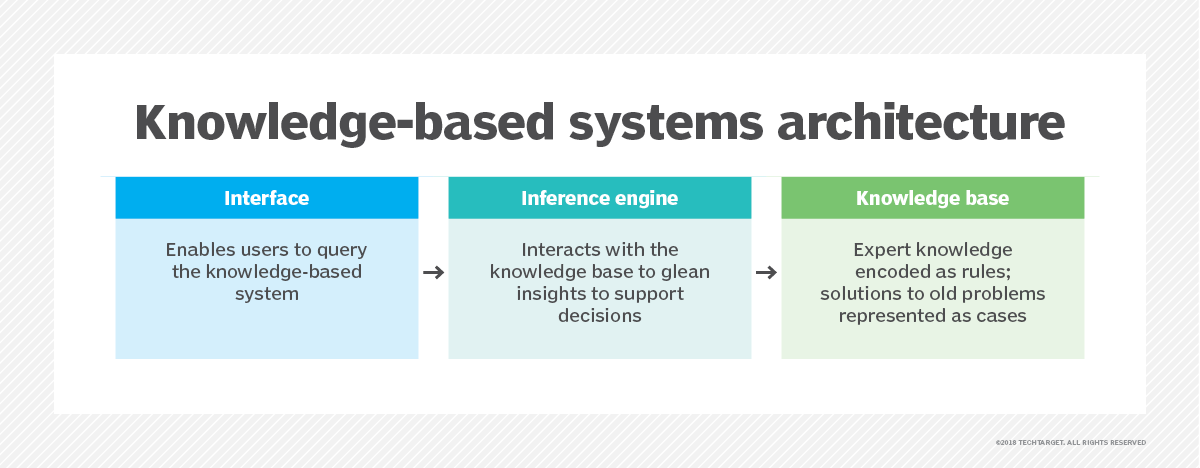
https://www.techtarget.com/searchcio/definition/knowledge-based-systems-KBS
Example of Schema/Ontology
Example of Schema/Ontology
A person owns a dog:
(isa Person Human)
(isa Dog Animal)
(owns ?person ?dog)# A person owns a dog.
A person is available:
(available ?person) # A person is available.
The weather is good:
(isa Weather Condition)
(goodWeather ?weather) # The weather is good.
Taking a dog for a walk involves the action of walking the dog:
(takesForWalk ?person ?dog) # This indicates the specific action of a person taking their dog for a walk.
Example of Knowledge
Example of Knowledge
Person availability:
(isa John Person)
(available John) #(John is available)
Ownership of the dog:
(owns John Rover) #(John owns a dog named Rover)
Weather condition:
(goodWeather Sunny) #(The weather is sunny, so it’s good)
Example of Reasoning Rules
Example of Reasoning Rules
If a person owns a dog, is available, and the weather is good, they are likely to take the dog for a walk:
(=> (and (owns ?person ?dog) (isa ?person Person) (goodWeather ?weather)) (canTakeForWalk ?person ?dog))
When apply this rule to the previous given knowledge, the following knowledge can be obtained:
(canTakeForWalk John Rover) #(John is likely to take Rover for a walk).
1.2 Symbolic Representation of Knowledge 1.2.3 Successes of Knowledge-Based Systems
1.2 Symbolic Representation of Knowledge 1.2.3 Successes of Knowledge-Based Systems
Early Breakthroughs (1950s-1970s)Logic Theorist (1956)
Early Breakthroughs (1950s-1970s)
Logic Theorist (1956)
Logic Theorist (1956)
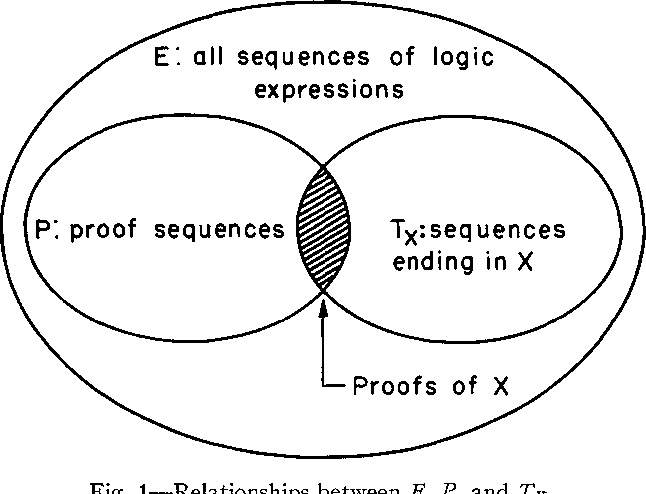
Developed by Newell and Simon
Contribution: the first program capable of automatically proving mathematical theorems. It successfully proved 38 theorems from Principia Mathematica and even proposed more concise proof methods.
Significance: This was the first demonstration of how symbolic systems can simulate human reasoning, marking the birth of the symbolic school.
https://guillaumelauzier.com/1st-ai-projects/
Early Breakthroughs (1950s-1970s)General Problem Solver (GPS, 1957)
Early Breakthroughs (1950s-1970s)
General Problem Solver (GPS, 1957)
General Problem Solver (GPS, 1957)
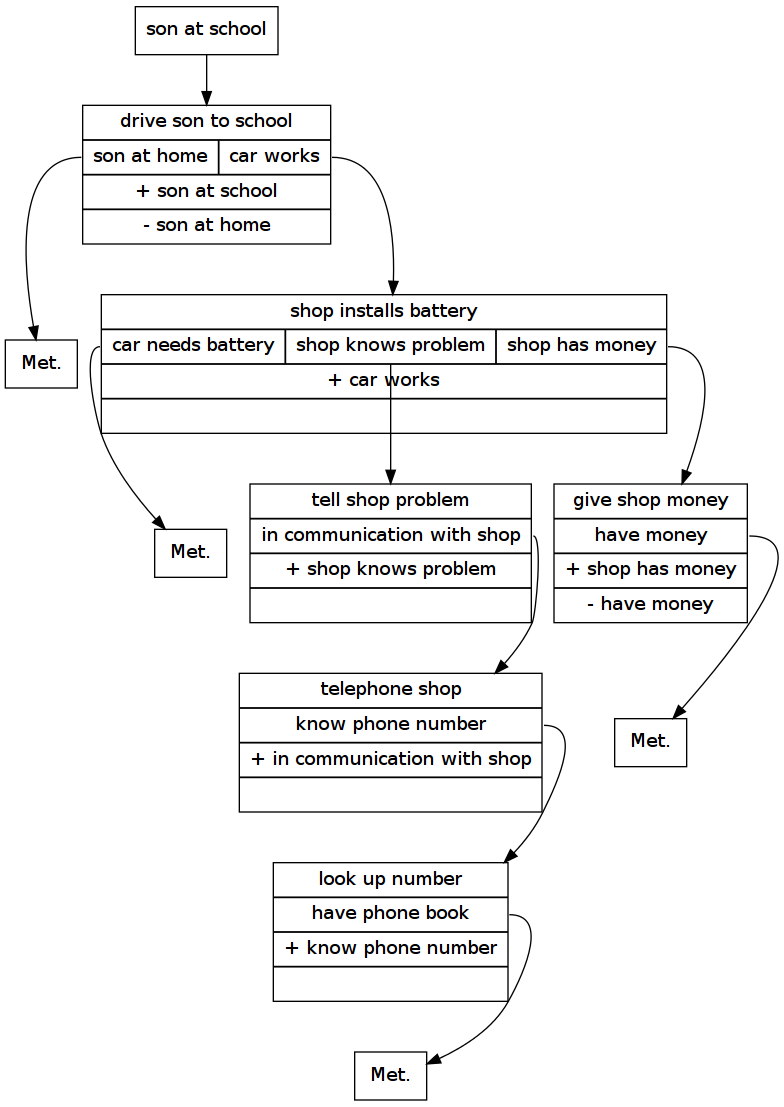
Developed by Newell and Simon
Principle: The GPS used “Means-Ends Analysis” to decompose problems into sub-goals, solving them step by step.
Application: It was applied to classic problems like the Tower of Hanoi and cryptarithmetic, demonstrating that symbolic systems can handle structured problems.
https://guillaumelauzier.com/1st-ai-projects/
Early Breakthroughs (1950s-1970s)LISP Programming Language (1958)
Early Breakthroughs (1950s-1970s)
LISP Programming Language (1958)
LISP Programming Language (1958)
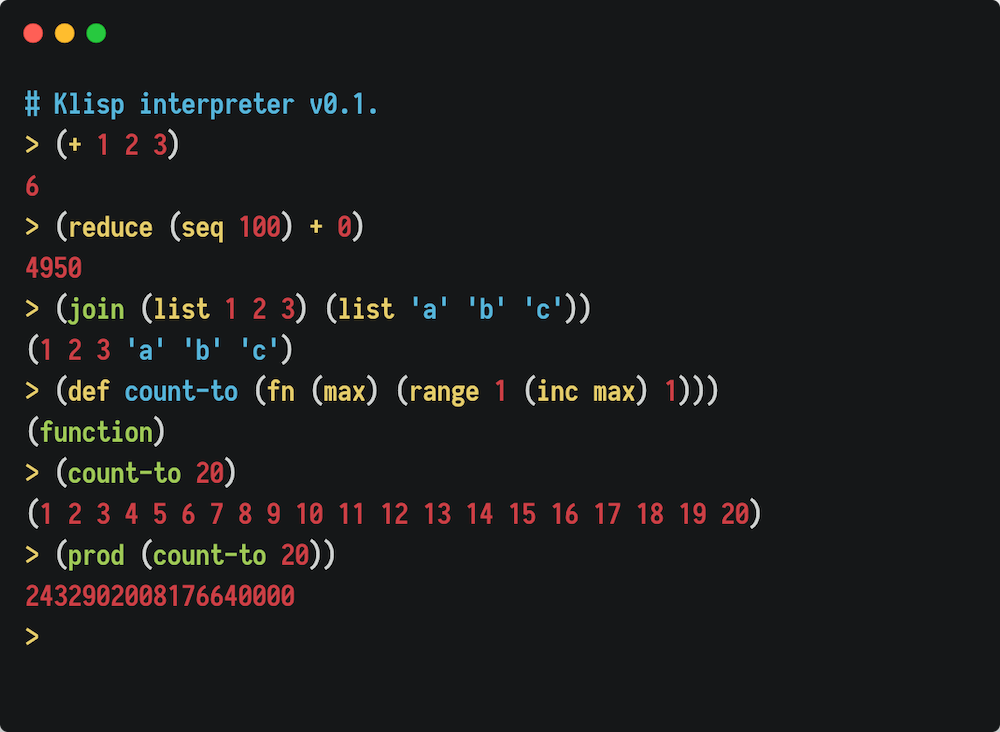
Developer: John McCarthy.
Features: Specifically designed for symbolic processing, it supports recursion, list manipulation, and dynamic memory management, becoming a core tool for symbolic AI.
Impact: LISP influenced almost all programming language.
https://dotink.co/posts/klisp/
Early Breakthroughs (1950s-1970s)ELIZA: Pioneering the Conversation with Machines (1966)
Early Breakthroughs (1950s-1970s)
ELIZA: Pioneering the Conversation with Machines (1966)
ELIZA: Pioneering the Conversation with Machines (1966)
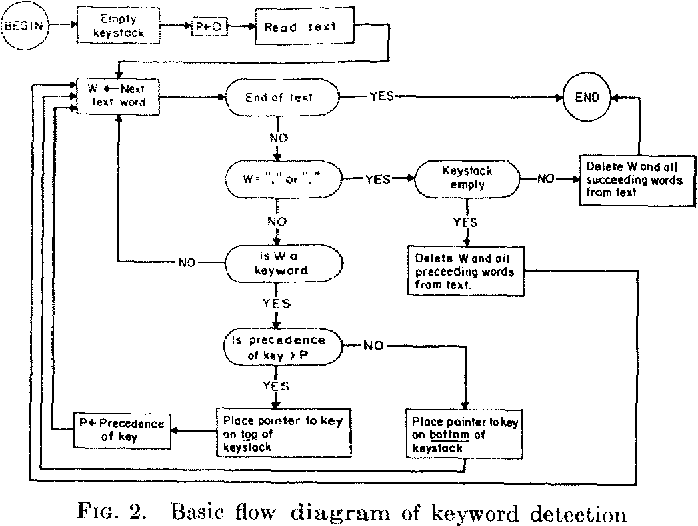
Developed in the mid-1960s by Joseph Weizenbaum at MIT
Contribution: It was one of the first AI programs to be developed and was designed to mimic human conversation by using a set of rules and patterns to generate responses to user input.
Foundational Impact: It inspired future developments in natural language processing (NLP) and chatbots, paving the way for modern AI-driven systems.
https://guillaumelauzier.com/1st-ai-projects/
Golden Age of Expert Systems (1970s-1980s)Edward Feigenbaum: Pioneer in Expert Systems and AI
Golden Age of Expert Systems (1970s-1980s)
Edward Feigenbaum: Pioneer in Expert Systems and AI
Edward Feigenbaum: Pioneer in Expert Systems and AI
Background:
Born 1936, Ph.D. in Computer Science from Stanford University.
Renowned for his work in symbolic AI and knowledge-based systems.
Key Contributions: DENDRAL (1960s-70s) and MYCIN (1970s)
Core Beliefs:
Advocated for symbolic AI using formal logic and rule-based reasoning to represent knowledge and simulate human intelligence.
Emphasized the importance of knowledge representation in solving complex problems.
Legacy:
Turing Award (1994) for his pioneering work in AI.
His work laid the foundation for modern AI applications in medicine, science, and more.
https://www.britannica.com/biography/Edward-Albert-Feigenbaum

Golden Age of Expert Systems (1970s-1980s)DENDRAL System (1965-1970s)
Golden Age of Expert Systems (1970s-1980s)
DENDRAL System (1965-1970s)
DENDRAL System (1965-1970s)
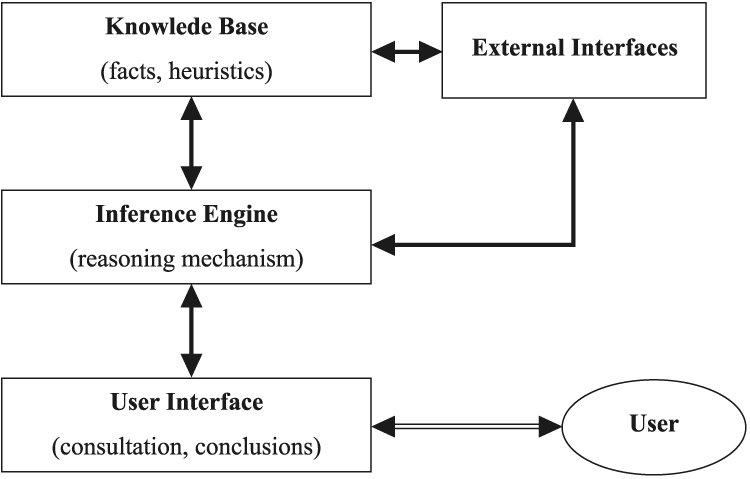
Domain: Chemical mass spectrometry analysis.
Function: Used rule-based reasoning to identify the molecular structure of unknown organic compounds.
Reasons for Success:
Combined a chemical expert knowledge base with heuristic search algorithms.
Achieved or even surpassed the accuracy of human experts in experiments.
https://expertsystem101.weebly.com/dendral.html
Golden Age of Expert Systems (1970s-1980s)MYCIN System (1976)
Golden Age of Expert Systems (1970s-1980s)
MYCIN System (1976)
MYCIN System (1976)
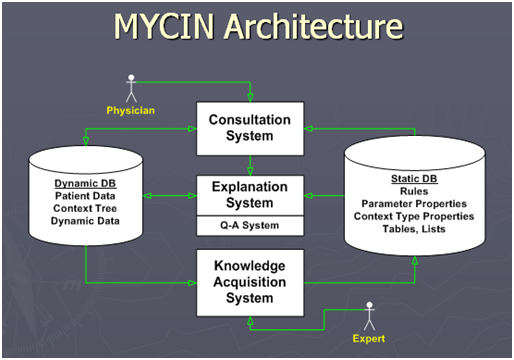
Domain: Medical diagnosis (blood infections).
Technical Highlights:
Used “production rules” (If-Then rule bases) to represent medical knowledge.
Introduced uncertainty reasoning (confidence factors).
Outcome:
Achieved diagnostic accuracy comparable to top doctors, becoming a milestone in medical AI.
https://medium.com/version-1/an-overview-of-the-rise-and-fall-of-expert-systems-14e26005e70e
Golden Age of Expert Systems (1970s-1980s)XCON (R1) System (1980s)
Golden Age of Expert Systems (1970s-1980s)
XCON (R1) System (1980s)
XCON (R1) System (1980s)
Domain: Computer hardware configuration (DEC Corporation).
Value: Saved DEC $25 million annually and reduced error rates from 30% to 2%.
Significance:
The first large-scale commercial expert system, demonstrating the practical economic value of symbolic AI.
Deepening Knowledge Engineering and Knowledge RepresentationParadigms of Knowledge Representation
Deepening Knowledge Engineering and Knowledge Representation
Paradigms of Knowledge Representation
Paradigms of Knowledge Representation
Frame Theory (1974):
Proposed by Marvin Minsky, it uses “frames” to represent the structured knowledge of objects.
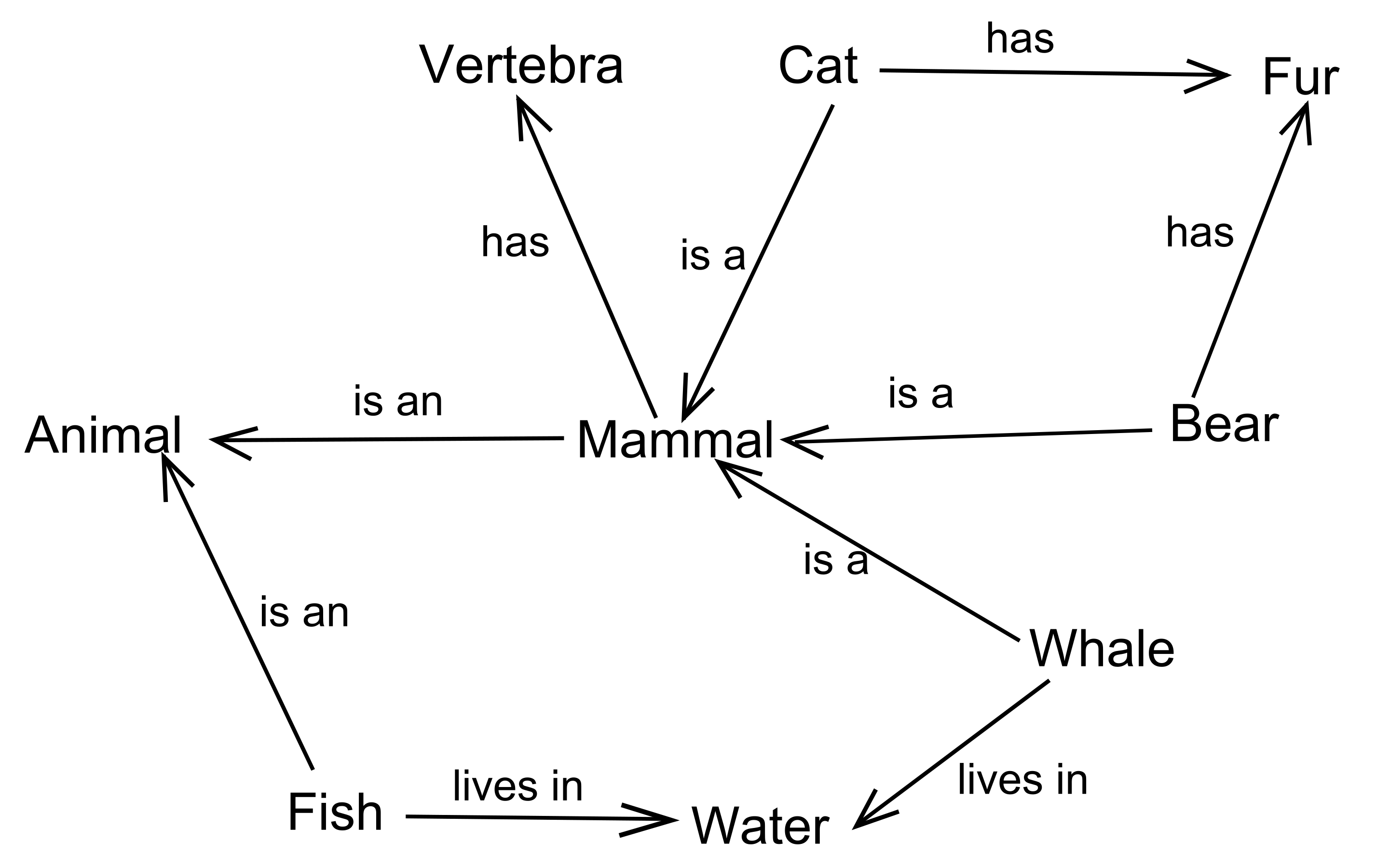
Semantic Networks:
Represent relationships between concepts using nodes and edges, laying the foundation for knowledge graphs.
https://en.wikipedia.org/wiki/Semantic_network#/media/File:Semantic_Net.svg
Deepening Knowledge Engineering and Knowledge RepresentationCyc Project (1984)
Deepening Knowledge Engineering and Knowledge Representation
Cyc Project (1984)
Cyc Project (1984)
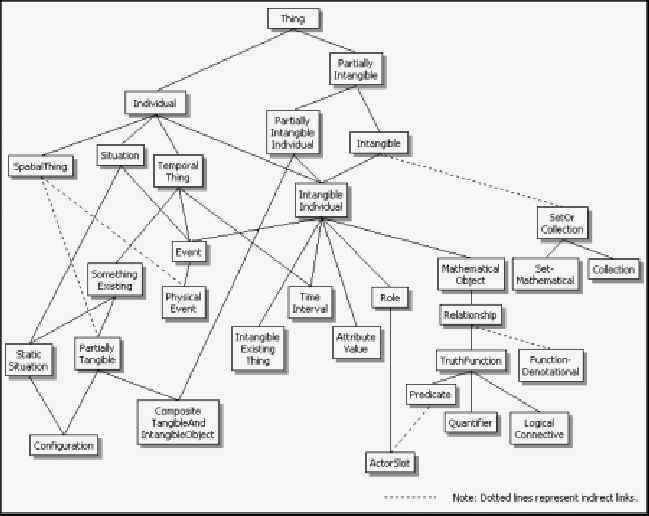
Goal: To build a massive knowledge base of human common sense.
Method: Manually encoding millions of logical assertions (e.g., “water is a liquid”).
Controversy and Insights: Although the goal was not fully achieved, it highlighted the challenges of symbolic systems in handling common sense and advanced knowledge representation research.
https://www.researchgate.net/figure/The-Upper-Cyc-Ontology_fig2_228368116
Deepening Knowledge Engineering and Knowledge RepresentationProlog Language (1972)
Deepening Knowledge Engineering and Knowledge Representation
Prolog Language (1972)
Prolog Language (1972)
Developer: Alain Colmerauer.
Features: A declarative programming language based on first-order logic, supporting automatic reasoning.
Application: Core tool in Japan’s “Fifth Generation Computer Project,” promoting the international development of symbolic AI.
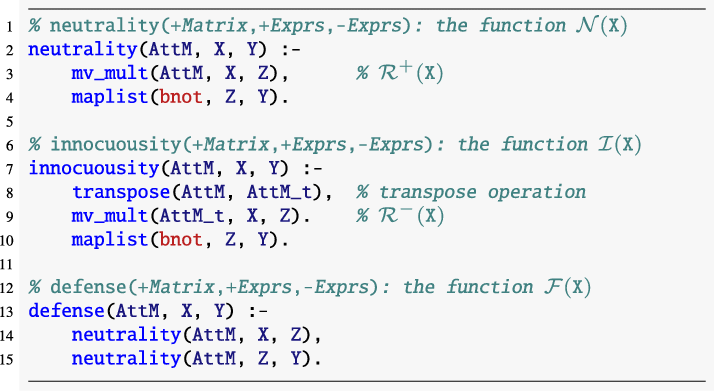
https://medium.com/@neerajsharma95/understanding-logical-programming-paradigm-with-prolog-49b738a293ca
1.2 Symbolic Representation of Knowledge 1.2.4 Limitations of Knowledge-Based Systems
1.2 Symbolic Representation of Knowledge 1.2.4 Limitations of Knowledge-Based Systems
Technical Bottlenecks and Classic FailuresDecline of Expert Systems (1980s-1990s)
Technical Bottlenecks and Classic Failures
Decline of Expert Systems (1980s-1990s)
Decline of Expert Systems (1980s-1990s)
Case: XCON System (DEC Corporation)
Early Success:
In the 1980s, the XCON system saved DEC tens of millions of dollars annually.
Reasons for Failure:
High Knowledge Maintenance Costs: Hardware configuration rules frequently updated with product iterations required continuous manual intervention.
Poor Generalization: The system could not be adapted to other domains (e.g., software design).
Outcome:
By the 1990s, DEC went bankrupt, and XCON was discontinued.
Industry-wide Collapse:
Companies found that the cost of developing expert systems far exceeded the benefits, and the commercial value bubble burst.
In 1993, the U.S. AI industry market shrank by 50%, leading to what is known as the “AI Winter.”
Technical Bottlenecks and Classic FailuresCyc Project: The Utopian Failure of Common Sense Engineering (1984-Present)
Technical Bottlenecks and Classic Failures
Cyc Project: The Utopian Failure of Common Sense Engineering (1984-Present)
Cyc Project: The Utopian Failure of Common Sense Engineering (1984-Present)
Goal:
Build a knowledge base covering human common sense (e.g., “birds can fly,” “glass cups are fragile”).
Failures:
Knowledge Encoding Disaster: After 40 years and over 25 million manually entered logical assertions, the complexity of common sense was still far from being covered.
Rigid Reasoning: Could not handle exceptions (e.g., “penguins are birds but cannot fly”) and context-dependent situations (e.g., “water is drinkable” vs. “floods are dangerous”).
Lesson:
Common sense cannot be realized through exhaustive rule systems as a “closed system.”
Technical Bottlenecks and Classic FailuresJapan’s Fifth Generation Computer Project (1982-1992)
Technical Bottlenecks and Classic Failures
Japan’s Fifth Generation Computer Project (1982-1992)
Japan’s Fifth Generation Computer Project (1982-1992)
Ambition:
Build an “intelligent computer” based on Prolog and symbolic logic to lead the global AI field.
Reasons for Failure:
Single Technology Path: Over-reliance on symbolic reasoning, neglecting other capabilities such as perception and learning.
Mismatch between Hardware and Algorithms: Parallel reasoning machines were difficult to implement, and Prolog’s efficiency was inadequate.
Outcome:
With a decade-long investment of $850 million, the results were almost negligible, severely damaging the international reputation of symbolic AI.
Theoretical Defects of the Symbolic SchoolKnowledge Acquisition Bottleneck
Theoretical Defects of the Symbolic School
Knowledge Acquisition Bottleneck
Knowledge Acquisition Bottleneck
Problem:
Knowledge depends on manual encoding, making it difficult to automatically learn from data.
Case: MYCIN Medical System
The system required doctors to input thousands of diagnostic rules, which took years.
When faced with new diseases (e.g., AIDS), the system could not autonomously update its knowledge base.
Theoretical Defects of the Symbolic SchoolInability to Handle Uncertainty
Theoretical Defects of the Symbolic School
Inability to Handle Uncertainty
Inability to Handle Uncertainty
Rigidity of Symbolic Logic:
Symbolic systems only support binary logic (True/False), making it impossible to handle probability, vagueness, or partial truths.
Counterexample:
In autonomous driving, real-time decisions like “a pedestrian suddenly appears” require probabilistic reasoning, which symbolic systems cannot address.
Theoretical Defects of the Symbolic SchoolCombinatorial Explosion
Theoretical Defects of the Symbolic School
Combinatorial Explosion
Combinatorial Explosion
Problem:
The search space of symbolic reasoning grows exponentially with the size of the problem.
Case: Automated Theorem Provers
These systems work efficiently for logical propositions with up to 10 steps but become uncontrollable in computation time when the number of steps exceeds 100.
In 1996, IBM’s Deep Blue defeated the world chess champion, relying on brute-force search rather than symbolic reasoning.
Theoretical Defects of the Symbolic SchoolLack of Common Sense and Contextual Understanding
Theoretical Defects of the Symbolic School
Lack of Common Sense and Contextual Understanding
Lack of Common Sense and Contextual Understanding
Vulnerability of Symbolic Systems:
Symbolic systems cannot understand “implicit knowledge” (e.g., “a cup overturned will spill water” requires physical common sense).
Classic Failures:
Early chatbots (e.g., ELIZA) simply matched keywords, leading to responses that were often absurd or nonsensical.
External Shocks and Paradigm ShiftRise of Connectionism (1980s-2000s)
External Shocks and Paradigm Shift
Rise of Connectionism (1980s-2000s)
Rise of Connectionism (1980s-2000s)
Technological Comparison:
Symbolism: Rule-driven (logic designed by humans), high interpretability, poor generalization.
Connectionism: Data-driven (automatically learning features), low interpretability, strong generalization.
Turning Point:
In 2012, AlexNet outperformed traditional symbolic methods in the ImageNet image recognition competition, and deep learning became mainstream.
External Shocks and Paradigm ShiftBig Data and Computational Power Revolution
External Shocks and Paradigm Shift
Big Data and Computational Power Revolution
Big Data and Computational Power Revolution
Critical Weakness of Symbolism:
Symbolic AI relies on small-scale manually annotated knowledge and cannot take advantage of the massive amounts of unstructured data available in the internet era (e.g., text, images).
Case Comparison:
Symbolic School: The Cyc project spent 40 years building 25 million rules.
Connectionism: GPT-3 learned 175 billion parameters from 450 TB of text data through automatic learning.
External Shocks and Paradigm ShiftShift in Industry Demands
External Shocks and Paradigm Shift
Shift in Industry Demands
Shift in Industry Demands
Reasons for Enterprises Abandoning Symbolic AI:
Expert systems had long development cycles and high costs, whereas deep learning models can iterate quickly (e.g., recommendation systems, speech recognition).
Symbolic systems struggled to be embedded into real-time applications (e.g., autonomous driving requires millisecond-level responses).
Simplified Version: Knowledge Graph
Simplified Version: Knowledge Graph
Focus on Specific Domains/Tasks/Products
Simplified Knowledge Expression
Natural Incorporate Machine Learning Techniques for Acquiring and Maintaining Knowledge
Able to Handling Ambiguity and Uncertainty
Simplified Reasoning Methods
1.2 Symbolic Representation of Knowledge 1.2.5 Introduction to Knowledge Graphs
1.2 Symbolic Representation of Knowledge 1.2.5 Introduction to Knowledge Graphs
Representing Knowledge via Graphs
Representing Knowledge via Graphs
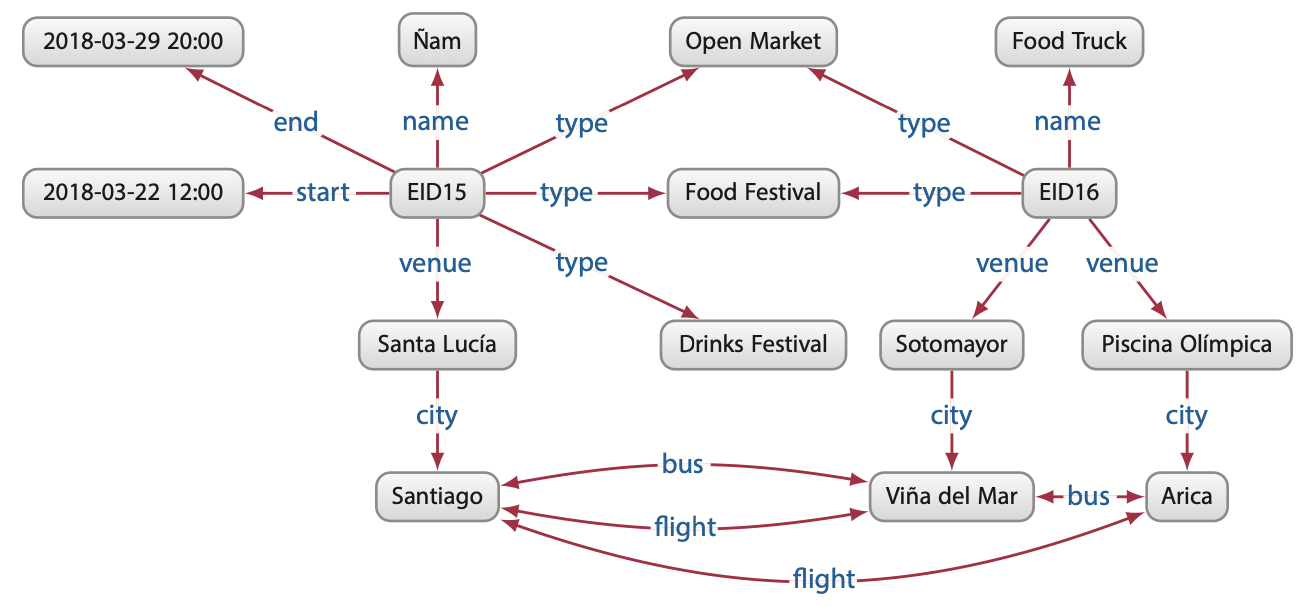
Why not Tables?
Example: Table Event(name, venue, type, start, end)
Problems: multiple names, multiple types, unknown fields
New representing method:
EventName(id,name);
EventStart(id,start);
EventEnd(id,end);
EventVenue(id,venue);
EventType(id,type);
Schema
Schema
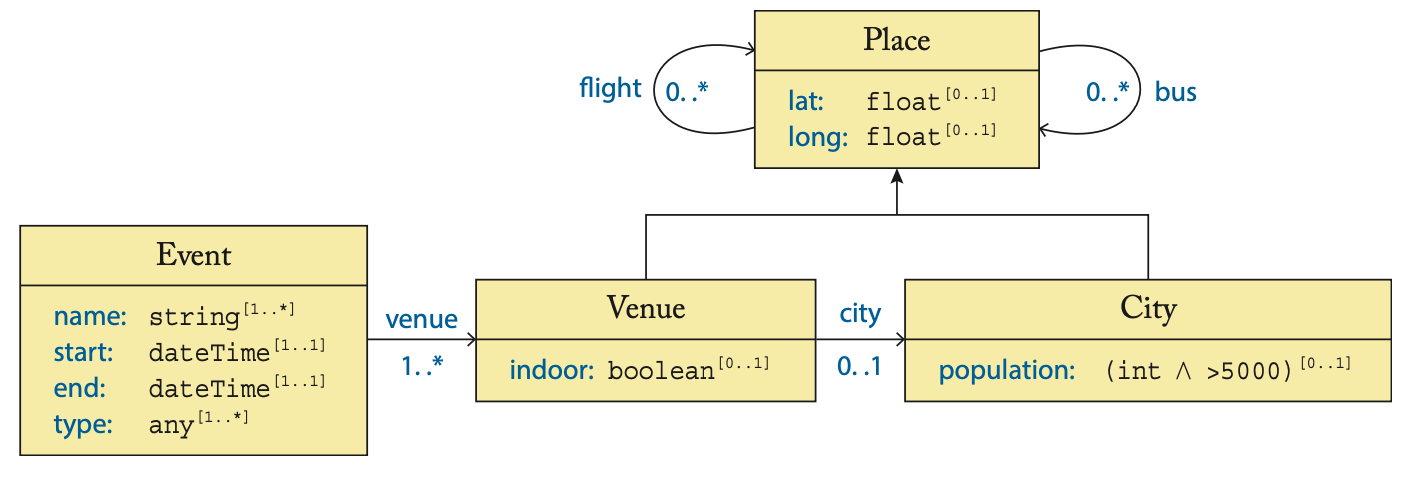
Schema prescribes a high-level structure and/or semantics that the graph follows or should follow.
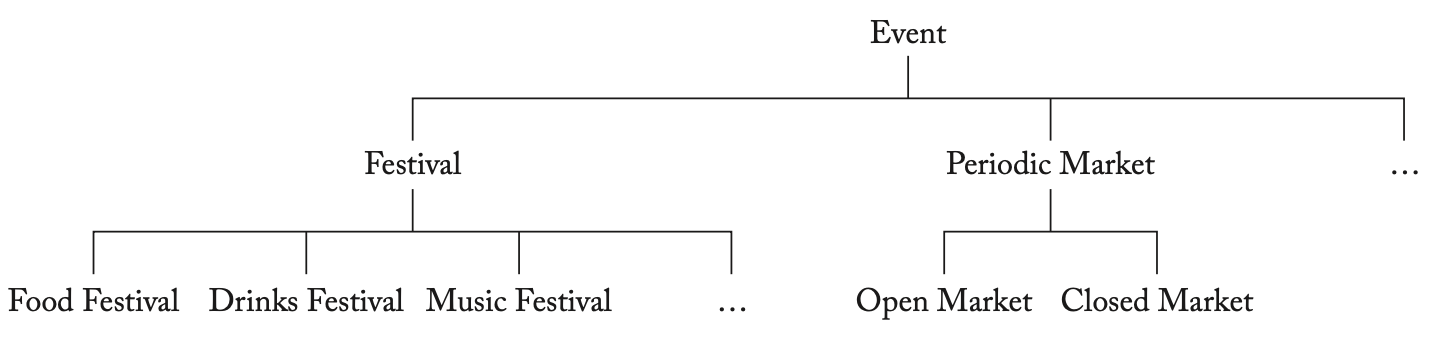
Aidan Hogan, et.al, Knowledge Graphs, 2021
Identity
Identity
Globally-unique identifiers to help avoid such ambiguity.
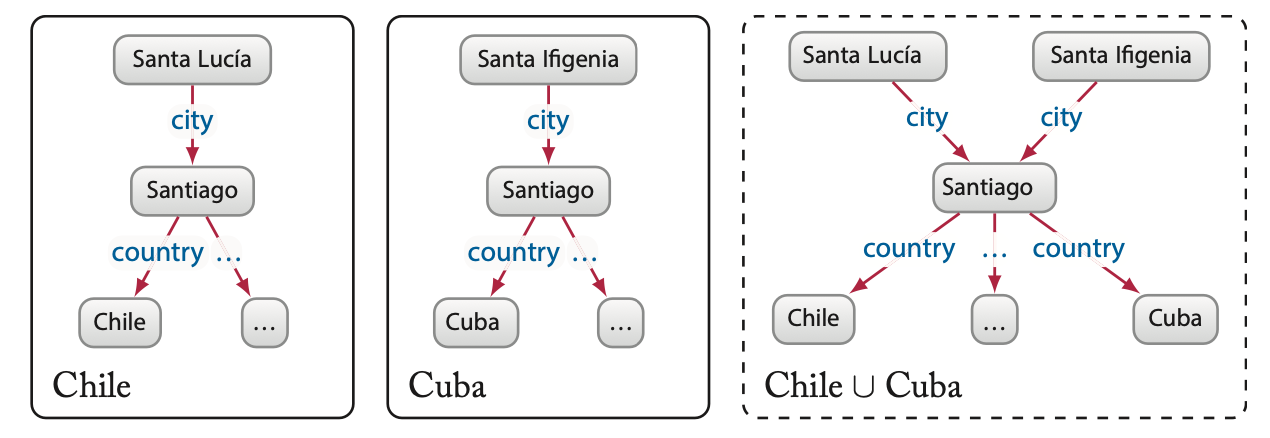
Aidan Hogan, et.al, Knowledge Graphs, 2021
Context
Context
Many (arguably all) facts can be considered true with respect to a certain context.
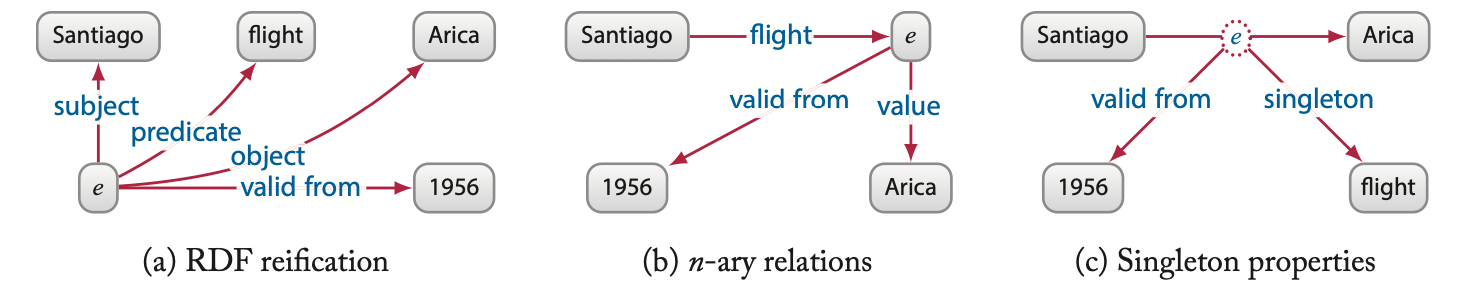
Aidan Hogan, et.al, Knowledge Graphs, 2021
Representing Knowledge as Graphs
Representing Knowledge as Graphs
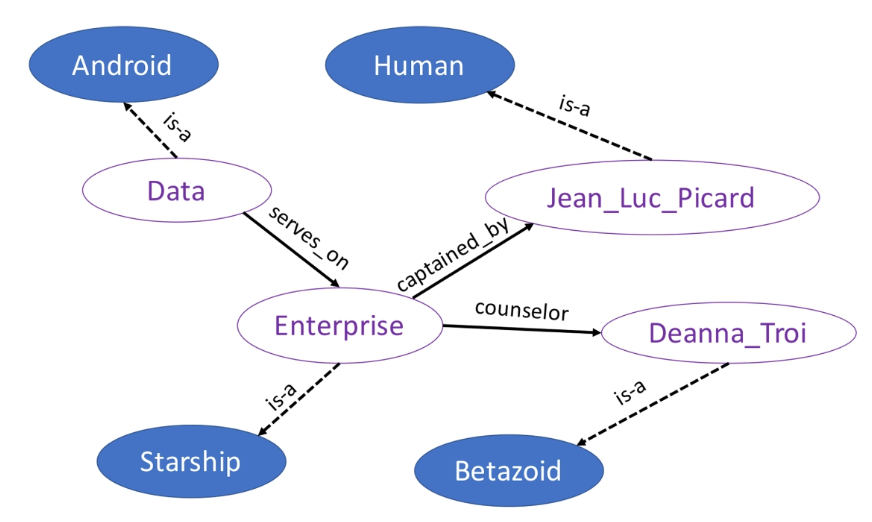
Taxonomy
Ontologies
More Examples: Scientific Publications
More Examples: Scientific Publications
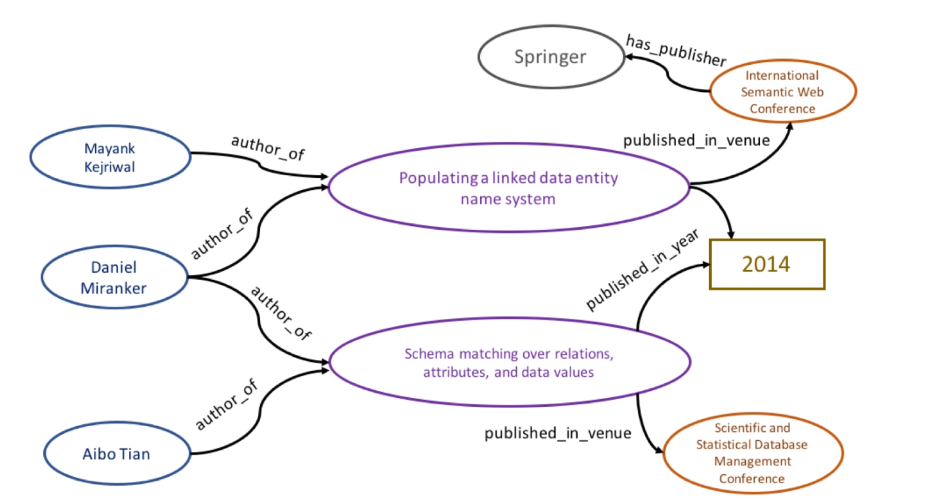
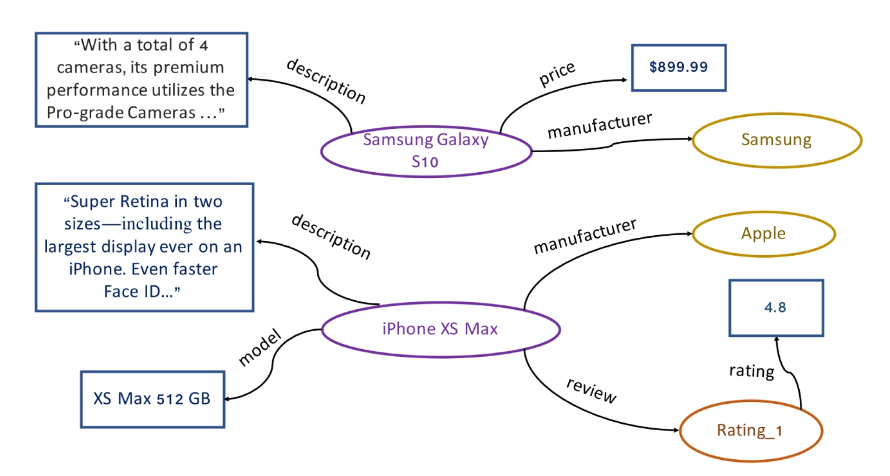
More Examples: E-Commerce
More Examples: E-Commerce
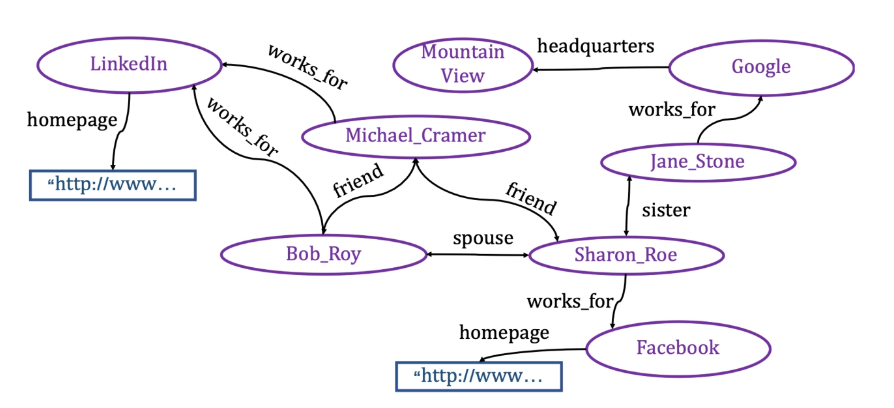
More Examples: Social Networks
More Examples: Social Networks
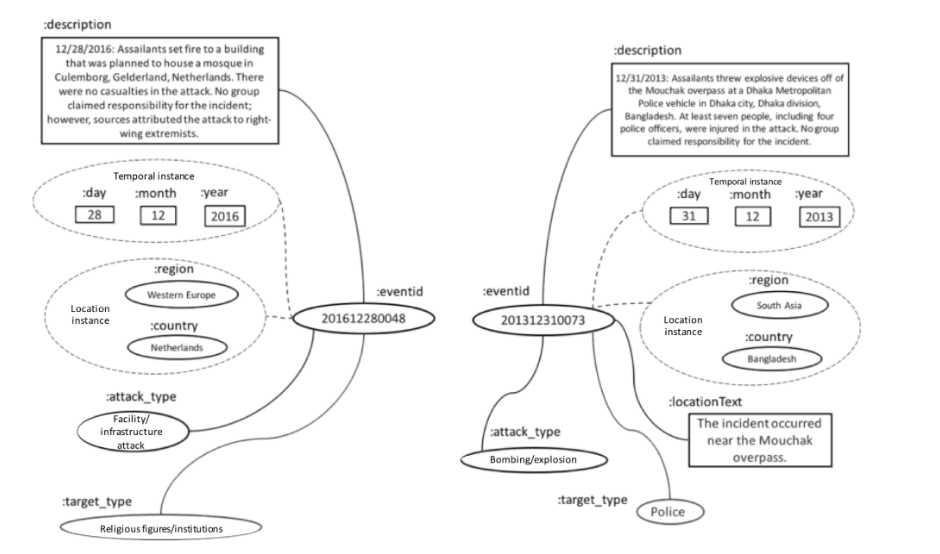
More Examples: Geopolitical Events
More Examples: Geopolitical Events
Query/Edit the Graphs
Query/Edit the Graphs
MATCH (startContent:Content)-[relationship:IS_RELATED_TO]->(endContent:Content) WHERE endContent.source = 'user' OPTIONAL MATCH (endContent)-[r]-() DELETE relationship, endContent
Cypher for Neo4J
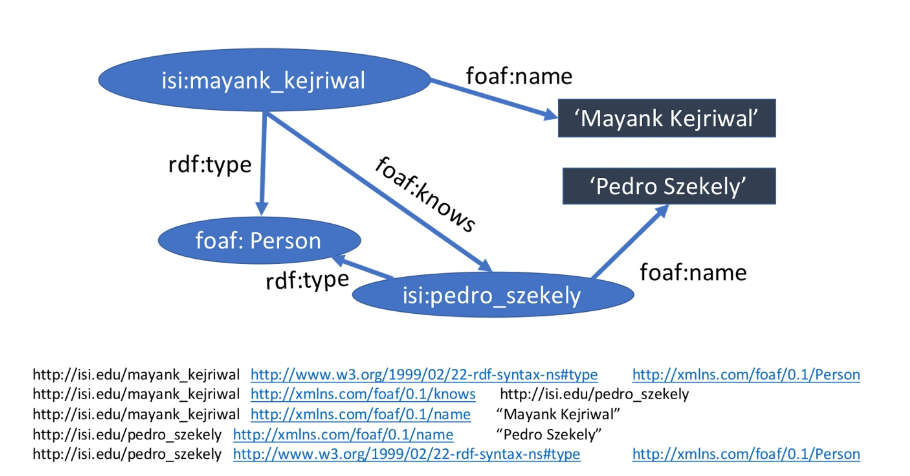
Framework: Resource Description Framework
Framework: Resource Description Framework
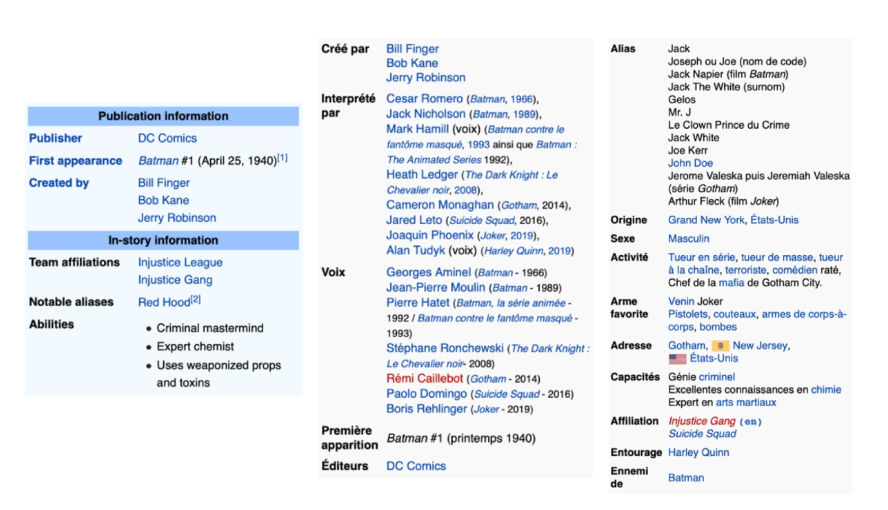
Framework: Wikidata
Framework: Wikidata
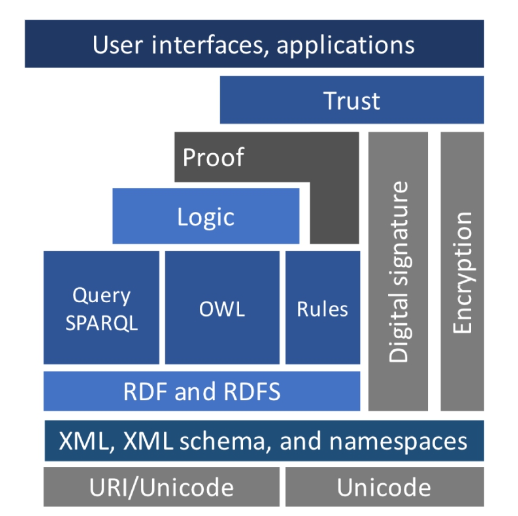
Framework: Semantic Web
Framework: Semantic Web
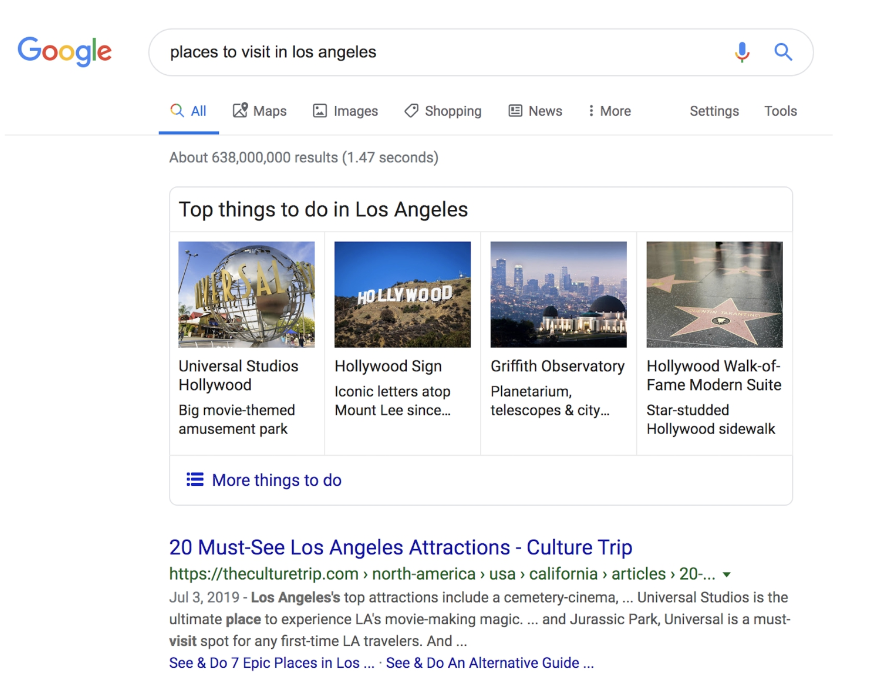
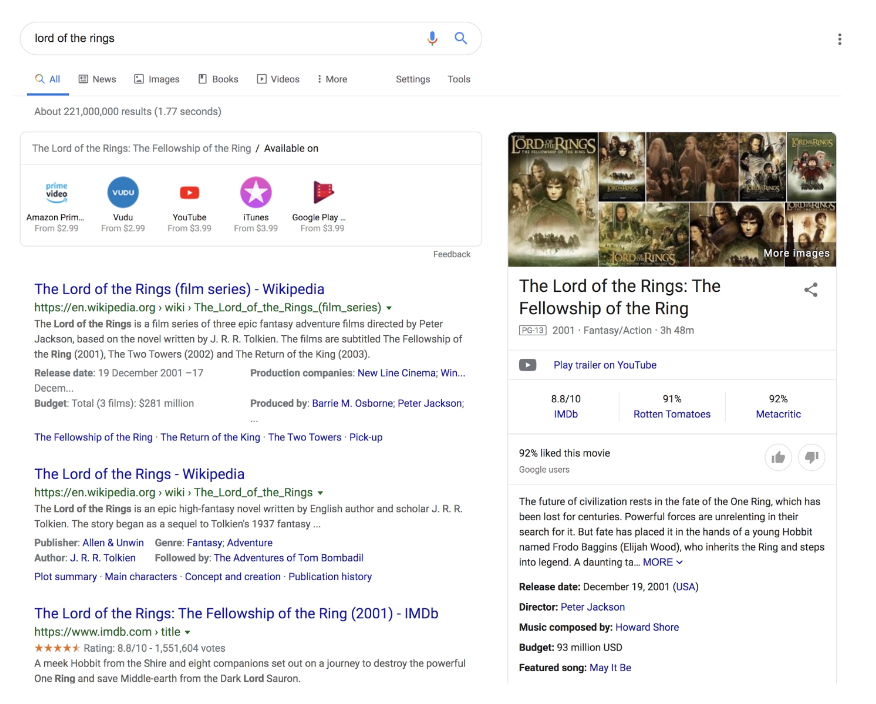
The Value of Knowledge Graph in Web Search
The Value of Knowledge Graph in Web Search
The Value of Knowledge Graph in LLM Ages
The Value of Knowledge Graph in LLM Ages
Memory System for LLM
Reducing Hallucinations with Reliable Knowledge Source (vs LLM Knowledge Editing)
Multi-Hop reasoning and efficient calculation over Graphs
Entity Linking and Disambiguation
Cross-Document Information Gathering.
1.2 Symbolic Representation of Knowledge 1.2.6 Knowledge Graph Construction
1.2 Symbolic Representation of Knowledge 1.2.6 Knowledge Graph Construction
Whole Picture
Whole Picture
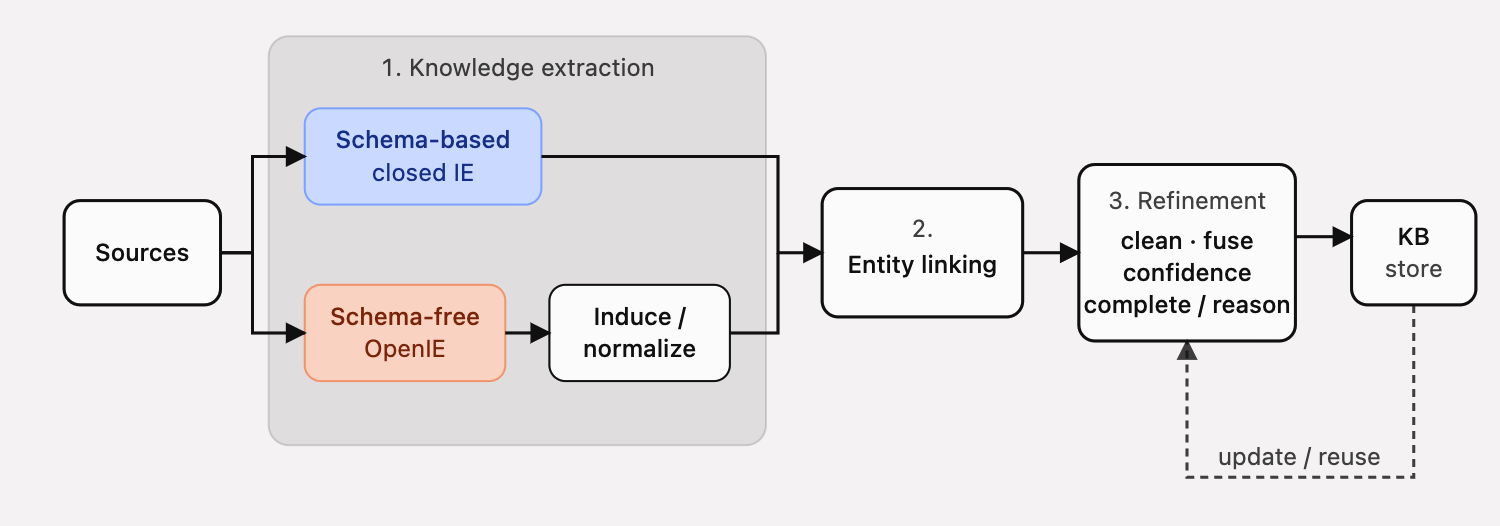
Knowledge extraction: Schema or Not?
Knowledge extraction: Schema or Not?
Dimension | Schema-based | Schema-free |
Prior knowledge | Strong (know what you need) | Weak (discover what the text contains) |
Quality profile | Precise, consistent, alignable | Broad, noisy, needs post-processing |
Evolution | Schema changes are costly | Easy to absorb new relations |
Typical pipeline | Define schema → extract → ingest | Open extraction → induce/normalize → ingest |
1.2 Symbolic Representation of Knowledge 1.2.7 Schema-Based Knowledge Extraction
1.2 Symbolic Representation of Knowledge 1.2.7 Schema-Based Knowledge Extraction
Expert Interview and Schema Design
Expert Interview and Schema Design
Expert Interviews: To capture domain expertise and tacit knowledge, identify key entities, relationships, and attributes within the domain.
Schema Design: To define the structure of the Knowledge Graph, ensuring it can accurately represent the domain knowledge.
Output: A well-defined schema that captures domain knowledge efficiently and serves as the blueprint for building the Knowledge Graph.
Seed Sample Mining or Labeling
Seed Sample Mining or Labeling
Seed Sample Mining: To identify a small set of initial entities and relationships that can serve as the foundation of the Knowledge Graph under the guidance of the schema;
Labeling Existing Data: To manually label data or use semi-automated techniques to identify relevant entities and relationships in existing datasets.
Outcome: This stage produces a set of labeled or mined seed samples that will form the basis of the Knowledge Graph.
Training Knowledge Acquisition Components
Training Knowledge Acquisition Components
Named Entity Recognition (NER): Identify and classify entities (into the schema’s typing system) from unstructured data.
Relation Extraction: Automatically detect and extract relationships between entities.
Entity Linking: Connect identified entities to their corresponding entries the knowledge graph;
Acquire Knowledges and Evaluation
Acquire Knowledges and Evaluation
Run the trained acquisition components at scale on unstructured text to populate the Knowledge Graph;
Or acquire knowledge from other sources (table, other KG, LLM);
Systematically evaluating the quality and coverage of the acquired knowledge.
Outcome: This stage delivers a populated, structured, and evaluated Knowledge Graph ready for deployment.
1.2 Symbolic Representation of Knowledge 1.2.8 Named Entity Recognition
1.2 Symbolic Representation of Knowledge 1.2.8 Named Entity Recognition
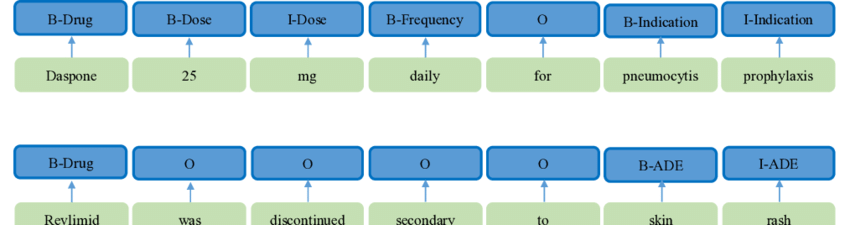
Named Entity Recognition For Specific Domain/Task
Named Entity Recognition For Specific Domain/Task
Generally, tasks want entities belonging to several given types and neglect other entities.
Joint learning detection and typing.
https://www.researchgate.net/publication/330424080_Adverse_Drug_Events_Detection_in_Clinical_Notes_by_Jointly_Modeling_Entities_and_Relations_Using_Neural_Networks
Existing Models and Tools: Spacy
Existing Models and Tools: Spacy
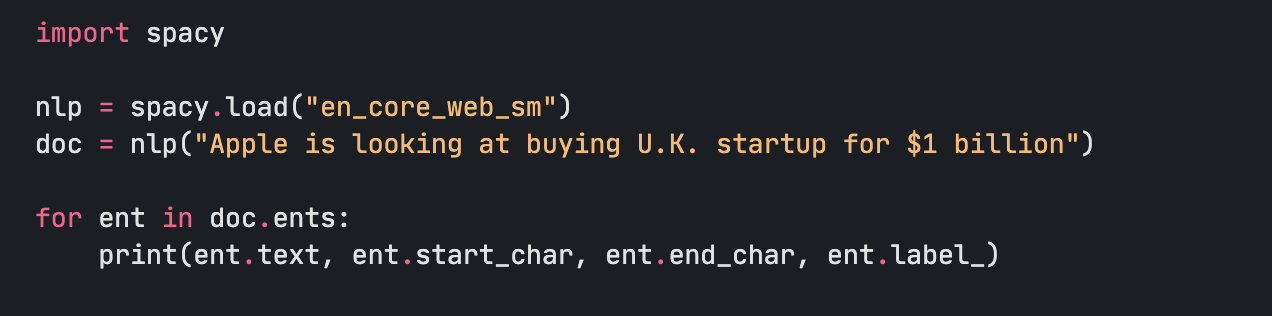
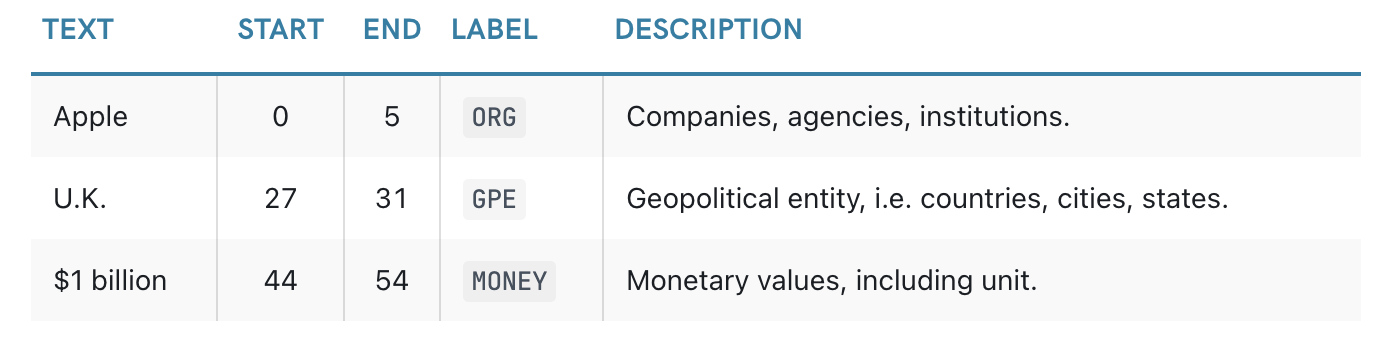
https://spacy.io/usage/linguistic-features#named-entities
Challenge: Nested Entities
Challenge: Nested Entities
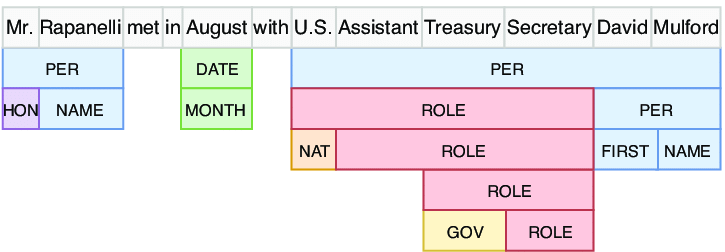
Sławomir Dadas, Bidirectional Iterative Algorithm for Nested Named Entity Recognition, 2020

Challenge: Different Criterion
Challenge: Different Criterion
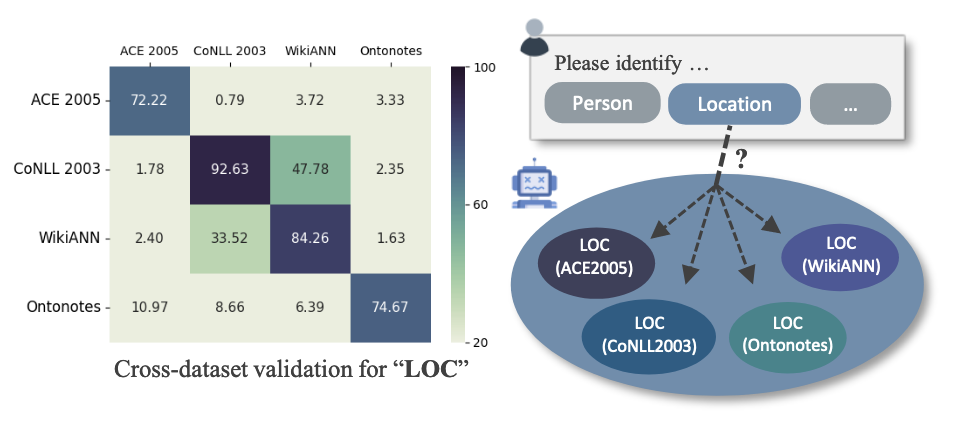
The Great wall
The Great wall, Beijing
Yuming Yang, et. al, Beyond Boundaries: Learning a Universal Entity Taxonomy across Datasets and Languages for Open Named Entity Recognition, 2024
1.2 Symbolic Representation of Knowledge 1.2.9 Relation Extraction
1.2 Symbolic Representation of Knowledge 1.2.9 Relation Extraction
Relation Extraction Problem
Relation Extraction Problem
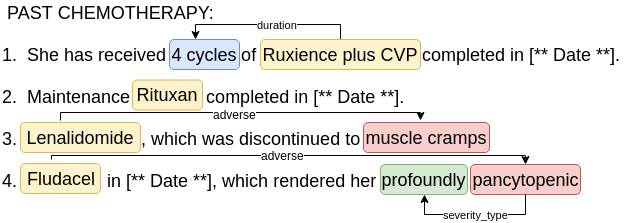
Multiple Features for Clinical Relation Extraction: a Machine Learning Approach, Journal of Biomedical Informatics
When a pair of Entities/Interested Phrases are detected, one can identify whether there exists a relation between them, and the type of the relation if exists.
Relation Extraction Methods
Relation Extraction Methods
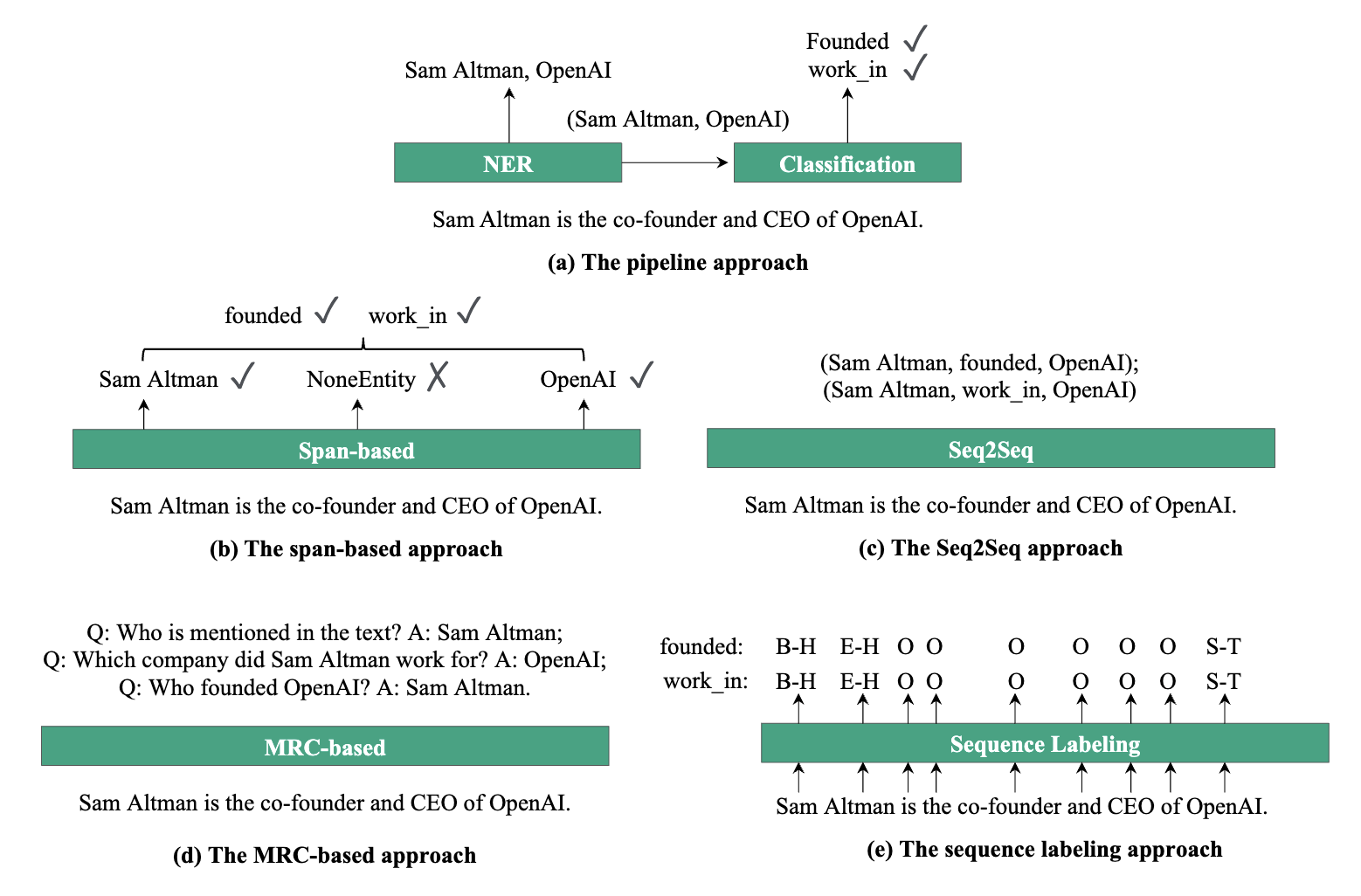
https://arxiv.org/pdf/2306.02051v3
Beyond the Sentence Level
Beyond the Sentence Level
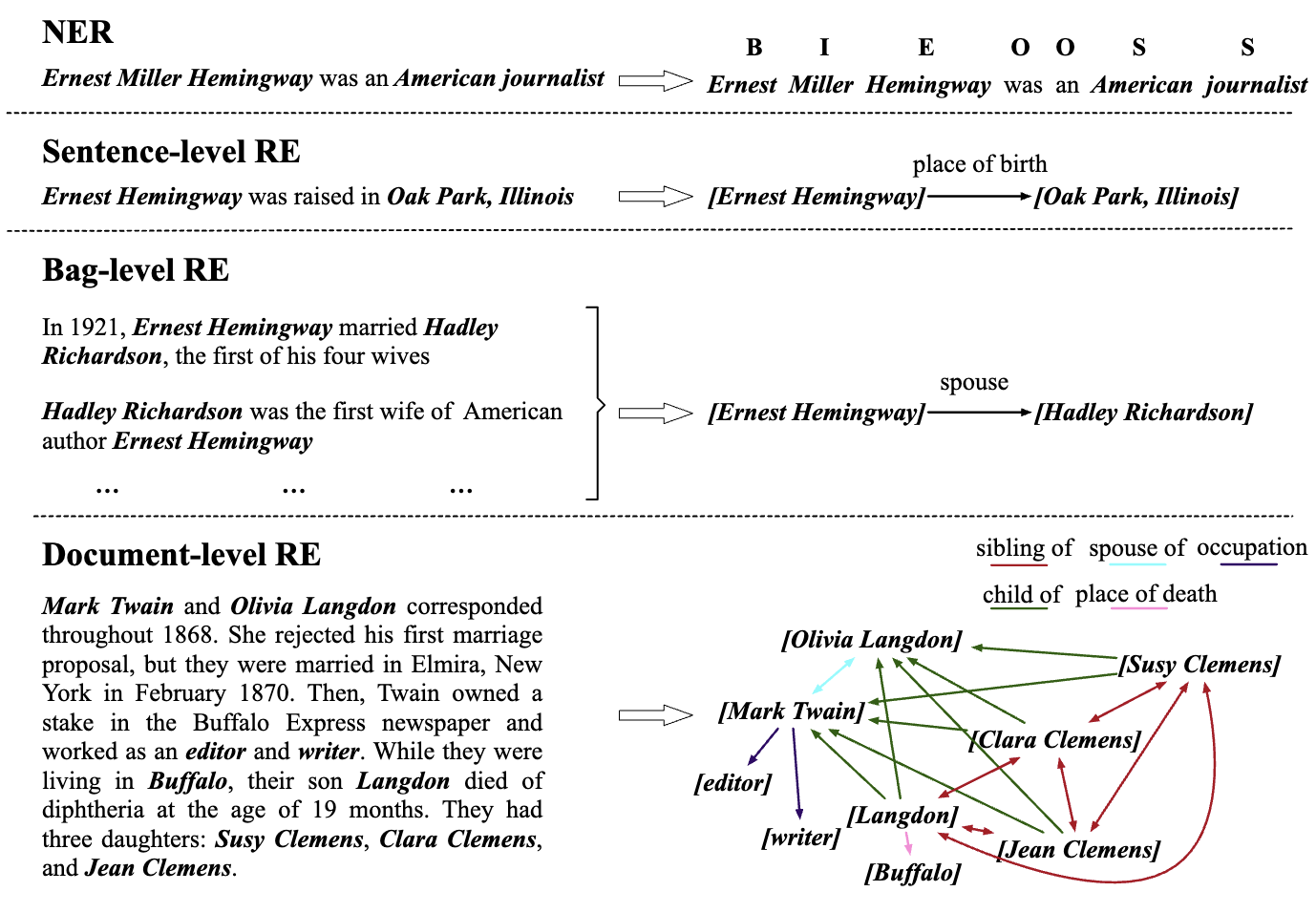
https://aclanthology.org/D19-3029.pdf
Existing Models and Tools
Existing Models and Tools
OpenNRE: An Open and Extensible Toolkit for Neural Relation Extraction
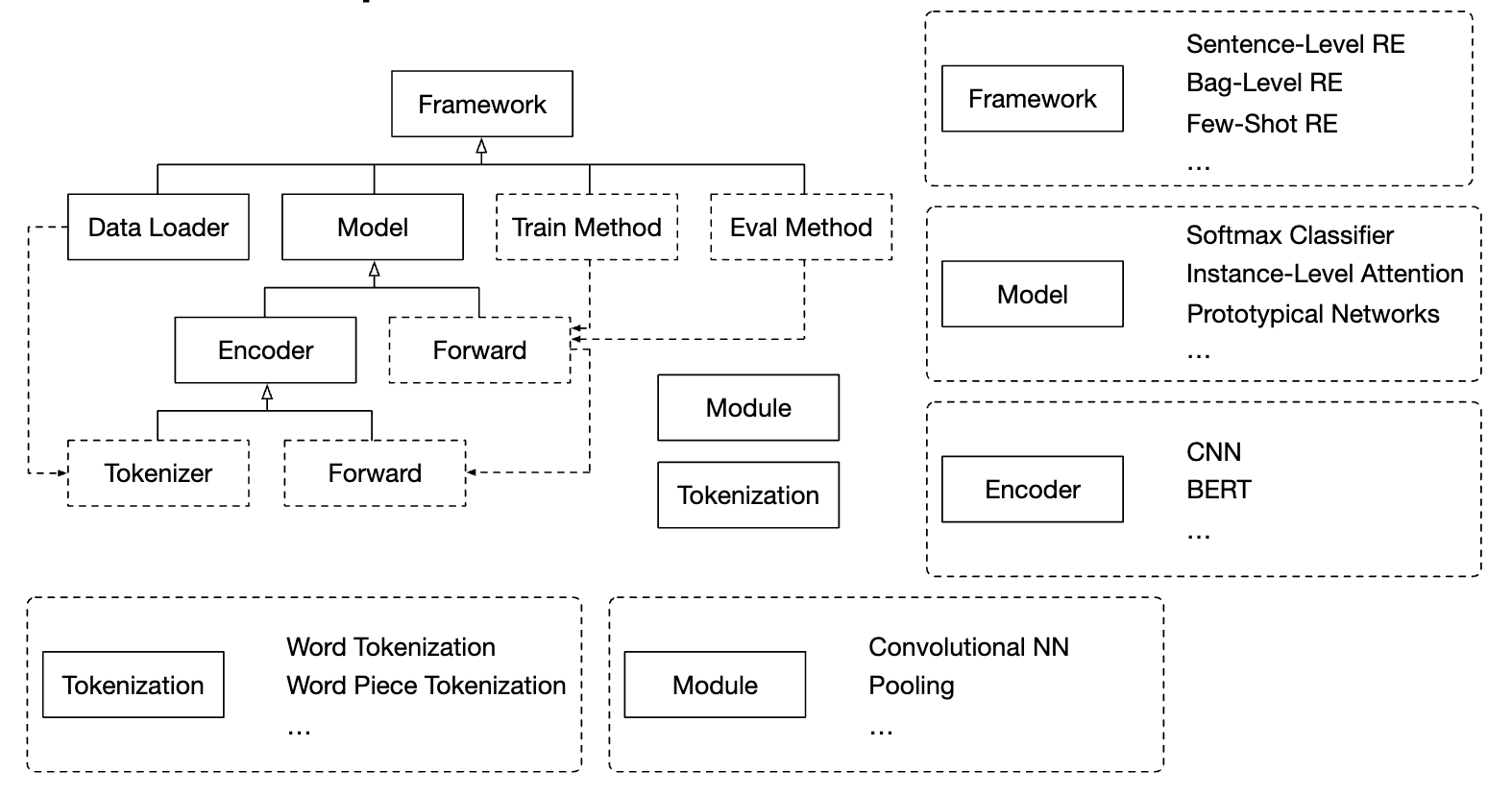
https://aclanthology.org/D19-3029.pdf
1.2 Symbolic Representation of Knowledge 1.2.10 Schema-Free Knowledge Extraction
1.2 Symbolic Representation of Knowledge 1.2.10 Schema-Free Knowledge Extraction
Discover Knowledge System from Plain Text
Discover Knowledge System from Plain Text
Knowledge = Facts and relation between facts;
All these can be naturally expressed by human language;
But how
language express complex knowledge?
knowledge be organized in human brain for reasoning ability and efficiency?
Towards universal knowledge schema.
1.2 Symbolic Representation of Knowledge 1.2.11 Open Information Extraction
1.2 Symbolic Representation of Knowledge 1.2.11 Open Information Extraction
Open Information Extraction
Open Information Extraction
Definition: extract structured information (e.g., relationships, facts) from unstructured text without relying on predefined schema.
Goal: To discover triples (subject, relation, object) directly from text.
→ < , , >
→
IE vs OIE
IE vs OIE
Feature | Information Extraction (IE) | Open Information Extraction (OpenIE) |
Predefined Schemas | Requires predefined schemas. | Does not require predefined schemas. |
Relation Expression | Predefined Symbols | Natural phrase from original text |
Scope | Typically domain-specific (e.g., medical, legal, financial). | Domain-independent; works on any text. |
Input Type | Structured or semi-structured text, sometimes annotated data. | Raw unstructured text (e.g., news articles, blogs). |
Extraction | Focuses on extracting specific entities or relations using rules. | Extracts general subject-relation-object triples without prior knowledge. |
Supervision | Often supervised (requiring labeled data for training). | Primarily unsupervised, does not need labeled training data. |
Flexibility | Less flexible; works best with a fixed domain and predefined structure. | Highly flexible; can be applied to a variety of domains. |
OIE Methods: Rule Based Method
OIE Methods: Rule Based Method
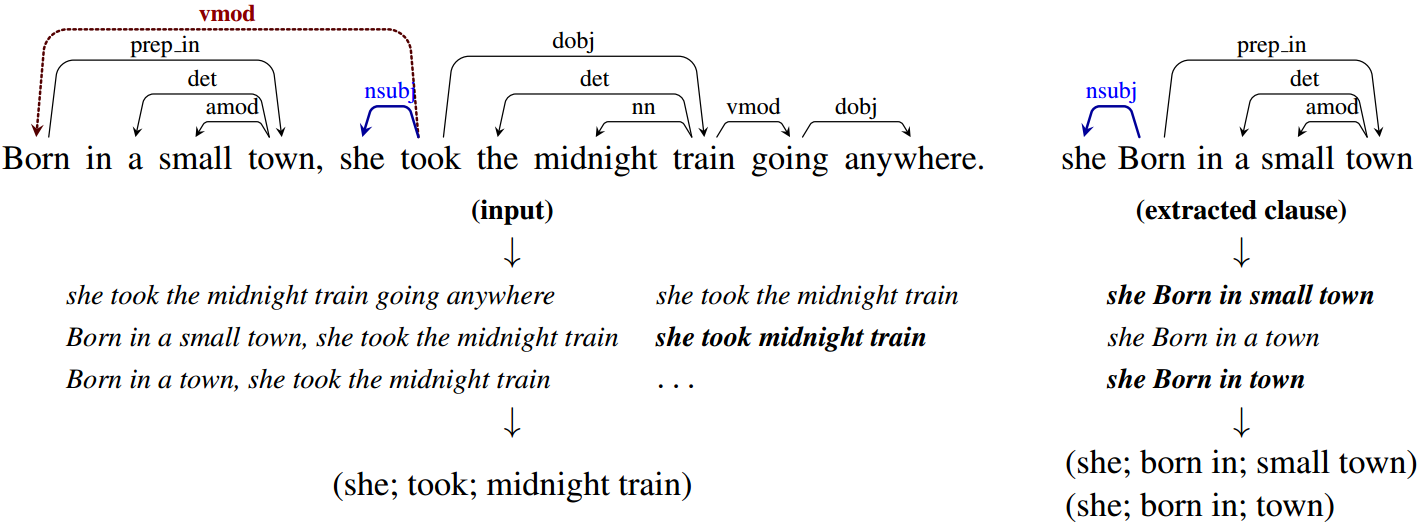
https://nlp.stanford.edu/software/openie.html
OIE Methods: Neural Based Method
OIE Methods: Neural Based Method
https://arxiv.org/pdf/2009.08128
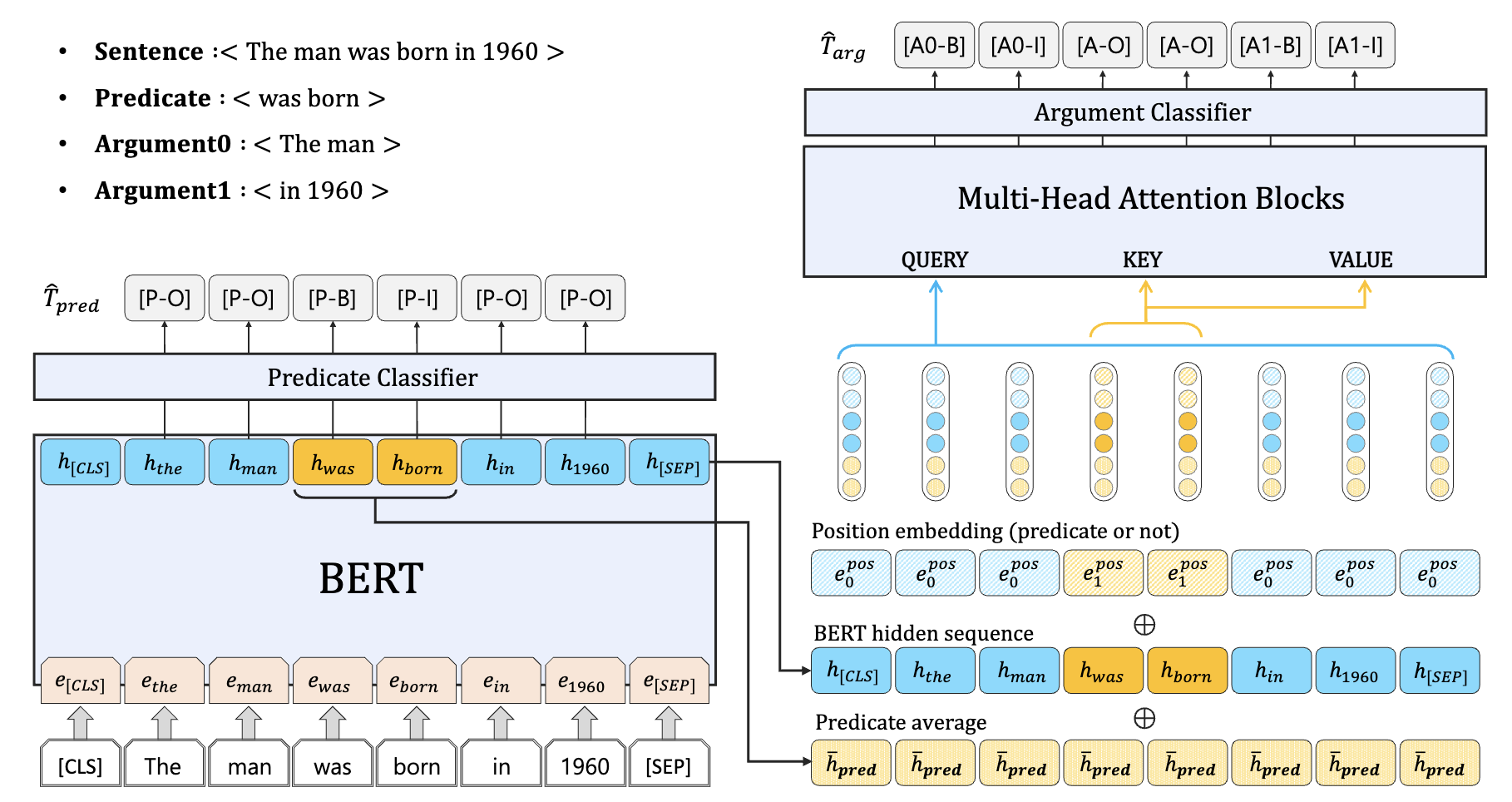
Challenges
Challenges
Different Definition of Facts
Cannot express Implicit Relations
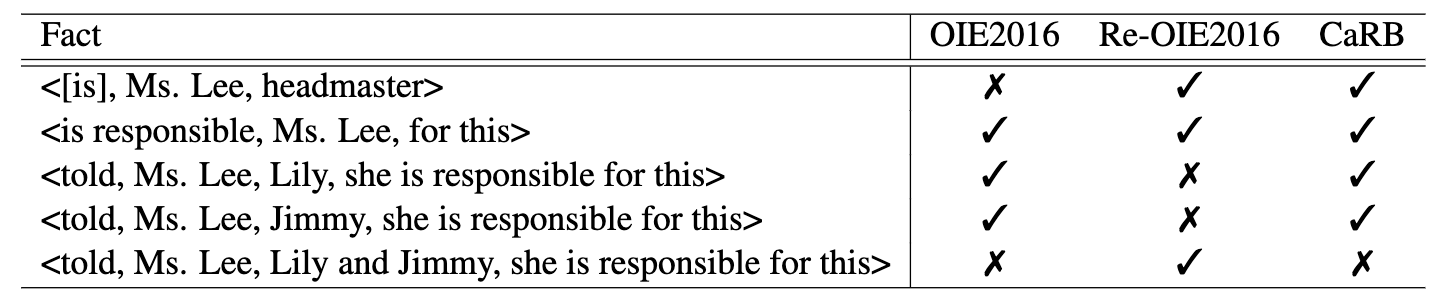
https://aclanthology.org/2022.acl-long.430.pdf
→ IE → < , , >
→ OIE → < , >
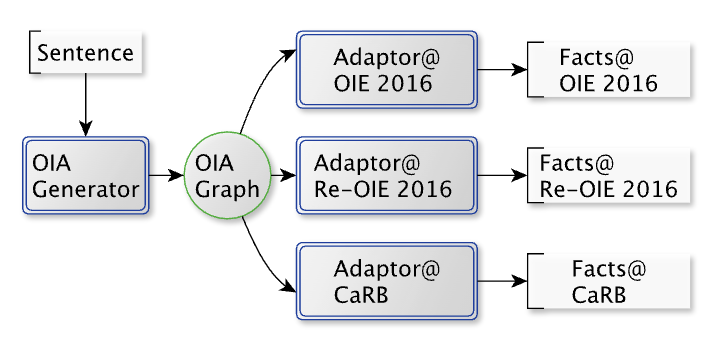
OIE@OIA: Parsing Based OIE
OIE@OIA: Parsing Based OIE
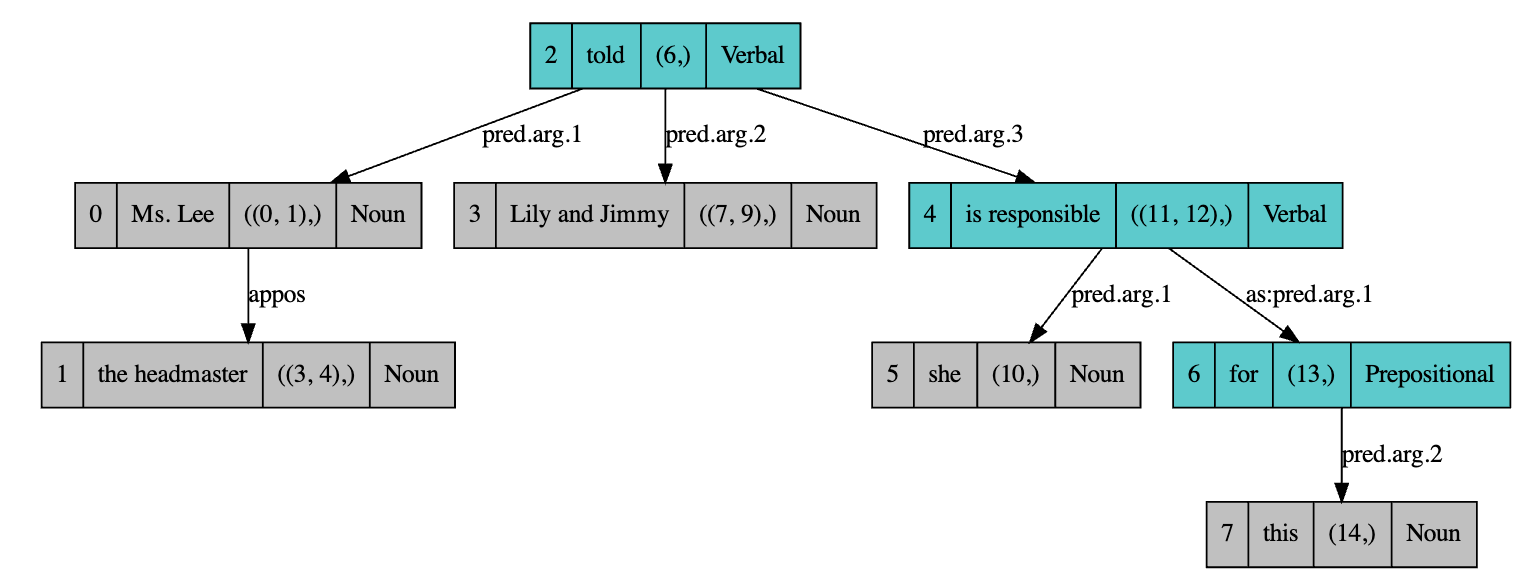
https://aclanthology.org/2022.acl-long.430.pdf
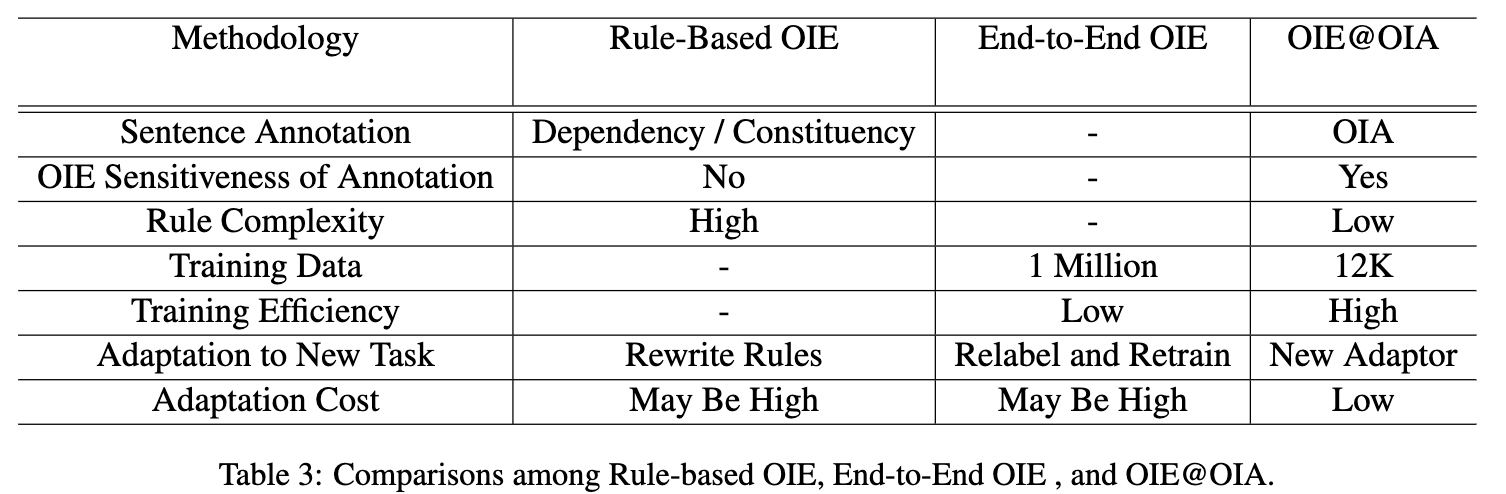
OIE@OIA: Comparison
OIE@OIA: Comparison
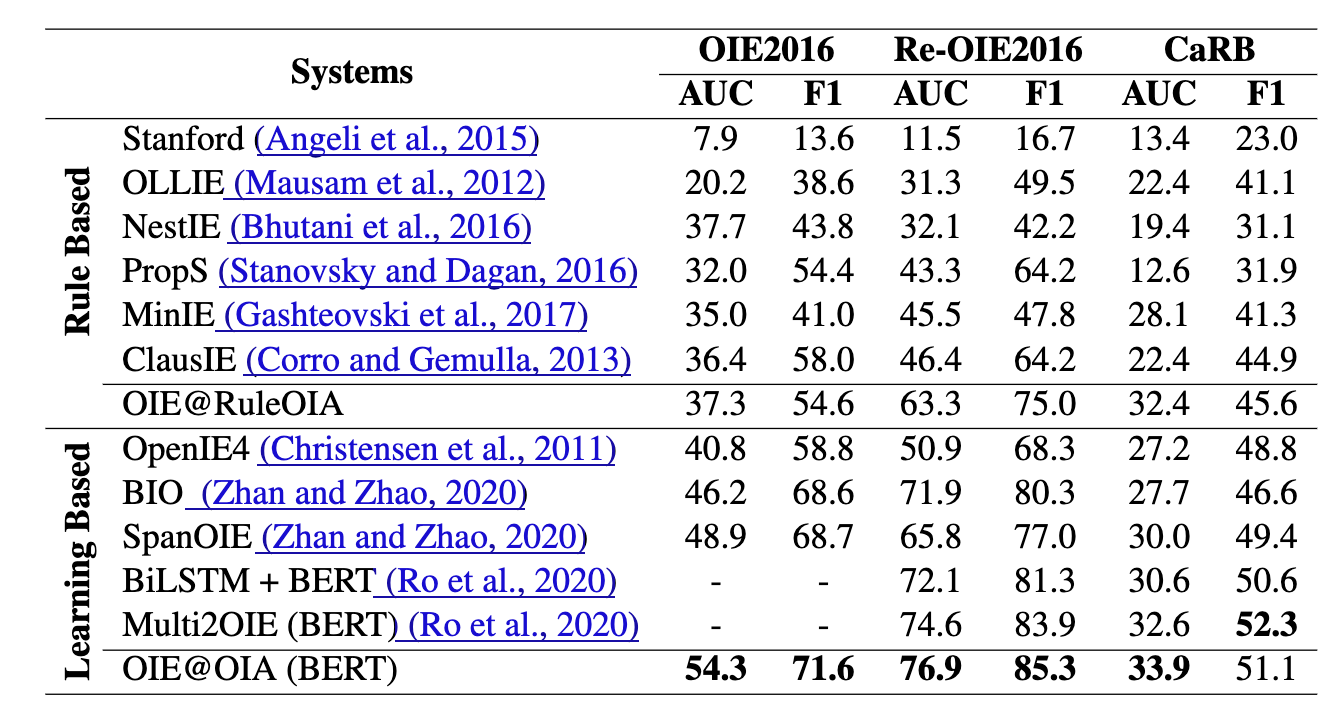
OIE@OIA: Results
OIE@OIA: Results
Lingua Graph
Lingua Graph
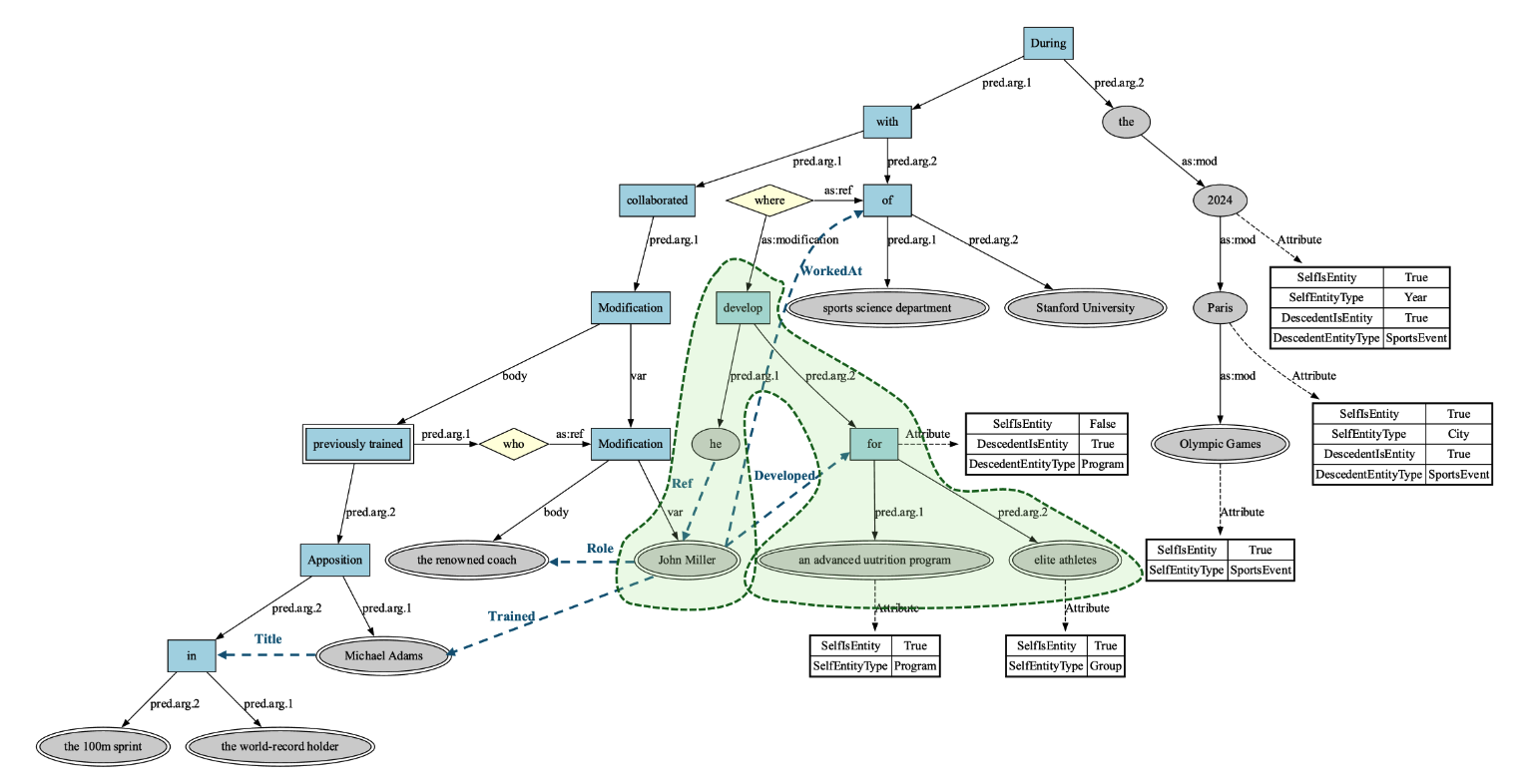
Lingua Graph
Lingua Graph
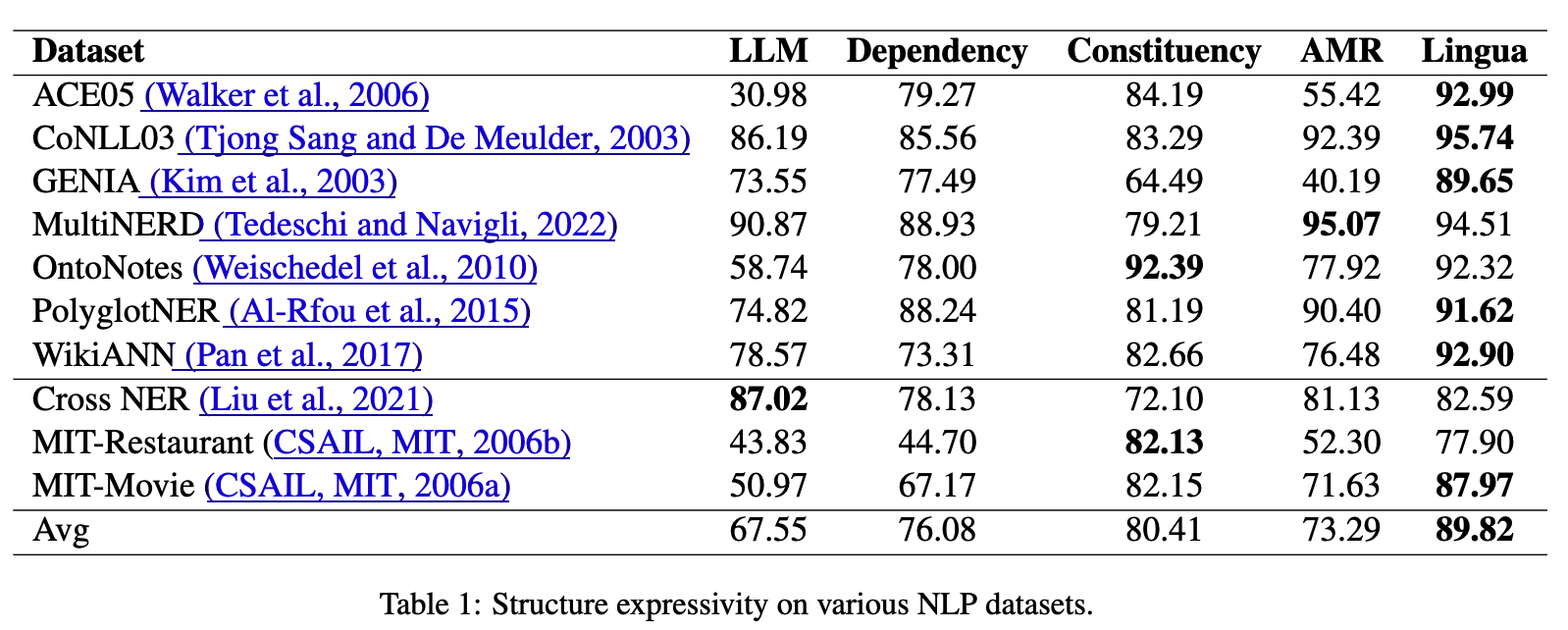
1.2 Symbolic Representation of Knowledge 1.2.12 Taxonomy and Ontology Learning
1.2 Symbolic Representation of Knowledge 1.2.12 Taxonomy and Ontology Learning
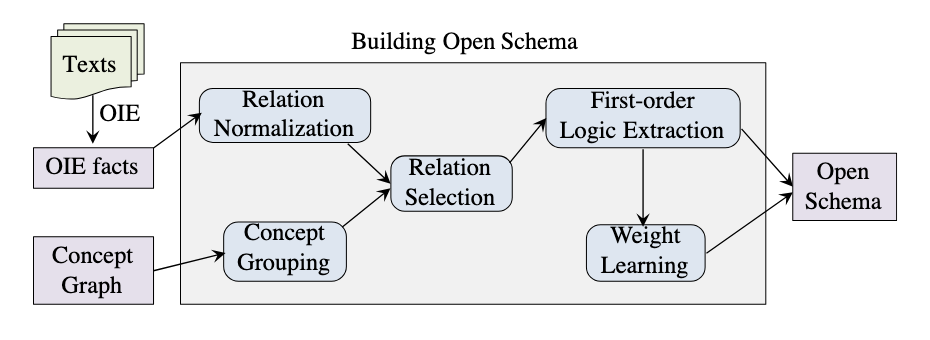
Steps of Learning the Taxonomy/Ontology
Steps of Learning the Taxonomy/Ontology
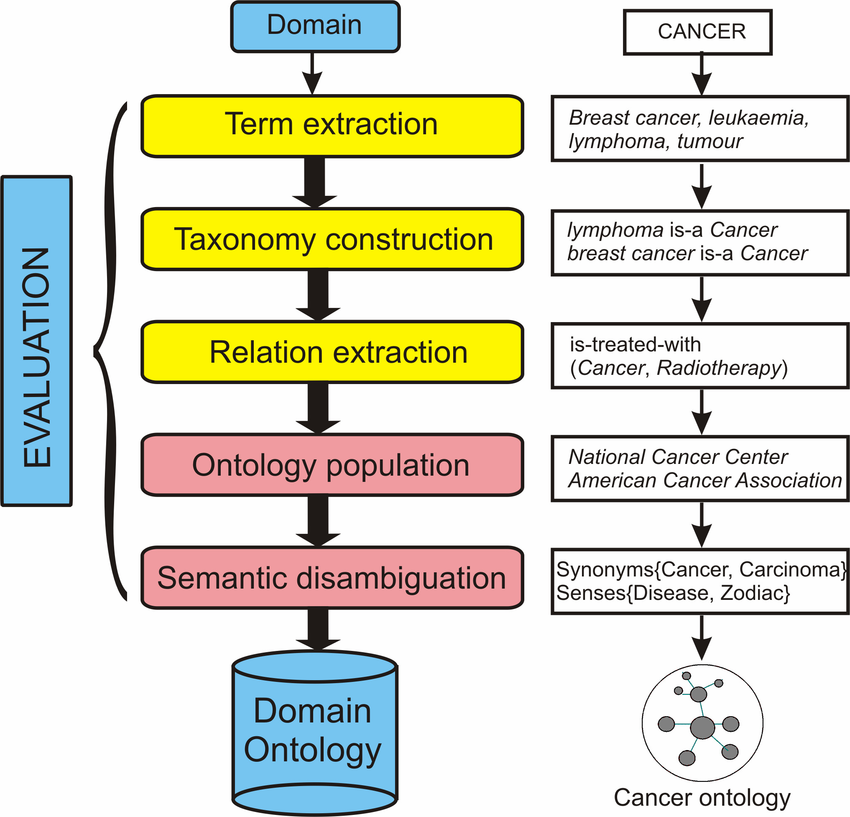
Learning Medical Ontologies from the Web, January 2007
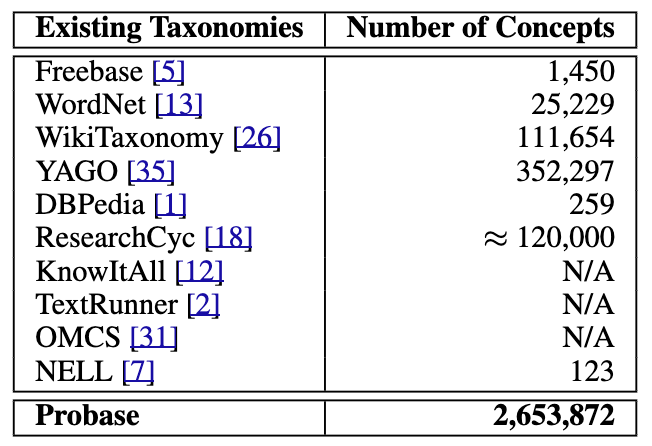
Taxonomy Discovery: Probase
Taxonomy Discovery: Probase
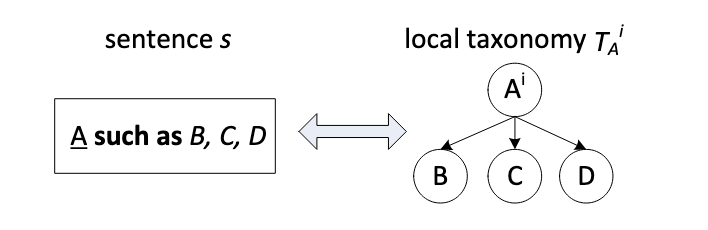
Noun Phrases are taken as entities;
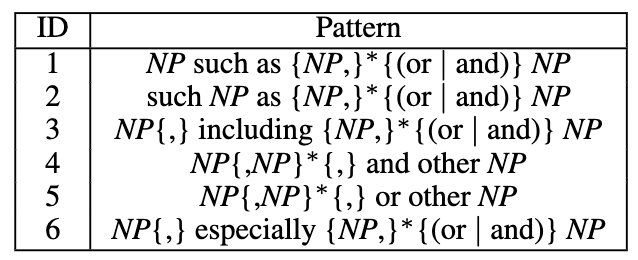
Typing is discovered by patterns like “such as”.
Wu et,al - Probase A Probabilistic Taxonomy for Text Understanding
Ontology Learning
Ontology Learning
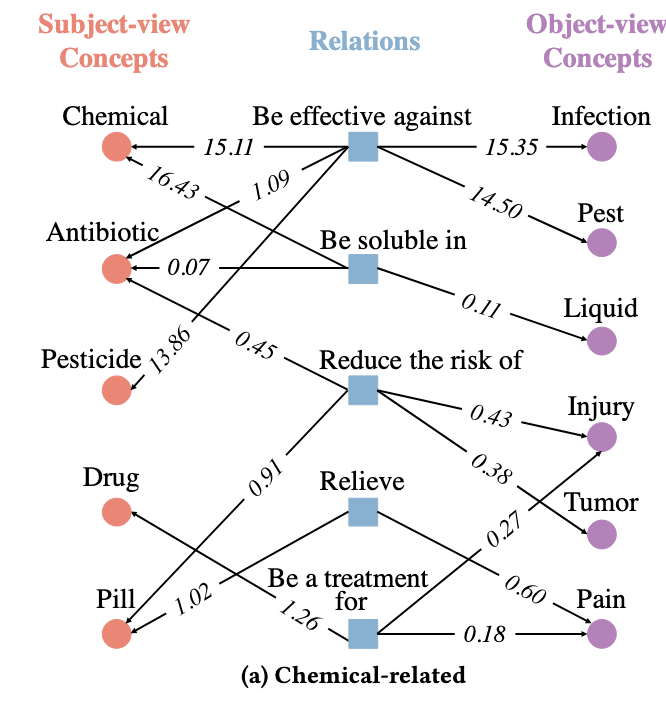
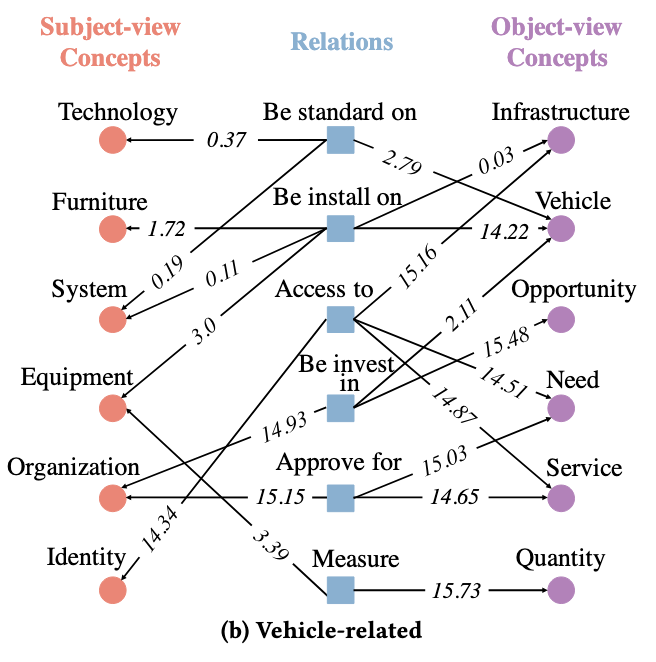
Starting with triplets extracted by Open IE: ;
Map the Entity Mentions to their Types: ;
Find the significant Relation Mentions between Types.
Ontology Learning
Ontology Learning
1.2 Symbolic Representation of Knowledge 1.2.13 Entity Linking
1.2 Symbolic Representation of Knowledge 1.2.13 Entity Linking
Entity Linking Problem
Entity Linking Problem
Aidan Hogan, et.al, Knowledge Graphs, 2021
When querying or completing a Knowledge Graph with queries/texts;
When a name of an entity is mentioned, we should know the exact entity it refers to.
Otherwise, the entity information will be mistakenly mixed.
Entity Linking System
Entity Linking System
https://medium.com/nerd-for-tech/building-bi-encoder-based-entity-linking-system-with-transformer-6c111d86500
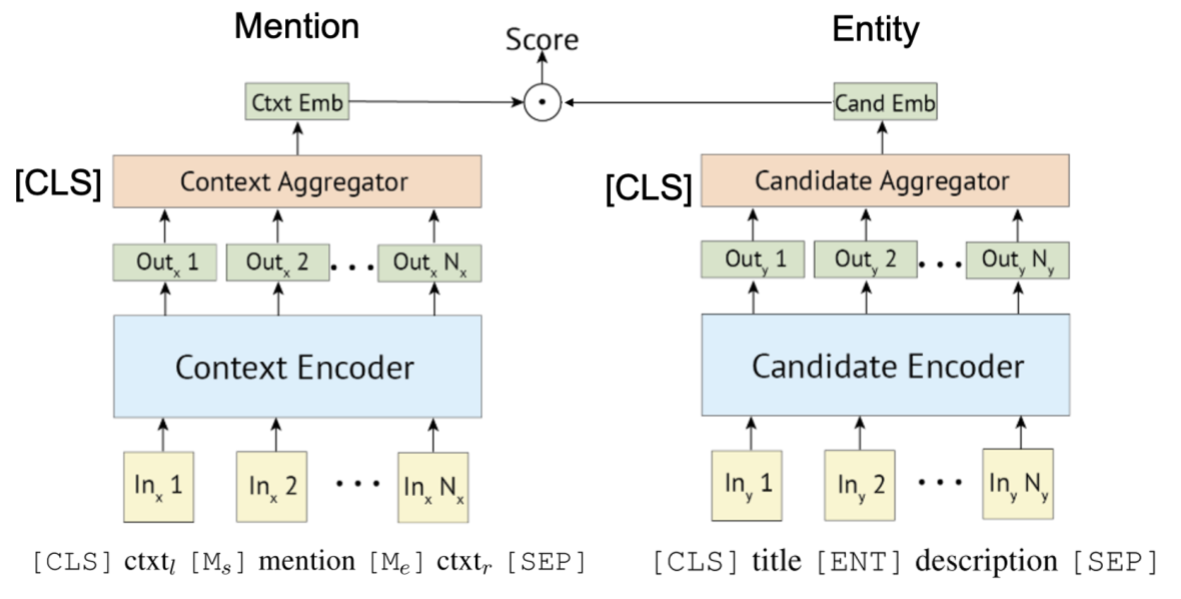
Based on Representation Learning;
Match the Entity Mention Representation to Candidate Entity Representation
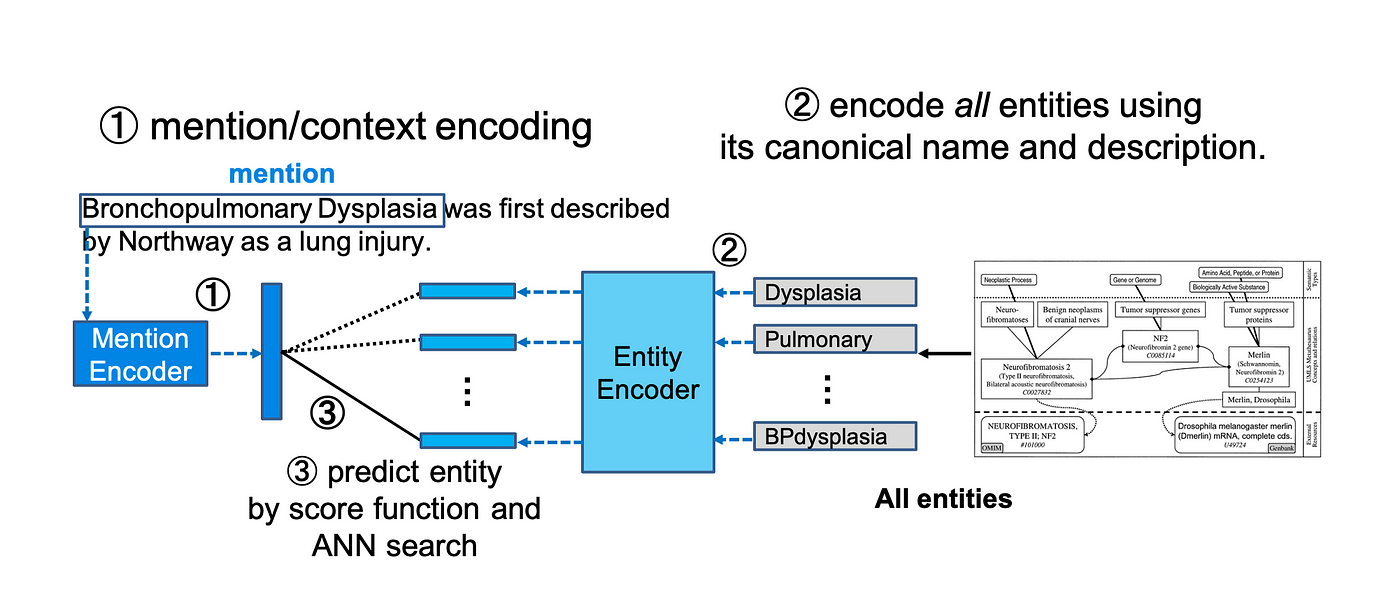
The Mention - Entity Matching Model
The Mention - Entity Matching Model
https://medium.com/nerd-for-tech/building-bi-encoder-based-entity-linking-system-with-transformer-6c111d86500
Challenges
Challenges
Similarity != Identity: Limited Resolution of Embedding;
Limited Context Information;
Incomplete Knowledge Graph: Empty Linking.
1.2 Symbolic Representation of Knowledge 1.2.14 Knowledge from Other Sources
1.2 Symbolic Representation of Knowledge 1.2.14 Knowledge from Other Sources
Tables
Tables

Challenges
Challenges
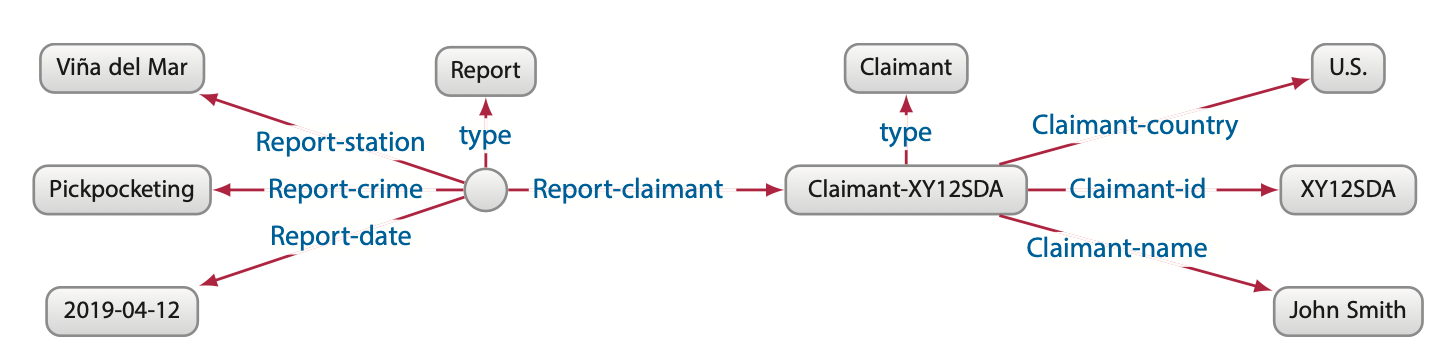
The table information can be complete only if we consider the title of the table and surrounding texts.
It would be better to use Table2Text to convert it into text chunk and then extract information from the text chunk.
Other KGs
Other KGs
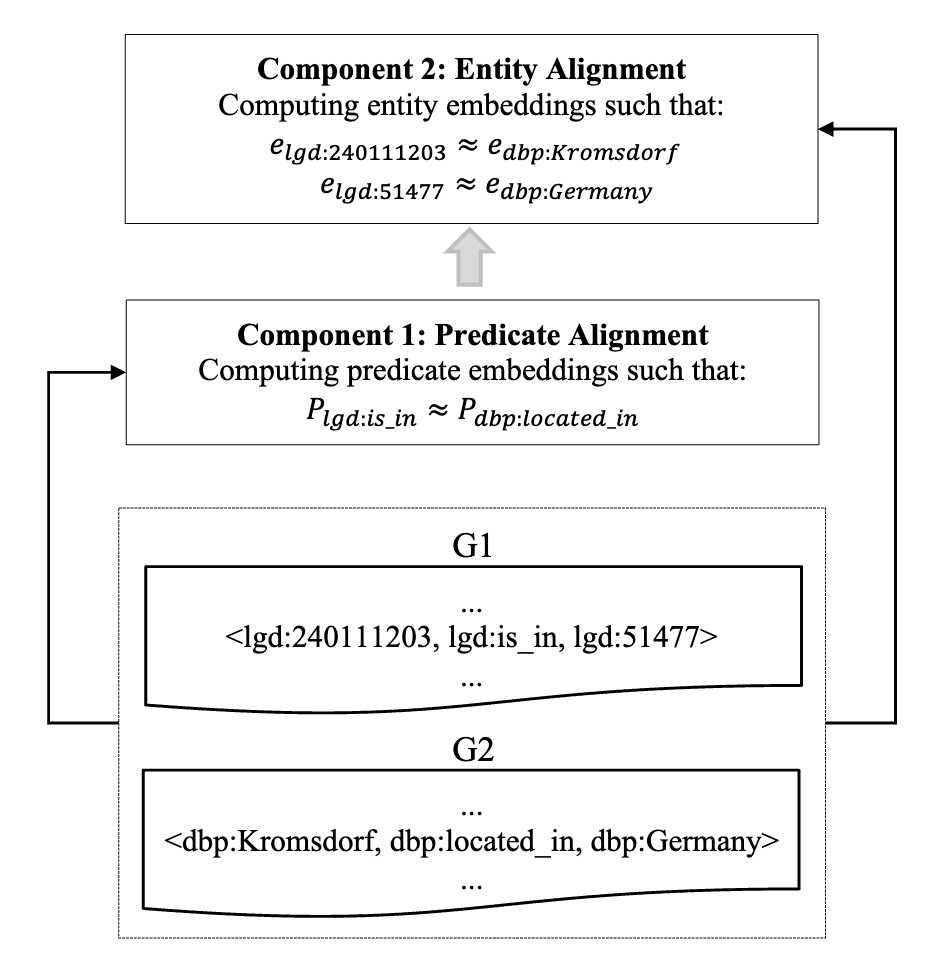
https://arxiv.org/pdf/2307.11772
If another KG is available, you can merge it’s knowledge into your KG by align the entities and the relations between these two KGs.
Distant Supervision
Distant Supervision
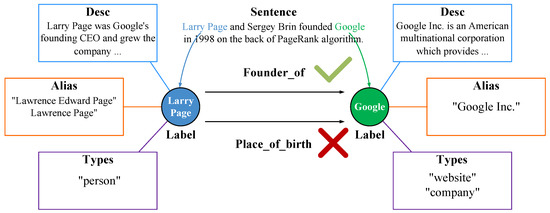
Or you can make training samples using another KG through distant supervision and train your own knowledge acquisition models.
https://www.mdpi.com/2076-3417/12/17/8821
LLMs
LLMs
LLMs have exhibited strong ability in:
Extracting entities/relations/facts from texts;
Directly answer factoid questions.
So it is a strong tools for the initial knowledge graph construction.
1.2 Symbolic Representation of Knowledge 1.2.15 Knowledge Graph Refinement
1.2 Symbolic Representation of Knowledge 1.2.15 Knowledge Graph Refinement
Background
Background
After Knowledge Graph Construction, we obtained a KG with knowledge extracted from multiple external resources.
But there are mistakes, conflicts, missing facts in KG;
Refinements is vital to eliminate the mistakes, solve conflicts and completing the missing facts.
These are very difficult tasks.
Methods
Methods
Logical refinements:
Confliction Detection
Rules-based Constraints
Statistical refinements:
Neural Representation Learning
Statistical Relational Learning
1.2 Symbolic Representation of Knowledge 1.2.16 Knowledge Graph Construction: Case Study
1.2 Symbolic Representation of Knowledge 1.2.16 Knowledge Graph Construction: Case Study
DBpedia
DBpedia
DBpedia is a collaborative project that extracts structured information from Wikipedia, initiated in 2007 by several German Universities.

https://en.wikipedia.org/wiki/DBpedia
DBpedia
DBpedia
DBpedia “Largest Diamond” Graph:
~2.2 billion RDF triples and over 220 million entities from DBpedia, Geonames, DNB, MusicBrainz, and more.
External Links:
Over 130 million links to 179 external datasets (e.g., Wikidata, VIAF, YAGO), enabling linked data integration.
Entity Type | Count |
Persons | ~1,792,308 |
Places | ~748,372 |
Creative Works | ~610,589 |
Organizations | ~345,523 |
Species | ~1,933,436 |
Diseases | ~10,591 |
DBpedia
DBpedia
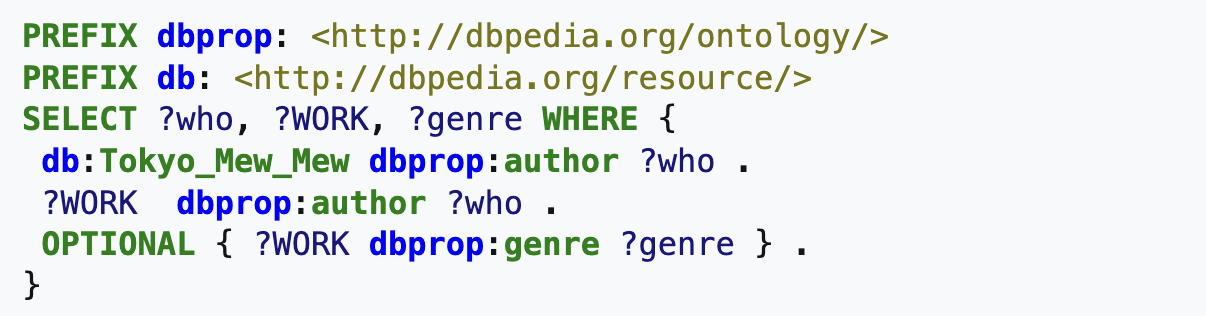
If one were interested in the Japanese shōjo manga series Tokyo Mew Mew:
https://en.wikipedia.org/wiki/DBpedia
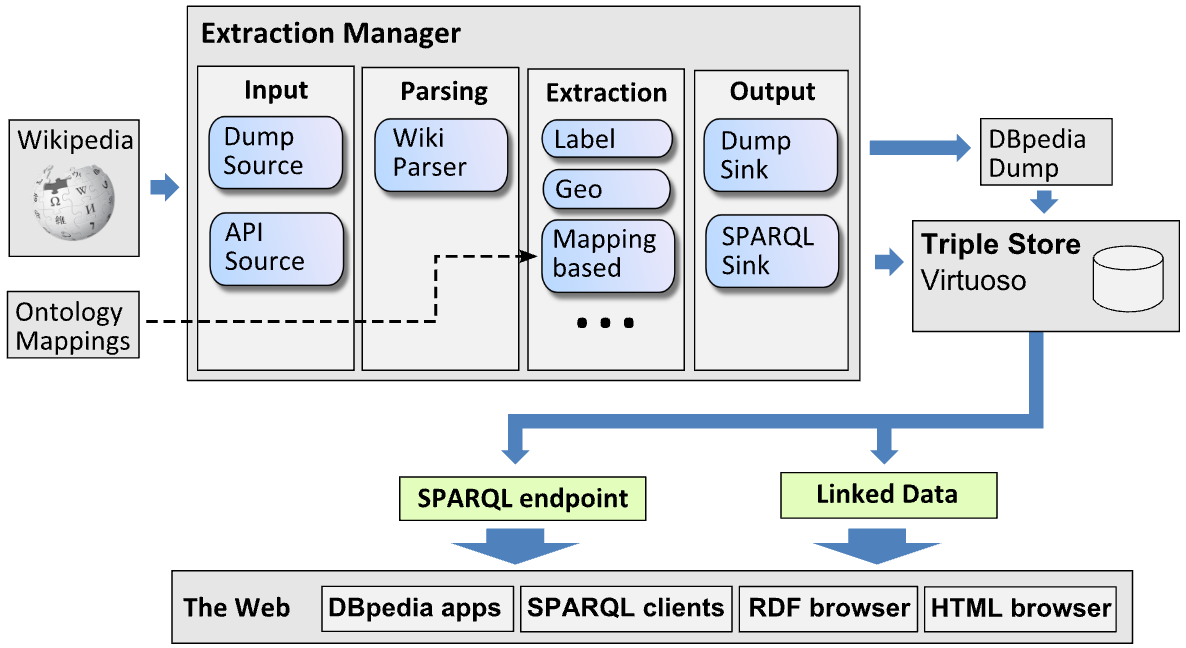
DBpedia Construction
DBpedia Construction
https://svn.aksw.org/papers/2013/SWJ_DBpedia/public.pdf
1.2 Symbolic Representation of Knowledge 1.2.17 Suggested Readings
1.2 Symbolic Representation of Knowledge 1.2.17 Suggested Readings
Books
Books
Aidan Hogan, et.al, Knowledge Graphs, SYNTHESIS LECTURES ON DATA, SEMANTICS, AND KNOWLEDGE, 2022
Mayank Kejriwal, et.al, Knowledge Graphs Fundamentals, Techniques, and Applications, the MIT Press, 2021
Any Questions?
Any Questions?