Natural Language UnderstandingStatistical Language Modeling

Natural Language
Understanding
Statistical Language Modeling
Understanding
Statistical Language Modeling
Mingming Sun
BIMSA
Outline

Outline
Statistical Language Modeling
Building a N-Gram Language Model
Generalization to Unseen Words
Generation
Evaluation
2.1 Statistical Language Modeling 2.1.1 Statistical Language Modeling
2.1 Statistical Language Modeling 2.1.1 Statistical Language Modeling
Problem: Is this Document Natural?
Problem: Is this Document Natural?
Symbolic Approach:
Decompose the document into sentences and paragraphs;
Check whether each sentence is generated by valid generative gramma;
Check whether the former and latter sentences/paragraphs satisfy coherent relations;
Check whether the knowledge stated in the document be consistent with the real world.
…
Statistical Approach
Check whether
Language Modeling
Language Modeling
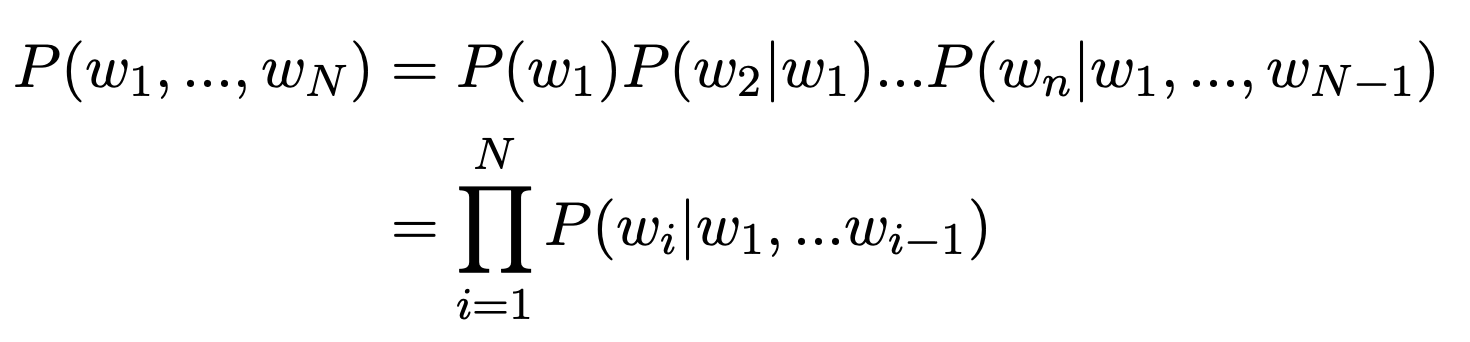
Probabilistic Sequence Model:
The sentence/document is generated by Next-Word-Generation: generate given .
Predicting Next Words
Predicting Next Words
The water of Walden Pond is beautifully ...
blue
green
clear
refrigerator
that
tomorrow
Examples
Examples
How to estimate these probabilities
How to estimate these probabilities
Could we just count and divide?
No! Too many possible sentences!
We’ll never see enough data for estimating these


=
Markov Assumption
Markov Assumption


≈
Simplify the problem by applying Markov Assumption:
Bigram Model
Bigram Model

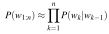
N-gram Model
N-gram Model

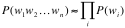
Generalize the Markov Assumption to Higher Order Markov Assumption:
Given the previous words, probability of -th word is independent of words prior to words.
Simplest Case: Unigram Model
Simplest Case: Unigram Model
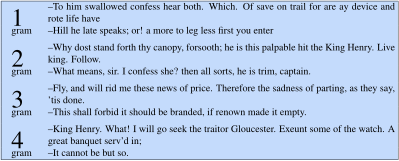
To him swallowed confess hear both . Which . Of save on trail for are ay device and rote life have
Hill he late speaks ; or ! a more to leg less first you enter
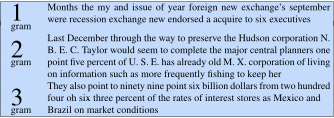
Months the my and issue of year foreign new exchange’s September
were recession exchange new endorsed a acquire to six executives
Example of Bigram Model
Example of Bigram Model
Why dost stand forth thy canopy, forsooth; he is this palpable hit the King Henry. Live king. Follow.
What means, sir. I confess she? then all sorts, he is trim, captain.
Last December through the way to preserve the Hudson corporation N. B. E. C. Taylor would seem to complete the major central planners one gram point five percent of U. S. E. has already old M. X. corporation of living
on information such as more frequently fishing to keep her
Pros and Cons of N-gram Model
Pros and Cons of N-gram Model
Pros:
Make Statistical Language Model feasible, greatly promote the research;
Cons:
N-grams do not modeling semantic relationships.
N-grams can't handle long-distance dependencies.
“The soups that I made from that new cookbook I bought yesterday were amazingly delicious."
Application of N-Gram Model
Application of N-Gram Model
Build a N-Gram Model from a Corpus, and use it to:
Calculate the probability of a sequence:
Select most possible (in ASR) /natural (in MT) result;
Generate a sequence:
Input completion in Input Method/Code Editing/Search Query;
2.1 Statistical Language Modeling 2.1.2 Building an N-gram Language Model
2.1 Statistical Language Modeling 2.1.2 Building an N-gram Language Model
Build a N-Gram Model from Corpus
Build a N-Gram Model from Corpus
Language distributions are different among problem domains:
If task-specific (legal or medical), use a training corpus that has a similar genre to your task.
Variety is important:
Make sure to cover different kinds of language patterns in the task domain.
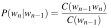
Estimating Bigram Probabilities
Estimating Bigram Probabilities
<s> I am Sam </s>
<s> Sam I am </s>
<s> I do not like green eggs and ham </s>
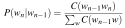

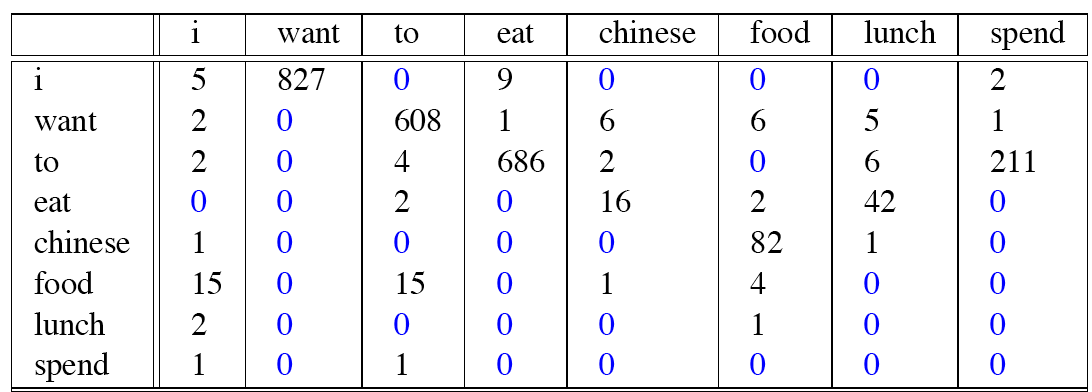
More examples: Berkeley Restaurant Project
More examples:
Berkeley Restaurant Project
Berkeley Restaurant Project
can you tell me about any good cantonese restaurants close by
tell me about chez panisse
i’m looking for a good place to eat breakfast
when is caffe venezia open during the day
Raw Bigram Counts: 9222 Sentences
Raw Bigram Counts: 9222 Sentences
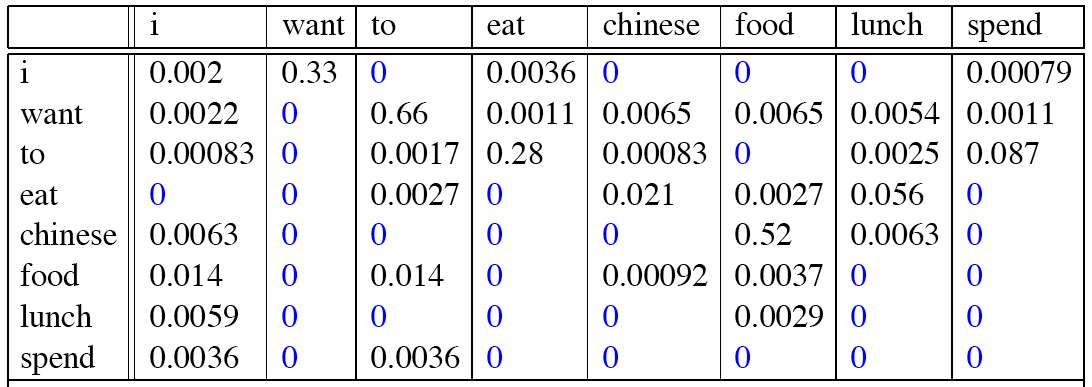
Raw Bigram Probabilities
Raw Bigram Probabilities

Bigram estimates of sentence probabilities
Bigram estimates of sentence probabilities
Dealing with scale in large n-grams
Dealing with scale in large n-grams
Log Probabilities: avoids underflow from multiplying many small numbers

Larger ngrams: 4-grams, 5-grams
Larger ngrams: 4-grams, 5-grams
N-grams from Corpus of Contemporary American English (COCA) 1 billion words (Davies 2020)
Google Web 5-grams (Franz and Brants 2006) 1 trillion words)
Infini-grams (∞-grams)
Infini-grams (∞-grams)
The biggest n-gram LM ever built to date.
Trained on 5 trillion tokens;
Contains about 5 quadrillion (or 5 thousand trillion, or 5x10^15) unique n-grams.
Larger-N is Better
Larger-N is Better
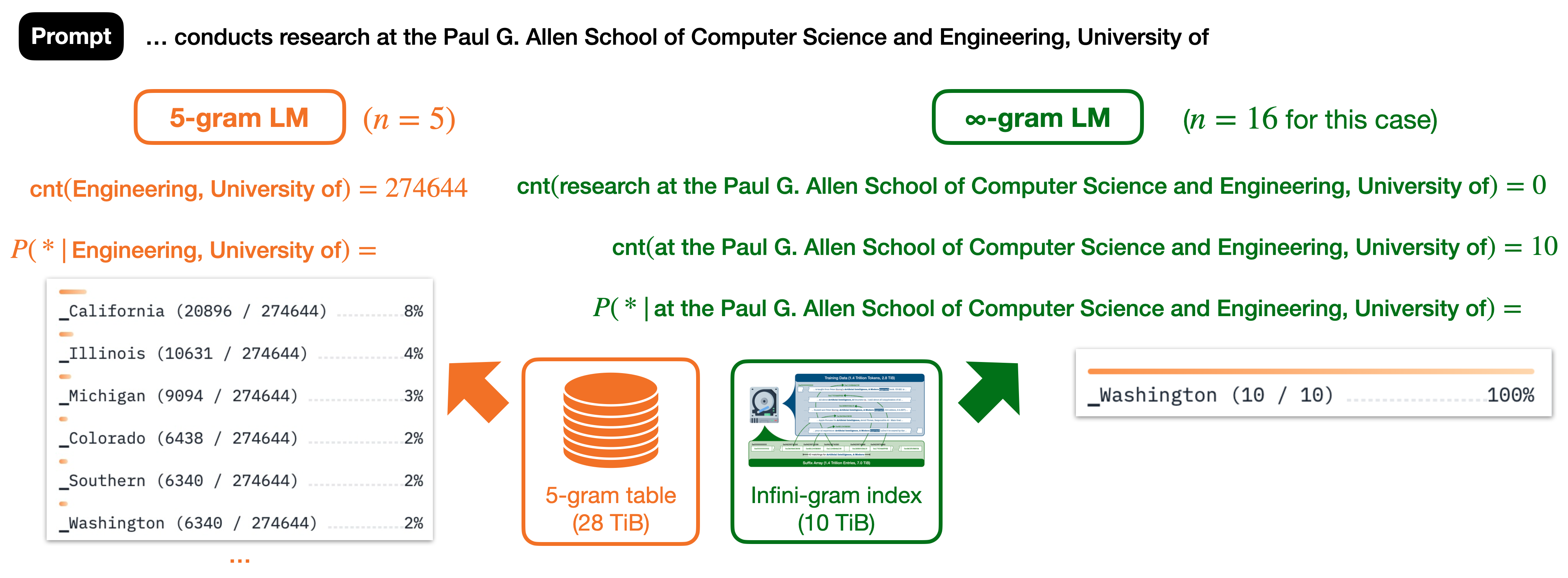
https://infini-gram.io/
But the world always surprise you
But the world always surprise you
Shakespeare Corpus: 884,647 words , voc size =29,066;
Shakespeare produced 300,000 bigram types out of 844 million possible bigrams;
So 99.96% of the possible bigrams were never seen in the corpus ;
That sparsity is even worse for 4-grams;
But you may see them in applications.
2.1 Statistical Language Modeling 2.1.3 Generalization to Unseen Words
2.1 Statistical Language Modeling 2.1.3 Generalization to Unseen Words
Zero Probability Problem
Zero Probability Problem
Training:
… ate lunch
… ate dinner
… ate a
… ate the
Application: Probability
Application: Generation
Cannot generate breakfast
Smoothing
Smoothing
We have sparse statistics
allegations
reports
claims
attack
request
man
outcome
…
allegations
attack
man
outcome
…
allegations
reports
claims
request
Steal probability mass to generalize better
Add-one Estimation (Laplace smoothing)
Add-one Estimation (Laplace smoothing)
Pretend we saw each word one more time than we did
Just add one to all the counts!
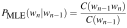
MLE estimate:
Add-1 estimate:

Backoff and Interpolation
Backoff and Interpolation
More context length results in more Sparsity;
Less context reduces the Zero probability problem;
Condition on less context for contexts you know less about
Backoff:
use trigram if you have good evidence,
otherwise bigram, otherwise unigram
Interpolation:
mix unigram, bigram, trigram
Interpolation works better
Linear Interpolation
Linear Interpolation
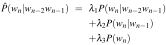
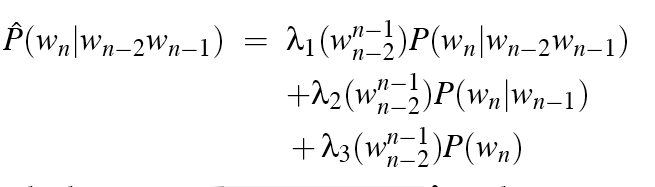
Simple interpolation
Lambdas conditional on context:

Backoff
Backoff
Suppose you want:
If the trigram probability is 0, use the bigram
If the bigram probability is 0, use the unigram
Complication: need to discount the higher-order ngram so probabilities don't sum higher than 1 (e.g., Katz backoff)
Stupid Backoff
Stupid Backoff
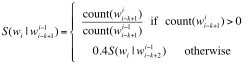
Backoff without discounting (not a true probability)

2.1 Statistical Language Modeling 2.1.4 Generation
2.1 Statistical Language Modeling 2.1.4 Generation
Generating Language using N-Gram Model
Generating Language using N-Gram Model
The Shannon (1948) Visualization Method
Unigram
Bigram
REPRESENTING AND SPEEDILY IS AN GOOD APT OR COME CAN DIFFERENT NATURAL HERE HE THE A IN CAME THE TO OF TO EXPERT GRAY COME TO FURNISHES THE LINE MESSAGE HAD BE THESE.
THE HEAD AND IN FRONTAL ATTACK ON AN ENGLISH WRITER THAT THE CHARACTER OF THIS POINT IS THEREFORE ANOTHER METHOD FOR THE LETTERS THAT THE TIME OF WHO EVER TOLD THE PROBLEM FOR AN UNEXPECTED.
How Shannon sampled those words in 1948
How Shannon sampled those words in 1948
"Open a book at random and select a letter at random on the page. This letter is recorded. The book is then opened to another page and one reads until this letter is encountered. The succeeding letter is then recorded. Turning to another page this second letter is searched for and the succeeding letter recorded, etc."

Sampling a word from a distribution
Sampling a word from a distribution
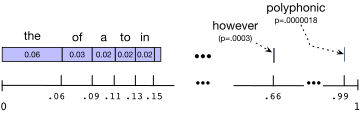
Visualizing Bigrams the Shannon Way
Visualizing Bigrams the Shannon Way
Choose a random bigram according to its probability ;
Now choose a random bigram according to its probability ;
And so on until we choose ;
Then string the words together
<s> I
I want
want to
to eat
eat Chinese
Chinese food
food </s>
I want to eat Chinese food
Approximating Shakespeare
Approximating Shakespeare
The Wall Street Journal
The Wall Street Journal
2.1 Statistical Language Modeling 2.1.5 Evaluation
2.1 Statistical Language Modeling 2.1.5 Evaluation
Evaluation of N-Gram Model
Evaluation of N-Gram Model
Extrinsic Evaluation:
Evaluate the model on external Task
Intrinsic Evaluation:
Directly measures language model performance at predicting words.
Doesn't necessarily correspond with real application performance
But gives us a single general metric for language models
Recall: Evaluating the Machine Learning Algorithms
Recall: Evaluating the Machine Learning Algorithms
Training Data: Used to train a machine given a hyper-parameter setting;
Development Data: Evaluate the trained machines to select the best hyper-parameter setting;
Testing Data: Evaluate the real performance of the selected machine;
Datasets should be with the same distribution with the final task;
Datasets should be no overlap. Do not test on training data!
Train Data
Dev Data
Test Data
What is a Good Language Model
What is a Good Language Model
A good LM prefers the next word that actually occurs;
Assign higher probability to “time” given “Once upon a _”;
Assign near zero probability to “and” given “Once upon a _”;
A good LM prefers “real” sentences:
Assign higher probability to “real” or “frequently observed” sentences
Assigns lower probability to “word salad” or “rarely observed” sentences
How to Evaluate N-Gram Model on a Dataset
How to Evaluate N-Gram Model on a Dataset
The test set represents the real sentences;
The best LM assigns high probability to the entire test set.
A good performance metric for LM:
When comparing two LMs, A and B
We compute and
The one with larger probability is better.
The Problem of Probability as a Metric
The Problem of Probability as a Metric
Probability of test set depends on the number of tokens in it:
Sentence probability gets smaller for longer sentences
Dataset probability gets smaller for larger dataset;
We’d prefer a metric that is per-word, normalized by length, so we could compare across texts of different lengths.
Perplexity
Perplexity
Perplexity is the inverse probability of the test set, normalized by the number of words;
Minimizing perplexity is the same as maximizing probability
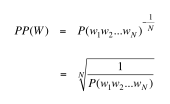
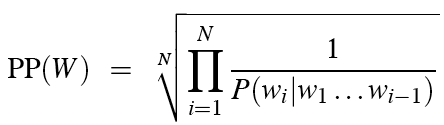
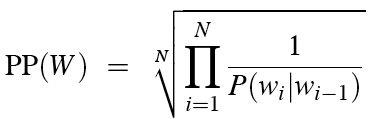
Bigrams:
Chain rule:
Perplexity for Sentence and Corpus
Perplexity for Sentence and Corpus
Compute the log likelihood for each sentence
Given a sentence , the log perplexity per word is:
Compute the perplexity for each sentence
Aggregate over all sentences in the corpus
Compute the total log-likelihood across all tokens then normalize by the total number of tokens:
whereis the total number of tokens in the dataset.
Empirical Studies
Empirical Studies
WSJ Dataset:
the Wall Street Journal newspaper
Training 38 million words, test 1.5 million words
Unigram | Bigram | Trigram | |
Perplexity | 962 | 170 | 109 |
Natural Language UnderstandingTransformer

Natural Language
Understanding
Transformer
Understanding
Transformer
Mingming Sun
BIMSA
Outline

Outline
Background
Transformer Overview
Transformer Block
Transformer Architecture
Challenges and Solutions
2.2 Transformer 2.2.1 Background: Neural Machine Translation and RNNs
2.2 Transformer 2.2.1 Background: Neural Machine Translation and RNNs
Machine Translation
Machine Translation
Machine Translation (MT) is the task of translating a sentence from one language (the source language) to a sentence in another language (the target language).
x: L'homme est né libre, et partout il est dans les fers
y: Man is born free, but everywhere he is in chains
https://web.stanford.edu/class/cs224n/slides_w25/cs224n-2025-lecture06-fancy-rnn.pdf
History
History
Early Stage (1950s): Basically just simple rule-based systems doing word substitution. Problem soon appeared intractable.
Statistical Machine Translation (1990s-2010s):
Learn a probabilistic model from data:
The best systems were extremely complex, with many separately-designed subcomponents, which requires lots of feature engineering and lots of human effort to maintain
Neural Machine Translation (2010s-)
https://web.stanford.edu/class/cs224n/slides_w25/cs224n-2025-lecture06-fancy-rnn.pdf
Neural Machine Translation
Neural Machine Translation
In 2014, Ilya Sutskever applied Sequence to Sequence RNN model to MT, starting the NMT.
NMT learns a Conditional Language Model :
Language Model: the decoder is predicting the next word of the target sentence
Conditional: its predictions are also conditioned on the source sentence
https://web.stanford.edu/class/cs224n/slides_w25/cs224n-2025-lecture06-fancy-rnn.pdf
Sequence to Sequence RNN
Sequence to Sequence RNN
https://web.stanford.edu/class/cs224n/slides_w25/cs224n-2025-lecture06-fancy-rnn.pdf
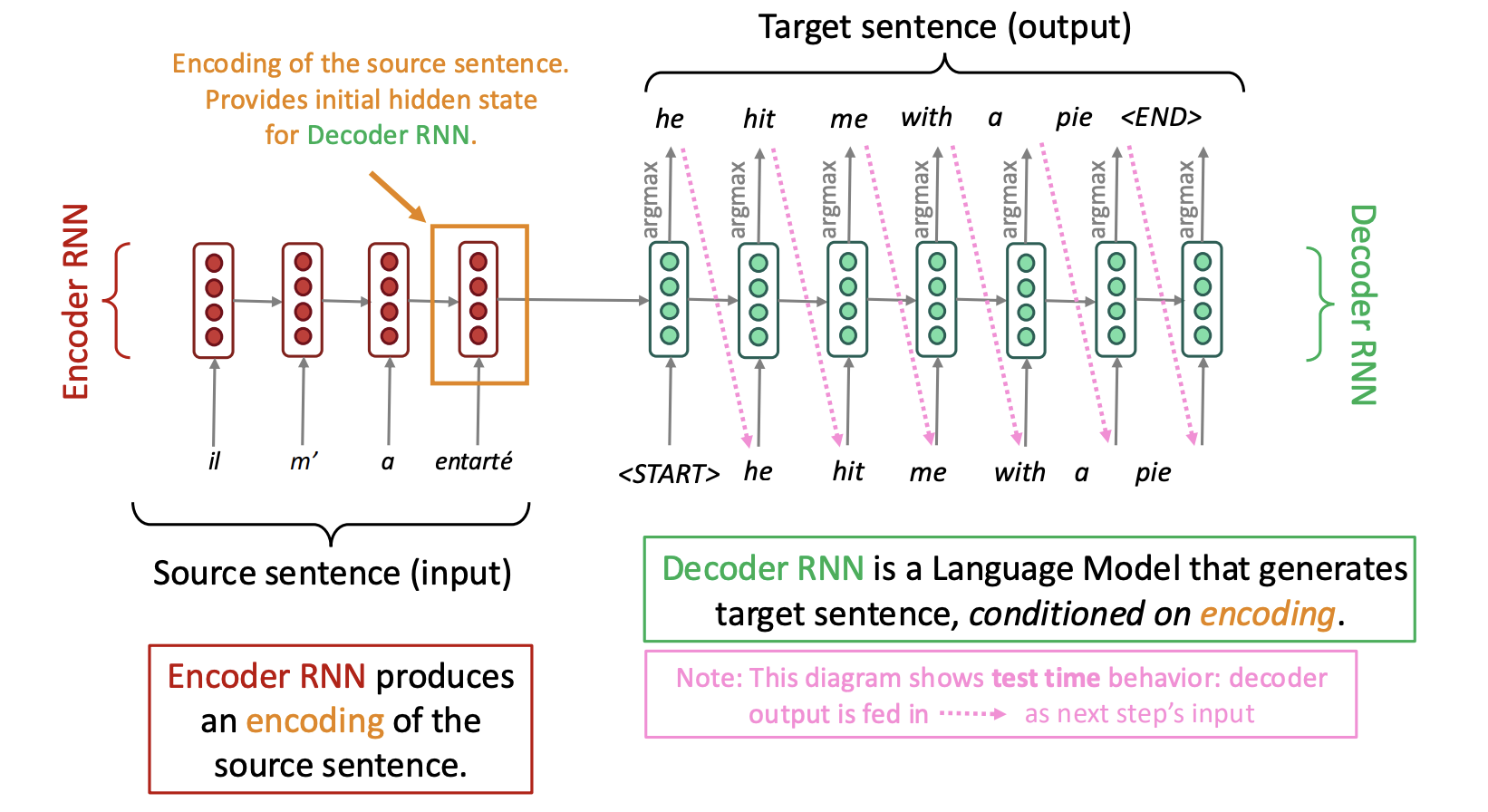
Training the System
Training the System
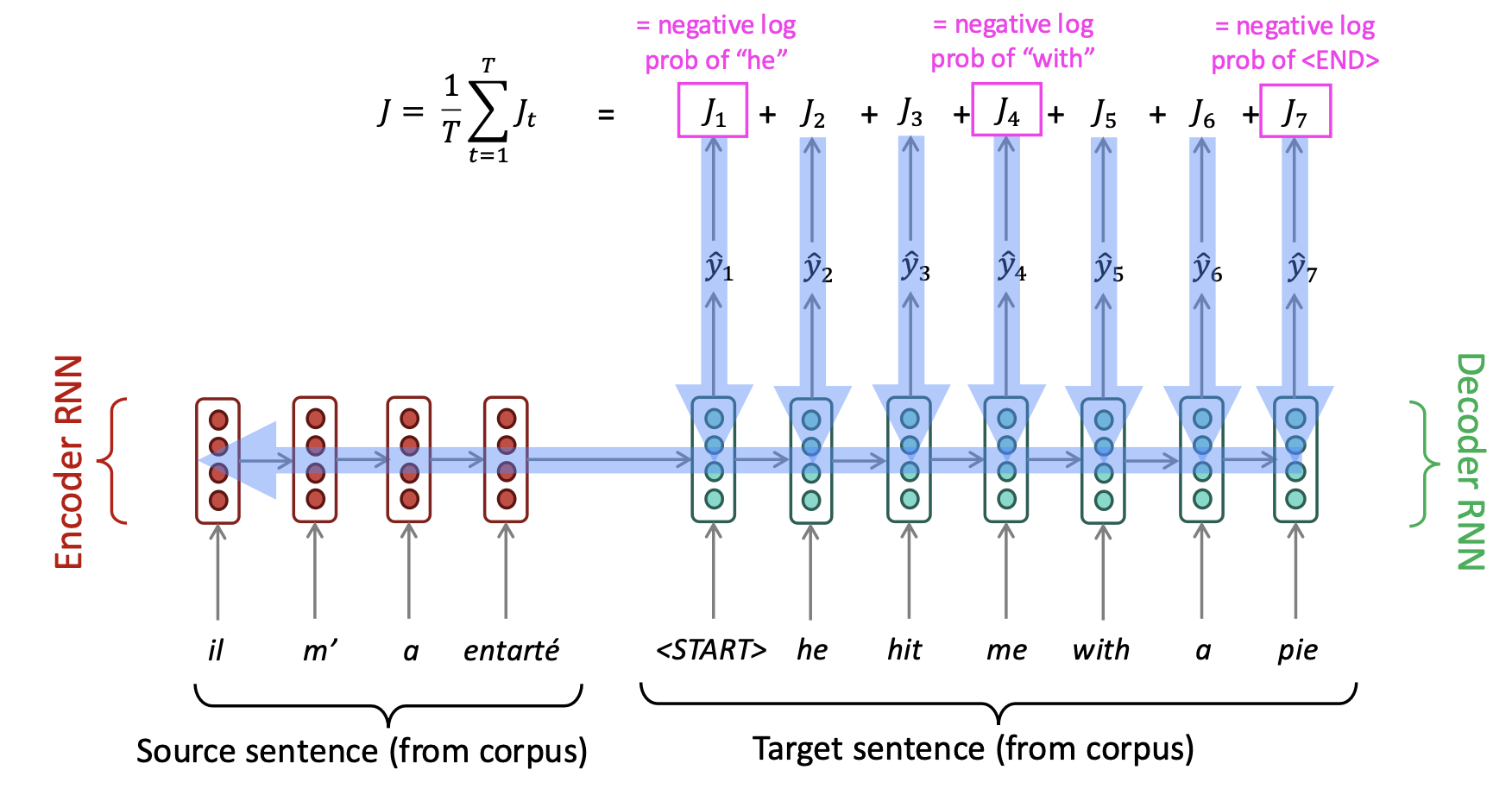
https://web.stanford.edu/class/cs224n/slides_w25/cs224n-2025-lecture06-fancy-rnn.pdf
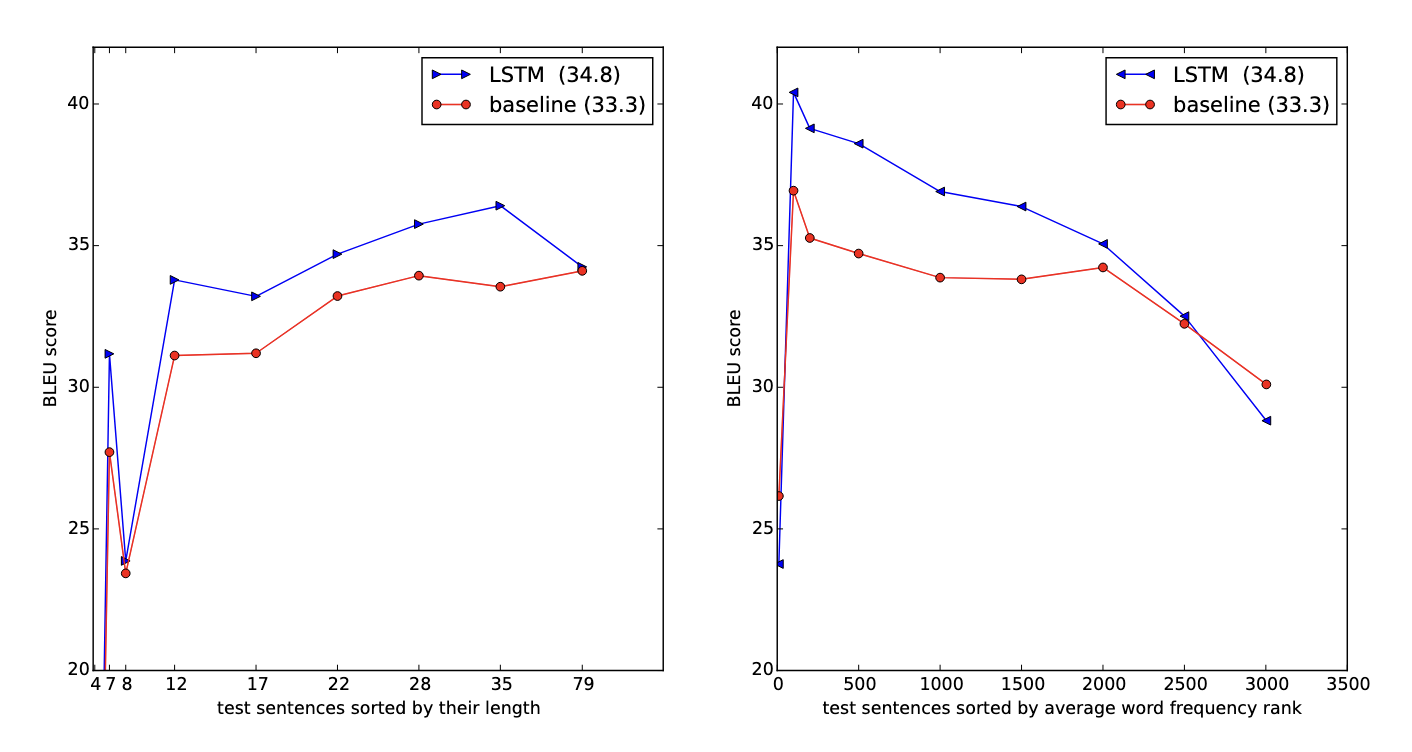
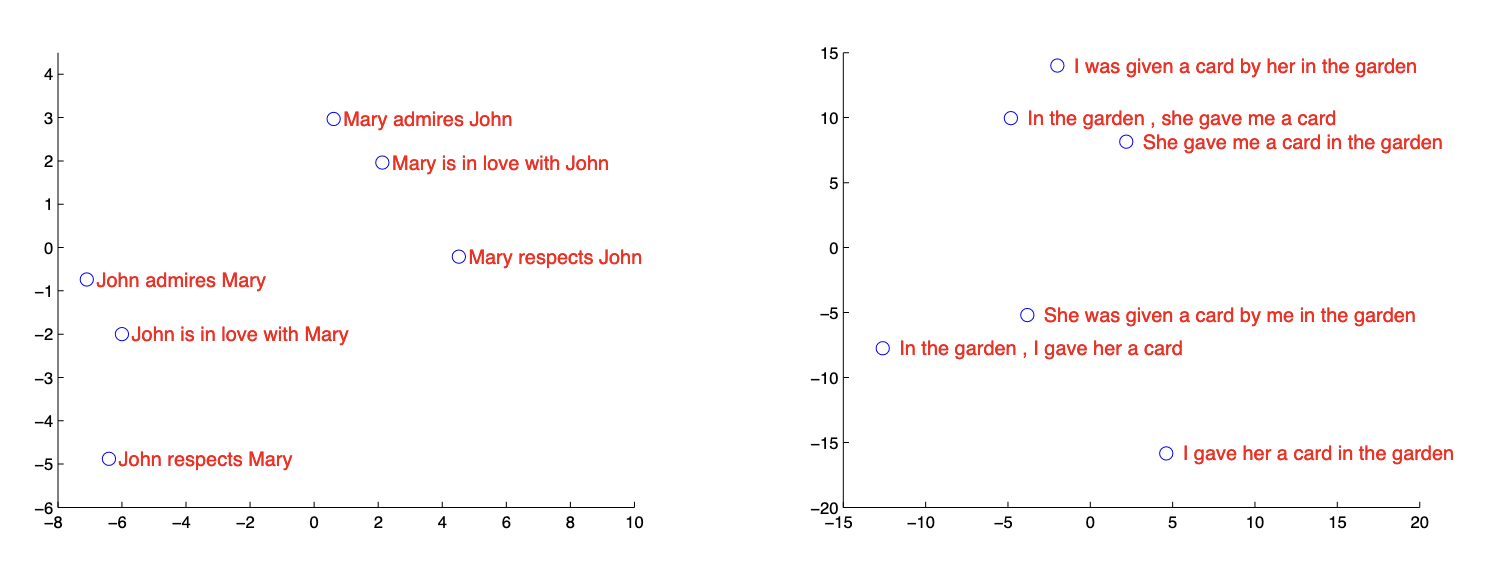
Sequence to Sequence Learning in NMT
Sequence to Sequence Learning in NMT
Sutskever, I., Vinyals, O. & Le, Q. V. Sequence to Sequence Learning with Neural Networks.
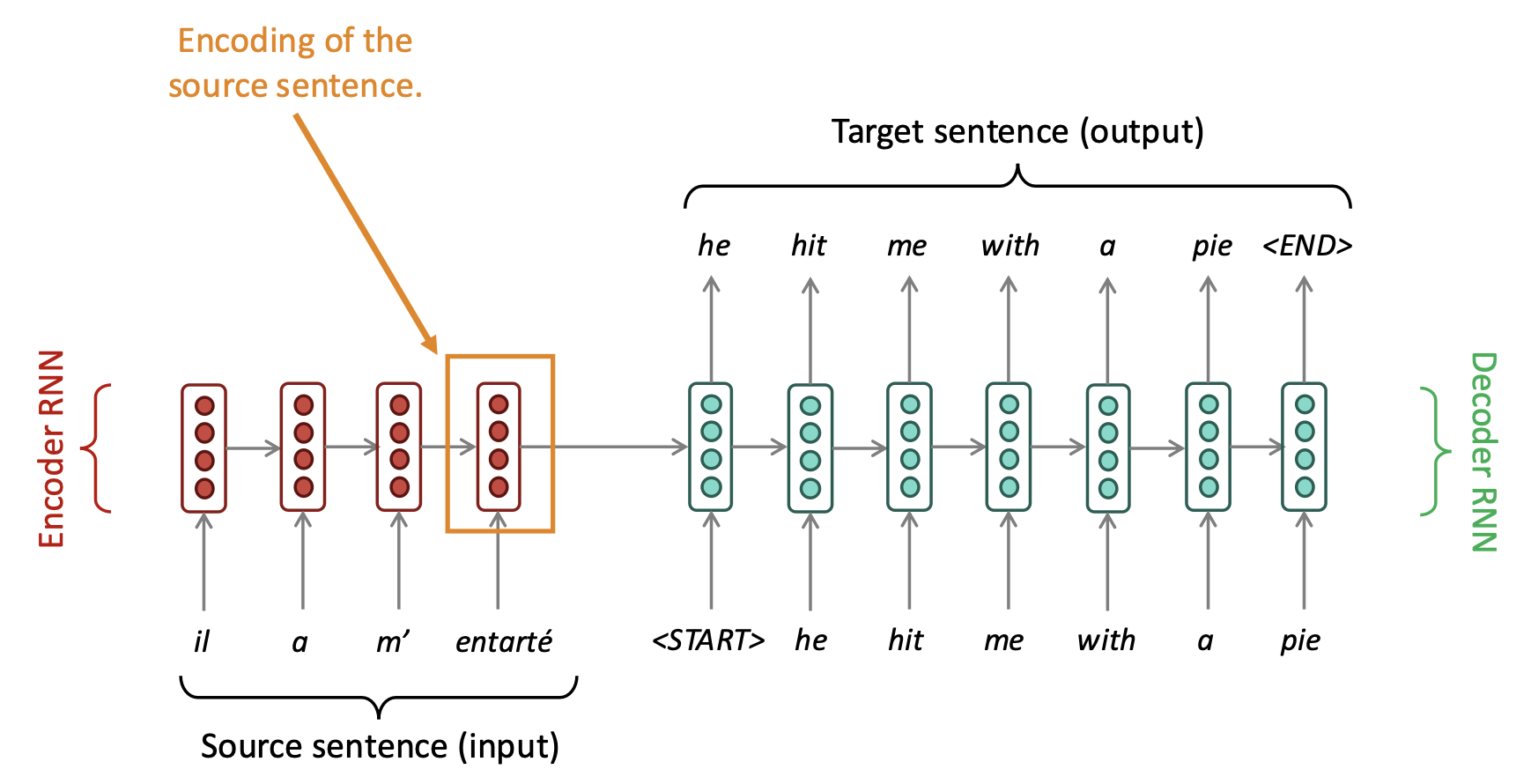
Bottlenecks
Bottlenecks
Does the architecture limit the learning ability?
https://web.stanford.edu/class/cs224n/slides_w25/cs224n-2025-lecture06-fancy-rnn.pdf
Limitations: Linear Interaction Distance
Limitations: Linear Interaction Distance
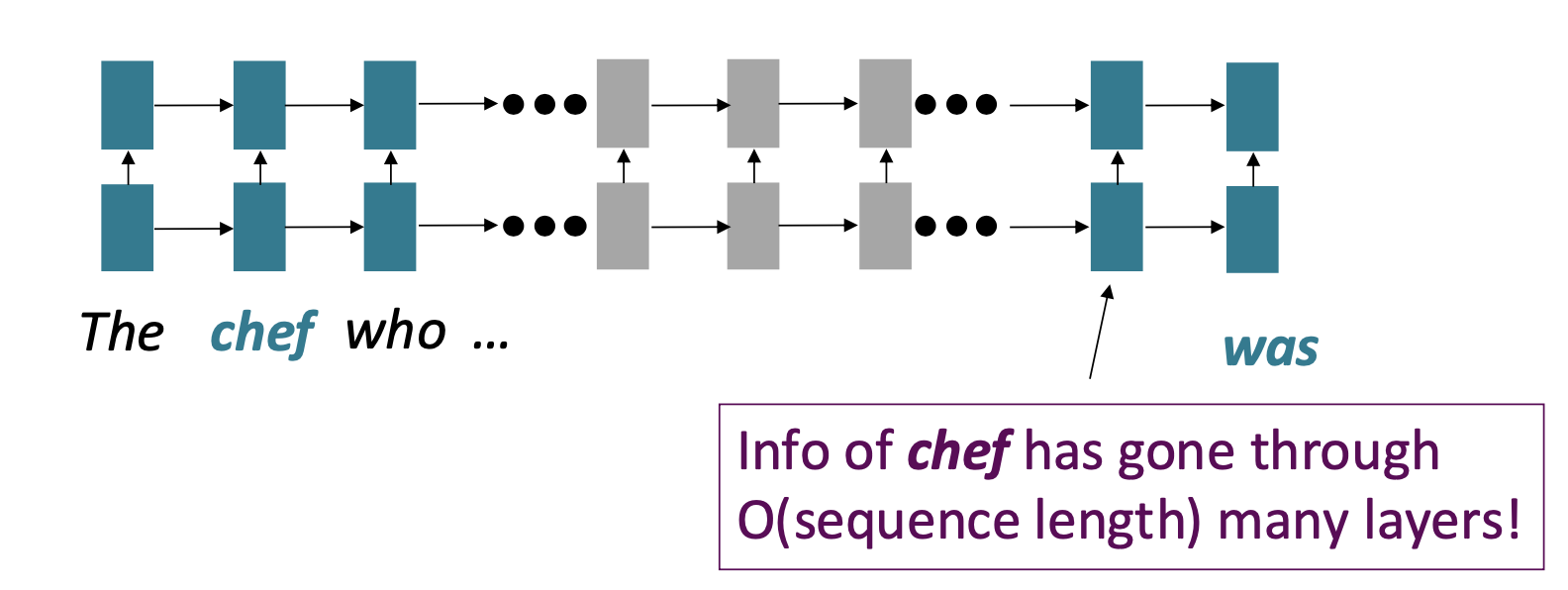
O(sequence length) steps for distant word pairs to interact means:
Hard to learn long-distance dependencies (because gradient problems!)
Linear order of words is “baked in”; we already know linear order isn’t the right way to think about sentences…
https://web.stanford.edu/class/cs224n/slides_w25/cs224n-2025-lecture06-fancy-rnn.pdf
Limitations: Lack of Parallelizability
Limitations: Lack of Parallelizability
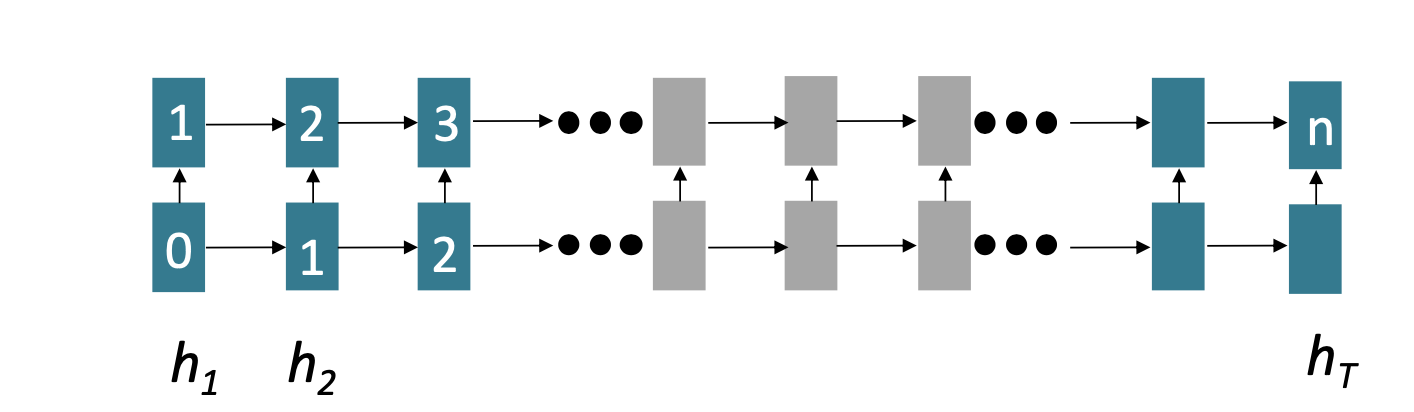
Forward/backward have O(sequence length) unparallelizable operations
Inhibits training on very large datasets!
https://web.stanford.edu/class/cs224n/slides_w25/cs224n-2025-lecture06-fancy-rnn.pdf
2.2 Transformer 2.2.2 Background: Attention
2.2 Transformer 2.2.2 Background: Attention
Attention: Core Idea
Attention: Core Idea
Attention provides a solution to above limitations
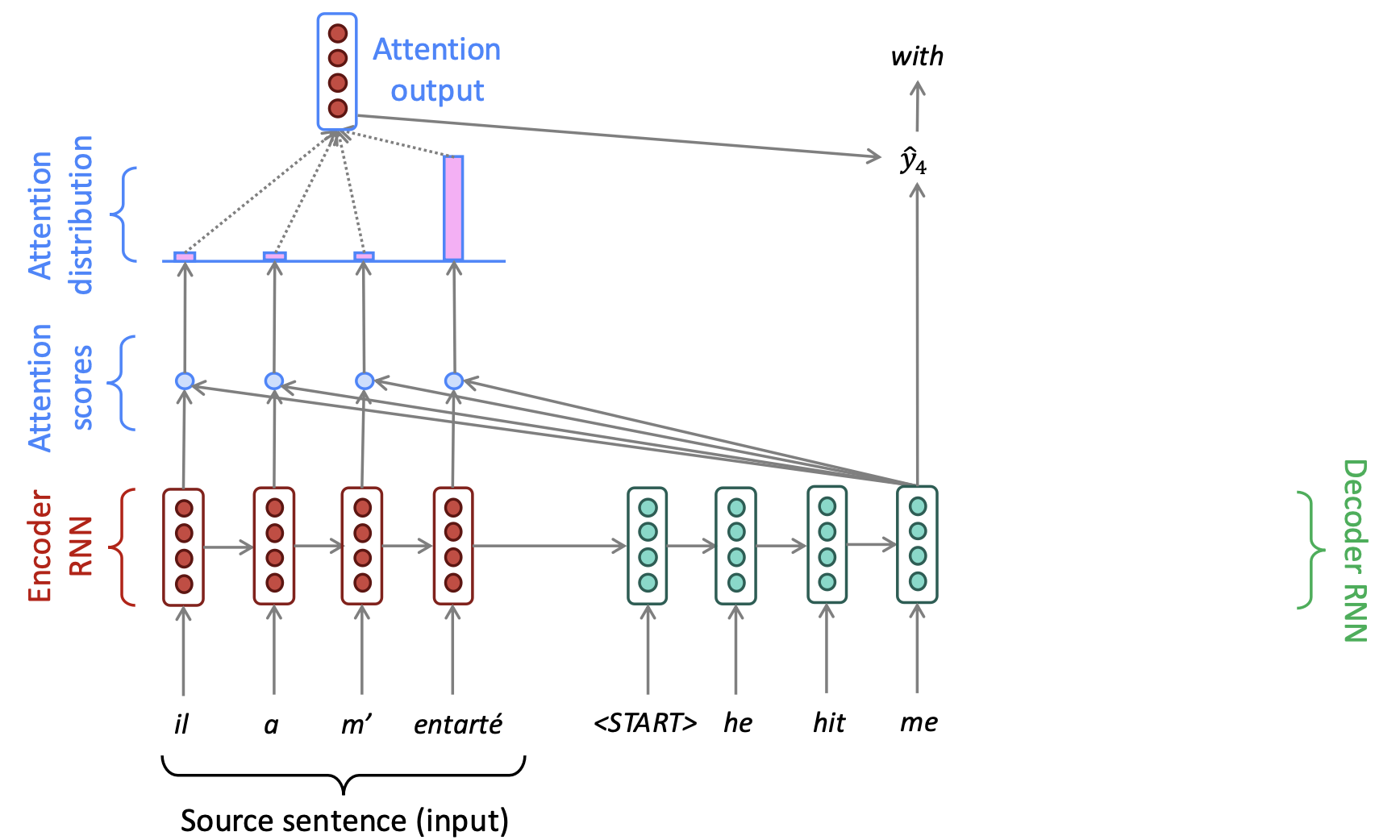
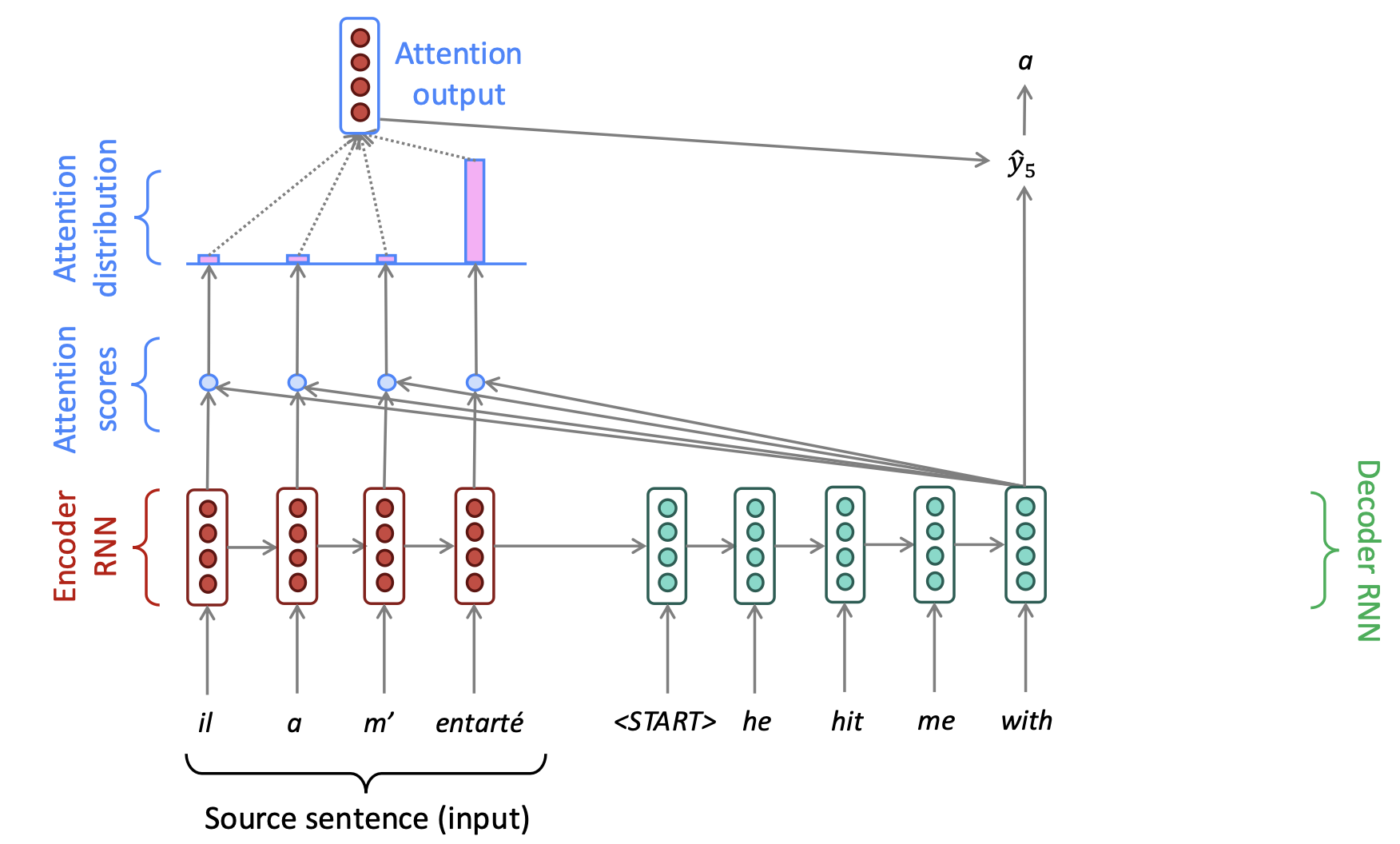
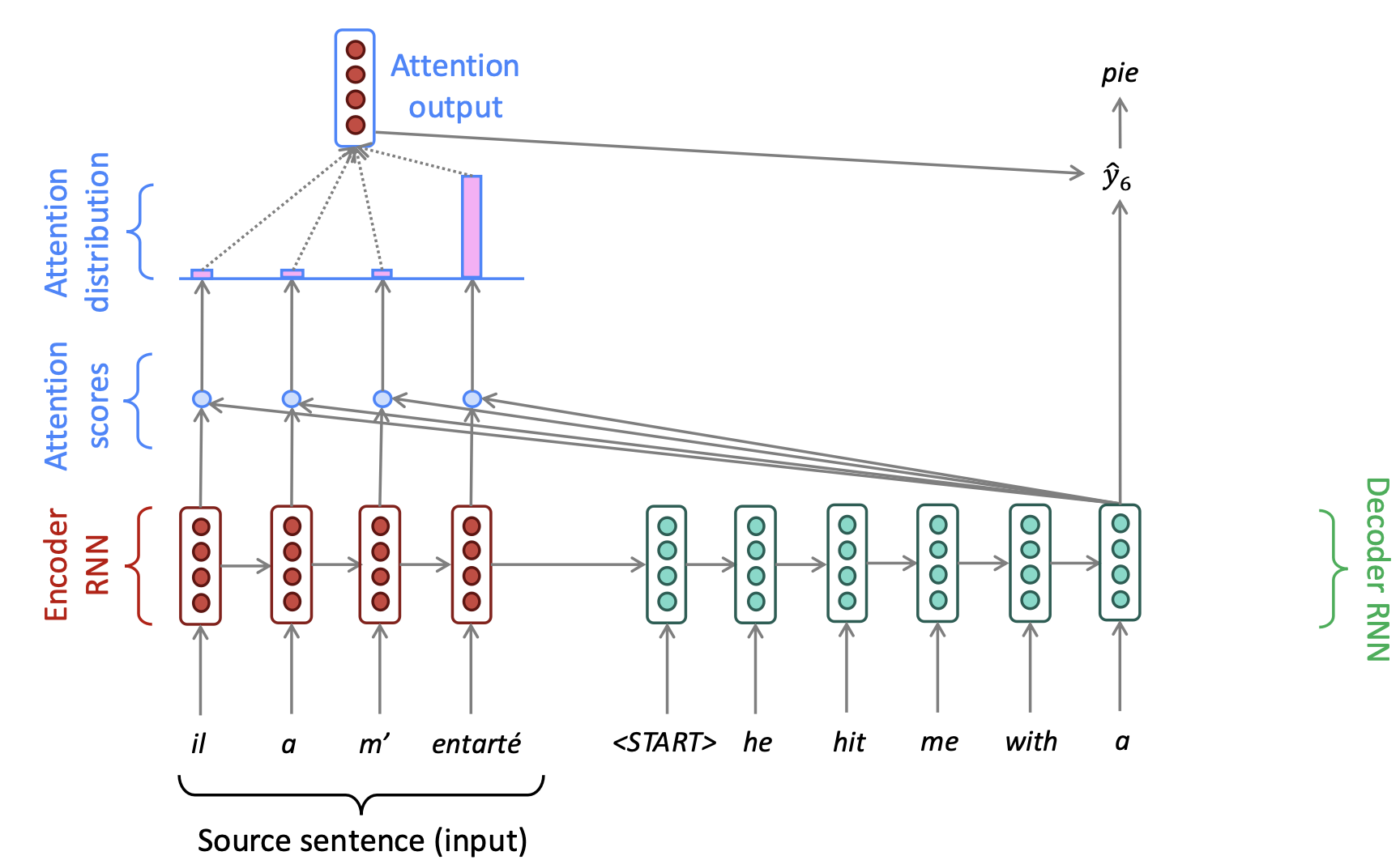
On each step of the decoder, use direct connection to the encoder to focus on a particular part of the source sequence.
https://web.stanford.edu/class/cs224n/slides_w25/cs224n-2025-lecture06-fancy-rnn.pdf
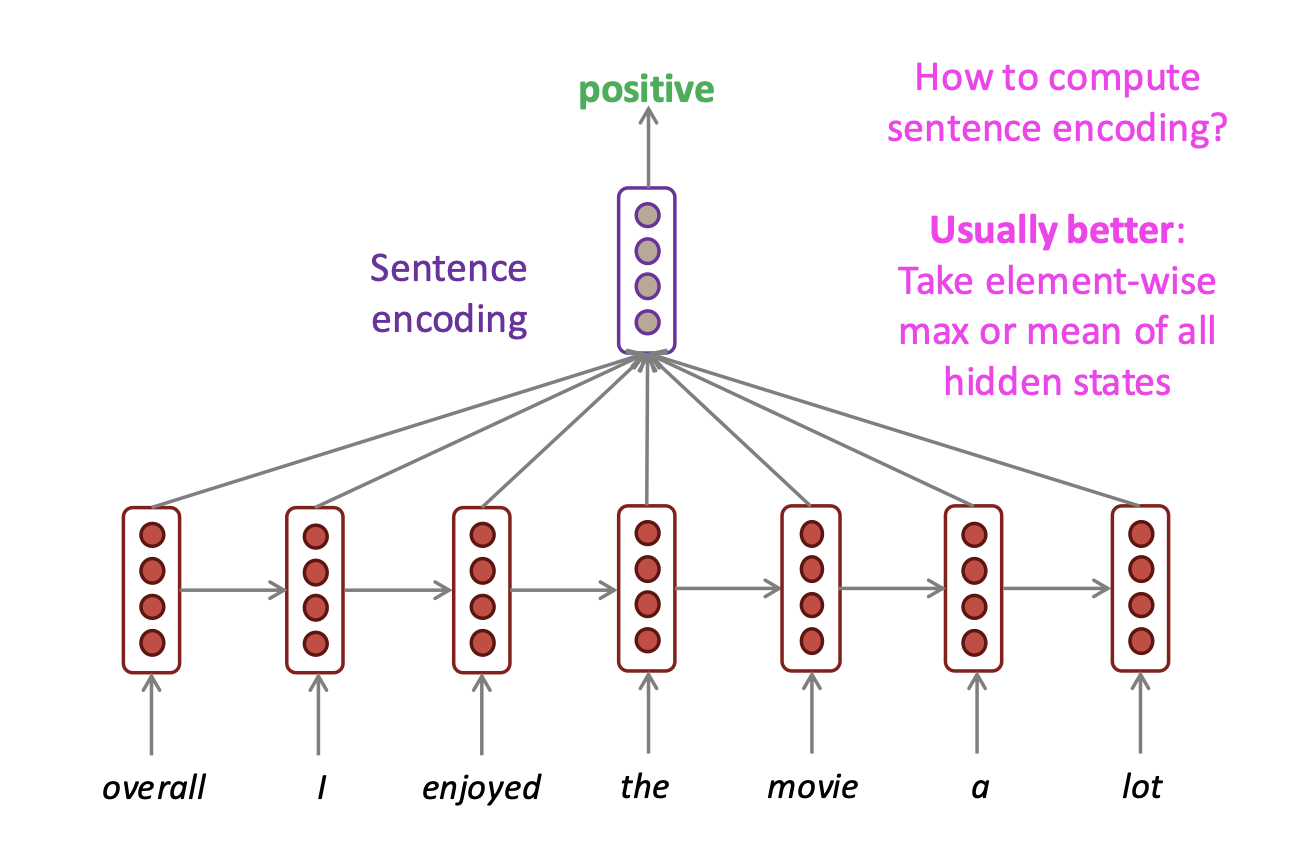
Starting from Meaning-Pooling for RNNs
Starting from Meaning-Pooling for RNNs
https://web.stanford.edu/class/cs224n/slides_w25/cs224n-2025-lecture06-fancy-rnn.pdf
Attention is weighted averaging
Attention is weighted averaging
https://web.stanford.edu/class/cs224n/slides_w25/cs224n-2025-lecture06-fancy-rnn.pdf
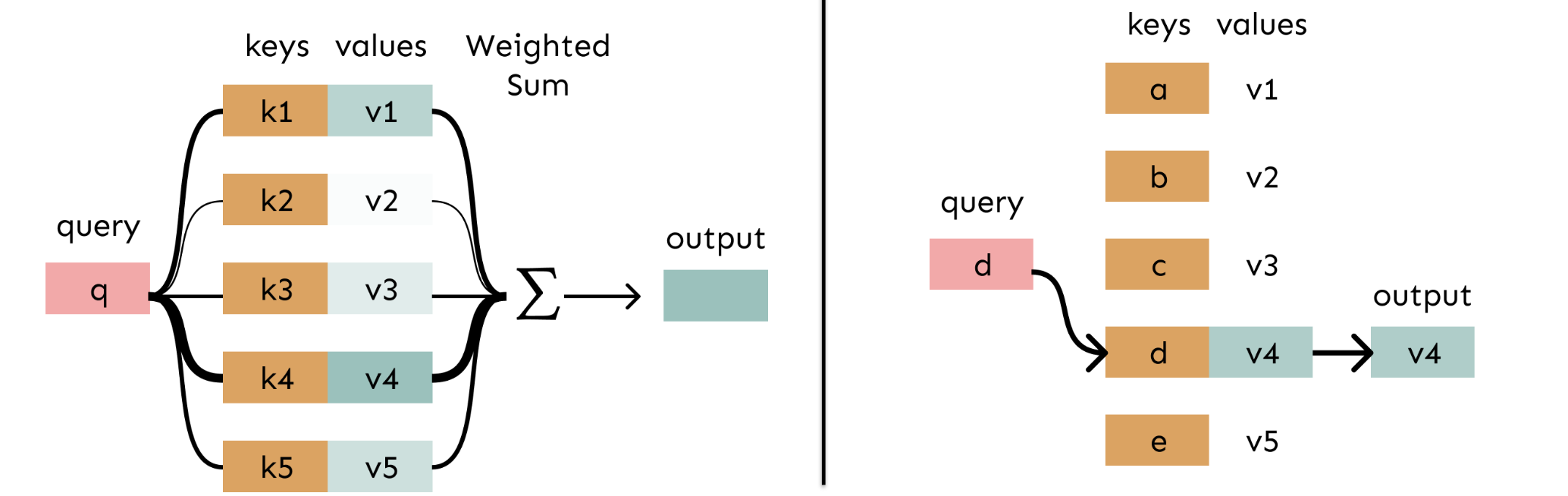
In attention, the query matches all keys softly,
to a weight between 0 and 1. The keys’ values
are multiplied by the weights and summed.
In a lookup table, we have a table of keys that map to values. The query matches one of the keys, returning its value.
Sequence-to-Sequence With Attention
Sequence-to-Sequence With Attention
https://web.stanford.edu/class/cs224n/slides_w25/cs224n-2025-lecture06-fancy-rnn.pdf
Core Idea: use direct connection to the encoder to focus on a particular part of the source sequence.
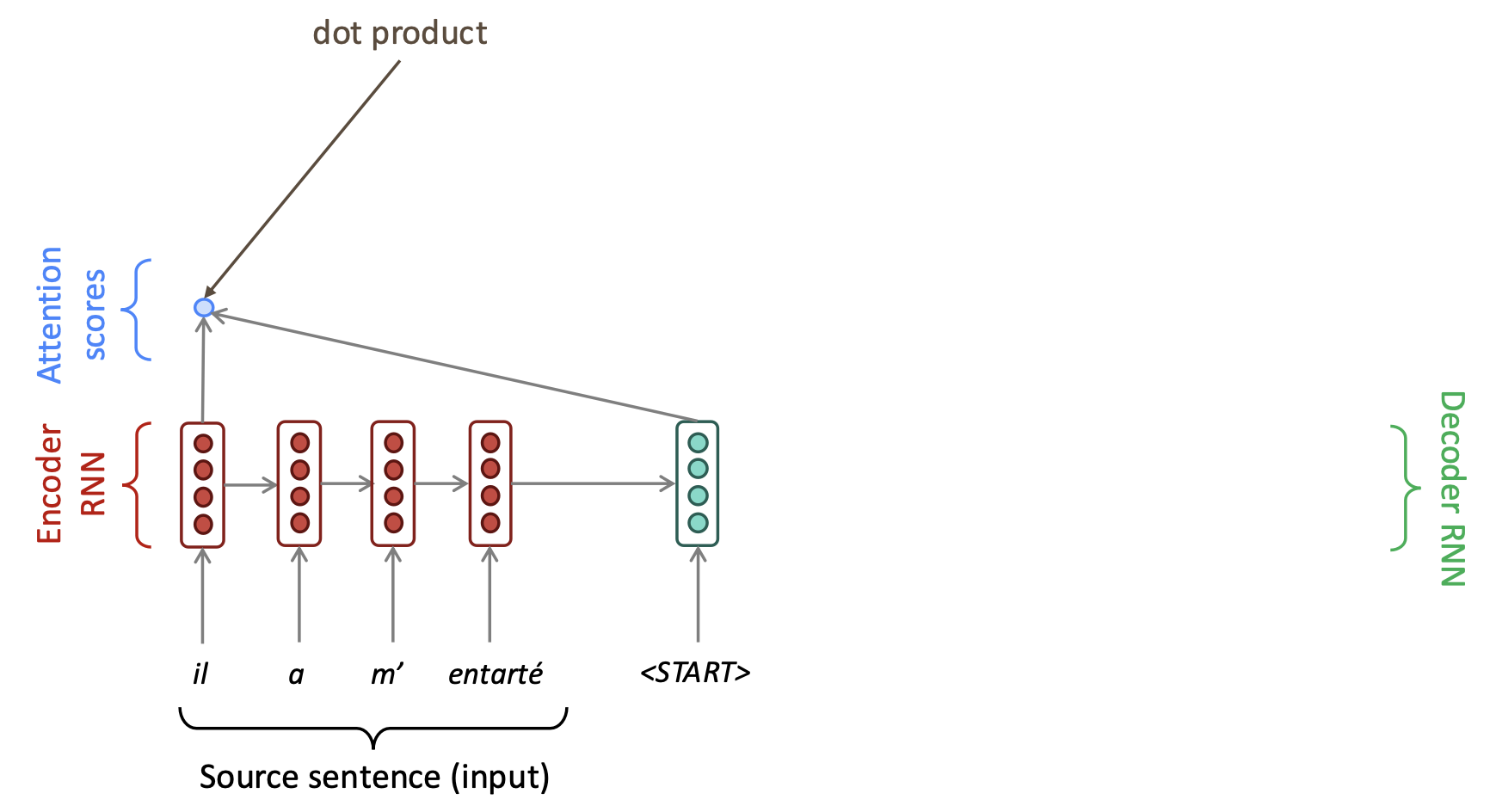
Sequence-to-Sequence With Attention
Sequence-to-Sequence With Attention
https://web.stanford.edu/class/cs224n/slides_w25/cs224n-2025-lecture06-fancy-rnn.pdf
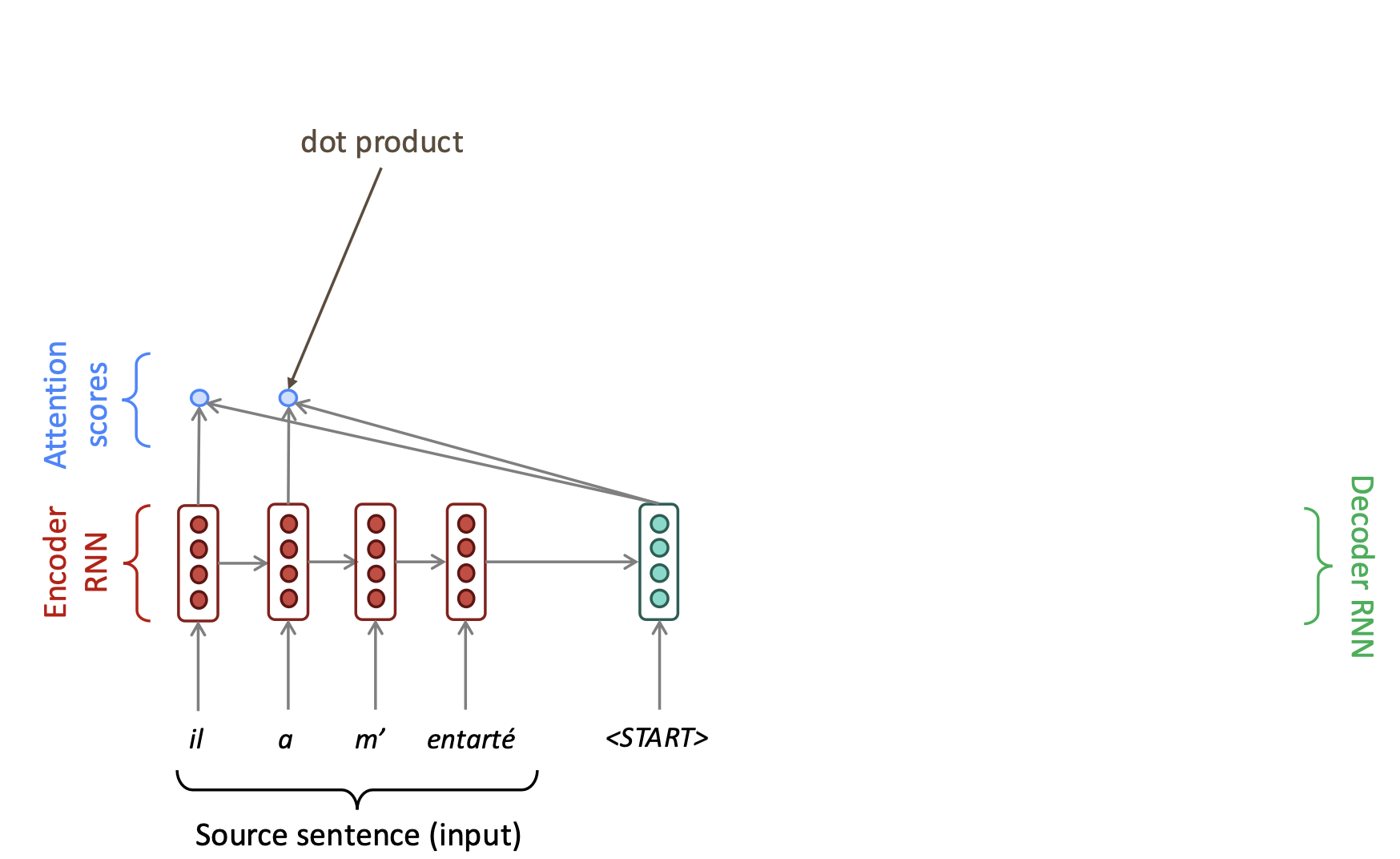
Core Idea: use direct connection to the encoder to focus on a particular part of the source sequence.
Sequence-to-Sequence With Attention
Sequence-to-Sequence With Attention
https://web.stanford.edu/class/cs224n/slides_w25/cs224n-2025-lecture06-fancy-rnn.pdf
Core Idea: use direct connection to the encoder to focus on a particular part of the source sequence.
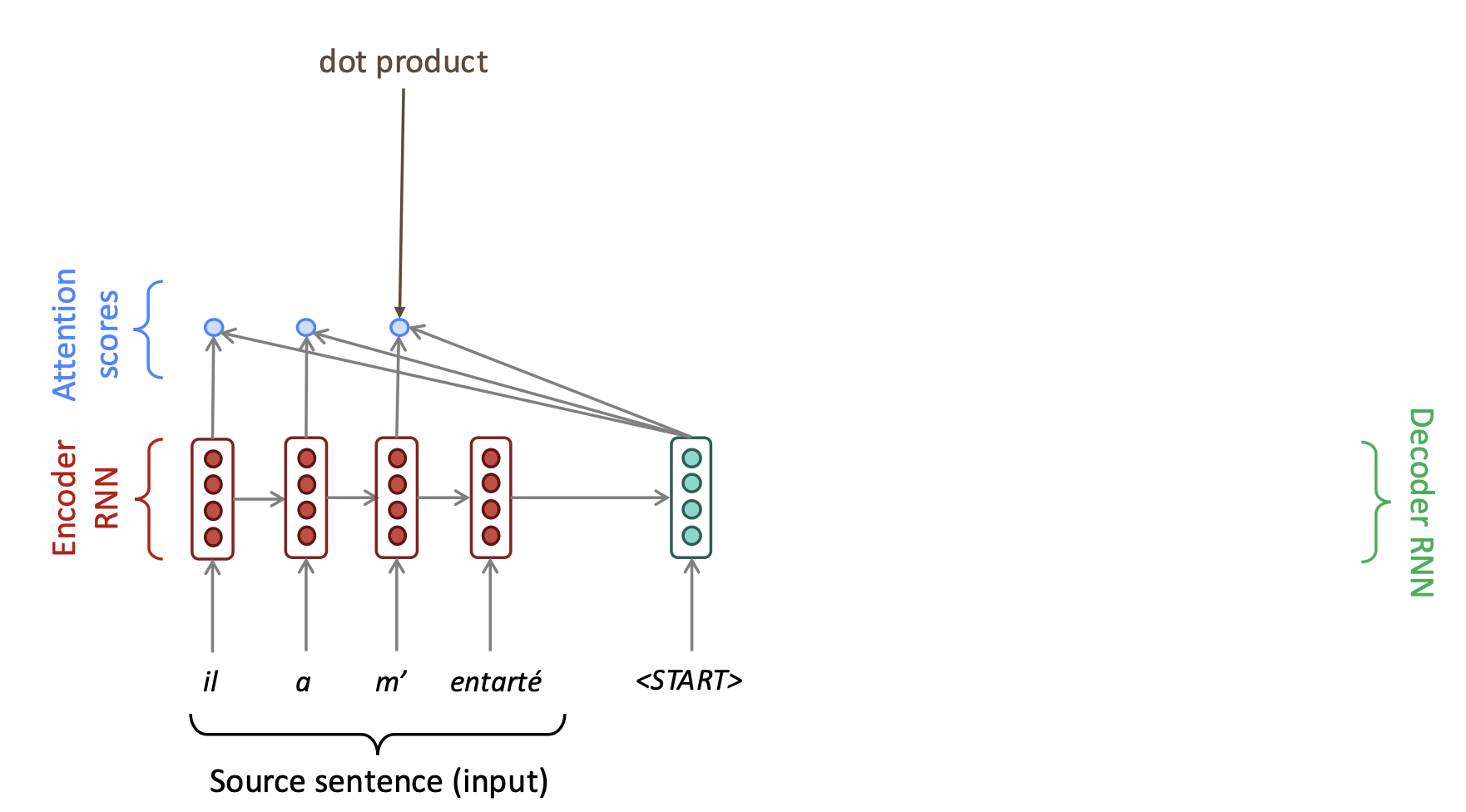
Sequence-to-Sequence With Attention
Sequence-to-Sequence With Attention
https://web.stanford.edu/class/cs224n/slides_w25/cs224n-2025-lecture06-fancy-rnn.pdf
Core Idea: use direct connection to the encoder to focus on a particular part of the source sequence.
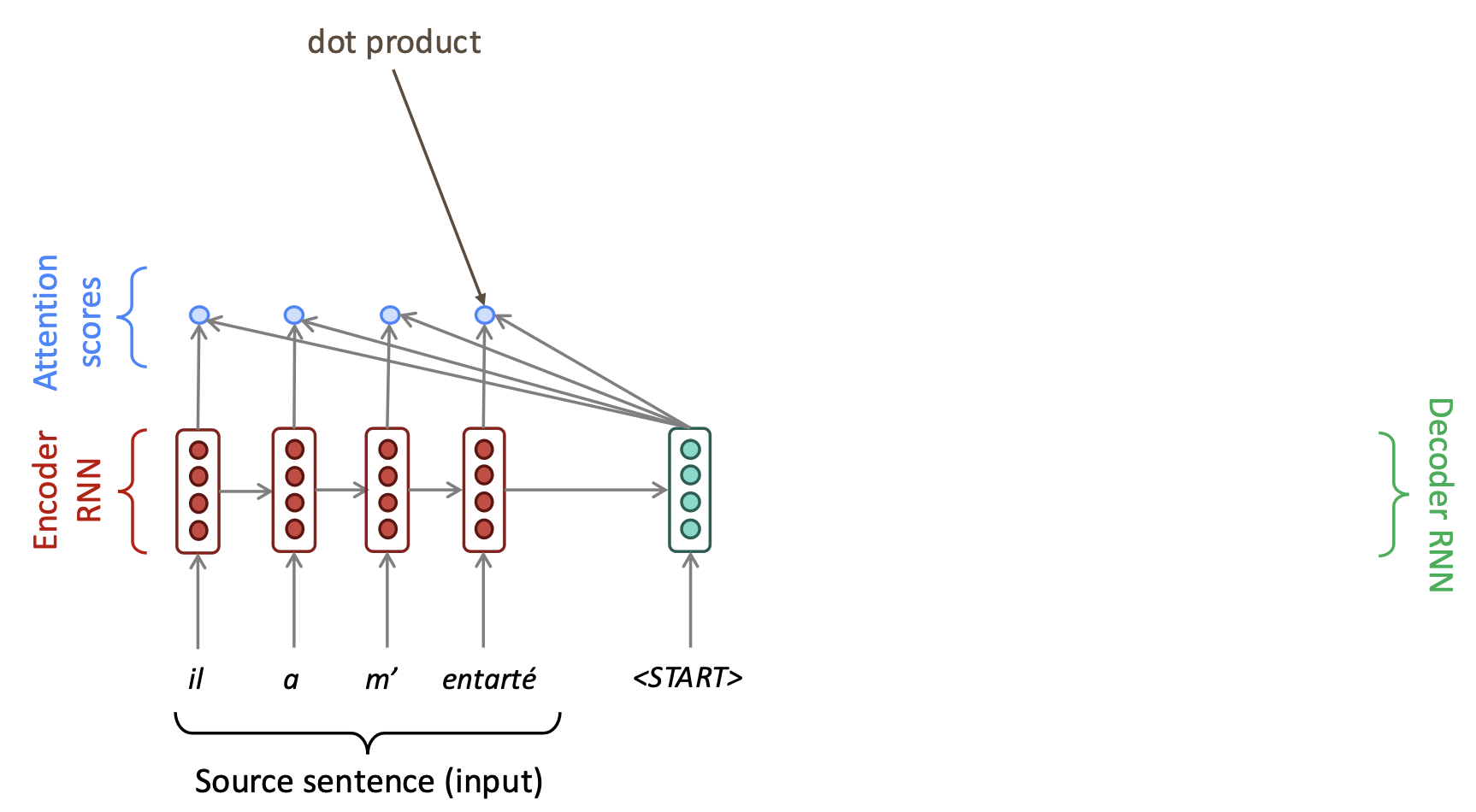
Sequence-to-Sequence With Attention
Sequence-to-Sequence With Attention
https://web.stanford.edu/class/cs224n/slides_w25/cs224n-2025-lecture06-fancy-rnn.pdf
Core Idea: use direct connection to the encoder to focus on a particular part of the source sequence.
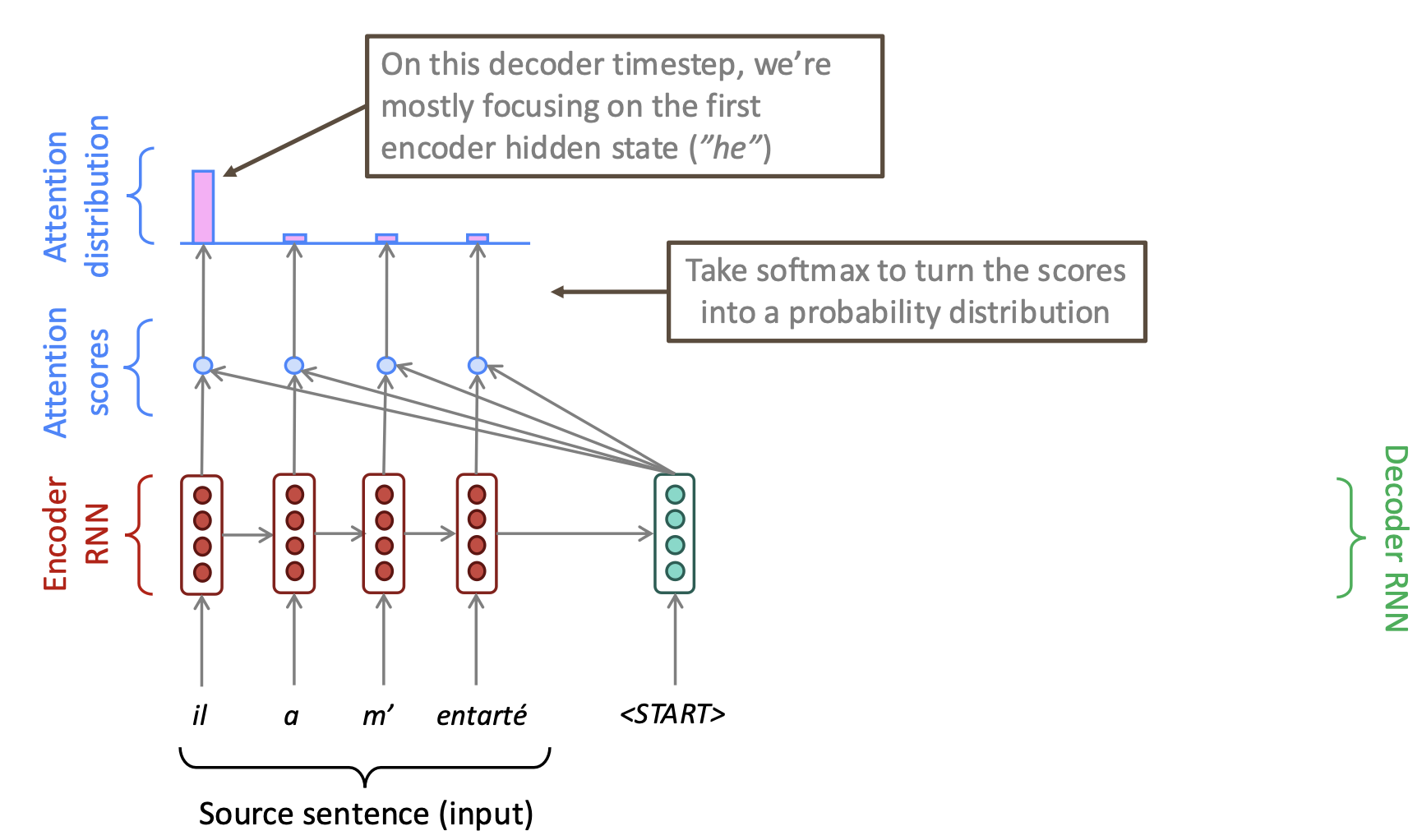
Sequence-to-Sequence With Attention
Sequence-to-Sequence With Attention
https://web.stanford.edu/class/cs224n/slides_w25/cs224n-2025-lecture06-fancy-rnn.pdf
Core Idea: use direct connection to the encoder to focus on a particular part of the source sequence.
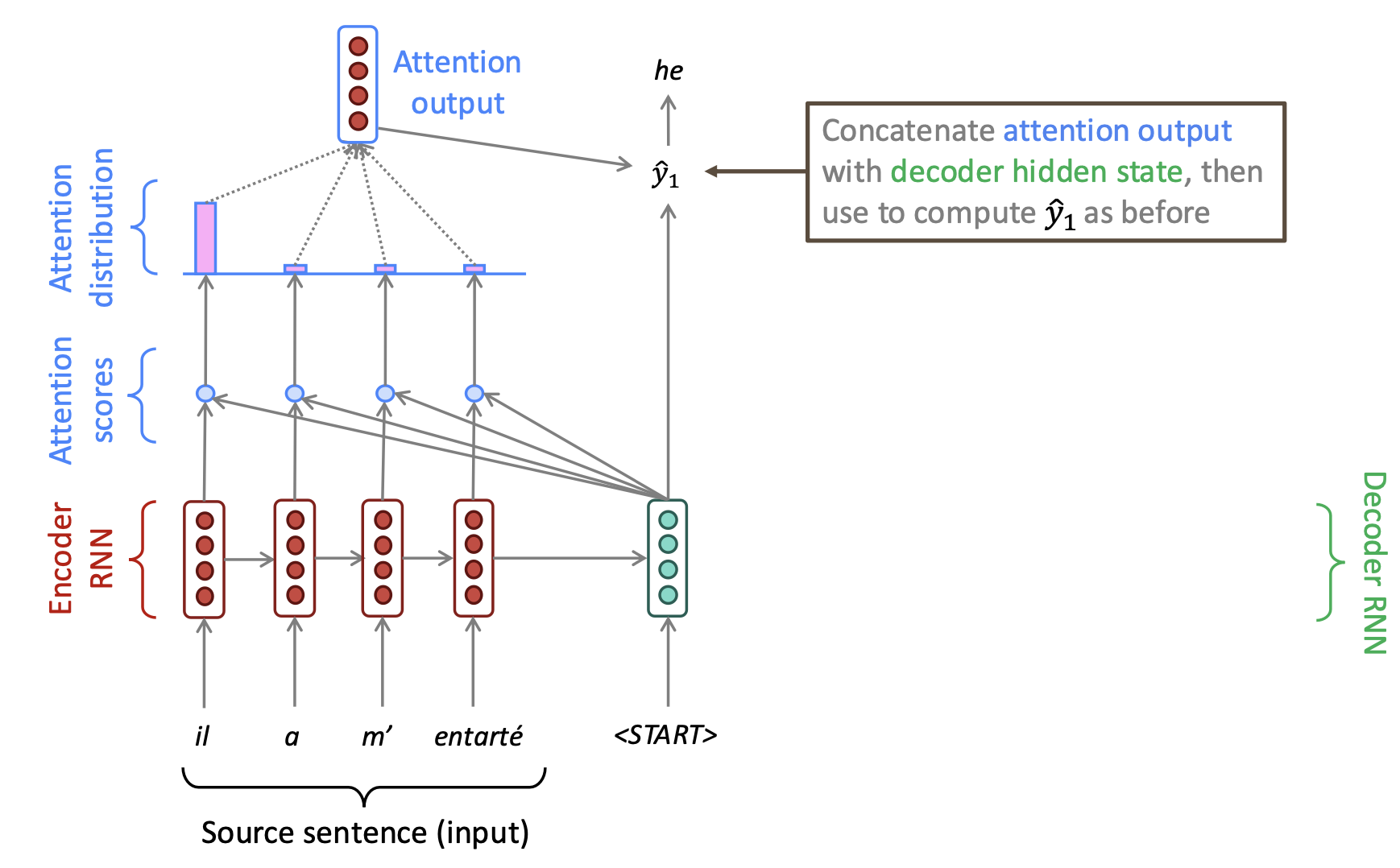
Sequence-to-Sequence With Attention
Sequence-to-Sequence With Attention
https://web.stanford.edu/class/cs224n/slides_w25/cs224n-2025-lecture06-fancy-rnn.pdf
Core Idea: use direct connection to the encoder to focus on a particular part of the source sequence.
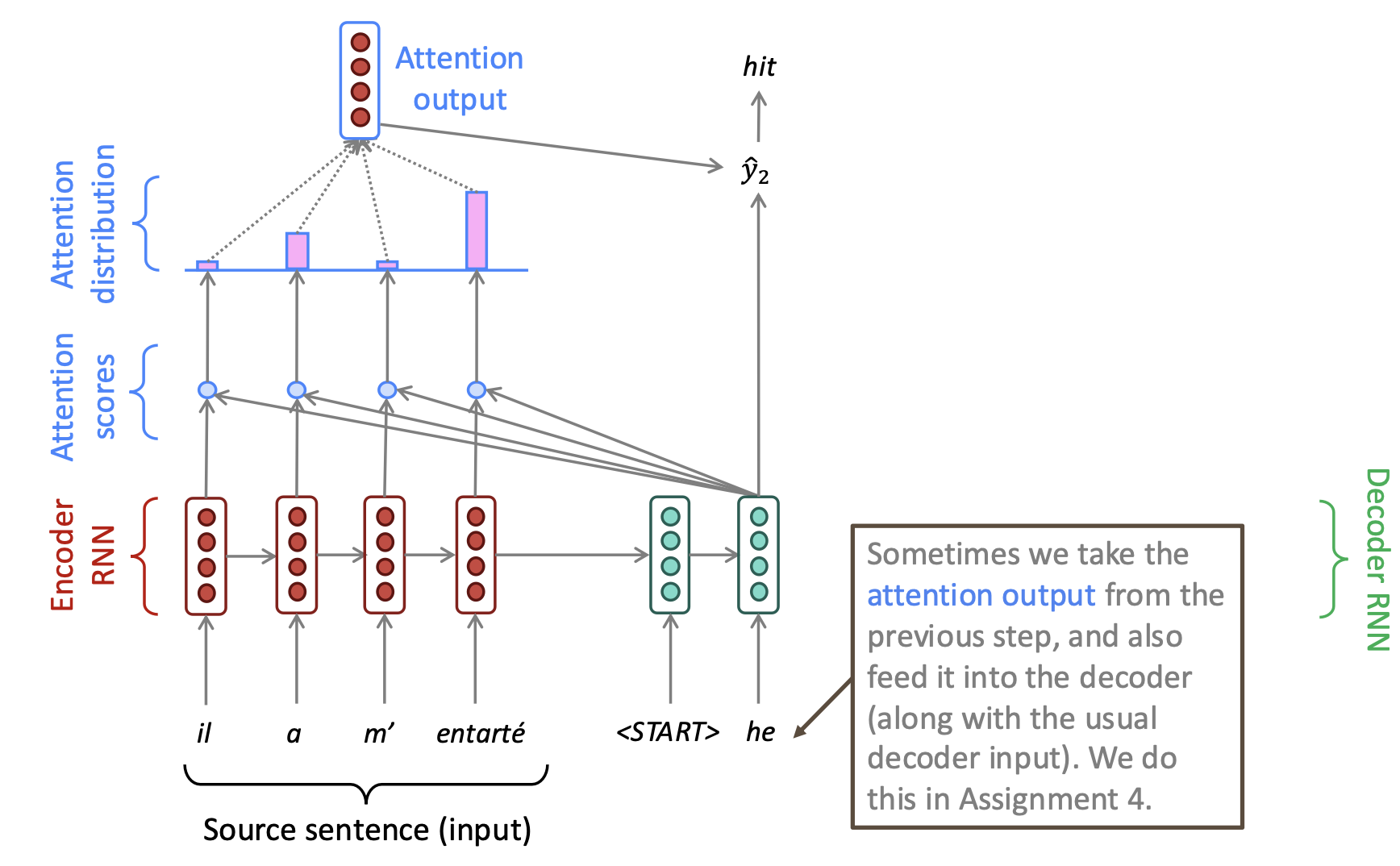
Sequence-to-Sequence With Attention
Sequence-to-Sequence With Attention
https://web.stanford.edu/class/cs224n/slides_w25/cs224n-2025-lecture06-fancy-rnn.pdf
Core Idea: use direct connection to the encoder to focus on a particular part of the source sequence.
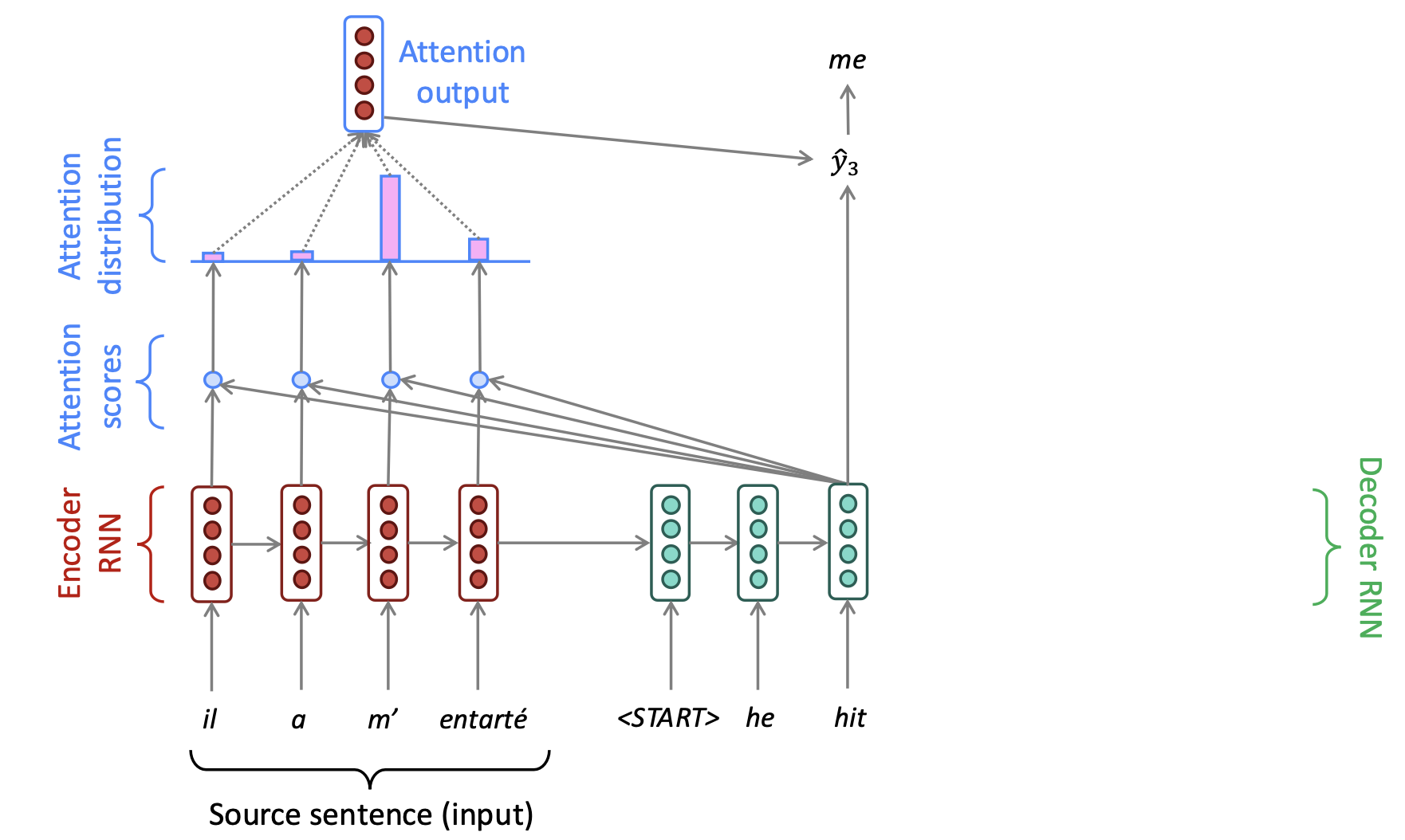
Sequence-to-Sequence With Attention
Sequence-to-Sequence With Attention
https://web.stanford.edu/class/cs224n/slides_w25/cs224n-2025-lecture06-fancy-rnn.pdf
Core Idea: use direct connection to the encoder to focus on a particular part of the source sequence.
Sequence-to-Sequence With Attention
Sequence-to-Sequence With Attention
https://web.stanford.edu/class/cs224n/slides_w25/cs224n-2025-lecture06-fancy-rnn.pdf
Core Idea: use direct connection to the encoder to focus on a particular part of the source sequence.
Sequence-to-Sequence With Attention
Sequence-to-Sequence With Attention
https://web.stanford.edu/class/cs224n/slides_w25/cs224n-2025-lecture06-fancy-rnn.pdf
Core Idea: use direct connection to the encoder to focus on a particular part of the source sequence.
Attention: Formulation
Attention: Formulation
https://web.stanford.edu/class/cs224n/slides_w25/cs224n-2025-lecture06-fancy-rnn.pdf
Given encoder hidden states:
Decoder hidden state on timestep :
The attention scores for this step:
The attention distribution:
The attention output by weighted sum:
Final decoder hidden state:
Attention solves Limitations of RNN
Attention solves Limitations of RNN
https://web.stanford.edu/class/cs224n/slides_w25/cs224n-2025-lecture06-fancy-rnn.pdf
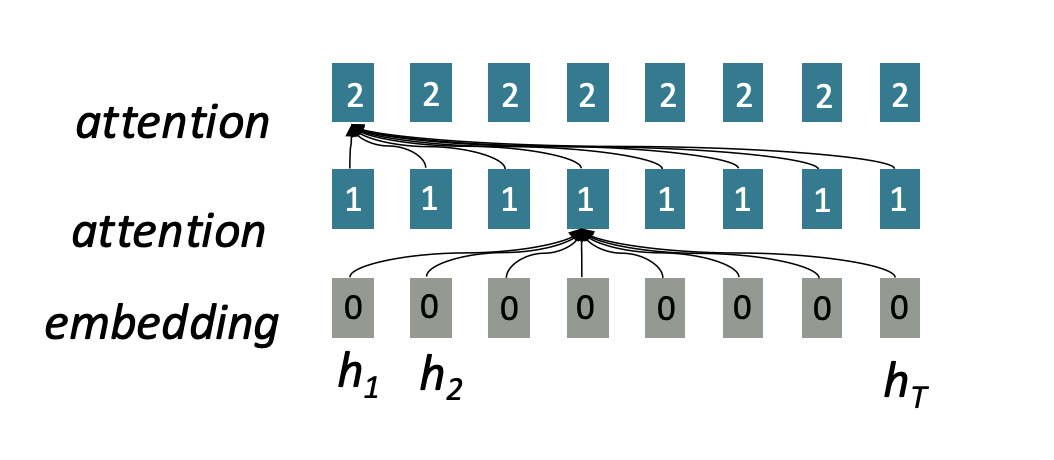
Number of unparallelizable operations does not increase with sequence length.
Maximum interaction distance: O(1), since all words interact at every layer
Attention becomes a General Technique
Attention becomes a General Technique
https://web.stanford.edu/class/cs224n/slides_w25/cs224n-2025-lecture06-fancy-rnn.pdf
More general definition of attention:
Given a set of vector values, and a vector query, attention is a technique to compute a weighted sum of the values, dependent on the query.
Intuition:
The weighted sum is a selective summary of the information contained in the values, where the query determines which values to focus on.
Attention is a way to obtain a fixed-size representation of an arbitrary set of representations (the values), dependent on some other representation (the query).
Attention vs RNN
Attention vs RNN
Feature | Self-Attention | Traditional RNN |
Processing Style | ✅ Processes all tokens simultaneously (parallel) | ❌Processes tokens one by one (sequential) |
Information Flow | ✅ Any two tokens connect in 1 step | ❌Long-range dependencies require many steps |
Parallelism | ✅ Fully parallelizable (fast) | ❌ Inherently sequential (slow) |
Dependency Modeling | ✅ Excellent at long-range dependencies | ❌Poor at long-range dependencies (vanishing gradients) |
Interpretability | ✅ Attention weights show what is focused on | ❌ Hard to interpret hidden states |
Linearity | ❌ Linear | ✅ Nonlinear |
Order Sensitive | ❌ No | ✅ Yes |
2.2 Transformer 2.2.3 Transformer Overview
2.2 Transformer 2.2.3 Transformer Overview
Motivation
Motivation
Attention had to be used with RNN, so the architecture RNN+Attention still suffers from RNN’s limitation;
Key Idea:
Why Not Just Use Attention?
Difficulties:
How can Attention used as Encoder?
Attention is Linear
Attention omits the order information
The Solution:
Transformer Architecture
Attention is All You Need (2017)
Attention is All You Need (2017)
NMT Task
NMT Task
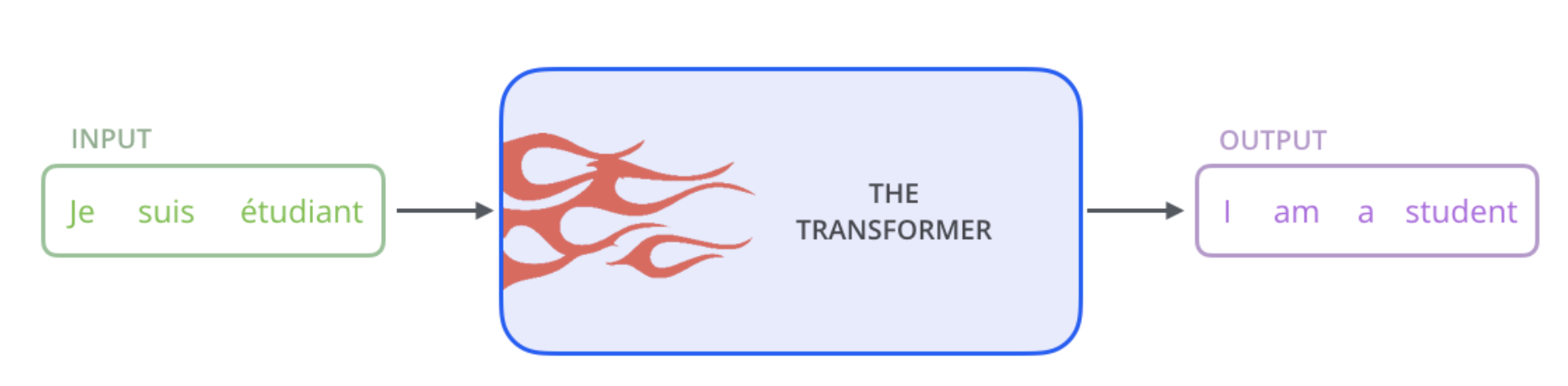
https://jalammar.github.io/illustrated-transformer/
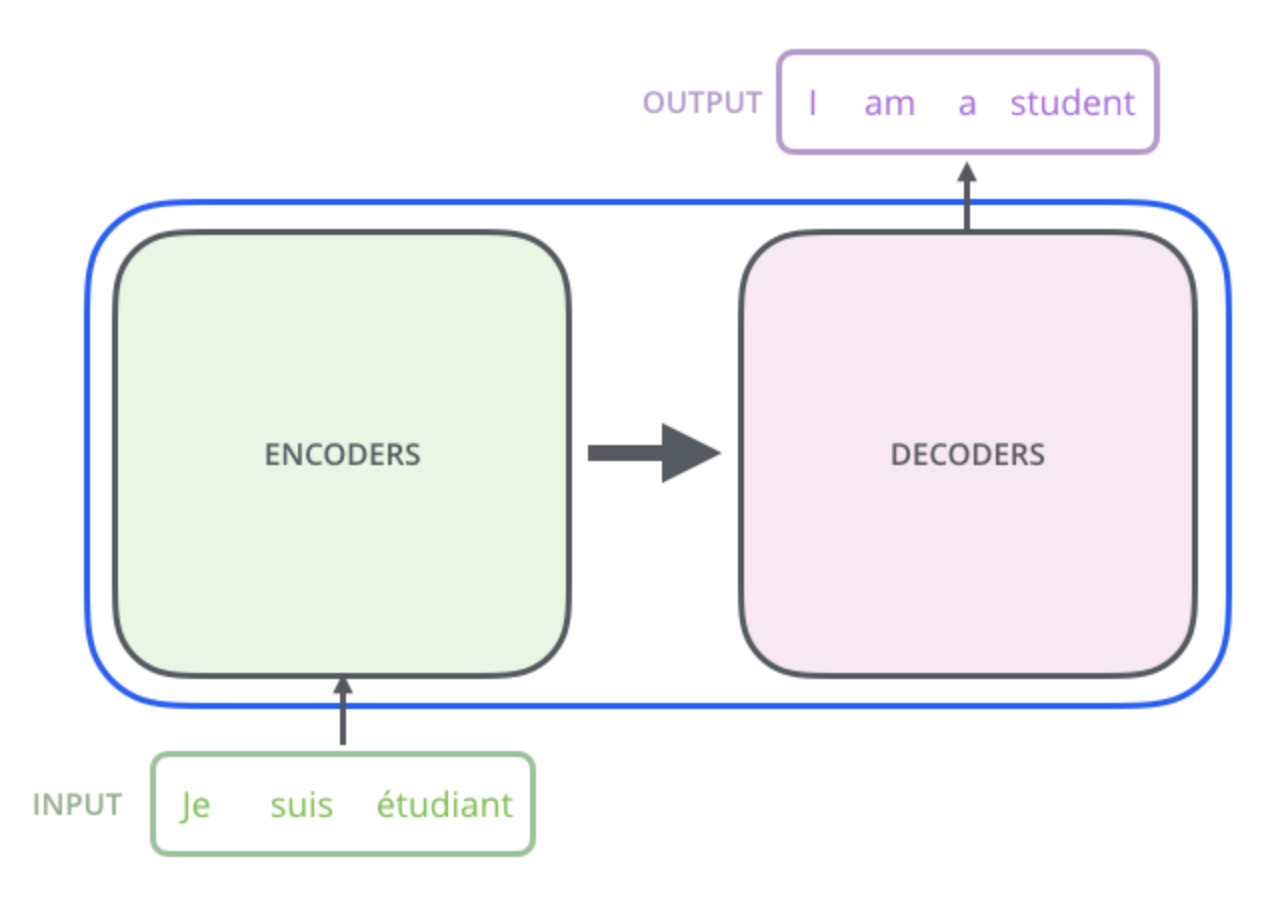
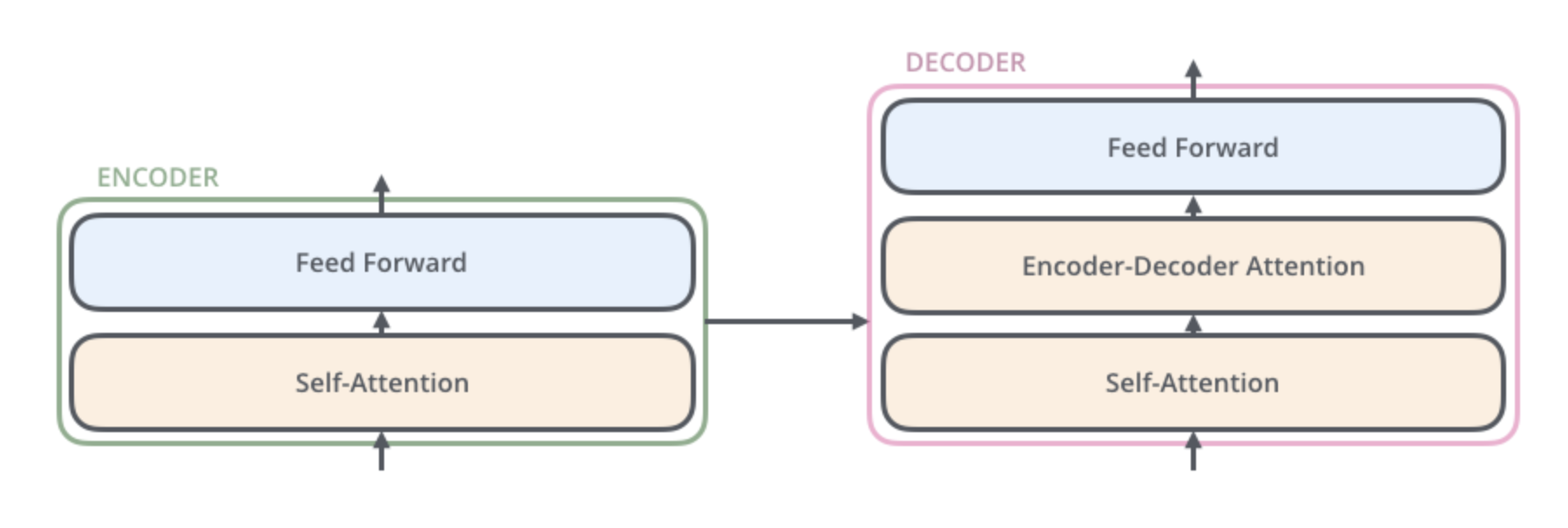
Decoder-Encoder
Decoder-Encoder
https://jalammar.github.io/illustrated-transformer/
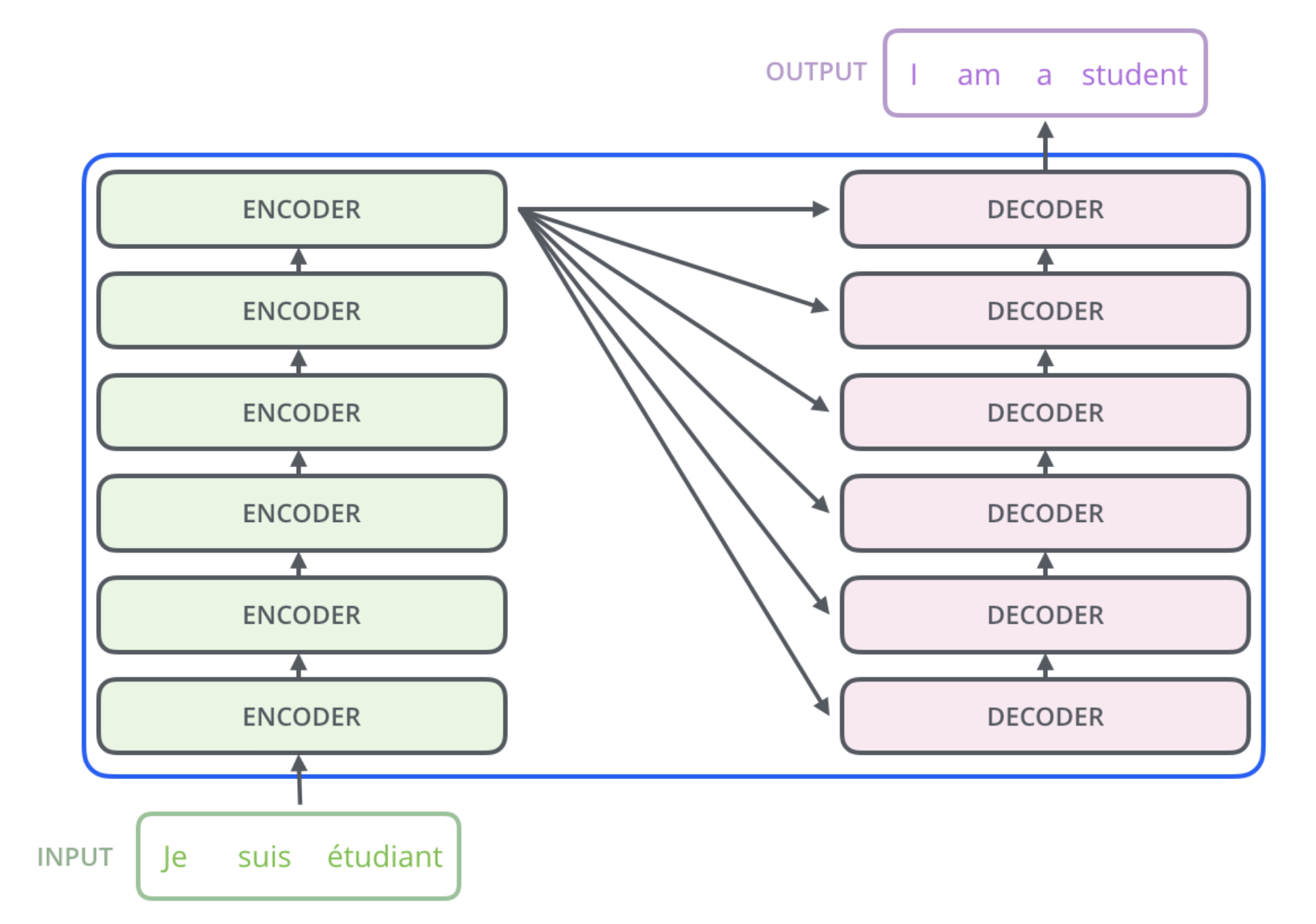
Stack of Layers
Stack of Layers
https://jalammar.github.io/illustrated-transformer/
Encoder Layer
Encoder Layer
https://jalammar.github.io/illustrated-transformer/
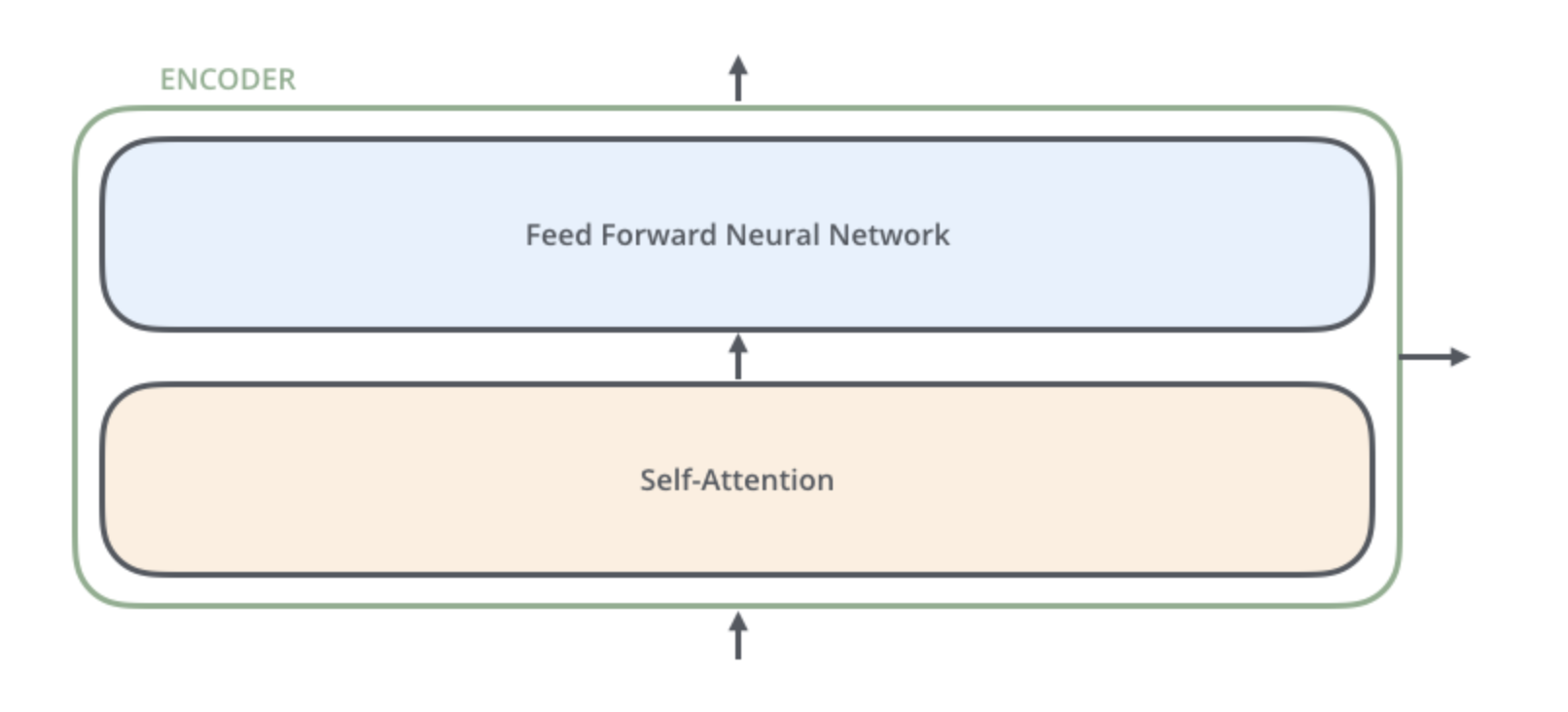
Decoder Layer
Decoder Layer
https://jalammar.github.io/illustrated-transformer/
2.2 Transformer 2.2.4 Transformer Blocks
2.2 Transformer 2.2.4 Transformer Blocks
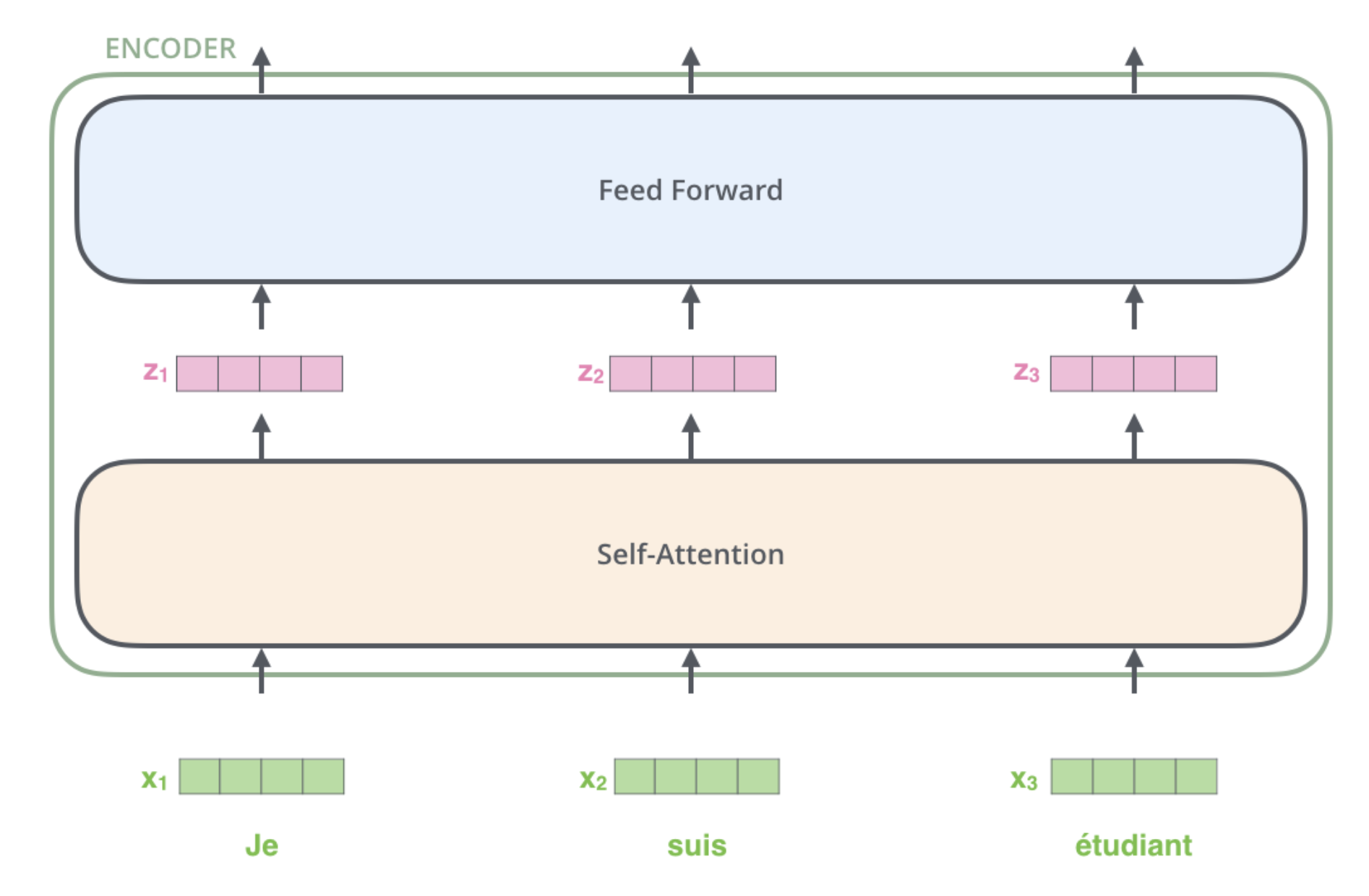
Input Embedding
Input Embedding
https://jalammar.github.io/illustrated-transformer/

Embedding in the Block
Embedding in the Block
https://jalammar.github.io/illustrated-transformer/
2.2 Transformer 2.2.5 Self-Attention
2.2 Transformer 2.2.5 Self-Attention
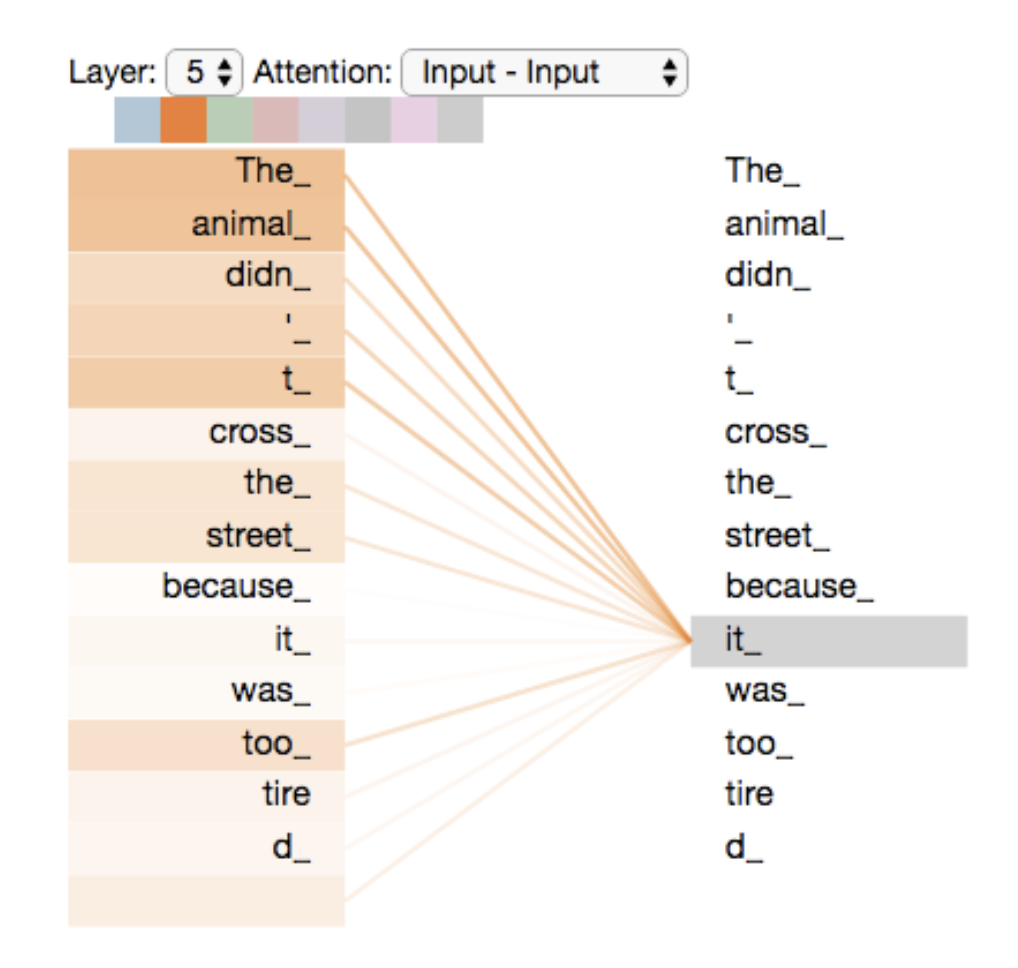
Self-Attention
Self-Attention
https://jalammar.github.io/illustrated-transformer/
”The animal didn't cross the street because it was too tired”
For each word, what is the relationship between me and other words?
Mechanism Design: Q, K, V
Mechanism Design: Q, K, V
Each token acts like a “questioner,” using its own Query to “ask” the Keys of other tokens, and then obtains a weighted combination of their Values — which becomes the final attention output.
📌 Query (Q)
Represents the type of information the token at the current position is seeking.
For example, if the current token is “ate,” it might want to know: “Who did the eating?”
📌 Key (K)
Represents the “tag” or “description” of the information each token provides.
For instance, the token “He” might have a key representing “subject-type pronoun,” so it will be matched accordingly.
📌 Value (V)
Is the actual content or information provided by each token, and will be selected as part of the final output.
The token “He” might provide the actual semantic content like “male third-person singular subject” — this is the Value.
Q and K determine who you pay attention to, but you ultimately receive is the information provided by those you pay attention to — that is, the Values (V).
Mechanism Design: Q, K, V
Mechanism Design: Q, K, V
Let be a sequence of words in vocabulary 𝑉, like Zuko made his uncle tea.
For each , let , where is an embedding matrix.
Transform each word embedding with weight matrices , each in
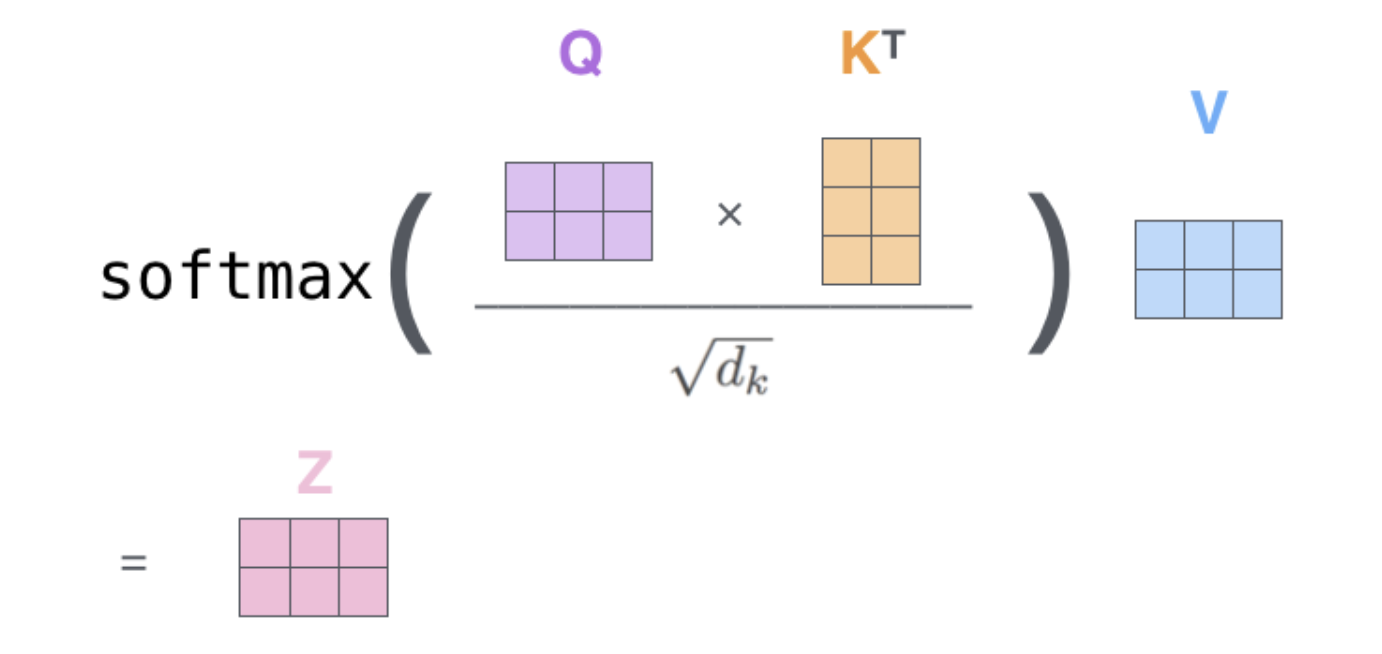
Compute pairwise similarities between keys and queries; normalize with softmax
Compute output for each word as weighted sum of values
Implementation
Implementation
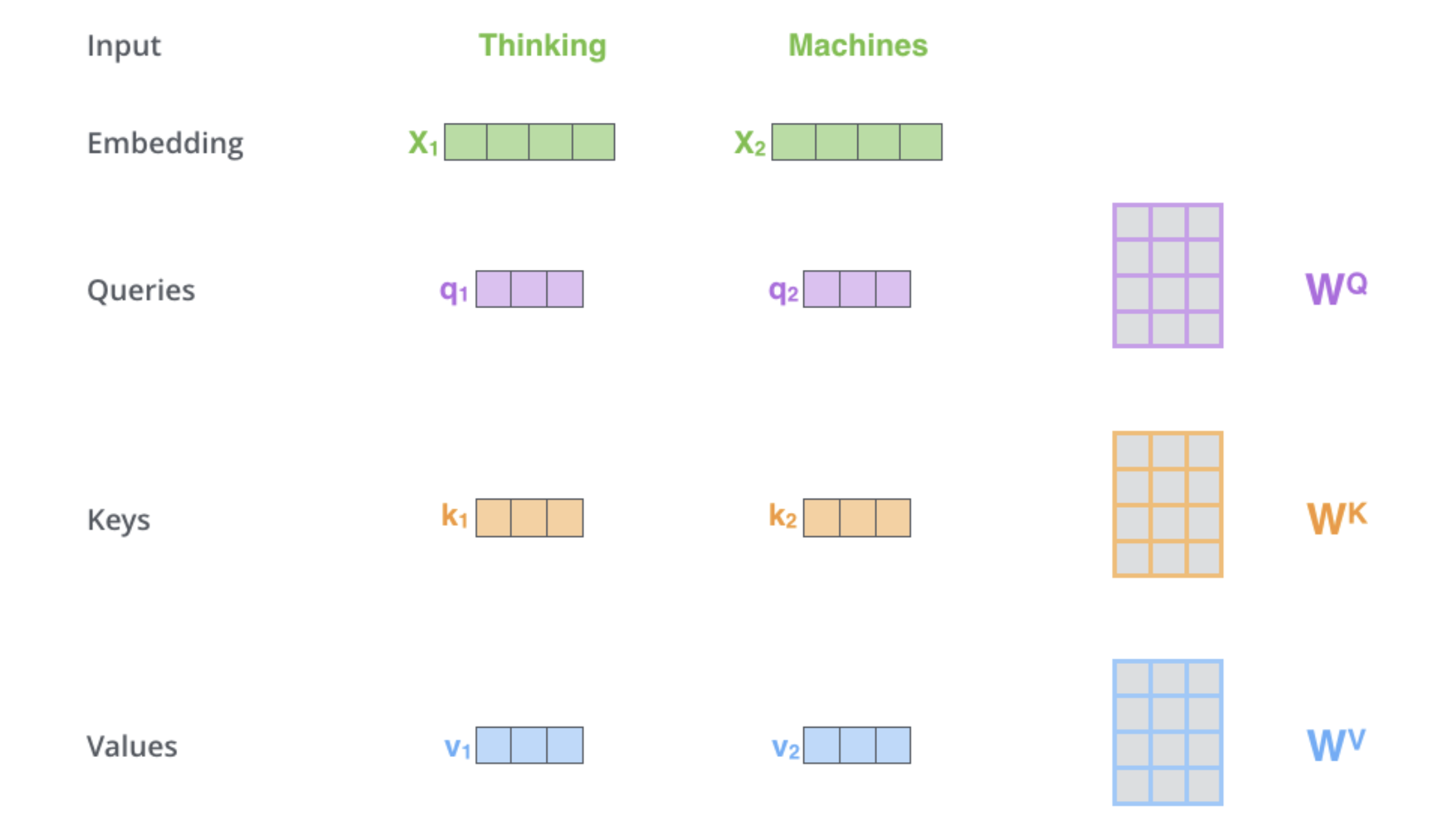
https://jalammar.github.io/illustrated-transformer/
Implementation
Implementation
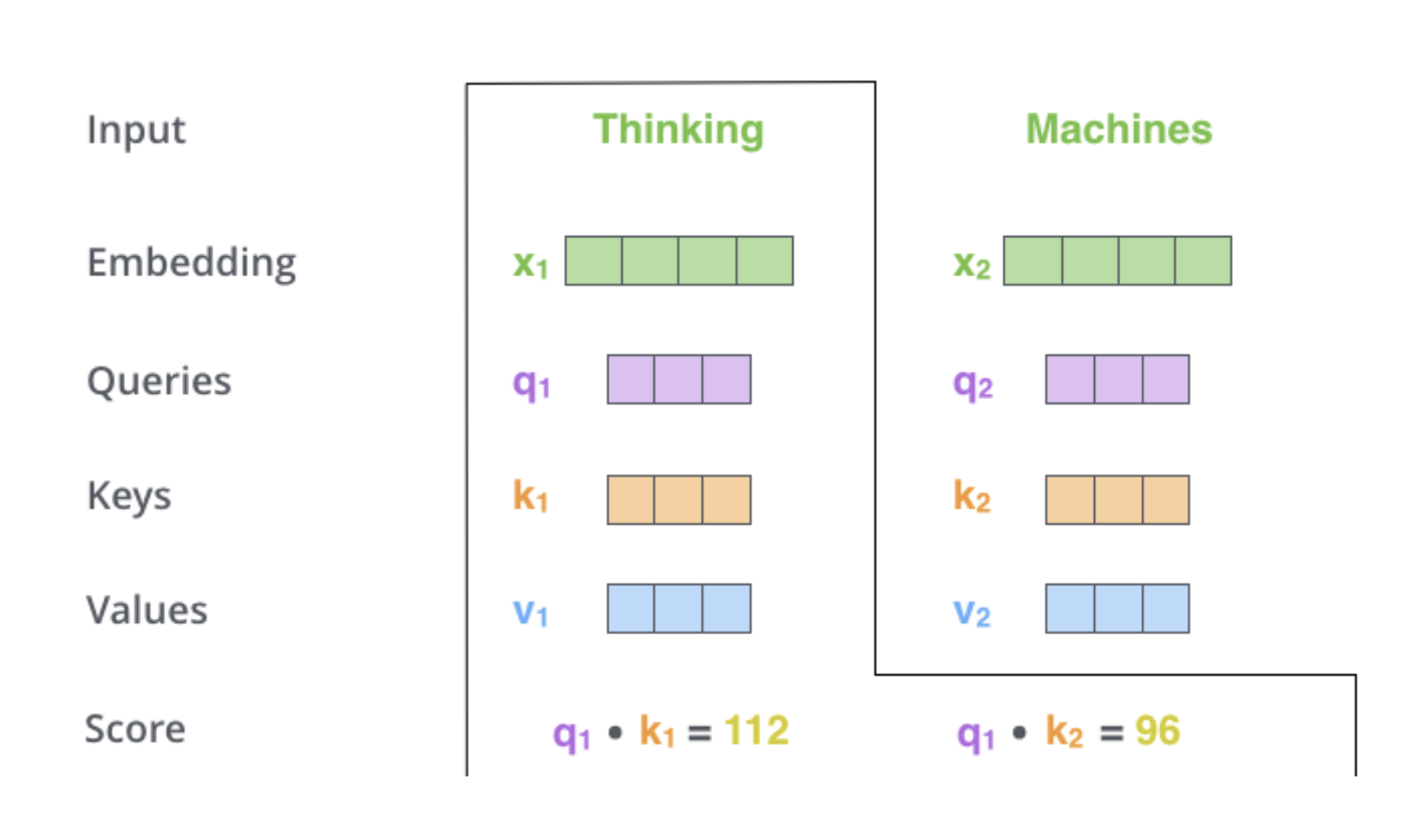
https://jalammar.github.io/illustrated-transformer/
Implementation
Implementation
https://jalammar.github.io/illustrated-transformer/
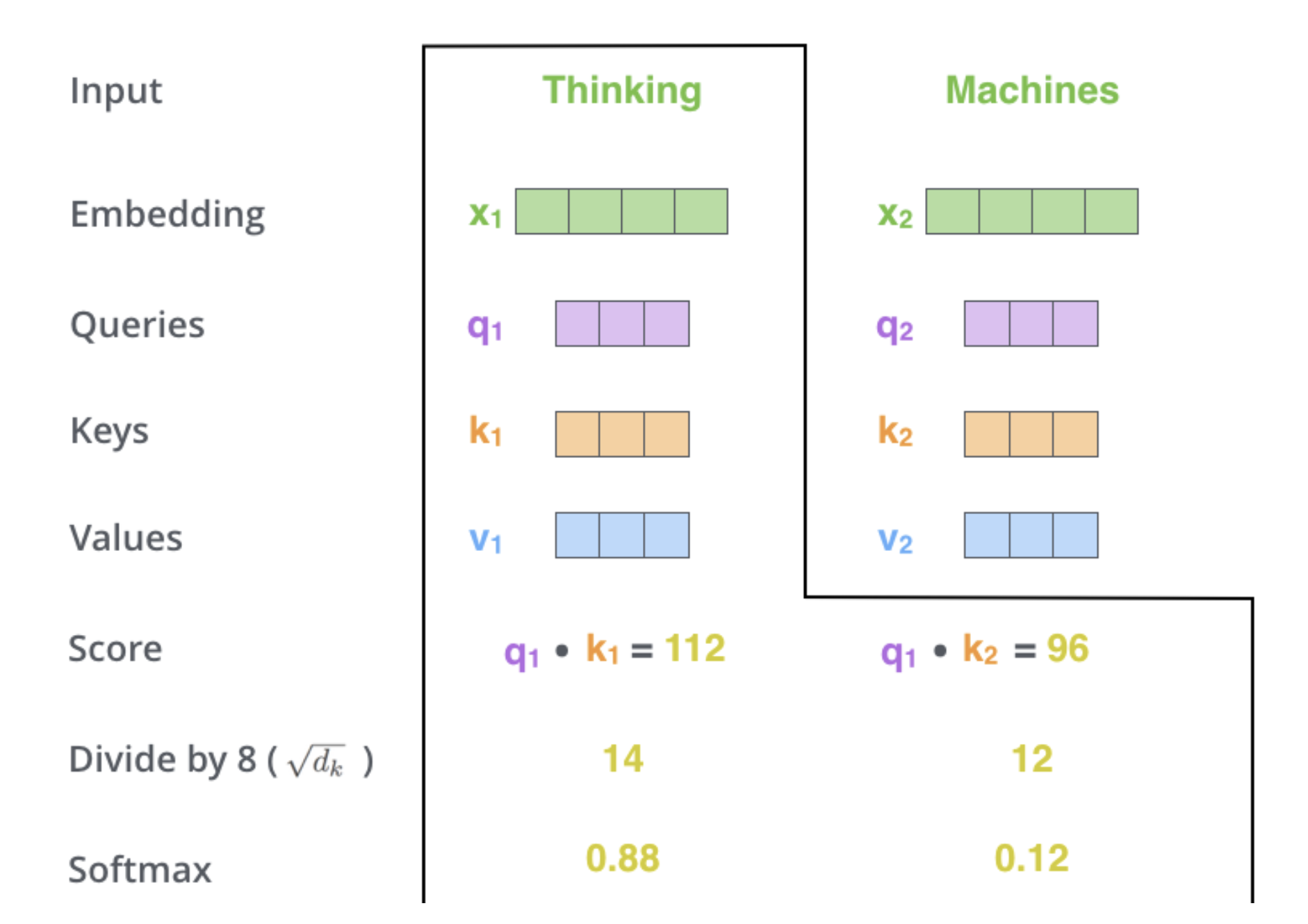
Implementation
Implementation
https://jalammar.github.io/illustrated-transformer/
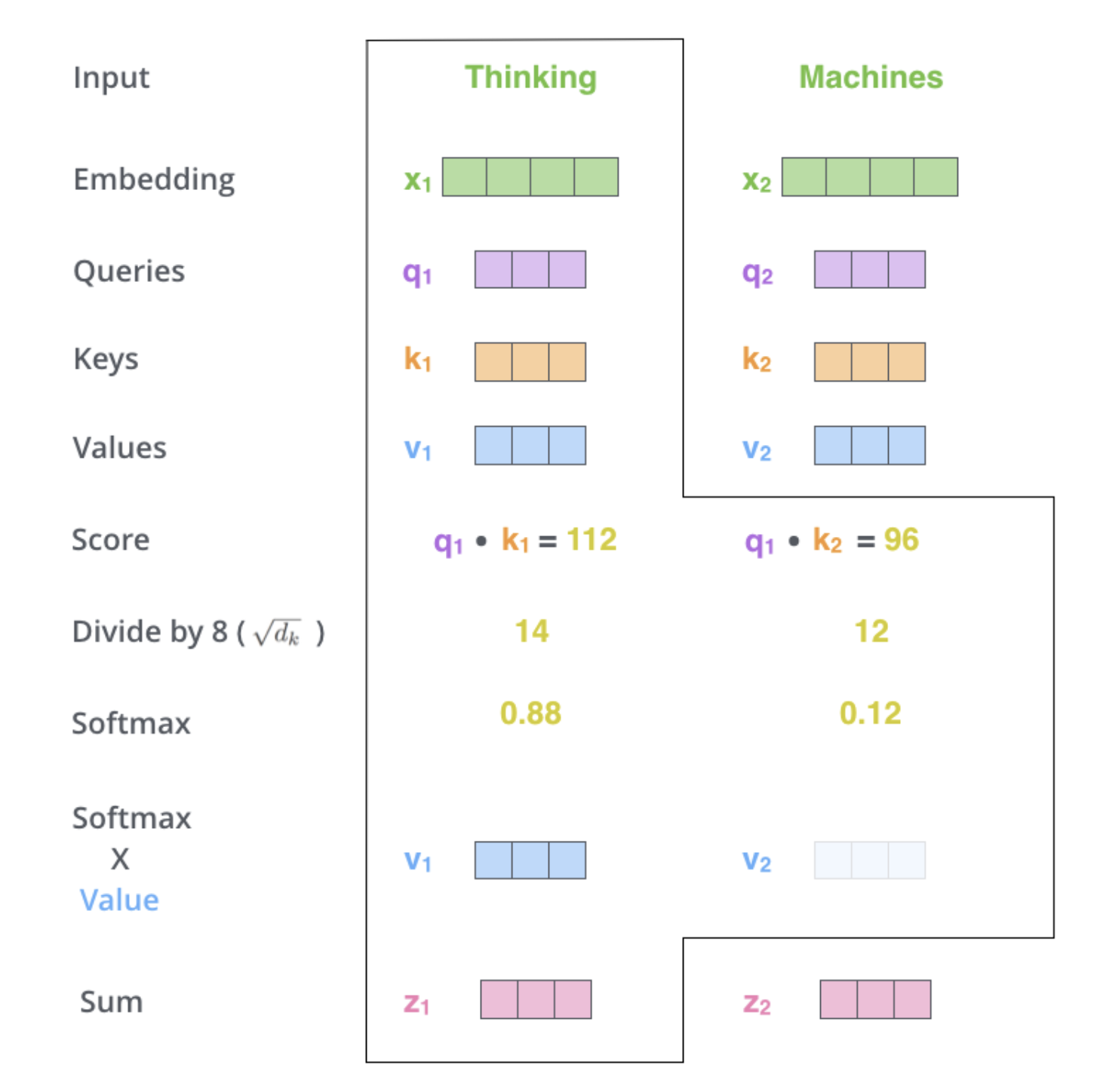
Matrix Calculation
Matrix Calculation
https://jalammar.github.io/illustrated-transformer/
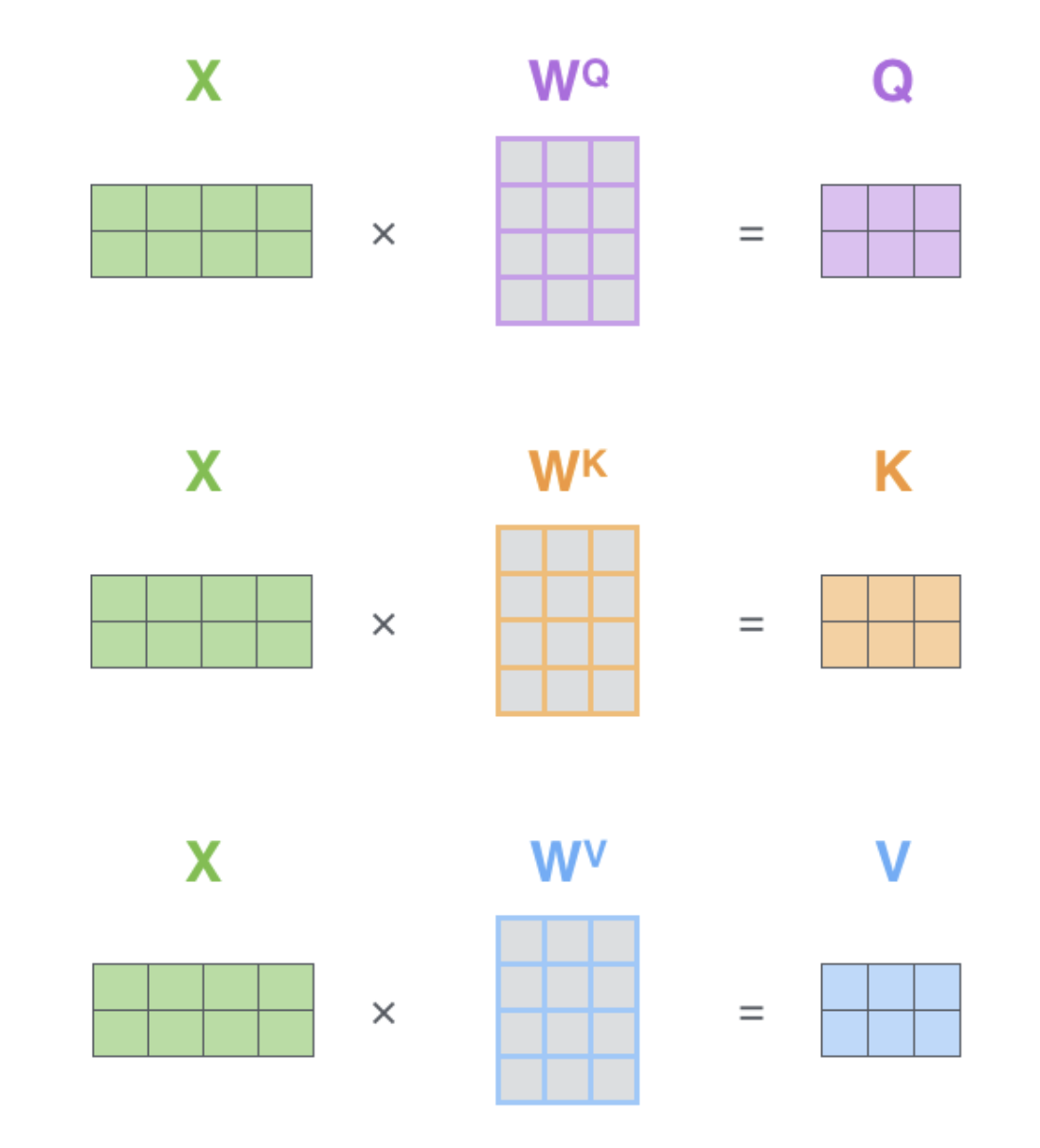
Matrix Calculation
Matrix Calculation
https://jalammar.github.io/illustrated-transformer/
Multi-Head
Multi-Head
https://jalammar.github.io/illustrated-transformer/
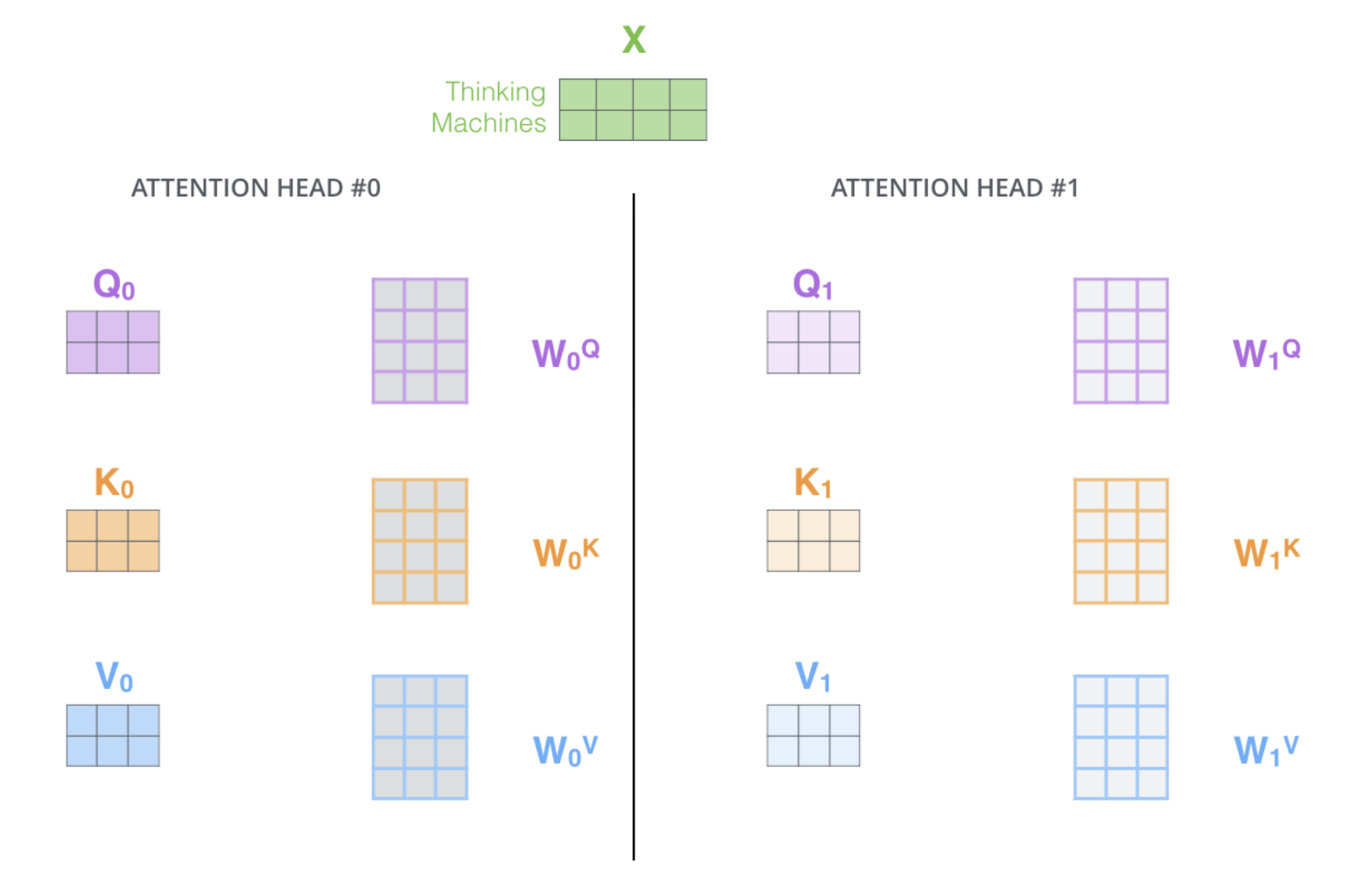
Multi-Head
Multi-Head
https://jalammar.github.io/illustrated-transformer/
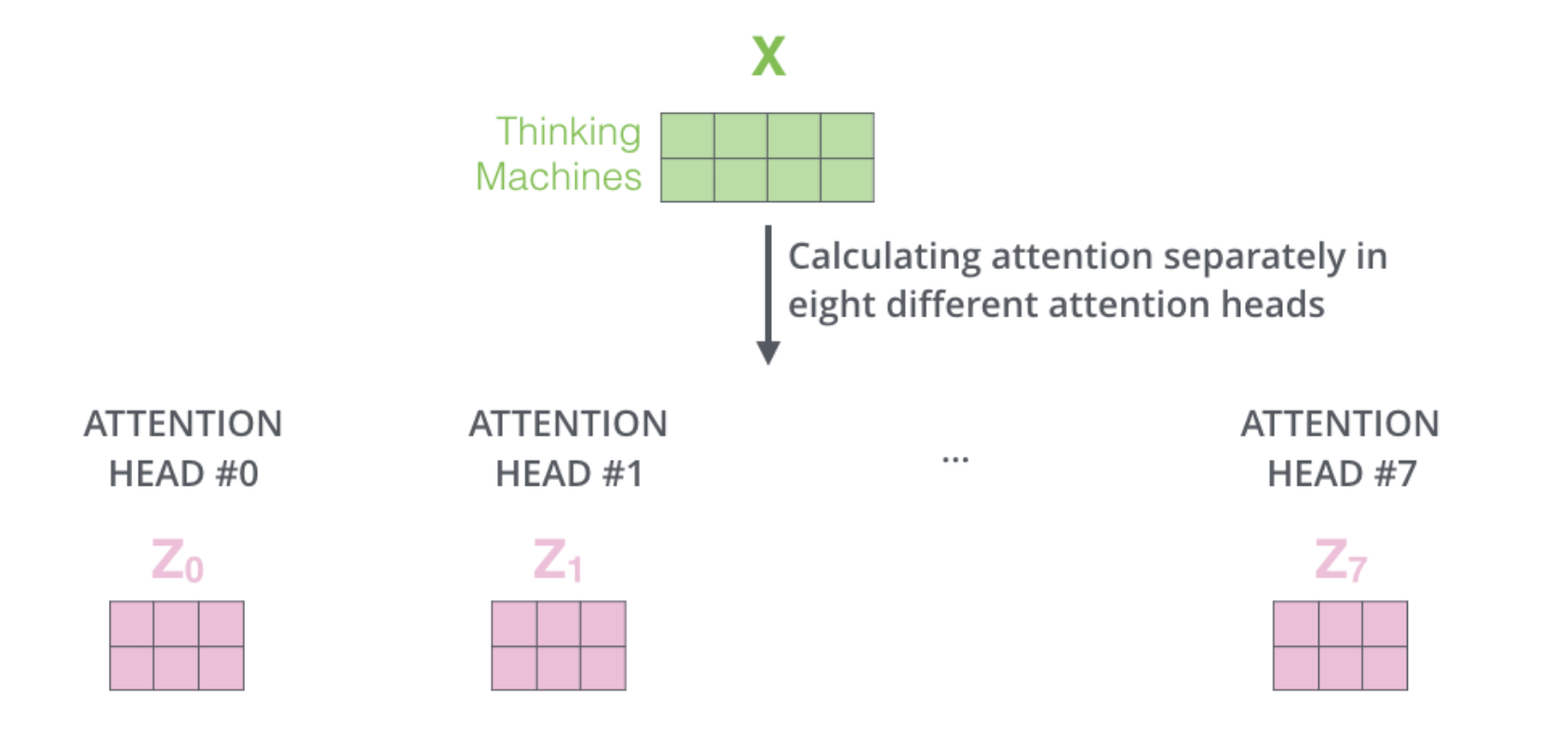
Multi-Head
Multi-Head
https://jalammar.github.io/illustrated-transformer/
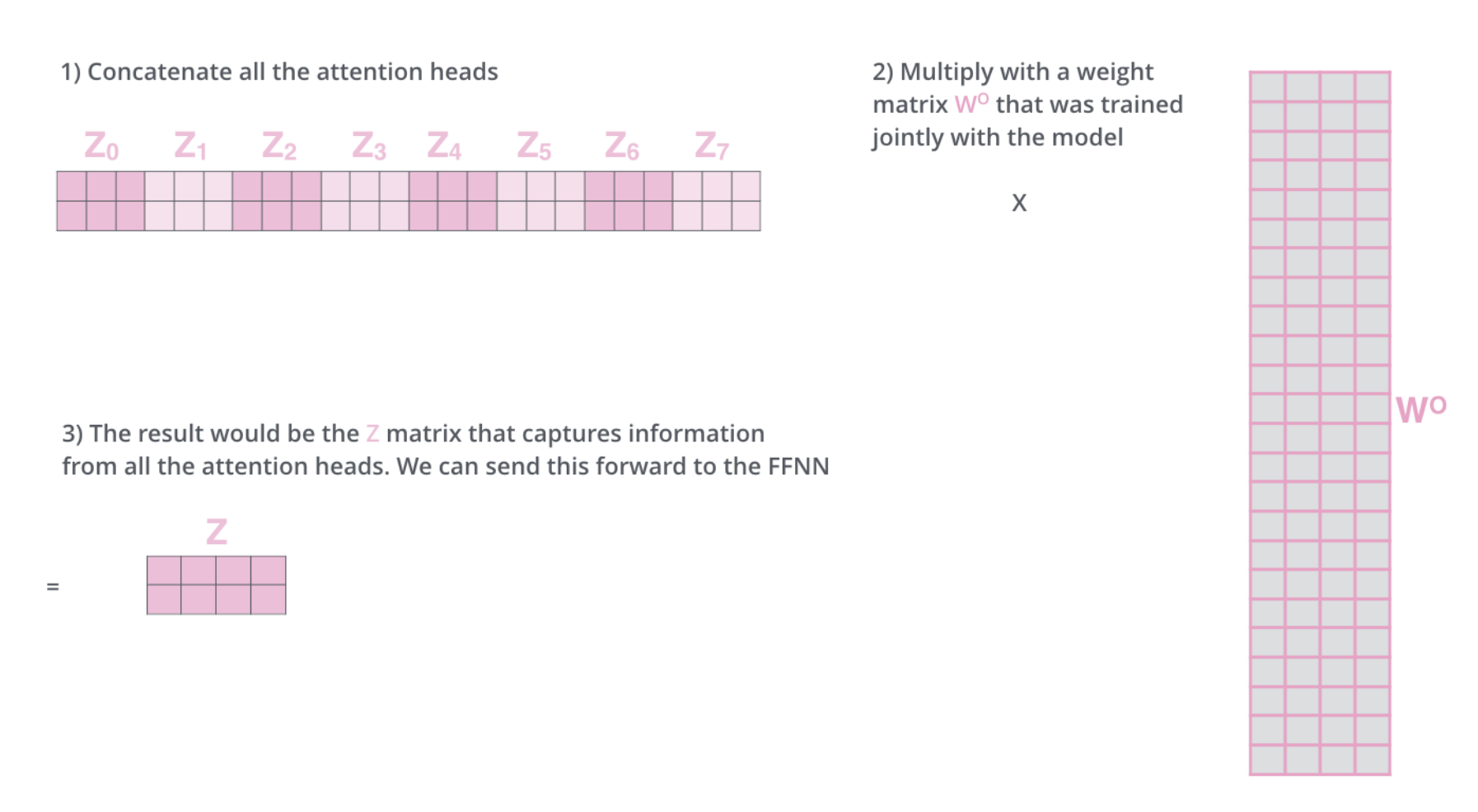
Multi-Head
Multi-Head
https://jalammar.github.io/illustrated-transformer/
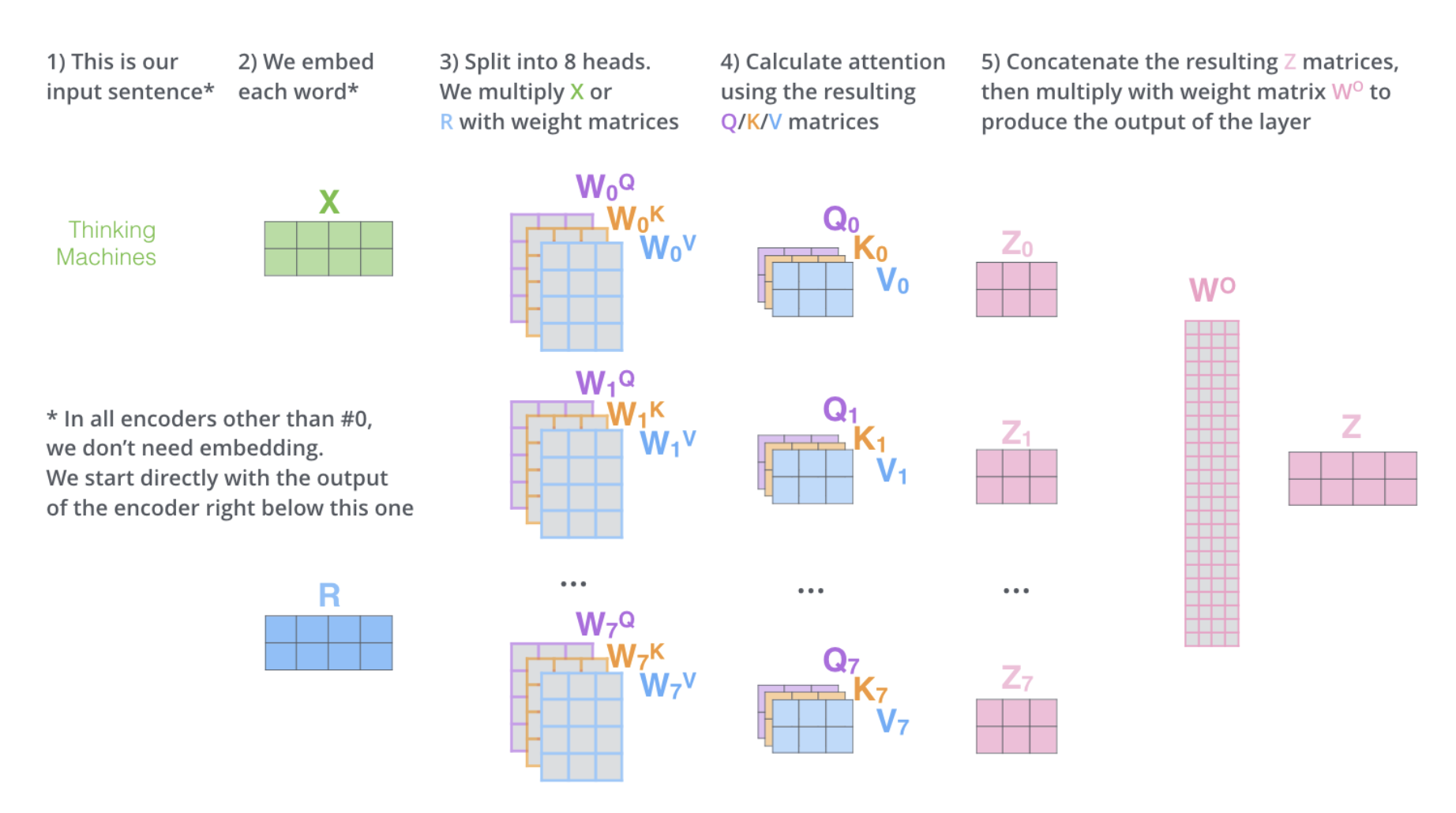
Multi-Head
Multi-Head
https://jalammar.github.io/illustrated-transformer/
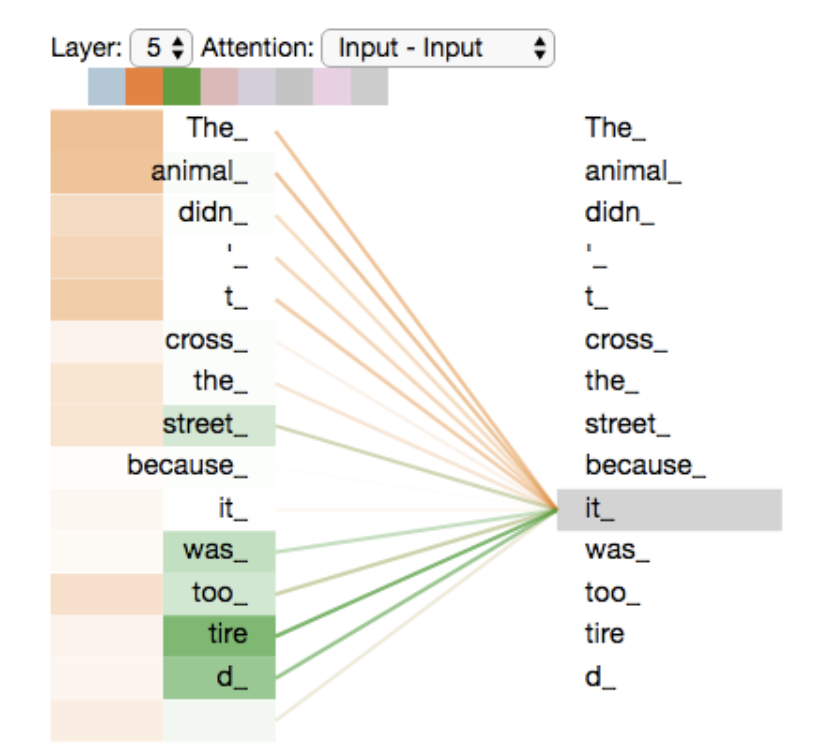
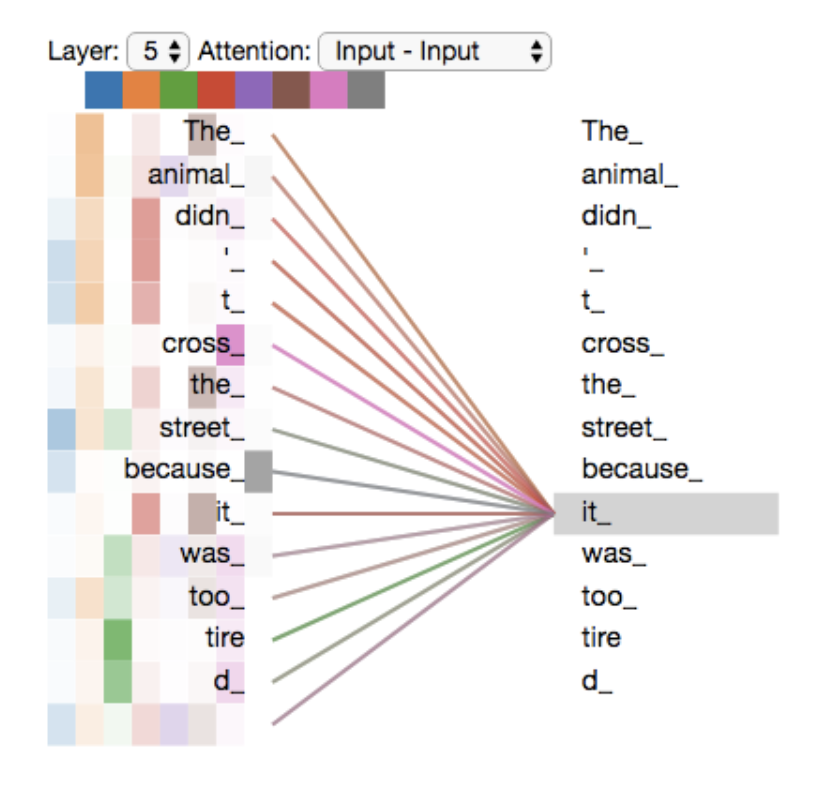
2.2 Transformer 2.2.6 Feed-Forward Networks
2.2 Transformer 2.2.6 Feed-Forward Networks
Feed-Forward
Feed-Forward
https://jalammar.github.io/illustrated-transformer/
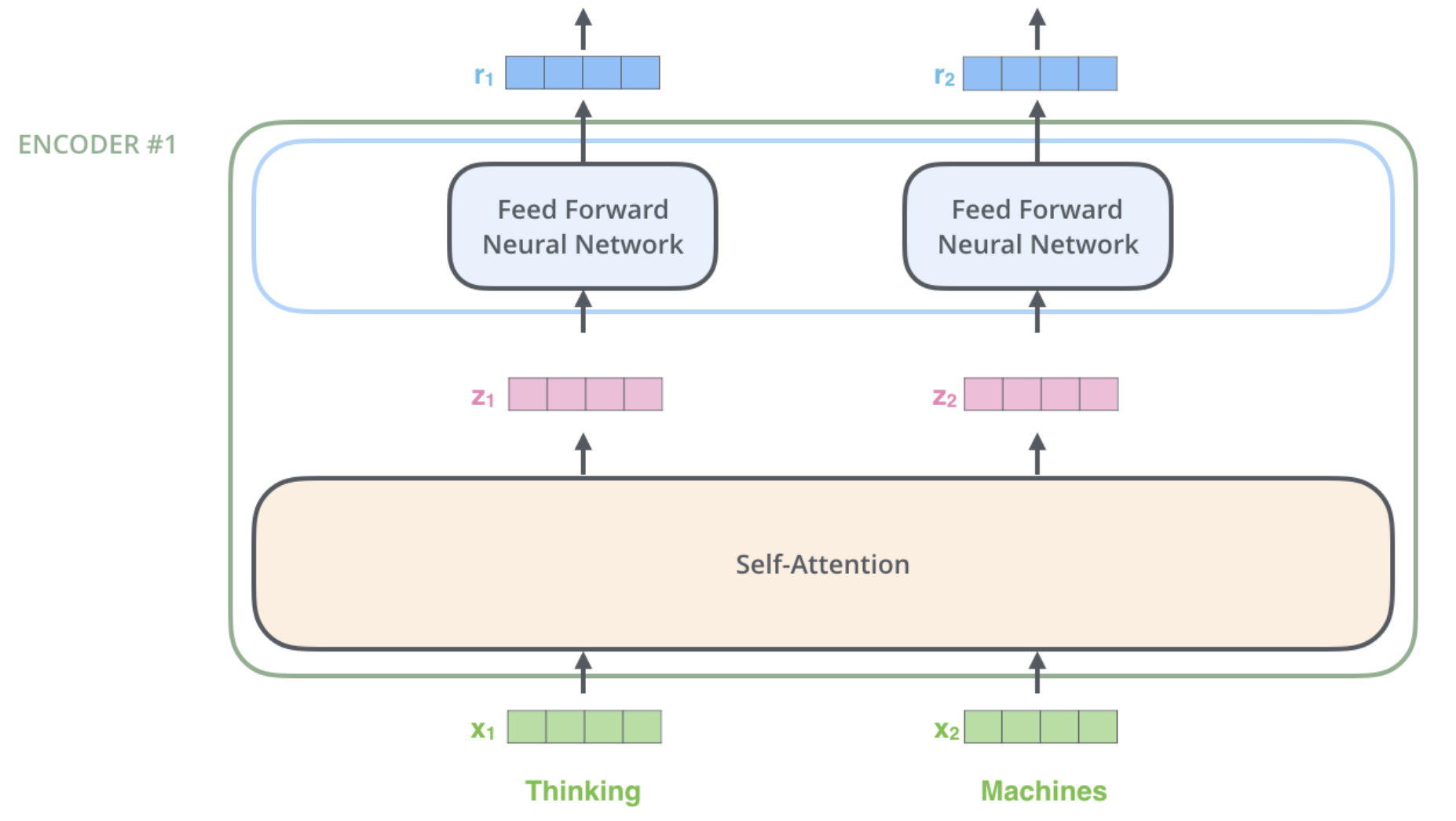
Feed-Forward
Feed-Forward
Attention decides “who is important”, while Feedforward decides “how to interpret this information.”
Expanding dimensions gives the model more room for transformation
Reducing dimensions back to the original size for residual connection
2.2 Transformer 2.2.7 Positional Encoding
2.2 Transformer 2.2.7 Positional Encoding
From hidden Order Info to Position Feature
From hidden Order Info to Position Feature
https://jalammar.github.io/illustrated-transformer/
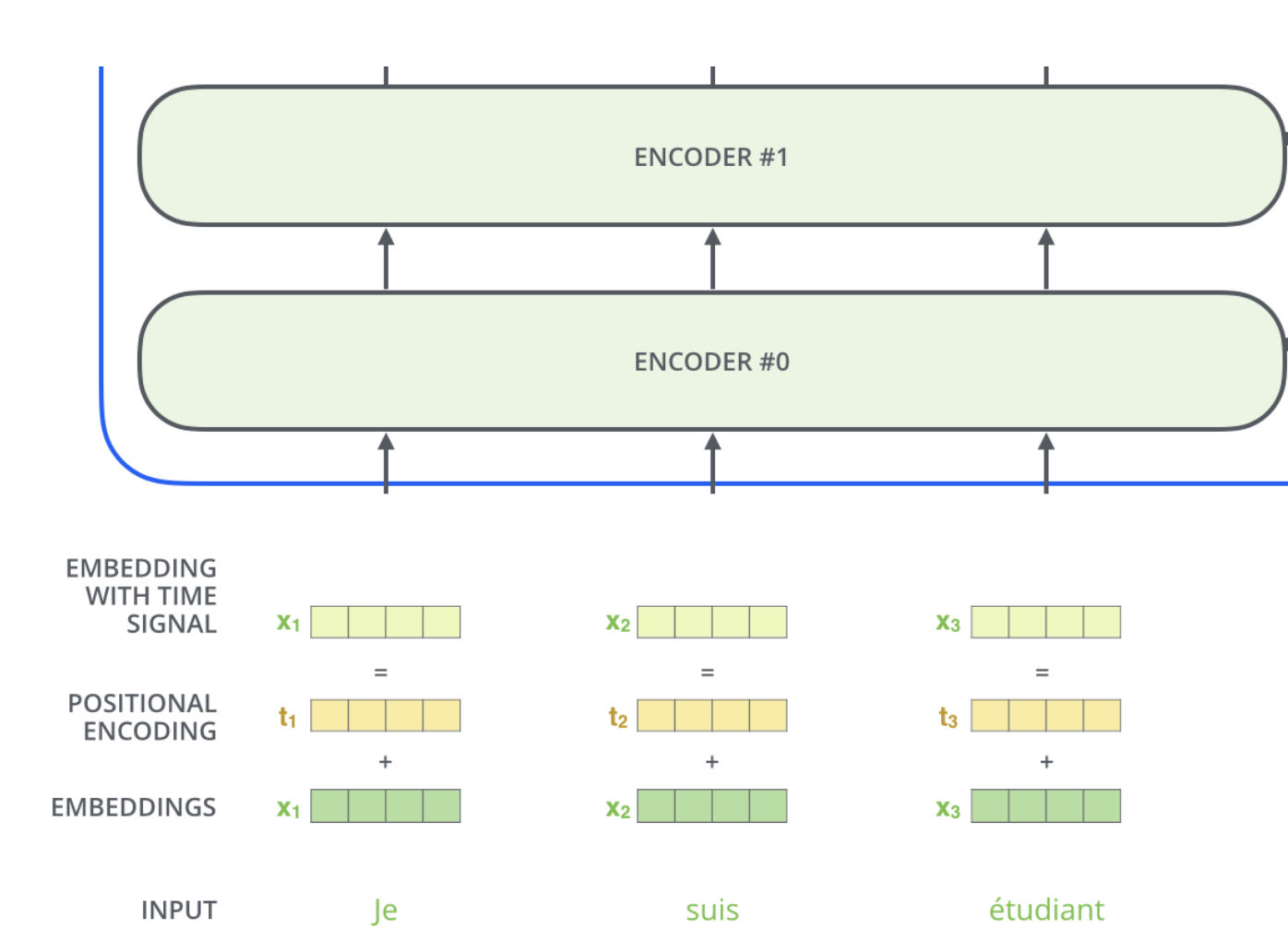
The Embedding of Position
The Embedding of Position
https://jalammar.github.io/illustrated-transformer/
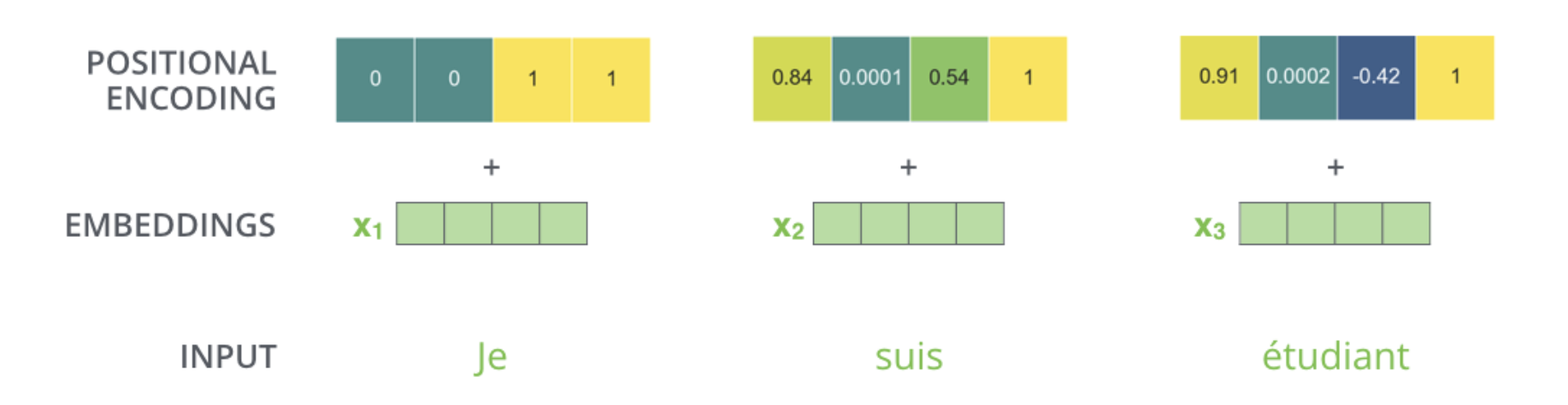
Consider representing each sequence index as a vector:
, for
Easy to incorporate into our self-attention block: just add the to our inputs!
Recall that is the embedding of the word at index . The positioned embedding is:
The Embedding of Position
The Embedding of Position
https://machinelearningmastery.com/a-gentle-introduction-to-positional-encoding-in-transformer-models-part-1/
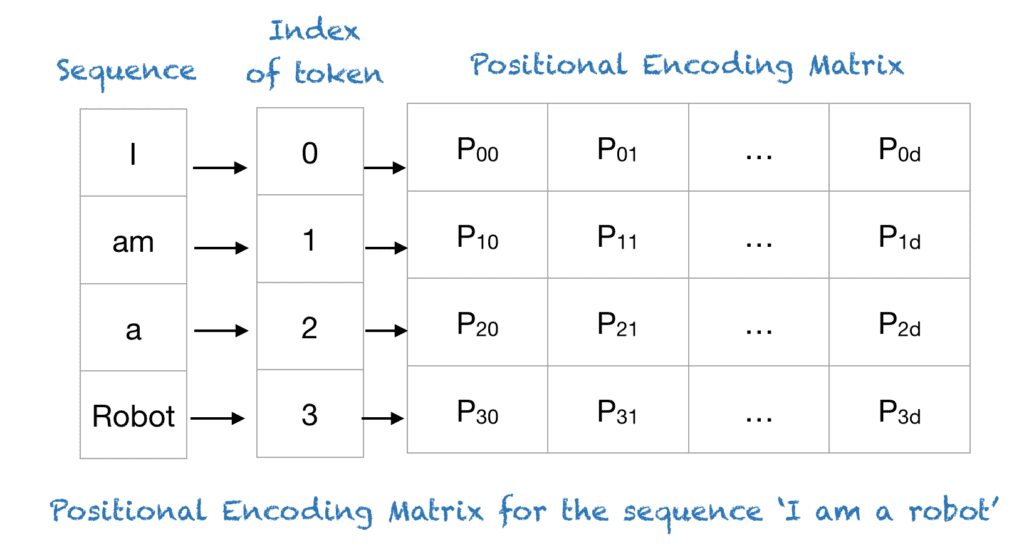
Sinusoidal Position Representations
Sinusoidal Position Representations
https://machinelearningmastery.com/a-gentle-introduction-to-positional-encoding-in-transformer-models-part-1/
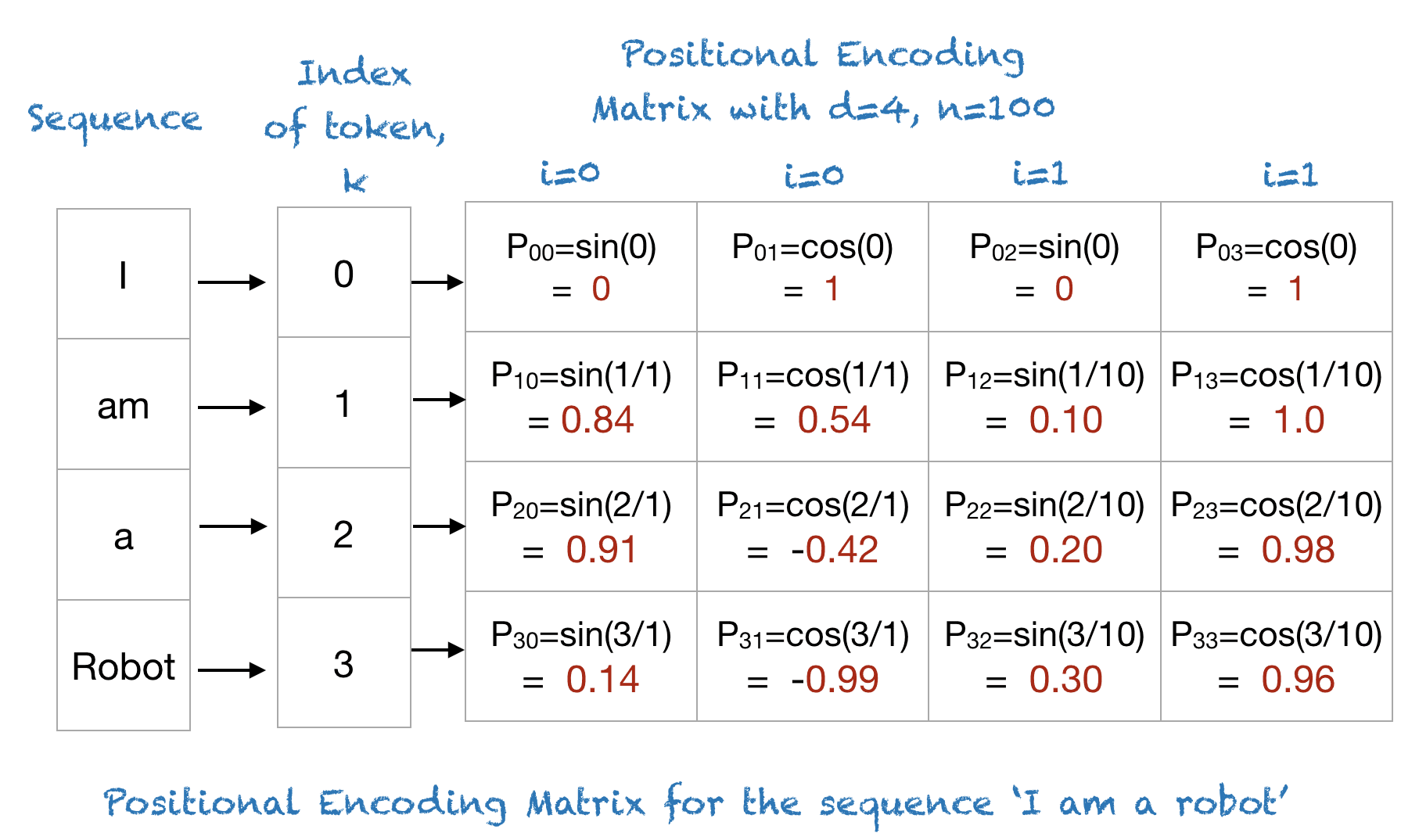
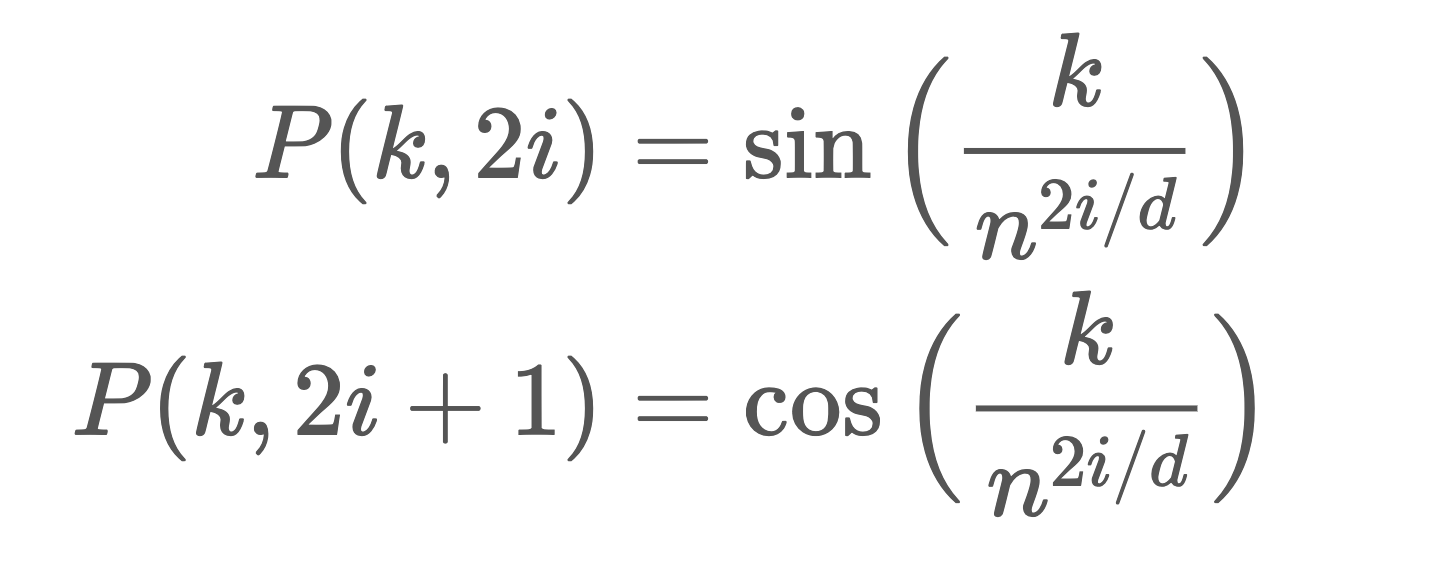
Why this Form?
Why this Form?
https://machinelearningmastery.com/a-gentle-introduction-to-positional-encoding-in-transformer-models-part-1/
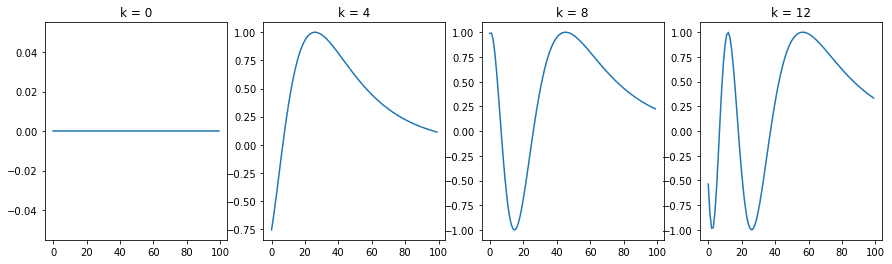
Visualization
Visualization
https://machinelearningmastery.com/a-gentle-introduction-to-positional-encoding-in-transformer-models-part-1/
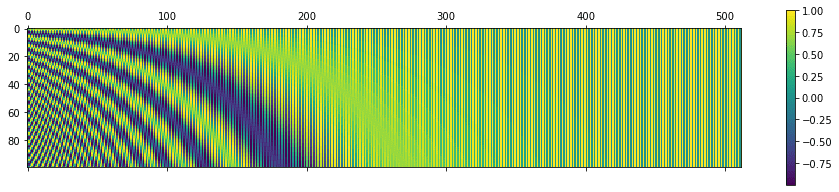
The positional encoding matrix for n=10,000, d=512, sequence length=100
2.2 Transformer 2.2.8 Masking the Future
2.2 Transformer 2.2.8 Masking the Future
Decoder: Mask the Future
Decoder: Mask the Future
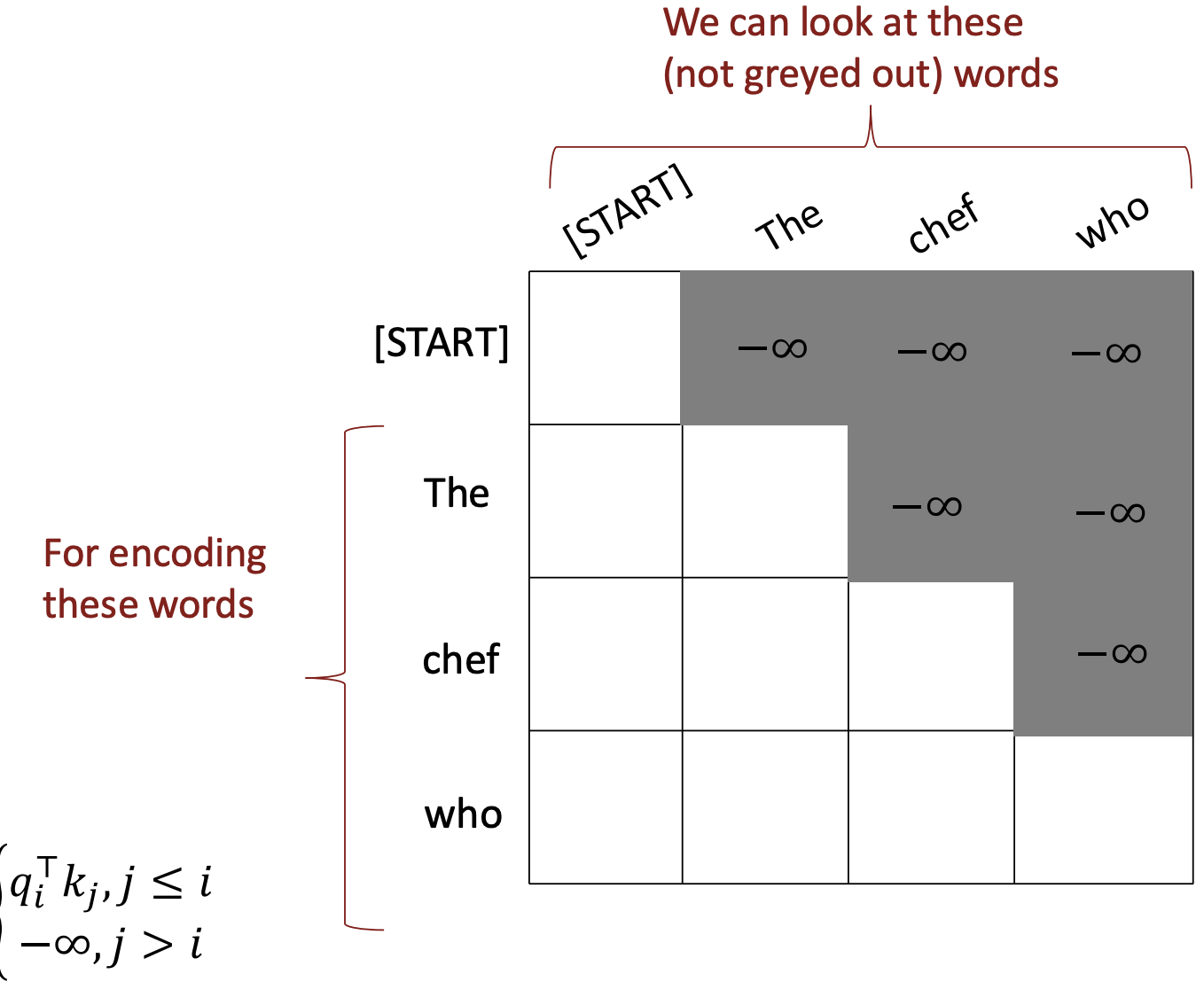
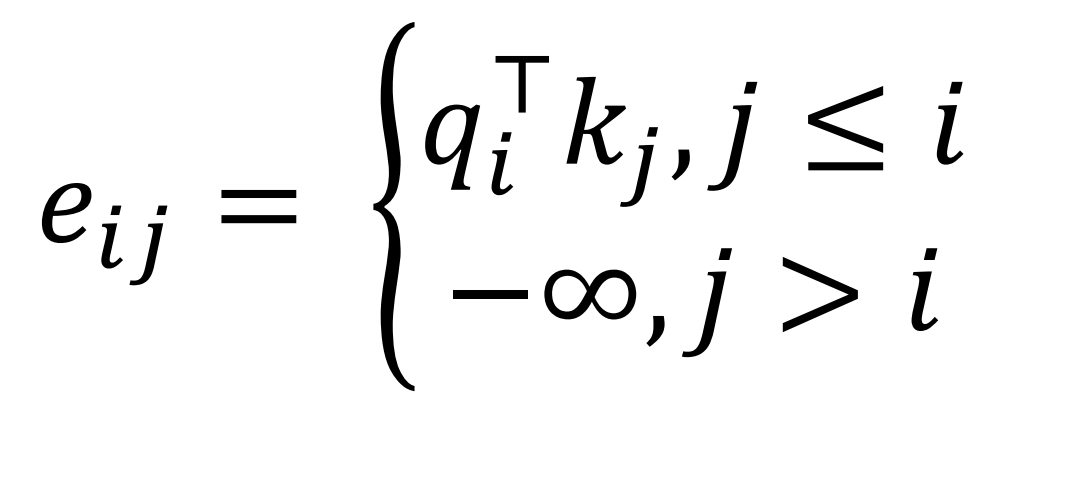
When applying self-attention in decoder, we must ensure we cannot depend on future.
2.2 Transformer 2.2.9 Training Stability
2.2 Transformer 2.2.9 Training Stability
Residual and Normalization
Residual and Normalization
https://jalammar.github.io/illustrated-transformer/
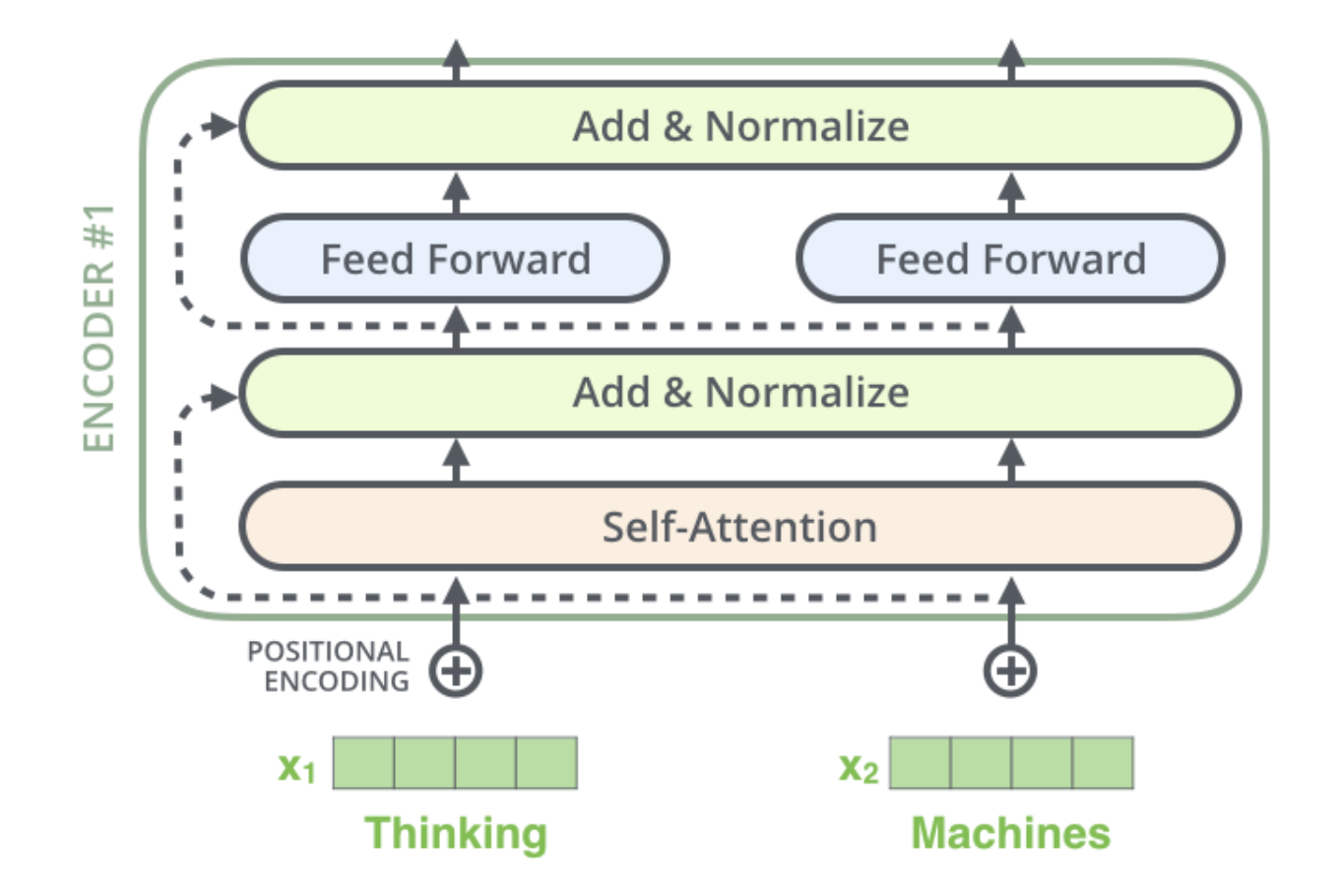
Residual and Normalization
Residual and Normalization
https://jalammar.github.io/illustrated-transformer/
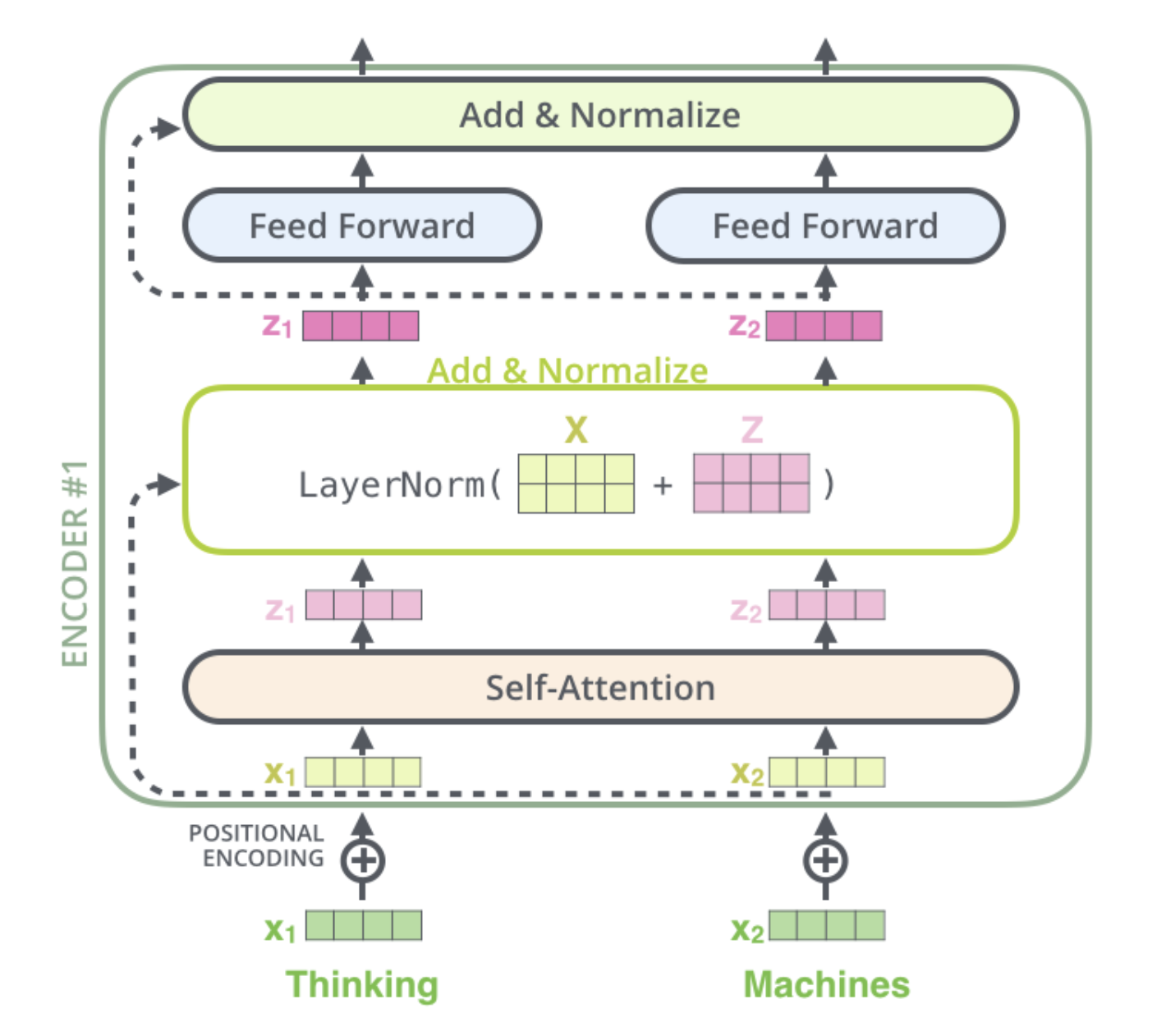

2.2 Transformer 2.2.10 Transformer Block Summary
2.2 Transformer 2.2.10 Transformer Block Summary
Building Blocks
Building Blocks
https://web.stanford.edu/class/cs224n/slides_w25/cs224n-2025-lecture08-transformers.pdf
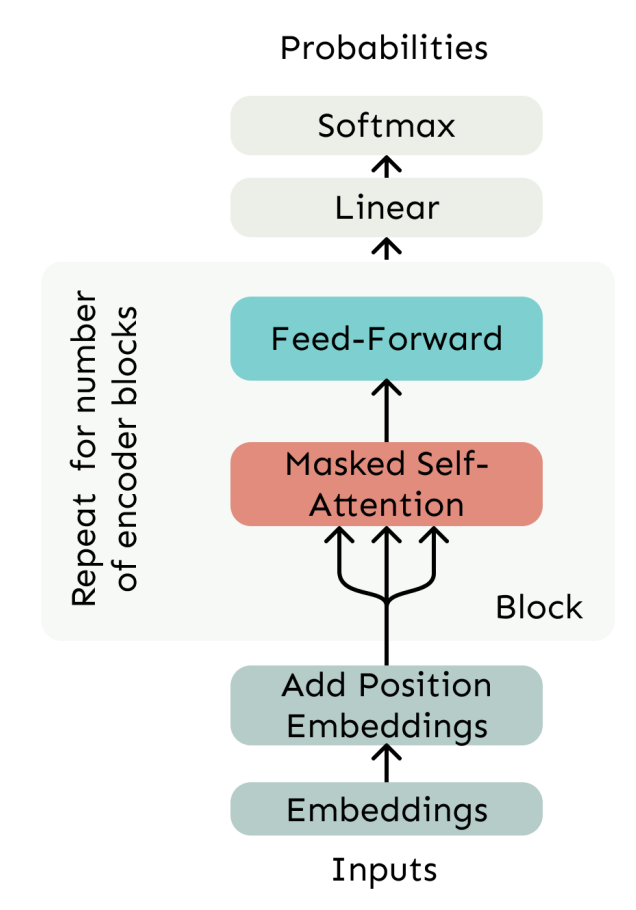
Self-attention:
the basis of the method.
Position representations:
Specify the sequence order, since self-attention is an unordered function of its inputs.
Nonlinearities:
At the output of the self-attention block
Frequently implemented as a simple feedforward network.
Masking:
Parallelize operations while not looking at the future.
Keeps information about the future from “leaking” to the past.
2.2 Transformer 2.2.11 Transformer Architecture
2.2 Transformer 2.2.11 Transformer Architecture
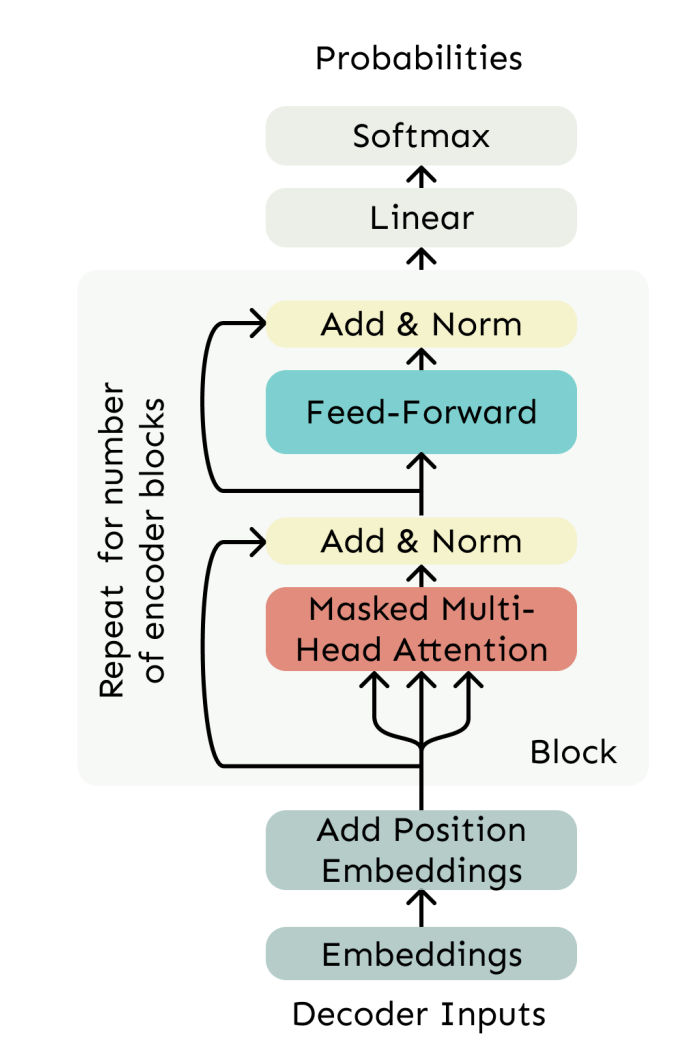
Encoder and Decoder
Encoder and Decoder
https://web.stanford.edu/class/cs224n/slides_w25/cs224n-2025-lecture08-transformers.pdf
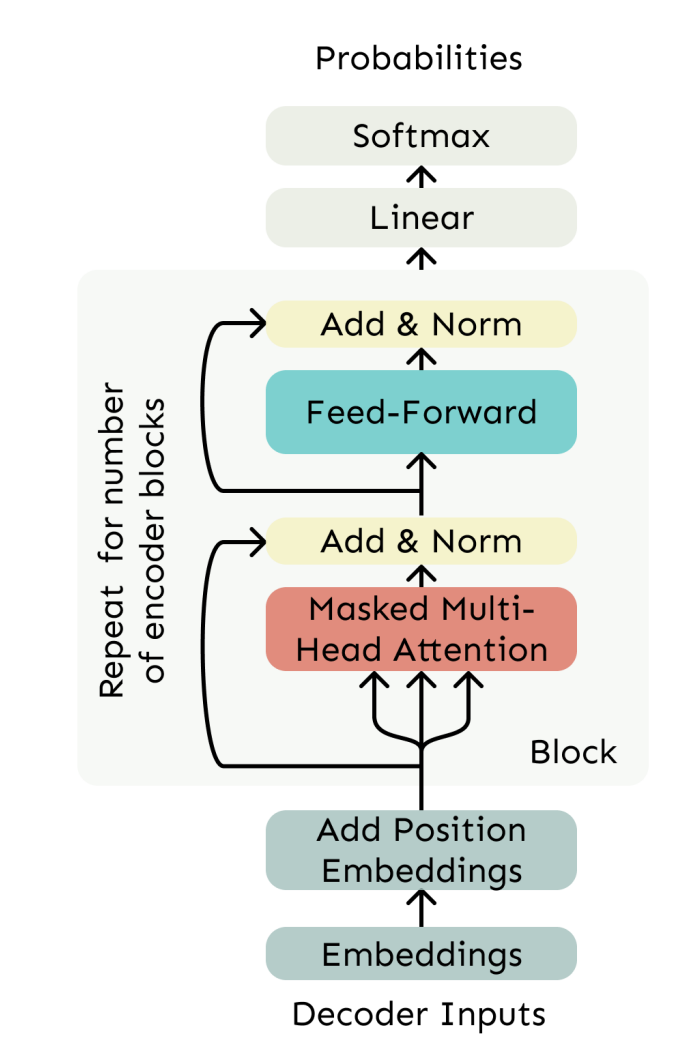
Encoder
Decoder
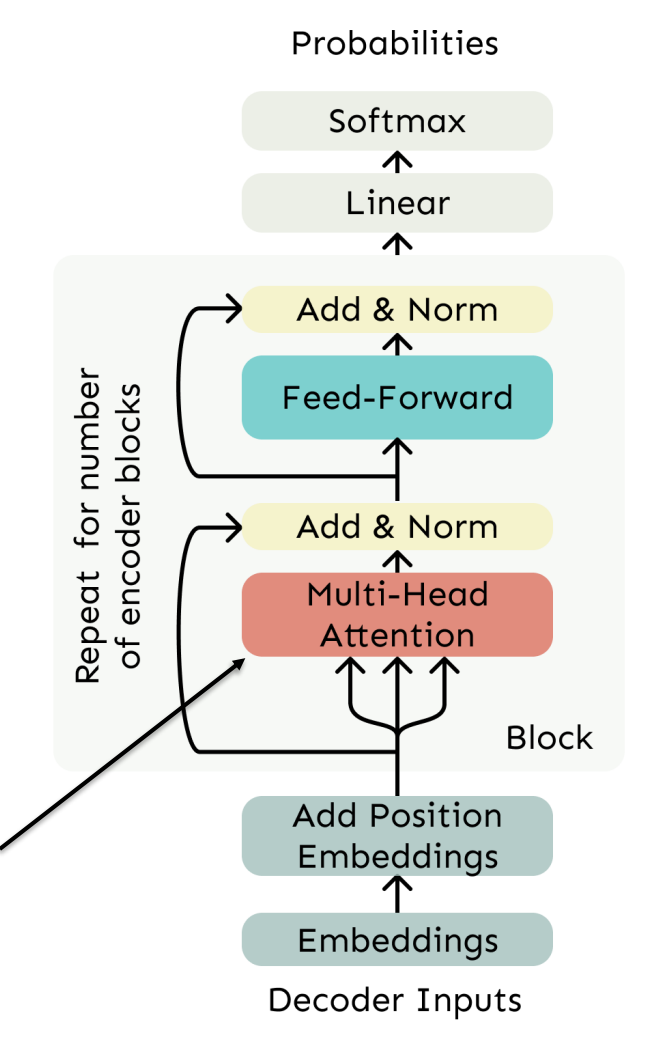
No Masking!
Encoder-Decoder
Encoder-Decoder
https://web.stanford.edu/class/cs224n/slides_w25/cs224n-2025-lecture08-transformers.pdf
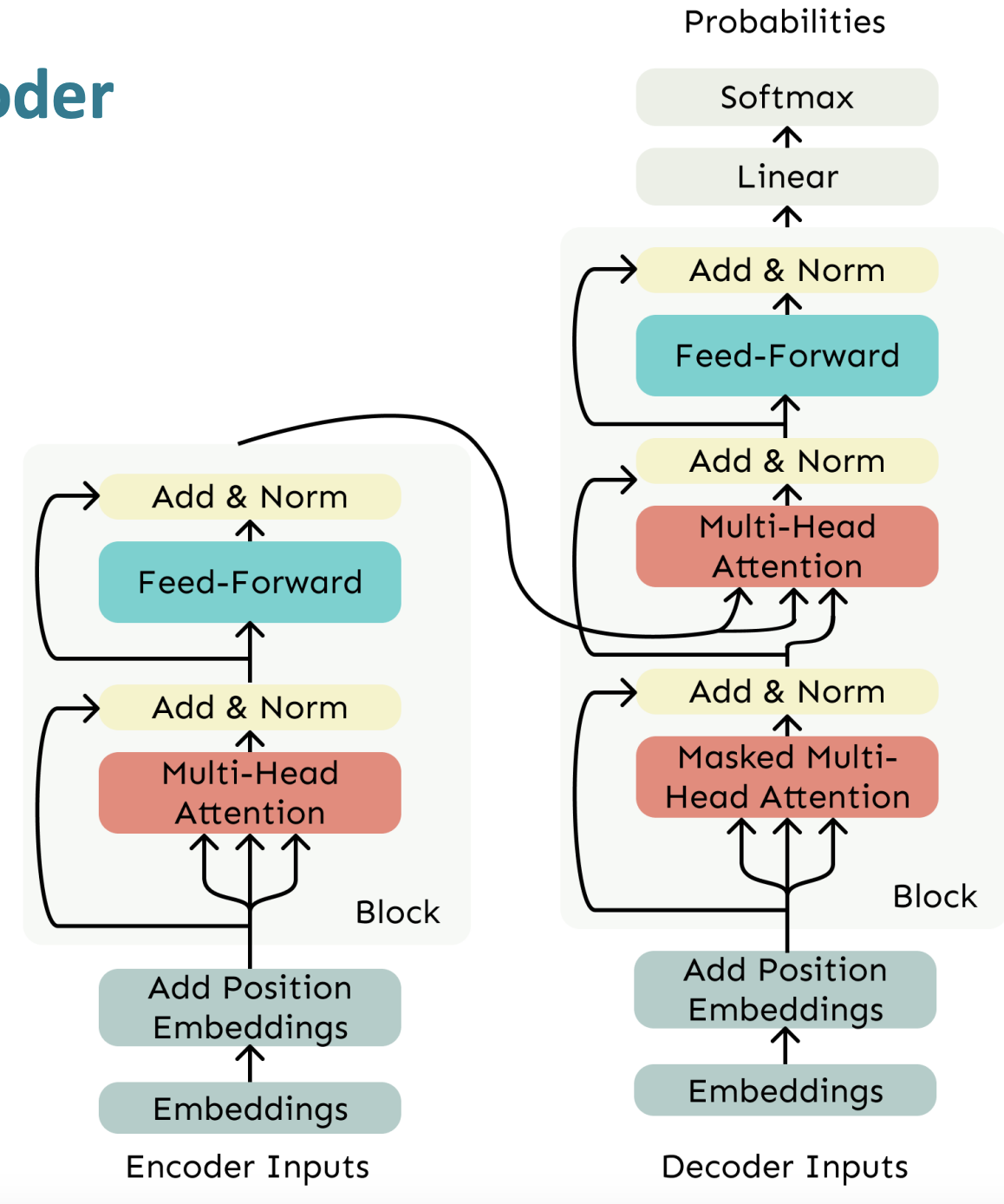
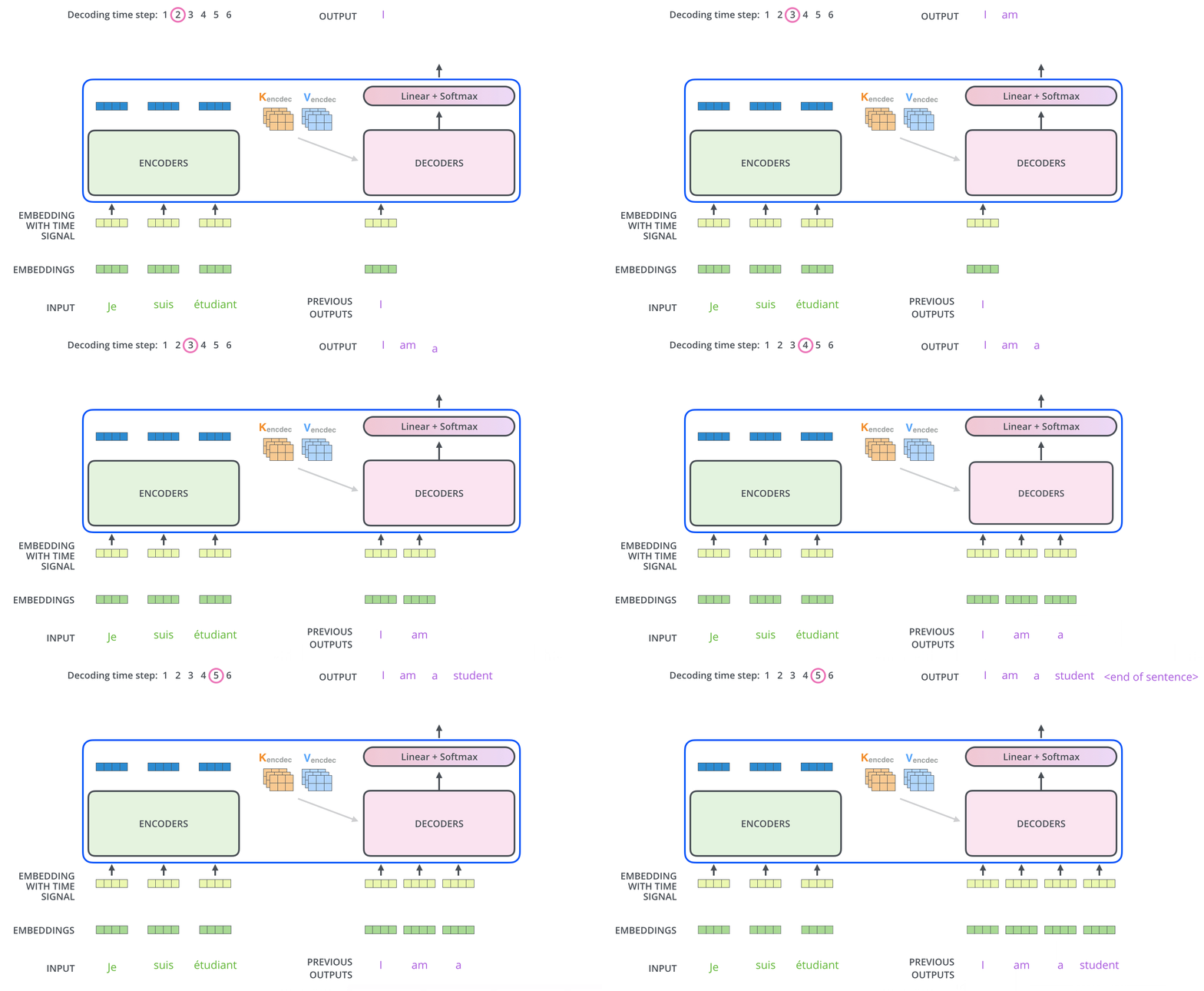
The embedding produced by Decoder should be conditional on the Encoder embedding
The Cross Attention:
Encoder Embedding K, V;
Decoder Embedding Q
Encoder-Decoder Illustration
Encoder-Decoder Illustration
https://jalammar.github.io/illustrated-transformer/
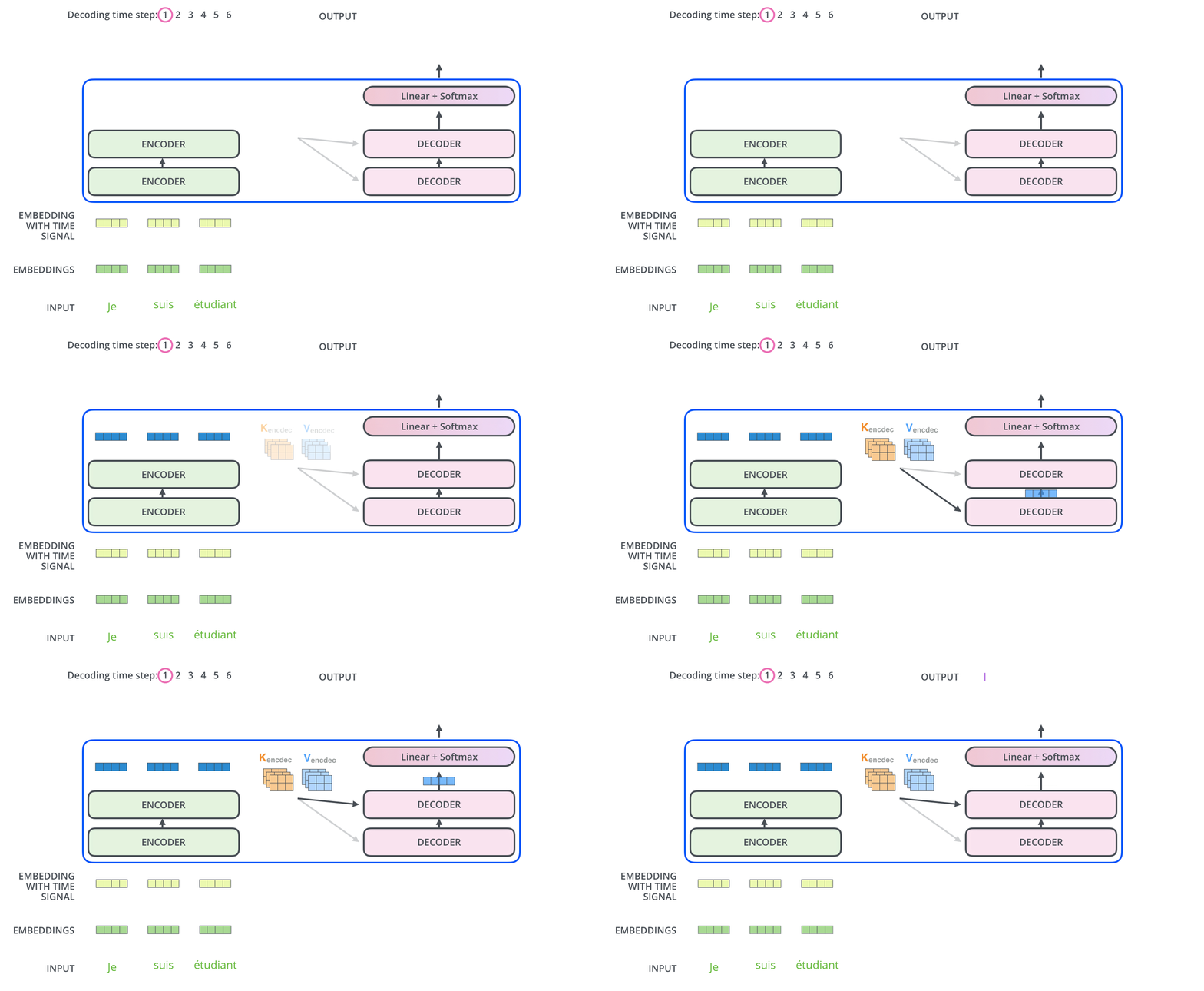
Encoder-Decoder Illustration
Encoder-Decoder Illustration
https://jalammar.github.io/illustrated-transformer/
2.2 Transformer 2.2.12 Position Representations
2.2 Transformer 2.2.12 Position Representations
Sinusoidal Position Representations
Sinusoidal Position Representations
Pros:
Periodicity indicates that maybe “absolute position” isn’t as important
Maybe can extrapolate to longer sequences as periods restart!
Cons:
Not learnable; also the extrapolation doesn’t really work!
Learnable Position Representations
Learnable Position Representations
Let all be learnable parameters! Learn a matrix , and let each be a column of that matrix!
Pros:
Flexibility: each position gets to be learned to fit the data
Cons:
Definitely can’t extrapolate to indices outside 1, … , 𝑛.
Widely used in many system;
From absolute position to relative position:
https://web.stanford.edu/class/cs224n/slides_w25/cs224n-2025-lecture08-transformers.pdf
RoPE –Rotary Position Embedding
RoPE –Rotary Position Embedding
Relative position should be some s.t.
That is, the attention function only gets to depend on the relative position .
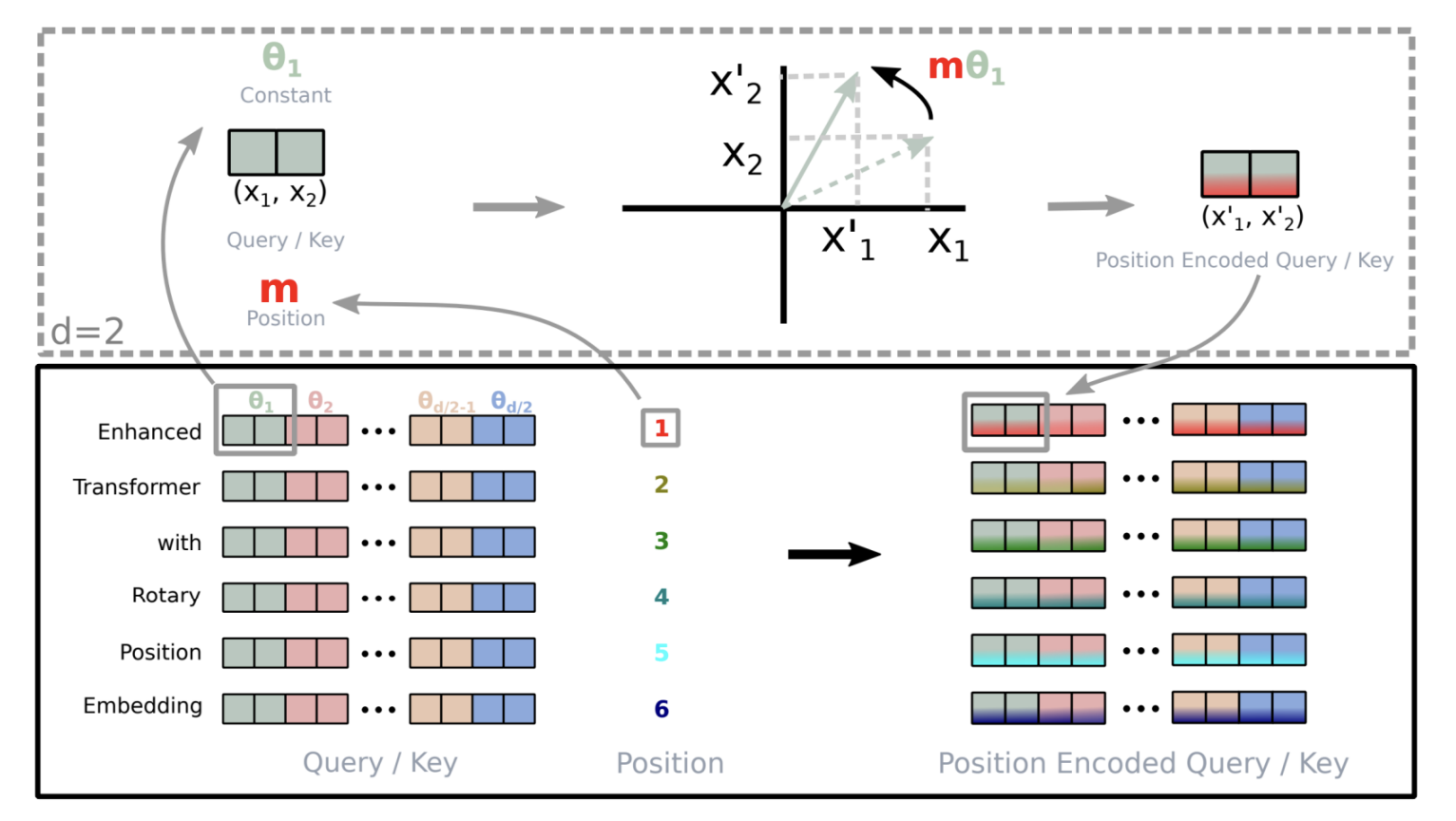
Relative position equivariance → Rotation
https://web.stanford.edu/class/cs224n/slides_w25/cs224n-2025-lecture08-transformers.pdf
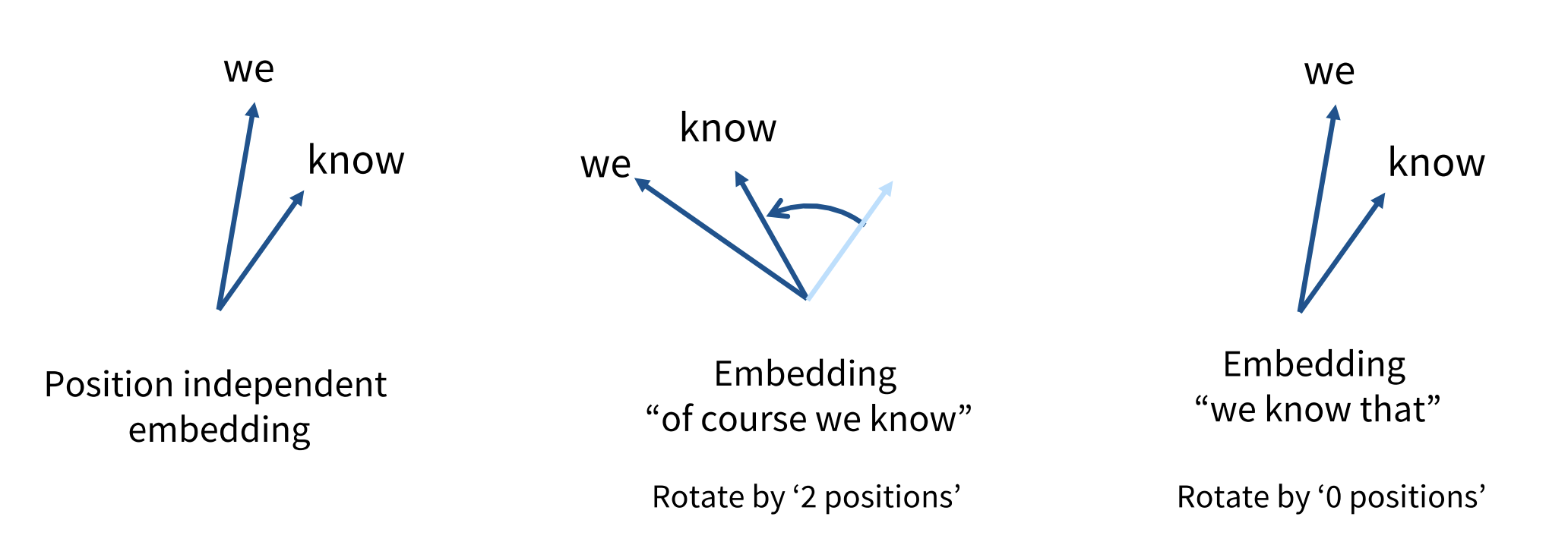
RoPE in High Dimension
RoPE in High Dimension
https://web.stanford.edu/class/cs224n/slides_w25/cs224n-2025-lecture08-transformers.pdf
2.2 Transformer 2.2.13 Context Length
2.2 Transformer 2.2.13 Context Length
Beyond Fixed-Length Context
Beyond Fixed-Length Context
The matrix computations in Transformer need Fixed-Length Context
Limited context hampers performance on long texts
Key use cases:
Long documents
Conversations
Streaming text
Agents
…
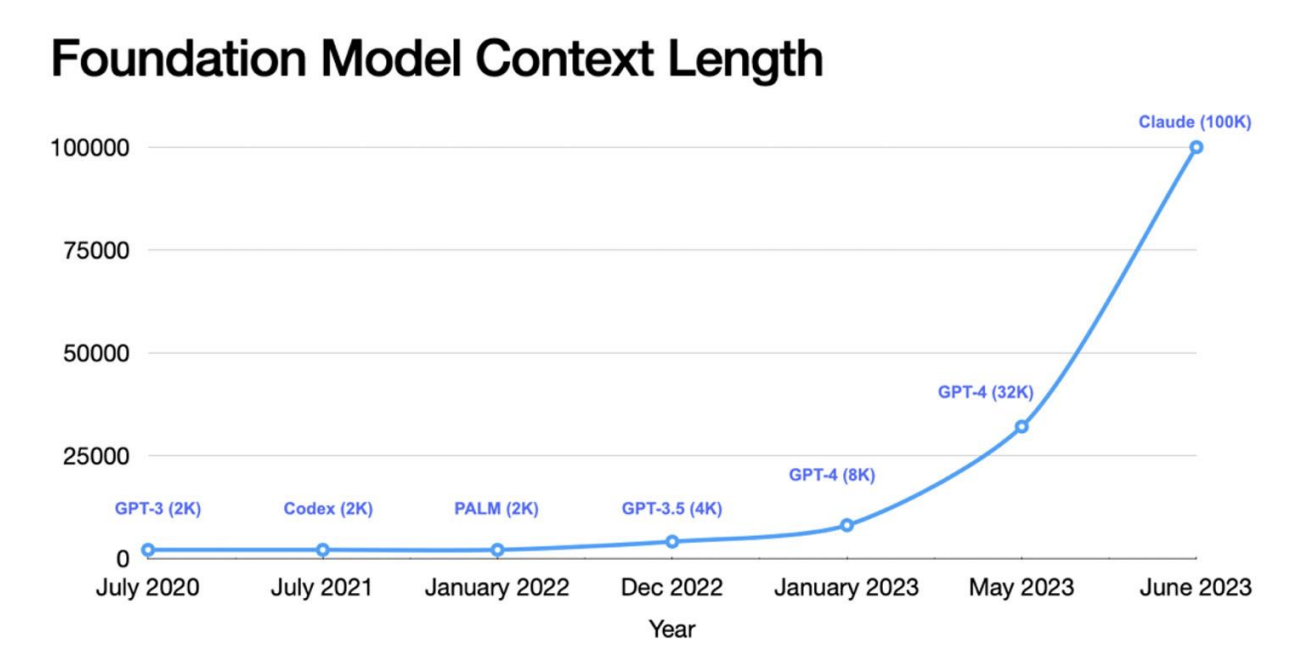
https://web.stanford.edu/class/cs224n/slides_w25/cs224n-2025-lecture08-transformers.pdf
Approaches
Approaches
Why Transformer cannot cope with very long context?
The attention complexity is
Approaches:
Sparse Attention
Linear approximation of Attention: Back of RNN
Sparse Attention
Sparse Attention
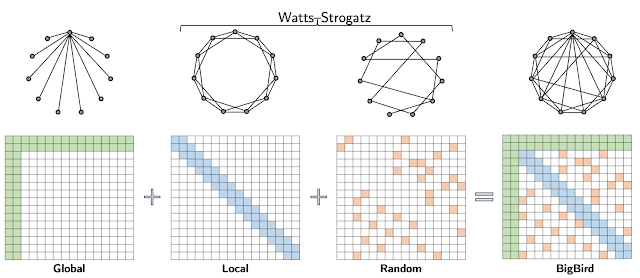
https://research.google/blog/constructing-transformers-for-longer-sequences-with-sparse-attention-methods/
Linear Approximation
Linear Approximation
https://newsletter.maartengrootendorst.com/p/a-visual-guide-to-mamba-and-state
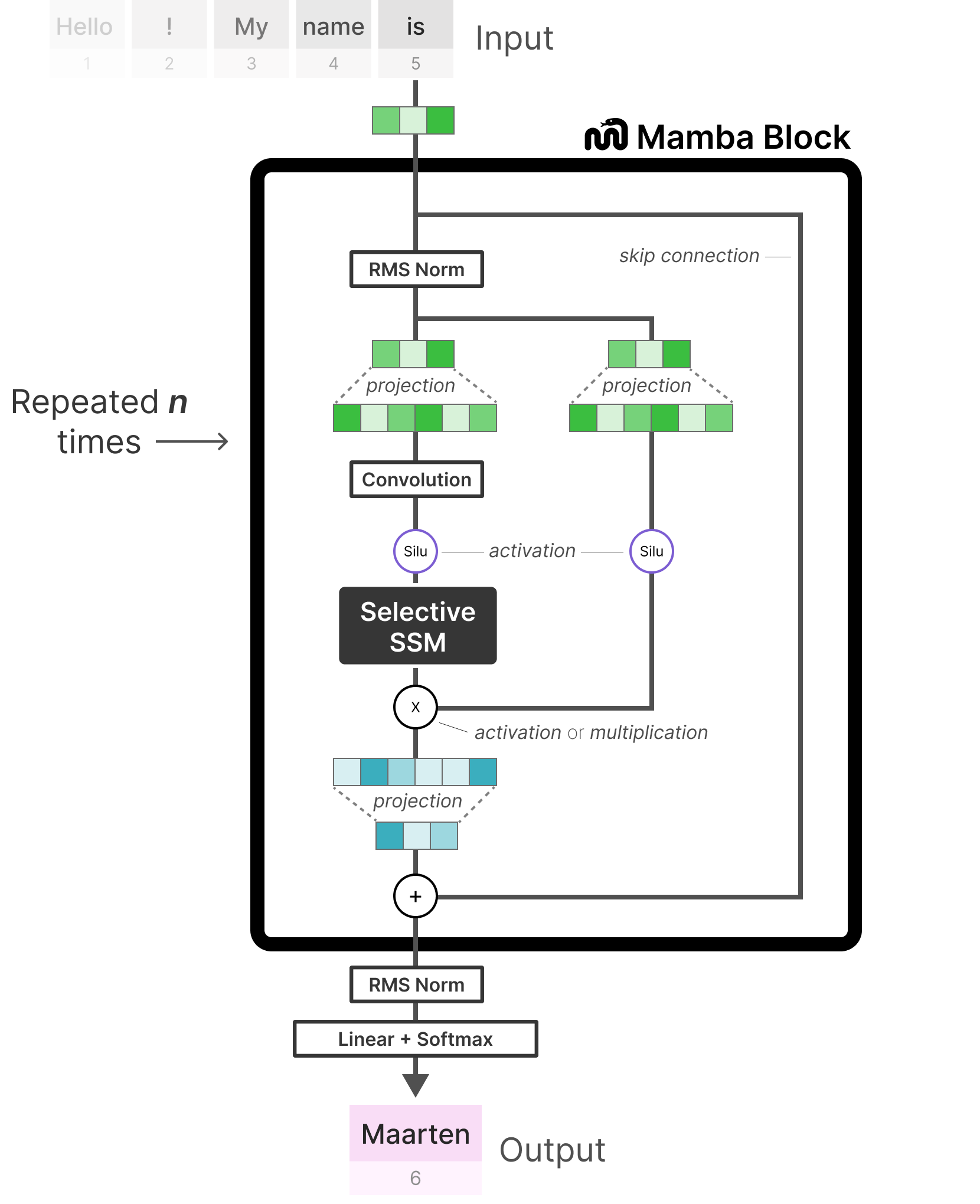
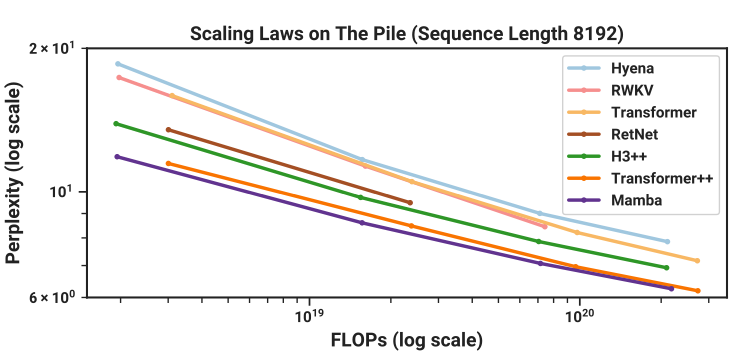
https://thegradient.pub/mamba-explained/
2.2 Transformer 2.2.14 Transferability of Modifications
2.2 Transformer 2.2.14 Transferability of Modifications
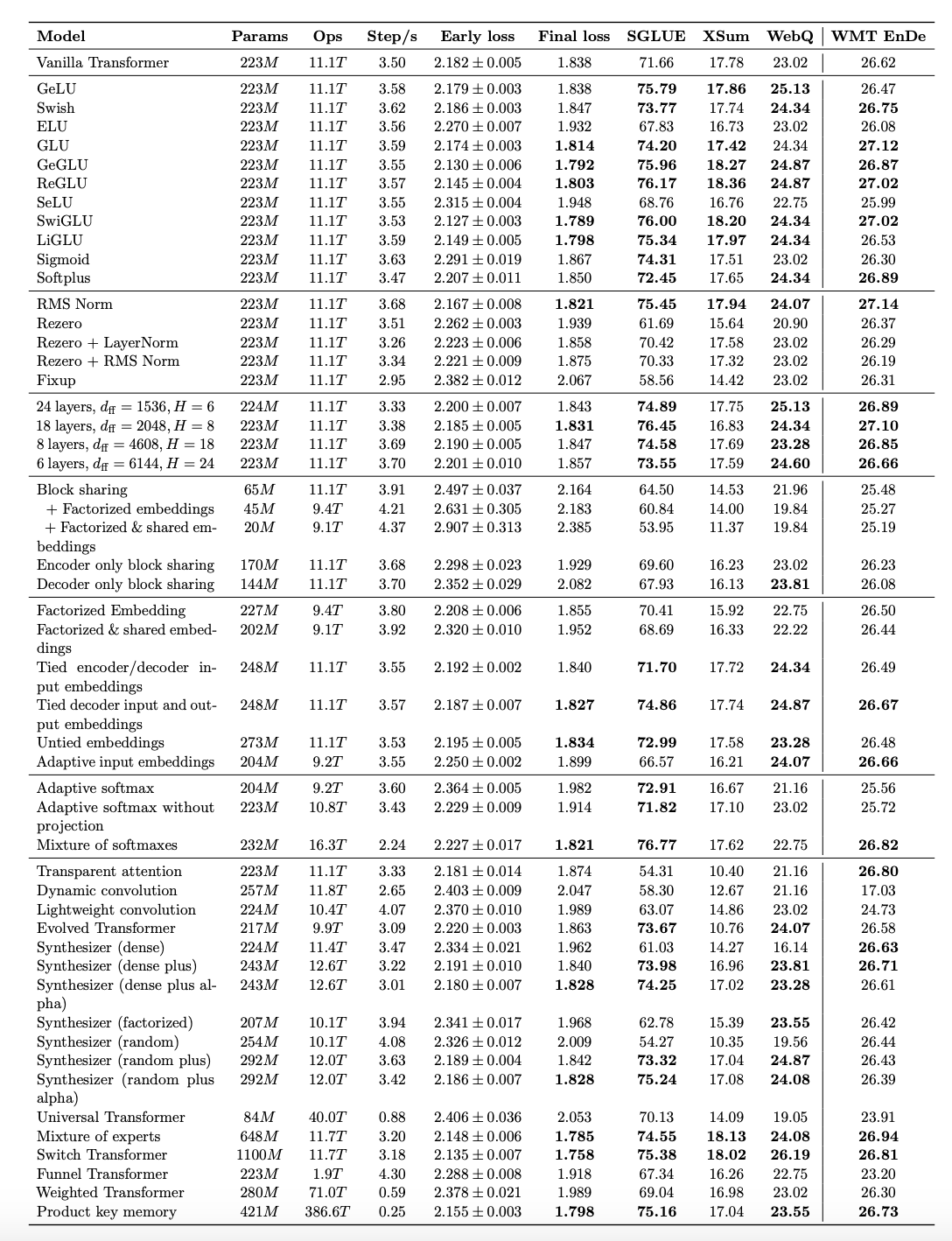
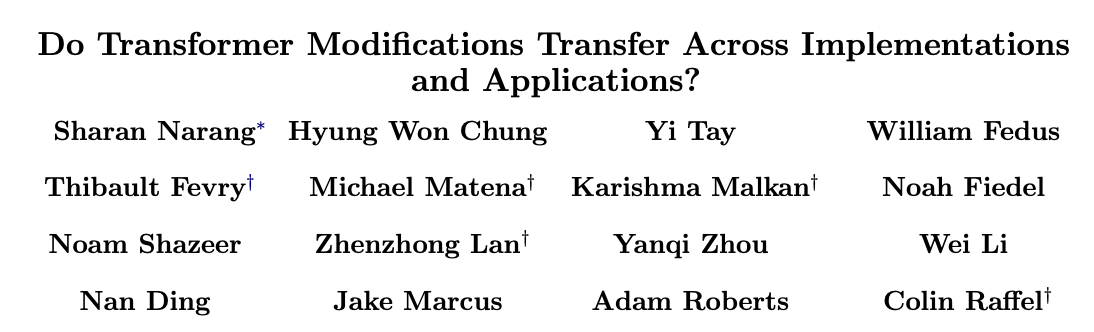
Do Transformer Modifications Transfer?
Do Transformer Modifications Transfer?
"Surprisingly, we find that most modifications do not meaningfully improve performance."
2.2 Transformer 2.2.15 Suggested Readings
2.2 Transformer 2.2.15 Suggested Readings
Papers and Articles
Papers and Articles
A Visual Guide to Mamba and State Space Models https://newsletter.maartengrootendorst.com/p/a-visual-guide-to-mamba-and-state
Any Questions?
Any Questions?
Natural Language UnderstandingNeural Pretrained Language Modeling

Natural Language
Understanding
Neural Pretrained
Language Modeling
Understanding
Neural Pretrained
Language Modeling
Mingming Sun
BIMSA
Outline

Outline
ELMO: When Language Model Meets Word Embedding
GPT: Language Model + Transformer
BERT: Masked Language Model + Transformer
T5: Pretrained Encoder-Decoder Transformer
Pretrained Language Models Gallery
2.3 Pretrained Language Models 2.3.1 Language Models and Word Embeddings
2.3 Pretrained Language Models 2.3.1 Language Models and Word Embeddings
Recall: Word Embedding
Recall: Word Embedding
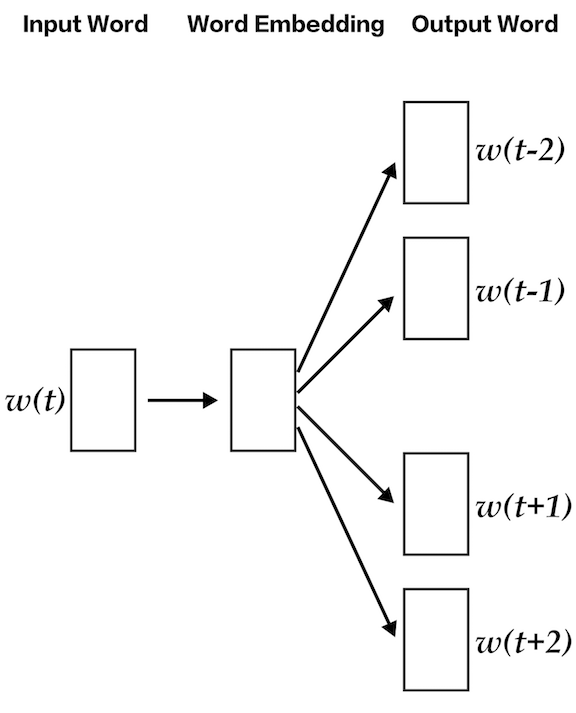
Word2Vec: Predict occurrence of neighborhood;
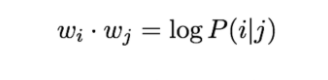
GloVe: Approximate the co-occurrence information:
Each word has an embedding vector;
Representing the meaning learned from the global environment.
Recall: Word Embedding
Recall: Word Embedding
Global Environment:
Language is bag of words.
Co-occurrence is the statistical connection.
Polysemy words need local environment.
Apple (fruit/company)
打(打游戏/打人/打酱油)
More thorough modeling of language?
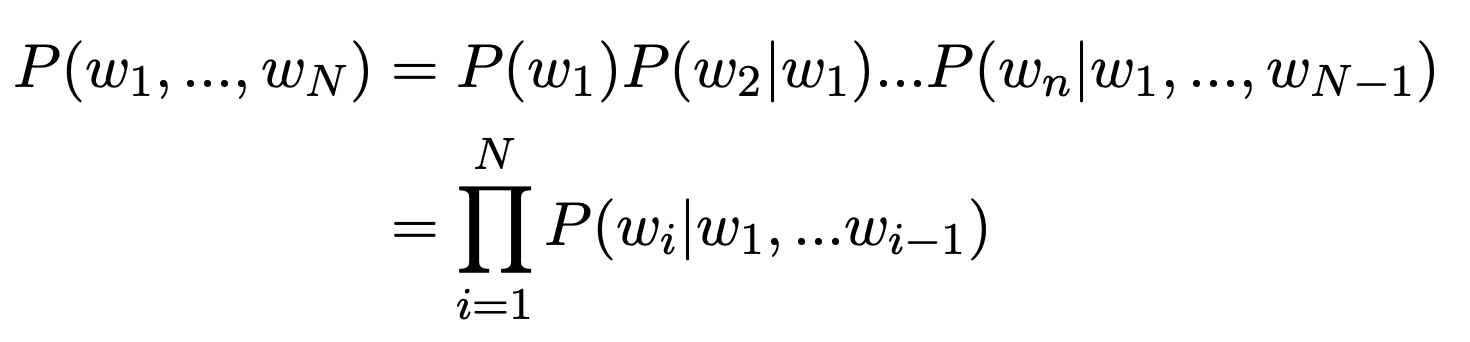
Recall: Probabilistic Language Model
Recall: Probabilistic Language Model
The more thorough language modeling over Bag of Words?
Probabilistic Language Model:
Maximize the likelihood of language by optimizing the word embedding!
How to do that?
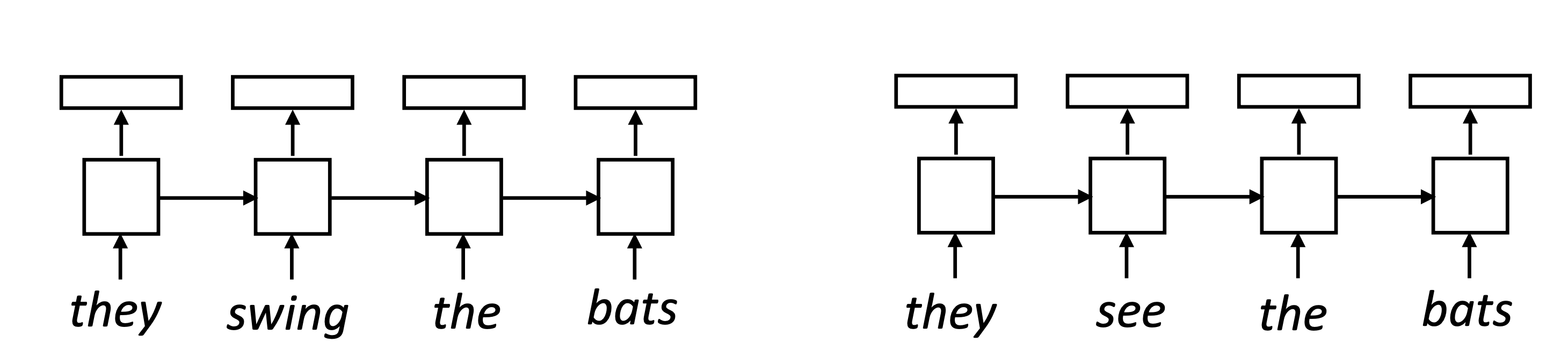
Recall: Sequence to Sequence RNN
Recall: Sequence to Sequence RNN
Sequence to Sequence RNN (e.g. LSTM or Transformer) is proposed to perform sequence transform (e.g. From French to English);
It maps each word/token into a local embedding (dependent on its neighborhood /history words);
But this embedding is task dependent, not for the accurate meaning representation in language, so not usable for other tasks.
We need to focus on language itself, not specific tasks.
Learning Context-dependent Meaning Embeddings
Learning Context-dependent Meaning Embeddings
https://www.cs.utexas.edu/~gdurrett/courses/fa2022/lectures/lec20-1pp.pdf
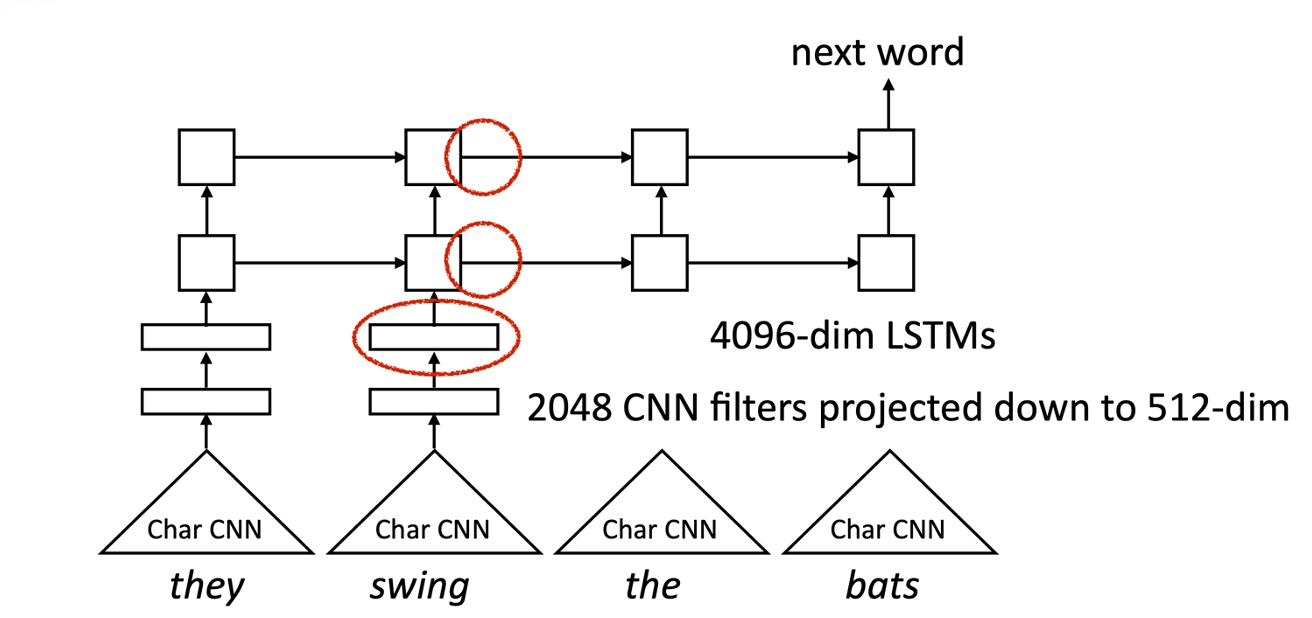
ELMO: Embeddings from Language Models (AllenAI, 2018)
ELMO: Embeddings from Language Models
(AllenAI, 2018)
(AllenAI, 2018)
https://web.stanford.edu/class/cs224n/slides_w25/cs224n-2025-lecture06-fancy-rnn.pdf
ELMO - Training
ELMO - Training
https://jalammar.github.io/illustrated-bert/
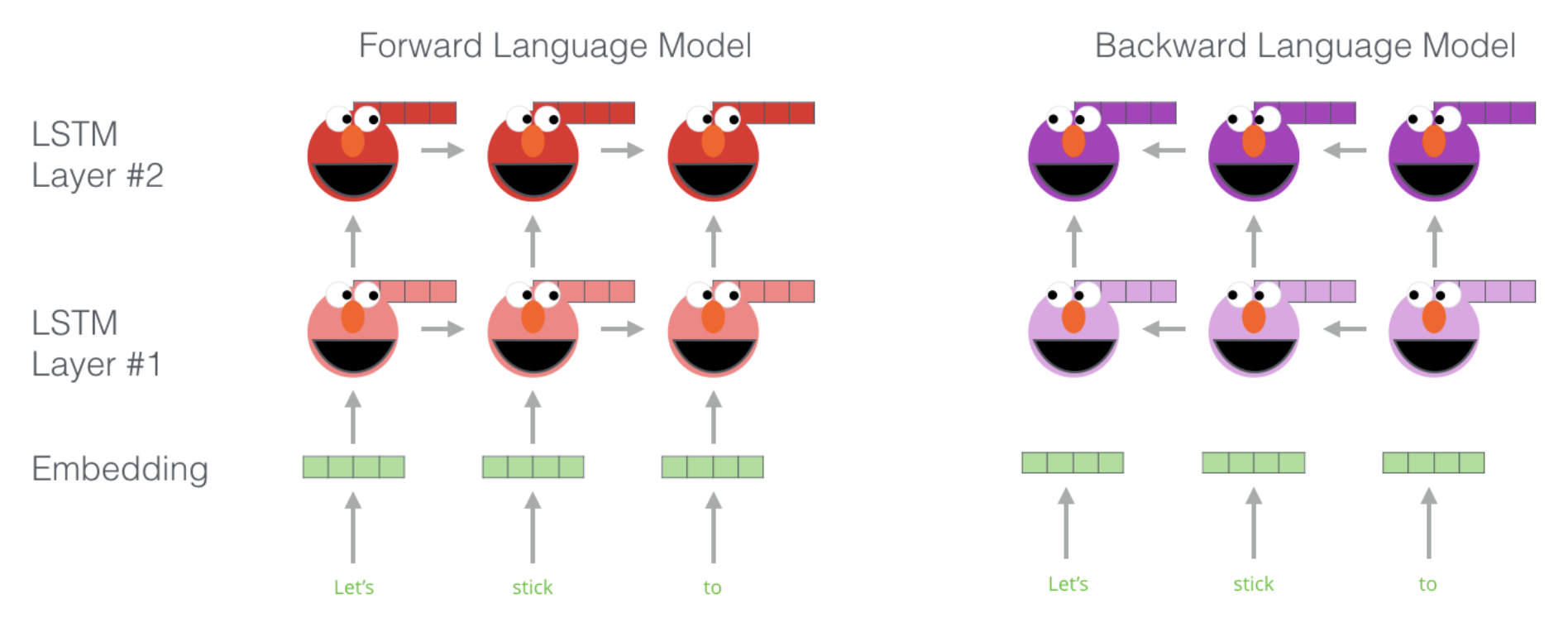
Training for 10 epochs on the 1B Word Benchmark
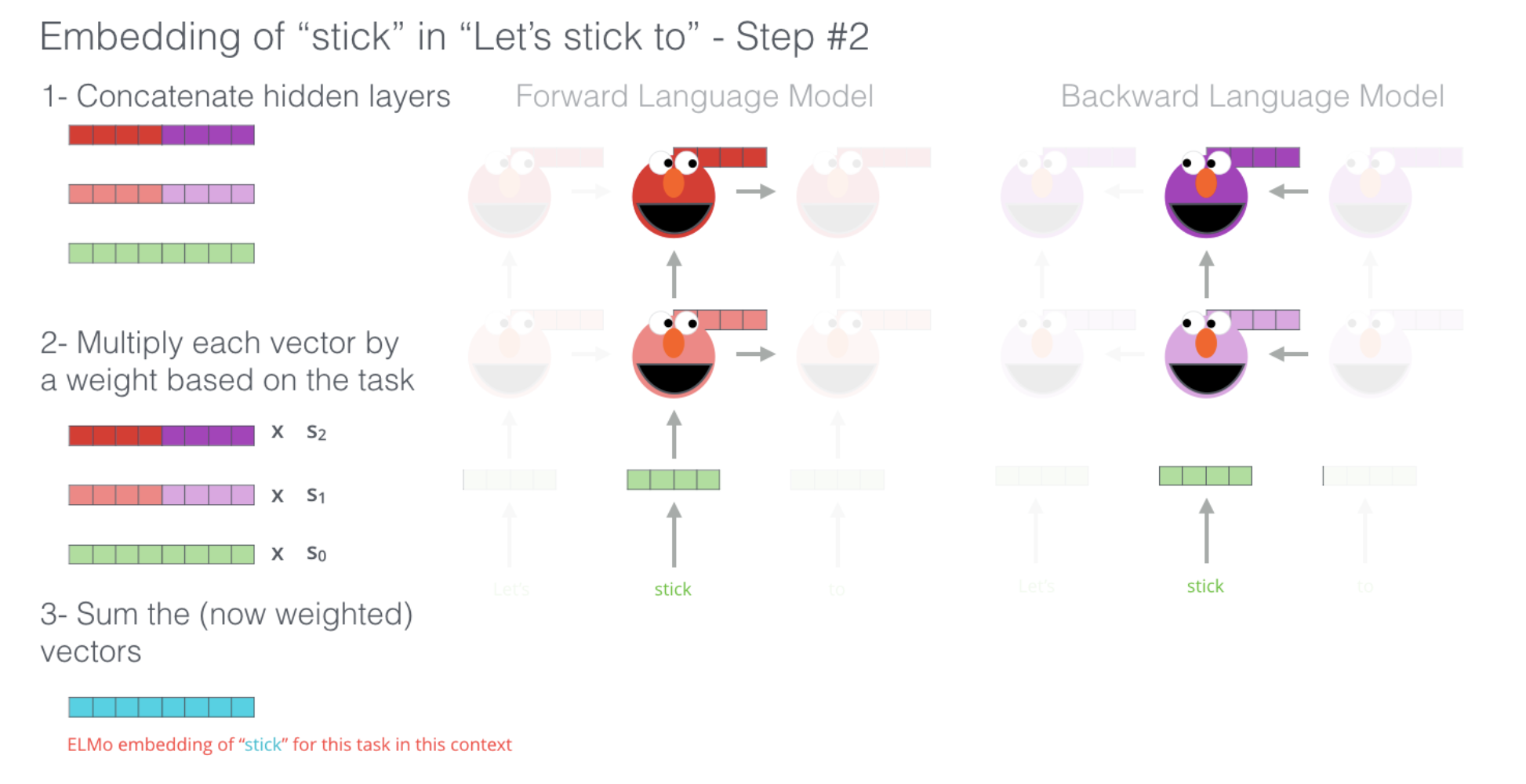
ELMO – Embedding
ELMO – Embedding
https://jalammar.github.io/illustrated-bert/
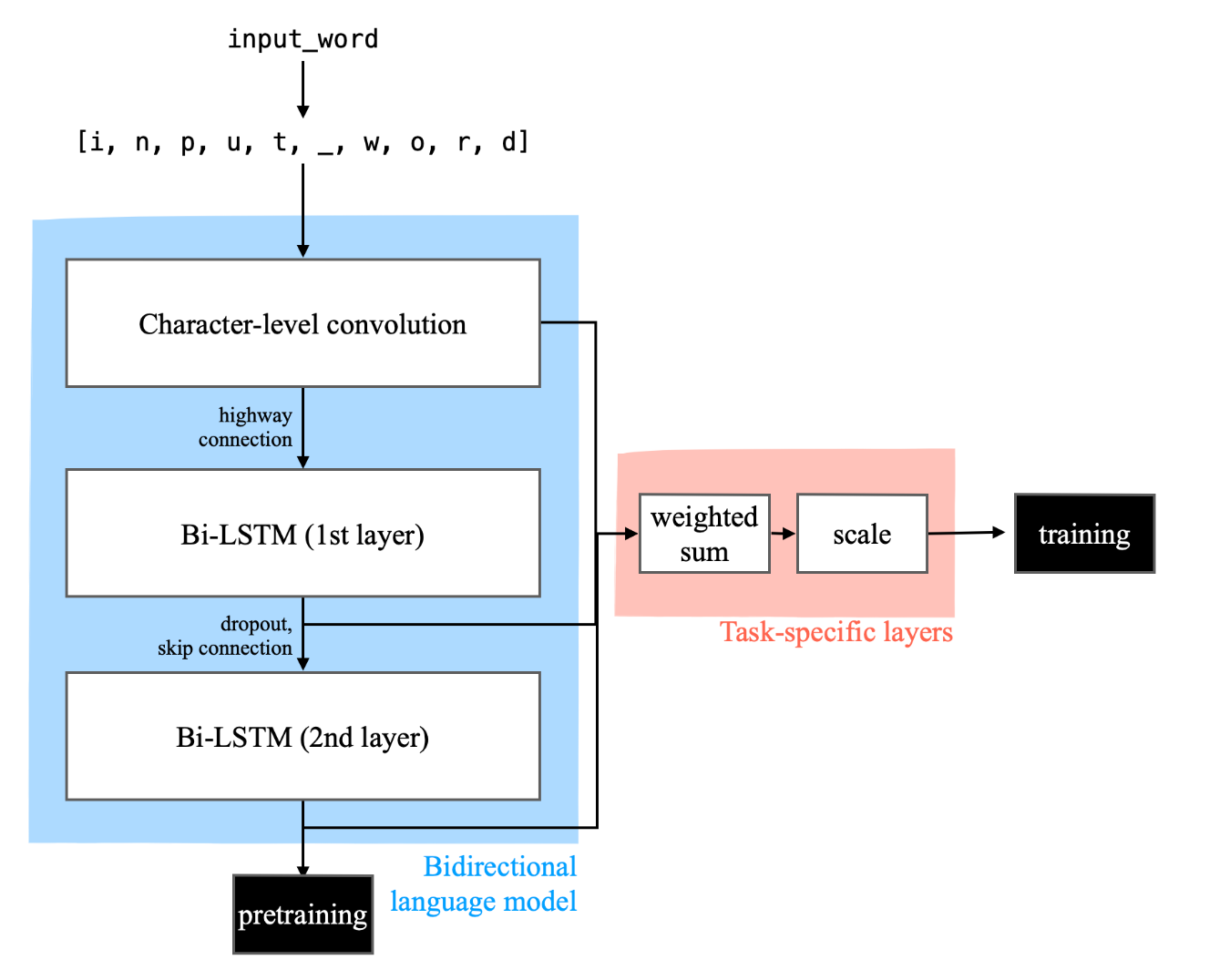
ELMO – Supervised Finetuning
ELMO – Supervised Finetuning
https://naturale0.github.io/2021/02/24/Understanding-ELMo
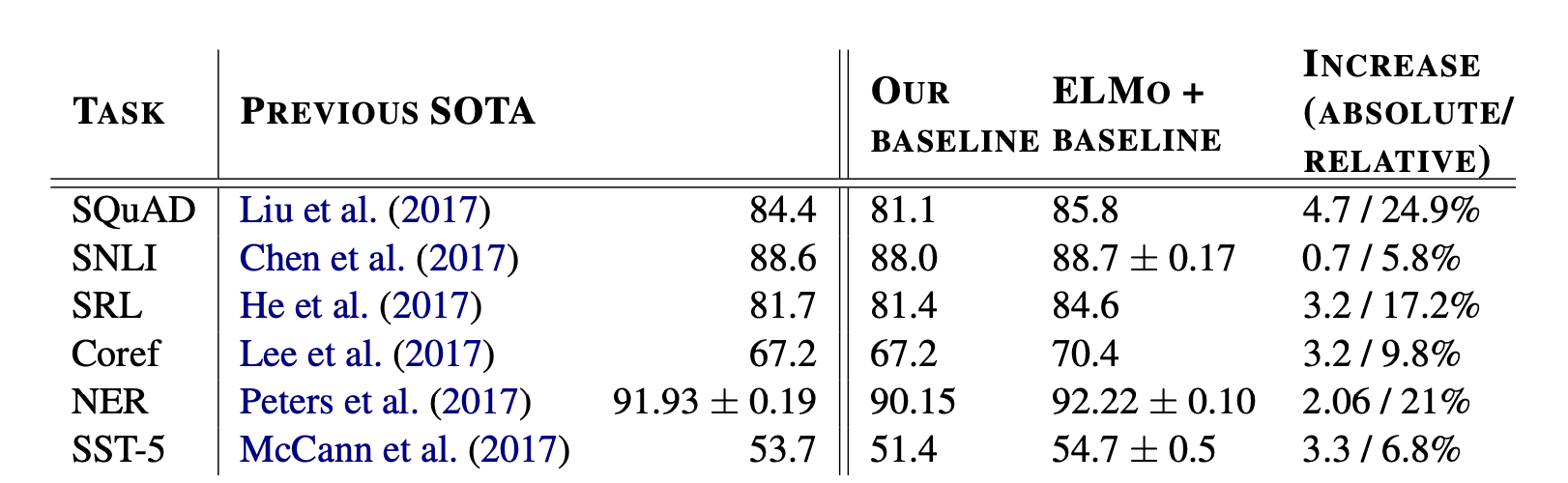
ELMO - Performance
ELMO - Performance
https://arxiv.org/pdf/1802.05365v2
2.3 Pretrained Language Models 2.3.2 Why Pretrained Models
2.3 Pretrained Language Models 2.3.2 Why Pretrained Models
Recall: Pretraining
Recall: Pretraining
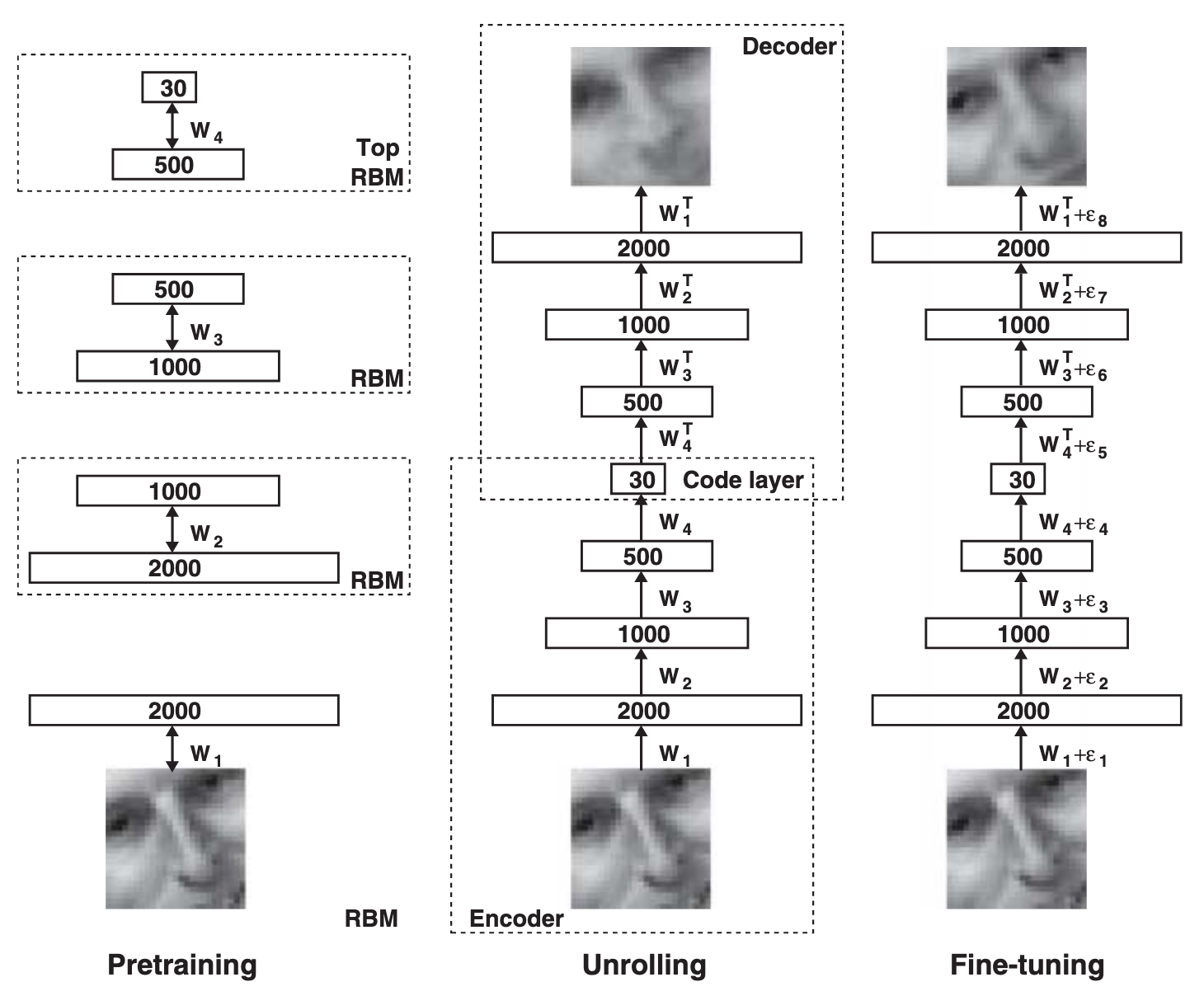
1.Hinton, G. E. & Salakhutdinov, R. R. Reducing the Dimensionality of Data with Neural Networks. Science 313, 504–507 (2006).
Pretraining
Pretraining
Unsupervised (or Self-supervised) Learn from a data-set;
Aims to recover the prior-distribution of the data;
Boltzmann Model for Image
Language Model of Language
Do not apply any further supervision! They harm the generalization!
Train a neural network to learn the distribution and save the weight.
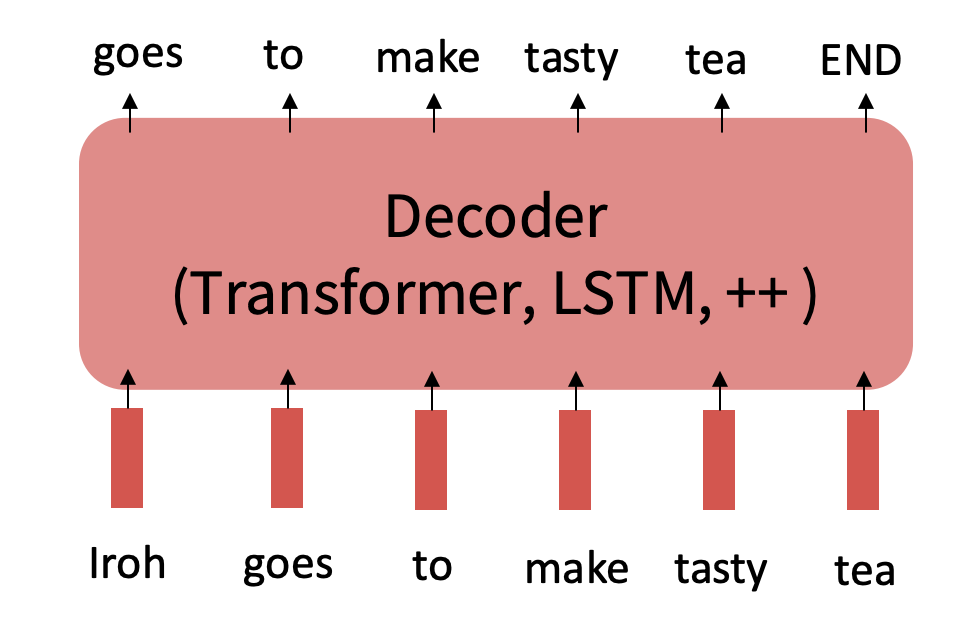
https://web.stanford.edu/class/cs224n/slides_w25/cs224n-2025-lecture09-pretraining.pdf
Pretraining-Finetuning Paradigm
Pretraining-Finetuning Paradigm
https://web.stanford.edu/class/cs224n/slides_w25/cs224n-2025-lecture09-pretraining.pdf
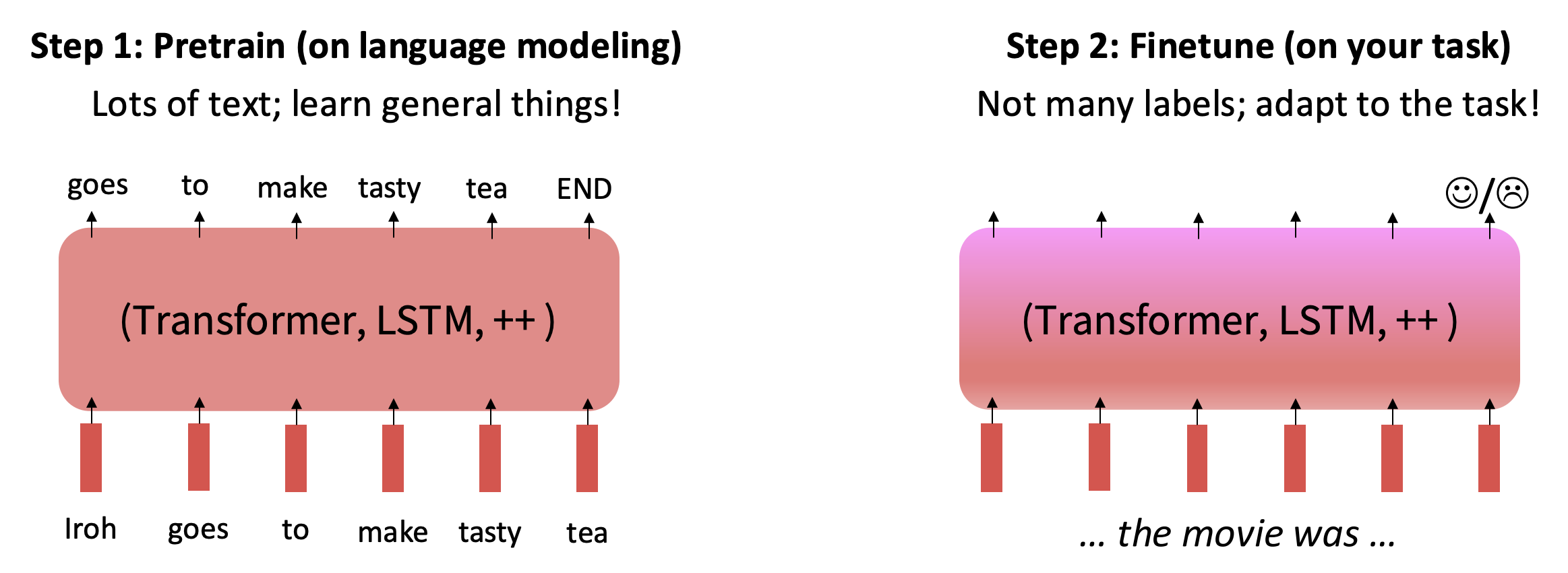
Why Pretrained Model?
Why Pretrained Model?
https://arxiv.org/pdf/1802.05365v2
Representation Learning
Sample Complexity
Optimization Theory
Bayesian Inference
Information Bottleneck
Representation Learning
Representation Learning
Pretraining serves as a form of unsupervised or self-supervised representation learning, which helps a model learn useful features from large-scale data.
In terms of statistical learning theory, this process reduces the hypothesis space the model must explore during downstream tasks.
Let be the hypothesis space of a model.
After pretraining, the model selects a subspace that is better aligned with natural data distributions.
The learning problem becomes easier and requires fewer labeled examples to generalize well.
This aligns with the bias-variance tradeoff: pretraining imposes a useful inductive bias (i.e., structural prior about the task or data distribution).
Data Efficiency and Transfer Learning
Data Efficiency and Transfer Learning
In settings with limited labeled data, training from scratch leads to overfitting due to high model complexity.
Pretrained models already encode generic knowledge, so fine-tuning requires only small amounts of data.
This can be analyzed through PAC-learning or sample complexity:
Pretraining reduces the sample complexity required to learn a task to within a desired generalization error .
Formally, the number of labeled examples needed scales with the effective capacity of the hypothesis class consistent with the pretrained features, which is often much smaller.
Optimization Landscape Improvement
Optimization Landscape Improvement
Deep neural networks suffer from highly non-convex loss surfaces with many local minima and saddle points. Pretraining provides a good initialization:
Gradient descent from a pretrained state converges faster and often to better local minima.
This is linked to ideas from meta-learning: the pretrained model is already near a “task manifold” in parameter space.
The benefit can also be seen from the perspective of energy-based models where pretraining shapes the energy landscape so that desirable modes (i.e., good solutions) are more easily reachable.
Bayesian View: Prior Knowledge
Bayesian View: Prior Knowledge
From a Bayesian perspective, pretraining can be interpreted as providing a prior distribution over model parameters ,learned from large unlabeled data.
Fine-tuning becomes a posterior inference given a new (supervised) task and its data D:
The pretrained model provides a strong informative prior that narrows the posterior and improves generalization on new tasks.
This view also supports the empirical success of few-shot and zero-shot learning in pretrained models like GPT and BERT.
Information Bottleneck Theory
Information Bottleneck Theory
The Information Bottleneck (IB) principle suggests learning representations that compress the input while retaining task-relevant information.
Pretraining can be viewed as maximizing mutual information between inputs x and intermediate representations z, while minimizing only later in fine-tuning.
This staged process can improve generalization by avoiding overfitting in early stages.
Why Pretrained Model?
Why Pretrained Model?
Perspective | Pretraining Benefit |
Representation Learning | Narrows hypothesis space, induces task-relevant structure |
Sample Complexity | Reduces labeled data needed for good generalization |
Optimization Theory | Provides better initialization for gradient descent |
Bayesian Inference | Acts as a learned prior, guiding parameter estimation |
Information Bottleneck | Encourages compressed but expressive representations |
Think: When we Need Pretraining?
Think: When we Need Pretraining?
https://web.stanford.edu/class/cs224n/slides_w25/cs224n-2025-lecture09-pretraining.pdf
AGI unifies all task in Dialog/QA scenario.
Can we just train a supervised model using all Dialog/QA data?
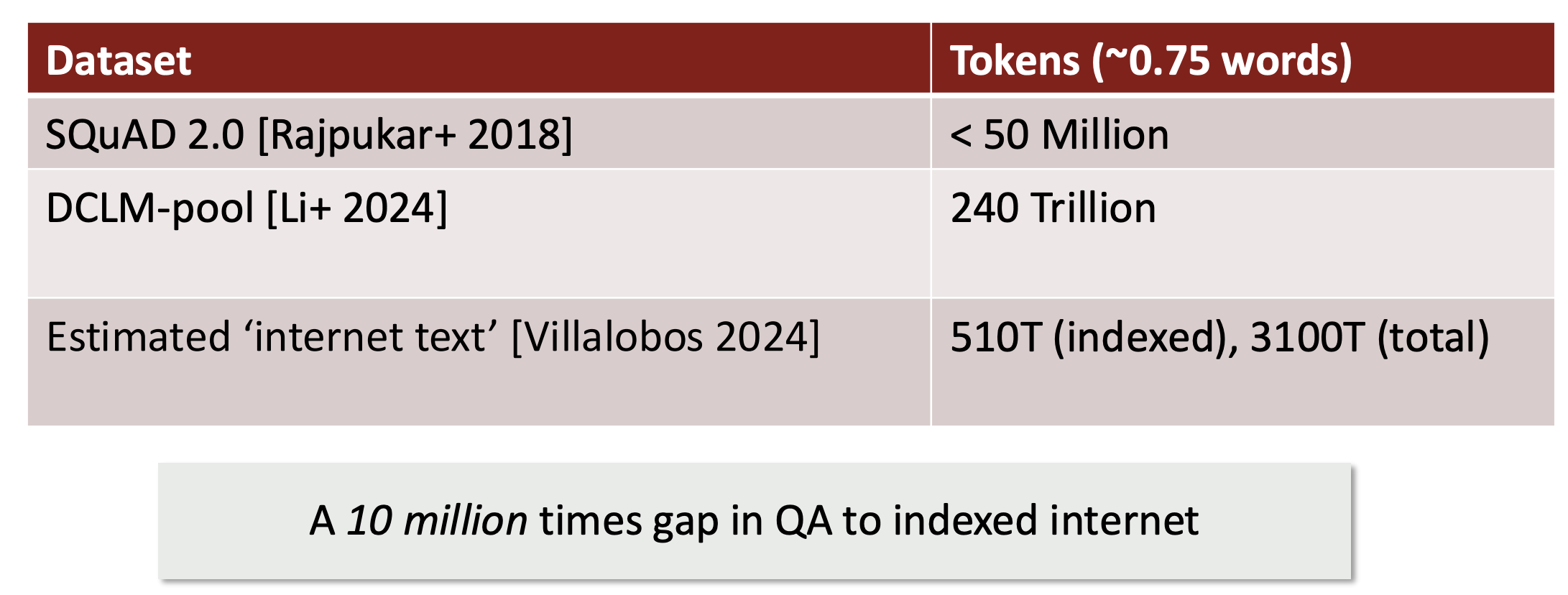
2018: Year of Pretrained Model
2018: Year of Pretrained Model
AI2 made ELMo in spring 2018;
GPT (transformer-based ELMo) was released in summer 2018;
BERT came out October 2018.
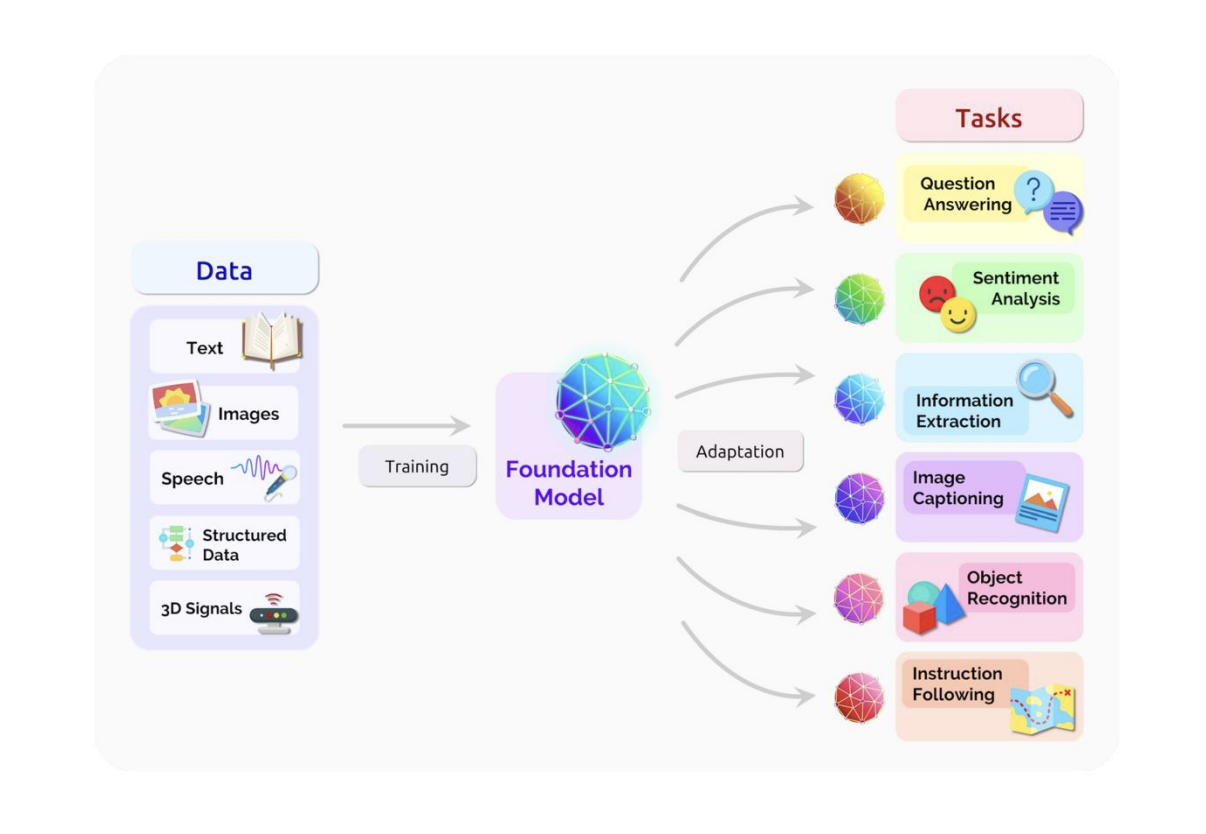
The Pretrain Revolution
The Pretrain Revolution
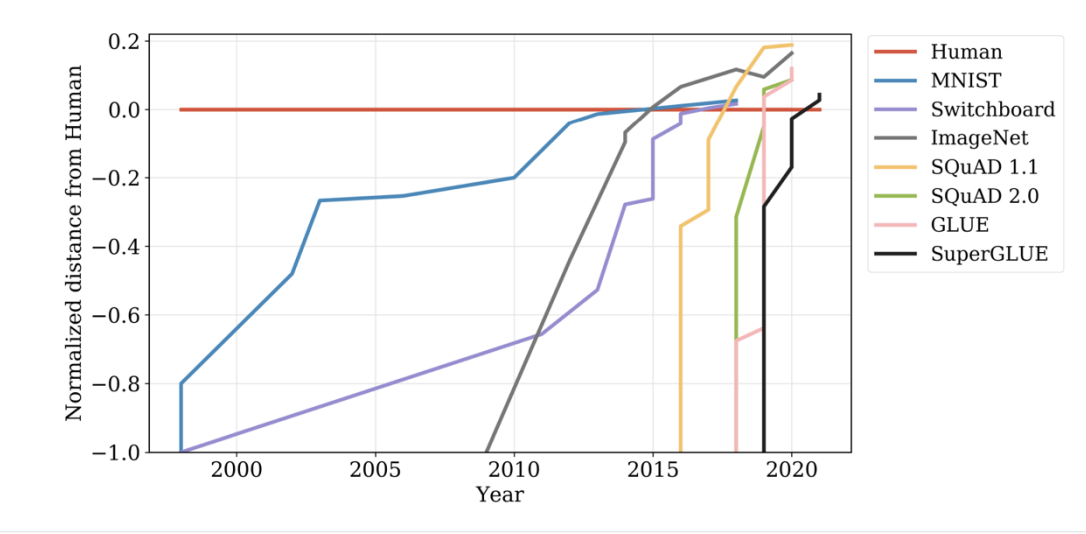
https://web.stanford.edu/class/cs224n/slides_w25/cs224n-2025-lecture09-pretraining.pdf
The Pretrain Revolution
The Pretrain Revolution
https://web.stanford.edu/class/cs224n/slides_w25/cs224n-2025-lecture09-pretraining.pdf
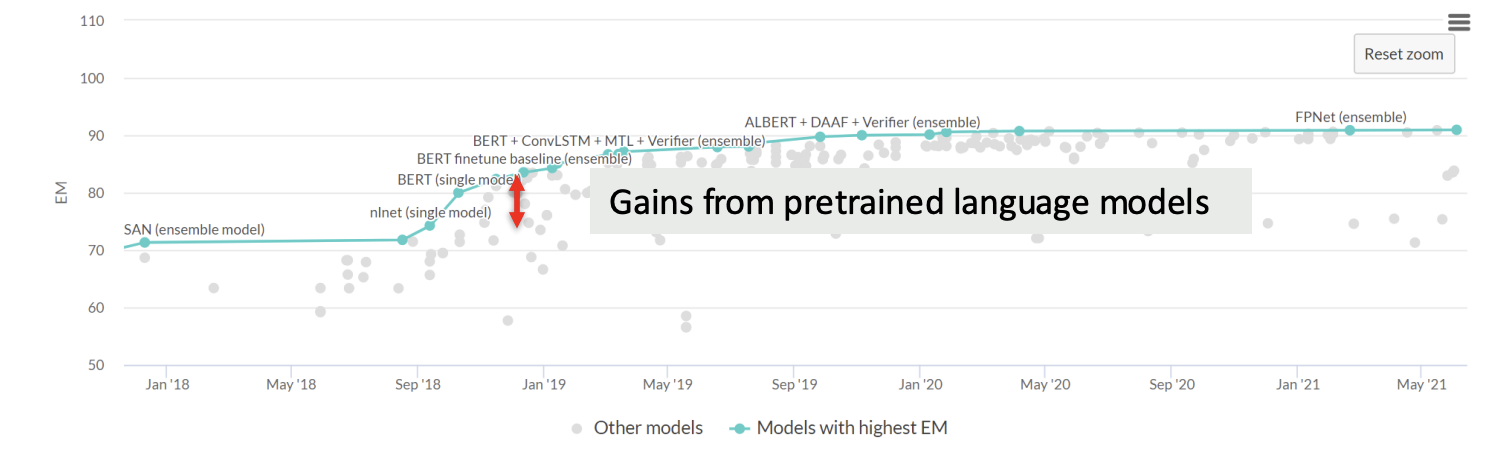
The Pretrain Revolution
The Pretrain Revolution
https://web.stanford.edu/class/cs224n/slides_w25/cs224n-2025-lecture09-pretraining.pdf
2.3 Pretrained Language Models 2.3.3 GPT: Autoregressive Pretraining
2.3 Pretrained Language Models 2.3.3 GPT: Autoregressive Pretraining
GPT (Open AI, 2018)
GPT (Open AI, 2018)
https://medium.com/data-science/understanding-the-evolution-of-gpt-part-1-an-in-depth-look-at-gpt-1-and-what-inspired-it-b7388a32e87d
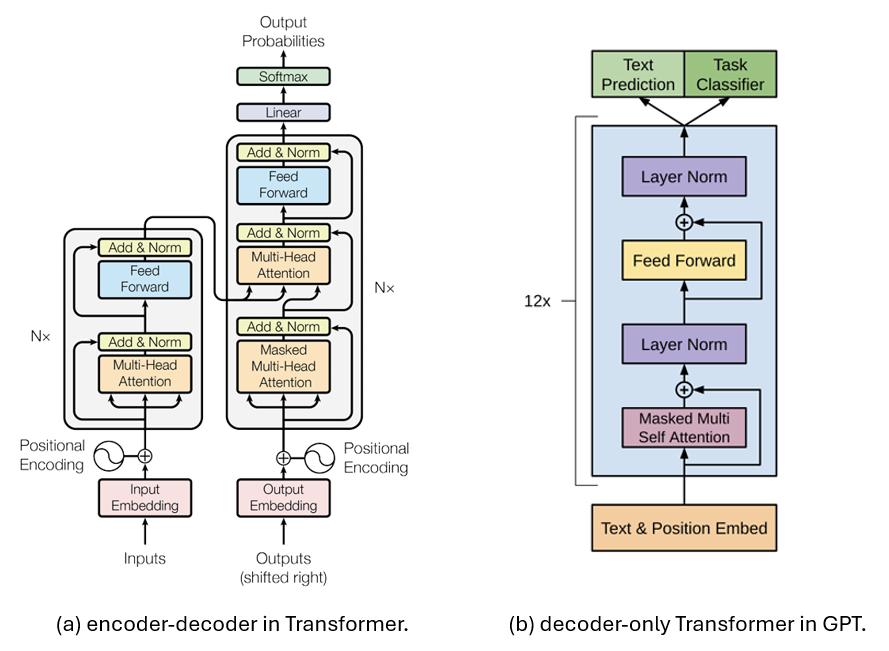
Trained on BooksCorpus dataset (7000 books), 3 epochs.
GPT - Training
GPT - Training
Back of the fixed context window – k:
Trained on BooksCorpus dataset (7000 books), 3 epochs.

GPT- Supervised Finetuning
GPT- Supervised Finetuning
Improving Language Understanding by Generative Pre-Training, Open AI, 2018
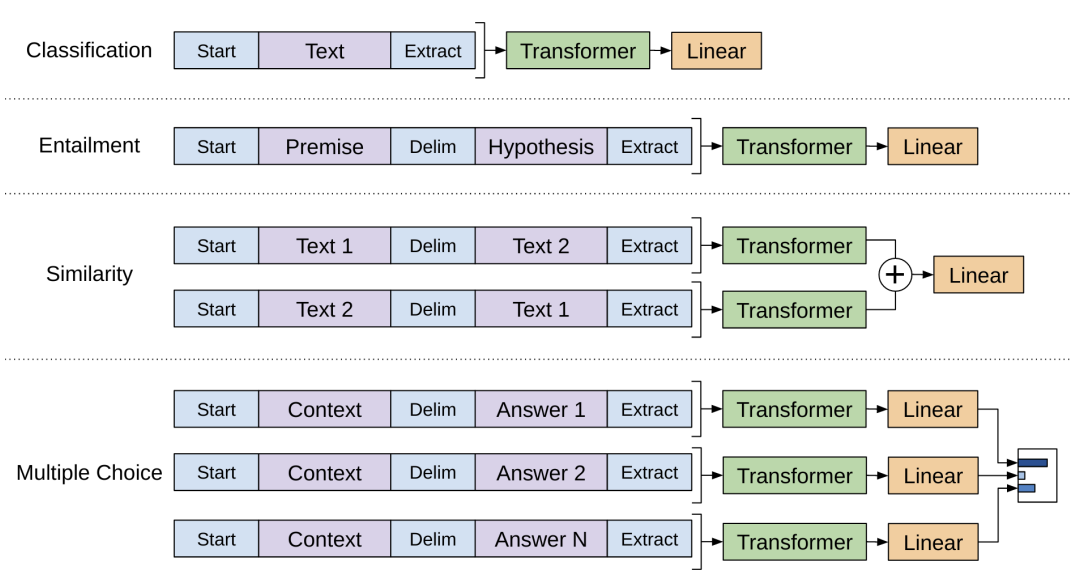
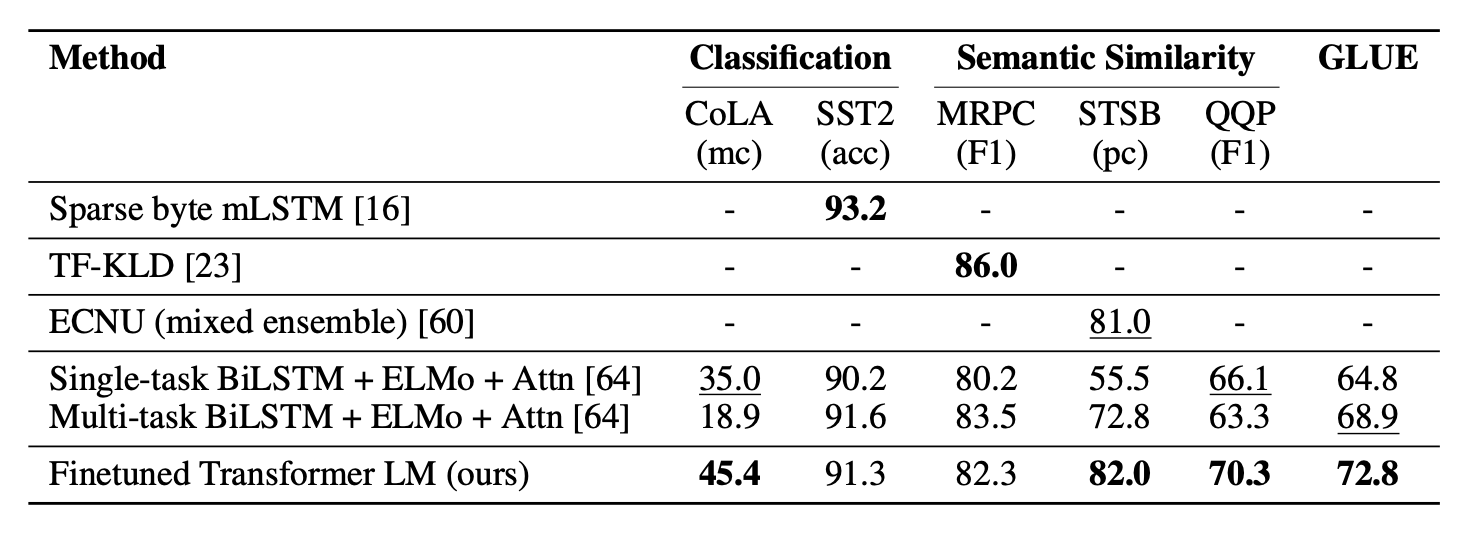
GPT- Performance
GPT- Performance
Improving Language Understanding by Generative Pre-Training, Open AI, 2018
GPT: Pretraining + Transformer
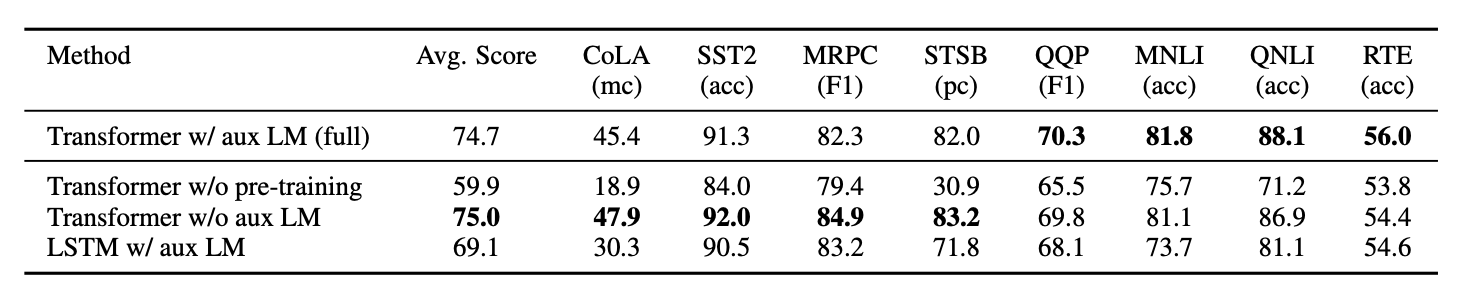
GPT: Pretraining + Transformer
Improving Language Understanding by Generative Pre-Training, Open AI, 2018
GPT 1, GPT 2, and GPT 3
GPT 1, GPT 2, and GPT 3
https://360digitmg.com/blog/types-of-gpt-in-artificial-intelligence
GPT-1 | GPT-2 | GPT-3 | |
Parameters | 117 Million | 1.5 Billion | 175 Billion |
Decoder Layers | 12 | 48 | 96 |
Context Token Size | 512 | 1024 | 2048 |
Hidden Layer | 768 | 1600 | 12288 |
Batch Size | 64 | 512 | 3.2M |
GPT 2: Increasingly convincing generations
GPT 2: Increasingly convincing generations
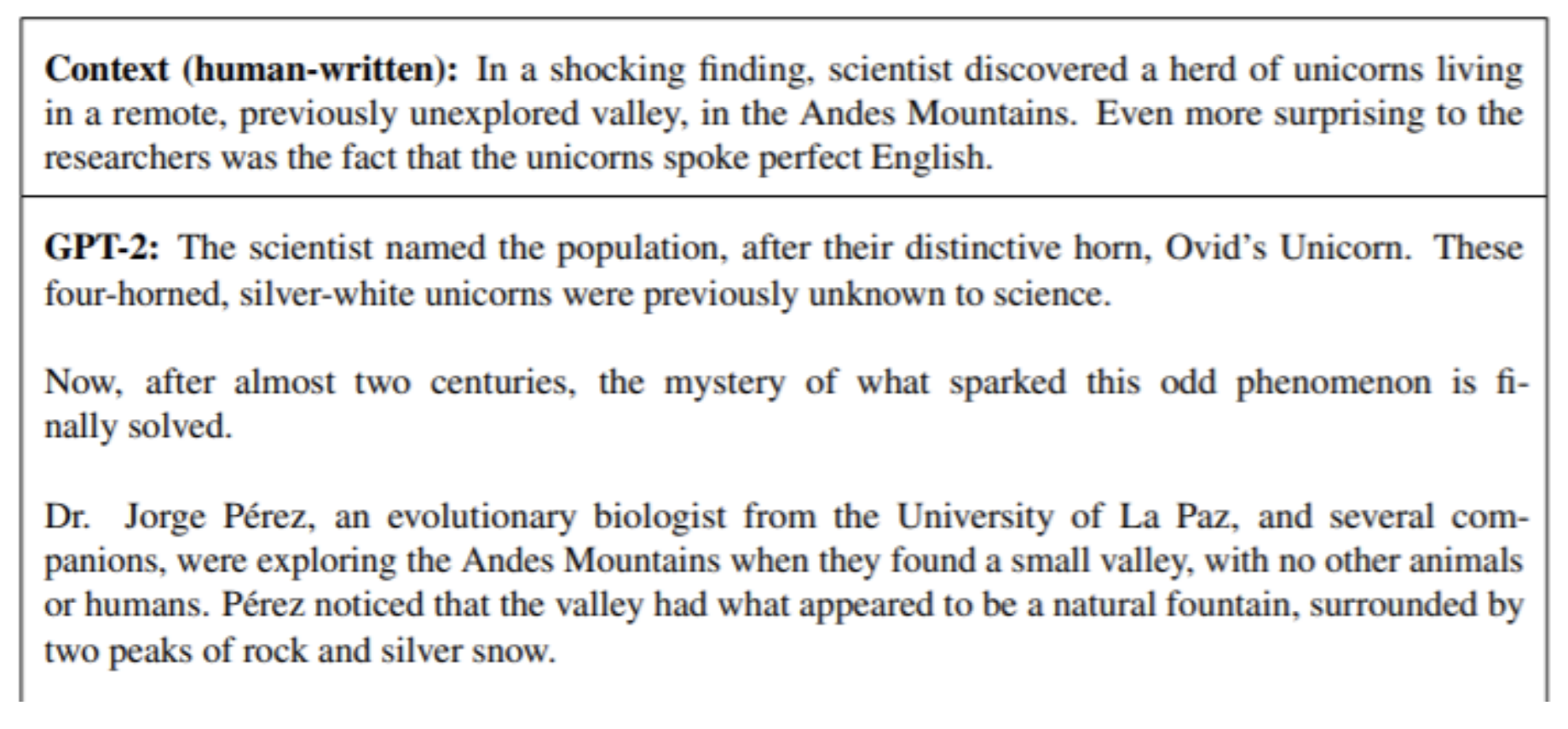
https://web.stanford.edu/class/cs224n/slides_w25/cs224n-2025-lecture09-pretraining.pdf
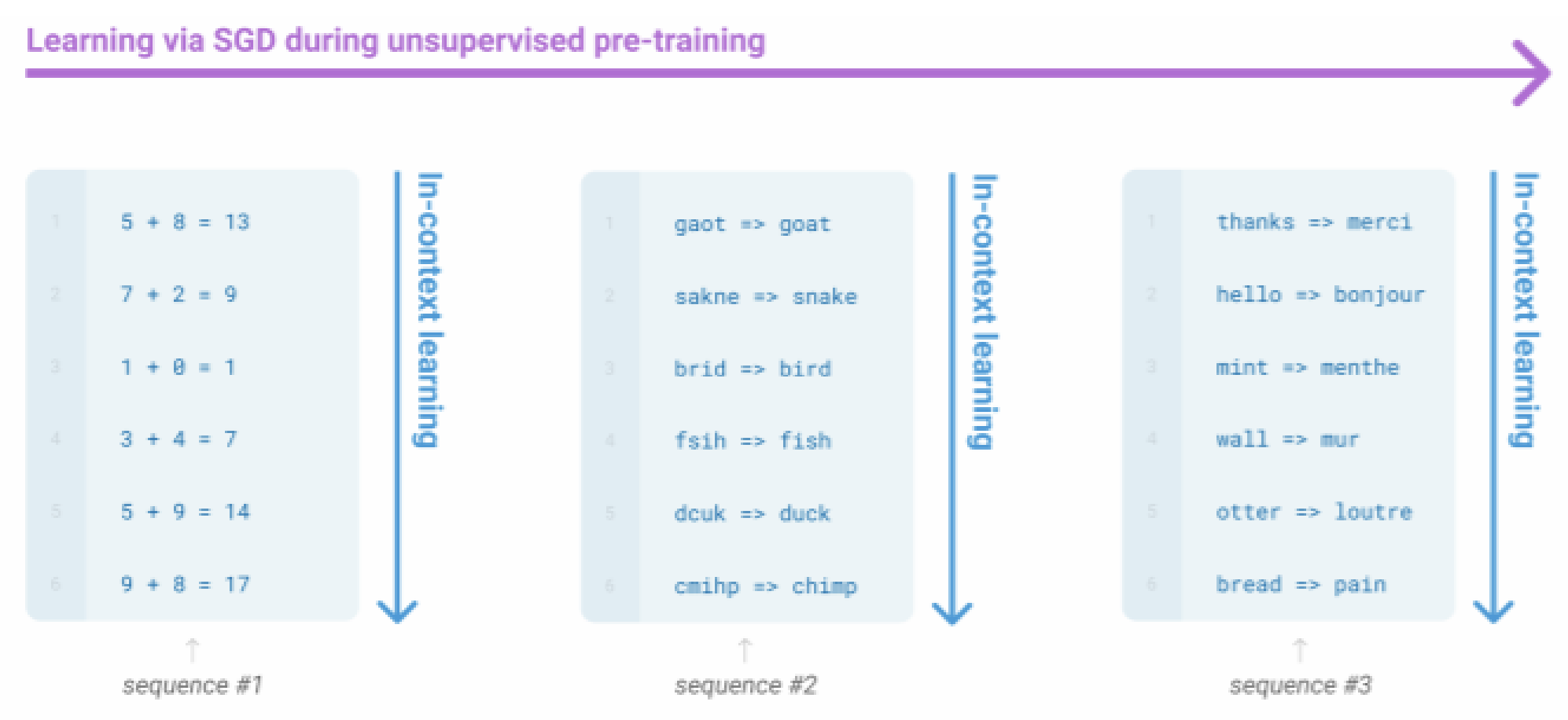
GPT 3: Very large models and In-context learning
GPT 3: Very large models and In-context learning
https://web.stanford.edu/class/cs224n/slides_w25/cs224n-2025-lecture09-pretraining.pdf
Perform some kind of learning without gradient steps simply from examples you provide within their contexts.
2.3 Pretrained Language Models 2.3.4 BERT: Masked Language Modeling
2.3 Pretrained Language Models 2.3.4 BERT: Masked Language Modeling
Lets focus on Embedding
Lets focus on Embedding
https://www.baeldung.com/cs/word-embeddings-cbow-vs-skip-gram
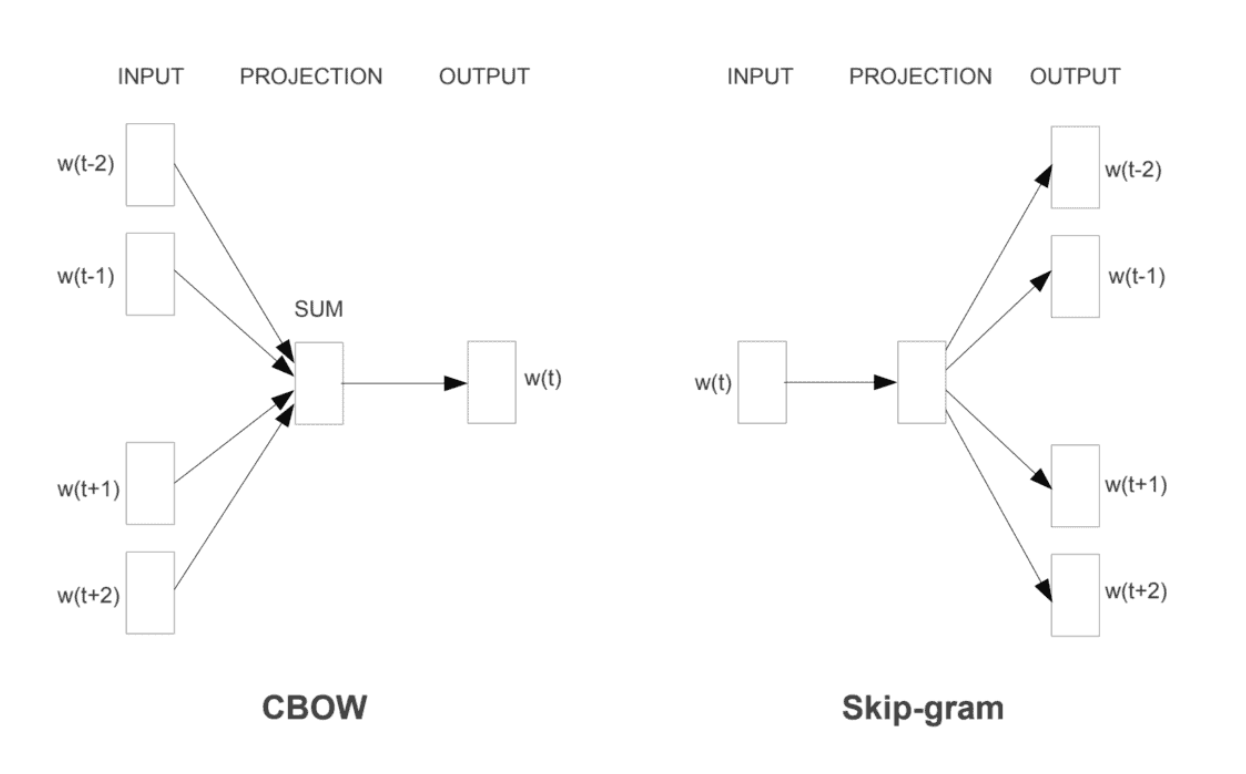
Language Modeling and Embedding
Language Modeling and Embedding
Recall: Words are defined by their environments (the words around them);
CBOW and Skip-Gram(Word2Vec): Full environment;
Language Model: Partial Environment (Only History)
Language Model + RNN/Transformer = ELMO/GPT
CBOW/Skip-Gram + RNN/Transformers = ?
From CBOW/SG to Masked Language Model
From CBOW/SG to Masked Language Model
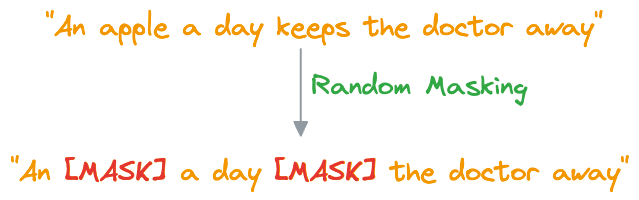
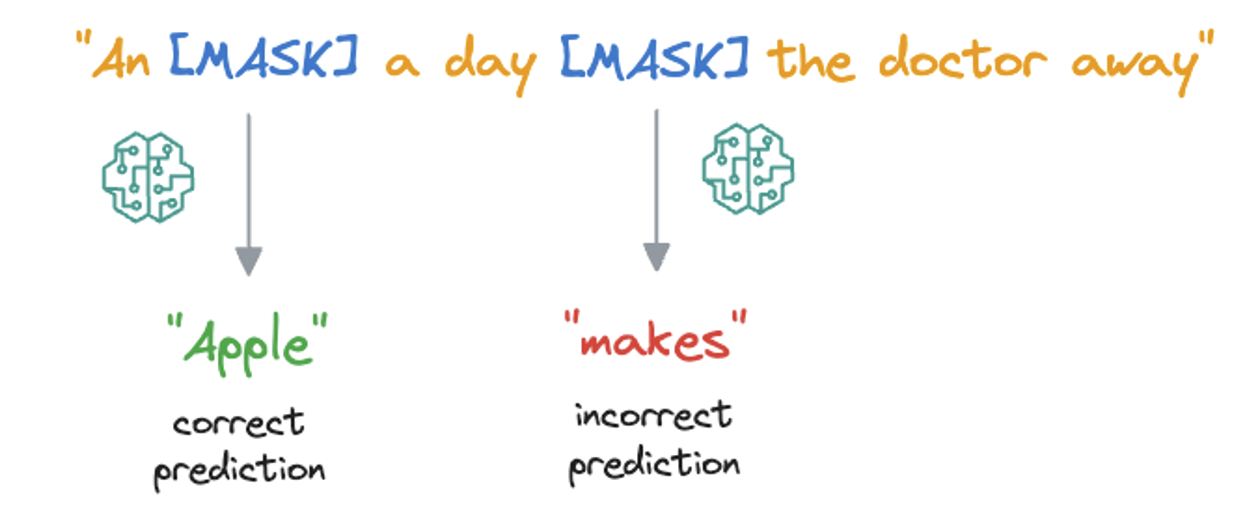
https://www.dailydoseofds.com/bi-encoders-and-cross-encoders-for-sentence-pair-similarity-scoring-part-1/
Masked Language Model
Masked Language Model
https://slds-lmu.github.io/seminar_nlp_ss20/transfer-learning-for-nlp-ii.html
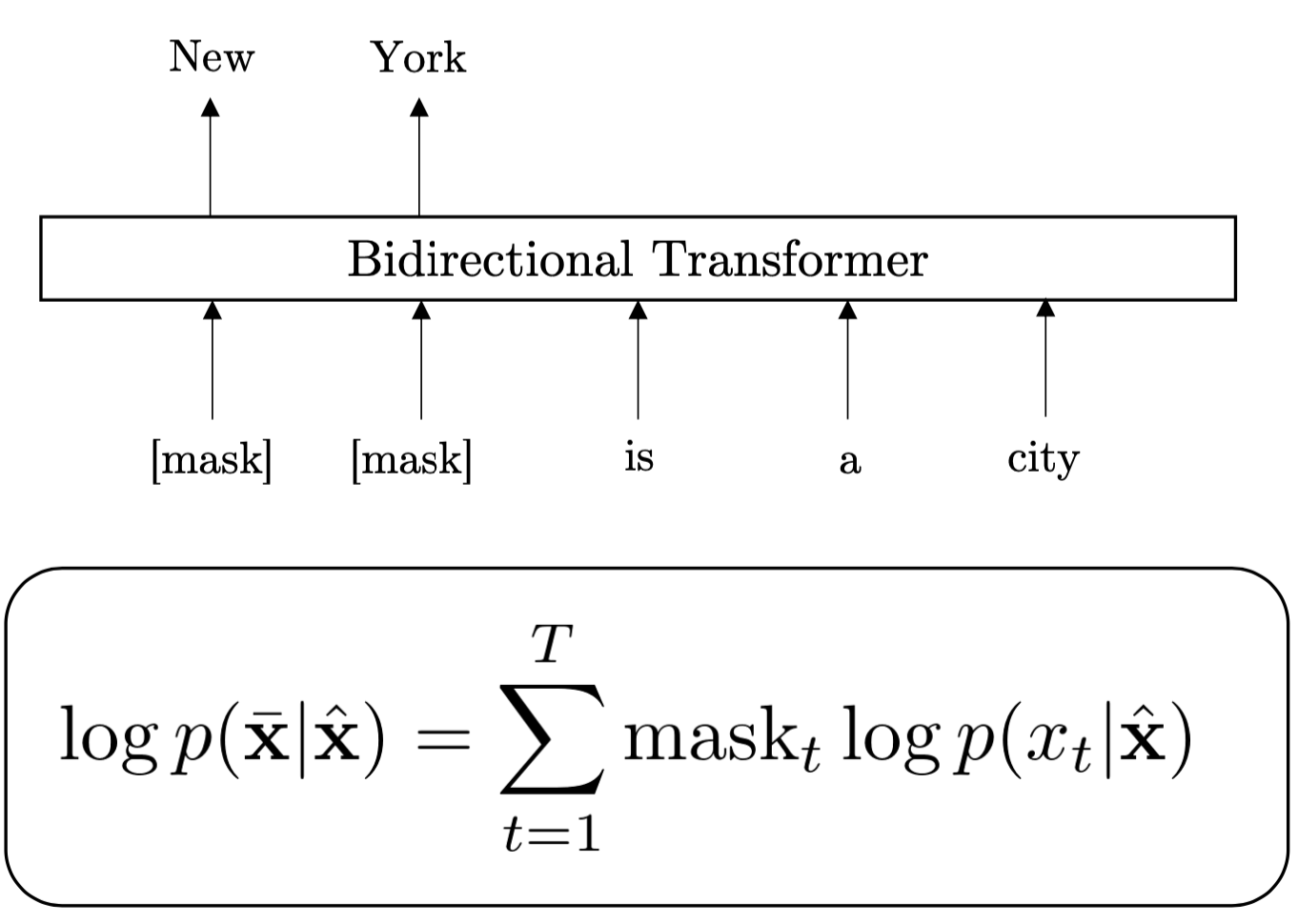

BERT (Bidirectional Encoder Representations from Transformers) = MLM+ Transformers
BERT (Bidirectional Encoder Representations from Transformers) = MLM+ Transformers
BERT implement following two tasks using Transformer:
Masked Language Modeling
Next Sentence Prediction

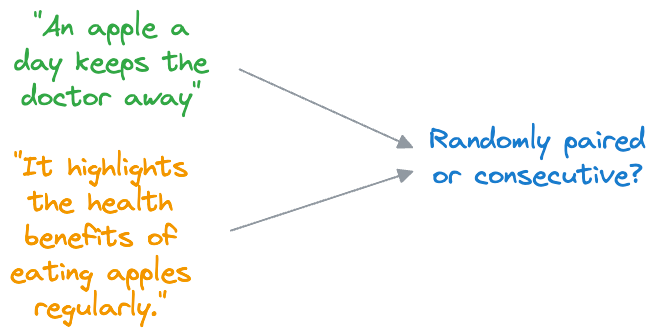
https://www.dailydoseofds.com/bi-encoders-and-cross-encoders-for-sentence-pair-similarity-scoring-part-1/
Input Representation
Input Representation
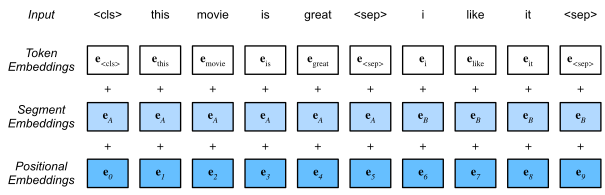
https://d2l.ai/chapter_natural-language-processing-pretraining/bert.html
Masked Token Prediction
Masked Token Prediction
https://jalammar.github.io/illustrated-bert/
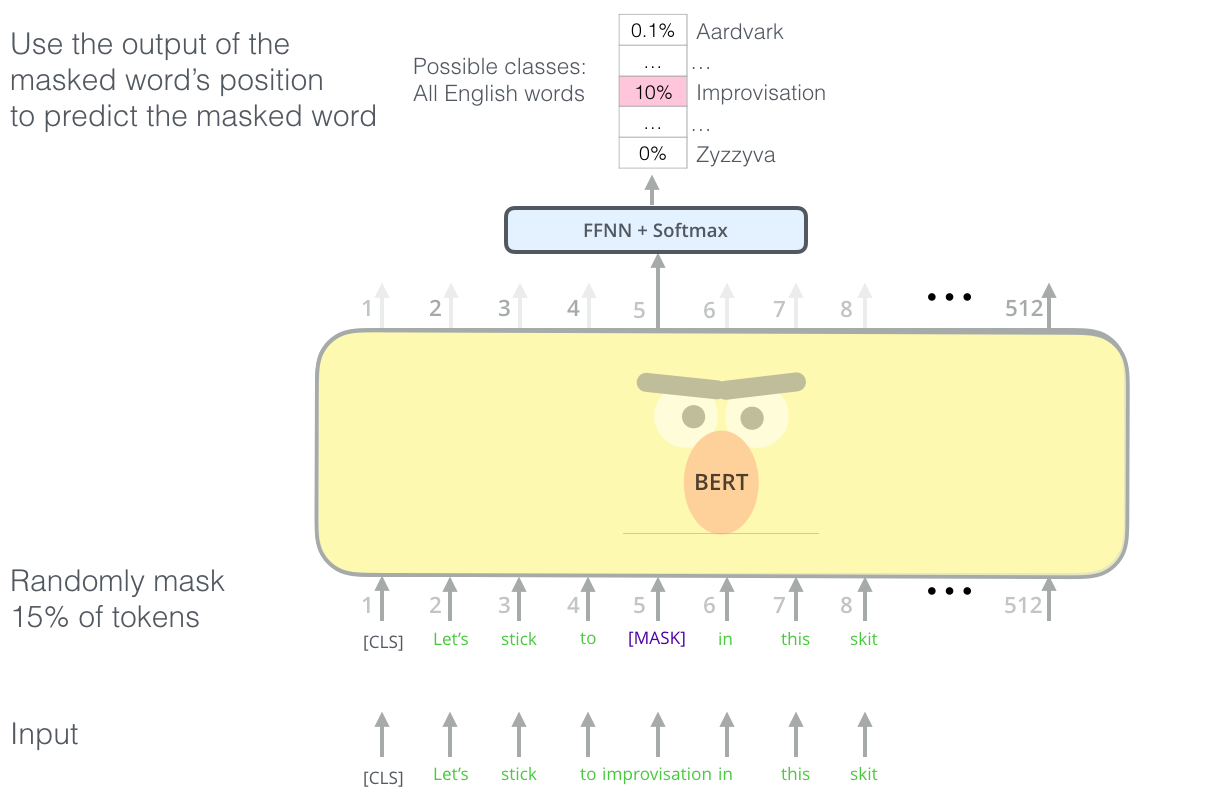
How to Mask?
How to Mask?
15% of tokens in each sequence will be randomly masked.
How to mask?
80% of the time: Replace the word with the [MASK] token, e.g., my dog is hairy ⇒ my dog is [MASK]
10% of the time: Replace the word with a random word, e.g., my dog is hairy ⇒ my dog is apple.
10% of the time: Keep the word unchanged, e.g., my dog is hairy ⇒ my dog is hairy.
Why last two operators?
Next Sentence Prediction
Next Sentence Prediction
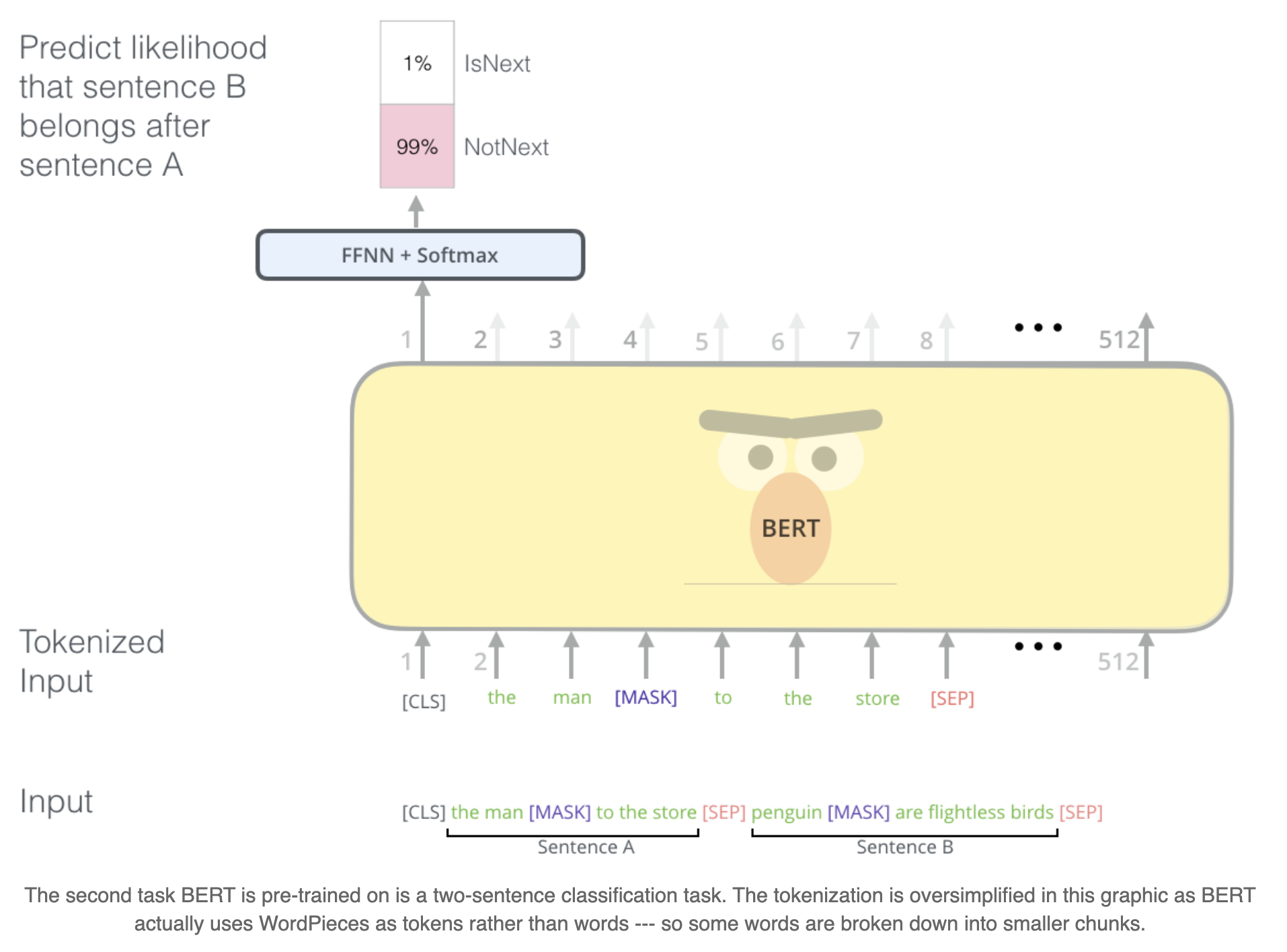
https://jalammar.github.io/illustrated-bert/
Training the Pretrain Model
Training the Pretrain Model
Training Corpus:
BooksCorpus (800M words)
English Wikipedia (2,500M words)
Versions (L stands for the number of layers, H stands for the hidden size, A stands for the number of self-attention heads):
BERT-Base: L = 12, H = 768, A = 12, Total parameters = 110M
BERT-Large: L = 24, H = 1024, A = 16, Total parameters = 340M
Finetuning for Tasks
Finetuning for Tasks
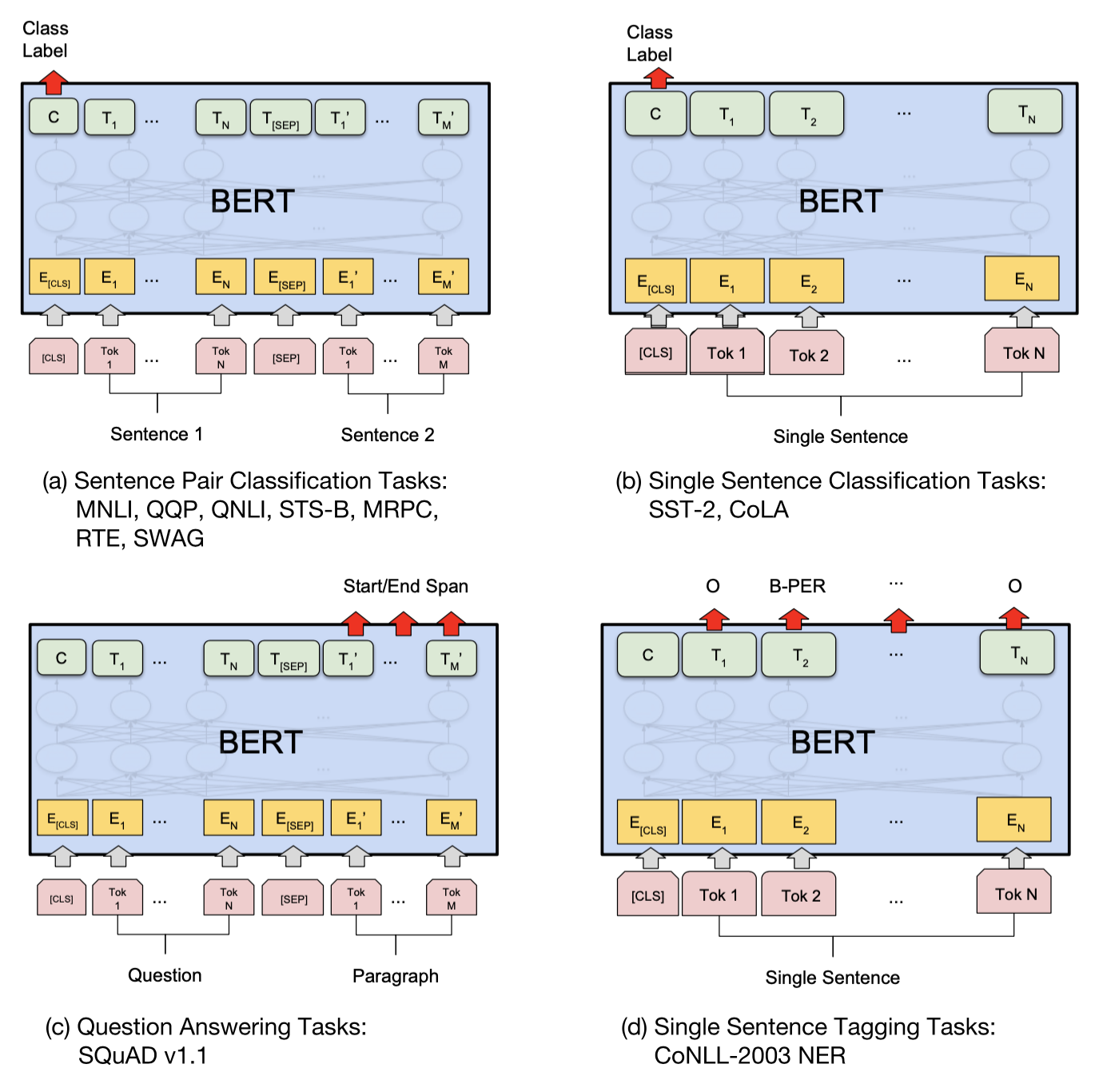
https://jalammar.github.io/illustrated-bert/
Bert for Feature Extraction
Bert for Feature Extraction
https://jalammar.github.io/illustrated-bert/
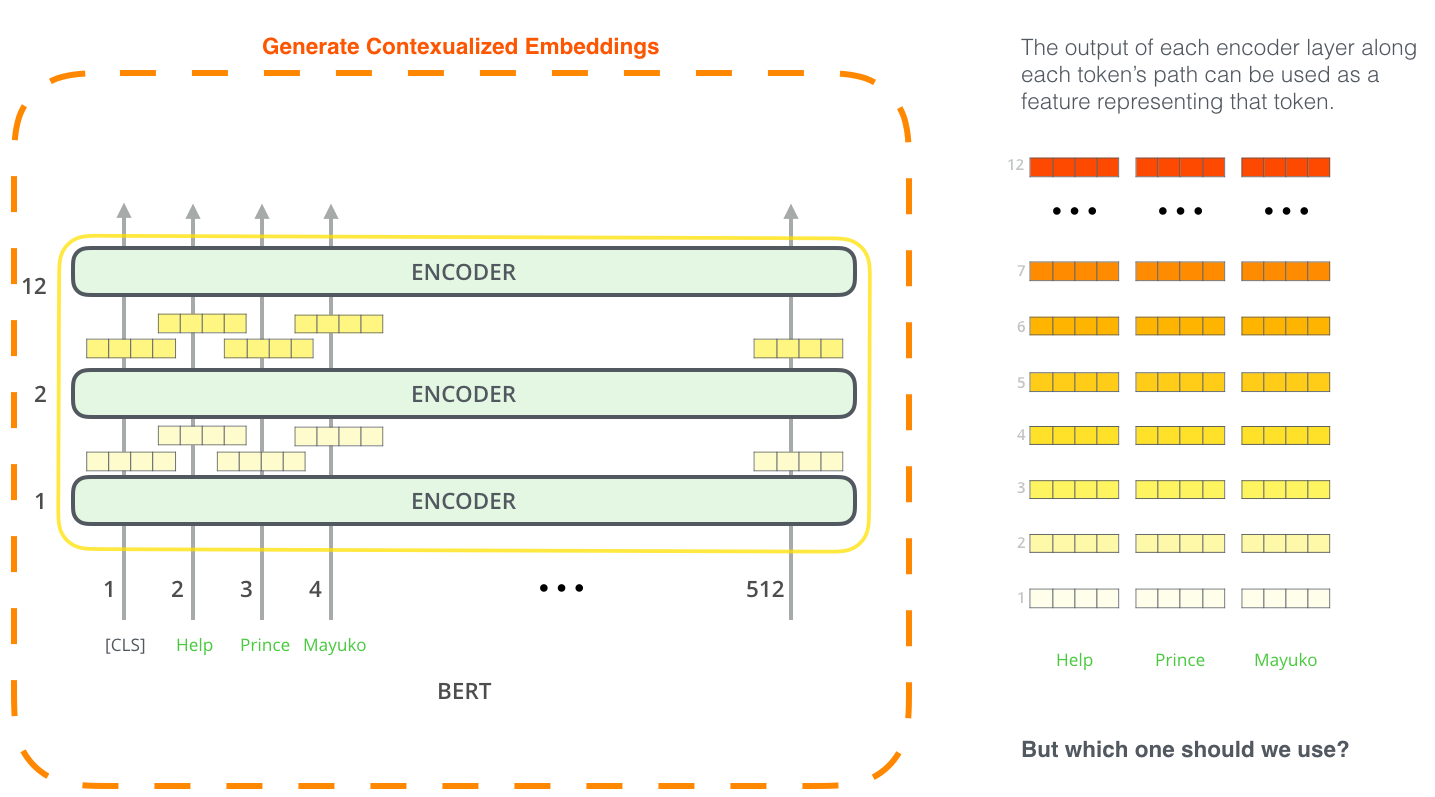
Bert for Feature Extraction
Bert for Feature Extraction
https://jalammar.github.io/illustrated-bert/
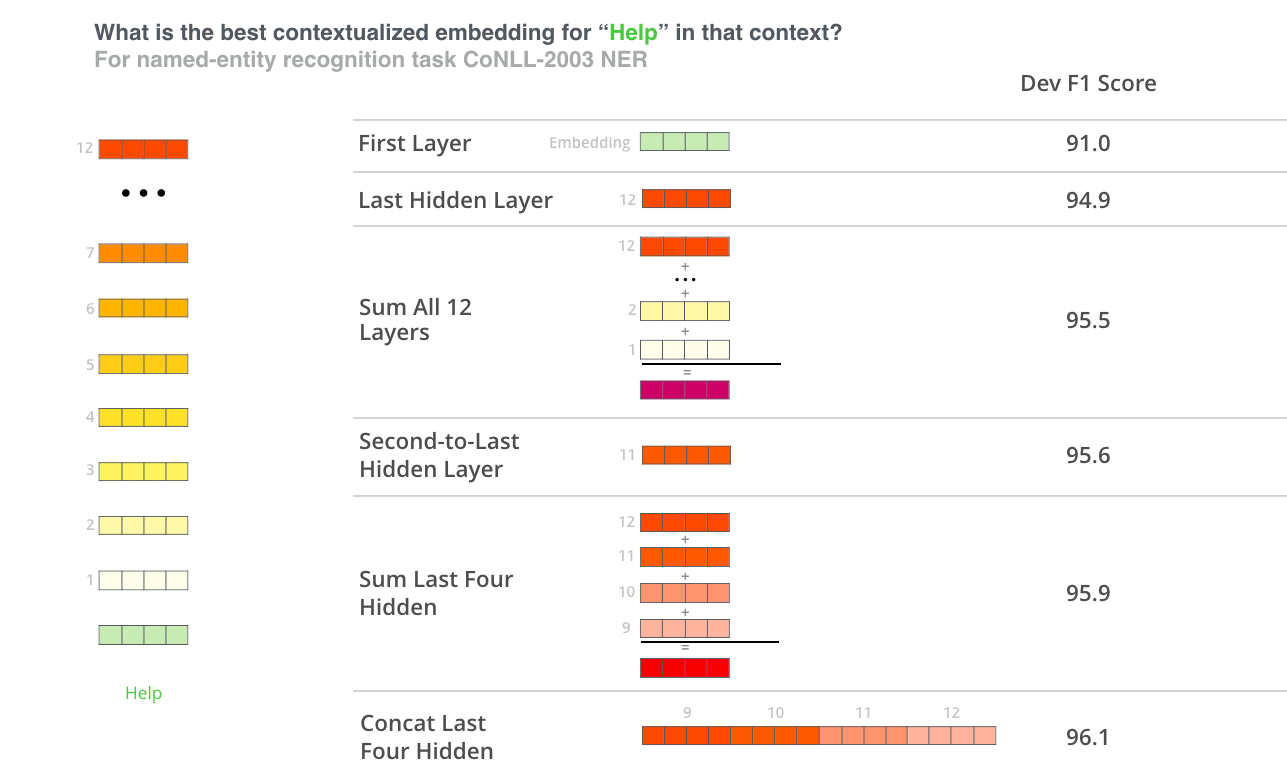
2.3 Pretrained Language Models 2.3.5 T5: Encoder–Decoder Pretraining
2.3 Pretrained Language Models 2.3.5 T5: Encoder–Decoder Pretraining
Transformers Pretrained Models
Transformers → Pretrained Models
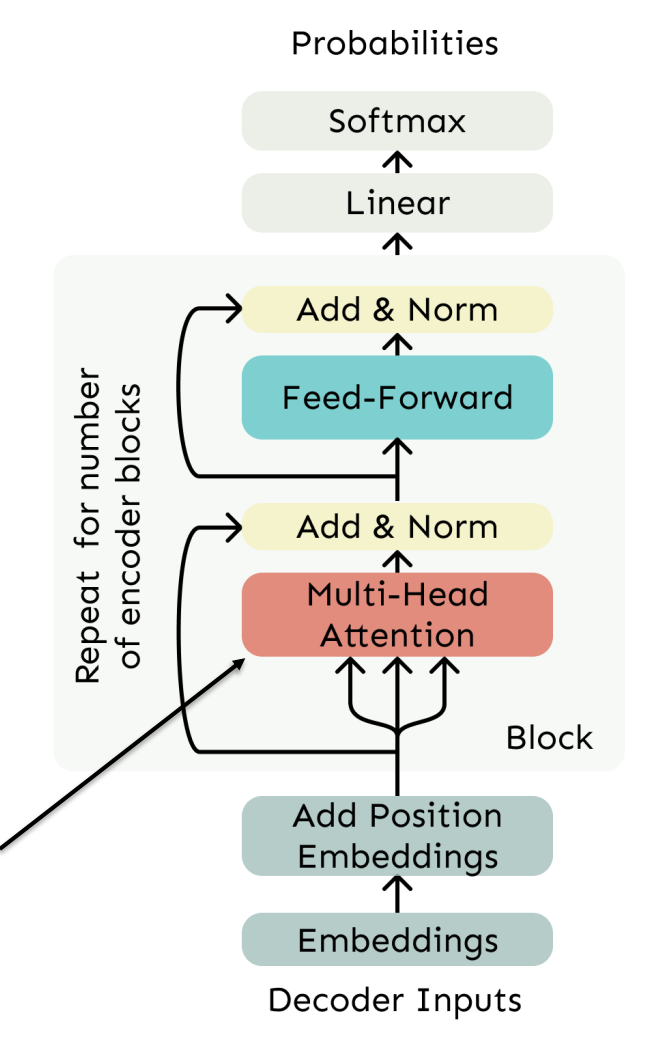
No Masking!
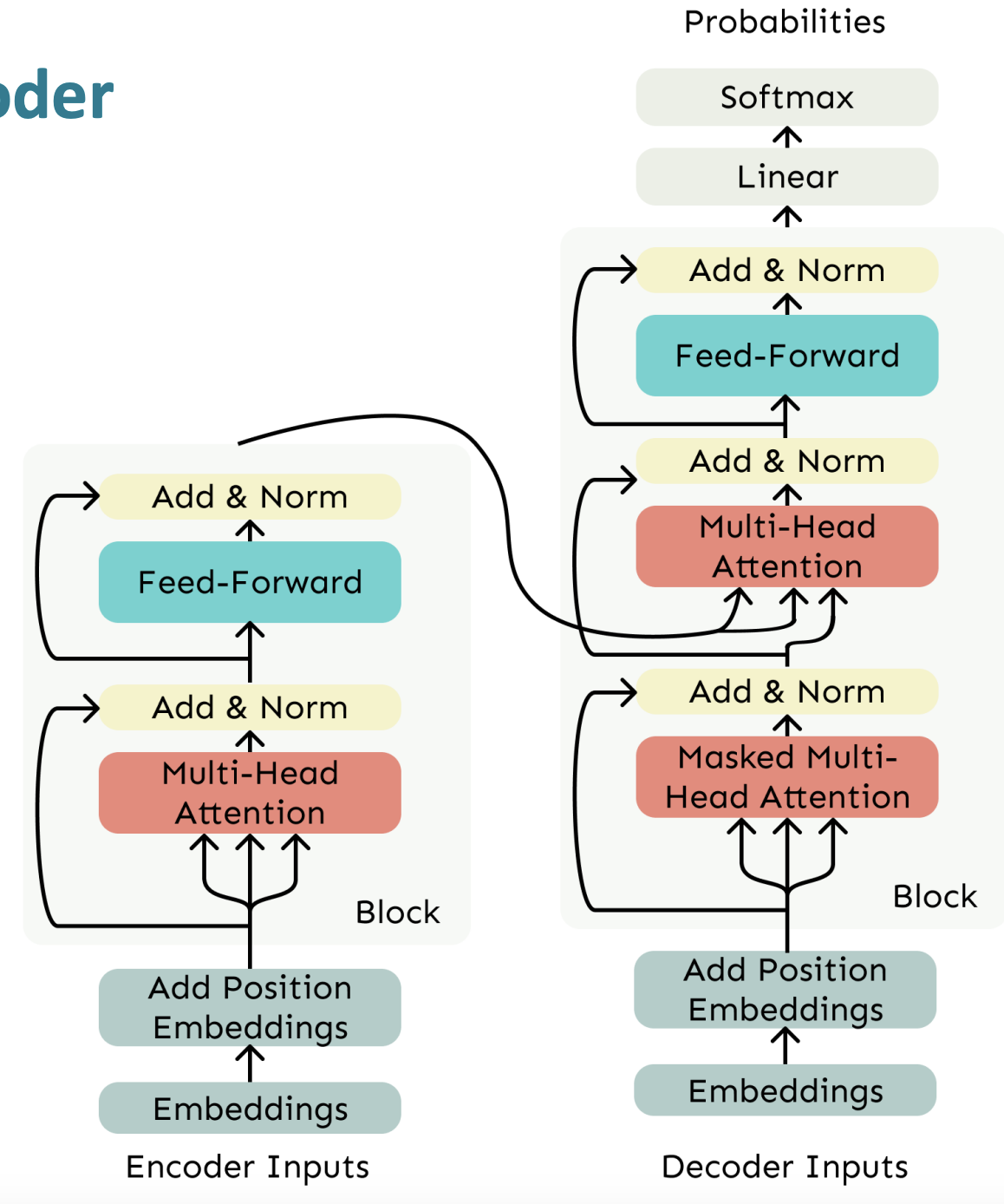
BERT
Encoder
Decoder
GPT
Encoder-Decoder
?
Pretrained Encoder-Decoder Model
Pretrained Encoder-Decoder Model
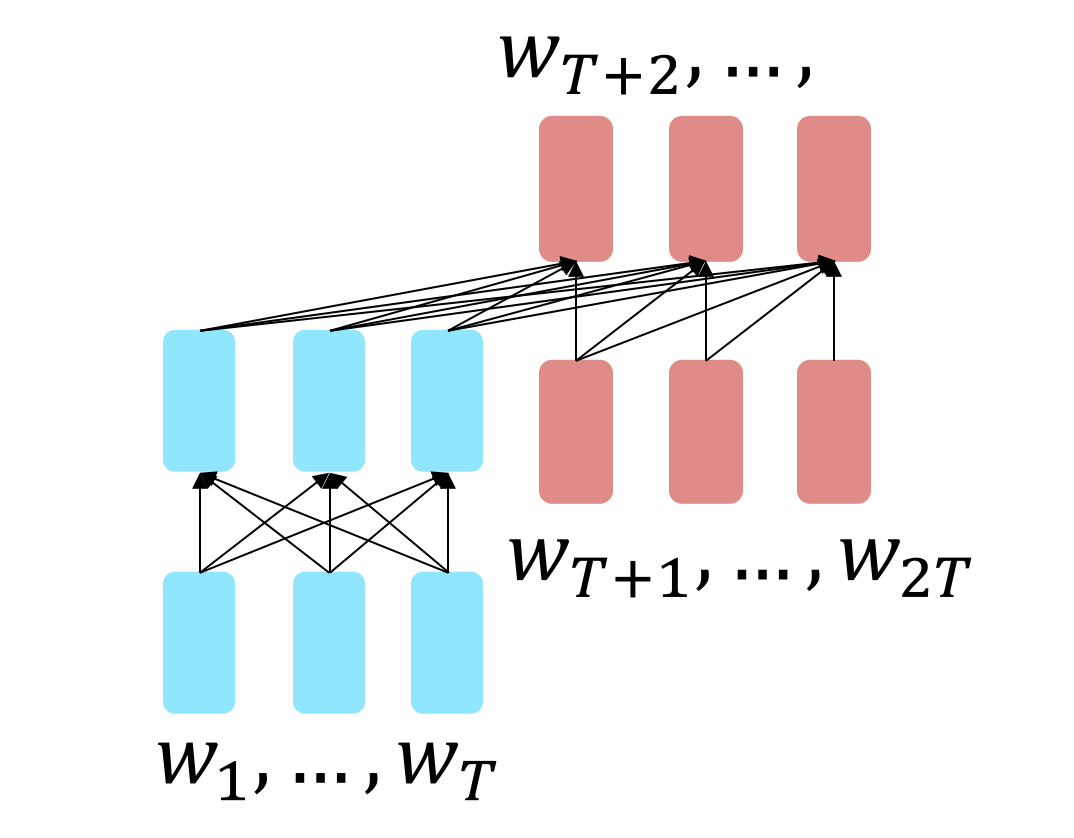
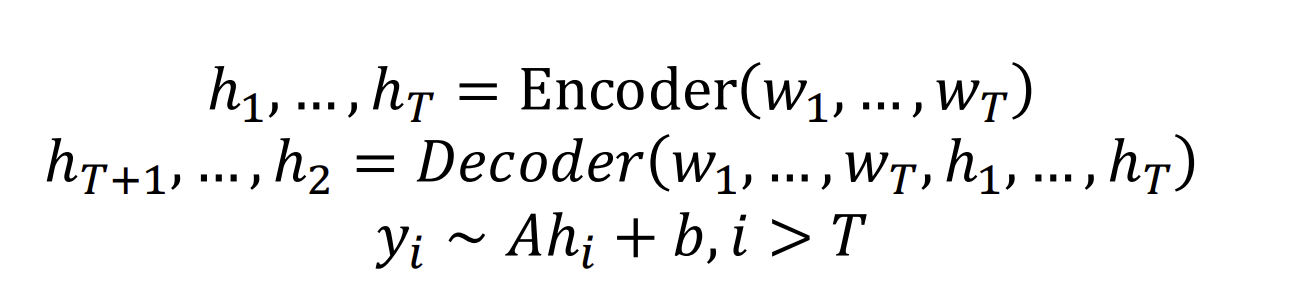
https://web.stanford.edu/class/cs224n/slides_w25/cs224n-2025-lecture09-pretraining.pdf
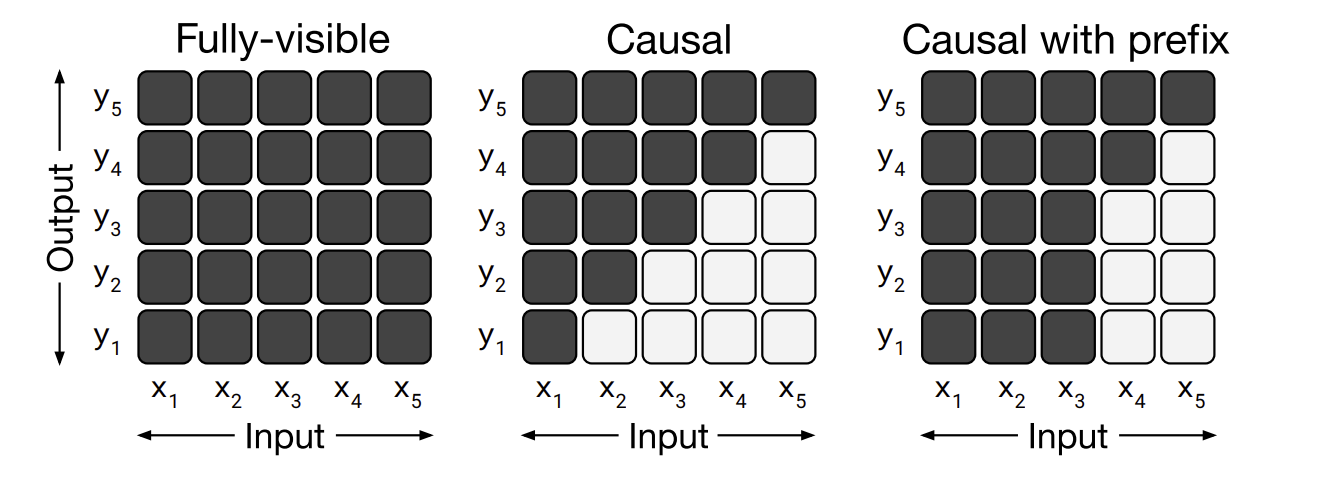
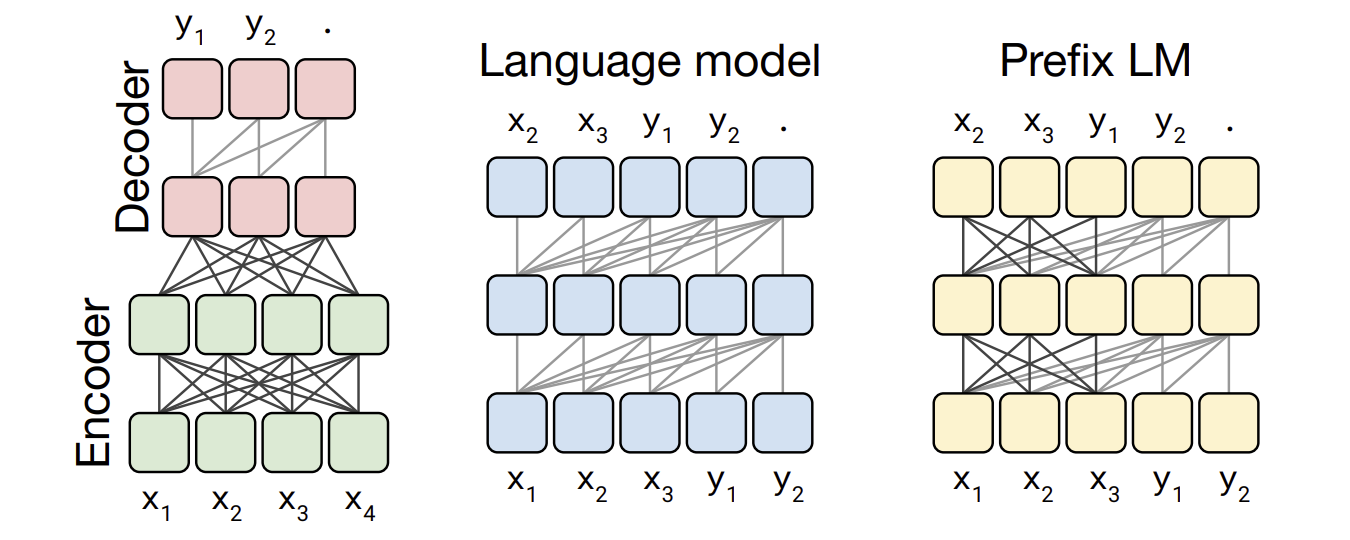
Prefix Language Model
Prefix Language Model
Exploring the Limits of Transfer Learning with a Unified Text-to-Text Transformer, JMLR, 2020
Why Encoder-Decoder Denoising Model
Why Encoder-Decoder Denoising Model
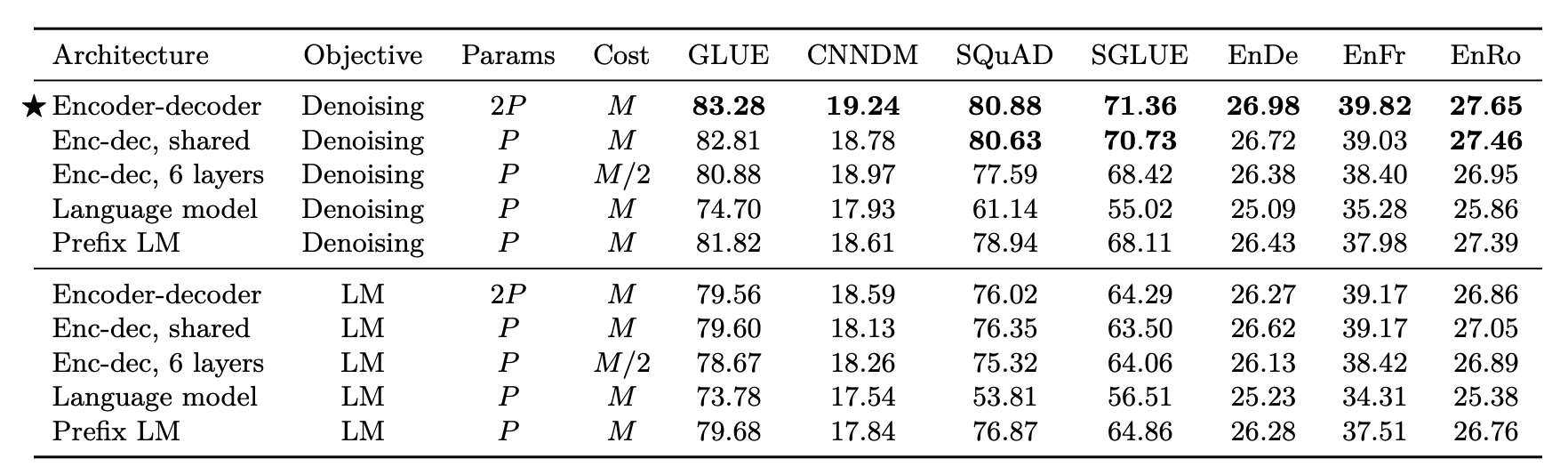
Exploring the Limits of Transfer Learning with a Unified Text-to-Text Transformer, JMLR, 2020
What is the Pretraining Output?
What is the Pretraining Output?
Exploring the Limits of Transfer Learning with a Unified Text-to-Text Transformer, JMLR, 2020

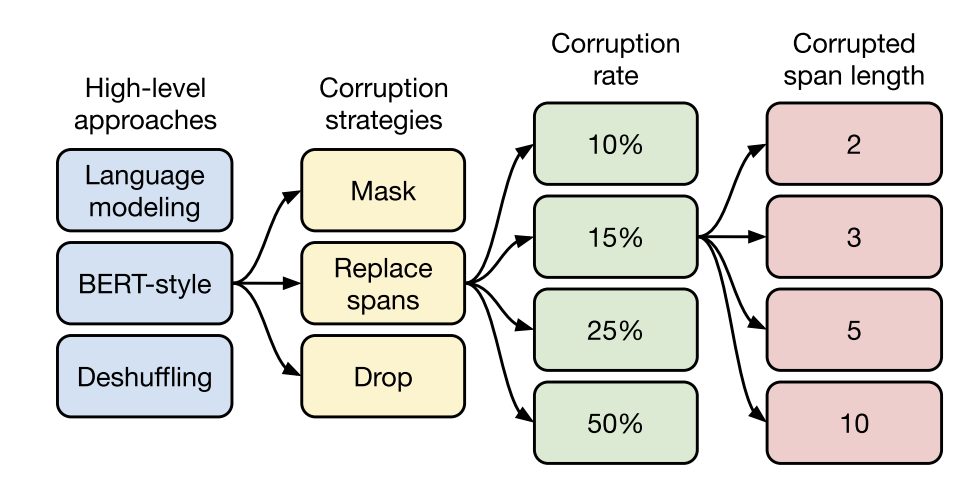
Choose Which One?
Choose Which One?
Exploring the Limits of Transfer Learning with a Unified Text-to-Text Transformer, JMLR, 2020
Choose Which One?
Choose Which One?
Exploring the Limits of Transfer Learning with a Unified Text-to-Text Transformer, JMLR, 2020


T5 (Text-to-Text Transfer Transformer, Google, 2021)
T5 (Text-to-Text Transfer Transformer, Google, 2021)
https://web.stanford.edu/class/cs224n/slides_w25/cs224n-2025-lecture09-pretraining.pdf
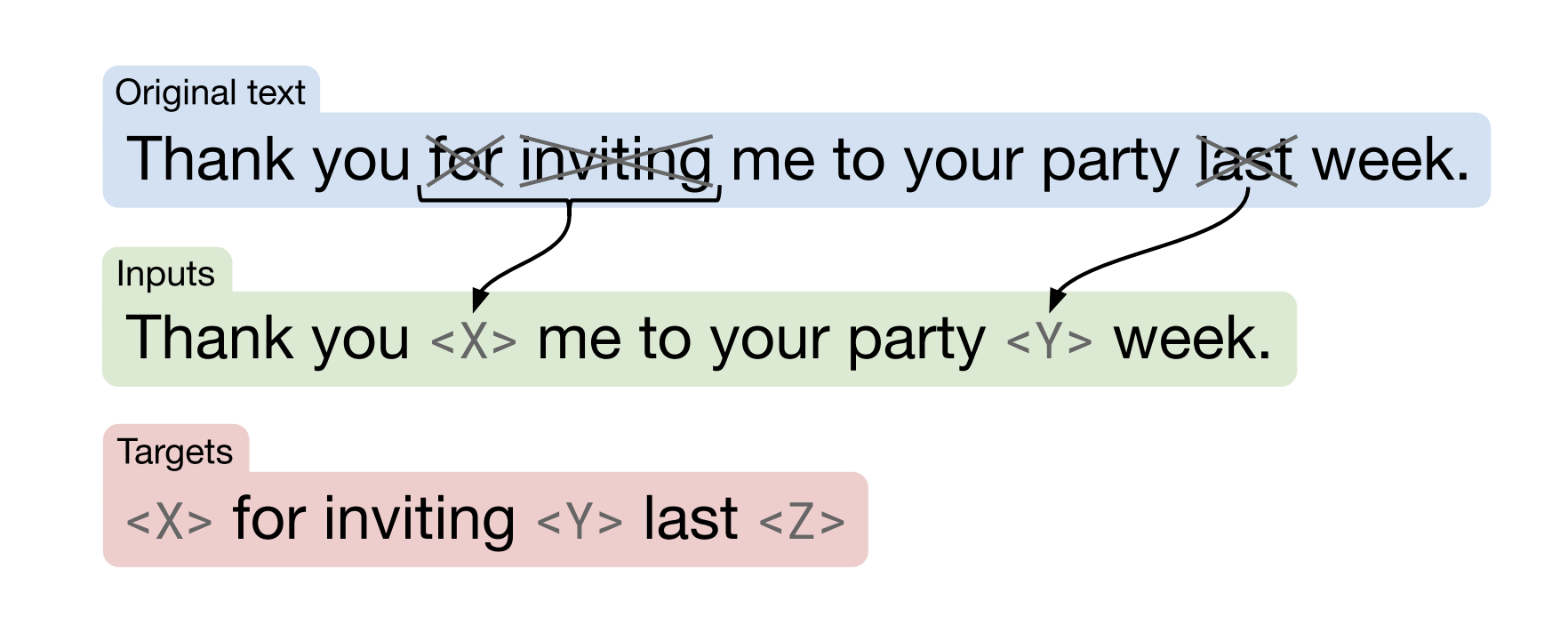

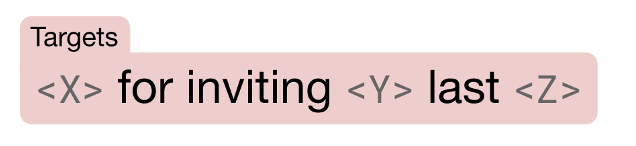
Uses a “span corruption” objective, where spans of text are randomly masked out and replaced by a mask token.
The model then must reconstruct these masked spans from the unmasked text.
Encoder-Decoder Framework
Multi-Task Pretraining
Multi-Task Pretraining
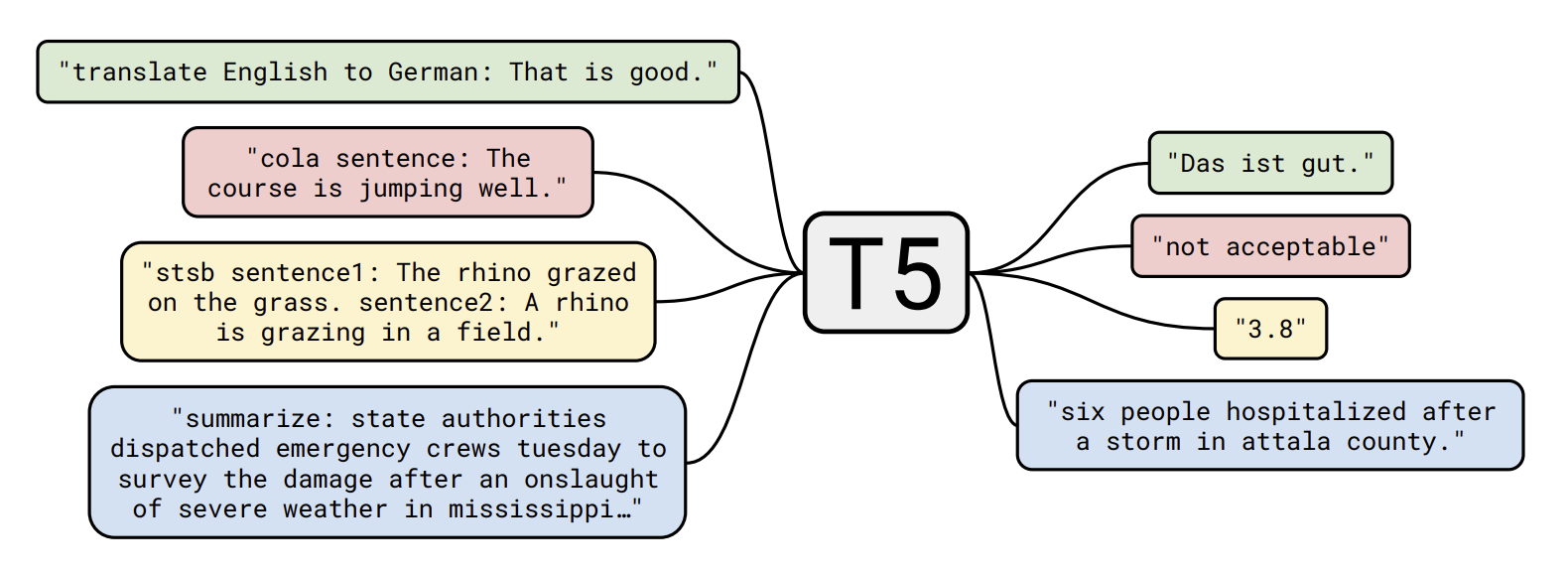
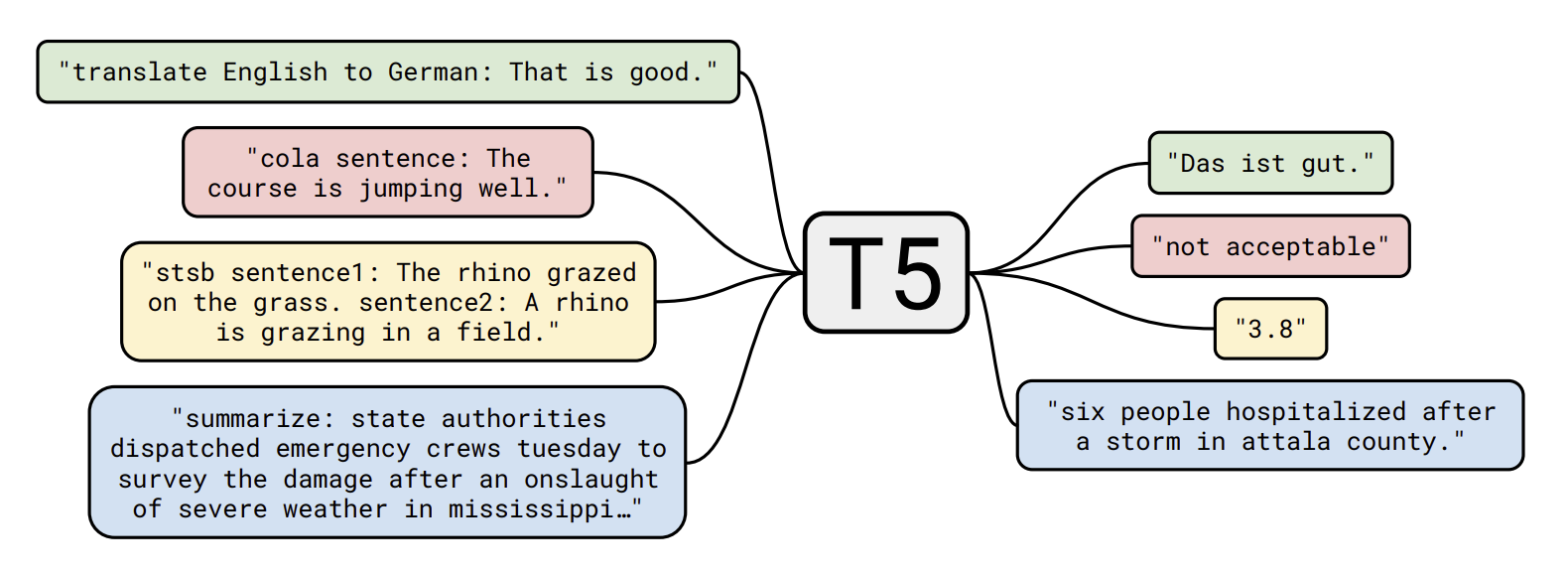
T5 converts every task into a text-in → text-out format. For example:
Sentiment classification:
Input: "sst2 sentence: I liked the movie.”
Output: "positive”
Summarization:
Input: "summarize: [article text]”
Output: "[short summary]”
Translation:
Input: "translate English to German: How are you?”
Output: "Wie geht es dir?"
By unifying all tasks under this text-to-text scheme, T5 uses the same encoder-decoder architecture and the same loss function for everything, rather than having specialized heads for classification, QA, etc.
T5: Inspiration of AGI
T5: Inspiration of AGI
Exploring the Limits of Transfer Learning with a Unified Text-to-Text Transformer, JMLR, 2020
2.3 Pretrained Language Models 2.3.6 Pretrained Model Gallery
2.3 Pretrained Language Models 2.3.6 Pretrained Model Gallery
ULMFiT (2018)
ULMFiT (2018)
What:
Another pretrain–fine-tune architecture for NLP using LSTM-based language models at the same time with ELMO.
Why it’s important:
Historical significance: demonstrated that language model fine-tuning can drastically improve downstream tasks.
Bridges older RNN-based approaches and modern transformer-based methods.
RoBERTa (2019)
RoBERTa (2019)
What:
A robustly optimized BERT variant from Facebook (Meta AI) that removes Next Sentence Prediction (NSP) and trains with longer sequences, dynamic masking, and more data.
Why it’s important:
Demonstrates that improved training protocols can yield better performance without architectural changes.
One of the first to show NSP might not be crucial in BERT-like models.
SpanBERT (2019)
SpanBERT (2019)
What:
A variant of BERT that masks and predicts contiguous spans of text rather than individual tokens.
Why it’s important:
By focusing on phrase-level (span-level) context, SpanBERT better captures how multiple tokens interact to form entities or expressions.
This improvement leads to better performance on tasks such as question answering, coreference resolution, and information extraction—where understanding multi-token entities is crucial.
XLNet (2019)
XLNet (2019)
What:
A generalized auto-regressive pretraining method that uses permutation language modeling rather than strictly left-to-right or masked token prediction.
Why it’s important:
Addresses some of the limitations of BERT’s masked language modeling by learning bidirectional context while still using an auto-regressive objective.
Showed strong performance on a variety of NLP benchmarks at the time.
BART (2019)
BART (2019)
What:
An encoder-decoder (seq2seq) model that corrupts text input (via masking, shuffling, etc.) and learns to reconstruct the original text.
Why it’s important:
Demonstrates a strong denoising autoencoder approach for generation tasks (summarization, etc.).
Similar architecture to T5 but with different corruption strategies.
MASS (2019)
MASS (2019)
What:
An encoder-decoder model that masks a fragment of the input and trains the decoder to reconstruct it.
Why it’s important:
Early encoder-decoder approach for tasks like machine translation.
A direct precursor to frameworks like BART/T5 in seq2seq pretraining.
ALBERT (2019)
ALBERT (2019)
What:
A “lite” version of BERT that uses parameter-sharing across layers and factorized embeddings to reduce the model size.
Why it’s important:
Illustrates parameter efficiency in large Transformers.
Achieves near-state-of-the-art performance at the time with far fewer parameters.
DistilBERT (2019)
DistilBERT (2019)
What:
A distilled (smaller) version of BERT that retains much of its performance while being faster and lighter.
Why it’s important:
Showcases knowledge distillation for compressing large PLMs.
Vital for real-world deployment constraints (latency, memory).
XLM/mBERT/XLM-R (2019)
XLM/mBERT/XLM-R (2019)
What:
Multilingual and cross-lingual variants of BERT-like models.
Why it’s important:
Demonstrates how to handle many languages within a single model.
Cross-lingual transfer (fine-tune in one language, apply to another).
2.3 Pretrained Language Models 2.3.7 Suggested Readings
2.3 Pretrained Language Models 2.3.7 Suggested Readings
Papers and Articles
Papers and Articles
Improving Language Understanding by Generative Pre-Training https://cdn.openai.com/research-covers/language-unsupervised/language_understanding_paper.pdf
BERT: Pre-training of Deep Bidirectional Transformers for Language Understanding https://aclanthology.org/N19-1423/
Exploring the Limits of Transfer Learning with a Unified Text-to-Text Transformer: https://jmlr.org/papers/v21/20-074.html
Any Questions?
Any Questions?
Natural Language UnderstandingLanguage Understanding Tasks

Natural Language
Understanding
Language Understanding Tasks
Understanding
Language Understanding Tasks
Mingming Sun
BIMSA
Outline

Outline
Word Sense Disambiguation
Sentiment Analysis
Semantic Textual Similarity
Text Summarization
Information Retrieval
Question Answering
Dialogue Systems
2.4 Language Understanding Tasks 2.4.1 Word Sense Disambiguation
2.4 Language Understanding Tasks 2.4.1 Word Sense Disambiguation
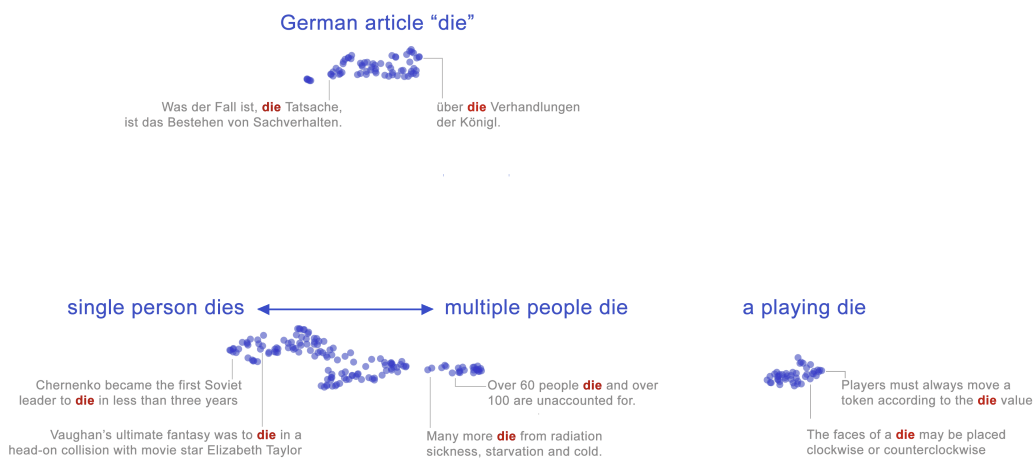
Recall: Word Sense and Contextual Embedding
Recall: Word Sense and Contextual Embedding
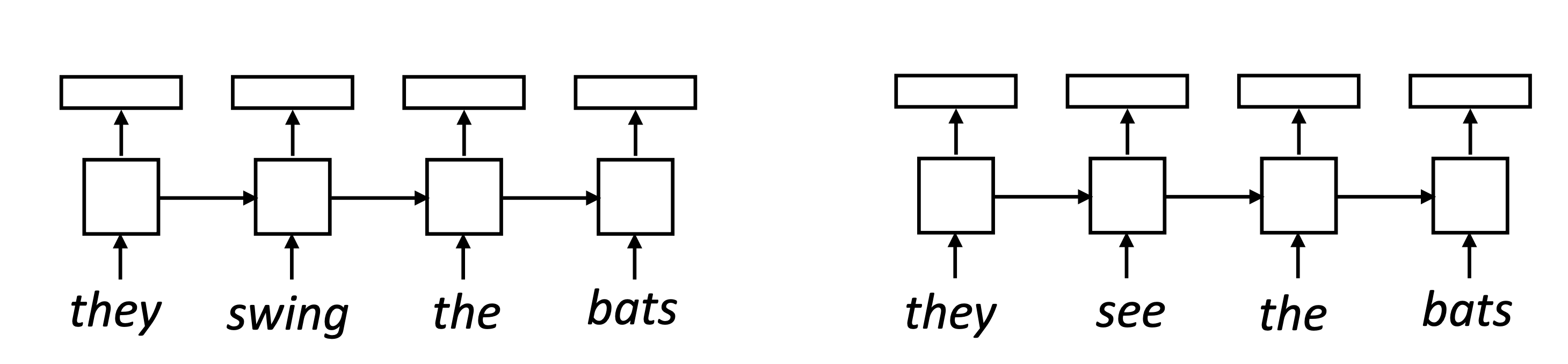
World has different Sense in different environment;
Bat (noun) — Animal
Bat (noun) — Sports equipment
Bat (verb) — To hit with a bat
Bat (verb) — To flutter or blink quickly
World has different contextual Embedding in different environment;
https://www.cs.utexas.edu/~gdurrett/courses/fa2022/lectures/lec20-1pp.pdf
Recall: Word Sense and Contextual Embedding
Recall: Word Sense and Contextual Embedding
https://web.stanford.edu/~jurafsky/slp3/11.pdf
Word Sense Disambiguation (WSD)
Word Sense Disambiguation (WSD)
Given:
a word in context;
a set of fixed potential word senses;
Output:
Identify the correct sense of the word in the context.
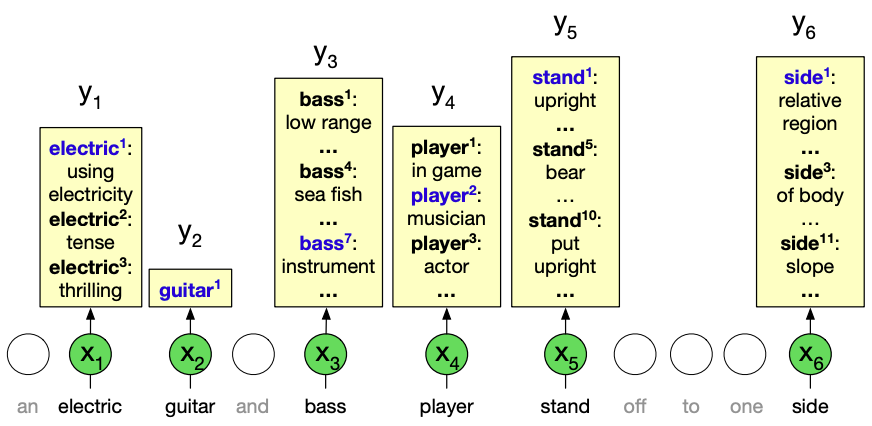
https://web.stanford.edu/~jurafsky/slp3/11.pdf
Problem Modeling
Problem Modeling
Target: Matching a word in context to a set of sense;
What we have:
We can get contextual embedding of the word given context through a pre-trained BERT;
But we have no embedding of senses.
How to get the embedding of senses?
A sentence embedding from its definition?
Other method?
How to compute the Sense Embedding
How to compute the Sense Embedding
Sense embedding from its definition:
Plan I: Use sentence-BERT to compute the phrase/sentence embedding.
Plan II: Average embedding of words in definition (using the same Bert of computing the contextual embedding of the target word)
Pros and Cons?
How to compute the Sense Embedding
How to compute the Sense Embedding
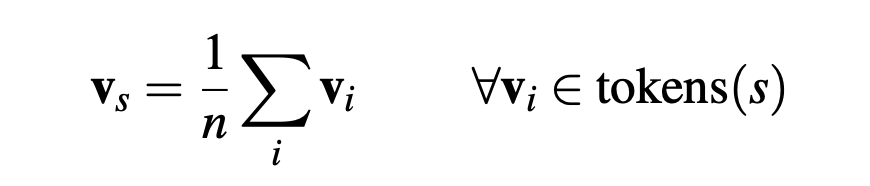
If we have a sense-labeled dataset (SemCore or SenseEval):
The words in each sentence are labeled with it correct sense in the context.
When applying BERT in each sentence, we obtain the corresponding contextual embedding of that word, hence the corresponding sense.
So, for each sense, we gather a collection of contextual embeddings.
In Inference Time
In Inference Time
Just apply the nearest neighbor classification:
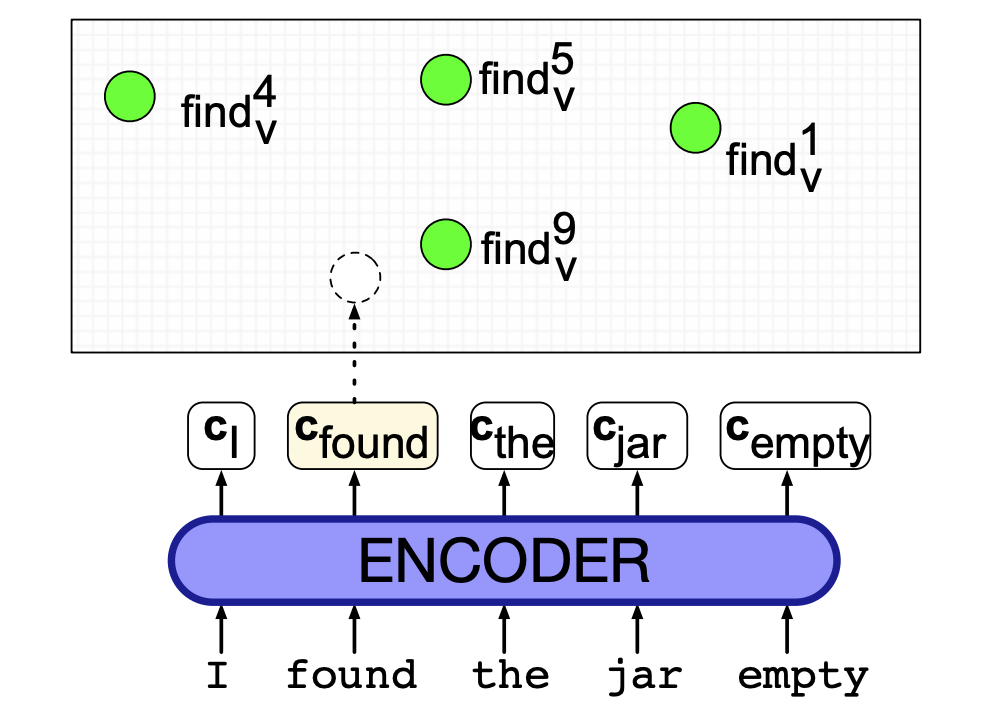

https://web.stanford.edu/~jurafsky/slp3/11.pdf
2.4 Language Understanding Tasks 2.4.2 Sentiment Analysis
2.4 Language Understanding Tasks 2.4.2 Sentiment Analysis
Sentiment Analysis
Sentiment Analysis
Movie reviews
Product comments
Online Twitter and Weibo
News
Financial report
unbelievably disappointing
Full of zany characters and richly applied satire, and some great plot twists
this is the greatest screwball comedy ever filmed
It was pathetic. The worst part about it was the boxing scenes.
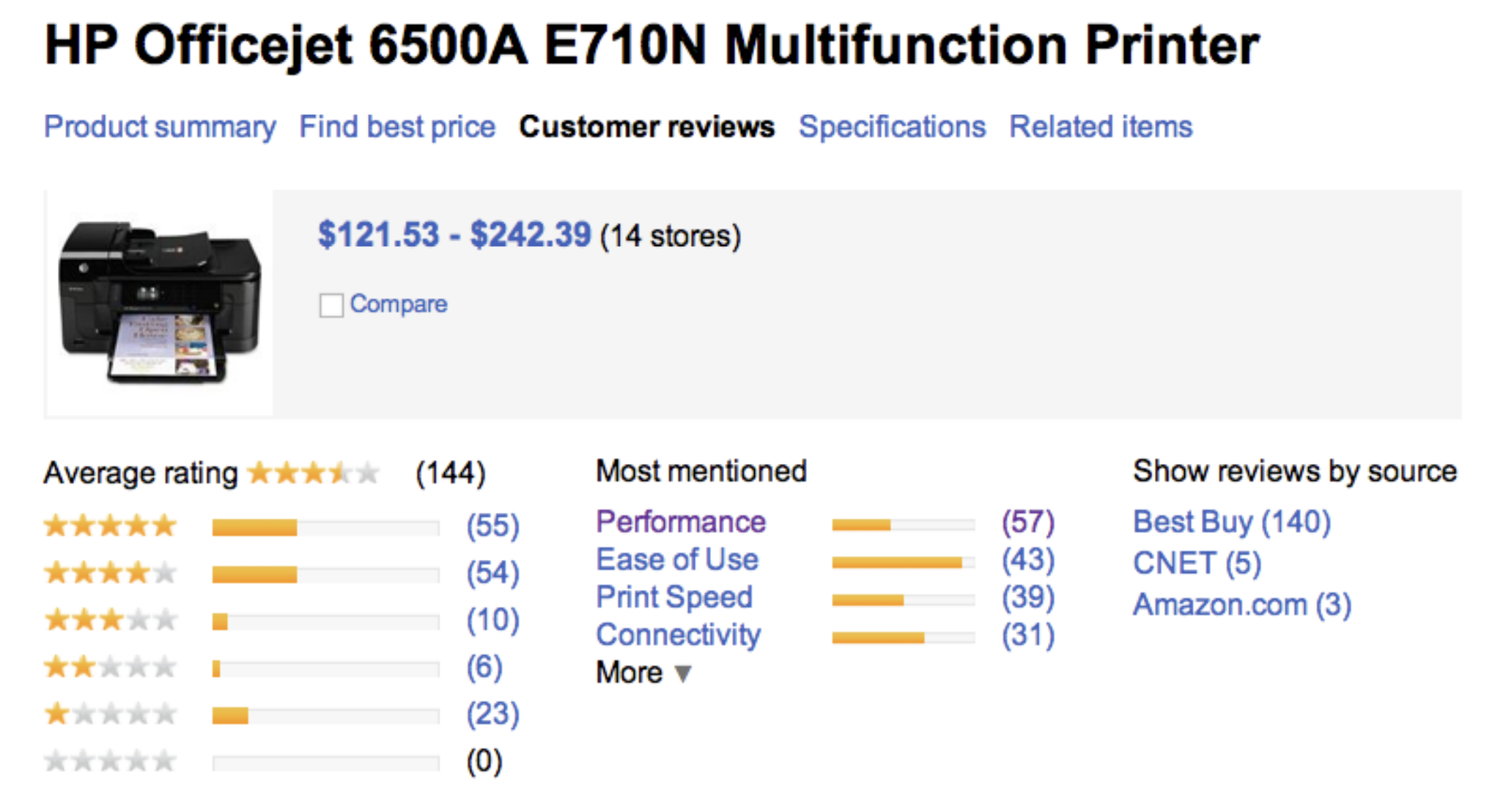
Why Sentiment Analysis
Why Sentiment Analysis
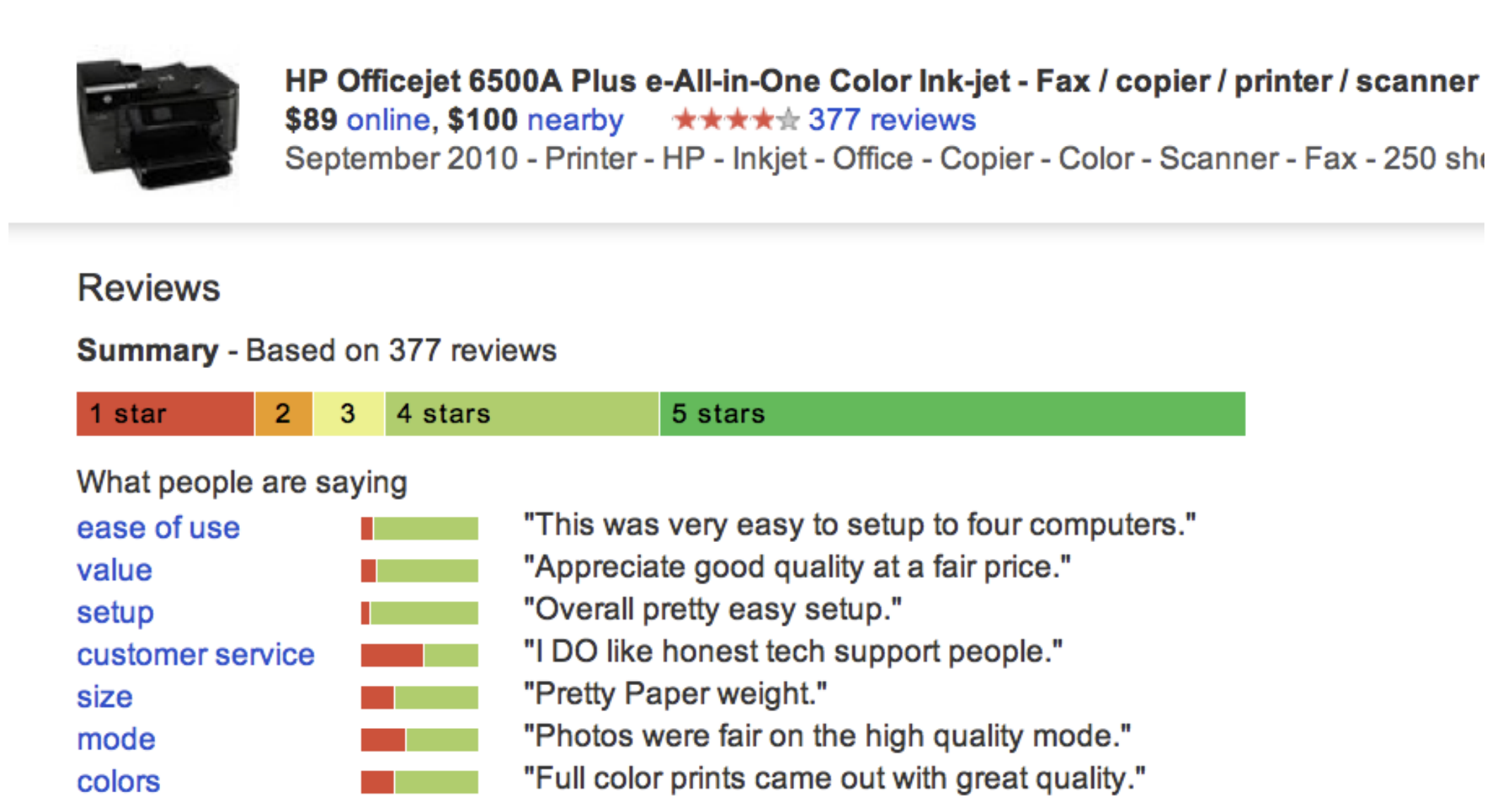
https://web.stanford.edu/~jurafsky/slp3/slides/7_Sent.pdf
Why Sentiment Analysis
Why Sentiment Analysis
https://web.stanford.edu/~jurafsky/slp3/slides/7_Sent.pdf
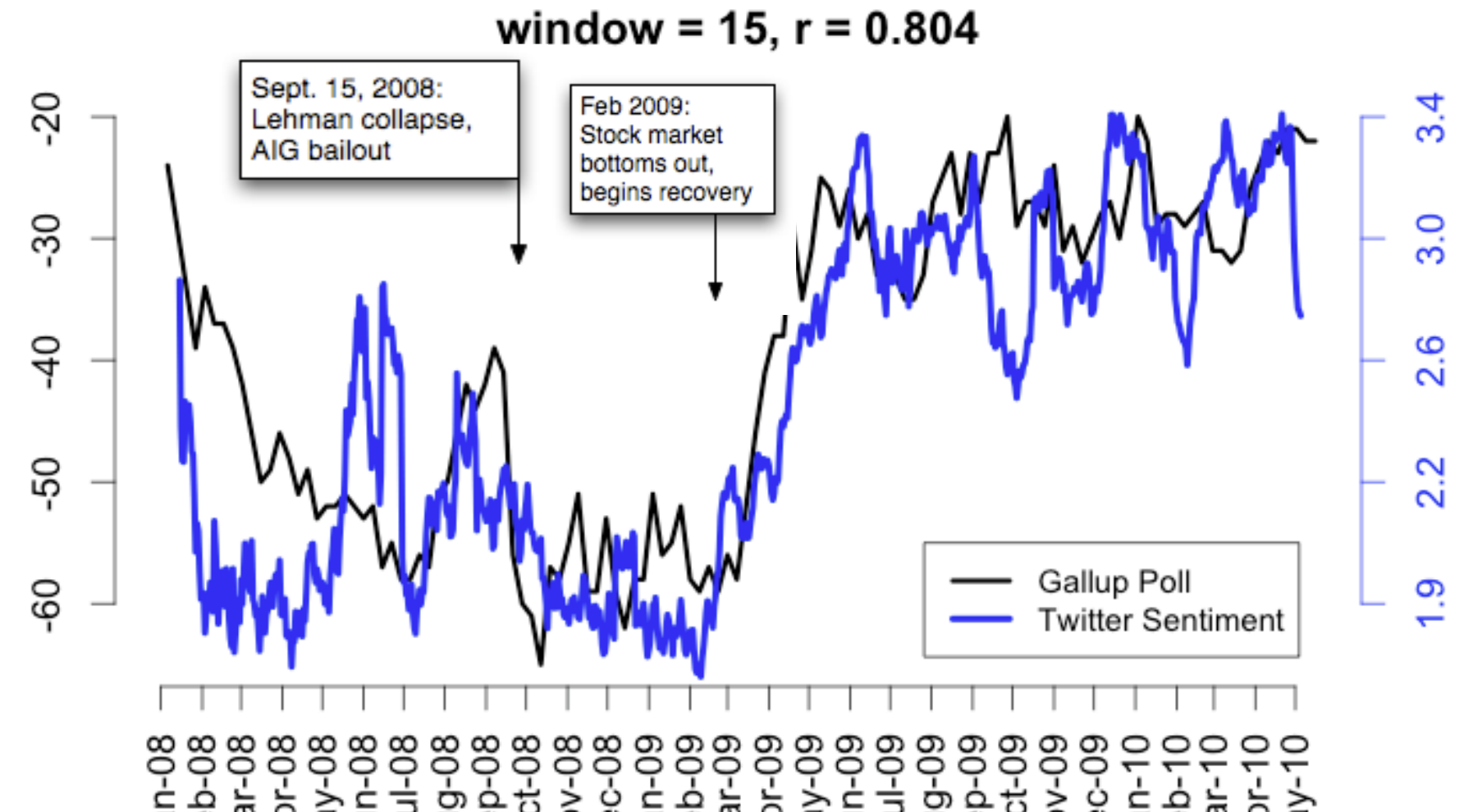
Why Sentiment Analysis
Why Sentiment Analysis
From Tweets to Polls: Linking Text Sentiment to Public Opinion Time Series. In ICWSM-2010
Why Sentiment Analysis
Why Sentiment Analysis
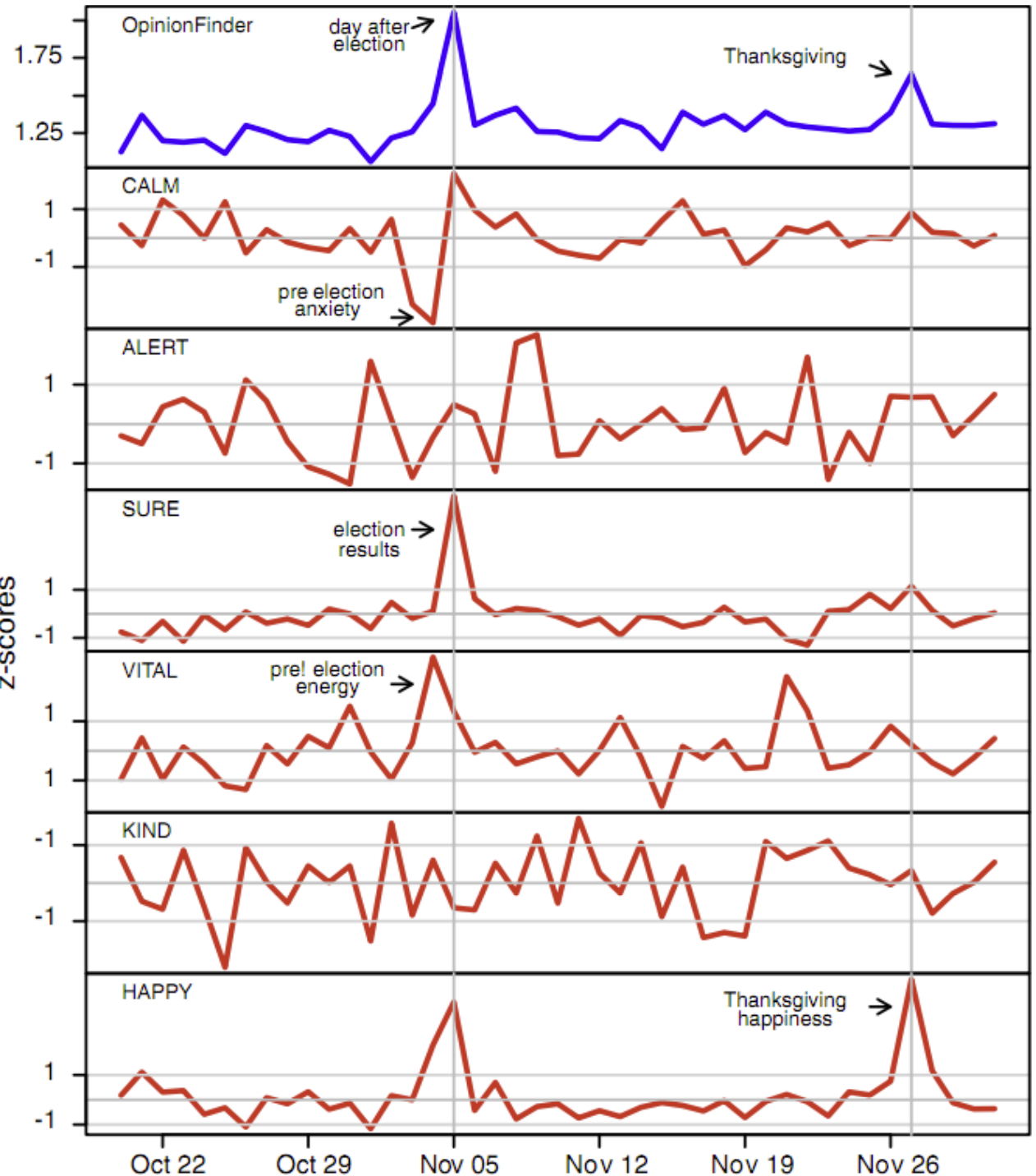
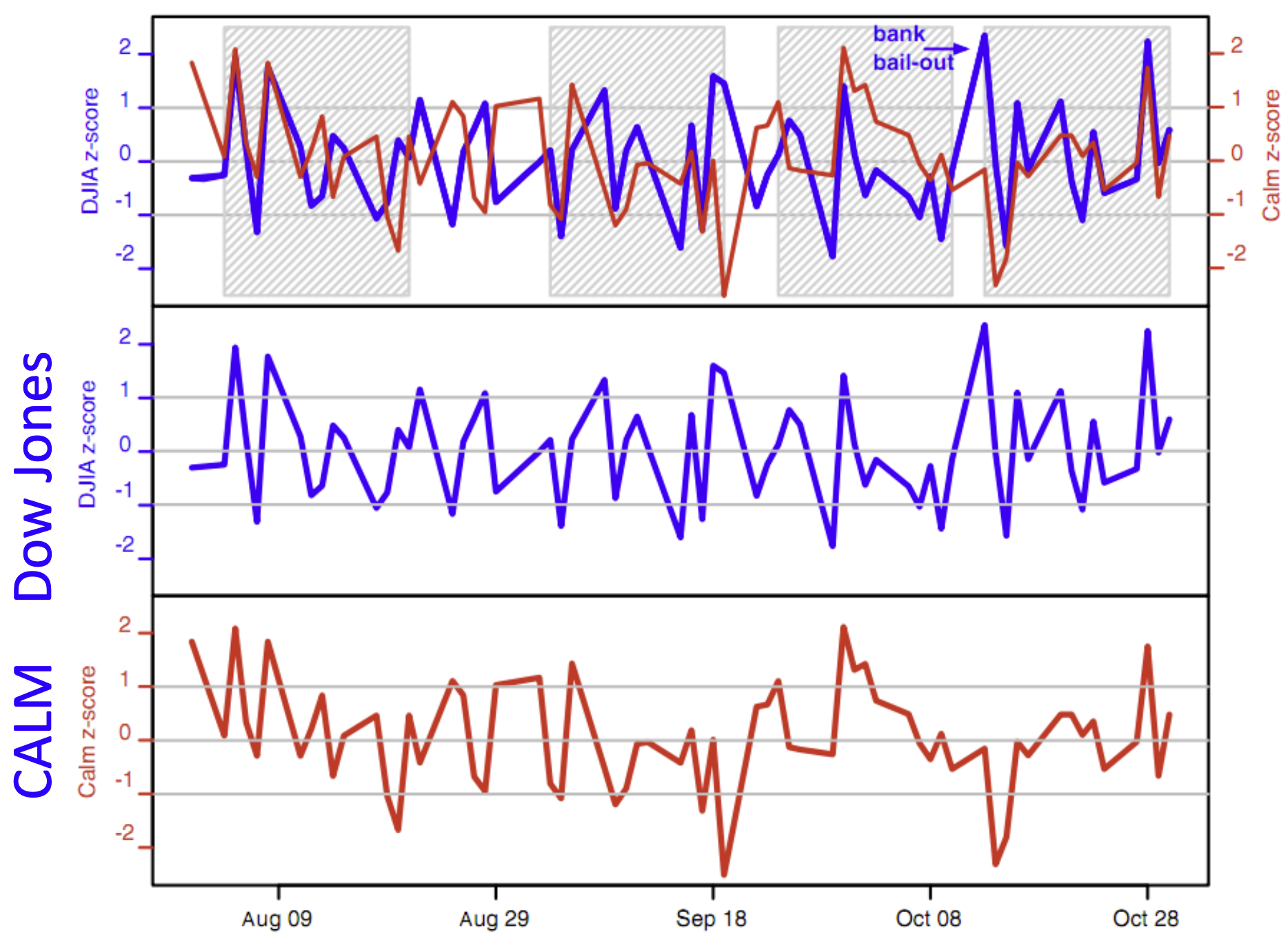
Bollen et al. (2011)
Twitter mood predicts the stock market, 2011
Other names of Sentiment Analysis
Other names of Sentiment Analysis
Opinion extraction
Opinion mining
Sentiment mining
Subjectivity analysis
Sentiment Analysis Task
Sentiment Analysis Task
Sentiment analysis is the detection of attitudes:
“enduring, affectively colored beliefs, dispositions towards objects or persons”
Holder (source) of attitude
Target (aspect) of attitude
Type of attitude
From a set of types: Like, love, hate, value, desire, etc.
Or (more commonly) simple weighted polarity: positive, negative, neutral, together with strength
Text containing the attitude: Sentence or entire document
Sentiment Analysis Task
Sentiment Analysis Task
Simple task
Is the attitude of this text positive or negative?
Rank the attitude of this text from 1 to 5
Advanced:
Aspect based sentiment analysis
Aspect based Sentiment Analysis
Aspect based Sentiment Analysis
Phrase 1: Aspect Term Extraction: extract explicit aspect expressions on which users express opinions in the given text.
The pizza is delicious, but the service is terrible. → “pizza”, “service”
Phrase 2: Aspect Sentiment Classification: predict the sentiment polarity for a specific aspect within a sentence
The pizza is delicious, but the service is terrible.
Aspect: pizza → Positive
Aspect: service → Negative
Algorithm: Simple Task
Algorithm: Simple Task
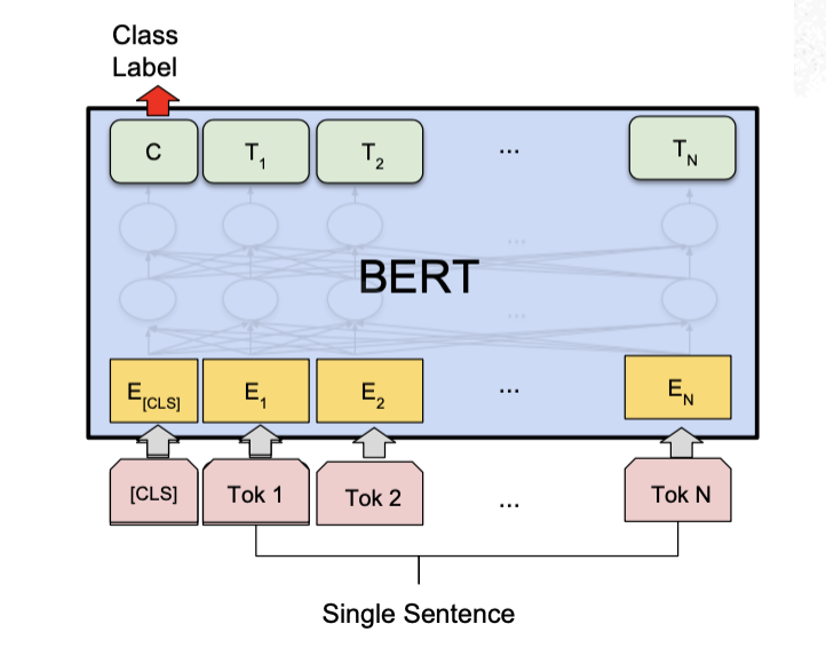
Global classification problem.
Fine-tuning BERT with the right paradigm.
Algorithm: Aspect based Sentiment Analysis
Algorithm: Aspect based Sentiment Analysis
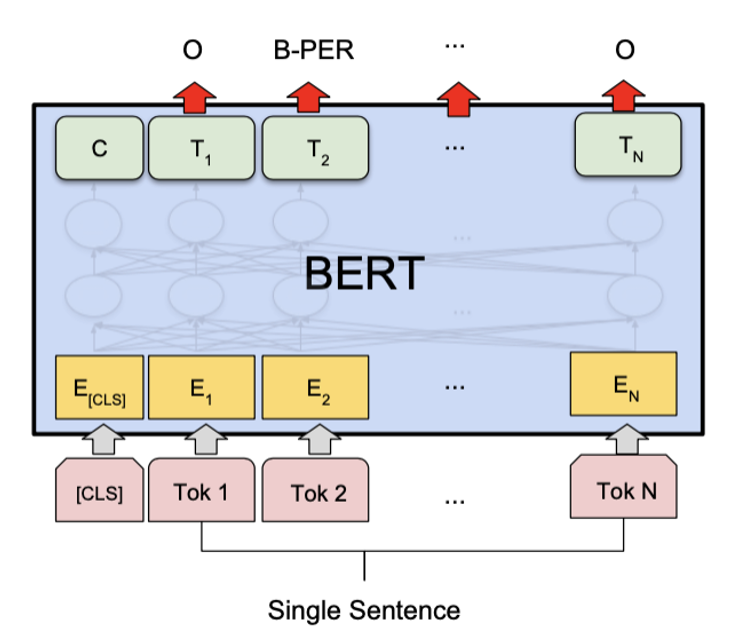
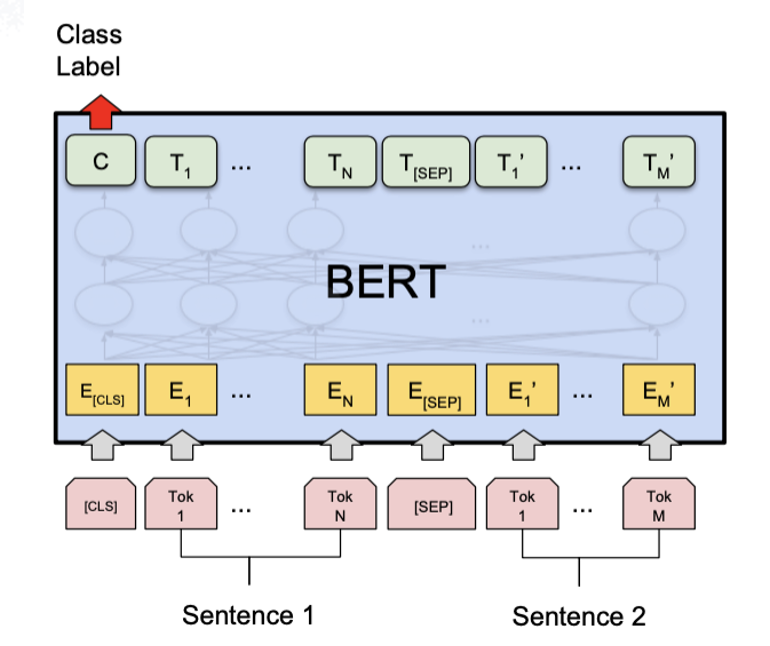
Aspect Term Extraction
Aspect Sentiment Classification
Aspect Term, left and right context
2.4 Language Understanding Tasks 2.4.3 Semantic Textual Similarity
2.4 Language Understanding Tasks 2.4.3 Semantic Textual Similarity
Semantic Textual Similarity (STS)
Semantic Textual Similarity (STS)
Definition: STS measures the degree of semantic equivalence between two text snippets.
Input: A pair of sentences.
Output: A similarity score (typically on a scale from 0 to 5).
Example:
Sentence A: “A man is playing a guitar.”
Sentence B: “A person is performing music.”
Similarity Score: 4.5
Why STS Matters
Why STS Matters
Core NLP task for understanding meaning.
Used in:
Duplicate question detection
Semantic search
Paraphrase identification
Dialogue understanding
Helps systems move beyond surface matching to deeper meaning comparison.
STS vs. Related Tasks
STS vs. Related Tasks
Task | Goal | Difference from STS |
Paraphrase Detection | Are the sentences semantically equivalent? | Binary decision (yes/no) |
NLI / Textual Entailment | Does one sentence entail another? | Focuses on logical inference |
Text Matching | Do the texts match in form/content? | Often used in retrieval |
But their solutions may share the same framework.
Candidate Solution
Candidate Solution
Pairwise sentence relation identification using BERT.
But if we want to cluster a set of sentences, we need to run times of BERT.
How to do it efficiently?
Make complex decision via embedding computation!
Make complex decision via embedding computation!
Sentence-BERT(SBERT) : embed each sentence into a vector!
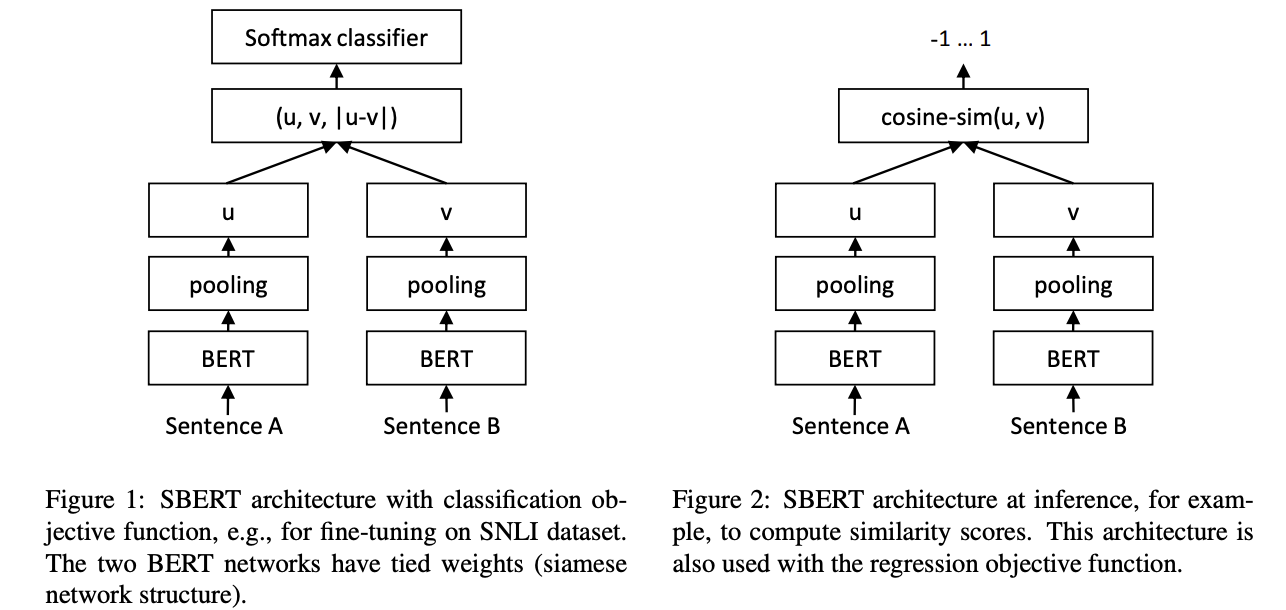
https://arxiv.org/pdf/1908.10084
Training
Training
Trained on 1M sentence pairs of NLI task of three classes: contradiction, eintailment, and neutral.
Finetuned with a 3-way softmax classifier objective function for one epoch.
The default pooling strategy is MEAN.
Performances
Performances
The performances answers following questions:
Why not just average the BERT embedding?
Why use NLI dataset?
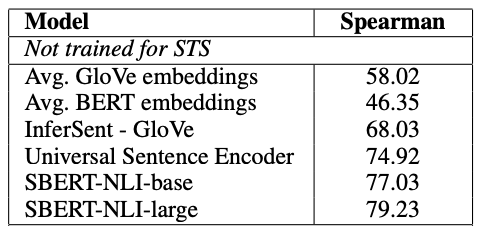
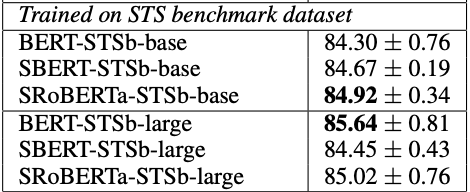
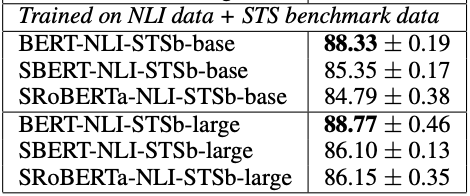

2.4 Language Understanding Tasks 2.4.4 Text Summarization
2.4 Language Understanding Tasks 2.4.4 Text Summarization
Text Summarization
Text Summarization
Definition: Automatically generating a shorter version of a text that preserves its key information.
Input: Long document or passage
Output: Concise summary
Goal: Retain the most important ideas in fewer words
Input: "Artificial Intelligence is transforming industries such as healthcare, finance, and education..."
Summary: "AI is revolutionizing major industries."
Road Map
Road Map
Type | Description | Example |
Extractive | Selects and combines important sentences from the original text | Sentence selection |
Abstractive | Generates new sentences using understanding and rephrasing | Paraphrased summary |
Abstractive Approach
Abstractive Approach
We can apply Encoder-Decoder Pretrained Model + Fine tuning to do the task – BART or T5;
But we will introduce two more interesting models:
Summarization-Focused Pretrained Model: PEGASUS by Google;
Copy or Generation? CopyNet
PEGASUS
PEGASUS
Mask and Predicting Important Sentences:
Important Sentences: Most similar with other part of the document measured by metric ROUGE;
Pretrained on large amount of data, finetuned on summarization tasks;
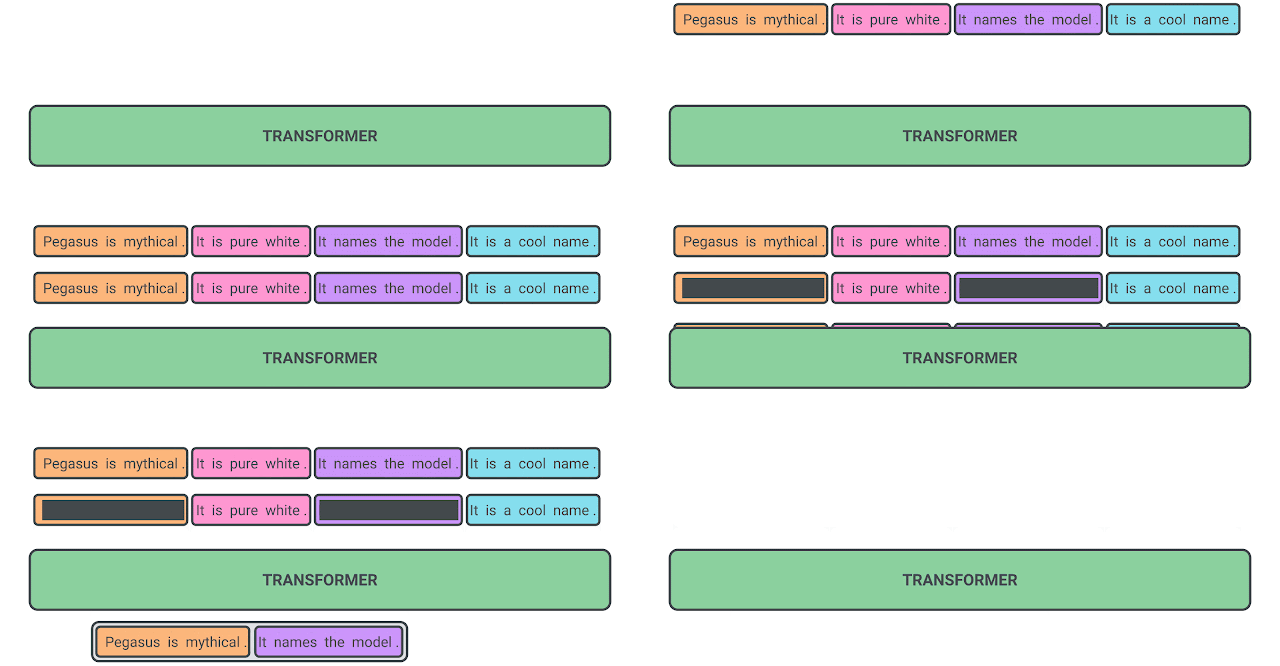
https://research.google/blog/pegasus-a-state-of-the-art-model-for-abstractive-text-summarization/
PEGASUS: Performance
PEGASUS: Performance
New state-of-the-art results as measured by automatic metrics, while using only 5% of the number of parameters of T5.
Strong performance with 1000 finetuning samples;
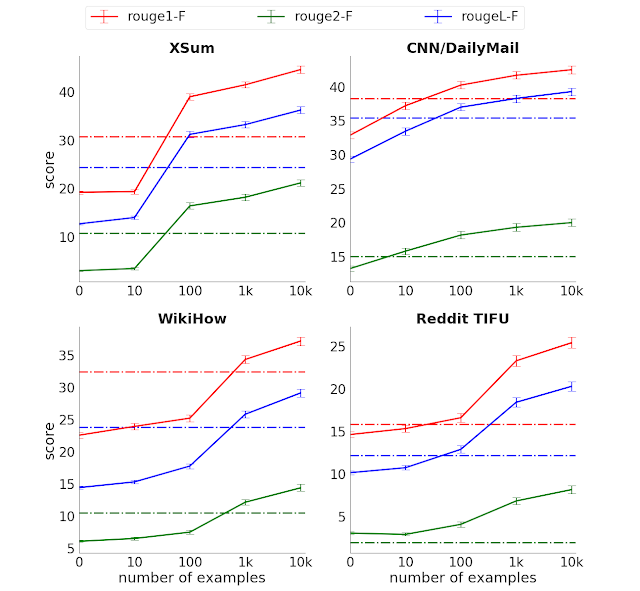
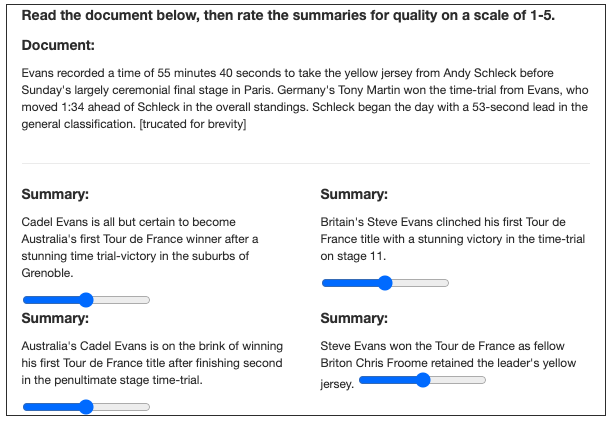
Copy Net
Copy Net
In ancient times:
Model cannot honestly repeat details of source document;
The algorithm still suffers from the Out-of-Vocabulary problem.
Abstractive Summarization is not reliable.
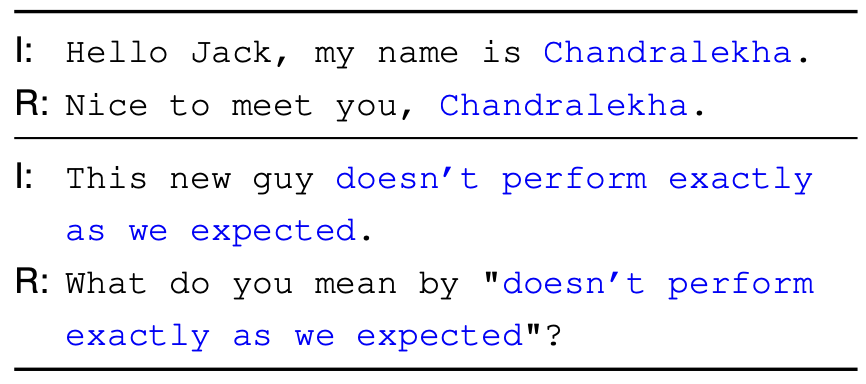
https://arxiv.org/pdf/1603.06393
Copy Net
Copy Net
Hybrid Generation + Copying:
At each decoding step, the model decides whether to generate a word from the vocabulary or copy a word from the input
Unified probability:
Final output probability is a combination of generation and copy probabilities:

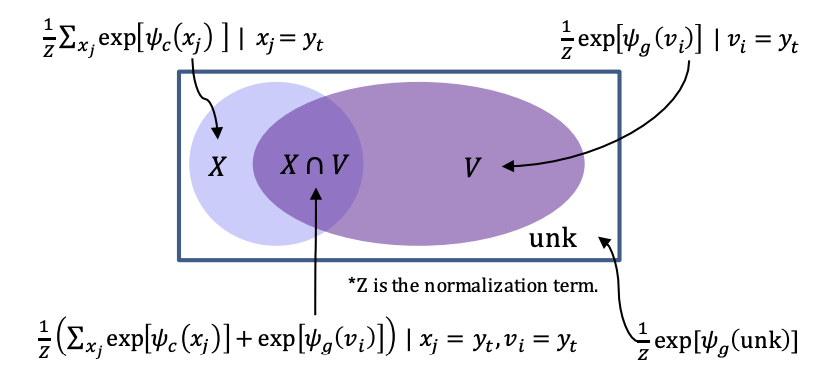
https://arxiv.org/pdf/1603.06393
Copy Net
Copy Net
Model | Copy Ability | Generate New Words | OOV Handling | Use Case Examples |
Seq2Seq + Attn | ❌ | ✅ | Poor | General NLG |
Pointer Network | ✅ (positions) | ❌ | Good | Span selection, TSP |
CopyNet | ✅ (tokens) | ✅ | Excellent | Summarization, QA, NLG |
Evaluation Metric
Evaluation Metric
Text Generation Task generally measured by the n-gram overlapping ratio of the generated text to the reference/ground truth text.
BLEU: Precision, better for Machine Translation
ROUGE: Recall, better for For Summarization
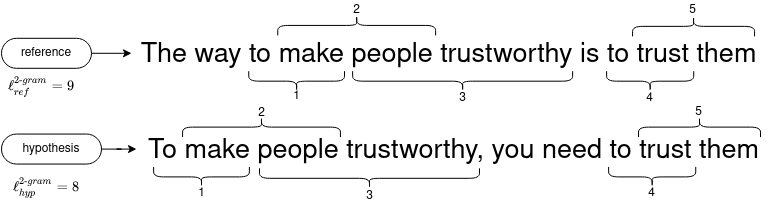
https://clementbm.github.io/theory/2021/12/23/rouge-bleu-scores.html
2.4 Language Understanding Tasks 2.4.5 Information Retrieval
2.4 Language Understanding Tasks 2.4.5 Information Retrieval
Recall: The Bert Paradigm for QA
Recall: The Bert Paradigm for QA
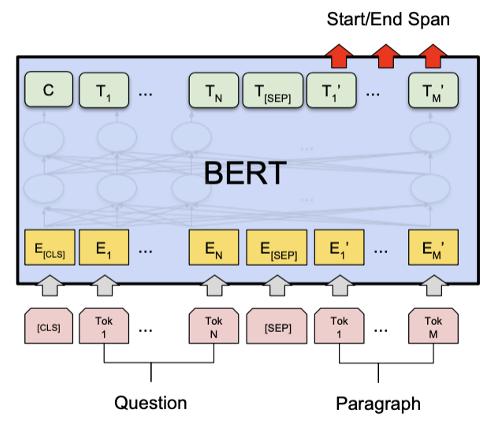
Why Information Retrieval
Why Information Retrieval
What if the paragraphs is not available?
T5 (and current LLM) can answer the question with their own memory.
But the memory is outdated and not reliable.
We need to retrieve the relevant paragraphs!
Information Retrieval
Information Retrieval
Information Retrieval (IR) is the process of obtaining relevant information from a large repository based on a user’s query.
Examples:
Web search (e.g., Google, Baidu)
Searching a digital library
Product search on e-commerce platforms
Core Objective:
Find documents relevant to a user’s information need.
Key Concepts
Key Concepts
Document Collection: The database of information (e.g., webpages, articles).
Query: A user-issued question or phrase.
Relevance: How well a document meets the user’s information need.
Indexing: Efficient organization of documents for fast retrieval.
Ranking: Ordering search results by relevance.
System Overview
System Overview
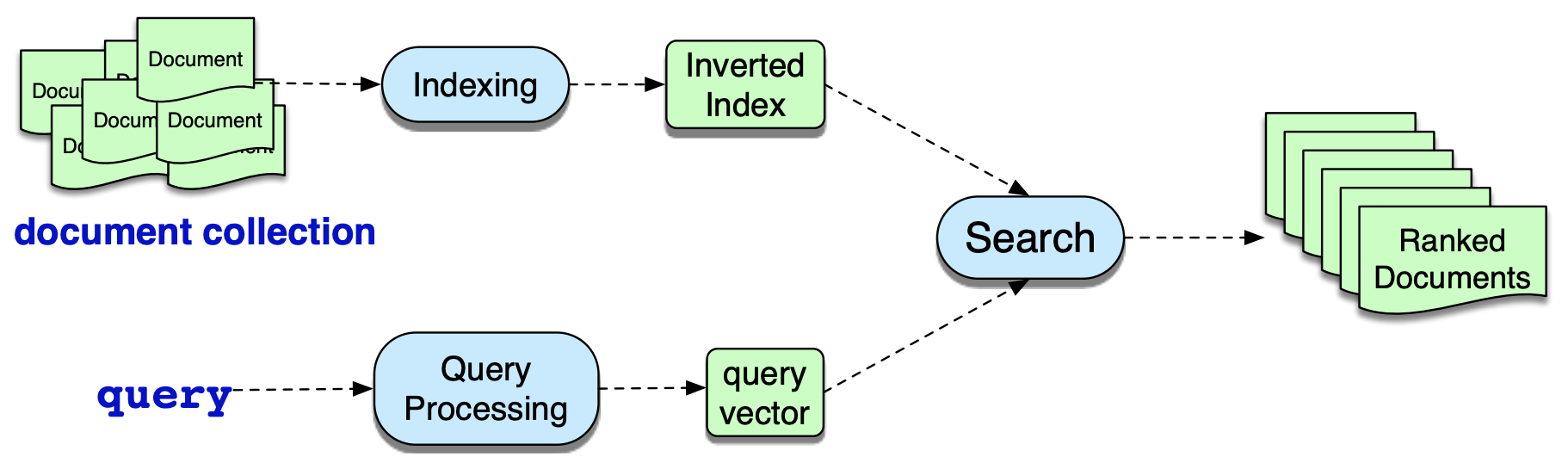
Retrieval vs Ranking
Retrieval vs Ranking
Modern large scale system generally involve two stage:
Retrieval Stage: For Efficiency:
Narrow down the massive document collection to a small candidate set (e.g., top 1000 docs) that are potentially relevant.
Fast and scalable
Ranking Stage: For Quality:
Take the small set of candidates from the retrieval stage and finely rank them using more sophisticated and computationally expensive methods.
Precision over speed.
How to Retrieve
How to Retrieve
Inverted index + BM25
Embedding Vector + ANN Search
Invert Index + BM25 Retrieve
Invert Index + BM25 Retrieve
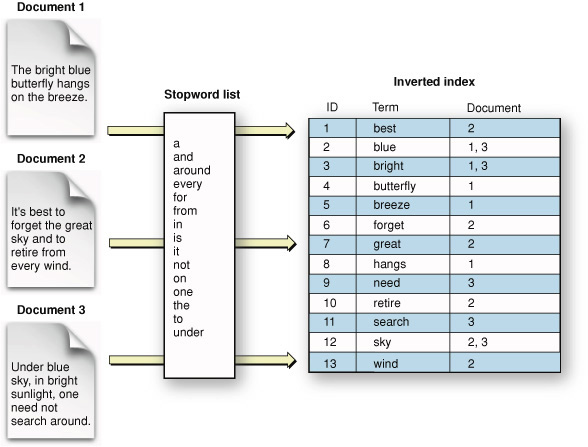
https://github.com/Noureldin2303/Inverted-index-python
Query has a set of terms ;
A large amount of documents can be filtered by invert index;
Compute BM25 between query and each remaining document;
Most of the component can be pre-computed and cached.
BM25 (Best Matching 25): Improved TFIDF
BM25 (Best Matching 25): Improved TFIDF





→
→
Widely used in industry level retrieval system, like elastic search.
Embedding Vector + ANN Search
Embedding Vector + ANN Search
Documents/Chunks are embedded into vectors using Embedding Language Models (like SBERT);
When a query is coming, embed it into an embedding vector;
Find the k-nearest neighbors of query-embedding from the collection of document embeddings.
How to find the 1000 nearest neighbors out of 1 billion document embeddings in 0.2 seconds?
We need Approximate Nearest Neighbor (ANN) Search
ANN Search: Local Sensitive Hash
ANN Search: Local Sensitive Hash
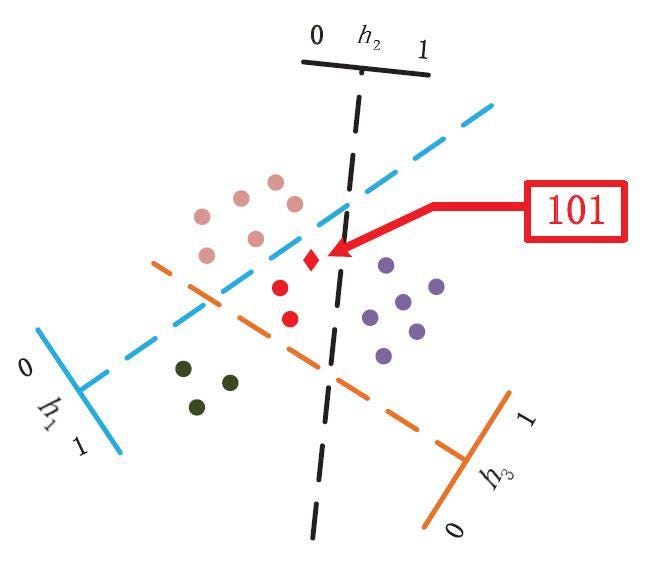
https://medium.com/@LightOnIO/efficient-neural-networks-training-through-locality-sensitive-hashing-93dc37077a89
ANN Search: KD-Tree
ANN Search: KD-Tree
https://www.baeldung.com/cs/k-d-trees
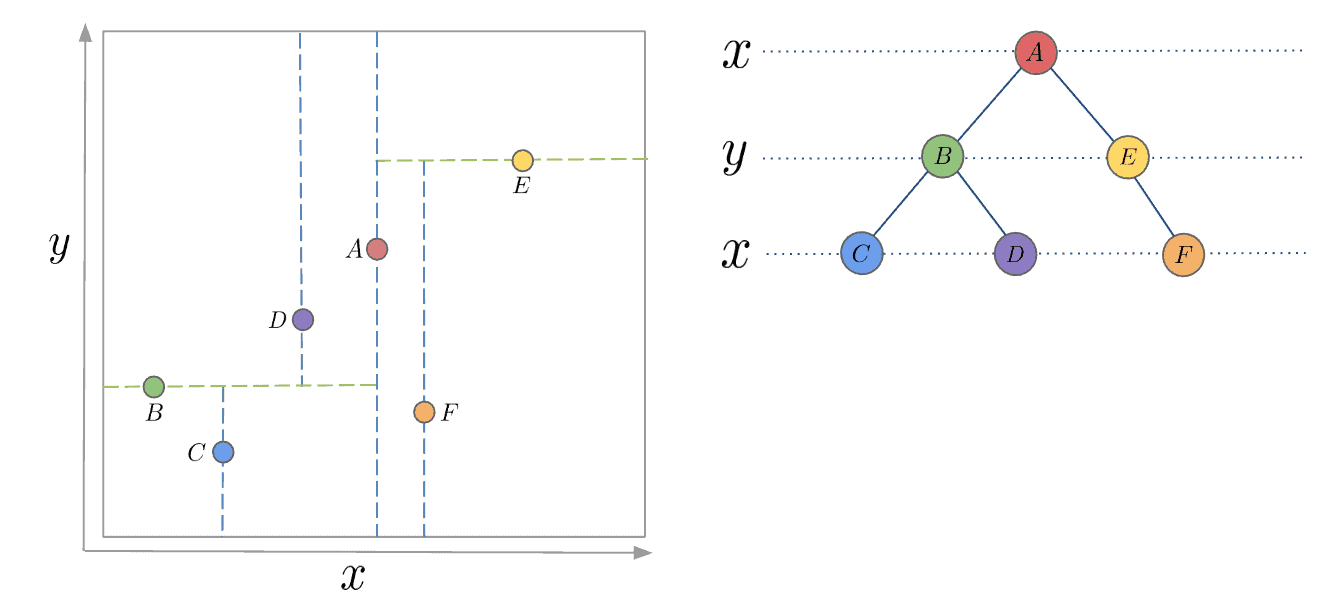
Error In this Graph?
ANN Search: HNSW (Hierarchical Navigable Small Worlds )
ANN Search: HNSW (Hierarchical Navigable Small Worlds )
https://www.pinecone.io/learn/series/faiss/hnsw/
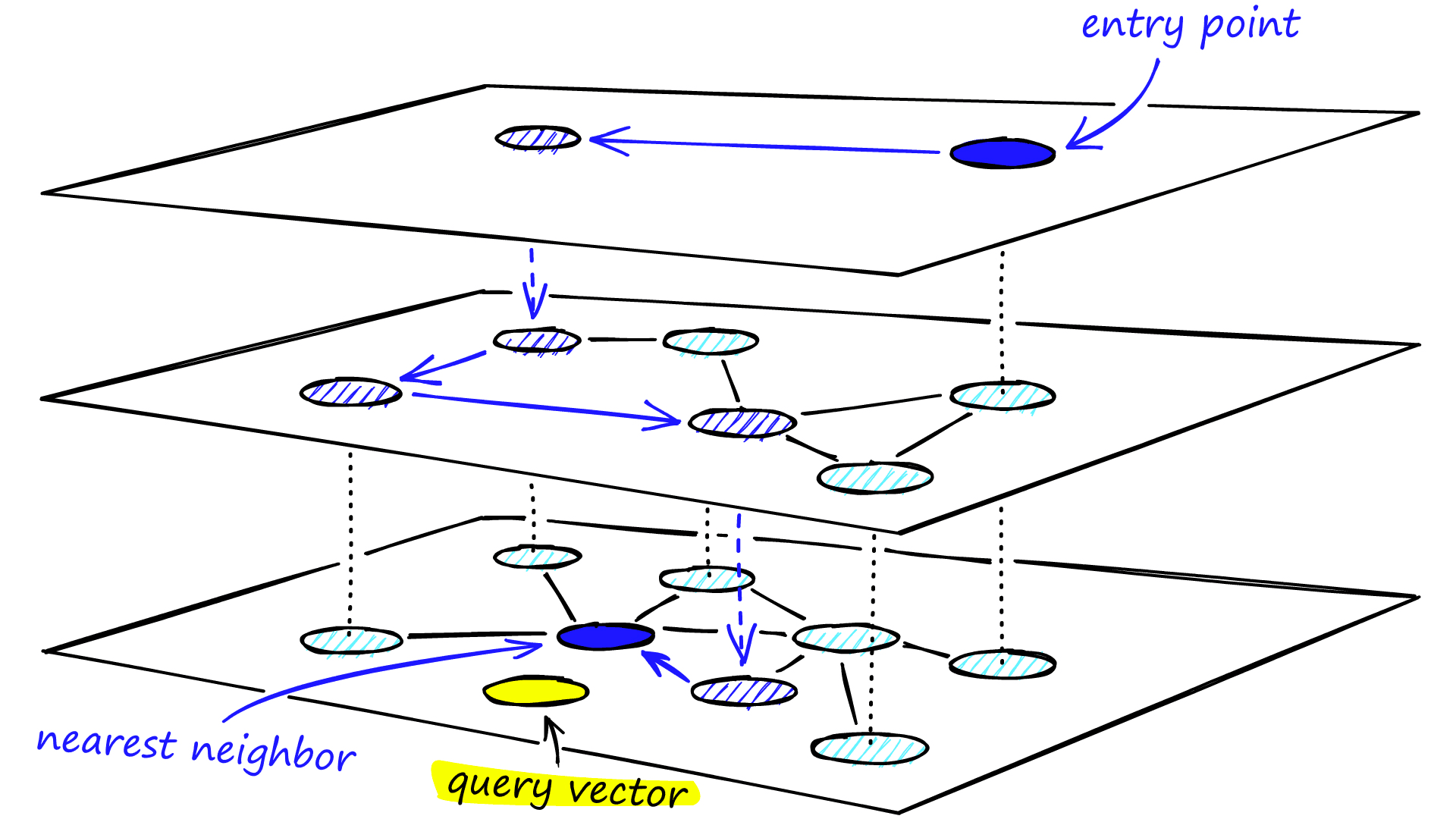
How to Rank
How to Rank
After initial retrieval, a dense re-ranker takes the query and candidate documents and computes a more accurate relevance score, usually with deep neural networks.
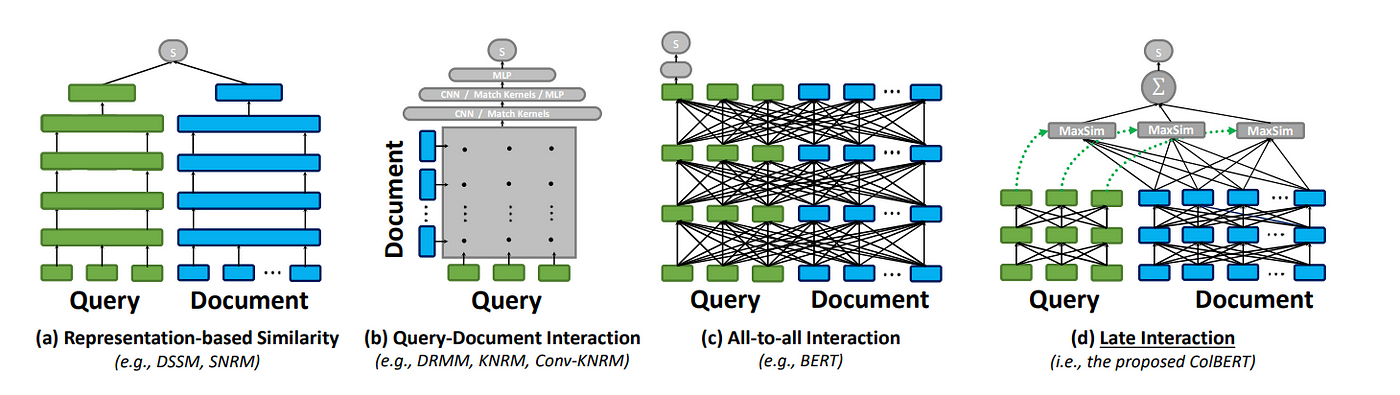
https://medium.com/@mhammadkhan/neural-re-ranking-models-c0a67278f626
2.4 Language Understanding Tasks 2.4.6 Question Answering
2.4 Language Understanding Tasks 2.4.6 Question Answering
Question Answering Task
Question Answering Task
Classification by Questions:
Factoid (e.g., “Who is the president of France?”)
Descriptive (e.g., “Why is the sky blue?”)
Procedural (e.g., “How to reset a router?”)
Classification by Resources:
Open-Domain QA:
No context is given; system must retrieve relevant docs then answer
Two-step pipeline: retrieval + reading
Closed-Book QA:
Model answers from its internal knowledge only
Road Maps
Road Maps
Extractive QA:
Answer is a span in the provided context
Example datasets: SQuAD
Abstractive/Generative QA:
Answer is generated in free-form language
Example datasets: MS MARCO
Extractive QA
Extractive QA
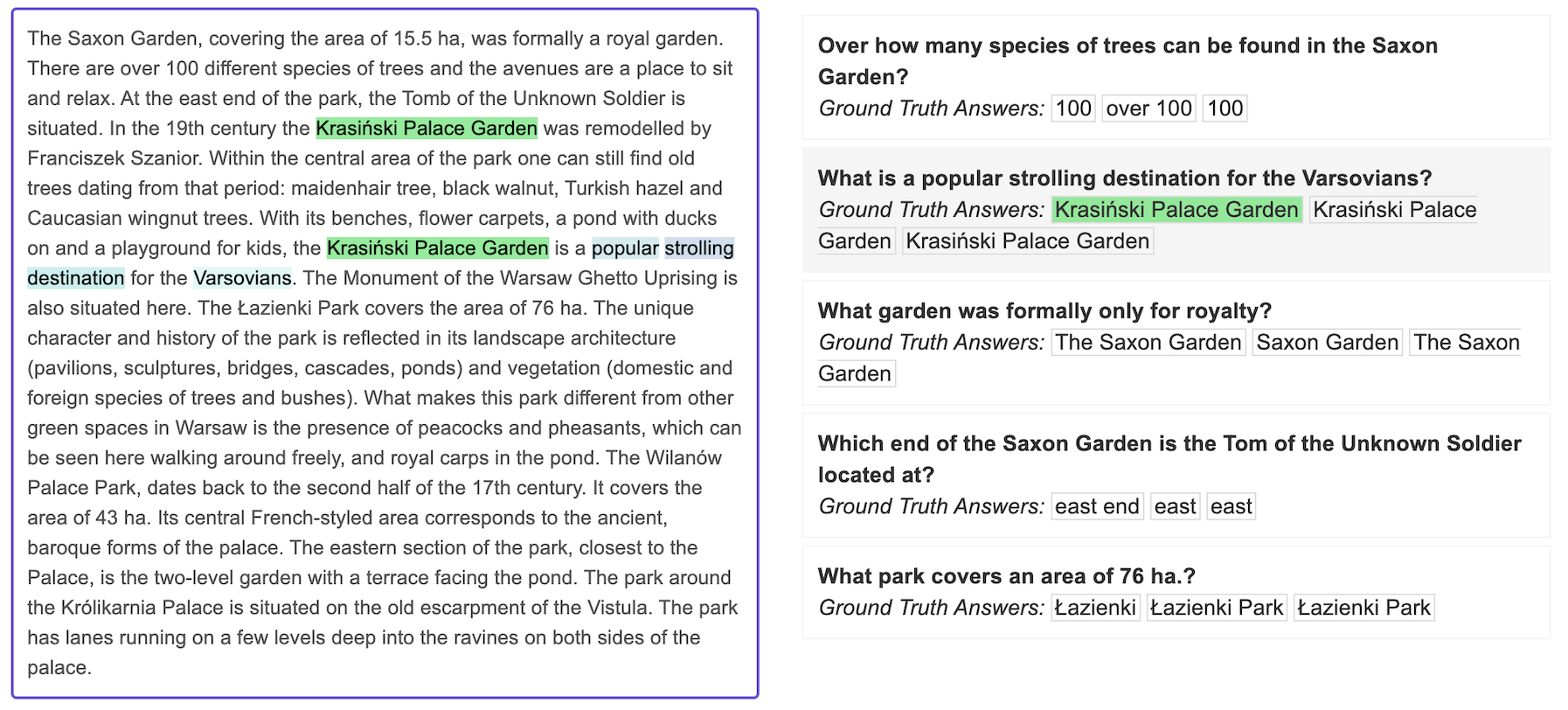
https://rajpurkar.github.io/SQuAD-explorer/explore/1.1/dev/Warsaw.html
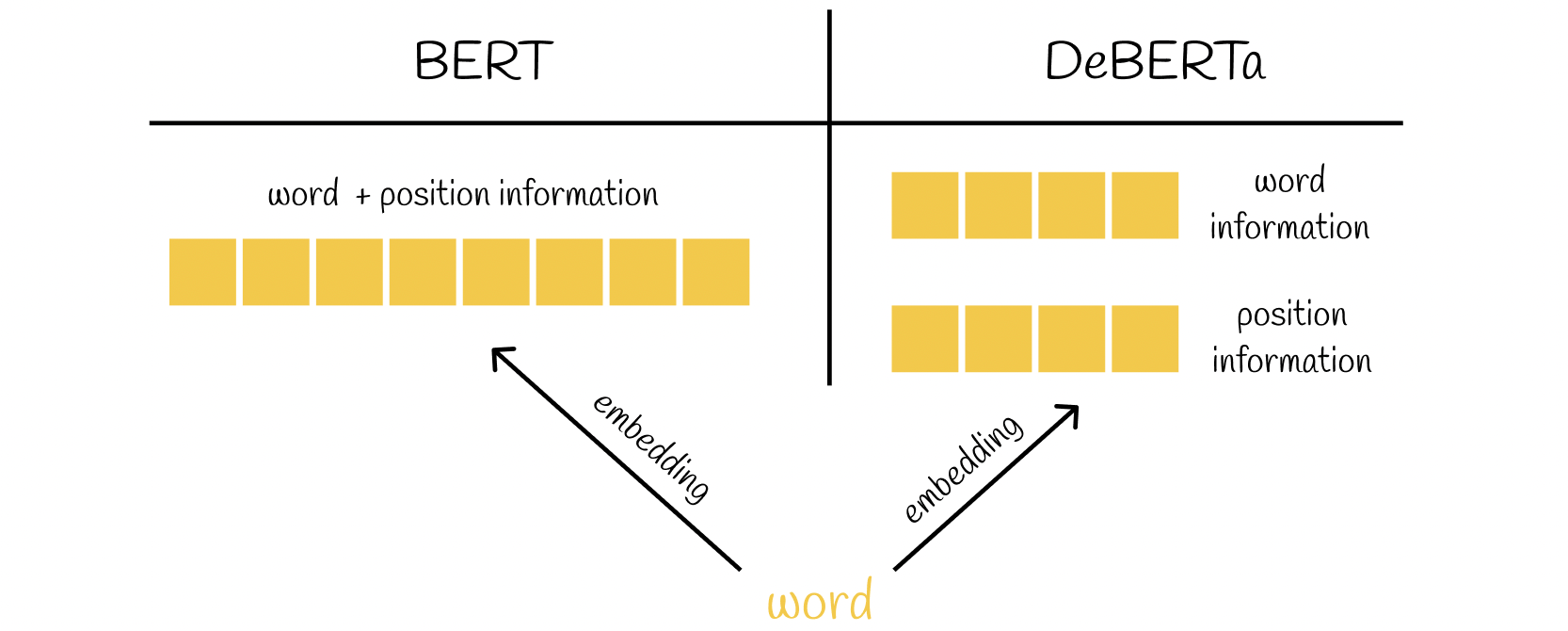
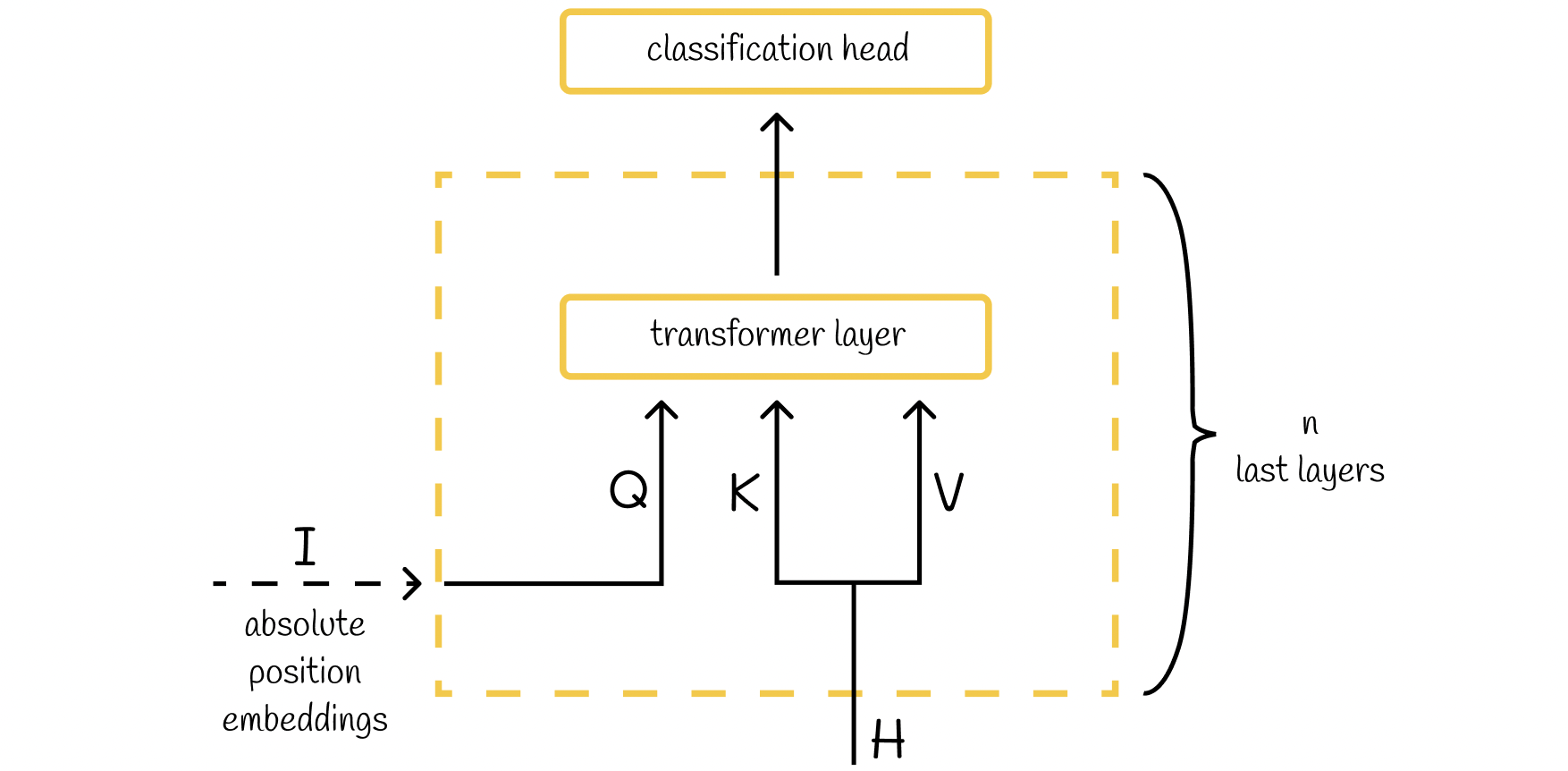
Model for Extractive QA: DeBERTa
Model for Extractive QA: DeBERTa
https://towardsdatascience.com/large-language-models-deberta-decoding-enhanced-bert-with-disentangled-attention-90016668db4b/
Abstractive/Generative QA
Abstractive/Generative QA
{
"query":". what is a corporation?",
"passages":[
{"url":"http:\/\/www.wisegeek.com\/what-is-a-corporation.htm",
“passage_text”:“A company is incorporated in a specific nation, often within the bounds of a smaller subset of that nation, such as a state or province. The corporation is then governed by the laws of incorporation in that state. A corporation may issue stock, either private or public, or may be classified as a non-stock corporation. If stock is issued, the corporation will usually be governed by its shareholders, either directly or indirectly.”},
…],
"answers":["A corporation is a company or group of people authorized to act as a single entity and recognized as such in law."],
}
Model for Abstractive QA: T5
Model for Abstractive QA: T5
Exploring the Limits of Transfer Learning with a Unified Text-to-Text Transformer, JMLR, 2020
Evaluation Metrics
Evaluation Metrics
Extractive QA:
Exact Match (EM): Measures whether the prediction exactly matches any one ground truth answer.
F1 Score: Measures overlap at the token level between prediction and ground truth.
Abstractive/Generative QA:
ROUGE: Measures n-gram overlap between prediction and reference.
2.4 Language Understanding Tasks 2.4.7 Dialogue Systems
2.4 Language Understanding Tasks 2.4.7 Dialogue Systems
Types of Dialogue
Types of Dialogue
Task-oriented: Help users achieve specific goals (e.g., book flights, tech support)
Open-domain (chit-chat): Free-form conversation on any topic.
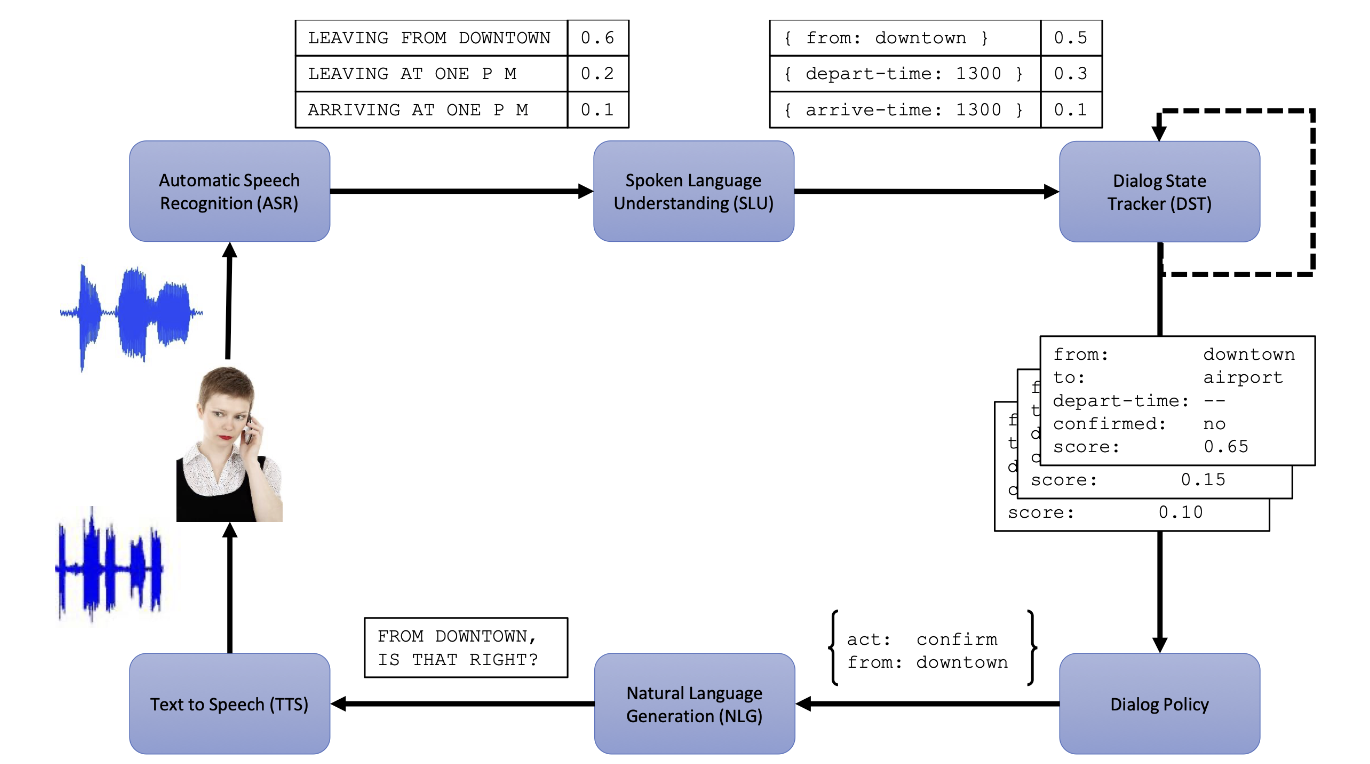
Dialogue System Components
Dialogue System Components
Requirement Understanding:
Intent detection
Slot filling
Dialogue Management:
Keeps track of dialogue state
Determines next action (e.g., via rules or policy learning)
Natural Language Generation:
Converts system actions into human-readable text
Dialogue System Components
Dialogue System Components
https://web.stanford.edu/~jurafsky/slp3/15.pdf
Requirement Understanding
Requirement Understanding
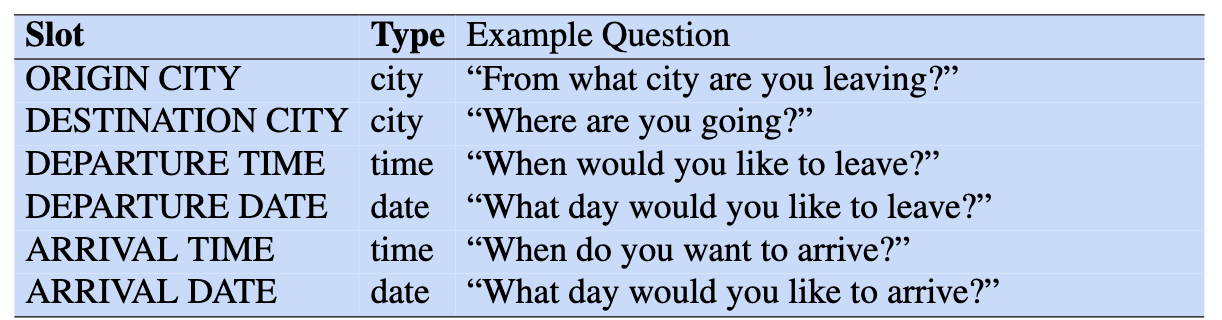
Task Domains: Design ontology for each domain via a set of Frame.
https://web.stanford.edu/~jurafsky/slp3/15.pdf
Requirement Understanding
Requirement Understanding
Domain Classification: What is the domain of the user‘s domain?
Detect the domain;
Example: “Book me a flight” → travel
Intent/Frame Detection: What does the user want to do?
Detect the Frame type;
Example: “Book me a flight” → BookFlight
Slot Filling: Extract arguments or parameters.
Fill the Frame
Example: “from New York to London tomorrow” → ORIG CITY=NYC, DEST CITY=London, DEPA TIME=tomorrow
Requirement Understanding
Requirement Understanding
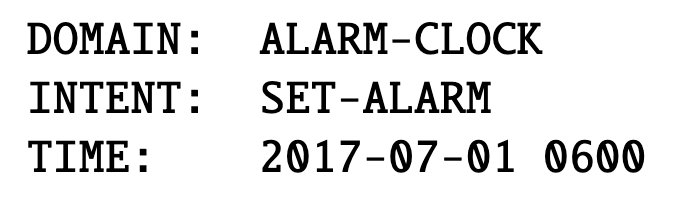
Show me morning flights from Boston to San Francisco on Tuesday
Wake me tomorrow at 6

Requirement Understanding
Requirement Understanding
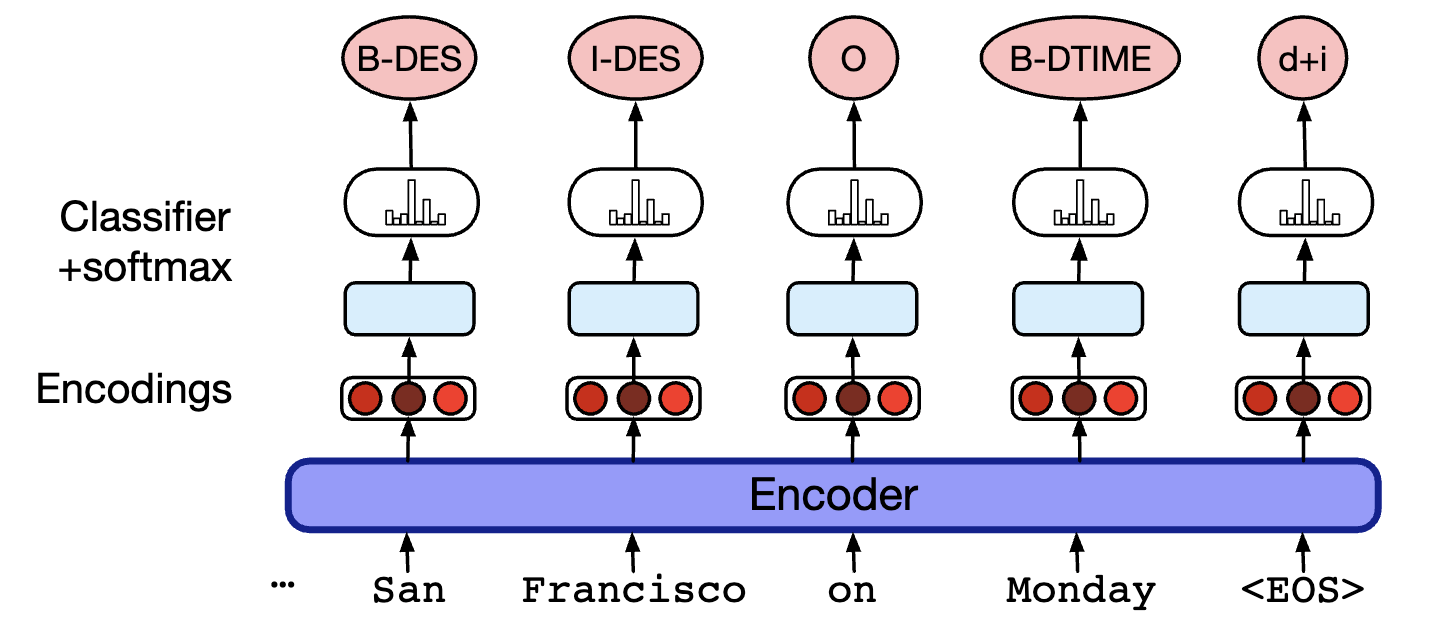
https://web.stanford.edu/~jurafsky/slp3/15.pdf
Dialogue Management
Dialogue Management
Define Dialog Acts
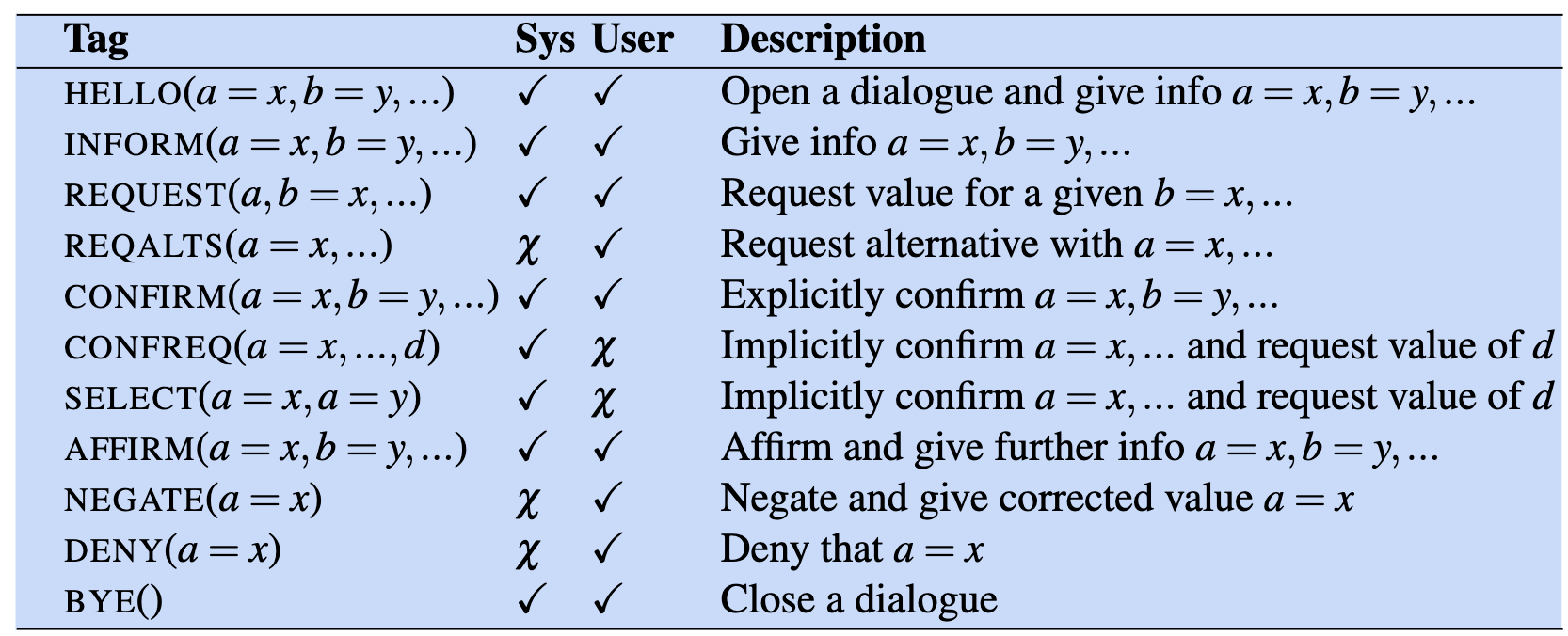
https://web.stanford.edu/~jurafsky/slp3/15.pdf
Dialogue Management
Dialogue Management
Label examples of Dialog Acts
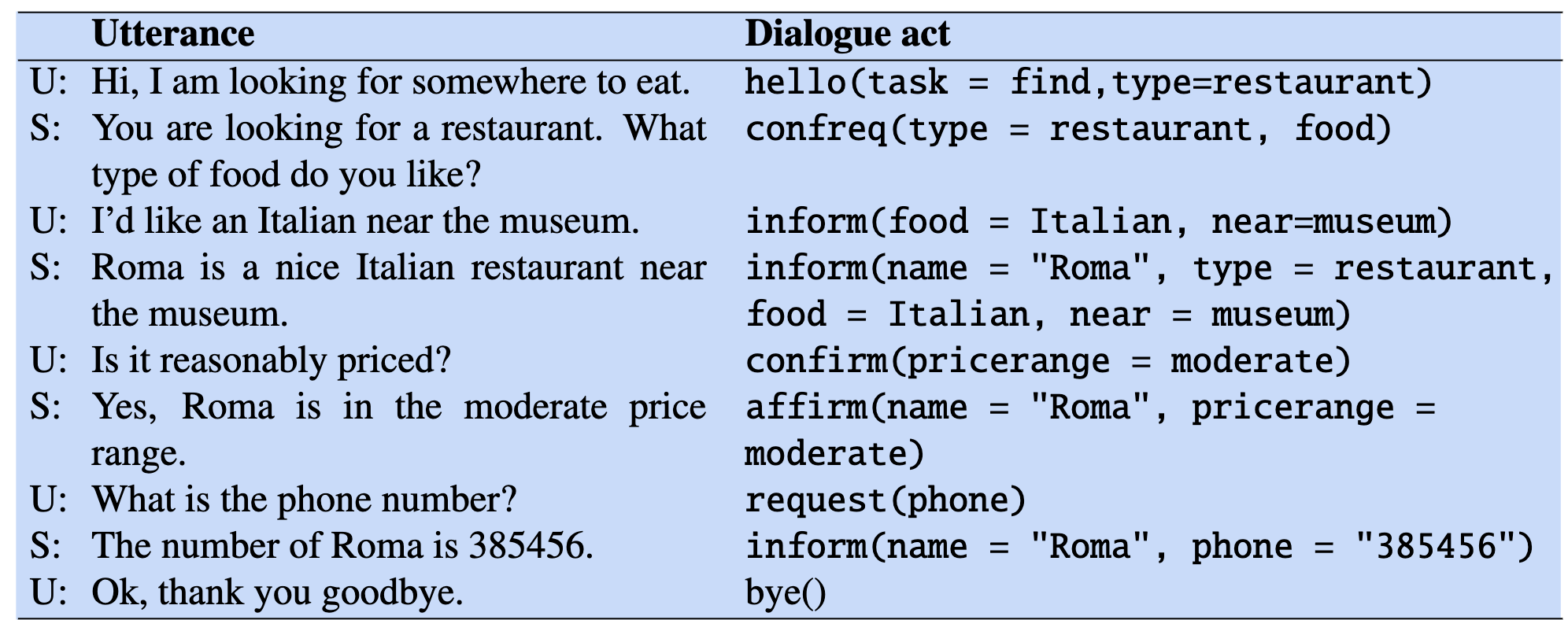
https://web.stanford.edu/~jurafsky/slp3/15.pdf
Dialogue Management
Dialogue Management
Dialog State Tracking: Maintain memory of the dialogue so far.
https://web.stanford.edu/~jurafsky/slp3/15.pdf
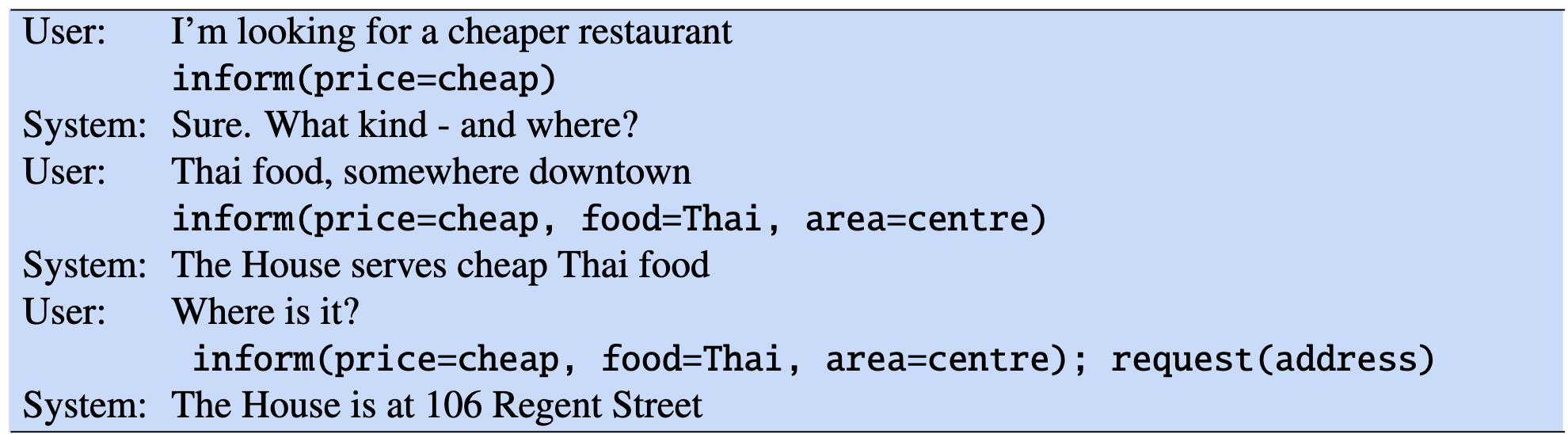
Dialogue Management
Dialogue Management
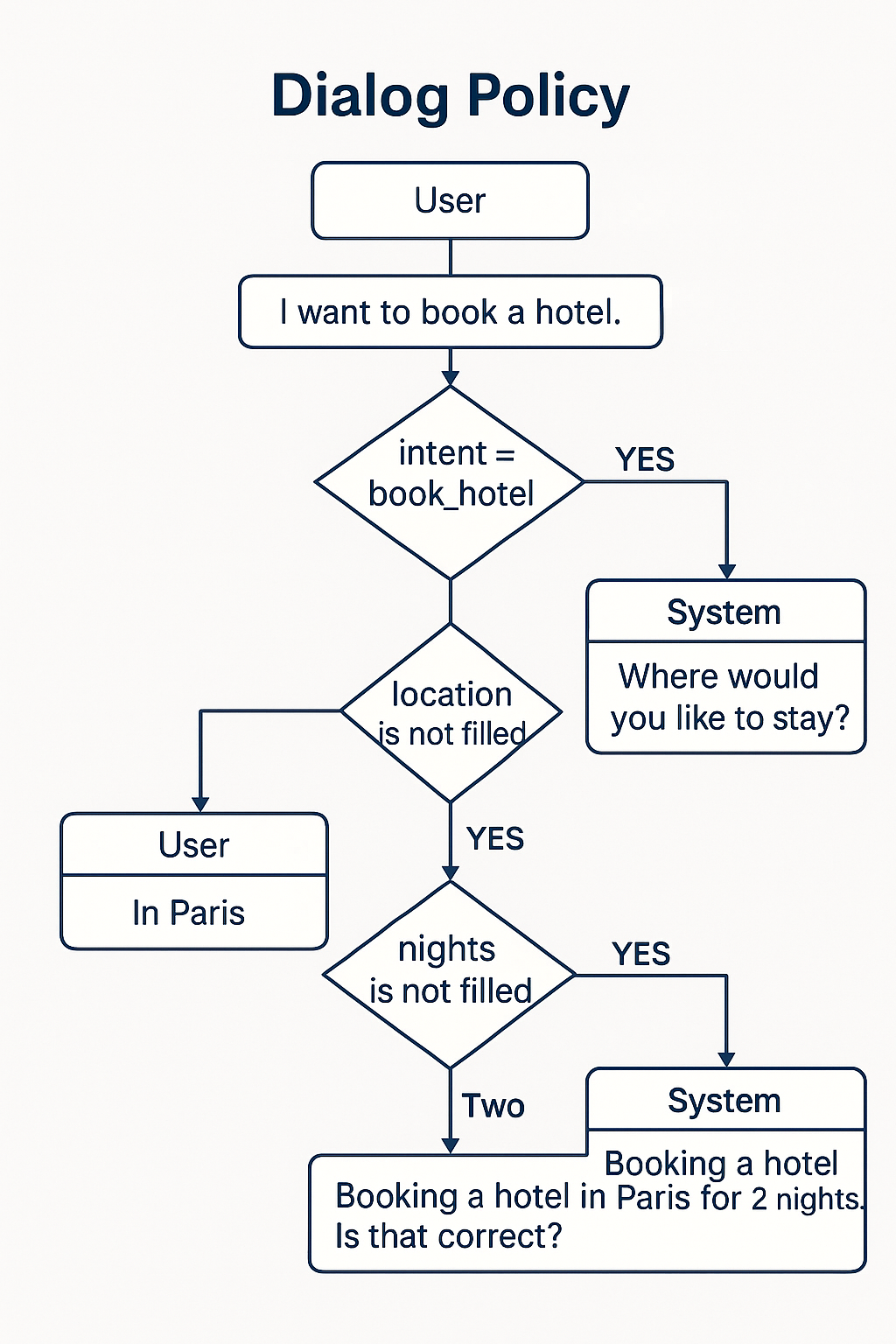
Dialogue Policy: Which act to generate
Decide when to answer user’s questions, when to instead ask the user a clarification question, and so on
Dialogue Management
Dialogue Management
Rule based Policy
Book a hotel in Paris for 2 nights starting April 20.
IF "intent" = "book_hotel" AND "location" IS NOT filled
THEN system action = Ask for location
ELSE IF "location" IS filled AND "nights" IS NOT filled
THEN system action = Ask for number of nights
ELSE IF all slots are filled
THEN system action = Confirm booking
Dialogue Management
Dialogue Management
Learning based Policy
Book a hotel in Paris for 2 nights starting April 20.
The policy is represented as a function:
where is the current dialogue state, and a is the next system action.
Example:
The agent learns this mapping by receiving rewards (e.g., +1 for task success, -1 for confusion or errors).
Natural Language Generation
Natural Language Generation
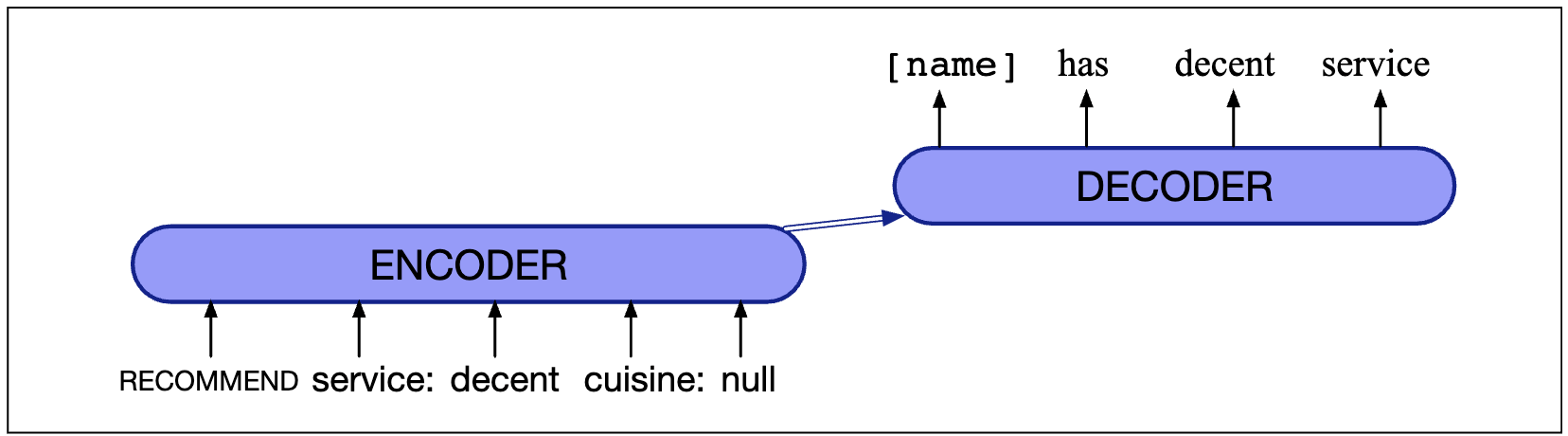
Once a dialogue act has been chosen, we need to generate the text of the response to the user.
https://web.stanford.edu/~jurafsky/slp3/15.pdf

Natural Language Generation
Natural Language Generation
Generation with Placeholders
https://web.stanford.edu/~jurafsky/slp3/15.pdf

Any Questions?
Any Questions?
Natural Language UnderstandingLarge Language Model

Natural Language
Understanding
Large Language Model
Understanding
Large Language Model
Mingming Sun
BIMSA
Outline

Outline
Large Language Model
Pretraining
Supervised Instruction Finetuning
Reinforcement Learning from Human Preference
2.5 Large Language Models 2.5.1 Pretraining
2.5 Large Language Models 2.5.1 Pretraining
Pretraining
Pretraining
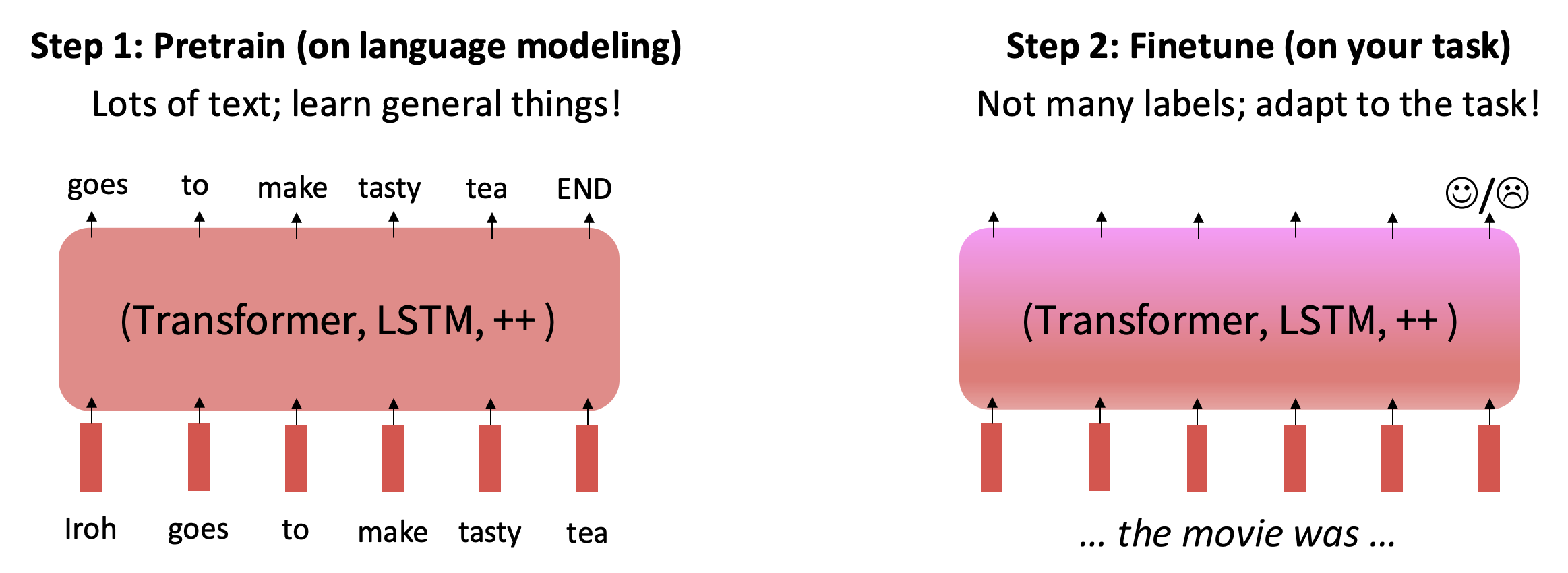
Definition: Pretraining refers to the process of training a language model on a large corpus of raw text using self-supervised learning.
Objective: Learn statistical patterns of language, including grammar, semantics, and world knowledge.
Output: A general-purpose model that can be adapted (via fine-tuning or prompting) to downstream tasks.
Recall: Pretrained Language Model
Recall: Pretrained Language Model
https://web.stanford.edu/class/cs224n/slides_w25/cs224n-2025-lecture09-pretraining.pdf
Recall: Pretrained Language Model
Recall: Pretrained Language Model

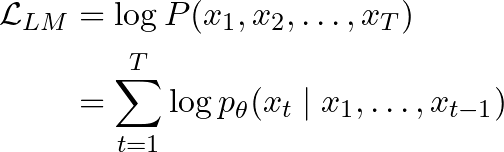
Language Model:
Masked Language Model:
Recall: Pretrained Language Model
Recall: Pretrained Language Model
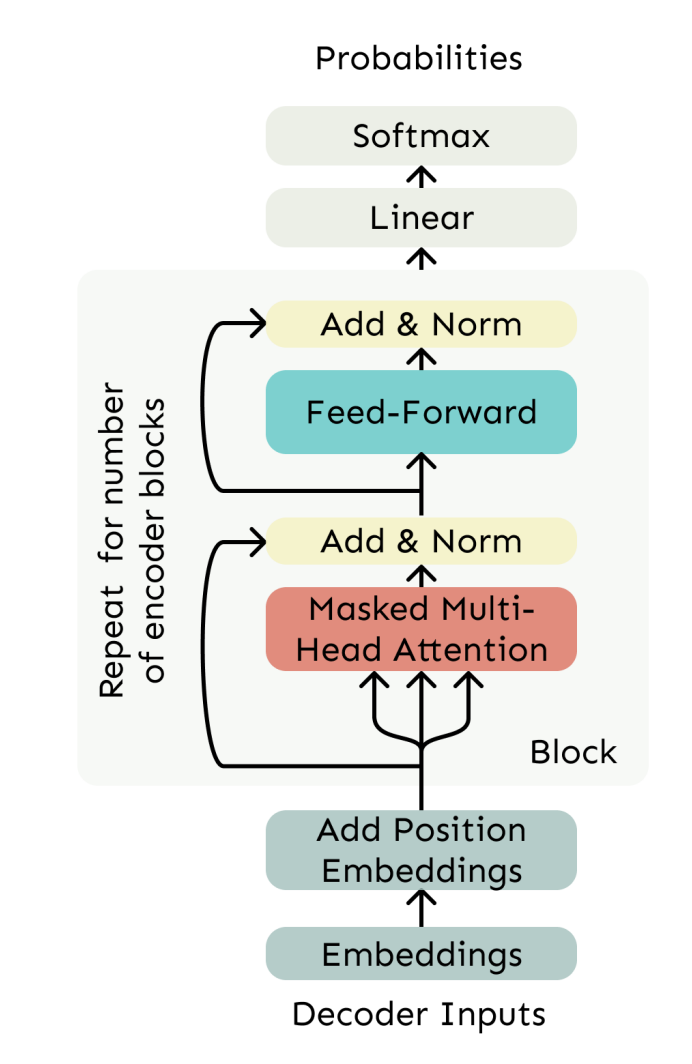
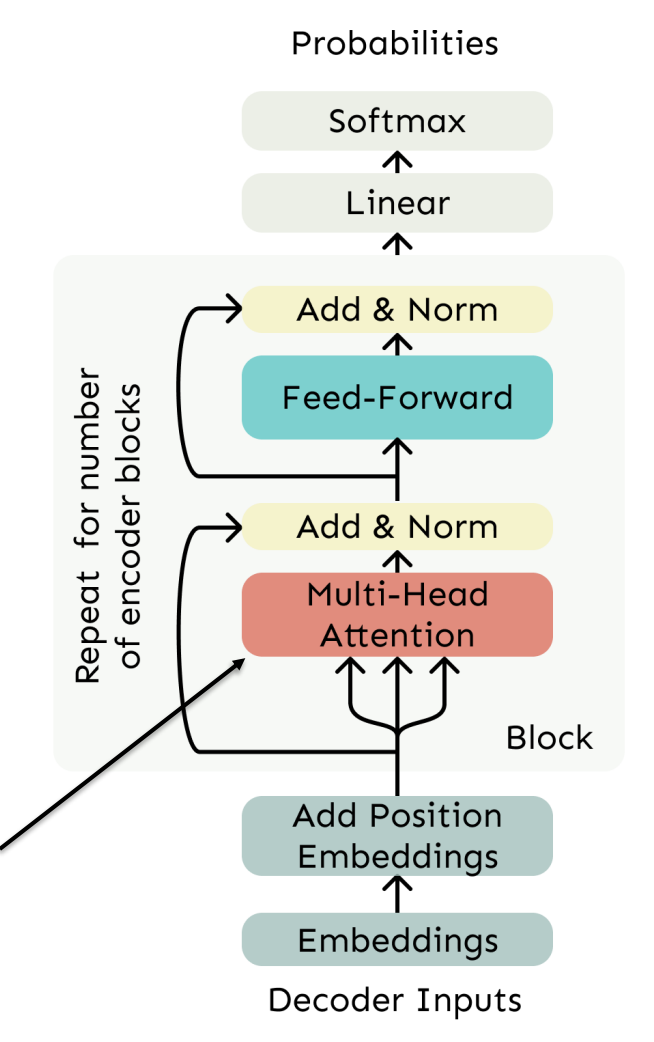
No Masking!
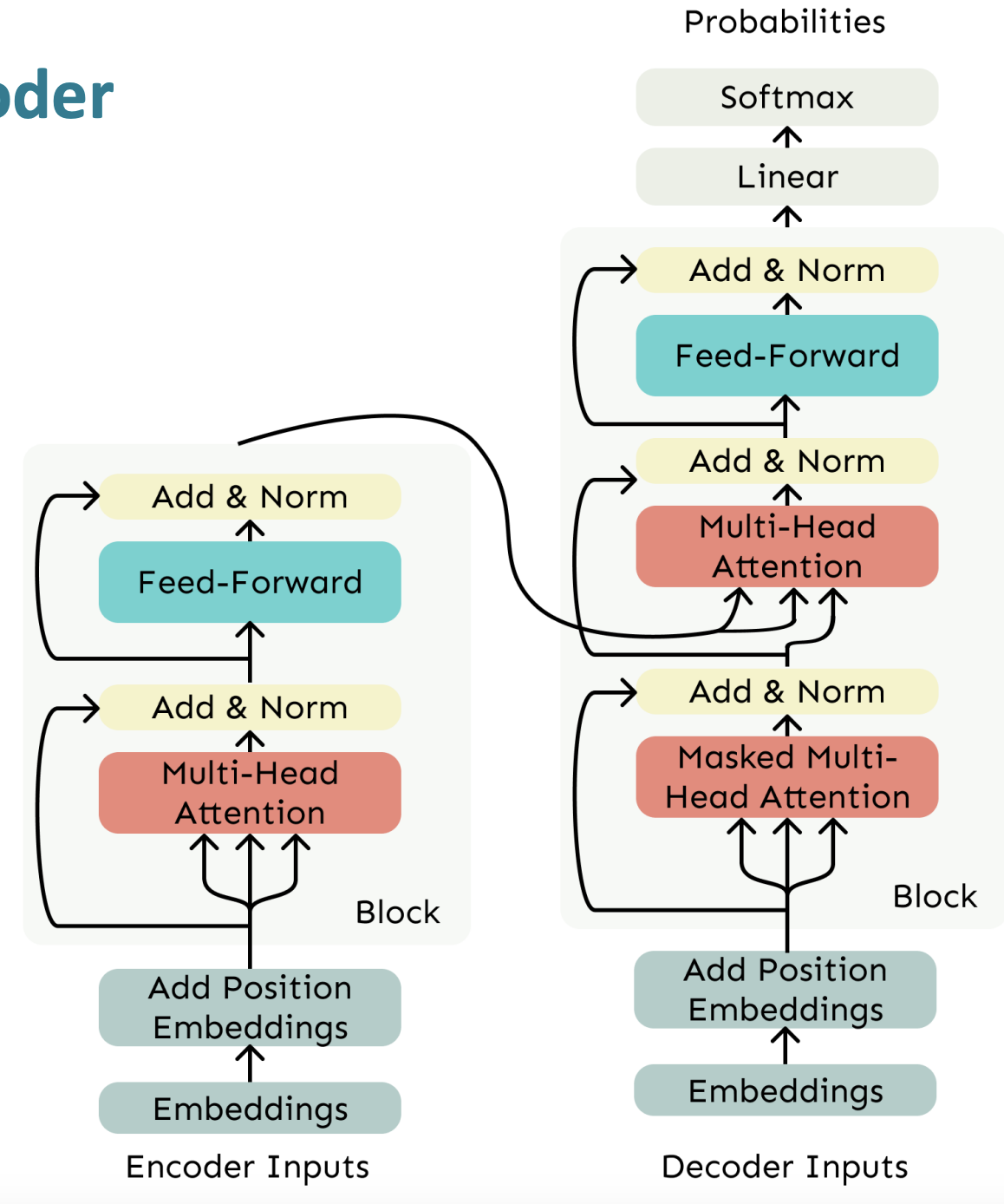
BERT
Encoder
Decoder
GPT
Encoder-Decoder
Bart, T5
Why Large Pretrained Language Model?
Why Large Pretrained Language Model?
Pretrained Language Model:
Trained on mid-sized datasets with mid-sized models
Require fine-tuning for specific tasks (e.g., classification, QA)
Limited generalization: perform well on tasks they are tuned for
Do not exhibit general language understanding
Example: BERT, GPT-2, T5
Why Large Pretrained Language Model?
Why Large Pretrained Language Model?
Large Pretrained Language Model:
Trained on massive datasets with billions of parameters
Surprising capabilities emerge during pretraining
Demonstrate general language understanding (though imperfect)
Able to perform zero-shot, few-shot, and chain-of-thought reasoning
Represent a new paradigm in language understanding
Example: GPT-3, PaLM, LLaMA, GPT-4
Why Large Pretrained Language Model?
Why Large Pretrained Language Model?
Capability | PLM (Early Models) | LLM (Modern Models) |
Model Size | ~100M – 1B parameters | 10B – 500B+ parameters |
Training Data | Mid-sized, domain-limited | Diverse, web-scale corpora |
Task Generalization | Weak, narrow | Strong, task-agnostic |
Emergent Abilities | ✘ None observed | ✔ Appear with scale |
Language Understanding | Task-specific pattern matching | Signs of general competence |
GPT3: The Beginning of Large Pretrained Language Model
GPT3: The Beginning of Large Pretrained Language Model
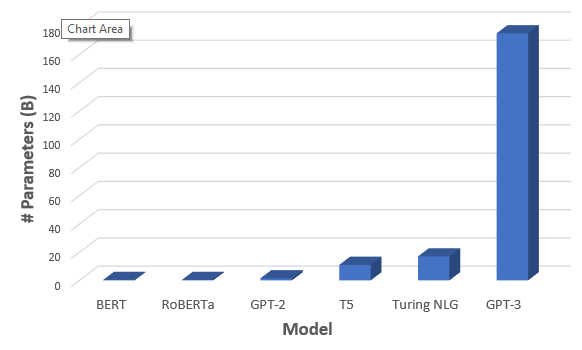
https://blog.accubits.com/getting-started-with-gpt-3-model-by-openai/
Few-Shot In-Context Learning
Few-Shot In-Context Learning
T. B. Brown, et.al , Language Models are Few-Shot Learners, 2020
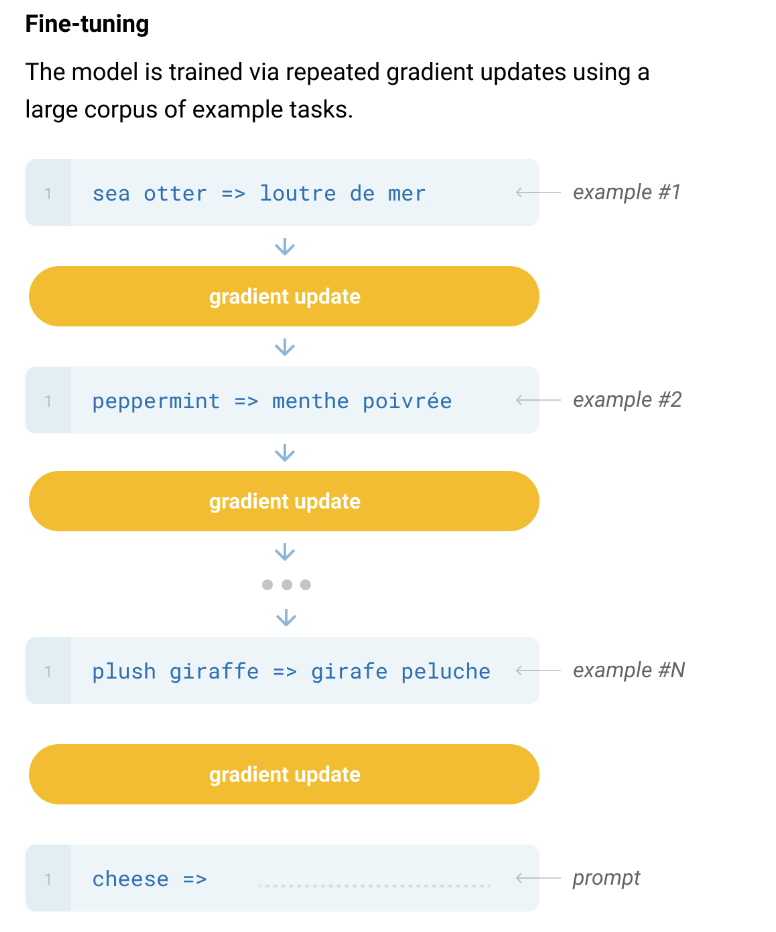
Machine Translation Task
Traditional Fine-tuning Approach →
Let‘s see Few shot In-Context Learning Approach by GPT 3
Few Shot In-Context Learning
Few Shot In-Context Learning
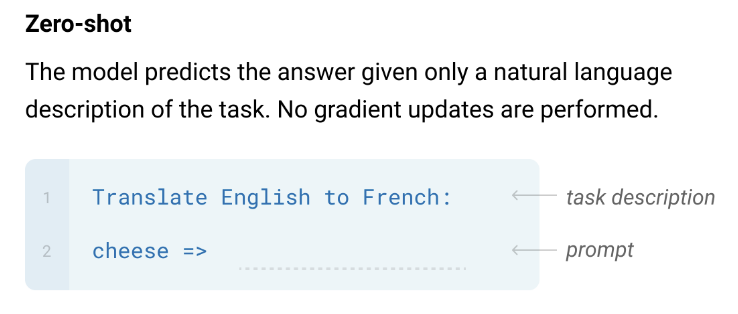
T. B. Brown, et.al , Language Models are Few-Shot Learners, 2020
Few Shot In-Context Learning
Few Shot In-Context Learning
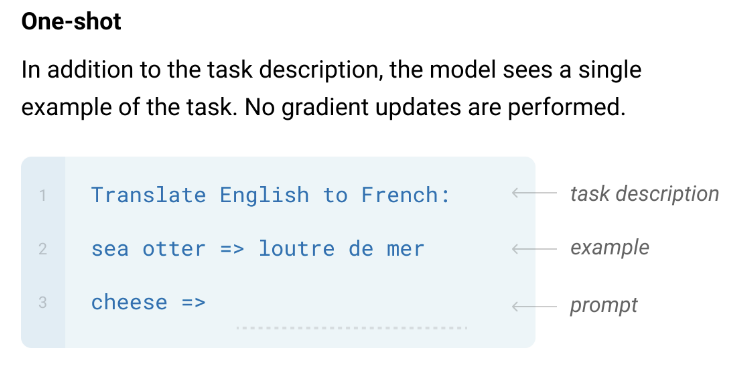
T. B. Brown, et.al , Language Models are Few-Shot Learners, 2020
Few Shot In-Context Learning
Few Shot In-Context Learning
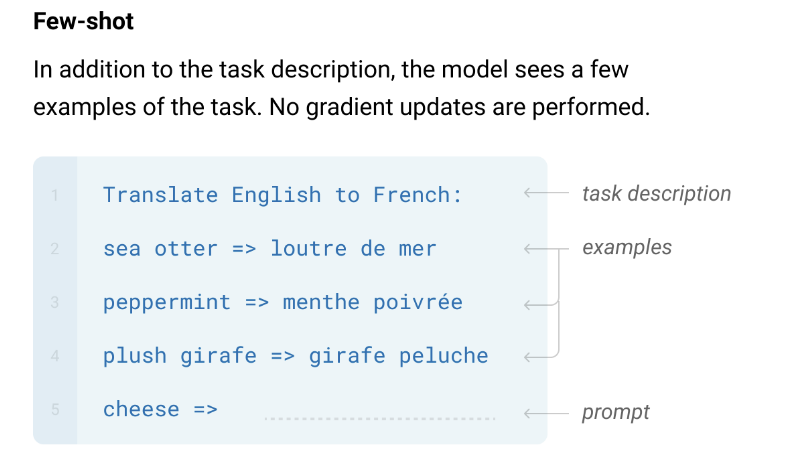
T. B. Brown, et.al , Language Models are Few-Shot Learners, 2020
More Examples
More Examples
Sentiment analysis
Classify the sentiment of each sentence as Positive, Negative, or Neutral.
"I love this movie!" → Positive
"This is the worst product I've ever bought." → Negative
"It's an average experience." → Neutral
"The customer service was excellent!" →
Math Word Problem
Solve the problem and write the answer as a number.
Q: If you have 5 apples and you give away 2, how many are left?
A: 3
Q: John has 12 pencils. He buys 5 more. How many pencils does he have now?
A: 17
Q: Sarah read 7 books last month and 6 books this month. How many books did she read in total?
A:
Named Entity Recognition
Extract named entities and classify them as PERSON, LOCATION, or ORGANIZATION.
Sentence: "Barack Obama visited Paris."
Entities: Barack Obama [PERSON], Paris [LOCATION]
Sentence: "Google opened a new office in London."
Entities: Google [ORGANIZATION], London [LOCATION]
Sentence: "Elon Musk met with the mayor of New York."
Entities:
Performances
Performances
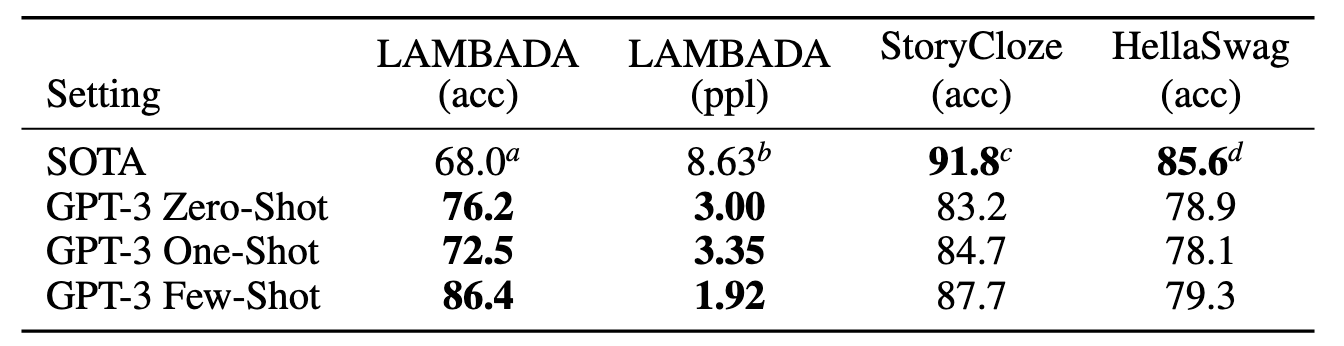
T. B. Brown, et.al , Language Models are Few-Shot Learners, 2020
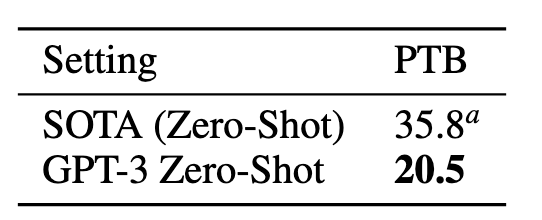
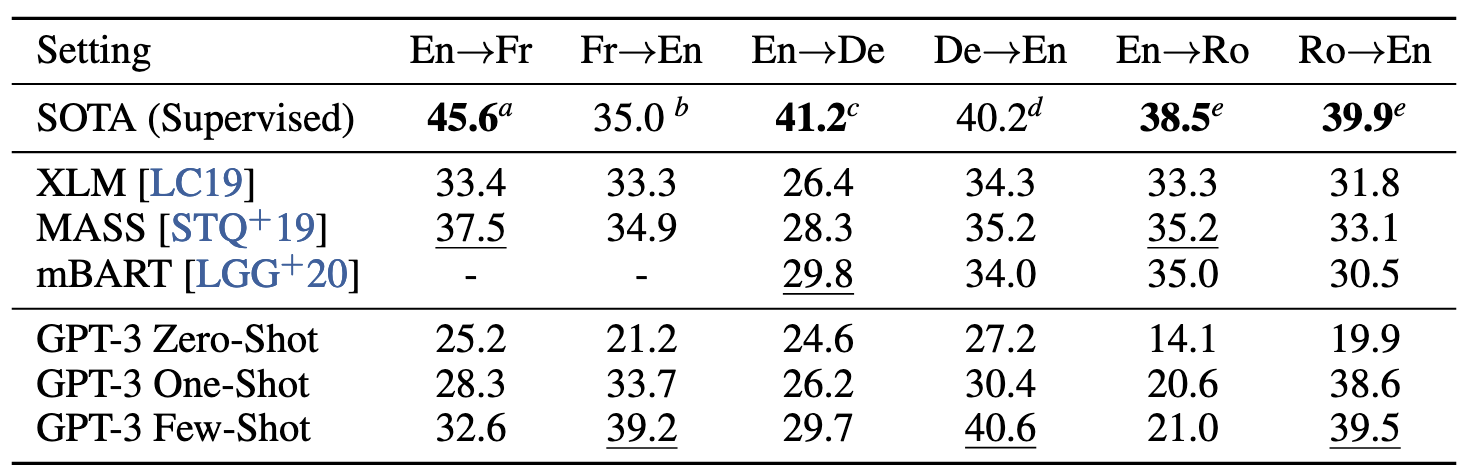
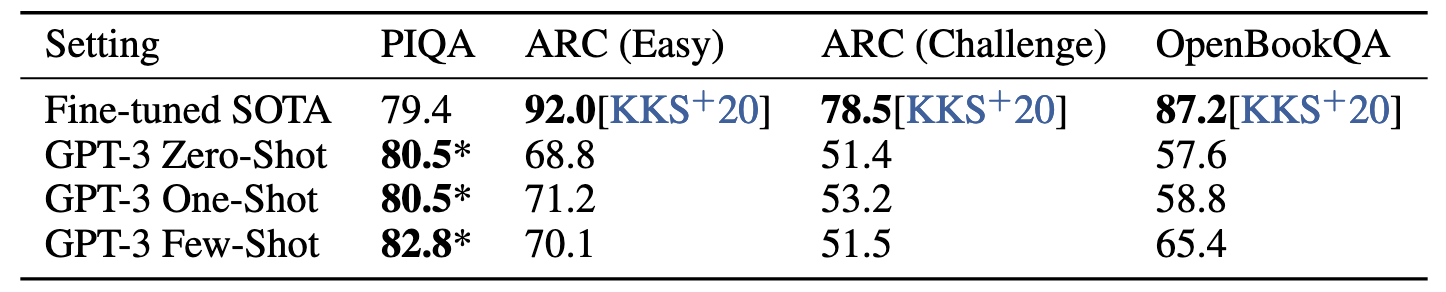
Where the Ability Comes From? Scaling Law
Where the Ability Comes From? Scaling Law
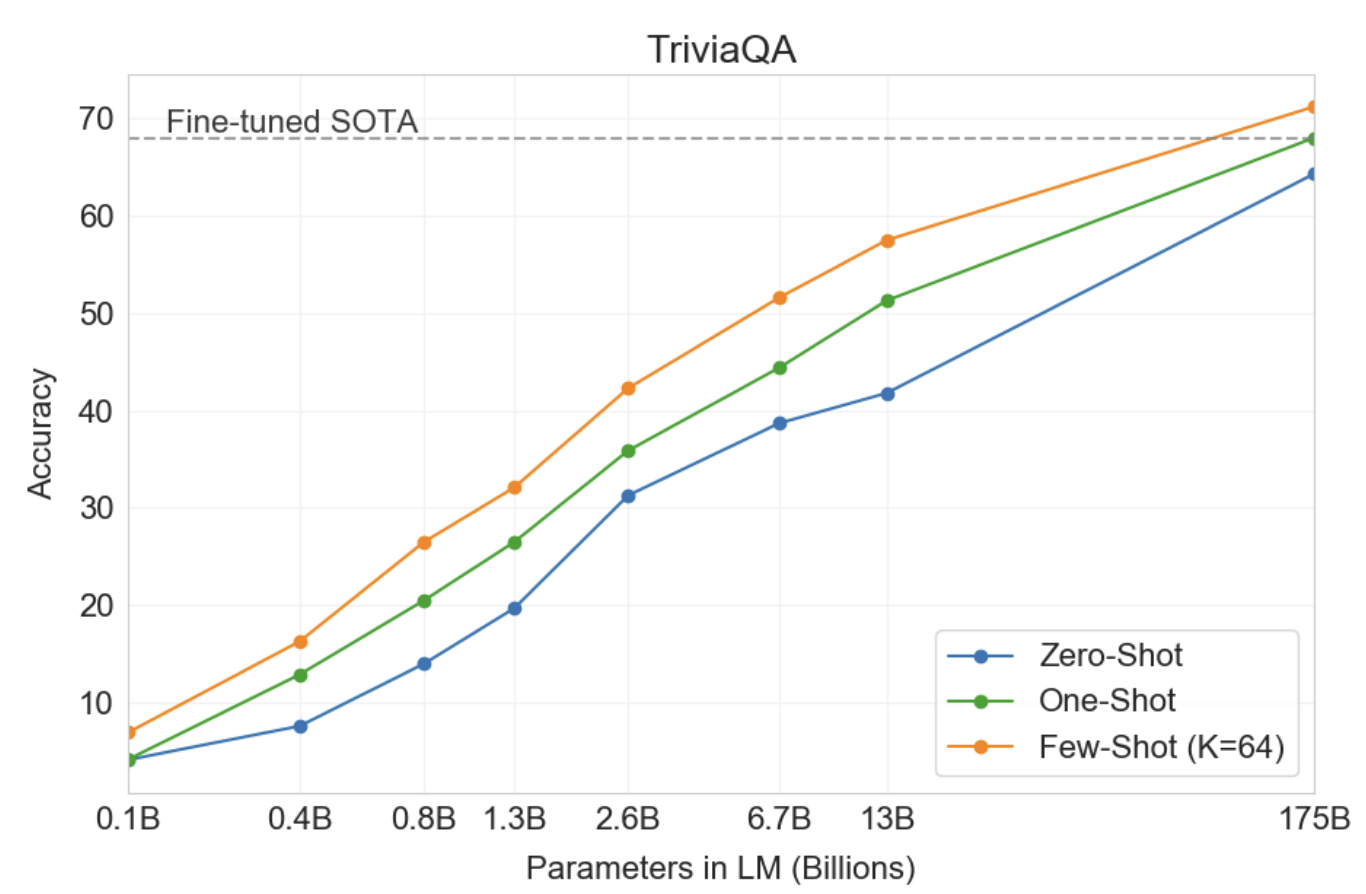
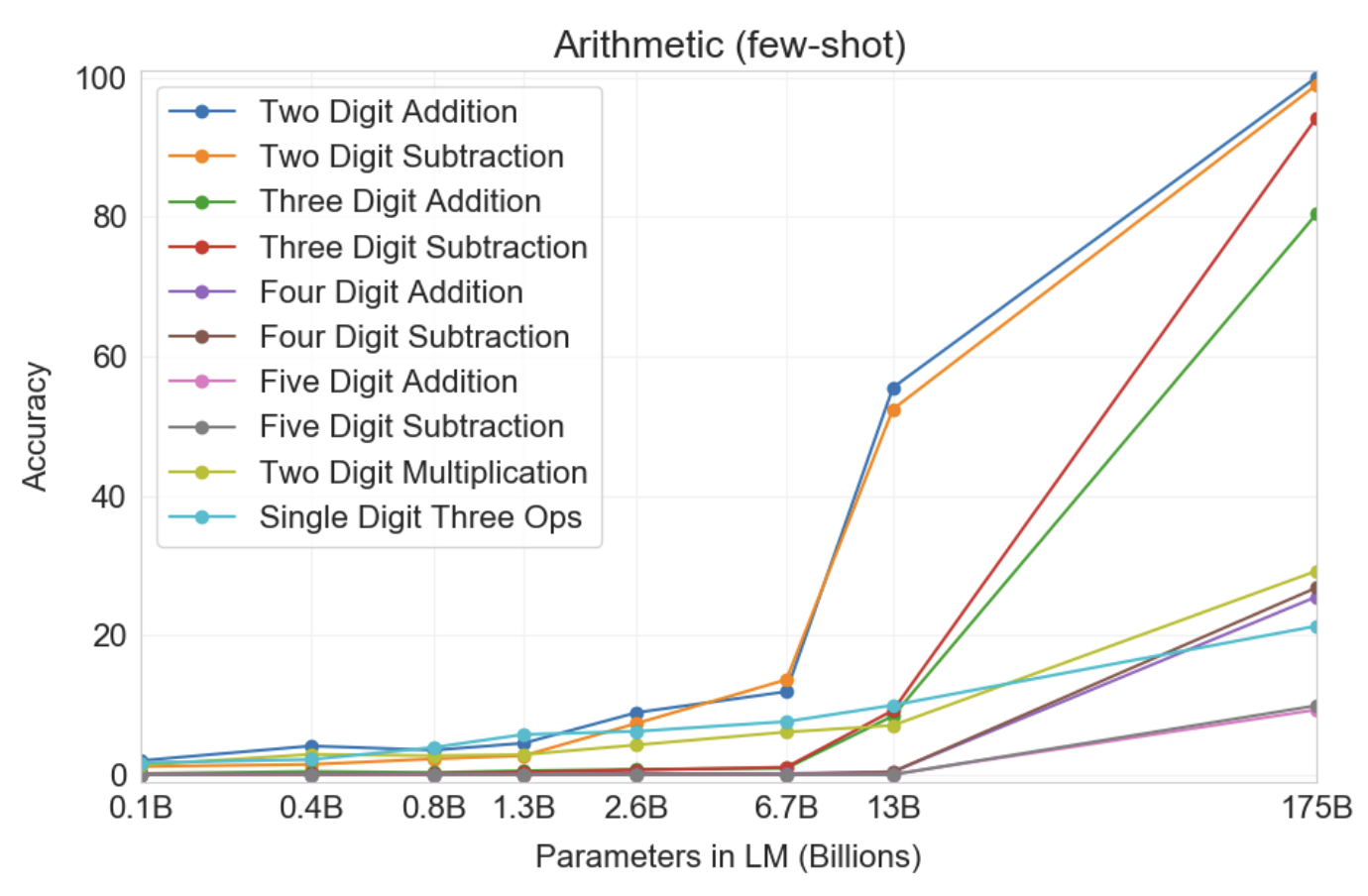
T. B. Brown, et.al , Language Models are Few-Shot Learners, 2020
Historical Discovery on Scaling
Historical Discovery on Scaling
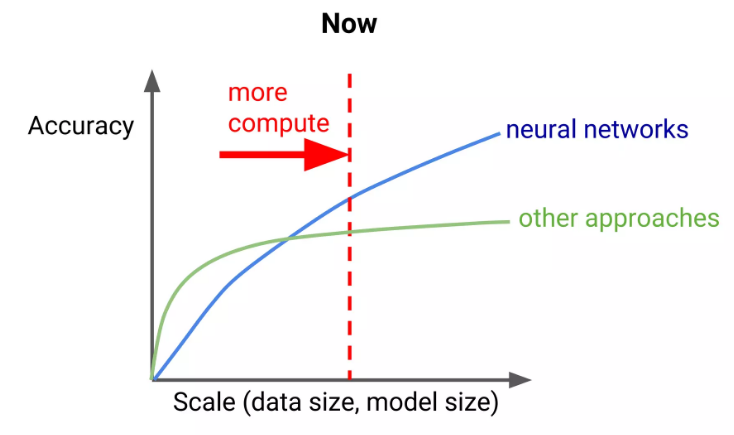
“Trends and Developments in Deep Learning Research” Jeff Dean, Google, 2017
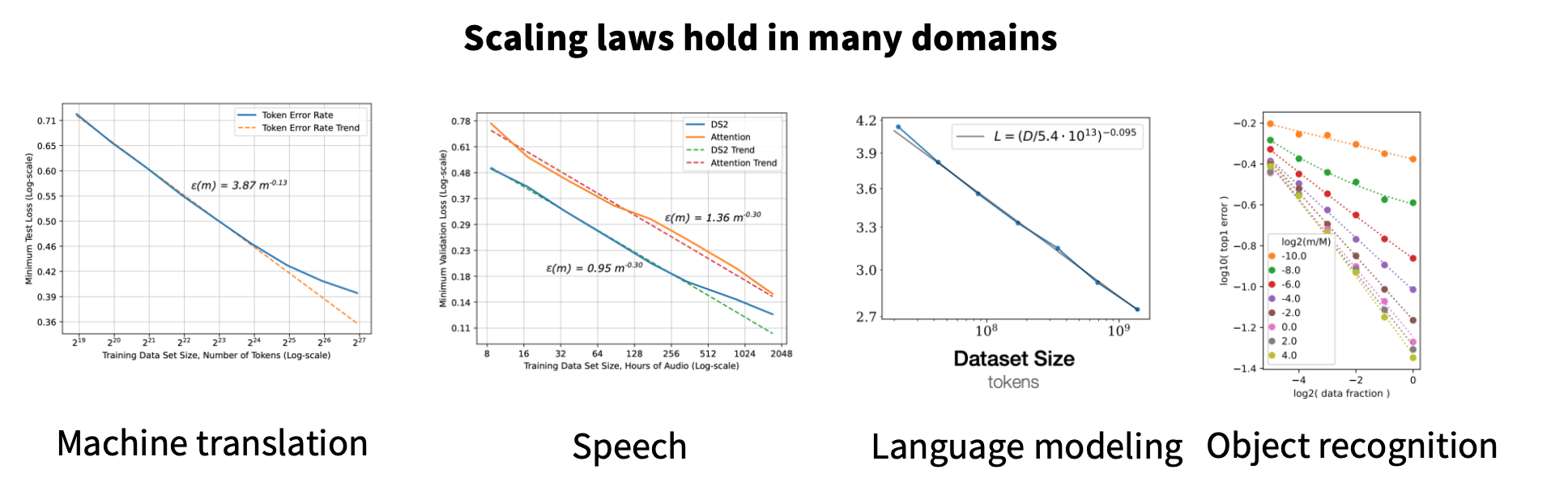
Scaling Law on LLM
Scaling Law on LLM
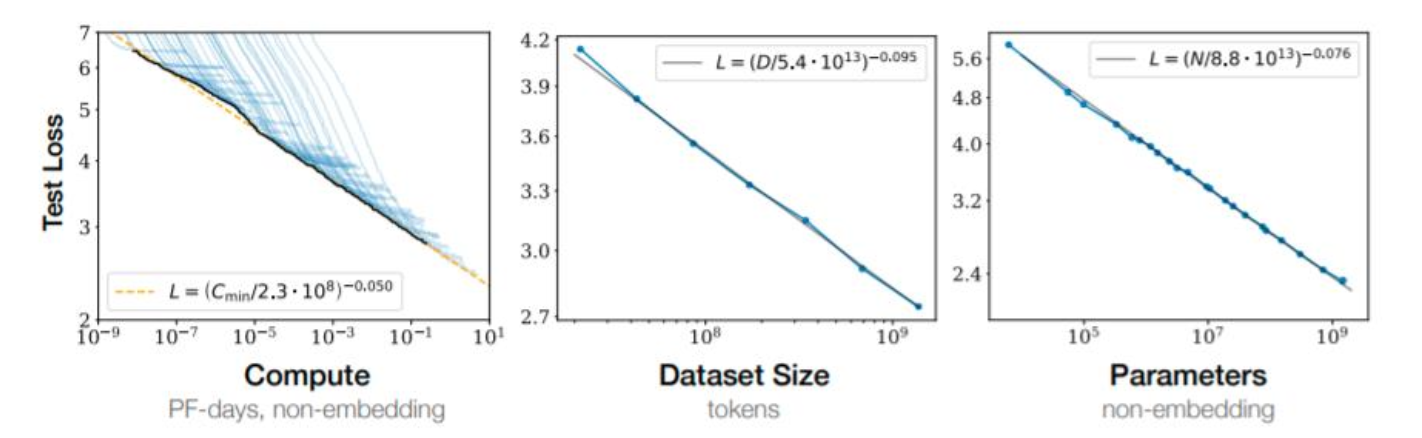
J. Kaplan, Scaling Laws for Neural Language Models, 2020
Scaling Law on LLM
Scaling Law on LLM
J. Kaplan, Scaling Laws for Neural Language Models, 2020
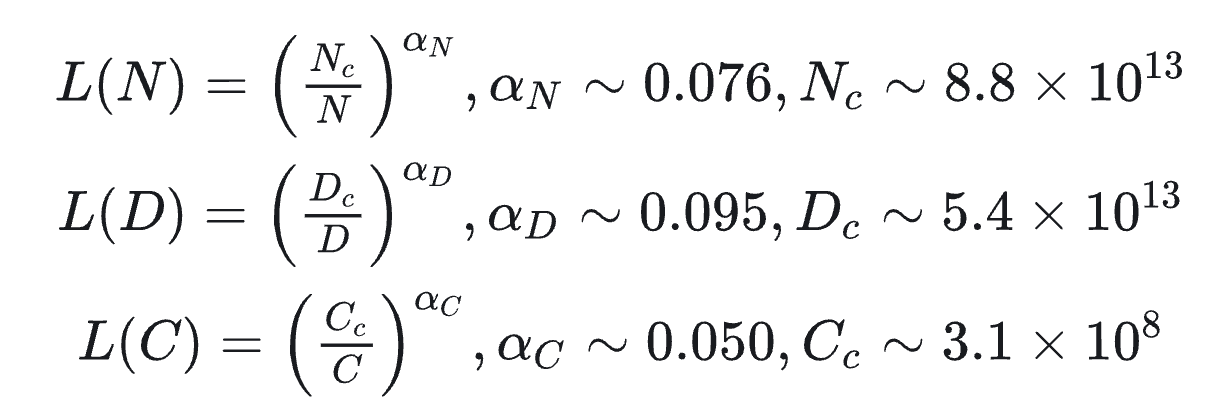
Data Scaling
Data Scaling
Statistical Learning
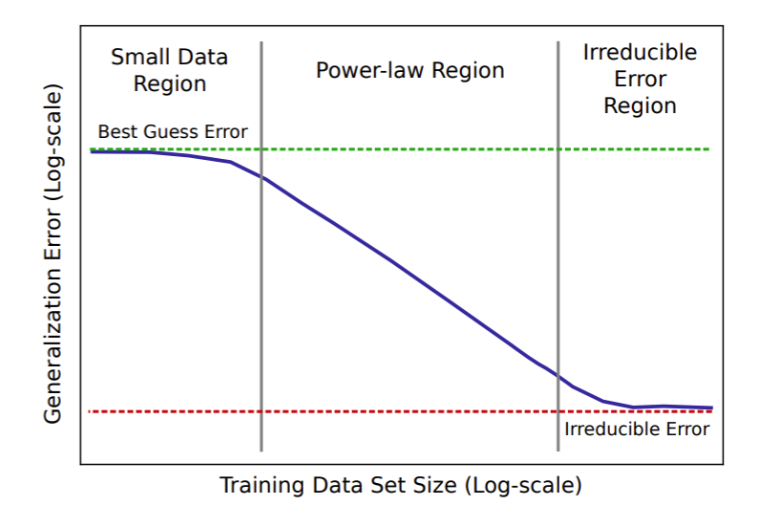
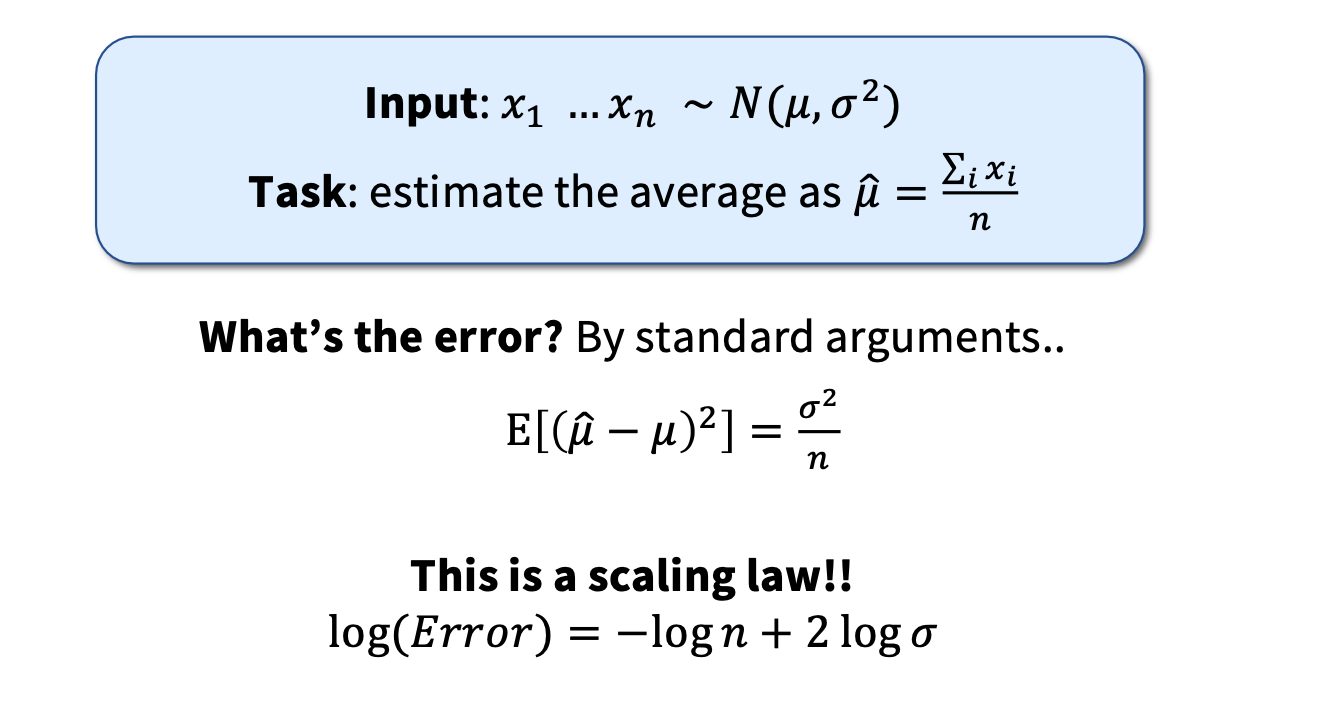
Scaling Laws for Nonparametric Learning
Scaling Laws for Nonparametric Learning
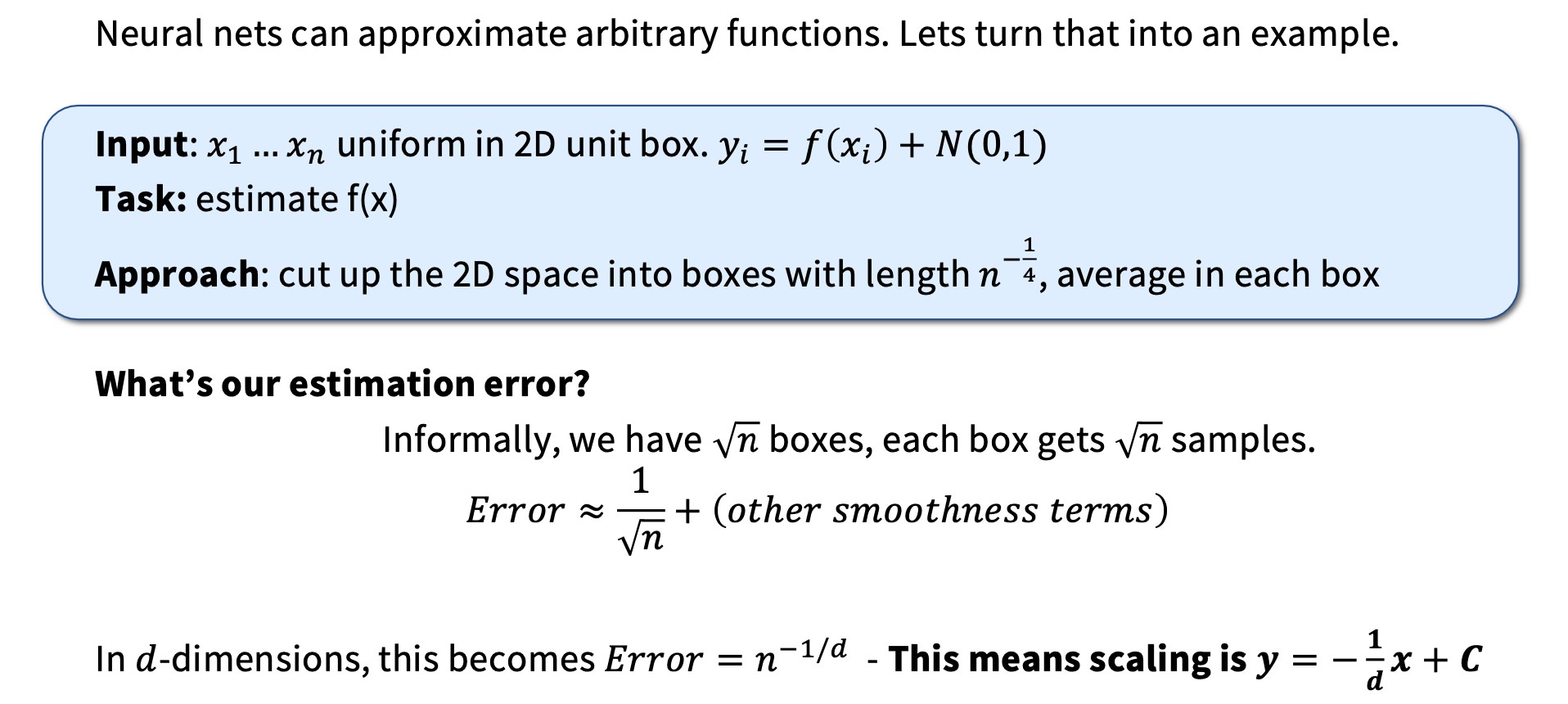
Model Scaling
Model Scaling
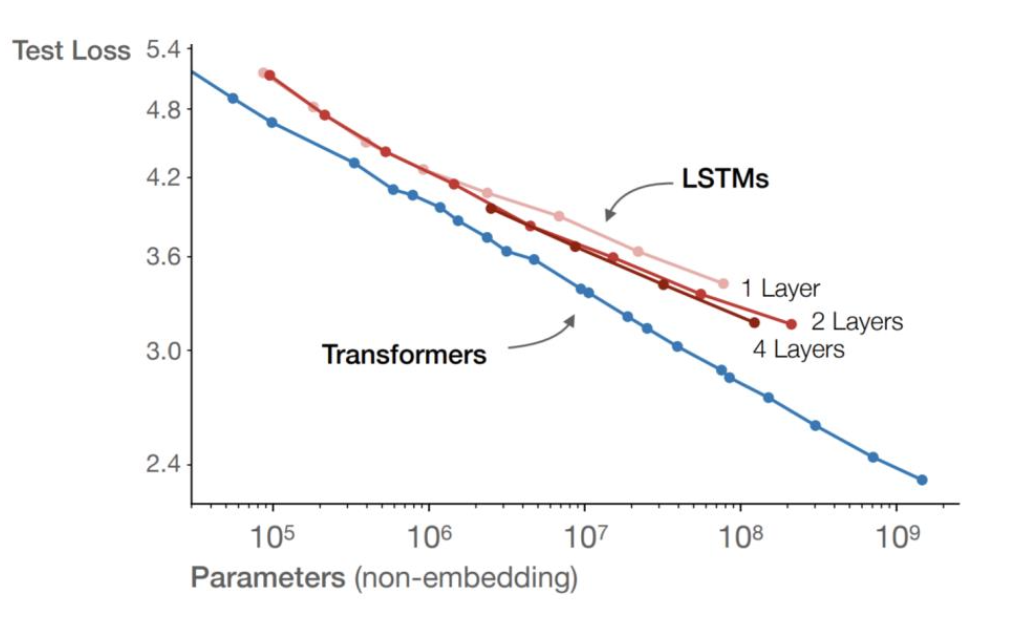
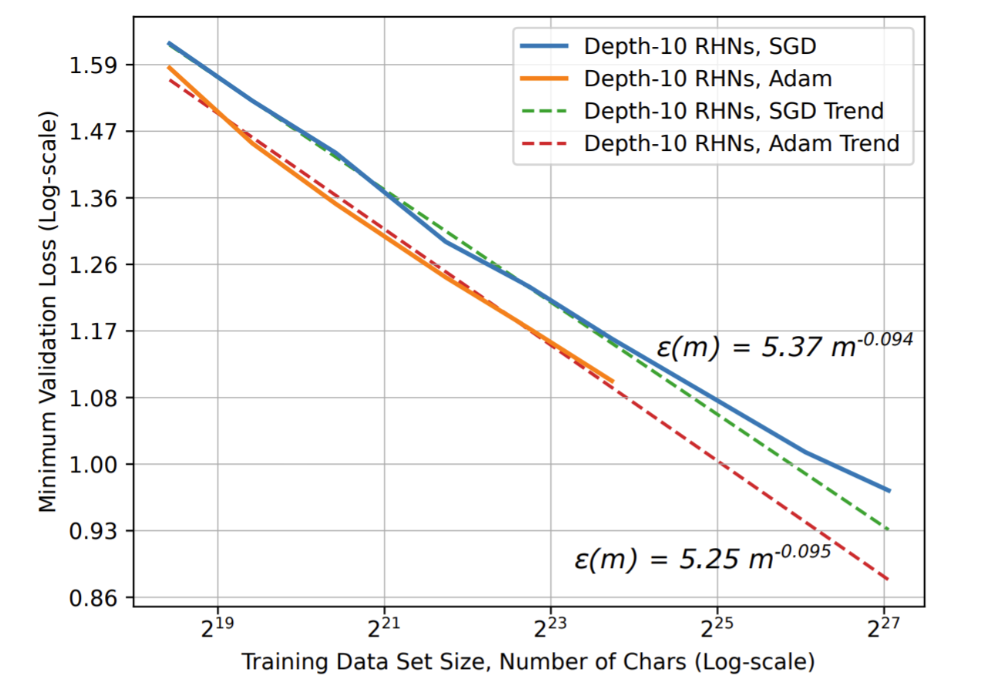
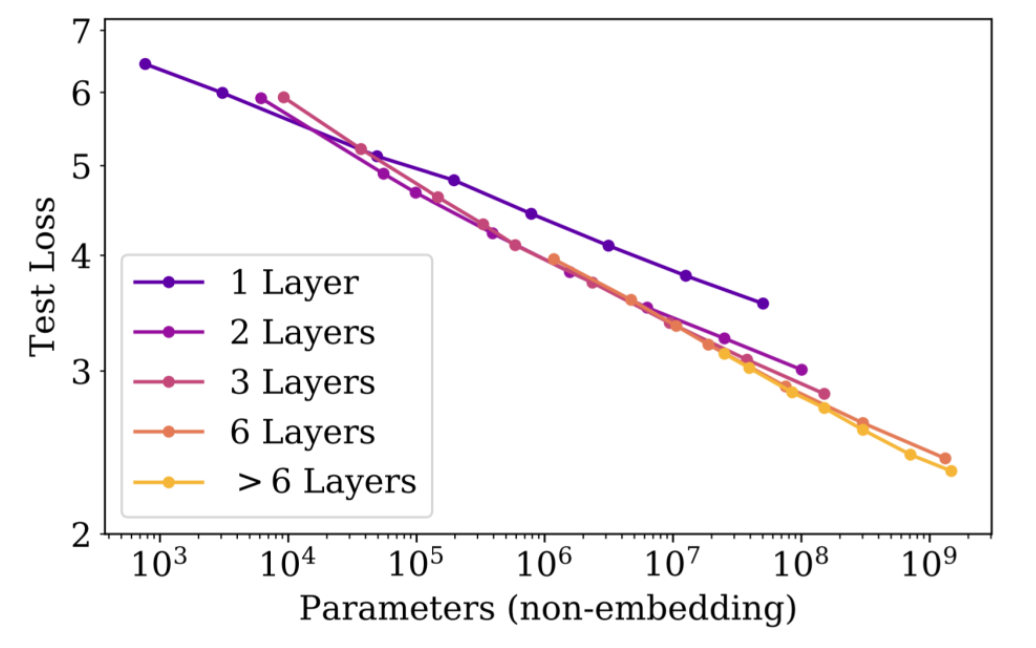
Data & Model Joint Scaling
Data & Model Joint Scaling
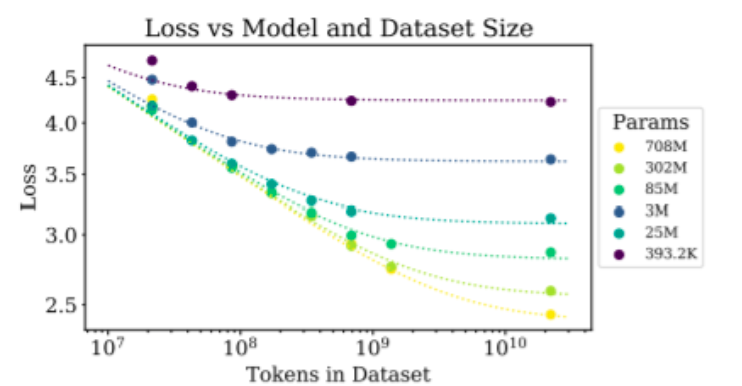
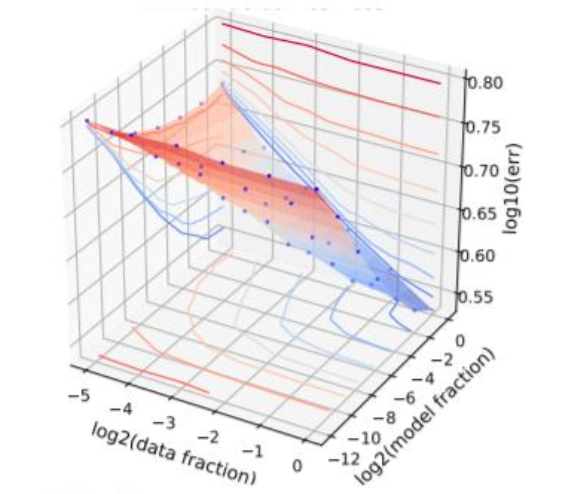
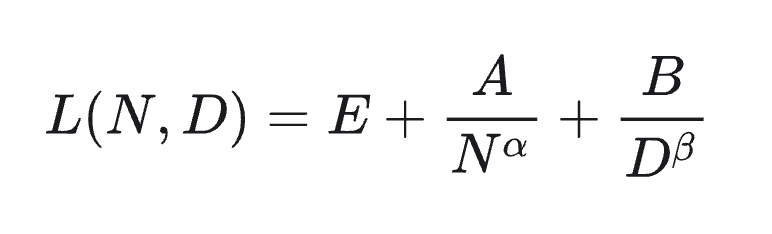
Data & Model Joint Scaling is Accurate
Data & Model Joint Scaling is Accurate
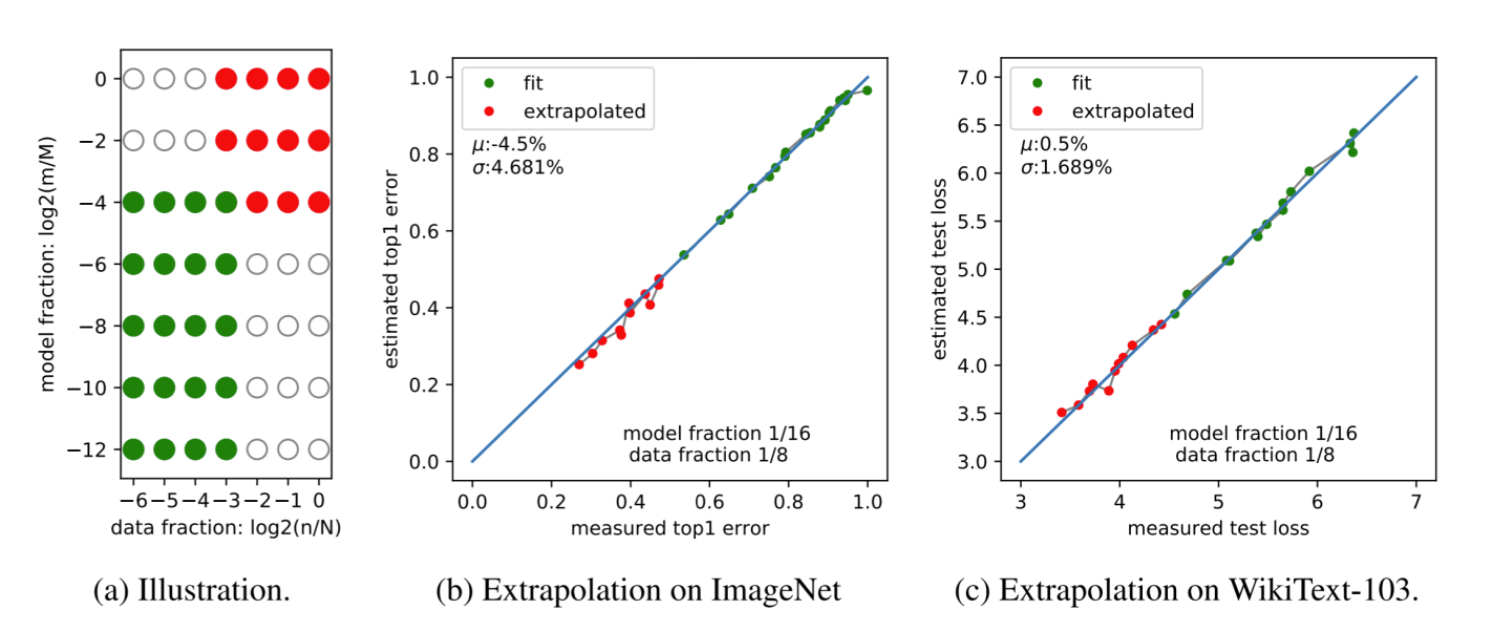
Importance of Scaling Law
Importance of Scaling Law
Predictive Design Principle
Allows researchers to forecast model performance before training. → Helps allocate compute/data/model size optimally.
Drives Paradigm Shift
Shifts focus from architecture engineering to scale-driven performance. → “More data + bigger models + longer training” became a viable recipe.
Foundation for Efficient Training
Informs compute-optimal model design (e.g., Chinchilla Law): → For a fixed compute budget, what’s the best model/data ratio?
Unifies Empirical Trends Across Models
Observed in transformers, language models, vision models, multimodal models… → Suggests a universal scaling behavior in deep learning.
When the Ability Occur? By Emergence
When the Ability Occur? By Emergence
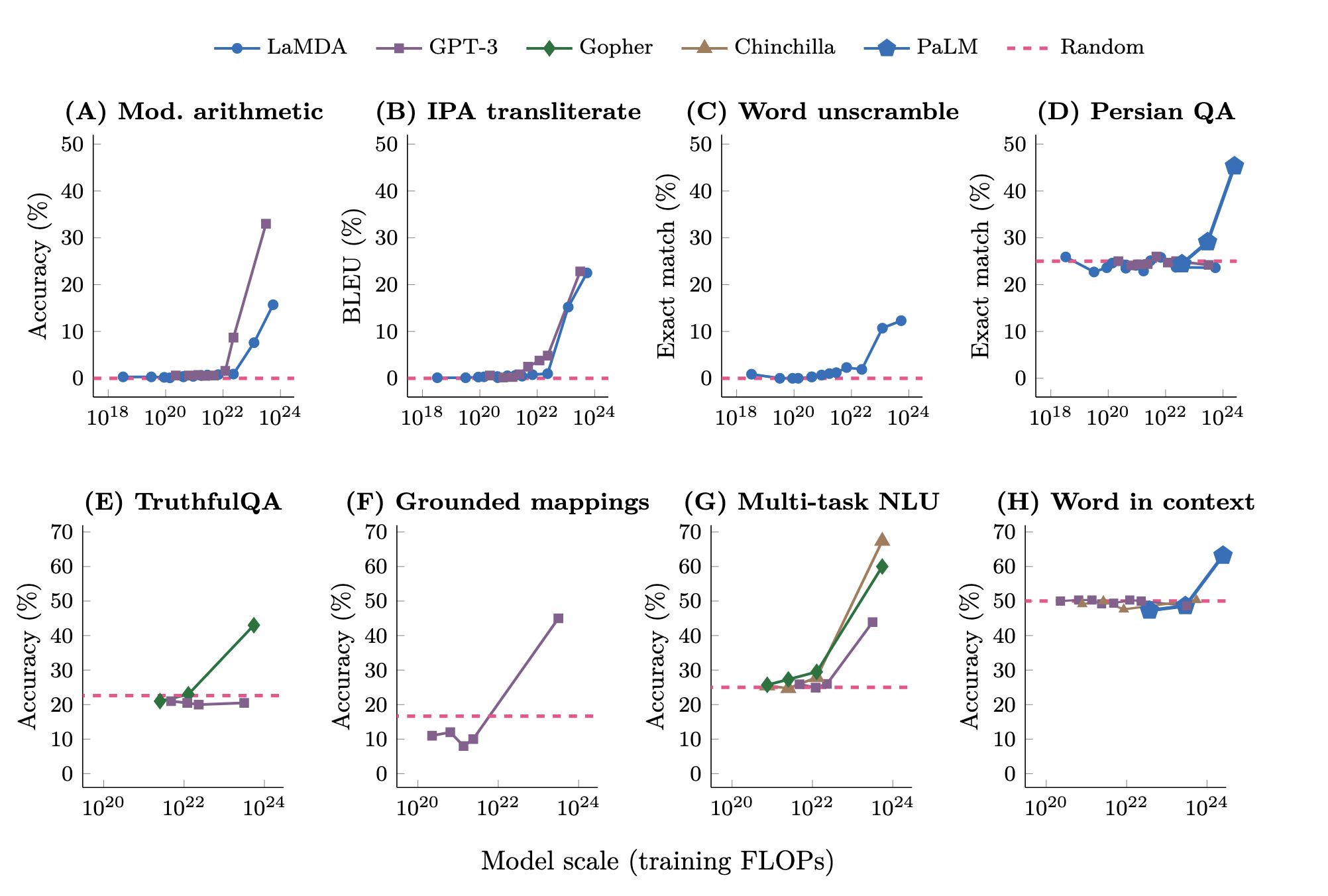
J. Wei, Emergent Abilities of Large Language Models, 2022
Emergence
Emergence
Emergent abilities are capabilities that appear suddenly at a specific scale of model size, data, or compute — not present in smaller models and not predictable by extrapolation.
Key Observations by Wei et al., 2022
Signature Trait: Abrupt, non-linear improvements in task performance as model size increases
Suggests a qualitative shift in general-purpose intelligence with sufficient scale.
Emergence: Critiques
Emergence: Critiques
“Are Emergent Abilities a Mirage?” (Schaeffer et al., 2023)
Apparent emergence may result from misleading evaluation scales (e.g., log accuracy)
When plotted properly, performance follows smooth scaling for most tasks
“What Makes In-Context Learning Work?” (Min et al., 2022)
Prompt formatting and input distribution strongly affect observed abilities
Abilities are sensitive, not necessarily emergent
Other Key Critiques:
Some tasks never exhibit emergence
Emergence may reflect training data overlap, not true generalization
Different abilities emerge at different scales — no unified threshold
Emergence
Emergence
Emergence is not entirely an illusion, but it requires more precise definitions and measurement methodologies.
It is more likely a complex phenomenon that arises from the interaction among task type, model scale, prompt design, and data distribution, rather than being controlled by a single factor.
Emergent abilities remain an important but debated phenomenon. To harness them, we need better diagnostics, metrics, and theory.
Why the Ability of LLM?
Why the Ability of LLM?
From the Language Model: The model learns to predict the next word given a sequence of previous words.
During training, the model is exposed to a vast variety of textual patterns, including:
Instructions + answers
Lists, tables, dialogue turns
Textbook examples, Q&A pairs, code examples, etc.
🧠 Key Insight: In-context learning is not explicitly trained, but rather emerges because the model memorizes and generalizes over millions of task-format patterns in natural data.
Why the Ability of LLM?
Why the Ability of LLM?
Large LMs perform implicit meta-learning:
🔬 Idea:
During pretraining, the model sees many sequences of the form:
"Input A → Output A, Input B → Output B, Input C → ?"
The model learns a general mechanism:
“Given a few demonstrations, infer the mapping rule and apply it to the new input.”
This is analogous to meta-learning (“learning to learn”) in traditional ML:
Instead of explicitly optimizing for task adaptation , GPT-3 internalizes the meta-structure of many tasks through exposure to patterns.
2.5 Large Language Models 2.5.2 Supervised Instruction Fine-Tuning
2.5 Large Language Models 2.5.2 Supervised Instruction Fine-Tuning
Why Supervised Instruction Fine-Tuning (SFT)
Why Supervised Instruction Fine-Tuning (SFT)
Why do we need instruction fine-tuning?
LLMs are pretrained on diverse web-scale corpora: code, books, Wikipedia, etc.
Pretrained LLMs are Good at Text continuation task, including few shot in-context learning;
But no notion of task-specific instruction.
Example: “Summarize the following paragraph…” → Base LLM often fails.
Goal: Align model behavior with human-intended instructions.
Instruction Fine-Tuning
Instruction Fine-Tuning
Definition: Supervised fine-tuning of a pretrained LLM on (instruction, response) pairs.
Also known as supervised fine-tuning (SFT) stage in alignment pipeline.
Shift from pretraining objective to task-oriented alignment.
Learn to map:
Ex: Instruction: “Translate to French”, Input: “Hello” → Output: “Bonjour”
Type of Instruction Data
Type of Instruction Data
Natural language instructions + labeled outputs.
Sources:
NLP benchmarks (SuperGLUE, SQuAD, etc.)
Crowd-sourced instruction sets (e.g., Self-Instruct)
Synthetic instructions from models themselves.
Recall: Multi-Task in T5
Recall: Multi-Task in T5
T5 converts every task into a text-in → text-out format. For example:
Sentiment classification:
Input: "sst2 sentence: I liked the movie.”
Output: "positive”
Summarization:
Input: "summarize: [article text]”
Output: "[short summary]”
Translation:
Input: "translate English to German: How are you?”
Output: "Wie geht es dir?”
Fixed Labels, not flexible nature instructions.
Algorithm: Supervised Finetuning
Algorithm: Supervised Finetuning
Objective:
where
Can be applied in various pretrained models: T5, GPT 3 …
Historical Mile-Stones
Historical Mile-Stones
FLAN (2021): Unified instruction tuning on 60+ tasks.
T0 (2021): Zero-shot generalization via multitask instruction tuning.
InstructGPT (2022): Supervised + RLHF training for instruction following.
FLAN
FLAN
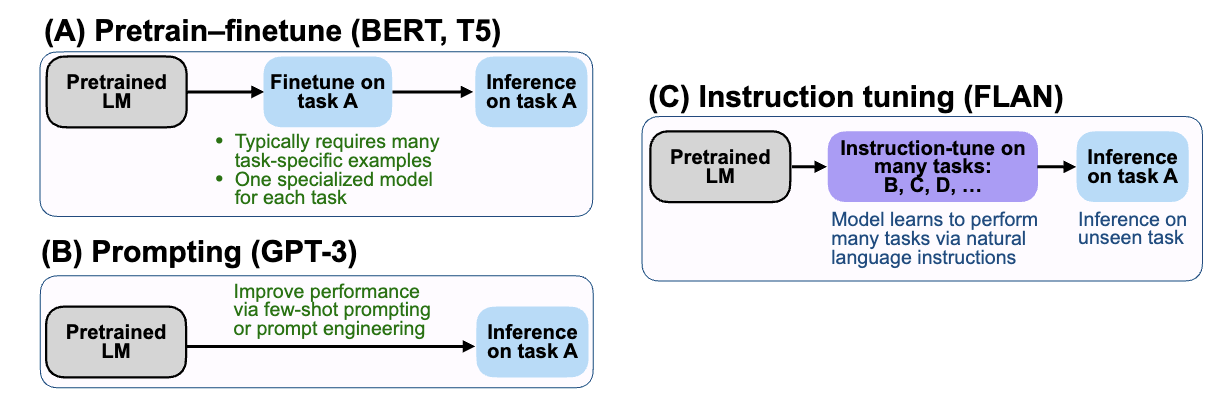
J. Wei, Finetuned Language Models Are Zero-Shot Learners, 2022
FLAN
FLAN
J. Wei, Finetuned Language Models Are Zero-Shot Learners, 2022
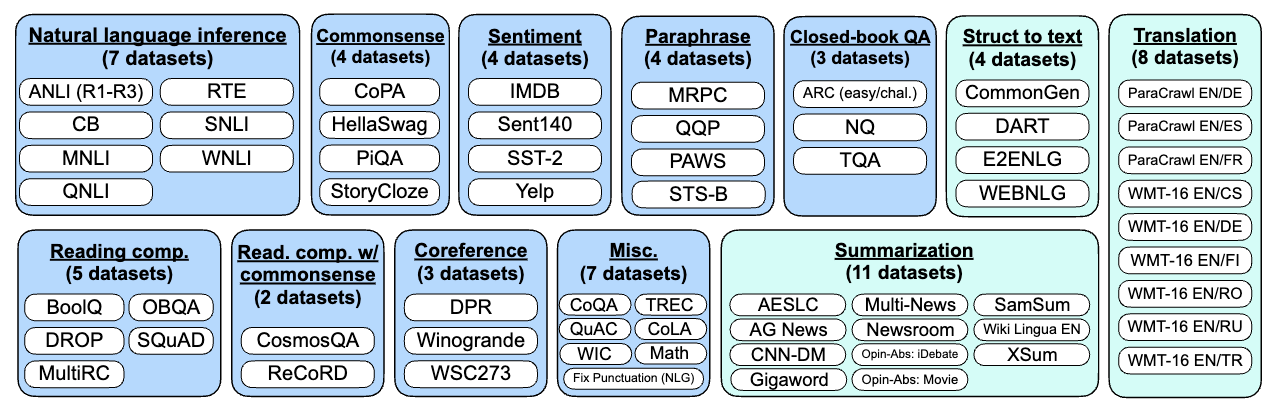
FLAN
FLAN
J. Wei, Finetuned Language Models Are Zero-Shot Learners, 2022
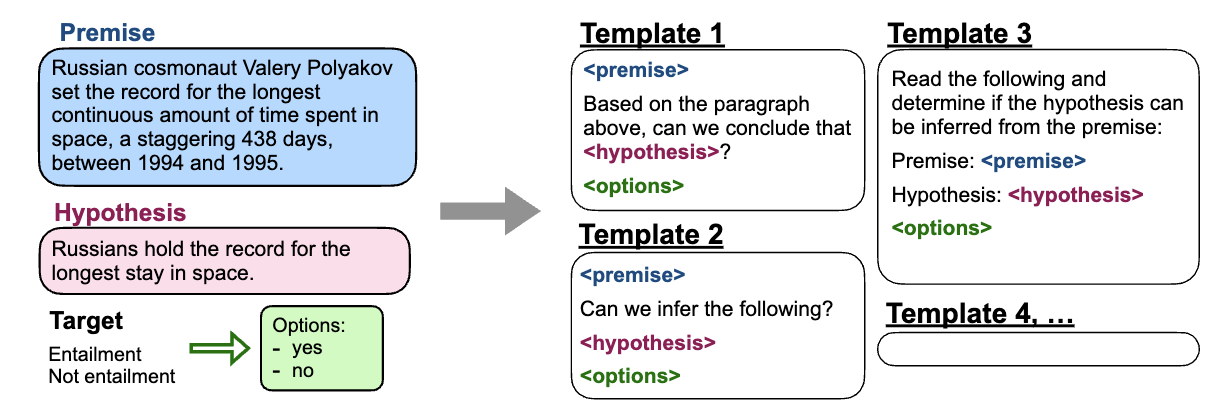
T0
T0
V. Sanh, et.al, Multitask Prompted Training Enables Zero-Shot Task Generalization, 2022
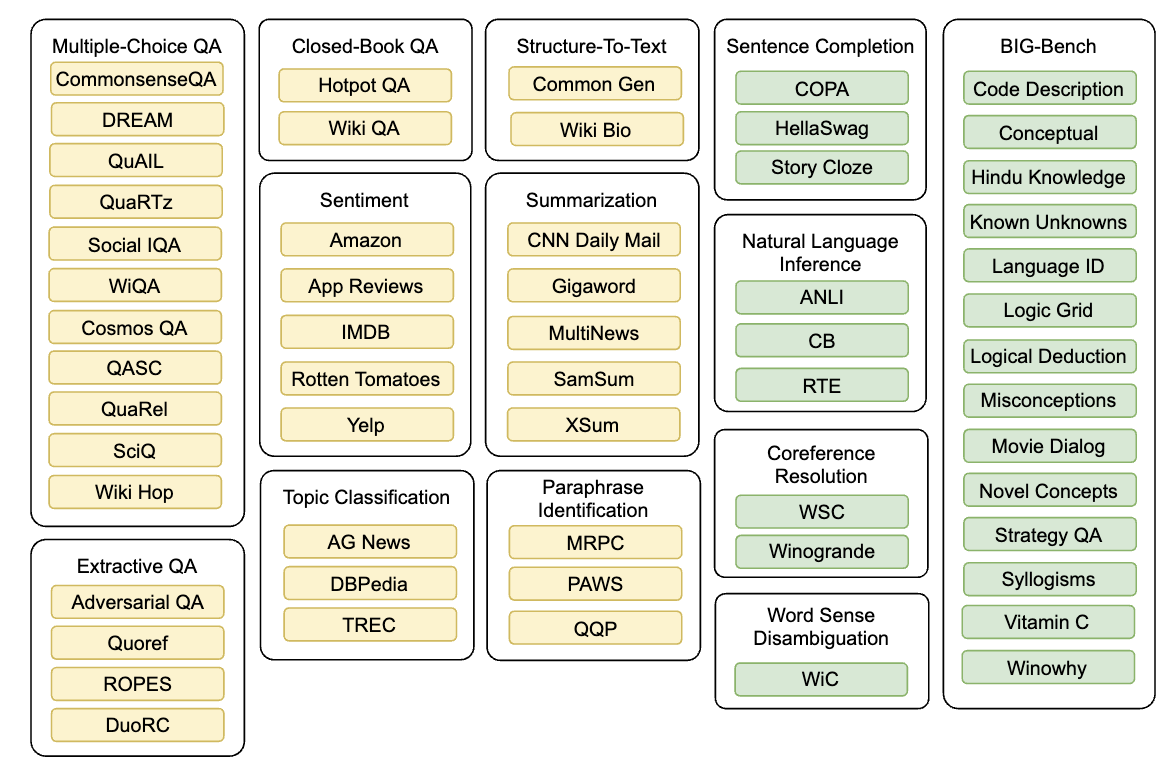
T0
T0
V. Sanh, et.al, Multitask Prompted Training Enables Zero-Shot Task Generalization, 2022
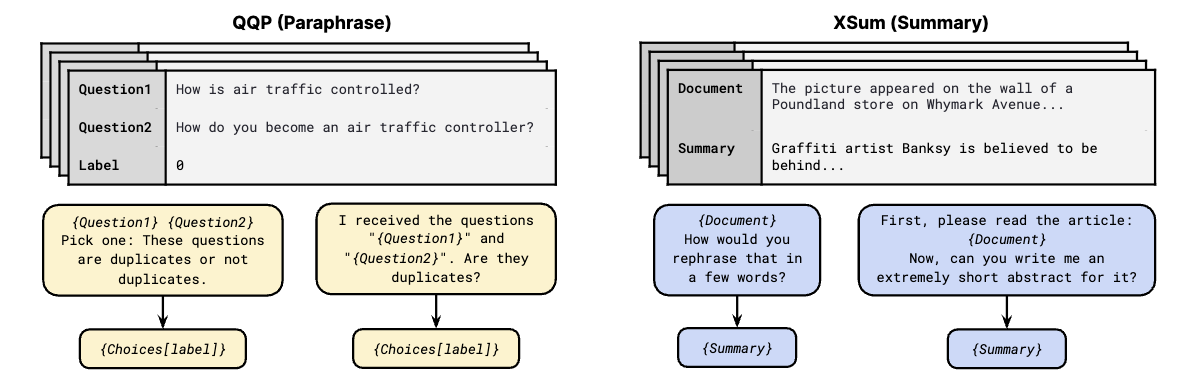
T0
T0
V. Sanh, et.al, Multitask Prompted Training Enables Zero-Shot Task Generalization, 2022
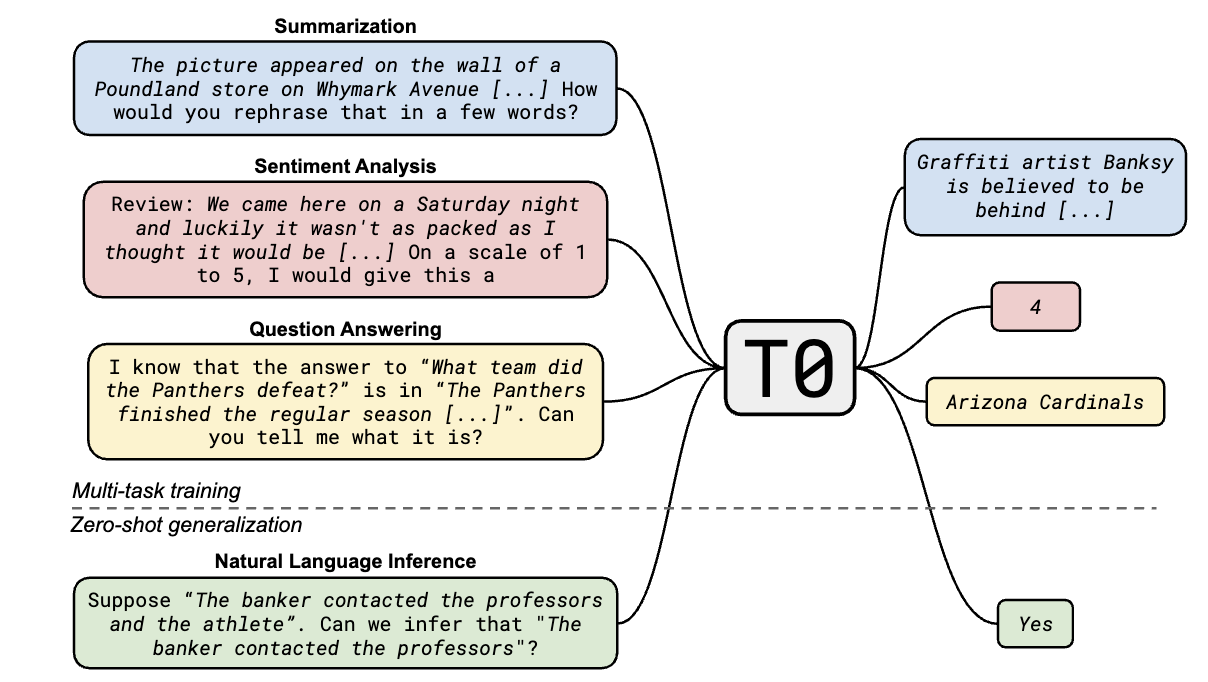
T0
T0
V. Sanh, et.al, Multitask Prompted Training Enables Zero-Shot Task Generalization, 2022
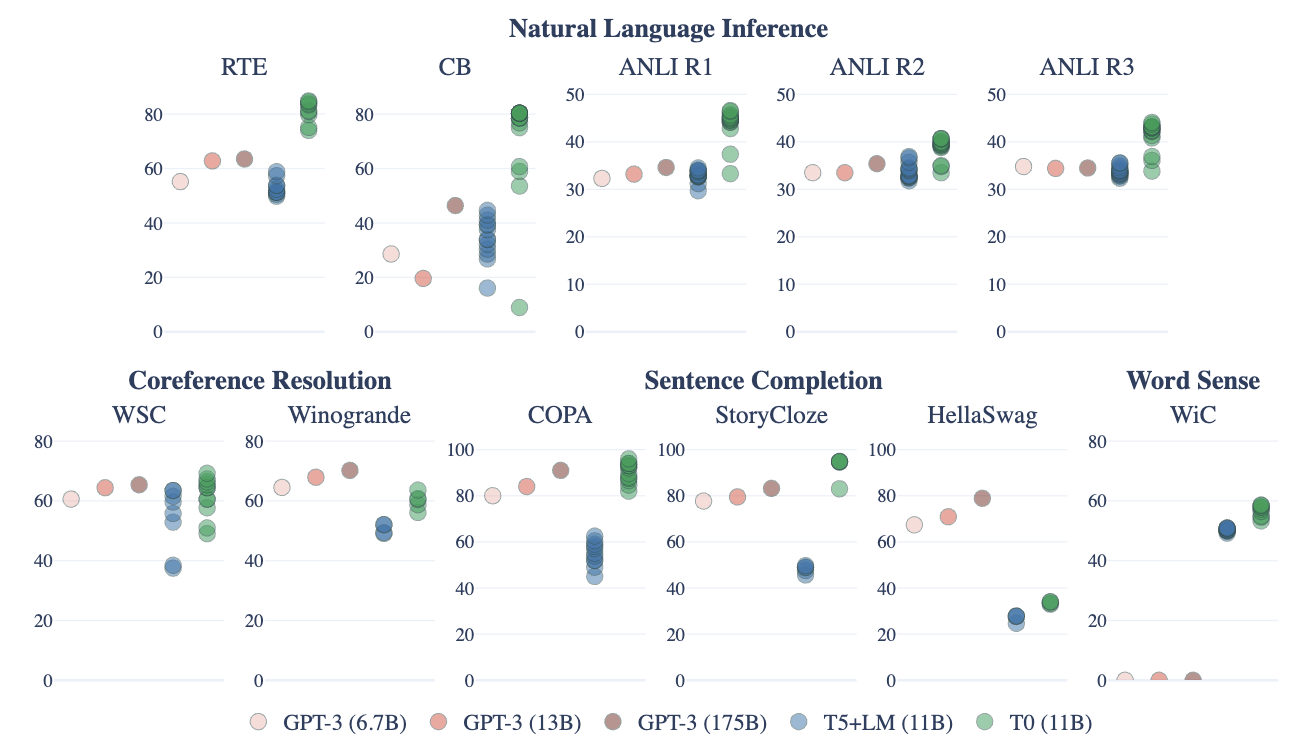
Instruct-GPT
Instruct-GPT
L. Ouyang, Training language models to follow instructions with human feedback, 2022.
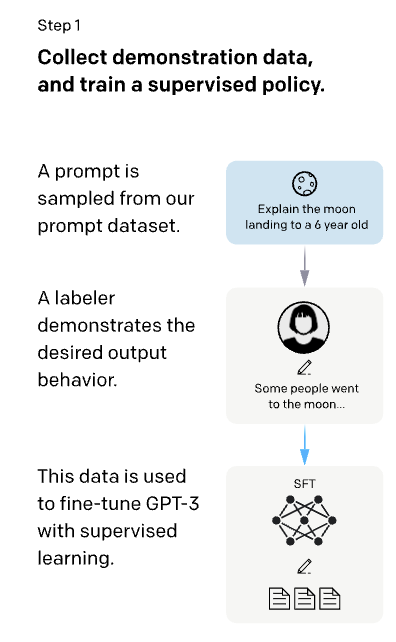
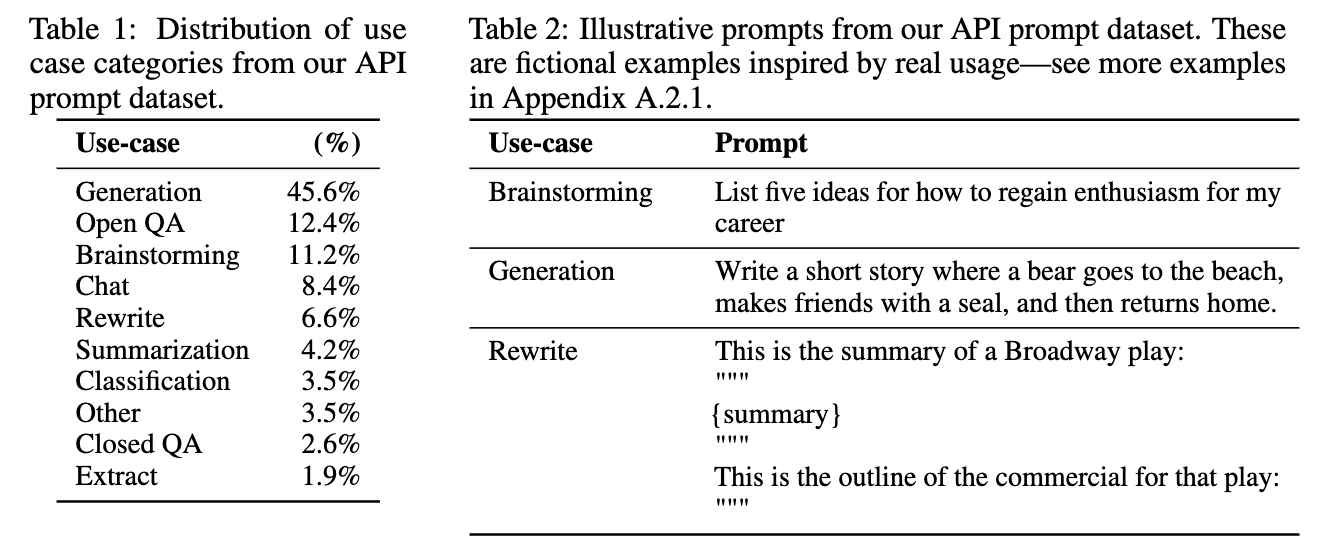
Summary
Summary
All methods create natural language instructed supervised data:
From existing NLP tasks;
Human Label (Open AI)
A pretrained LLM are fine-tuned in this dataset;
The zero-shot performances over supervised tasks are improved;
But more importantly, the finetuned models all show promising generalization to instructions outside of the finetuning distribution.
They learn the meaning of natural language instructions.
Gap to Our Goal – Human Intelligence
Gap to Our Goal -- Human Intelligence
SFT cannot fully achieve our goal -- Human Preference
Learns to Mimic, Not to Optimize Preferences
Cannot Resolve Ambiguities or Trade-offs
Passive and Non-Interactive
Overfits to Demonstration Distribution
Cannot Penalize Undesirable Outputs
2.5 Large Language Models 2.5.3 Reinforcement Learning from Human Feedback
2.5 Large Language Models 2.5.3 Reinforcement Learning from Human Feedback
How to achieve Human Preference?
How to achieve Human Preference?
First, we need to model human preference, that is, tell how well the result satisfies humans requests.
Human preference is expensive and slow!
Human preference hard to model by rules on language responses;
How about build a machine learning model?
Given each response, the human preference model will give a score indicating the quality of the response;
Second, we need to optimize our LLM to generate responses with high scores given by the human preference model:
Reinforcement Learning is the best choice.
Architecture of ChatGPT
Architecture of ChatGPT
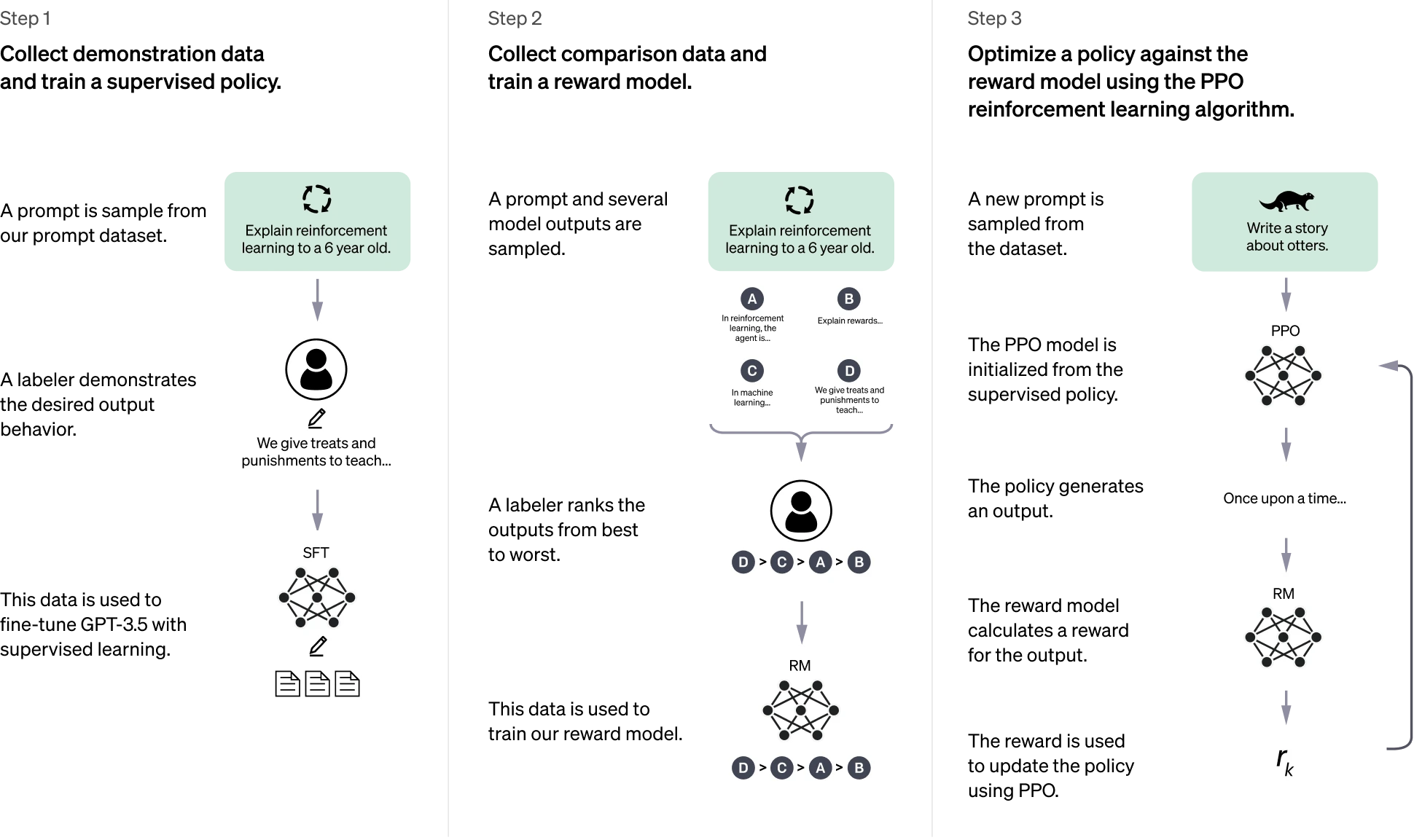
https://openai.com/index/chatgpt/
Instruction Finetuning
RLHF
History of RLHFEarly Developments in Human-in-the-Loop Reinforcement Learning
History of RLHF
Early Developments in Human-in-the-Loop Reinforcement Learning
Early Developments in Human-in-the-Loop Reinforcement Learning
Early approaches had humans directly guiding agent behavior via rewards or corrections.
TAMER (2008) allowed humans to provide scalar feedback signals (positive/negative) in real time to train an agent. This taught agents by shaping a reward model from human evaluations, rather than a predefined reward.
COACH (2017) introduced an actor-critic method where human feedback adjusted the critic’s advantage estimates. These early works established that humans can meaningfully shape an agent’s policy during learning.
Preference-based Reinforcement Learning (PbRL, 2011) : humans express preferences between two outcomes, and the agent learns a policy that produces outcomes ranking higher in human preference. This set the stage for modern RLHF – learning from comparative feedback rather than absolute reward signals.
History of RLHFEmergence of RLHF in the Deep Learning Era (2016–2018)
History of RLHF
Emergence of RLHF in the Deep Learning Era (2016–2018)
Emergence of RLHF in the Deep Learning Era (2016–2018)
The Proximal Policy Optimization (PPO, 2017) algorithm provided a stable and efficient way to fine-tune policies in large parameter spaces.
The modern wave of RLHF research took off with the success of deep reinforcement learning. By the late 2010s, RLHF techniques were being tested in complex domains, especially in games.
In Christiano et al. (OpenAI, 2017) humans compared pairs of short video clips of an agent’s behavior , and a neural reward model was trained from these comparisons.
OpenAI Five (which played Dota 2) and DeepMind’s AlphaStar (which played StarCraft II) incorporated human demonstrations or preference-based fine-tuning.
History of RLHFRLHF for Language Models (2019–2021)
History of RLHF
RLHF for Language Models (2019–2021)
RLHF for Language Models (2019–2021)
Early large language models could produce fluent text but often in ways misaligned with user intent (e.g. going off-topic or being inappropriate).
Ziegler et al. (2019) and Stiennon et al. (2020) fine-tuned GPT-2 on tasks like summarization and dialogue using human preference comparisons.
OpenAI’s WebGPT (2021) trained a model to answer questions using a web browser, with human evaluators rewarding answers that were correct and had proper citations.
DeepMind’s GopherCite (2022) similarly used human feedback to encourage a language model to provide sources for its claims.
RLHF provides gains over pretraining + finetuning
RLHF provides gains over pretraining + finetuning
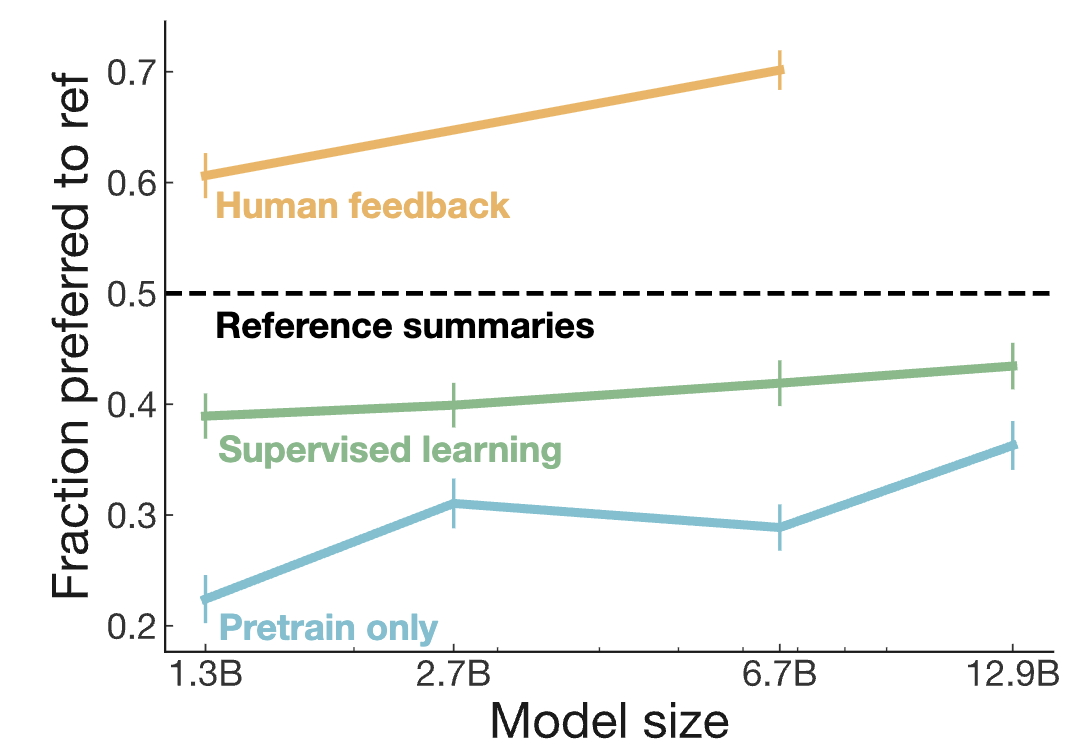
https://arxiv.org/pdf/2009.01325
History of RLHFInstruction-Following and the ChatGPT Era
History of RLHF
Instruction-Following and the ChatGPT Era
Instruction-Following and the ChatGPT Era
OpenAI’s InstructGPT (Ouyang et al., 2022) demonstrated that RLHF can make models dramatically more useful.
InstructGPT also exhibited improvements in truthfulness and reductions in toxic or harmful content compared to the base model – a significant proof that RLHF can enhance both helpfulness and safety of AI systems.
OpenAI’s ChatGPT (2022) is fine-tuned with human feedback for conversational dialogue.
By 2023, RLHF became a standard component for state-of-the-art language models across the AI industry: OpenAI’s GPT-4 (2023) , Anthropic’s Claude, LLaMA-2 (Meta, 2023) , Google’s dialogue models (e.g. LaMDA, Bard).
Incorporating Human Preference
Incorporating Human Preference
Human Preference is expensive and slow!
Train an LM 𝑅𝑀𝜙 𝑠 to predict human preferences from an annotated dataset, then optimize for 𝑅𝑀𝜙 instead.
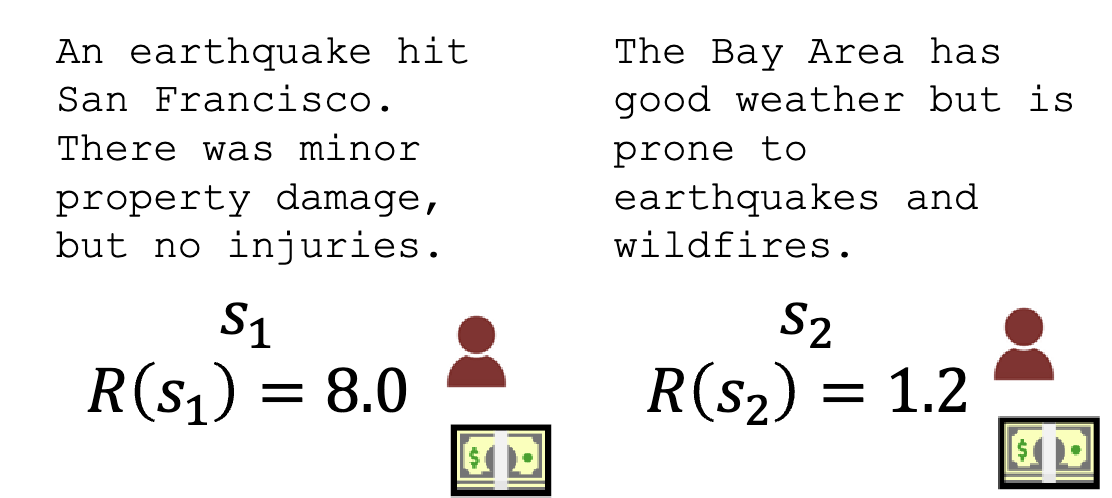
https://web.stanford.edu/class/cs224n/slides_w25/cs224n-2025-lecture10-instruction-tunining-rlhf.pdf
Incorporating Human Preference
Incorporating Human Preference
Human judgments are noisy and miscalibrated!
https://web.stanford.edu/class/cs224n/slides_w25/cs224n-2025-lecture10-instruction-tunining-rlhf.pdf
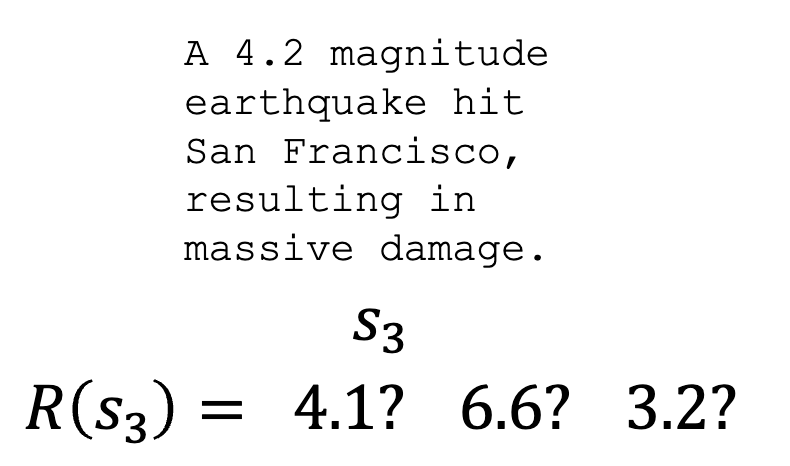
Incorporating Human Preference
Incorporating Human Preference
Solution: instead of asking for direct ratings, ask for pairwise comparisons, which can be more reliable
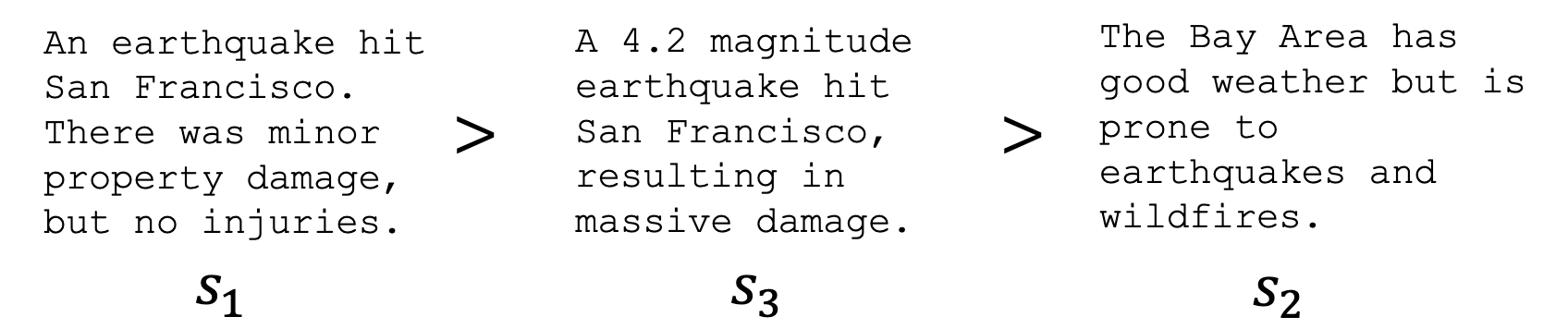
https://web.stanford.edu/class/cs224n/slides_w25/cs224n-2025-lecture10-instruction-tunining-rlhf.pdf
Reward Model In RLHF
Reward Model In RLHF
Start from the SFT model (e.g., GPT-style autoregressive model).
Add a scalar head on top of the final hidden state of the output sequence
Train a rank model
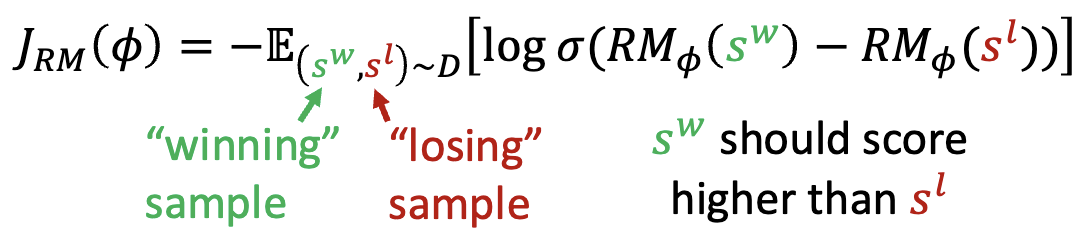
https://web.stanford.edu/class/cs224n/slides_w25/cs224n-2025-lecture10-instruction-tunining-rlhf.pdf
Recall: Reinforcement Learning
Recall: Reinforcement Learning
Agent learns to make decisions by interacting with an environment to maximize a reward signal over time.
Exploration vs. Exploitation:
Exploration refers to trying new actions to discover potentially better rewards.
Exploitation means choosing the action that gives the highest known reward based on past experience.
The agent interacts with the environment by taking actions, receiving rewards, and updating its policy to maximize future rewards.
Recall: Reinforcement Learning
Recall: Reinforcement Learning
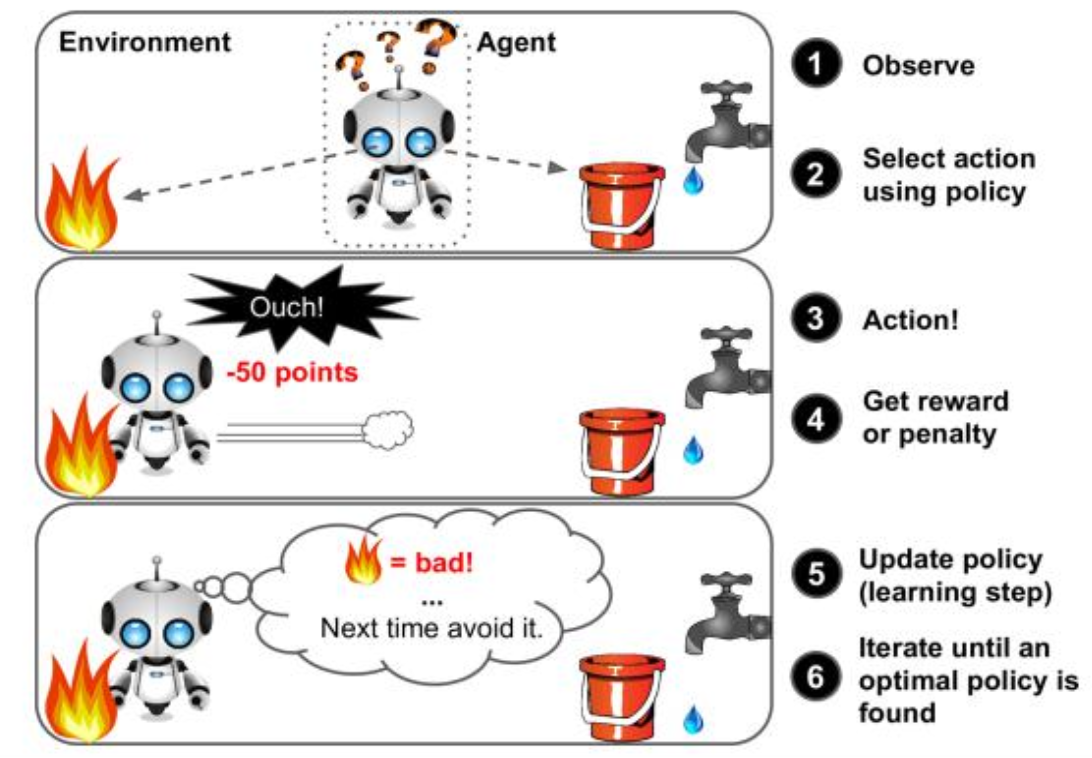
https://www.slideshare.net/slideshow/the-fundamentals-of-machine-learning/238653218
Reinforcement Learning
Reinforcement Learning
https://medium.com/@binaydhakal35/mdp-markov-decision-process-rl-reinforcement-learning-bc85e5d25031
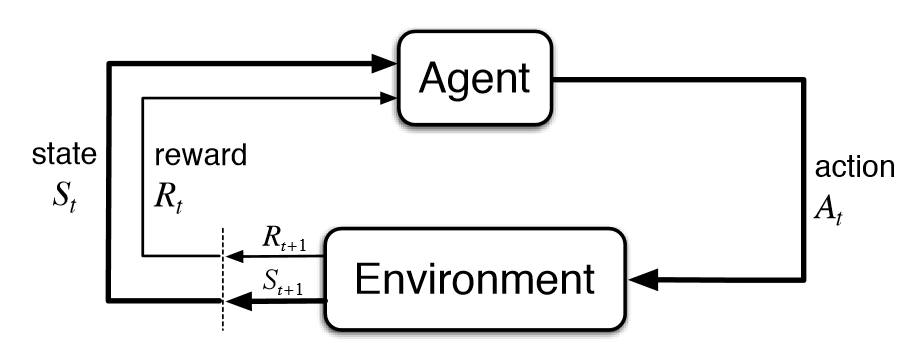
Reinforcement Learning Markov Decision Process
Reinforcement Learning
Markov Decision Process
Markov Decision Process
An MDP is defined by a tuple ,where:
(State Space): A set of states representing the environment.
(Action Space): A set of actions available to the agent in each state.
(Transition Probability): A probability function that defines the likelihood of transitioning from state s to s' after taking action a.
(Reward Function): A function that assigns a reward for moving from state s to s' via action a.
(Discount Factor): A value in the range [0,1] that determines the importance of future rewards.
Reinforcement LearningMarkov Property
Reinforcement Learning
Markov Property
Markov Property
MDP follows the Markov Property, which states that the next state depends only on the current state and action, not on past states.
Mathematically,
This property ensures that MDPs can be efficiently solved using mathematical techniques like dynamic programming.
Reinforcement LearningPolicy and Value
Reinforcement Learning
Policy and Value
Policy and Value
The policy is defined as a probability distribution over actions given a state.
The optimal policy is the one that maximizes the expected cumulative reward, denoted as:
Reinforcement Learning is to find the optimal policy.


Reinforcement Learning for LLM
Reinforcement Learning for LLM
Train the language model to maximize the reward model score:
This is a deep reinforcement learning setting:
Policy: :a deep autoregressive language model
Reward: scalar from , given at the end of generation

The Policy Gradient Approach
The Policy Gradient Approach
Optimize the objective by gradient ascent:
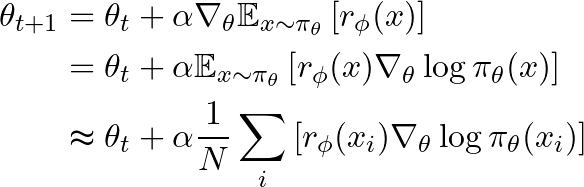
Why not Policy Gradient
Why not Policy Gradient



The gradient is modulated by the total return, regardless of how good the action was relative to the state, leading to high variance in gradient estimates.
Actor-Critic
Actor-Critic
Subtracting a state-dependent baseline would greatly reduce the variance


How to choose a good baseline? – Value and Advantage;


Actor-Critic: Advantage
Actor-Critic: Advantage
Monte Calo (MC) Advantage:
One-Step Time Difference Advantage:
Generalized Advantage Estimation



Actor-Critic: Algorithm
Actor-Critic: Algorithm
Components:
Actor: the policy , responsible for action selection
Critic: the value function , evaluates how good a state is
Procedure:
Actor chooses actions based on
Critic computes
Collect trajectory
Critic updates by minimizing:
Actor updates using:
The Actor-Critic Approach
The Actor-Critic Approach
https://www.researchgate.net/figure/The-Markov-decision-process-of-reinforcement-learning-According-to-the-reward-the_fig1_368578437
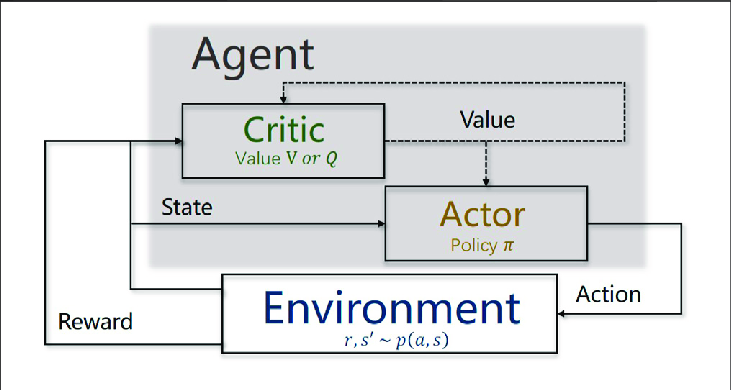
Why not Actor-Critic?
Why not Actor-Critic?
Problem in Actor-Critic:
Policy updates can be too large, causing performance collapse
No explicit constraint on how much the policy changes
Trust Region Policy Optimization (TRPO):
Solves this via a KL-divergence constraint
Effective but complex (second-order method)
PPO: Proposes a simple alternative to TRPO with first-order optimization
The PPO Approach
The PPO Approach
https://spinningup.openai.com/en/latest/algorithms/ppo.html




Advantage is positive: the new policy does not benefit by going far away from the old policy. Advantage is negative: the new policy does not benefit by going far away from the old policy.
Advantage is positive: the new policy does not benefit by going far away from the old policy.
Advantage is negative: the new policy does not benefit by going far away from the old policy.
The PPO Approach
https://spinningup.openai.com/en/latest/algorithms/ppo.html


The PPO Approach
The PPO Approach
https://spinningup.openai.com/en/latest/algorithms/ppo.html
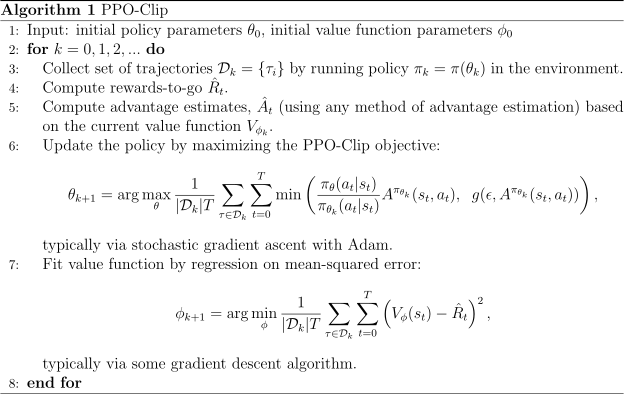
PPO In RLHF
PPO In RLHF
Actor: Policy Network
The actor model starts from the SFT model:
Outputs a distribution over tokens:
Critic: Value Network
Also initialized from the SFT model:
A scalar value head is added to the transformer outputs:
PPO In RLHF
PPO In RLHF
Reward: KL divergence is added to the human preference reward as a regularization term, to avoid catastrophic drift from the supervised fine-tuned (SFT) model, which serves as the original “safe” baseline.


RLHF
RLHF
Finally, we have everything we need:
A pretrained (possibly instruction-finetuned) LM
A reward model that produces scalar rewards for LM outputs, trained on a dataset of human comparisons
A method for optimizing LM parameters towards an arbitrary reward function.
Now to do RLHF:
Initialize the policy network;
Initialize the value network;
Build the regularized reward model;
Optimize the reward with PPO.
Summary
Summary
https://openai.com/index/chatgpt/
2.5 Large Language Models 2.5.4 Decoding Strategies
2.5 Large Language Models 2.5.4 Decoding Strategies
Decoding for Searching the Desired Sequence
Decoding for Searching the Desired Sequence
Search: Find desired Sequences that maximize some objectives, calculated using certain information;
Naïve Solution -- Exhaustive Search:
Search Space: All possible Sequences;
Not feasible with complexity of
Need efficient algorithm!
![XCS224N] Lecture 8 – Translation, Seq2Seq, Attention - mx's blog](assets/ppt-elements/12-image79.png)
Image Source: https://x-wei.github.io/xcs224n-lecture8.html
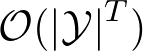
Decoding Problem for Sequence Generation
Decoding Problem for Sequence Generation
Given: A trained LLM;
Problem: Generating a sequence to maximize certain objective using available information;
Objective
What to maximize
Probability, Reward, Variety, …
Information
What can be utilized;
Step probability, value function, knowledge, …
Algorithm
Computationally feasible/efficient;
Capabilities;
I. For Probability Maximization
I. For Probability Maximization
Considering generating a sequence of items from a vocabulary given a condition ;
Information:
Objective: Maximize


Greedy Search
Greedy Search
At each step, select the token with the highest conditional probability;
Efficient but sub-optimal;

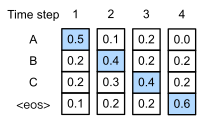
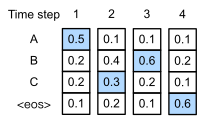
Image Source: https://d2l.ai/chapter_recurrent-modern/beam-search.html
Beam Search
Beam Search
Keep (beam size) sequence in memory;
At each step, consider candidates, and select the top sequence with conditional sequence probability;
Time complexity: ;
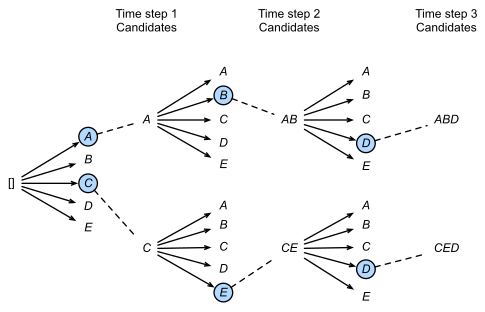
Image Source: https://d2l.ai/chapter_recurrent-modern/beam-search.html
II. For Natural Language
II. For Natural Language
Image Source: Ari Holtzman, et.al, The Curious Case of Neural Text DeGeneration, ICLR, 2020
The failure of previous methods in generating open-ended texts
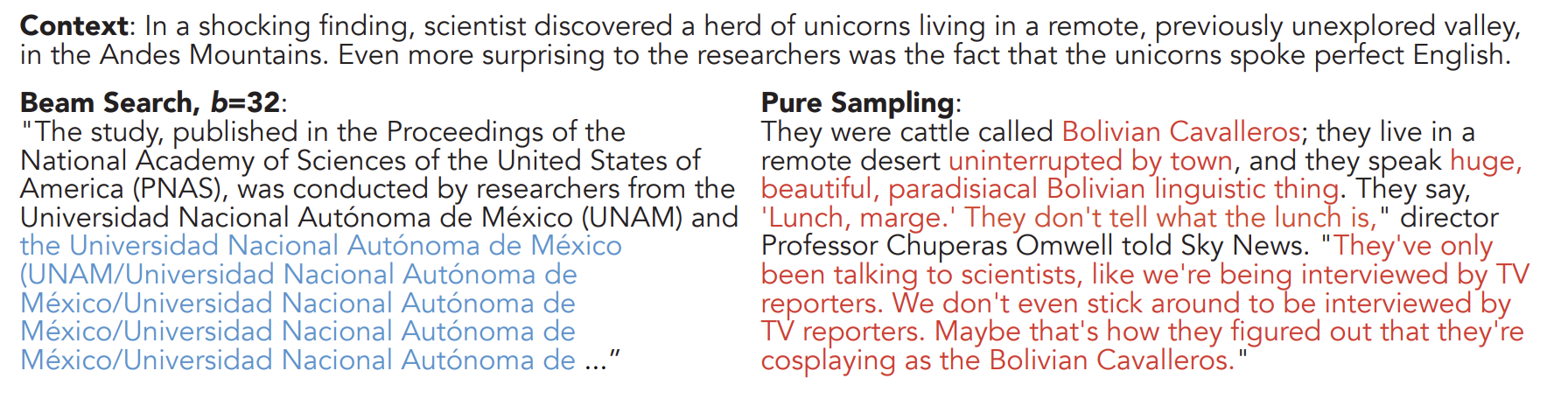
Caused by Objective or Local Minima?
Caused by Objective or Local Minima?
“Natural Language does not maximize probability”[1]
“the per-token probability of natural text is, on average, much lower than text generated by beam search”
Natural languages favor lower-probability but more informative and non-repetitive tokens.
“Grice’s Maxims of Communication (Grice, 1975) show that people optimize against stating the obvious. Thus, making every word as predictable as possible will be disfavored.”
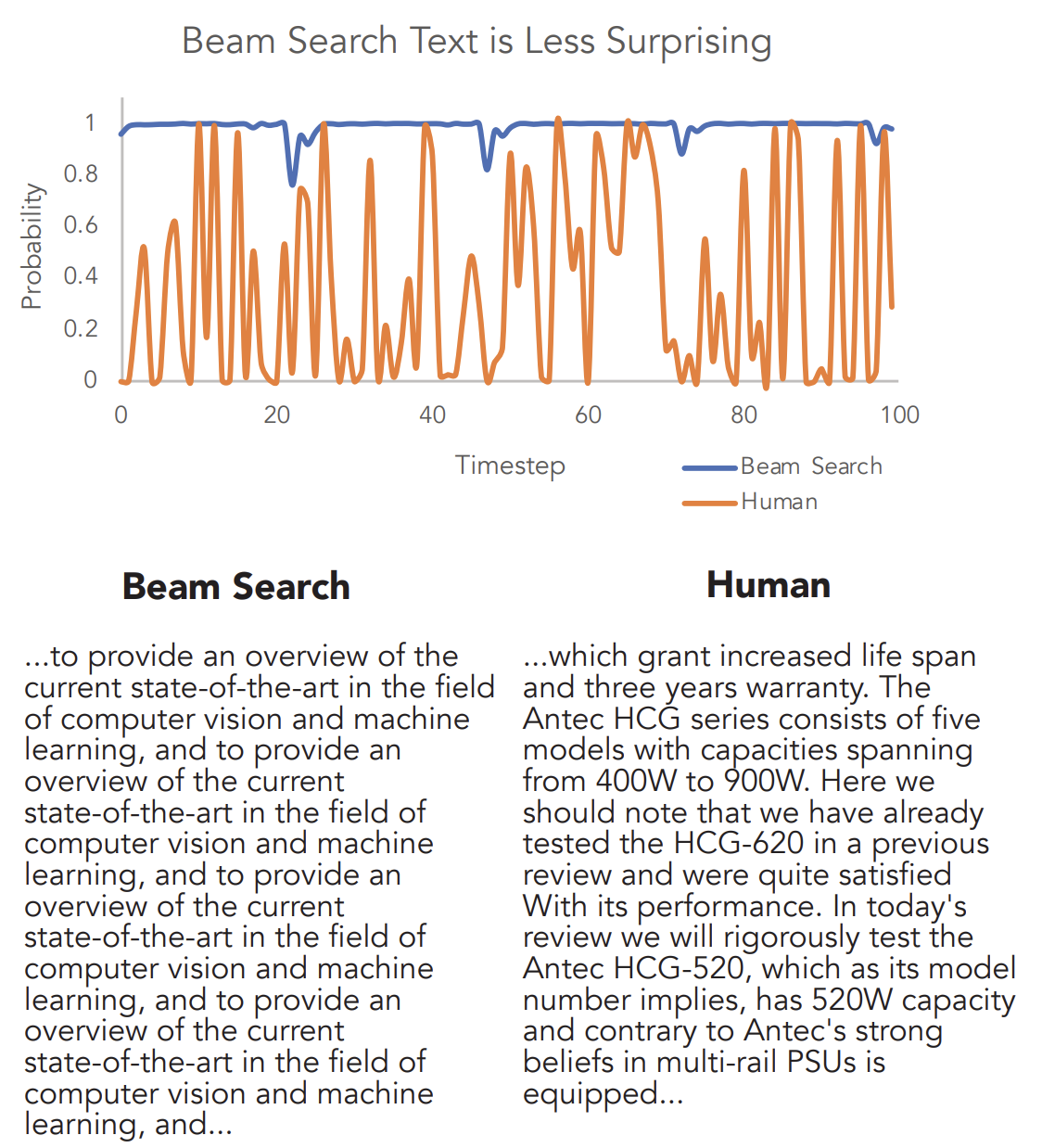
[1] Ari Holtzman, et.al, The Curious Case of Neural Text DeGeneration, ICLR, 2020
For Natural Generation
For Natural Generation
Objective: Generate text similar to human (golden) output
Information:
Motivation:
Adaptively truncate unreliable tail words (see the incoherent gibberish of results of pure sampling);
Better sampling, not just maximize the probability nor pure sampling;
Algorithm:
Choose a set of expected tokens ;
Design a new distribution over tokens;
Algorithms
Algorithms
Top- Sampling:
contains tokens with top- probabilities;
Top-(Nucleus) Sampling:
contains least tokens with summarized probabilities larger than ;
Sampling with Temperature:
, without truncation;
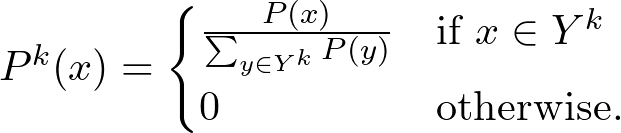
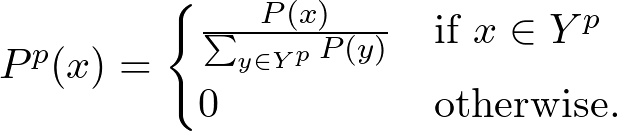

Adaptability
Adaptability
Adaptability is essential when encountering various distributions;
Top-Sampling is most adaptable algorithm;
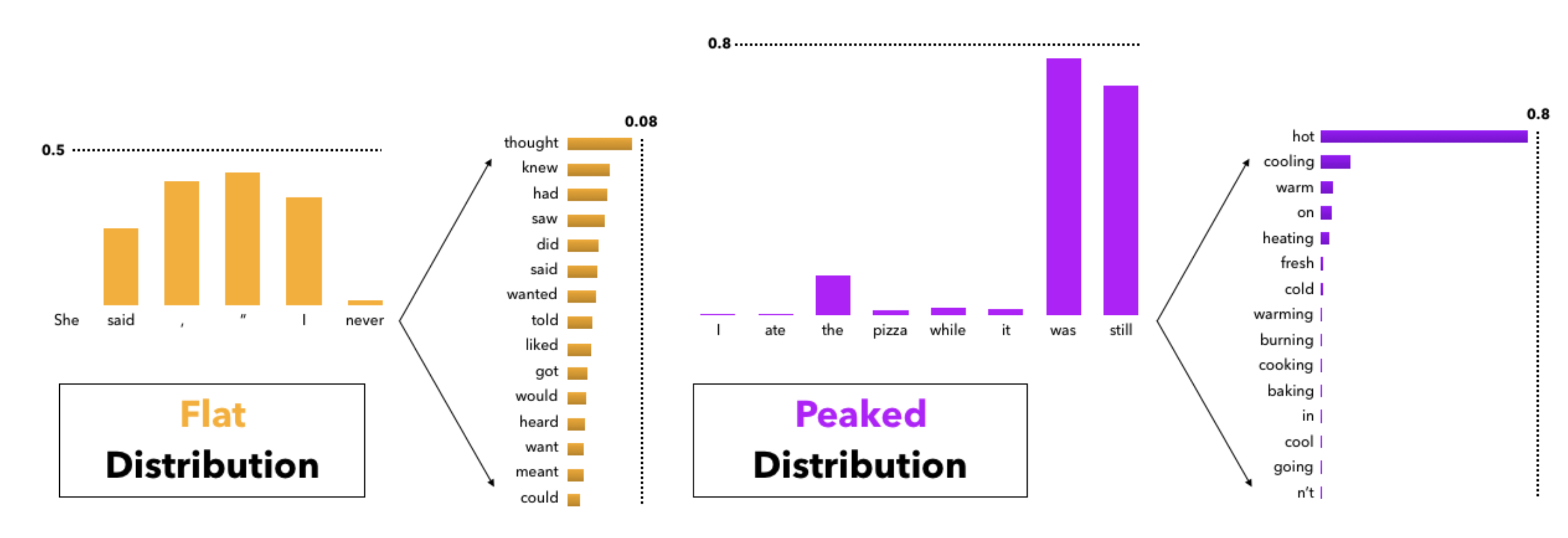
Image Source: Ari Holtzman, et.al, The Curious Case of Neural Text DeGeneration, ICLR, 2020
Measure the Similarity with Human Generated Text
Measure the Similarity with Human Generated Text
Features of Generated Texts:
Perplexity: Measure the generation probability; lower means higher probability;
Self-BLEU: Matching score between outputs; lower means higher diversity;
Zipf Coefficient: Parameter of the word frequency distribution;
Repetition: Frequency of finding repeated phrases (at least three times) in output;
HUSE: A unified score of human evaluation and statistical evaluation.
The closer the features of generated texts to those of human generated texts, the better the sampling strategy is.
Evaluation Results
Evaluation Results
Top-Sampling generates texts most similar to human’s;
It is the most popular decoding strategy for LLM;
Their combinations are also used;
Table and Image Source: Ari Holtzman, et.al, The Curious Case of Neural Text DeGeneration, ICLR, 2020
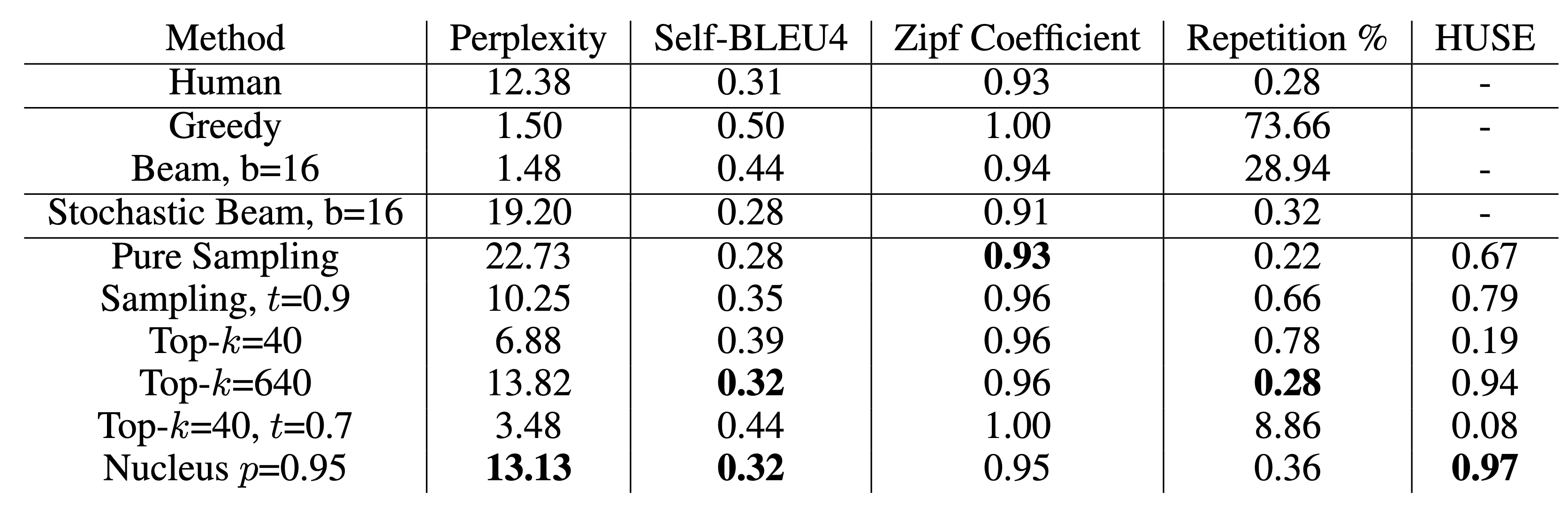
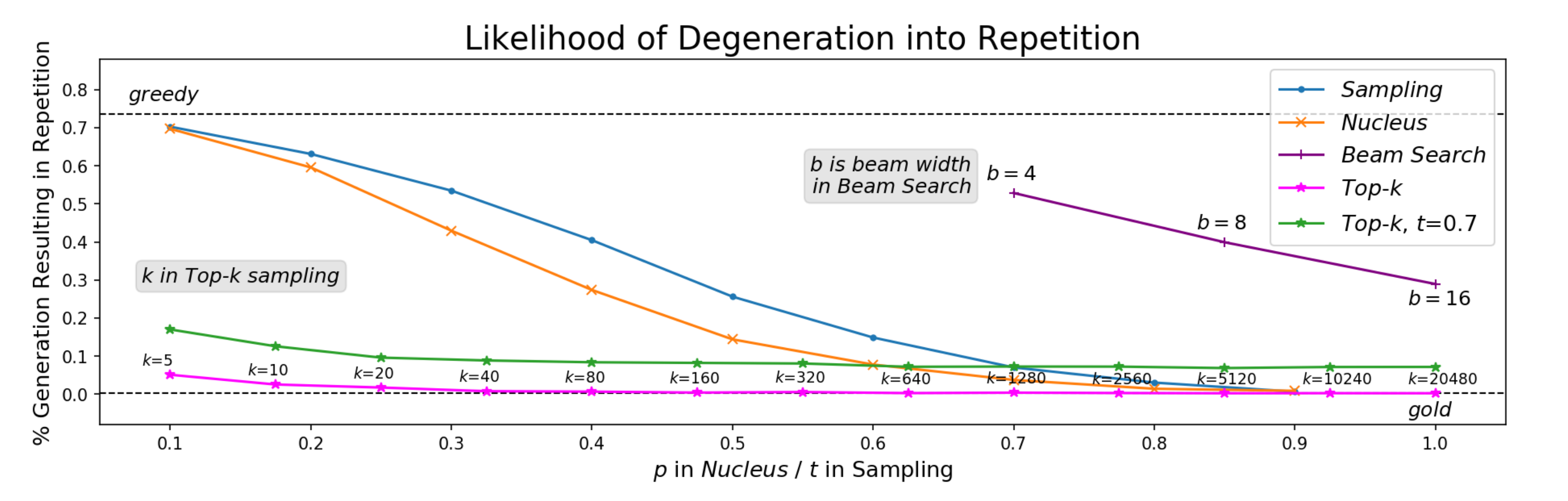
2.5 Large Language Models 2.5.5 Suggested Readings
2.5 Large Language Models 2.5.5 Suggested Readings
Papers
Papers
T. B. Brown, et.al., Language Models are Few-Shot Learners, 2020
J. Kaplan, et.al., Scaling Laws for Neural Language Models, 2020
J. Wei, et.al. Emergent Abilities of Large Language Models, 2022
J. Wei, et.al, Finetuned Language Models Are Zero-Shot Learners, 2022
L. Ouyang, et.al., Training language models to follow instructions with human feedback, 2022
Any Questions?
Any Questions?