Intelligent System

Natural Language
Understanding
Intelligent System
Mingming Sun
BIMSA
Intelligent System: Capabilities

Intelligent System: Capabilities
4.1 System Architecture
4.2 Perception and Generation
4.3 Memory and Knowledge
4.4 Action and Execution
4.5 Planning and Control
4.6 Coordination and Collaboration
4.7 Learning and Evaluation
4.1 System Architecture 4.1.1 General-Purpose AI
4.1 System Architecture 4.1.1 General-Purpose AI
Artificial General Intelligence
Artificial General Intelligence
Traditional AI: Solving specific problems in specific domain
General-purpose AI: transfer across tasks and domains
Capability dimensions, not an AGI test:
All-Tasks of one Modal such as Language in one Model
All-Modal in one Model
AGI: All-Tasks in One Modal
AGI: All-Tasks in One Modal
Task Specific Model:
Input Data → Model → Prediction
Just need to understand the mapping between data;
The model does not need to understand the task.
AGI Model:
Input Data + Task Description → Model → Prediction
Also need to understand the task.
AGI: All-Modal in One Model
AGI: All-Modal in One Model
Modal Specific Model:
Language: RNN/Transformer
Vision: CNN/Diffusion
Speech: HMM
Smell: ?
AGI Model:
Data in all modal → Model → Prediction
Mixed input of multi-modal data;
Unified model architecture.
4.1 System Architecture 4.1.2 Language Models as Components
4.1 System Architecture 4.1.2 Language Models as Components
Language Model Capabilities
Language Model Capabilities
Understand the Domain Input -- Language
Understand the Task -- Instructions
Output High Quality Response -- Human Preference
Learning Language Model Capabilities
Learning Language Model Capabilities
Pretraining: Understand the Language
Instruction Fine-tuning: Understand the Task
Reinforcement Learning with Human Feedback: Align with Human Preference
4.1 System Architecture 4.1.3 Agents and System Architecture
4.1 System Architecture 4.1.3 Agents and System Architecture
Intelligent System
Intelligent System
Till now, we talked about neural models.
An intelligent system also needs explicit task state:
Retain goals, observations, actions and outcomes;
Intelligent need to interact with outer-world:
Human can explore external knowledge;
Human can use existing tools;
Human can write code to control the objects in the world.
Real system/organizations involves interaction of multiple intelligent individuals.
Agent!
Agent!
Long-term goal of AI
Agent models connect observations, goals and actions.
“An agent is anything that can be viewed as perceiving its environment through sensors and acting upon that environment through actuators.” -- Russell & Norvig
An agent selects actions using observations and state;
An intelligent system may use one or multiple agents.
Agent
Agent
https://langchain-ai.github.io/langgraph/tutorials/workflows/#agent
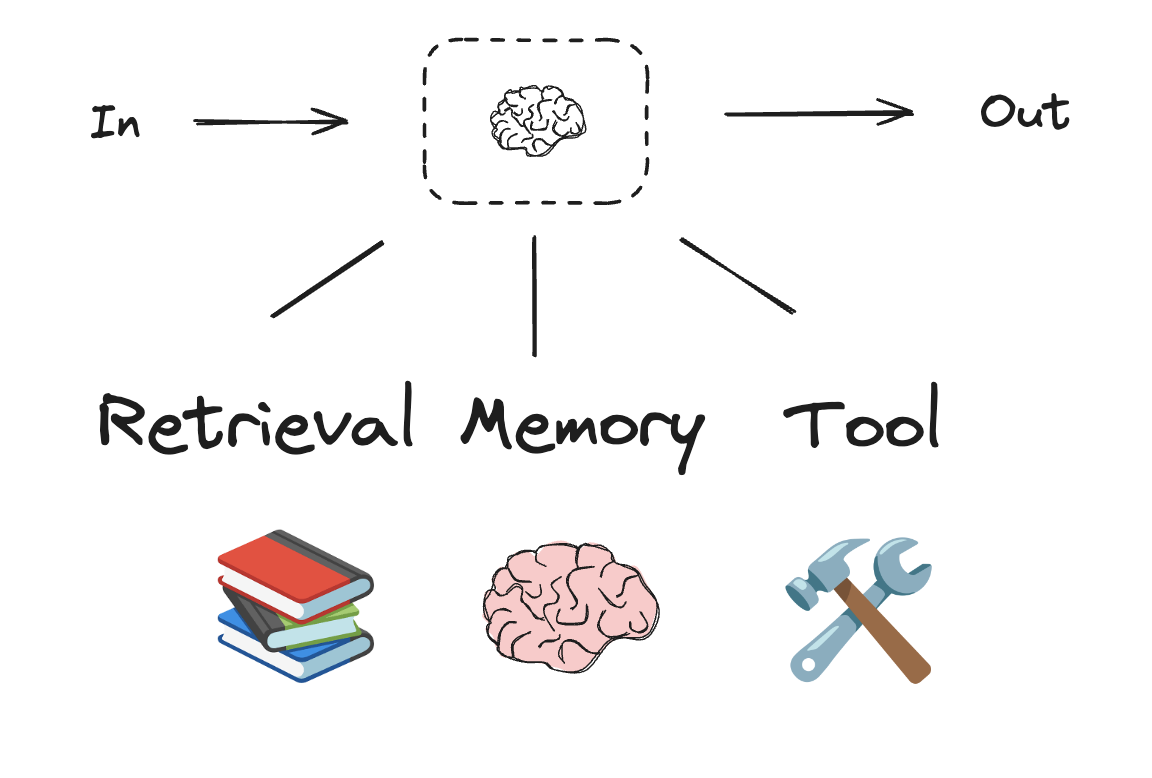
Why Agents today?
Why Agents today?
The unprecedented reasoning capabilities of large language models;
Progress in tool manipulation and environmental interaction;
Sophisticated memory architectures that support long-term experience accumulation.
Through collaboration, competition, and evolutionary dynamics, multi-agent systems can tackle highly complex tasks.
Perception and Generation

Natural Language
Understanding
Perception and Generation
Mingming Sun
BIMSA
Multi-Modal Understanding and Generation

Understanding and Generation
4.2.1 Multimodality
4.2.2 Modal Representation
4.2.3 Multi-Modal Fusion
4.2.4 Modal Generation
4.2.5 Case Study: Nano Banana
4.2 Perception and Generation 4.2.1 Multimodality
4.2 Perception and Generation 4.2.1 Multimodality
What is a Modality
What is a Modality
A modality refers to a form of information or sensory channel — such as text, image, audio, video, or touch.
A multimodal system involves multiple types of data modalities, and is capable of jointly perceiving, understanding, and processing them.
Goal of multimodal models: to simulate how humans use multiple senses to understand the world holistically.
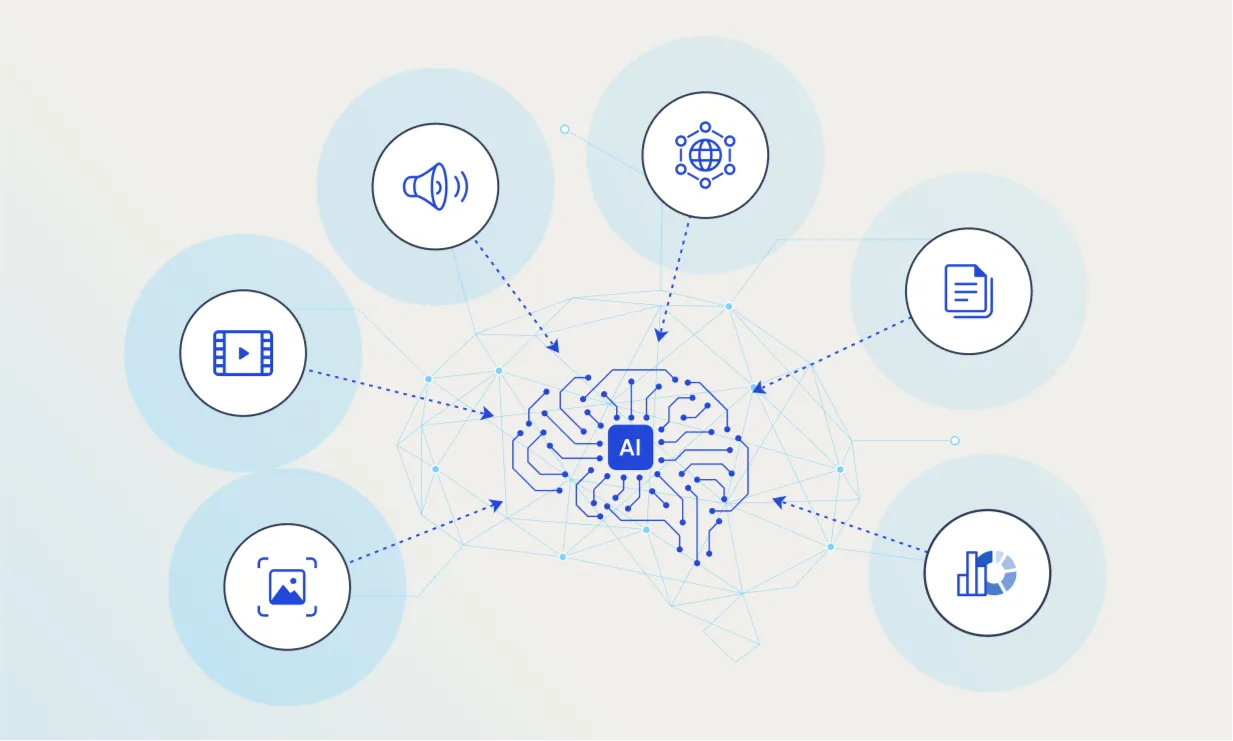
https://www.appen.com/multi-modal-ai
Why Do We Need Multimodal Models?
Why Do We Need Multimodal Models?
People naturally use a combination of vision, speech, and language to communicate.
Real-world inputs are inherently multimodal
Autonomous driving: Combines camera images, radar data, and GPS
Healthcare: Interpreting scans + doctor notes + patient speech
Customer service bots: Understand user voice, detect emotion, display visuals
Virtual assistants (e.g., Siri, Alexa): Use voice, text, context
Why Do We Need Multimodal Models?
Why Do We Need Multimodal Models?
Limitations of Single-Modality Models
Information Loss: Relying on a single modality (e.g., text only or image only) can lead to incomplete understanding.
Example: A caption “A man is holding something” lacks detail if the image isn’t considered.
Ambiguity: Single-modality input often leads to uncertainty or confusion.
Example: The spoken word “bank” could mean a financial institution or a riverbank — image context can resolve this.
Evolution of Multimodal Models
Evolution of Multimodal Models
Pre-AGI times: Mapping between different modals for specific task
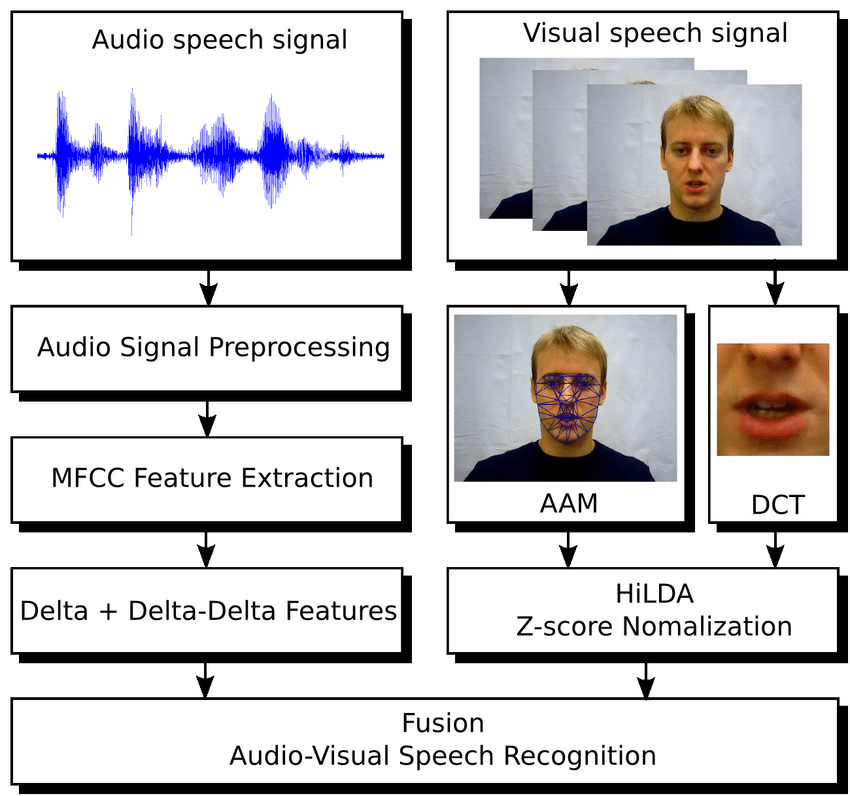
https://www.researchgate.net/figure/The-principle-of-audio-visual-speech-recognition_fig1_261268684
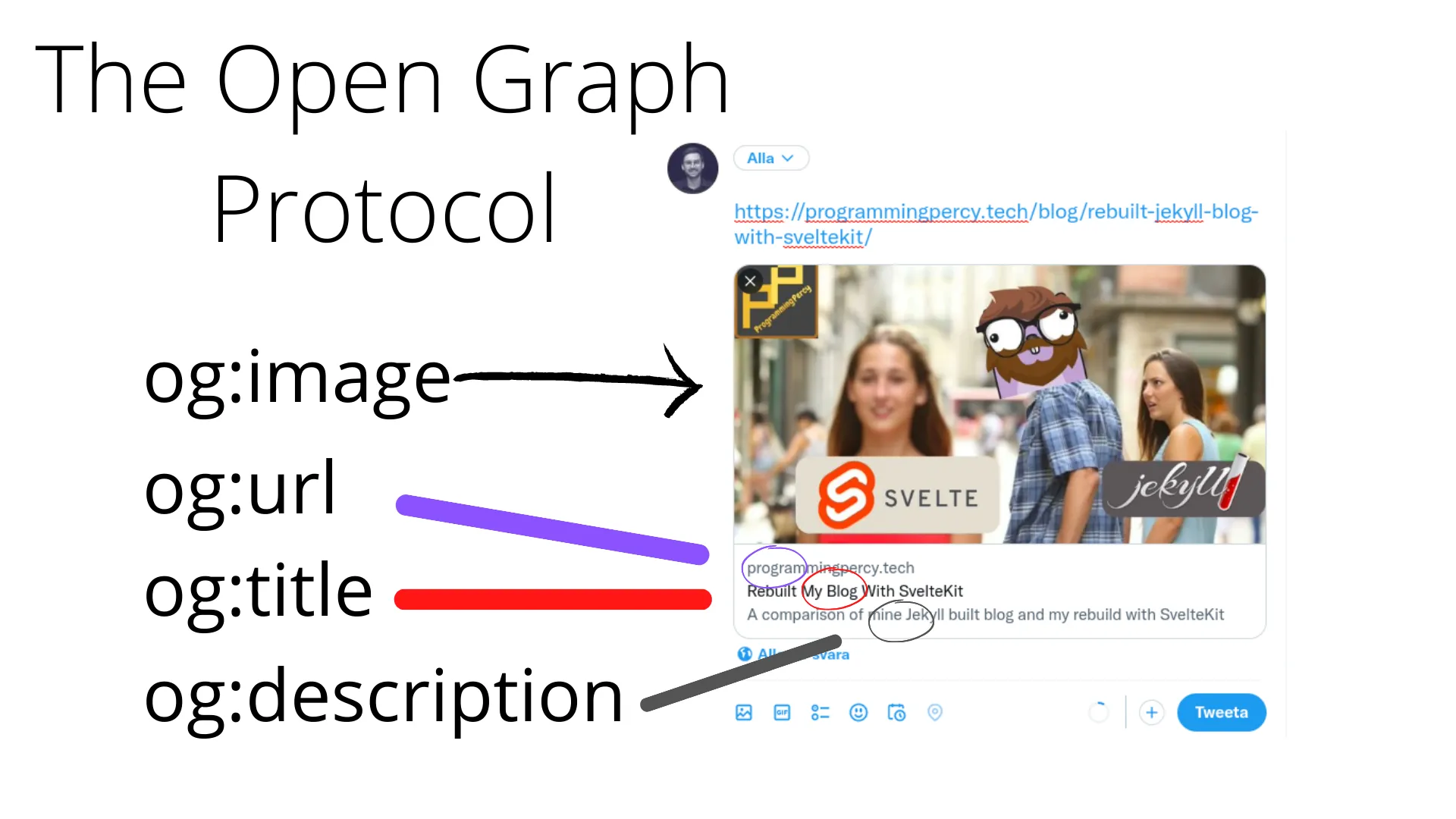
https://programmingpercy.tech/blog/opengraph-protocol-how-and-why/
Evolution of Multimodal Models
Evolution of Multimodal Models
Nowadays
https://www.youtube.com/watch?v=2PShpVgQo2M
How to Achieve Multimodal Understanding?
How to Achieve Multimodal Understanding?
Modal Representation
Feature Extraction
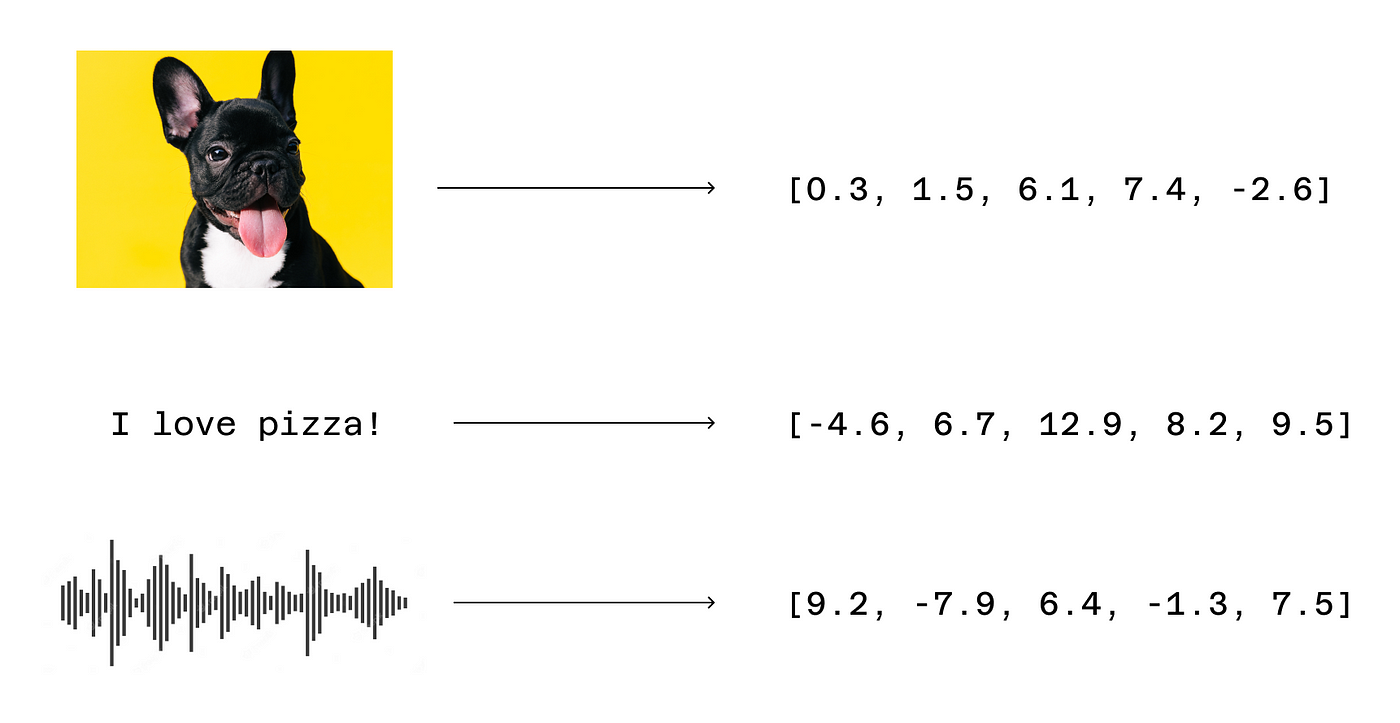
Embedding
Across all Modals
Muti-Modal Fusion
Early Fusion
Late Fusion
Joint Fusion
Modal Generation
Generative Model
Across all Models
4.2 Perception and Generation 4.2.2 Modal Representation
4.2 Perception and Generation 4.2.2 Modal Representation
Single Modal Representation: Language
Single Modal Representation: Language
Word2Vec
BERT
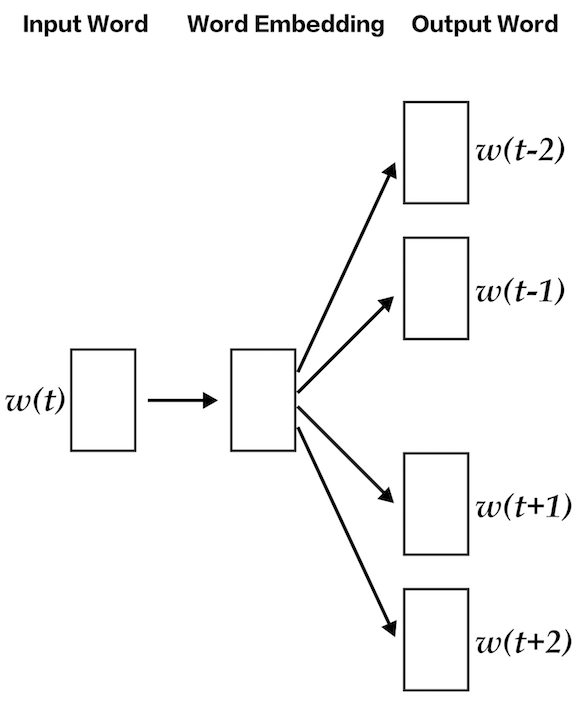
(Mikolov et al. 2013)
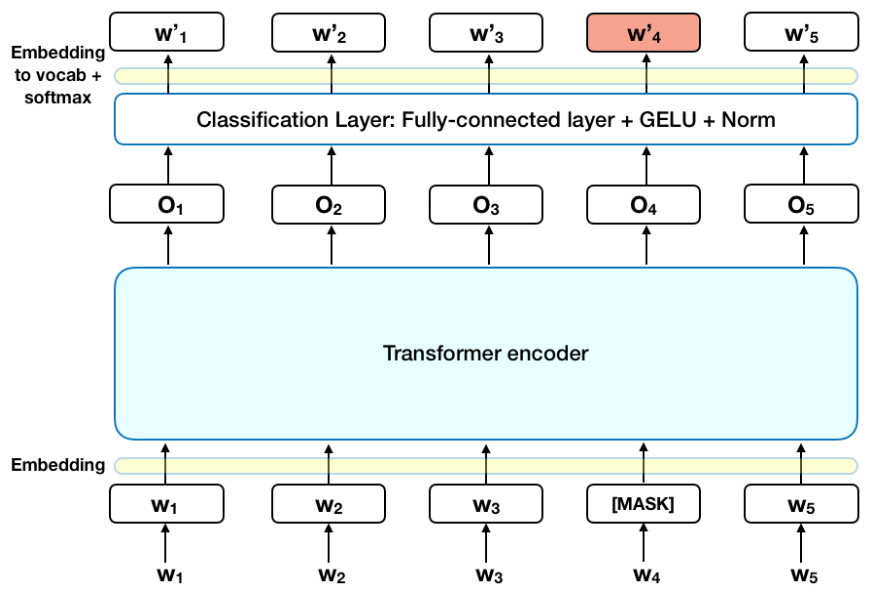
https://medium.com/data-science/bert-explained-state-of-the-art-language-model-for-nlp-f8b21a9b6270
Single Modal Representation: Vision
Single Modal Representation: Vision
CNNs: LeNet, Alex Net, ZFNet, GoogLeNet/Inception, VGG Net, ResNet
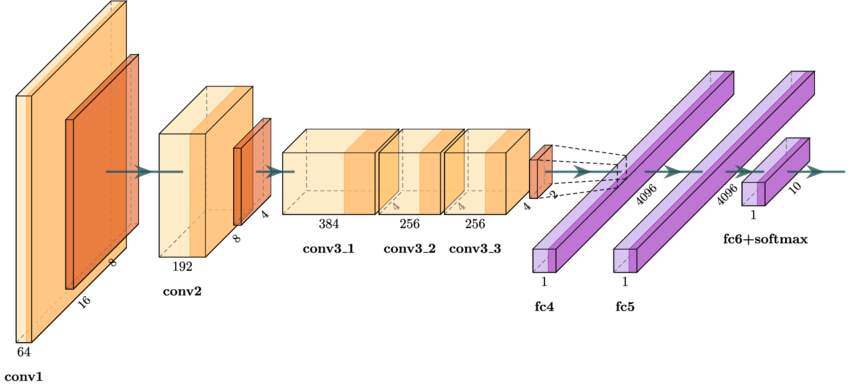
https://www.researchgate.net/figure/AlexNet-architecture-used-as-the-baseline-model-for-the-analysis-of-results-on-the_fig5_339756908
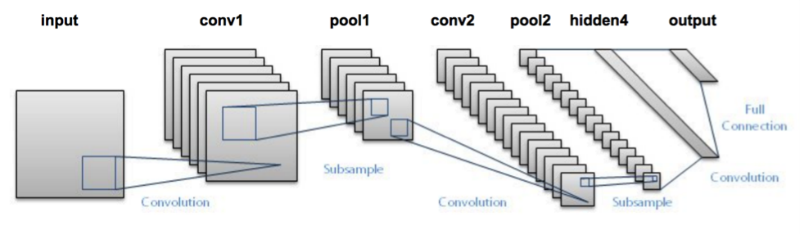
https://medium.com/analytics-vidhya/cnns-architectures-lenet-alexnet-vgg-googlenet-resnet-and-more-666091488df5
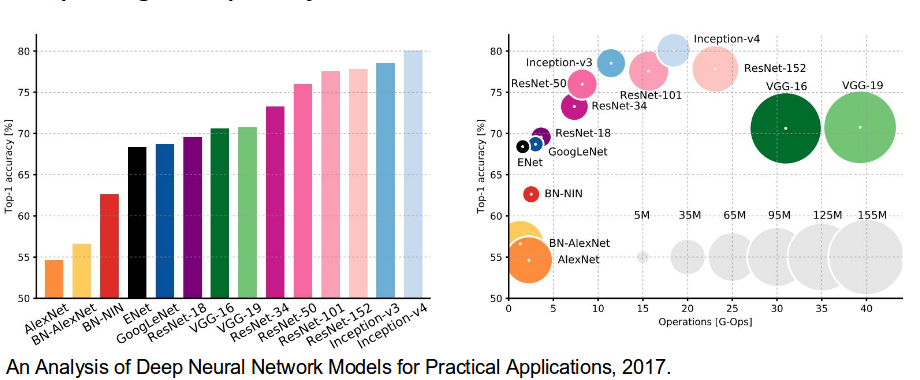
https://medium.com/analytics-vidhya/cnns-architectures-lenet-alexnet-vgg-googlenet-resnet-and-more-666091488df5
Single Modal Representation: Vision
Single Modal Representation: Vision
Vision Transformer: ViT
https://paperswithcode.com/method/vision-transformer
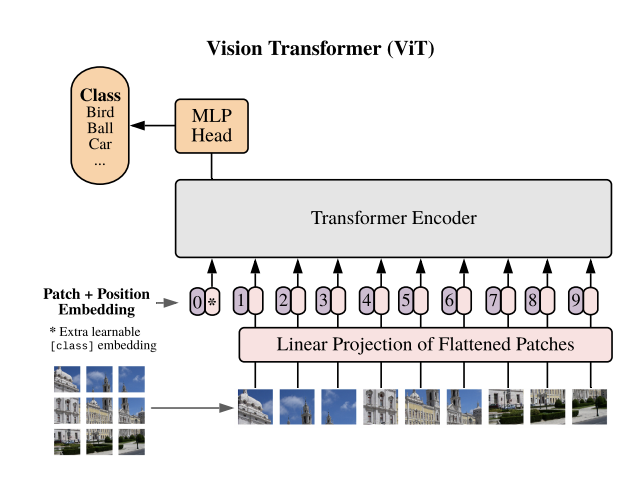
Single Modal Representation: Voice
Single Modal Representation: Voice
Wave2Vec
BERT
https://arxiv.org/pdf/1904.05862
https://sh-tsang.medium.com/brief-review-hubert-self-supervised-speech-representation-learning-by-masked-prediction-of-e8baf7909c4a
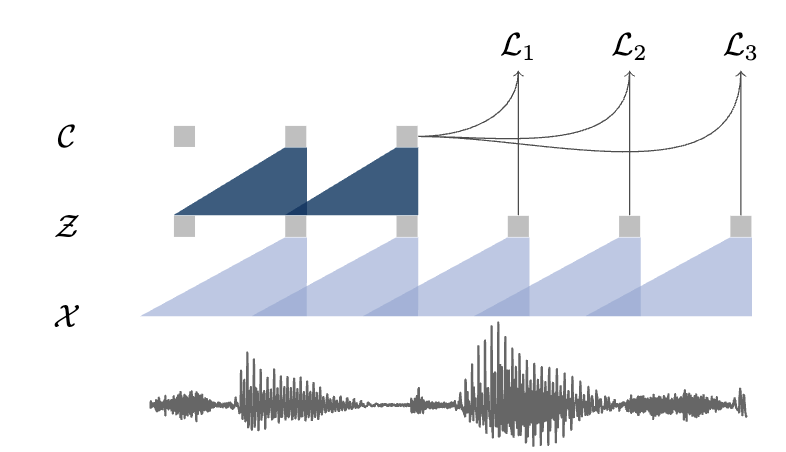
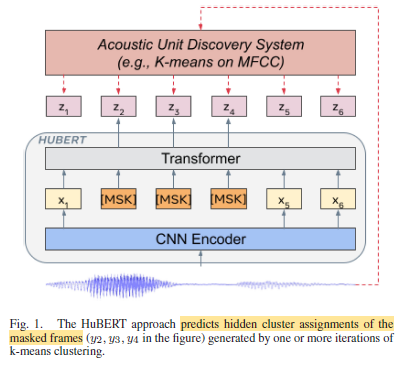
Cross Modal Representation
Cross Modal Representation
Learn a shared semantic space for different modalities (e.g., image, text).
Each modality is independently encoded into vectors, but aligned through training.
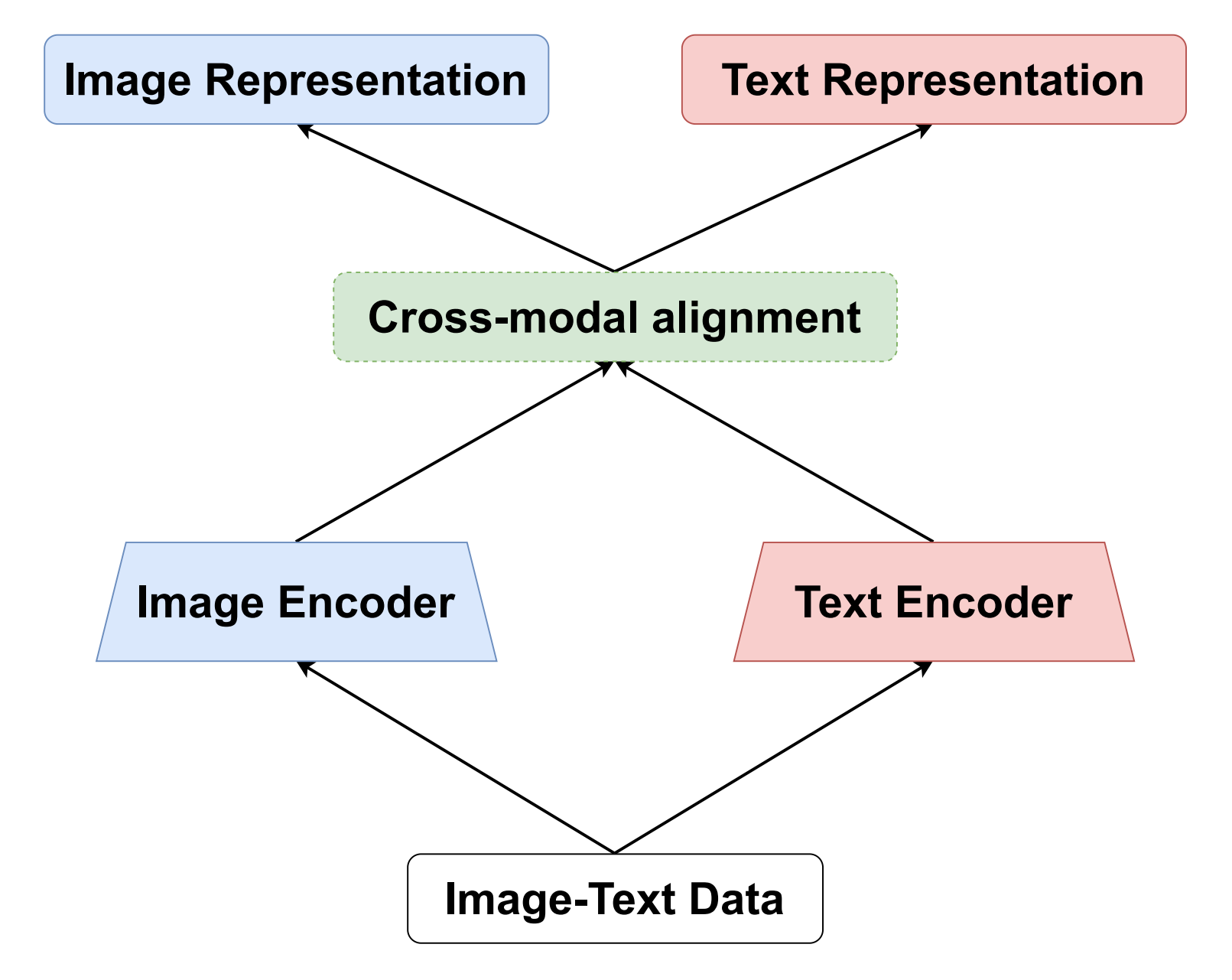
https://www.iece.org/article/abs/cjif.2024.361895
Why Align Modalities
Why Align Modalities
Different modalities describe the same concept (e.g., a cat in text and image).
We want:
Aligned representations enable cross-modal retrieval, zero-shot learning, etc.

Contrastive Learning: The Engine Behind
Contrastive Learning: The Engine Behind
Sample positive image-text pairs , and negative pairs .
Use contrastive loss:
Contrastive loss is a special form of cross-entropy loss, treating the matching pair as the positive class and all others as negatives in a softmax over the batch.
Objective: pull positive pairs together, push apart negative pairs.

CLIP: Large-Scale Cross-Modal Training
CLIP: Large-Scale Cross-Modal Training
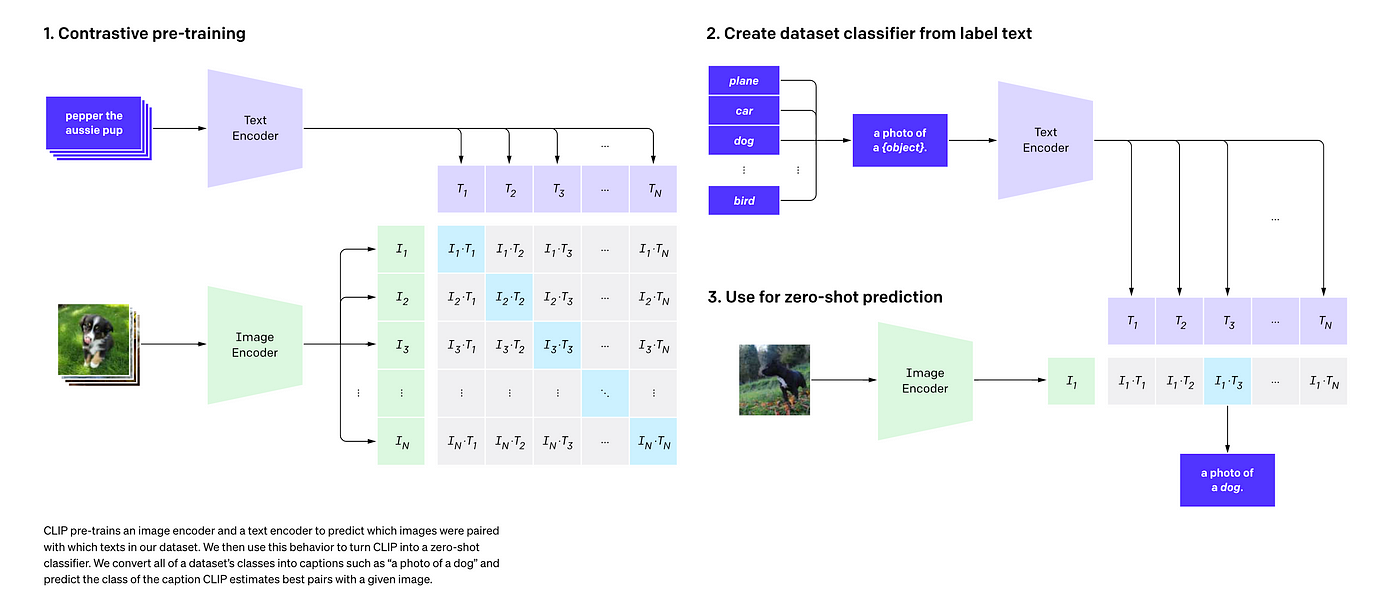
Proposed by OpenAI (2021); trained on 400M image-text pairs.
Architecture:
Image encoder: Vision Transformer (ViT)
Text encoder: Transformer
Trained via symmetric contrastive loss.
Supports zero-shot classification via prompt-based text queries.
CLIP: Large-Scale Cross-Modal Training
CLIP: Large-Scale Cross-Modal Training
https://openai.com/index/clip/
ALIGN: Scaling Contrastive Learning
ALIGN: Scaling Contrastive Learning
Google Research, 2021
Trained on 1.8B noisy image-text pairs from the web.
Simpler than CLIP:
Image: EfficientNet
Text: BERT
No symmetric loss; only image-to-text direction.
Relies on data scale + simple architecture.
Insight: Even noisy web-scale data works if quantity is large enough.
Key Ideas in Cross-Modal Contrastive Representation
Key Ideas in Cross-Modal Contrastive Representation
Cross-modal representation enables:
Retrieval
Zero-shot learning
Prompt-based classification
Core ingredients:
Independent encoders
Contrastive objective
Large paired datasets
CLIP and ALIGN show the power of contrastive learning + scale.
But we need more thorough interaction between modals.
4.2 Perception and Generation 4.2.3 Multi-Modal Fusion
4.2 Perception and Generation 4.2.3 Multi-Modal Fusion
Understanding Modality Fusion
Understanding Modality Fusion
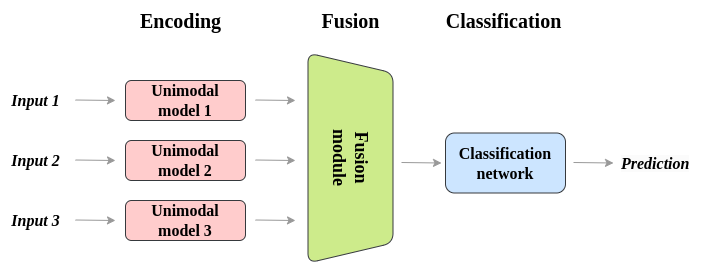
Definition: the process of integrating information from multiple modalities (e.g., image + text) to perform a task.
Objective:
Capture inter-modal interaction;
Enable joint reasoning and decision making.
Output:
Unified representation;
Task-specific predictions (e.g., answer, caption, class).
https://medium.com/@raj.pulapakura/multimodal-models-and-fusion-a-complete-guide-225ca91f6861
Types of Modality Fusion
Types of Modality Fusion
Type | Description | Example |
Early Fusion | Concatenate raw inputs or early features | Multimodal embeddings |
Late Fusion | Process each modality independently, fuse at output | Ensemble or late classifier |
Middle/Intermediate Fusion | Use attention layers to allow one modality to condition on the other | LXMERT, BLIP |
Types of Modality Fusion
Types of Modality Fusion
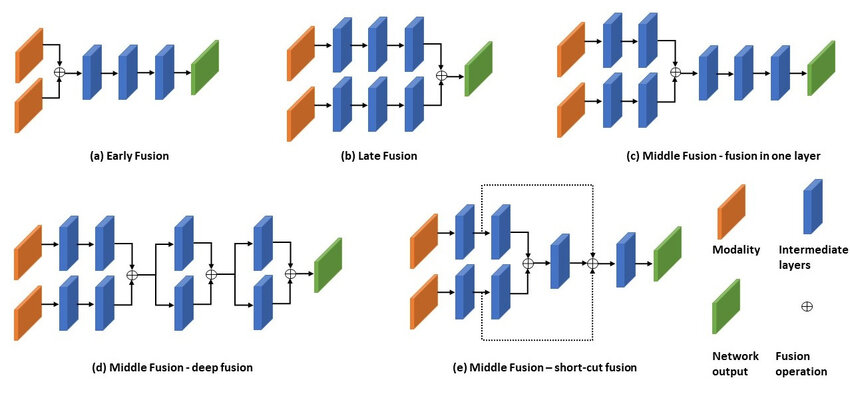
https://www.researchgate.net/figure/llustration-of-early-fusion-late-fusion-and-middle-fusion-methods-used-by-multimodal_fig2_362028535
Cross-Attention Fusion: Fine-Grained Modality Interaction
Cross-Attention Fusion: Fine-Grained Modality Interaction
Key idea: One modality attends to the other to capture alignment & dependency.
Mechanism:
Queries from modality A (e.g., text);
Keys/values from modality B (e.g., image);
Output:
modality-A-aware features guided by modality B.
Supports: visual grounding, co-reference, reasoning.
LXMERT: Separate Encoders + Cross-Modality Layers
LXMERT: Separate Encoders + Cross-Modality Layers
Separate encoders for language and vision.
Multi-layer cross-attention to allow deep interaction.
Pretrained with multiple objectives:
Masked Language Modeling;
Image-Text Matching;
Visual Question Answering.
LXMERT: Separate Encoders + Cross-Modality Layers
LXMERT: Separate Encoders + Cross-Modality Layers
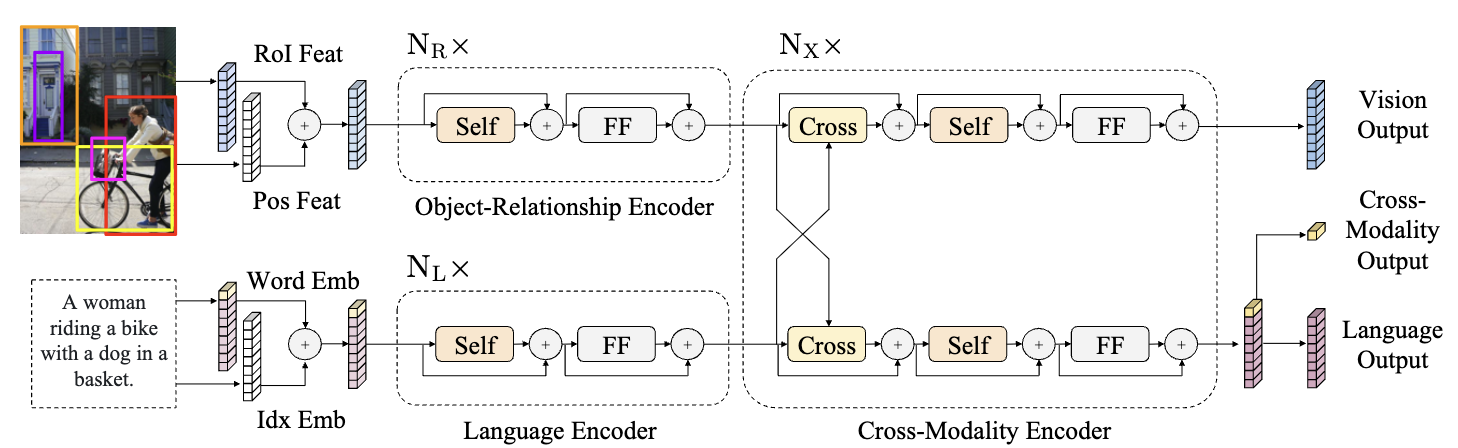
https://arxiv.org/pdf/1908.07490
BLIP: Bootstrapping Language-Image Pre-training
BLIP: Bootstrapping Language-Image Pre-training
Use a large amount of noisy web image-caption pair;
Vision-language pretraining;
Optimize following losses:
Image-Text Contrastive Loss for align embedding
Image-Text Matching Loss via image-grounded text encoder for matching positive pairs;
Language Modeling Loss via image-grounded text decoder for generating the captions.
BLIP: Bootstrapping Language-Image Pre-training
BLIP: Bootstrapping Language-Image Pre-training
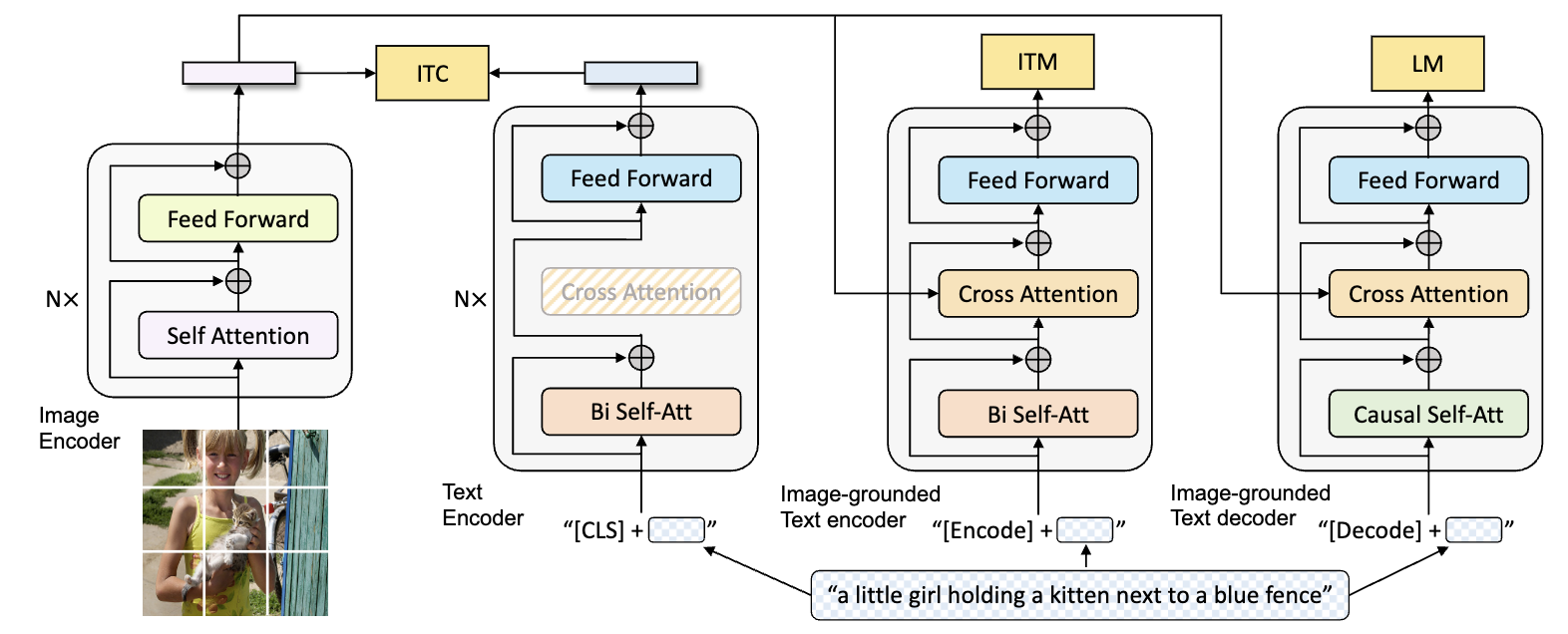
https://arxiv.org/pdf/2201.12086
UNITER: One Transformer to Encode Both Modalities
UNITER: One Transformer to Encode Both Modalities
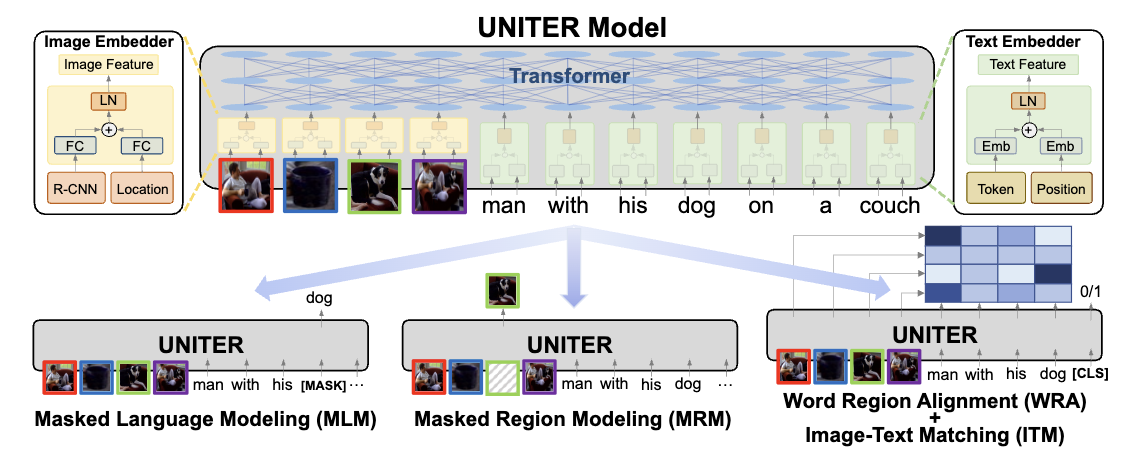
Concatenates image and text embeddings as a single sequence;
Uses self-attention across both modalities;
No separate branches—fully joint modeling;
Strong performance on VQA, retrieval, NLVR2.
UNITER: One Transformer to Encode Both Modalities
UNITER: One Transformer to Encode Both Modalities
https://arxiv.org/pdf/1909.11740
From Specialized Pipelines to Unified Representation
From Specialized Pipelines to Unified Representation
Traditional multimodal models: Use modality-specific encoders and fusion modules.
Unified representation: Different modalities (text, image, audio, video) are all projected into a shared token space, processed by a single encoder.
Goal: Enable a general-purpose model to handle arbitrary modality combinations in a consistent architecture.
Example: GPT-4V handles both text and image inputs as sequences of tokens.
Motivation for Unification
Motivation for Unification
Simplifies architecture: fewer modality-specific components.
Easier transfer learning and multi-task learning.
Matches the trend of scaling (foundation models).
Moves toward “everything is a sequence” perspective:
Text → token sequence;
Image → patch sequence;
Audio → spectrogram token sequence.
Image of size 224 x 224 → 196 patches → 196 tokens.
GOAT : Multimodal, Multitask, Multi-environment Agent
GOAT : Multimodal, Multitask, Multi-environment Agent
All inputs converted to tokens (image patches, joint angles, text).
All outputs are tokens (actions, text, pixels).
One Transformer processes all: “A generalist agent.”
“Same network, different context.”
GOAT : Multimodal, Multitask, Multi-environment Agent
GOAT : Multimodal, Multitask, Multi-environment Agent
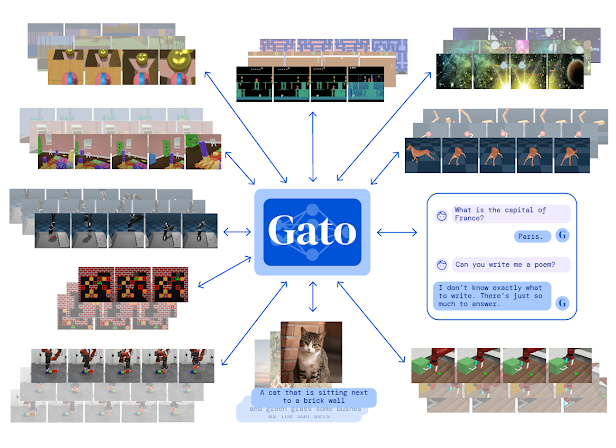
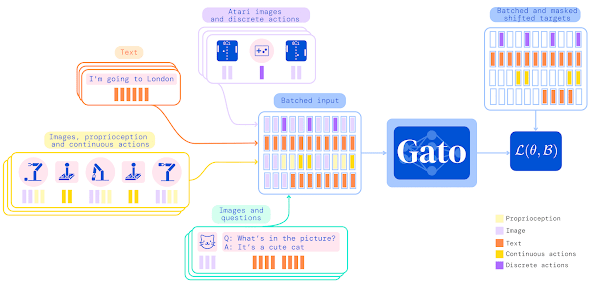
https://deepmind.google/discover/blog/a-generalist-agent/
Flamingo: Visual Context in a Text Model
Flamingo: Visual Context in a Text Model
Frozen language model (e.g., Chinchilla) + Perceiver Resampler for visual input.
Image/video features injected as interleaved prompts.
Allows few-shot multimodal QA, captioning, etc.
Flamingo: Visual Context in a Text Model
Flamingo: Visual Context in a Text Model
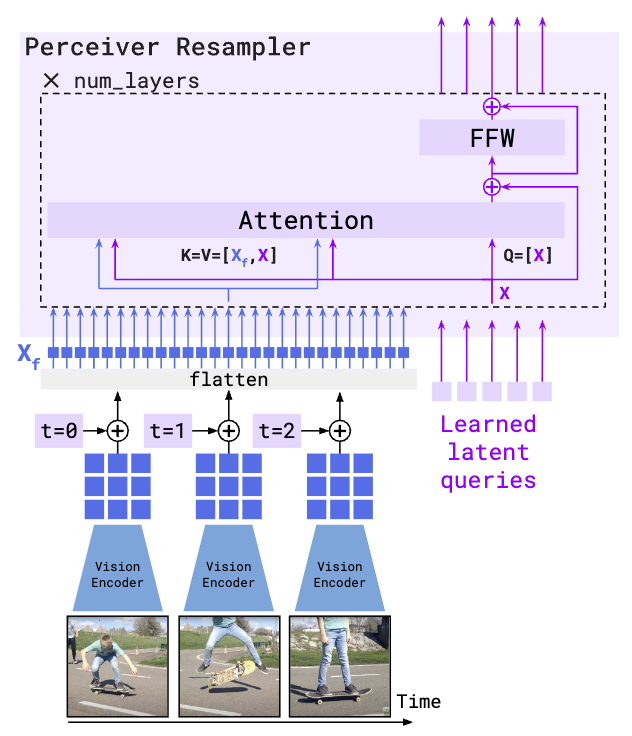
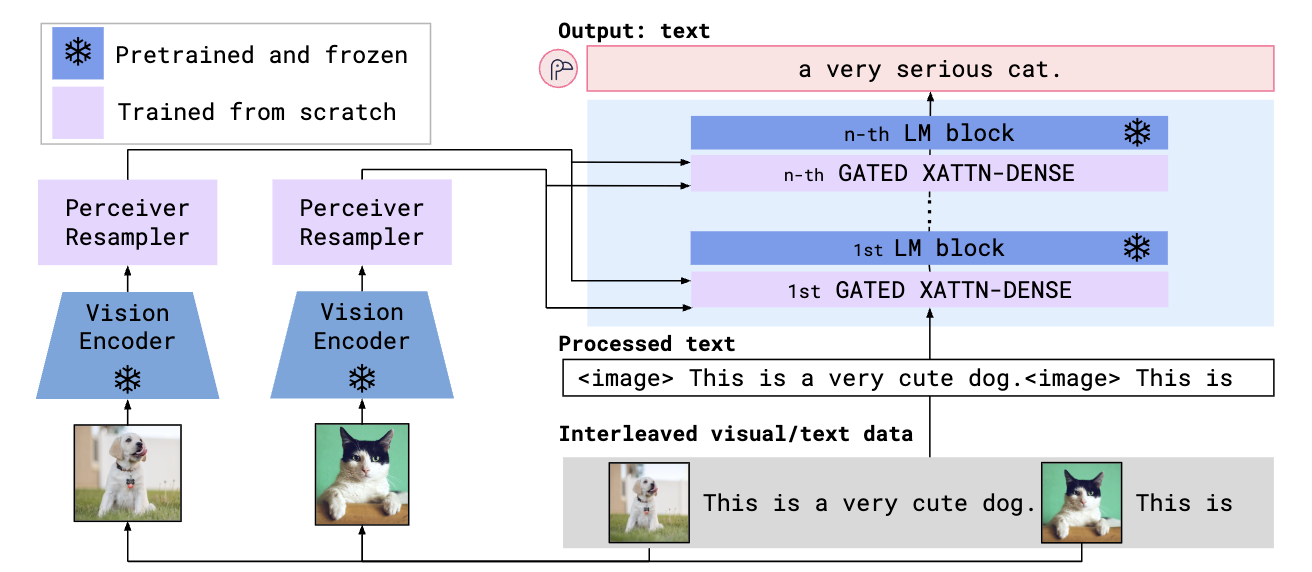
https://arxiv.org/pdf/2204.14198#page=21.98
Flamingo: Visual Context in a Text Model
Flamingo: Visual Context in a Text Model
Frozen language model (e.g., Chinchilla) + Perceiver Resampler for visual input.
Image/video features injected as interleaved prompts.
Allows few-shot multimodal QA, captioning, etc.
GPT-4V : Unified Token Sequence for Vision & Text
GPT-4V : Unified Token Sequence for Vision & Text
Image input → tokenization → inserted into text (embedding) stream.
Same decoder-only Transformer processes all inputs.
Enables VQA, captioning, OCR, reasoning — all with prompting only.
GPT-4V : Unified Token Sequence for Vision & Text
GPT-4V : Unified Token Sequence for Vision & Text
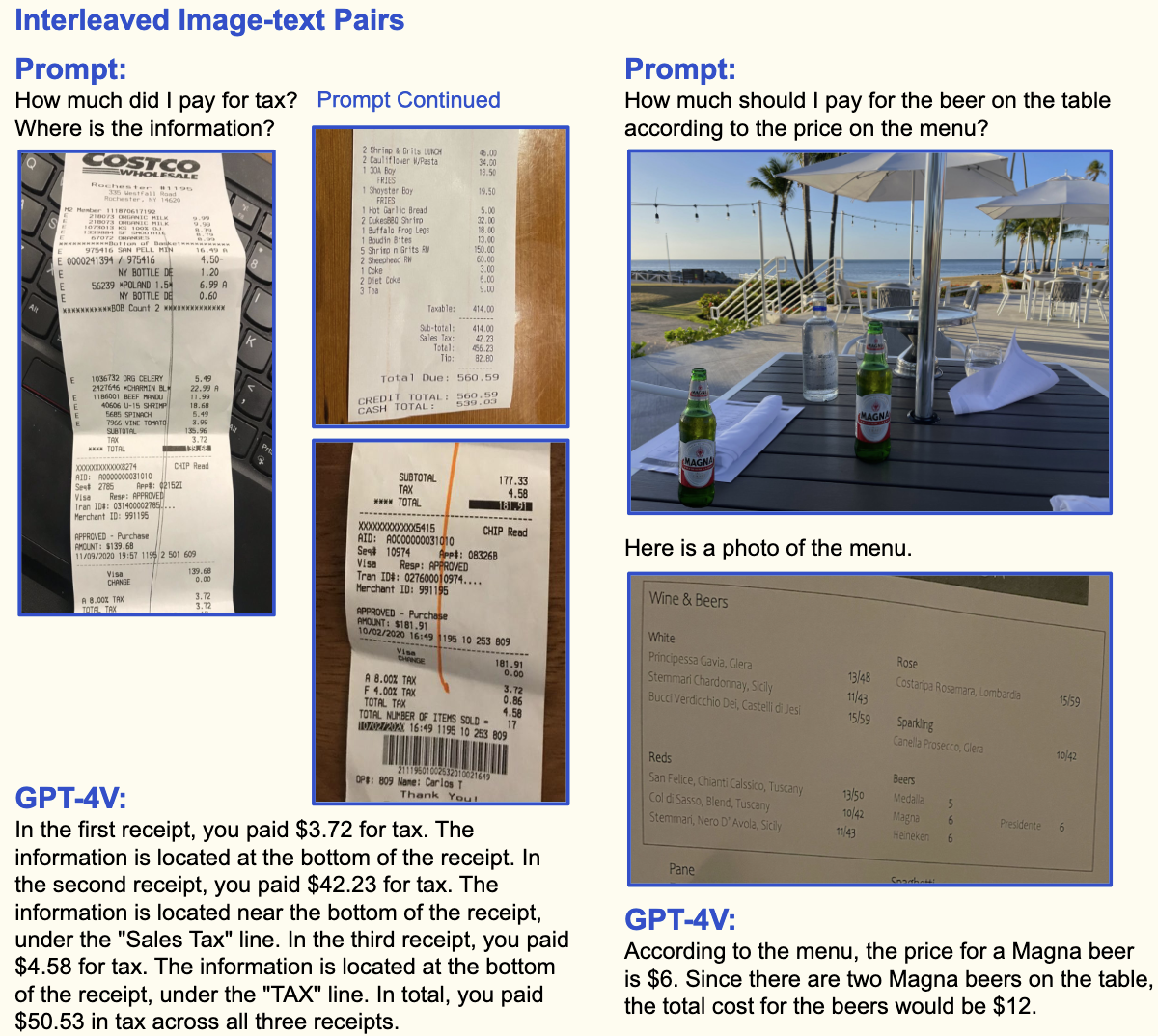
https://arxiv.org/pdf/2309.17421
Summary
Summary
Modalities offer complementary information.
Fusion enables Reasoning and Decision
Not just combination, but understanding across modalities
Provide comprehensive information for better Solution Generation.
4.2 Perception and Generation 4.2.4 Modal Generation
4.2 Perception and Generation 4.2.4 Modal Generation
Language Generation
Language Generation
Hidden Representation for each step;
For each representation, a token classifier classifies it into a token.
Two Level:
Embedding/Representation Level
Token Level
How to Generate Image?– Discrete Approach VQ-VAE
How to Generate Image?-- Discrete Approach VQ-VAE
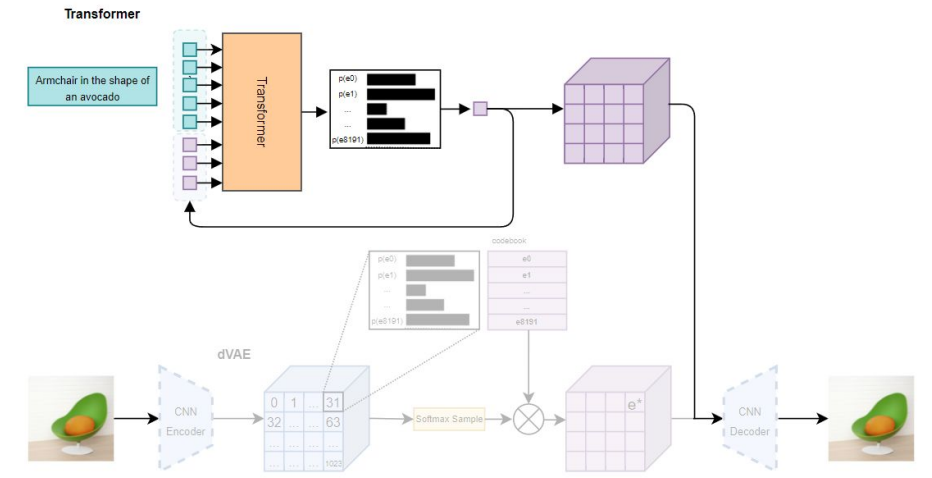
Make a Image Patch Codebook
Image patches are corresponds to the indexes in the codebook – Image Token.
Generating Image Tokens just like Language Generation;
Recover the image from Image Tokens.
DALL-E: Learning the CodeBook via dVAE
DALL-E: Learning the CodeBook via dVAE
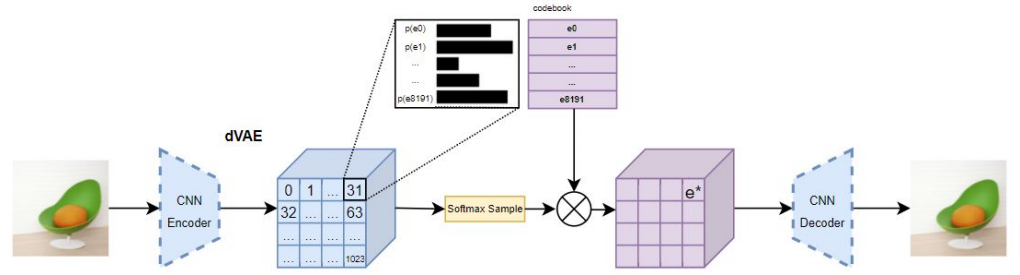
https://medium.com/@zaiinn440/how-openais-dall-e-works-da24ac6c12fa
DALL-E: Encode and Decode
DALL-E: Encode and Decode
https://medium.com/@zaiinn440/how-openais-dall-e-works-da24ac6c12fa
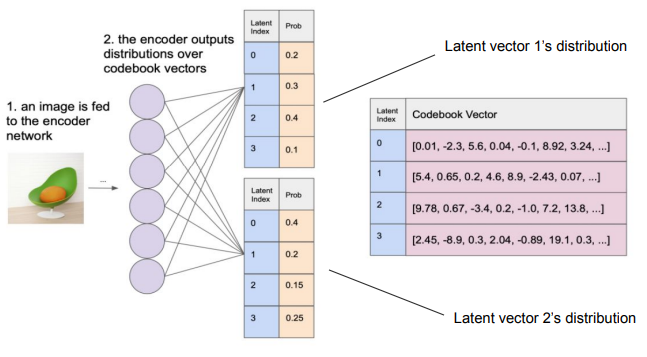
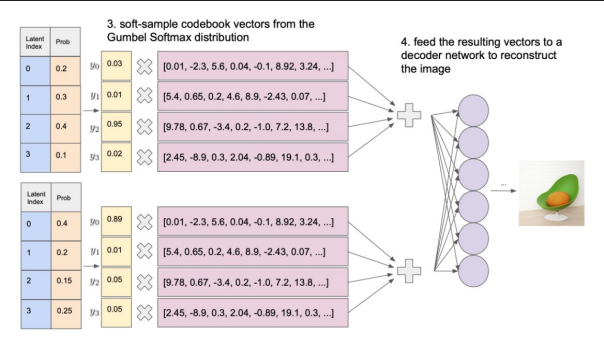
DALL-E: Generation via Transformer
DALL-E: Generation via Transformer
https://medium.com/@zaiinn440/how-openais-dall-e-works-da24ac6c12fa
How to Generate Image?– Continuous Approach – Diffusion
How to Generate Image?-- Continuous Approach -- Diffusion
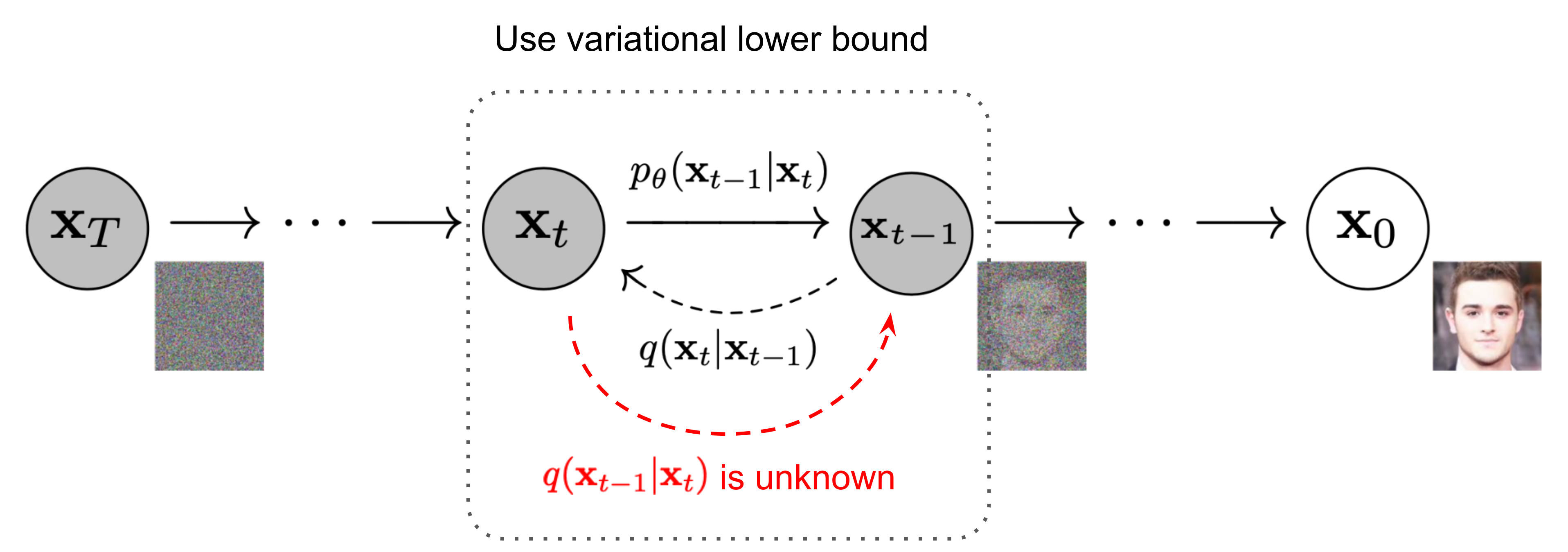
https://lilianweng.github.io/posts/2021-07-11-diffusion-models/#reverse-diffusion-process
How to Generate Image?– Continuous Approach – Diffusion
How to Generate Image?-- Continuous Approach -- Diffusion
https://medium.com/@kemalpiro/step-by-step-visual-introduction-to-diffusion-models-235942d2f15c
How to Generate Image?– Continuous Approach – Diffusion
How to Generate Image?-- Continuous Approach -- Diffusion
https://medium.com/@kemalpiro/step-by-step-visual-introduction-to-diffusion-models-235942d2f15c
Diffusion: Forward Process
Diffusion: Forward Process
https://lilianweng.github.io/posts/2021-07-11-diffusion-models/#reverse-diffusion-process



Diffusion: Backward Process
Diffusion: Backward Process
https://lilianweng.github.io/posts/2021-07-11-diffusion-models/#reverse-diffusion-process
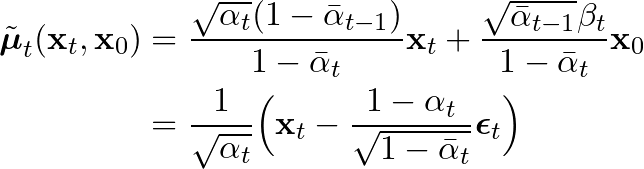
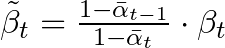

Diffusion: Learning and Loss
Diffusion: Learning and Loss
https://lilianweng.github.io/posts/2021-07-11-diffusion-models/#reverse-diffusion-process

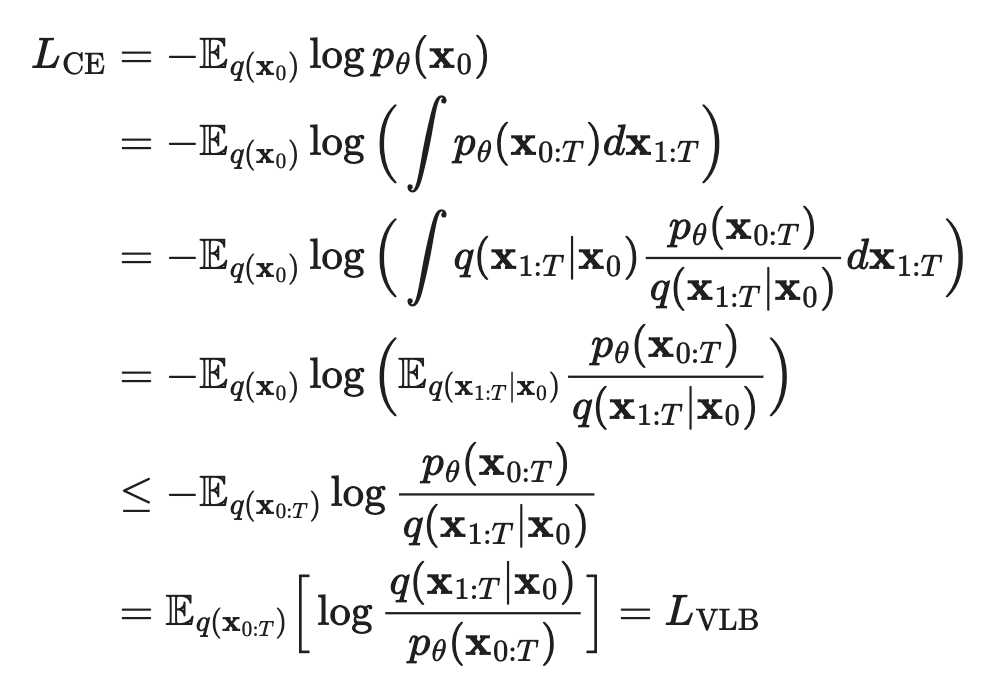

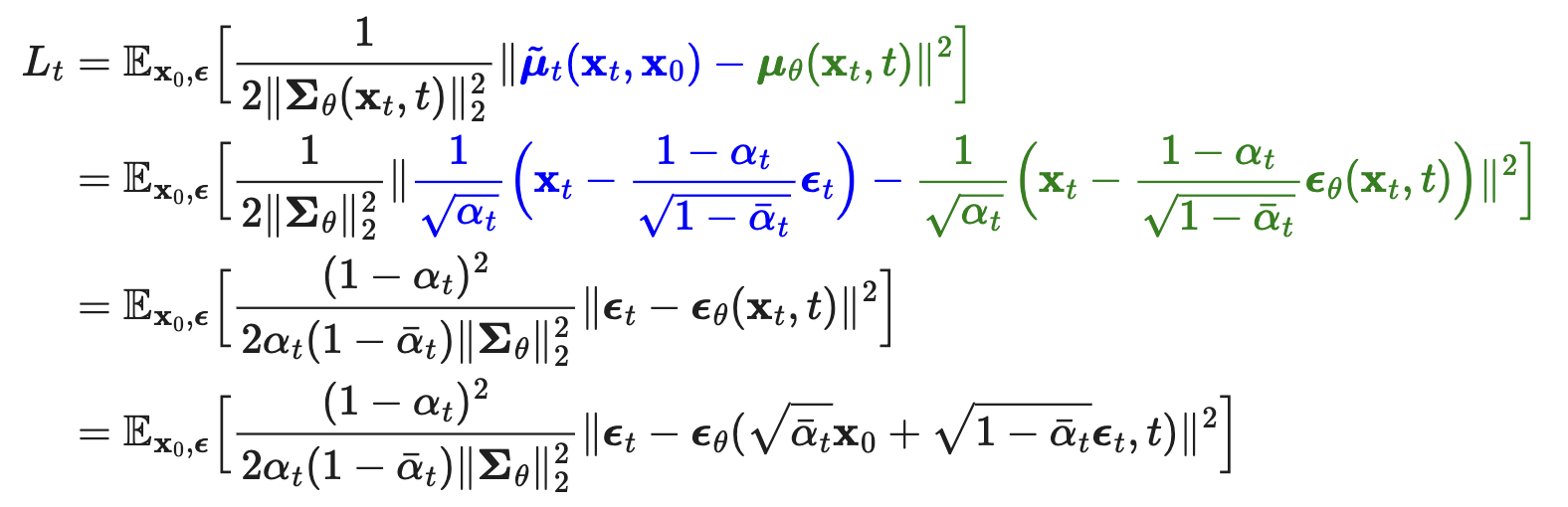

Diffusion: Algorithms
Diffusion: Algorithms
https://lilianweng.github.io/posts/2021-07-11-diffusion-models/#reverse-diffusion-process
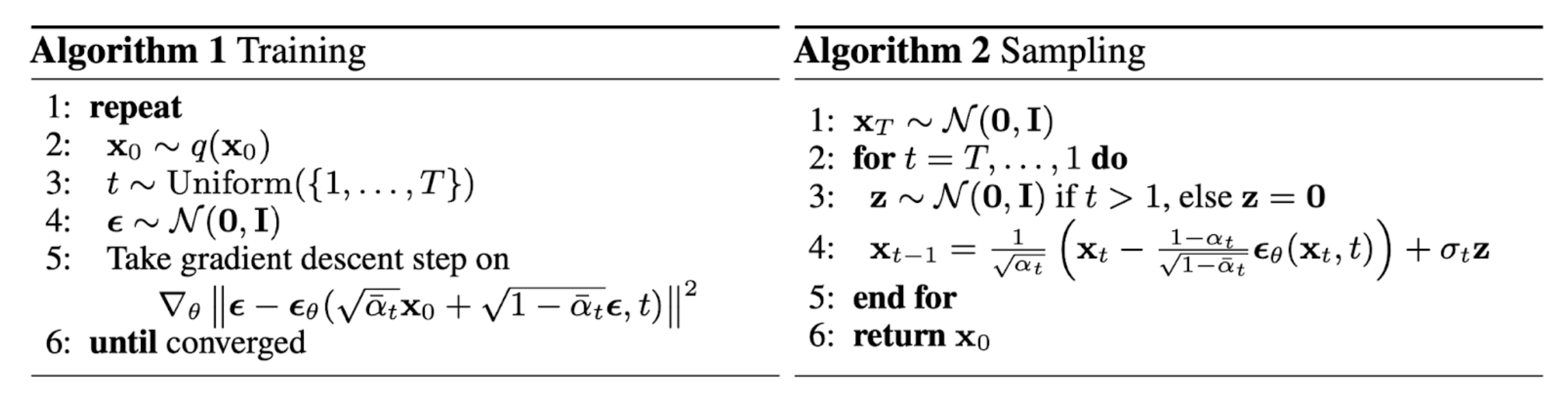
is the neural network we need to learn.
Networks with various architectures can be applied.
It could be dependent on other input, such class labels or input texts.
4.2 Perception and Generation 4.2.5 Case Study: Nano Banana
4.2 Perception and Generation 4.2.5 Case Study: Nano Banana
Nano Banana Pro
Nano Banana Pro
https://blog.google/technology/ai/nano-banana-pro/
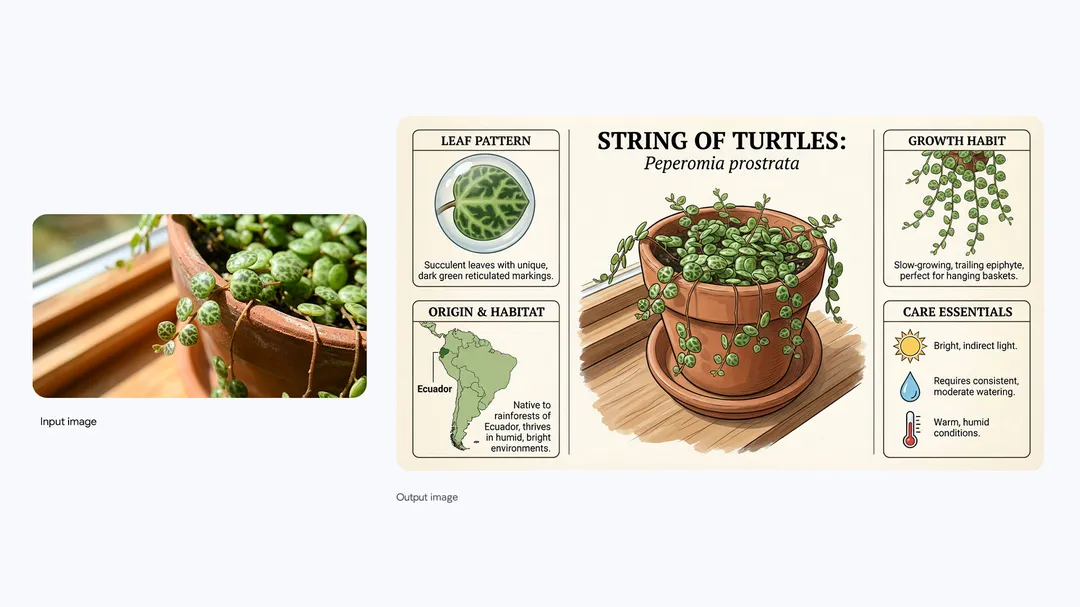
Nano Banana Pro
Nano Banana Pro
https://blog.google/technology/ai/nano-banana-pro/
Nano Banana Pro
Nano Banana Pro

Nano Banana Pro is just Released
Nano Banana Pro is just Released
How Nano Banana Pro Does This?
How Nano Banana Pro Does This?
https://my.infocaptor.com/hub/summaries/google-for-developers/behind-the-scenes-of-google-s-state-of-the-art-nano-banana-image-model-H6ZXujE1qBA?utm_source=chatgpt.com
Evaluation Signal:
“Koshik has been, you know, talking about it for a long time. One of the like biggest advocates of it. Uh, and we were kind of like brushing him off for a long time about how like, you know, this guy‘s a little crazy. Like he’s really obsessed with text rendering. Um, but eventually it kind of became like one of the staple things we looked at. And you can kind of think about it like um when the model learns how to do this like structure for text, it‘s also kind of able to learn other structure in an image as well. And like in an image you have these like um different like frequencies and you can have like structure which you can think of and but you can also have like texture and stuff like this. So it really gives you signal into like how good the model is at generating the structure of the scene.”
“I think humans uh I was actually a little bit skeptical of the human raider approach to doing evals for image generation. But I think what at least I‘ve realized over time is uh when you have enough humans looking at enough prompts across uh a variety of categories, you actually do get quite a bit of good signal. But obviously this is expensive. You don’t want to always be uh asking a bunch of humans uh to grade images. So looking at this text rendering metric for example while a model is training gives you great signal as to whether it‘s performing like you expect. That’s super interesting.”
How Nano Banana Pro Does This?
How Nano Banana Pro Does This?
https://my.infocaptor.com/hub/summaries/google-for-developers/behind-the-scenes-of-google-s-state-of-the-art-nano-banana-image-model-H6ZXujE1qBA?utm_source=chatgpt.com
Interleaved Generation (Interaction between Understanding and Generation):
So uh one of the magics of interleaf generation is that it offers you to do a new paradigm for image generation right like so if you have a very complex prompt you know you‘re talking about six different edits what if I go with like 50 different edits right so uh now that the model has a really good mechanism to grab information from the context like pixel perfect and use it in the next turn what you can do is you can ask the model to break down the complex prompt either it is editing or for image generation into multiple steps and do edits like one by one over different steps. So for the first one you do this like edits like this five different things and then for the for the next one the next five and so on so forth.
So it‘s like very similar to the test on compute that we have on the language side, right? So, so you spend more flops and and you let the model to bring uh basically this thinking in the uh in the kind of like the pixel space plus breaking it down into smaller pieces that you can like really nail down uh that specific stage but like accumulate it you can do whatever complex task you want right so I think like again this is the magic of interleaf generation that you can think about you know incremental generation of like really complex images as opposed to traditional way of doing it which was like really push pushing hard for getting the best image in one shot, right? Like at the end of the day there‘s a there’s a capacity that you can push the middle. You know, at some point you realize that okay, you know, with 100 details, uh we cannot do that. But when you have this one interle generation breaking it steps, you can always go for any capacity in any complexity that you want to generate. One of the one of the things that's always top of mind for me, especially as like you're uh Nicole, you're also the PM for uh for our imagined models.
Perception, Generation and System State
Perception and Generation
in a Stateful System
Observe, express, and retain what matters
4.3 Memory and Knowledge 4.3.1 Memory
4.3 Memory and Knowledge 4.3.1 Memory
Why Do Agents Need Memory?
Why Do Agents Need Memory?
Traditional LLMs:
Stateless / context-window only; every conversation “starts from scratch”
Real-world needs:
Long-horizon, multi-turn tasks: project assistants, learning coaches, dev copilots
Personalization: user preferences, past mistakes, long-term goals
Goals of agent memory:
Persistent learning across sessions
Automatically “recall” the most relevant past experiences and knowledge for the current task
Type of Memories
Type of Memories
Inspired by human memory:
Semantic memory: facts, concepts, general knowledge
Episodic memory: concrete interactions and task experiences
Procedural memory: skills, strategies, workflows
Multi-level memory in typical systems:
Working / short-term memory: current conversation and active state
Long-term / persistent memory: cross-session, structured storage
Reflective memory: summaries and self-improvement based on past episodes
Recent Direction 1 — Structured and Hierarchical Memory
Recent Direction 1 — Structured and Hierarchical Memory
Structured memory vs. flat vector retrieval:
Instead of “dump everything into a single vector store,” combine multiple structures: lists, trees, graphs, knowledge graphs, etc.
Representative work:
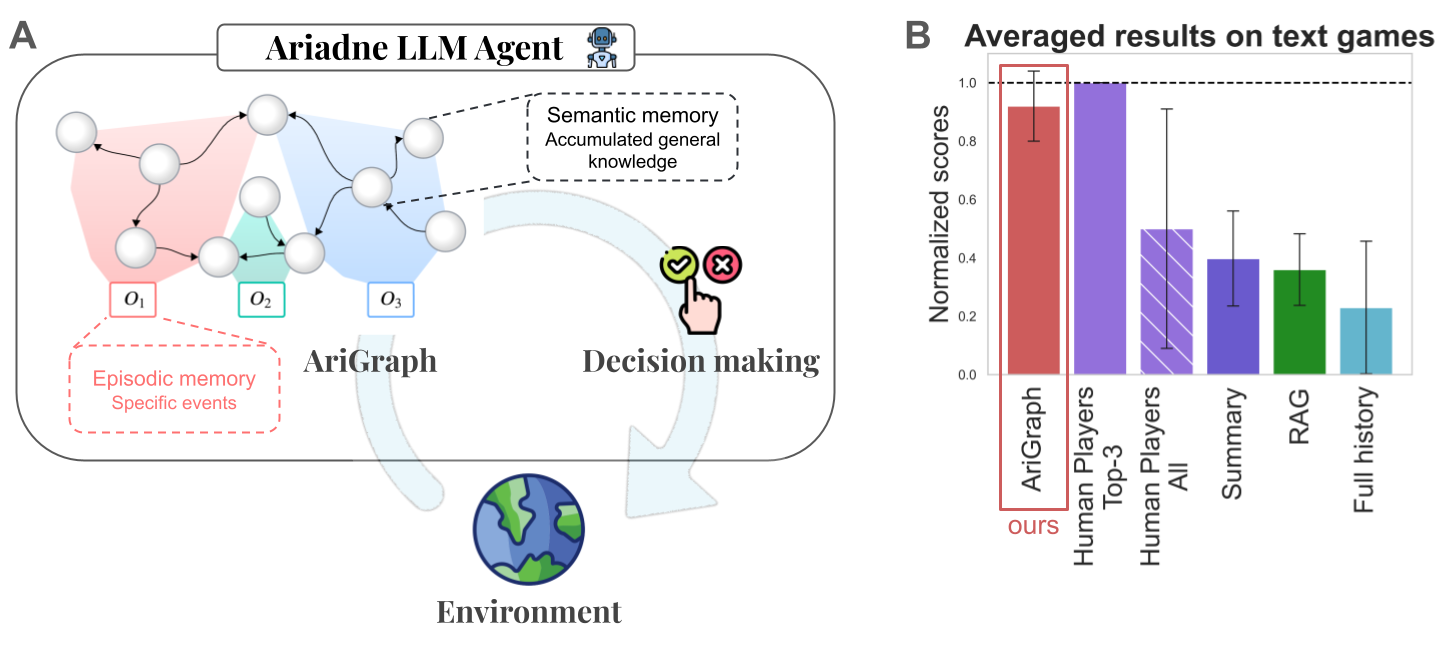
AriGraph: uses a “semantic knowledge graph + episodic nodes/edges” as a world model, significantly improving agents in text-based games
Zep / temporal KGs: graph-structured, time-aware memory for multi-turn dialogue and event tracking
Trend:
From simple bi-directional vector search to structured world models + hierarchical retrieval + reflective summarization
AriGraph
AriGraph
https://github.com/AIRI-Institute/AriGraph
Recent Direction 2 — Learning-Based and Adaptive Memory Policies
Recent Direction 2 — Learning-Based and Adaptive Memory Policies
Problem: what to store, when to store, and how to retrieve are still often defined by hand (thresholds, scores, top-k, etc.).
Representative work:
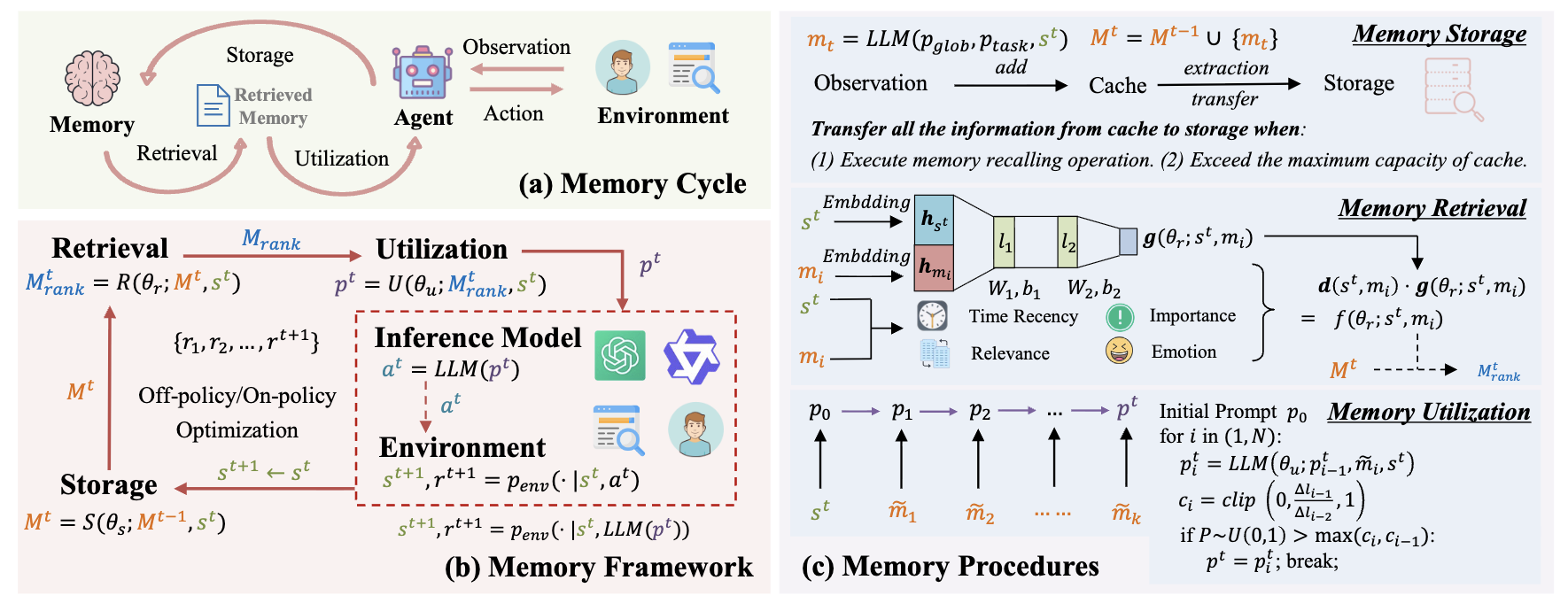
Adaptive memory optimization for LLM agents: Uses off-policy / on-policy learning to let agents learn “what is worth remembering” and “how to encode it.”
Memory-augmented LLM agents : Cross-task training + dynamic memory retrieval to improve sample efficiency in multi-task, multi-turn instruction following.
Core trend:
Memory strategies are no longer purely hard-coded, but can be optimized via reinforcement learning or meta-learning.
Learning to Memorize
Learning to Memorize
https://arxiv.org/pdf/2508.16629
4.3 Memory and Knowledge 4.3.2 External Knowledge and Retrieval
4.3 Memory and Knowledge 4.3.2 External Knowledge and Retrieval
Agent need External Knowledge
Agent need External Knowledge
Parameter Efficiency & Coverage
Impossible to internalize the ever-expanding corpus of human knowledge
On-demand retrieval fills rare or specialized information gaps
Up-to-Date & Dynamic Information
Static model parameters become stale as the world evolves
Live access to news, databases, and APIs ensures current answers
Grounding & Multi-Modality
Ties language to real-world entities (objects, sensor streams, images)
Knowledge graphs provide explicit commonsense (e.g., physics, causality)
Memory & Long-Term Interaction
External “memory” (vector DBs, key–value stores) for session history
Enables personalization and sustained, coherent dialogues
Coping with External Knowledge
Coping with External Knowledge
External Knowledge
Recent News/Documents
Private Document/Email
Knowledge Graphs, Data Base
Private Images/Videos
…
How to use these knowledge?
Retrieve relevant information;
Generate response using these retrieved information.
RAG: Retrieval-Augmented Generation
RAG: Retrieval-Augmented Generation
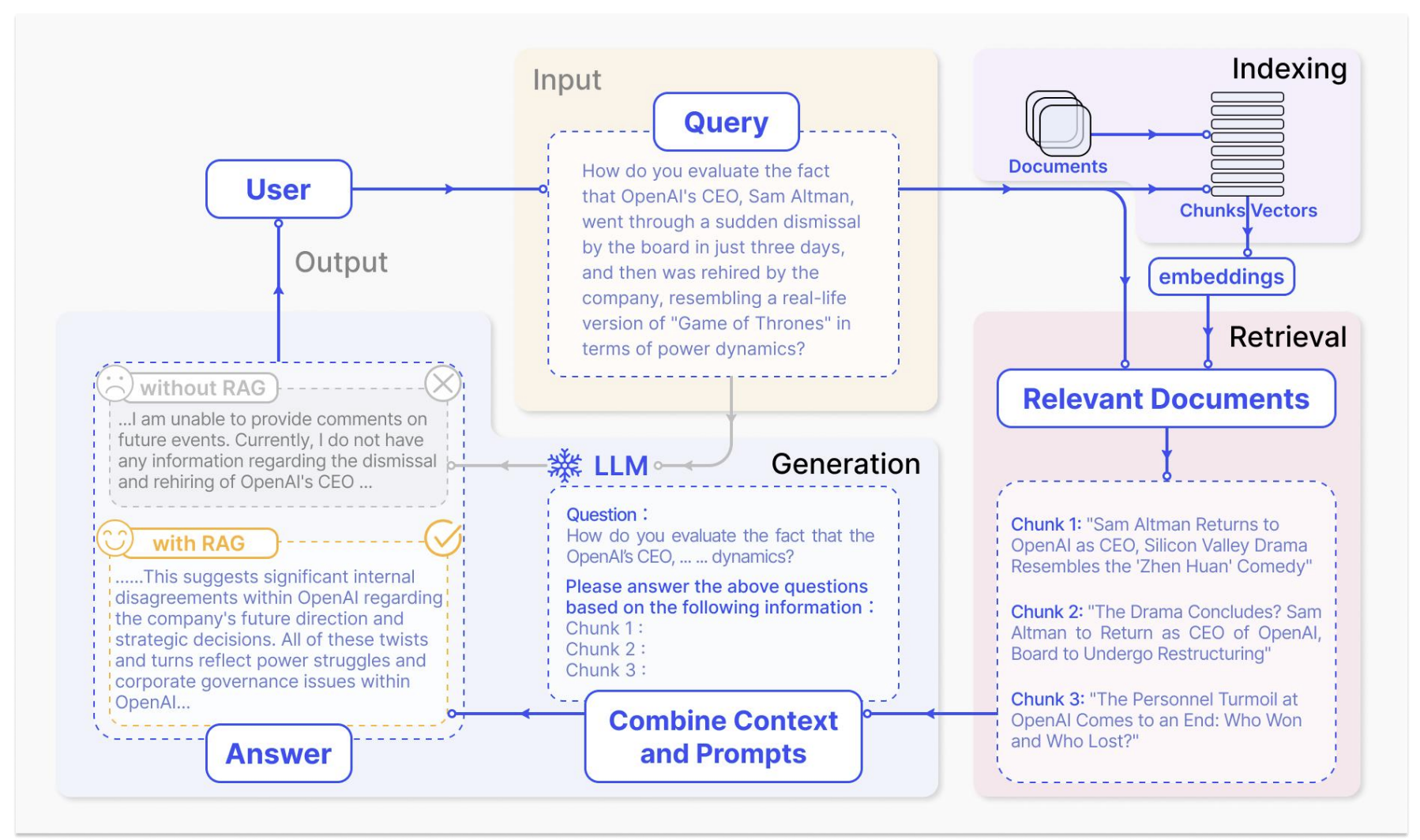
https://github.com/hkproj/retrieval-augmented-generation-notes/blob/main/Slides.pdf
RAG Road Maps
RAG Road Maps
https://github.com/hkproj/retrieval-augmented-generation-notes/blob/main/Slides.pdf
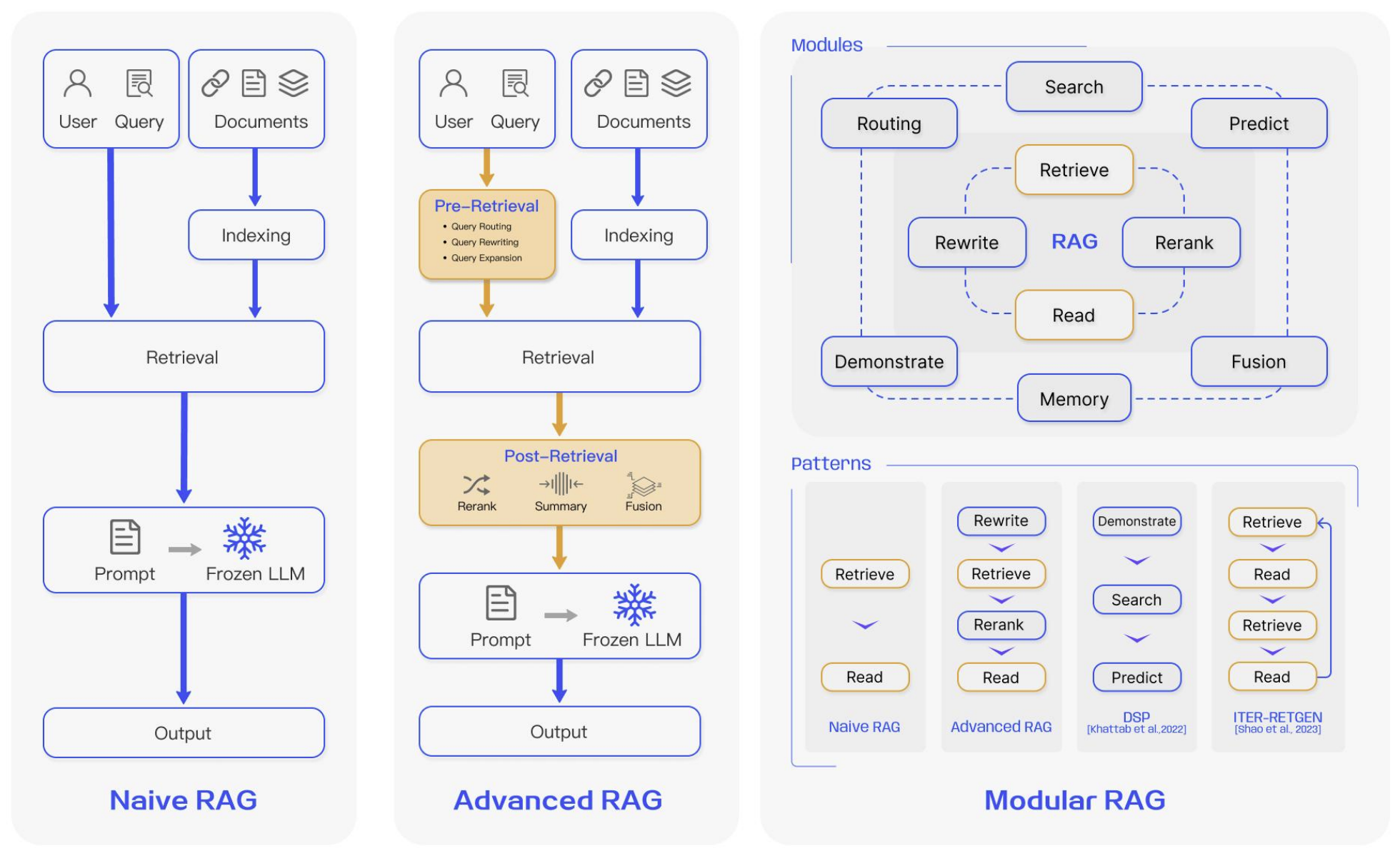
What to Retrieve?
What to Retrieve?
Different Information Level: Document, Chunk, Sentence, Words
High Level:
Rich Context & Coherence, Higher Recall, Simpler Indexing
Lower Precision / More Noise, Context‐Window Bloat
Suitable when you need comprehensive background or discourse coherence.
Low Level:
High Precision & Conciseness, Efficient Context Usage, Fine-Grained Control
Lack of Broader Context, Lower Recall
Suitable when you want pinpoint accuracy and to conserve prompt tokens.
Graph RAG
Graph RAG
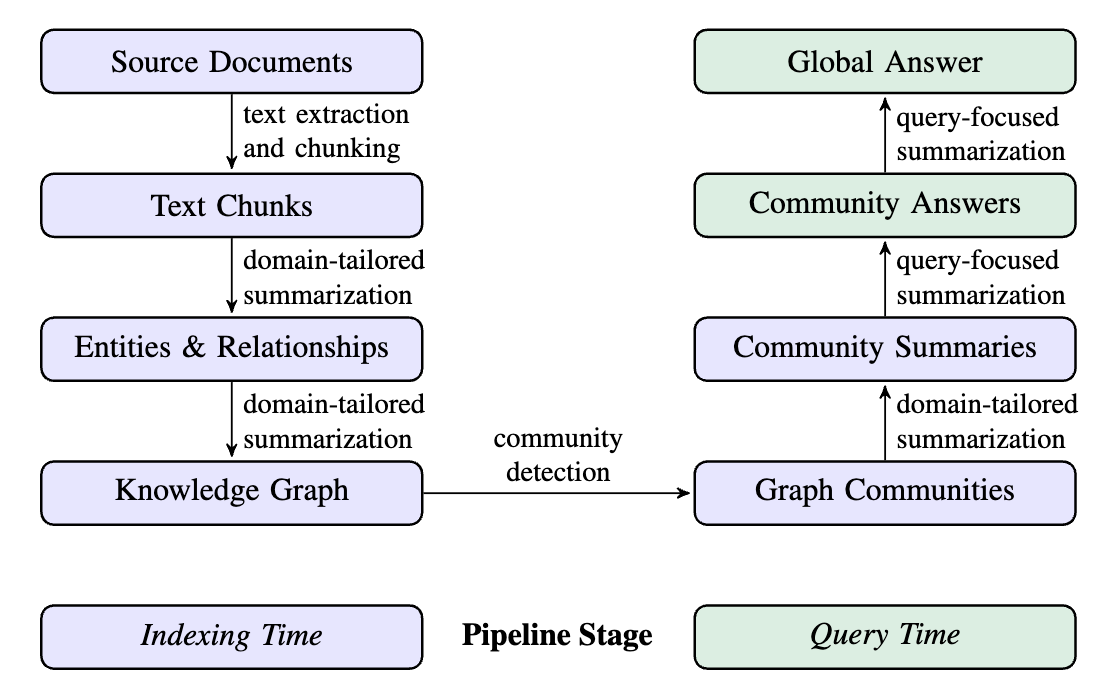
https://arxiv.org/pdf/2404.16130
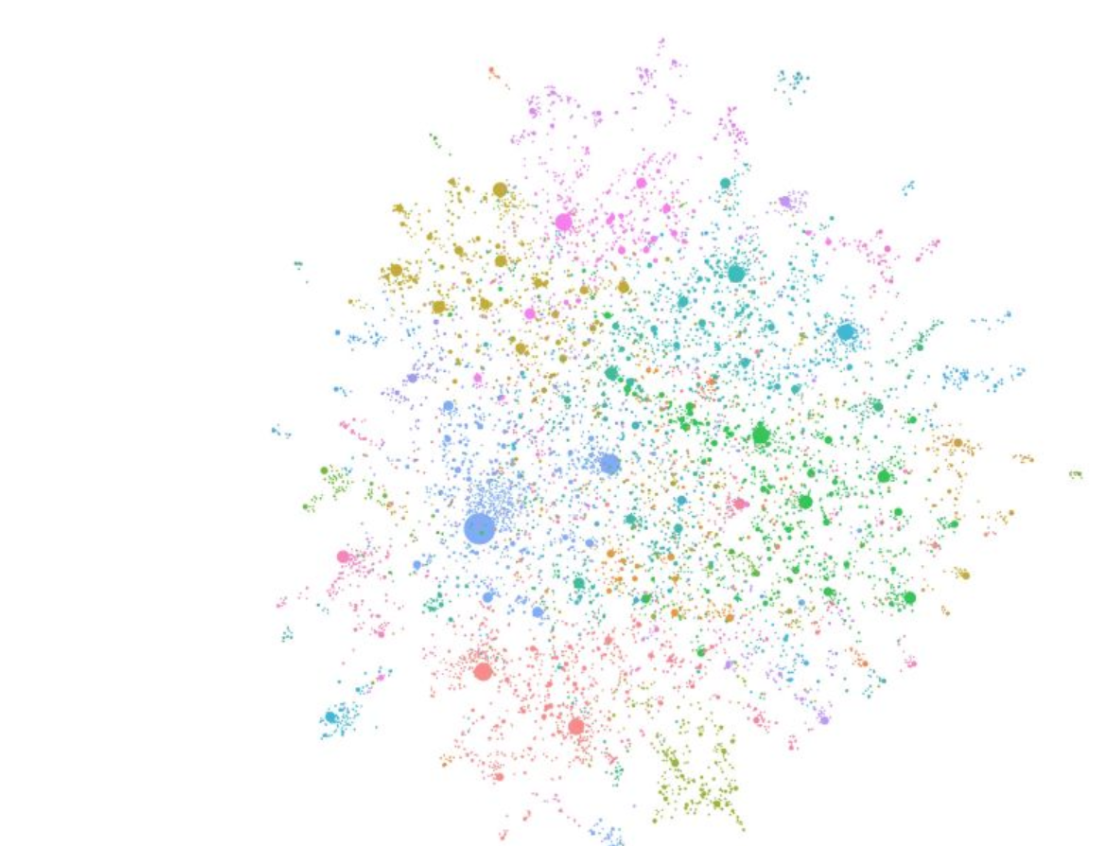
https://microsoft.github.io/graphrag/
Knowledge Graph, Table, SQL Database, …
Knowledge Graph, Table, SQL Database, …
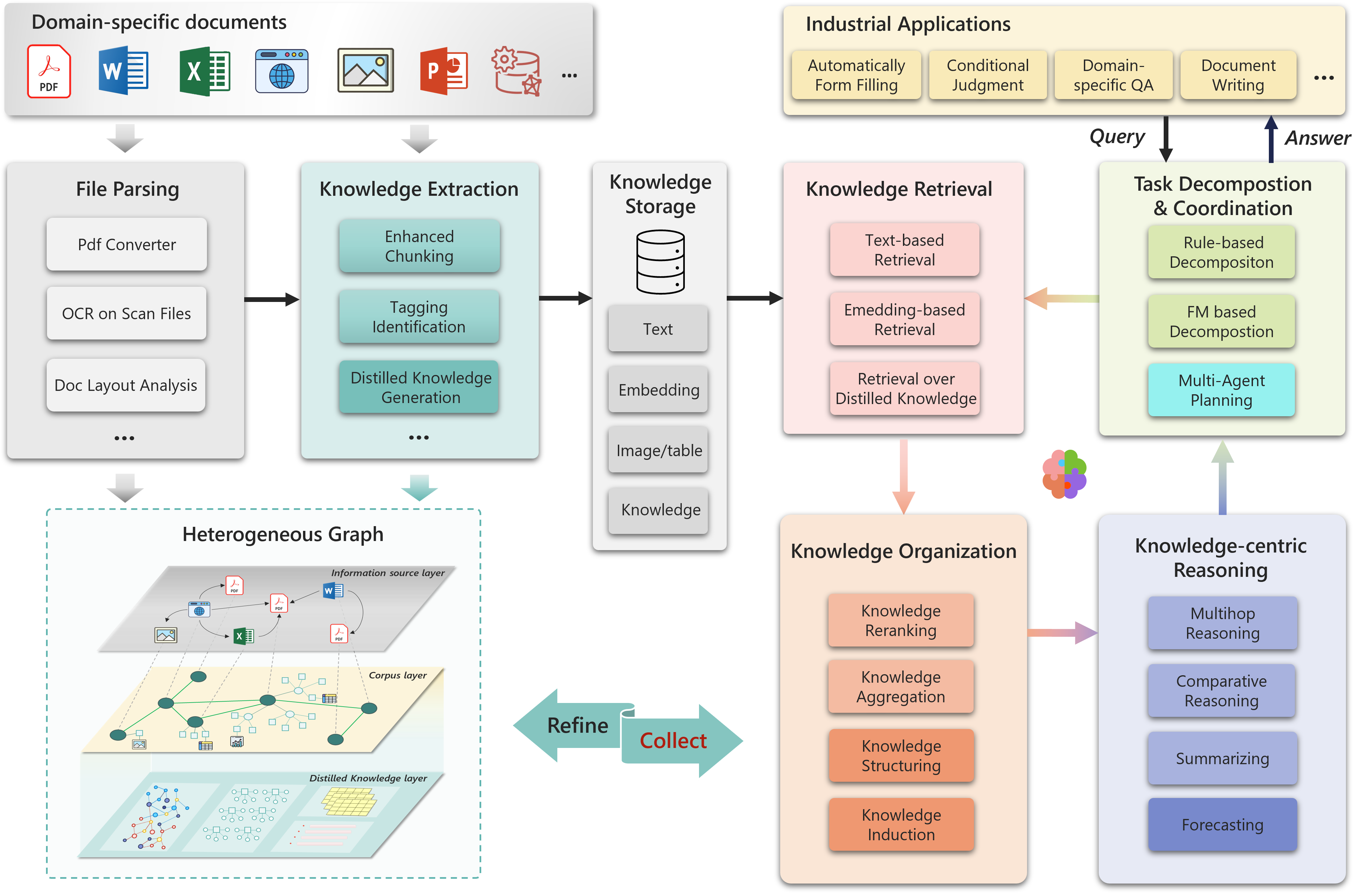
https://github.com/microsoft/PIKE-RAG
Recall: How to Retrieve?
Recall: How to Retrieve?
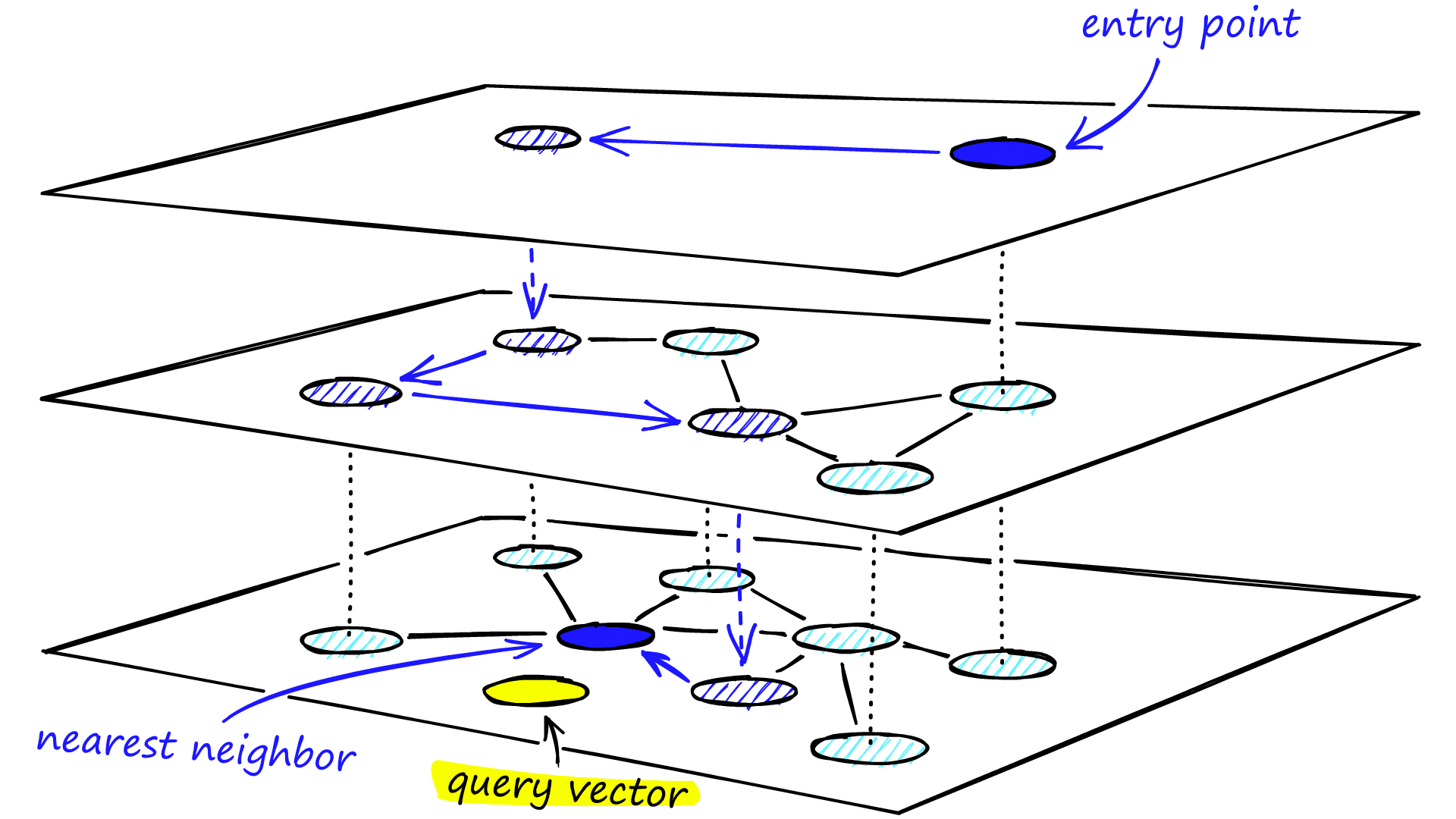
Inverted index + BM25
Embedding Vector + ANN Search
https://www.pinecone.io/learn/series/faiss/hnsw/
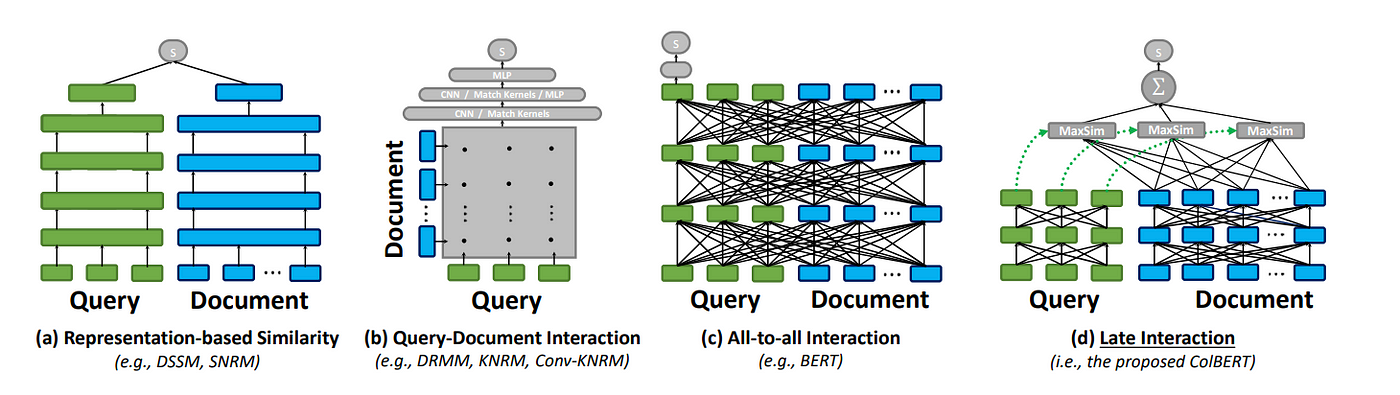
https://medium.com/@mhammadkhan/neural-re-ranking-models-c0a67278f626
When to Retrieve
When to Retrieve
User ‘s Intention: Web search Button
Intention Detection: Detect for each request in the dialog: Notebook LM
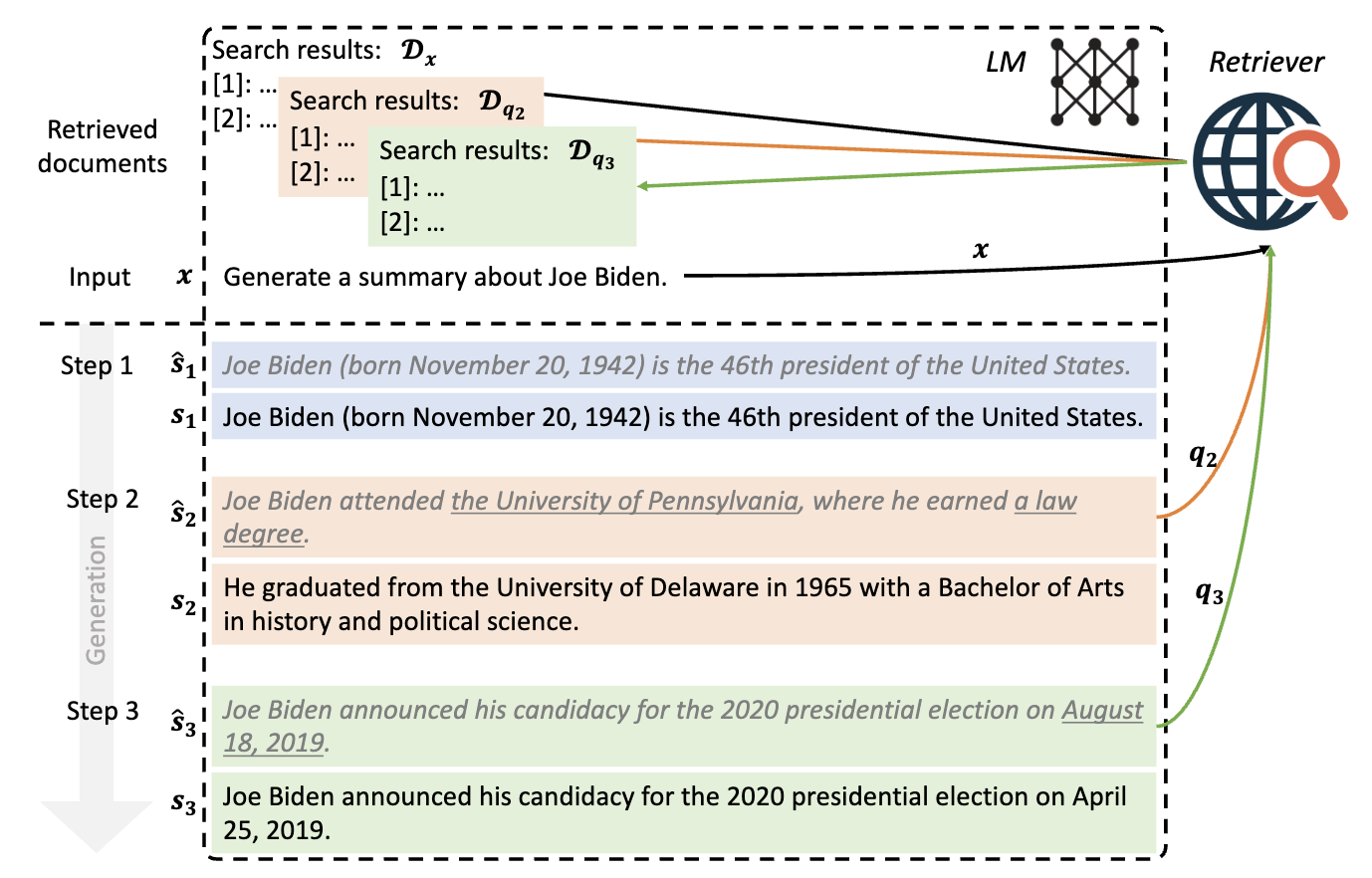
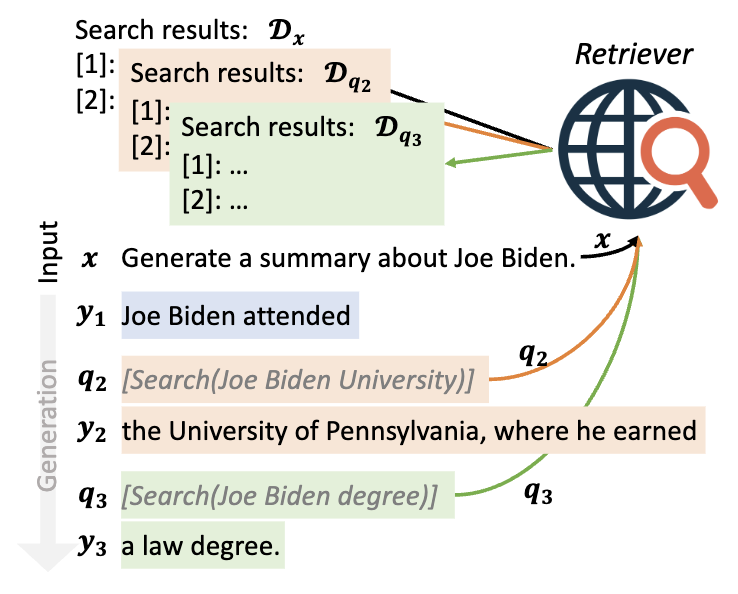
Low Confidence Detected: Call retrieve when unreliable answer found.
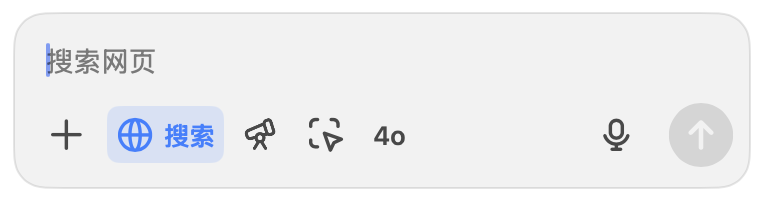
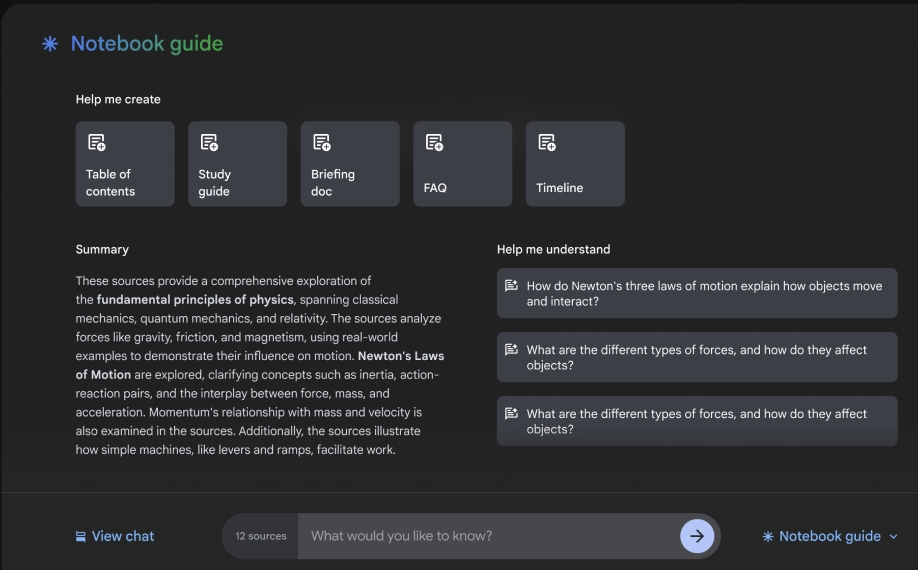
https://afforai.com/comparisons/notebook-lm-alternative
When to Retrieve
When to Retrieve
https://arxiv.org/pdf/2305.06983
4.4 Action and Execution 4.4.1 Tool Calling
4.4 Action and Execution 4.4.1 Tool Calling
Agent need to take Action
Agent need to take Action
Beyond “Tell” to “Do”
Closing the loop: from understanding to executing tasks (e.g., sending emails, scheduling)
Tool-Calling & External APIs
Interface with calculators, search engines, IoT devices, business systems
Enables multi-step workflows under LLM orchestration
Agentic Autonomy
Persistent agents can monitor, adapt, and intervene in real-world processes
Frees users from manual coordination of complex tasks
Tool Calling
Tool Calling
Definition: Enabling an LLM to invoke external functions or services (APIs, calculators, search engines) during conversation.
Why it matters:
Keeps knowledge up-to-date beyond training cutoff
Adds deterministic computation (math, code execution)
Connects LLMs to real-world data and actions
Introduced by Open AI at 2023.
Define Tools
Define Tools
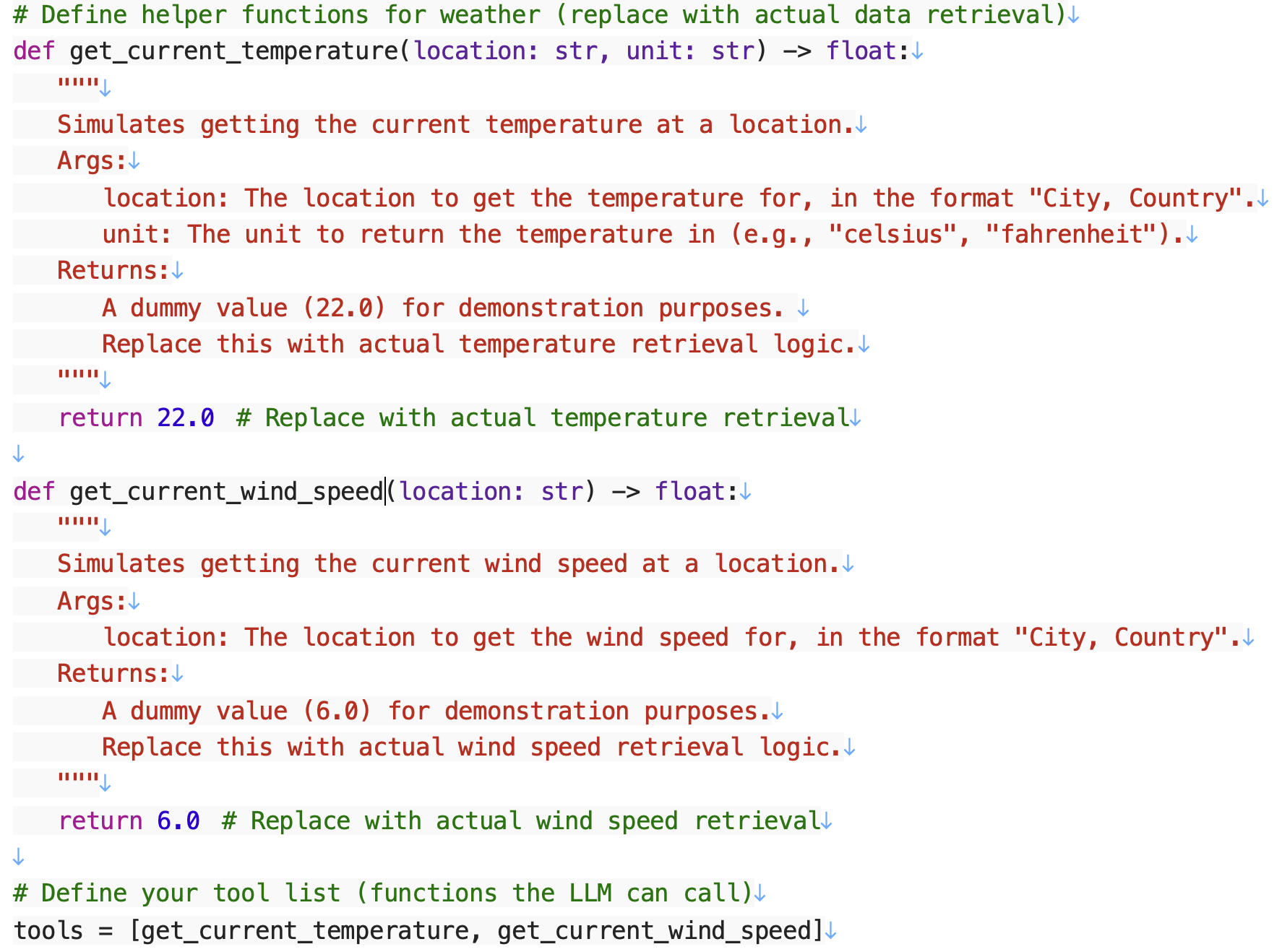
https://medium.com/@developer.yasir.pk/tool-calling-for-llms-a-detailed-tutorial-a2b4d78633e2
Prepare the Conversation
Prepare the Conversation
https://medium.com/@developer.yasir.pk/tool-calling-for-llms-a-detailed-tutorial-a2b4d78633e2
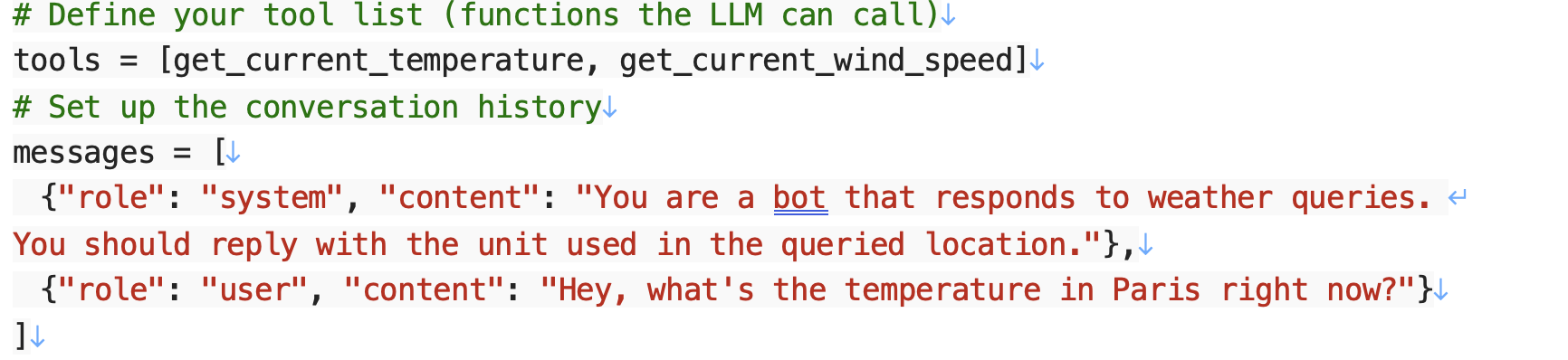
Pass Tools to the LLM
Pass Tools to the LLM
https://medium.com/@developer.yasir.pk/tool-calling-for-llms-a-detailed-tutorial-a2b4d78633e2
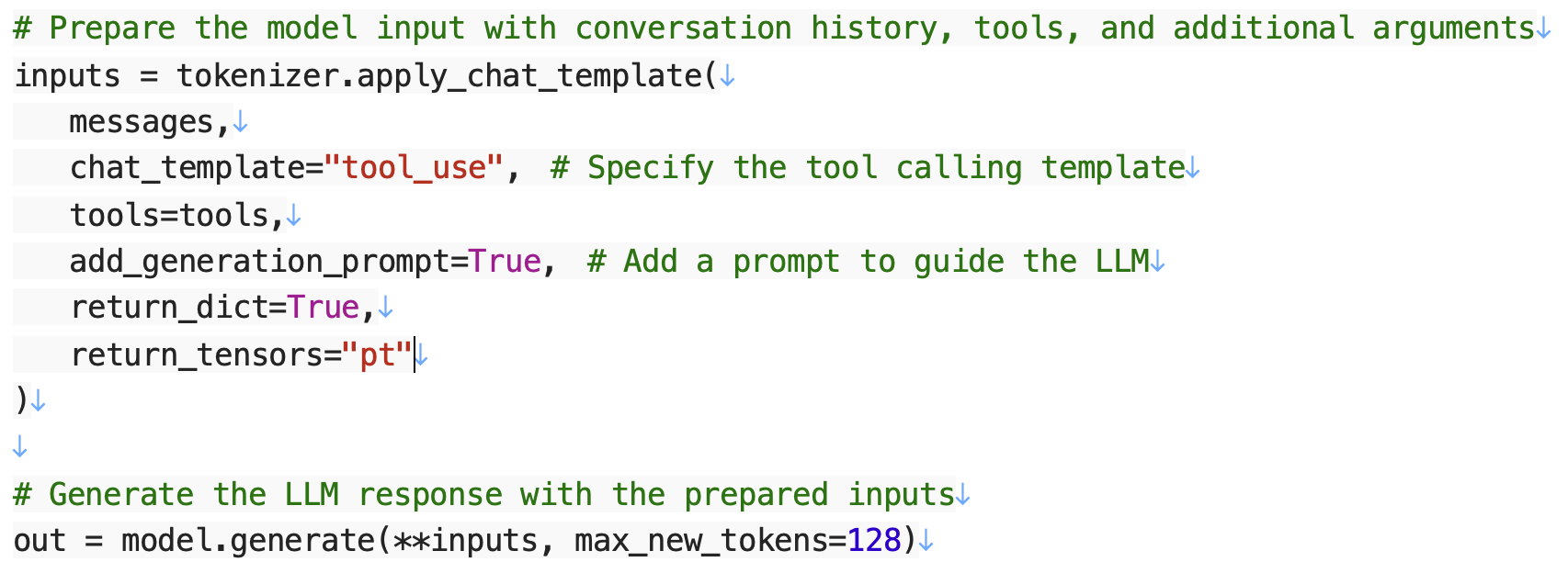
Interpret LLM Output
Interpret LLM Output
https://medium.com/@developer.yasir.pk/tool-calling-for-llms-a-detailed-tutorial-a2b4d78633e2
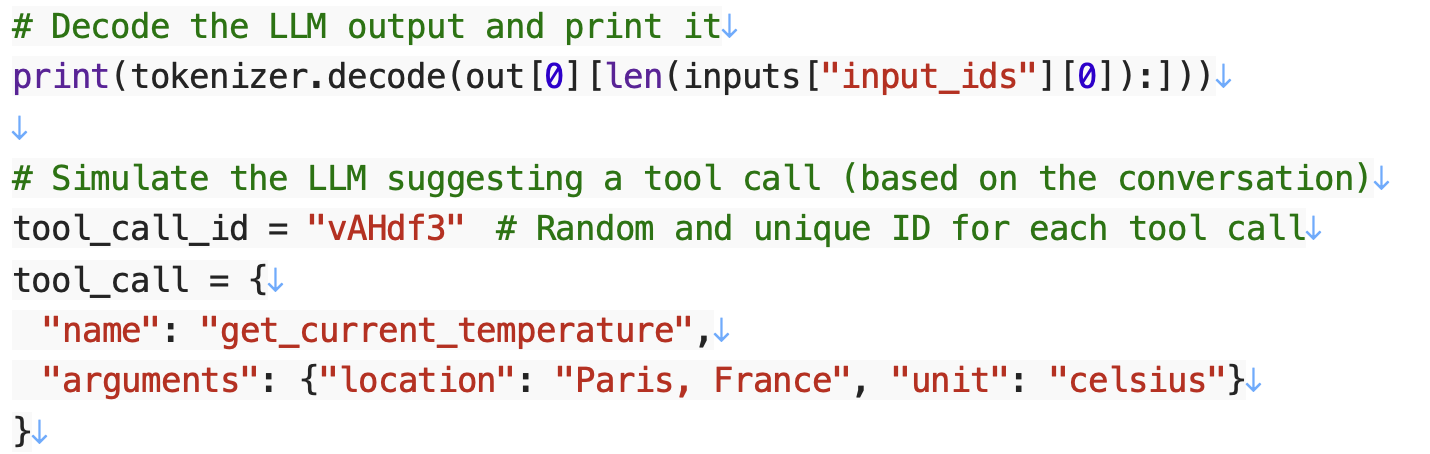
Execute Tool Calls
Execute Tool Calls
https://medium.com/@developer.yasir.pk/tool-calling-for-llms-a-detailed-tutorial-a2b4d78633e2

Incorporate Tool Results
Incorporate Tool Results
https://medium.com/@developer.yasir.pk/tool-calling-for-llms-a-detailed-tutorial-a2b4d78633e2
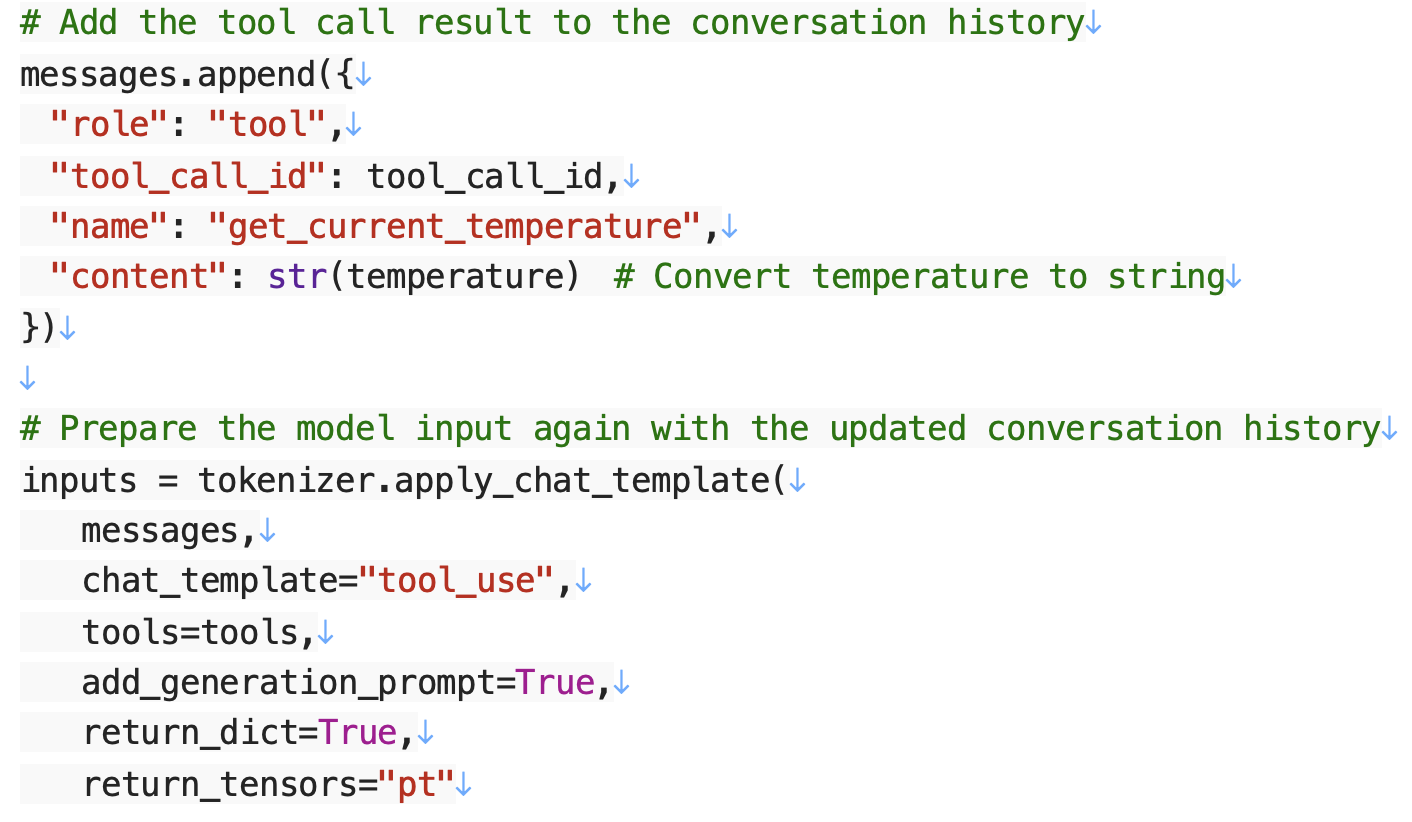
Continue Conversation
Continue Conversation
https://medium.com/@developer.yasir.pk/tool-calling-for-llms-a-detailed-tutorial-a2b4d78633e2
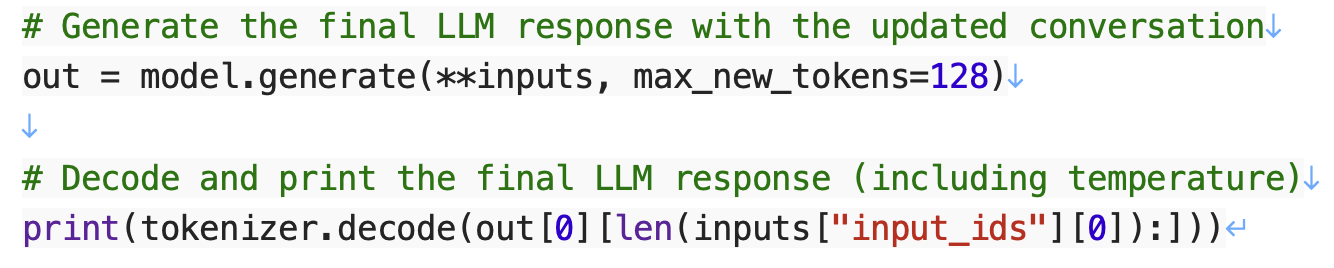
4.4 Action and Execution 4.4.2 Coding
4.4 Action and Execution 4.4.2 Coding
Agent should write Code
Agent should write Code
Automating Development
Rapid prototyping: generate boilerplate, tests, and integration snippets
Lower barrier for non-programmers to implement data pipelines and analyses
Self-Improving Systems
Models can modify their own tooling or workflows in response to new requirements
Enables continuous adaptation without full manual redevelopment
Explainable & Reproducible
Generated code with comments provides a clear audit trail of the model’s logic
From Tool Calling to Coding
From Tool Calling to Coding
Coding is the interface to control the natural world;
Tool Calling: calling human written code;
Coding: generating code to satisfy new requirements.
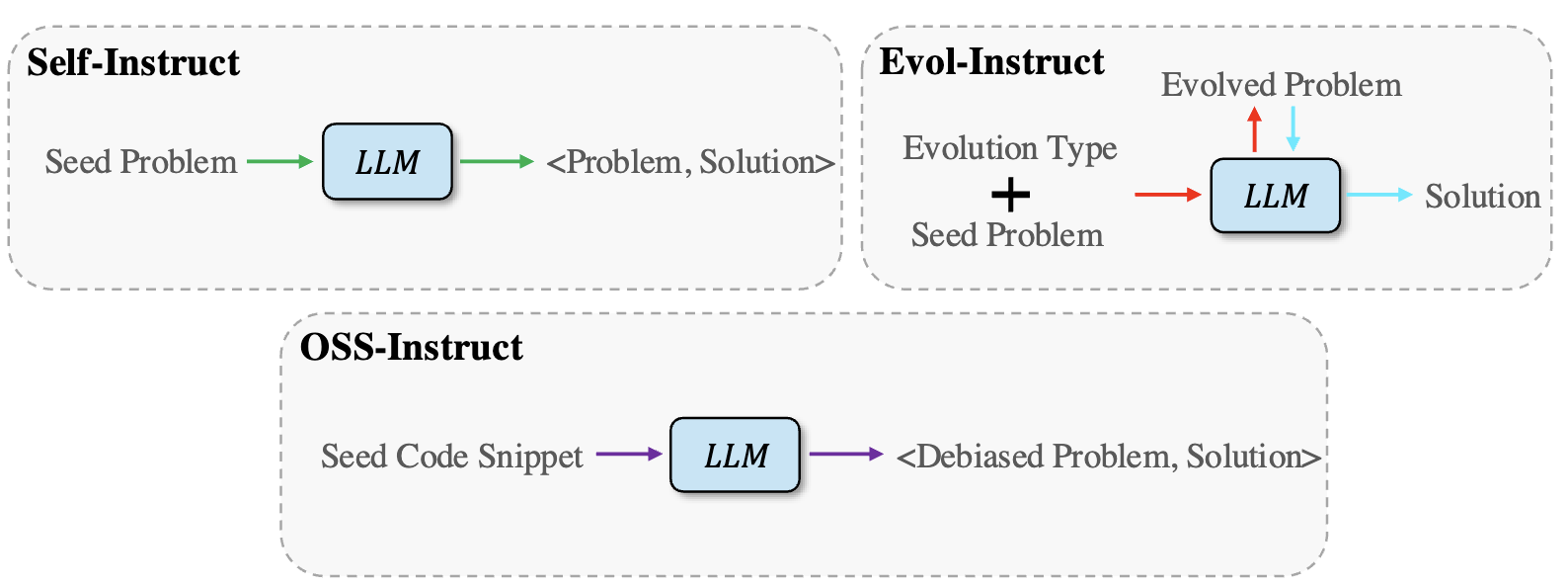
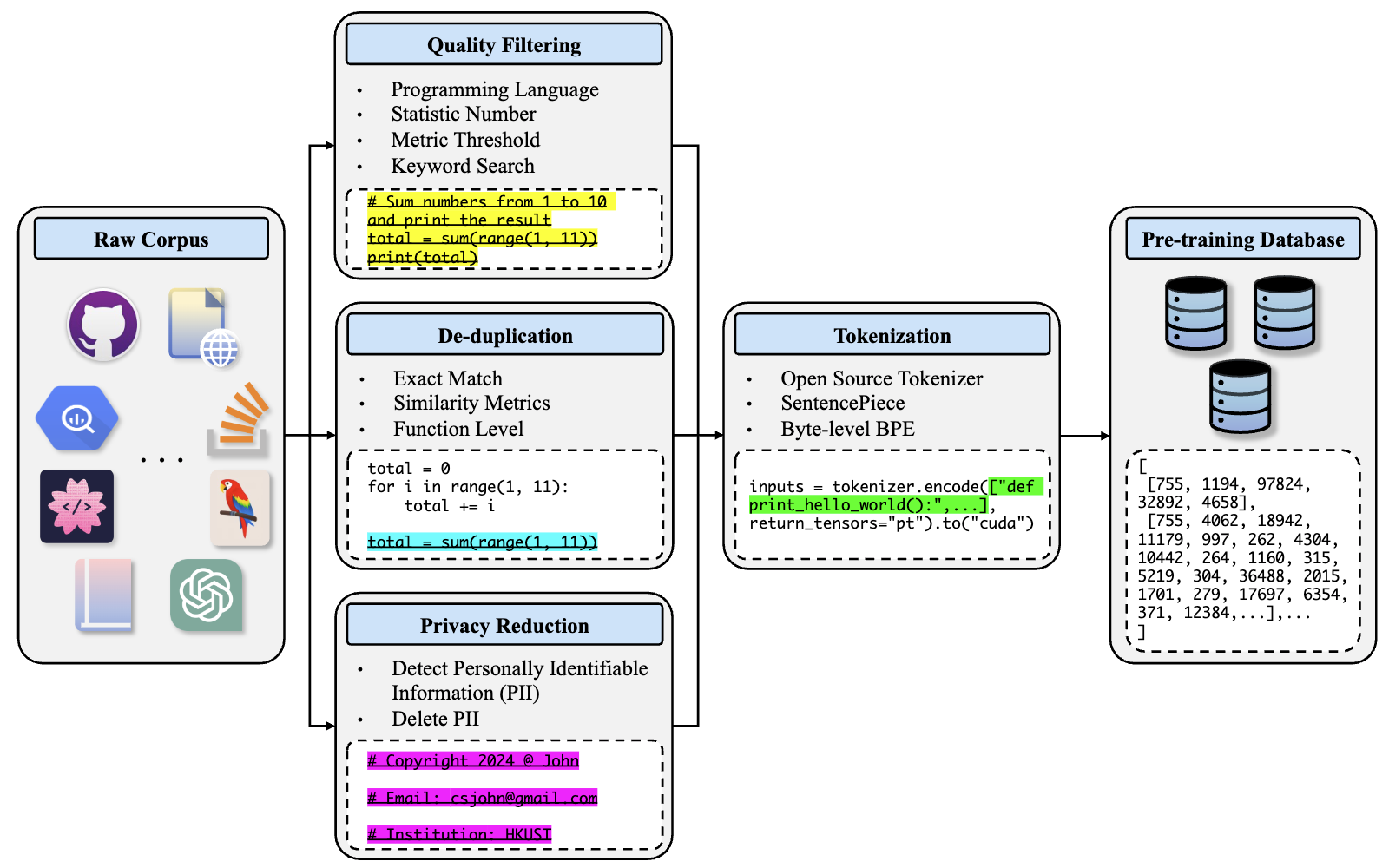
Coding is Long-Term Goal of LLM
Coding is Long-Term Goal of LLM
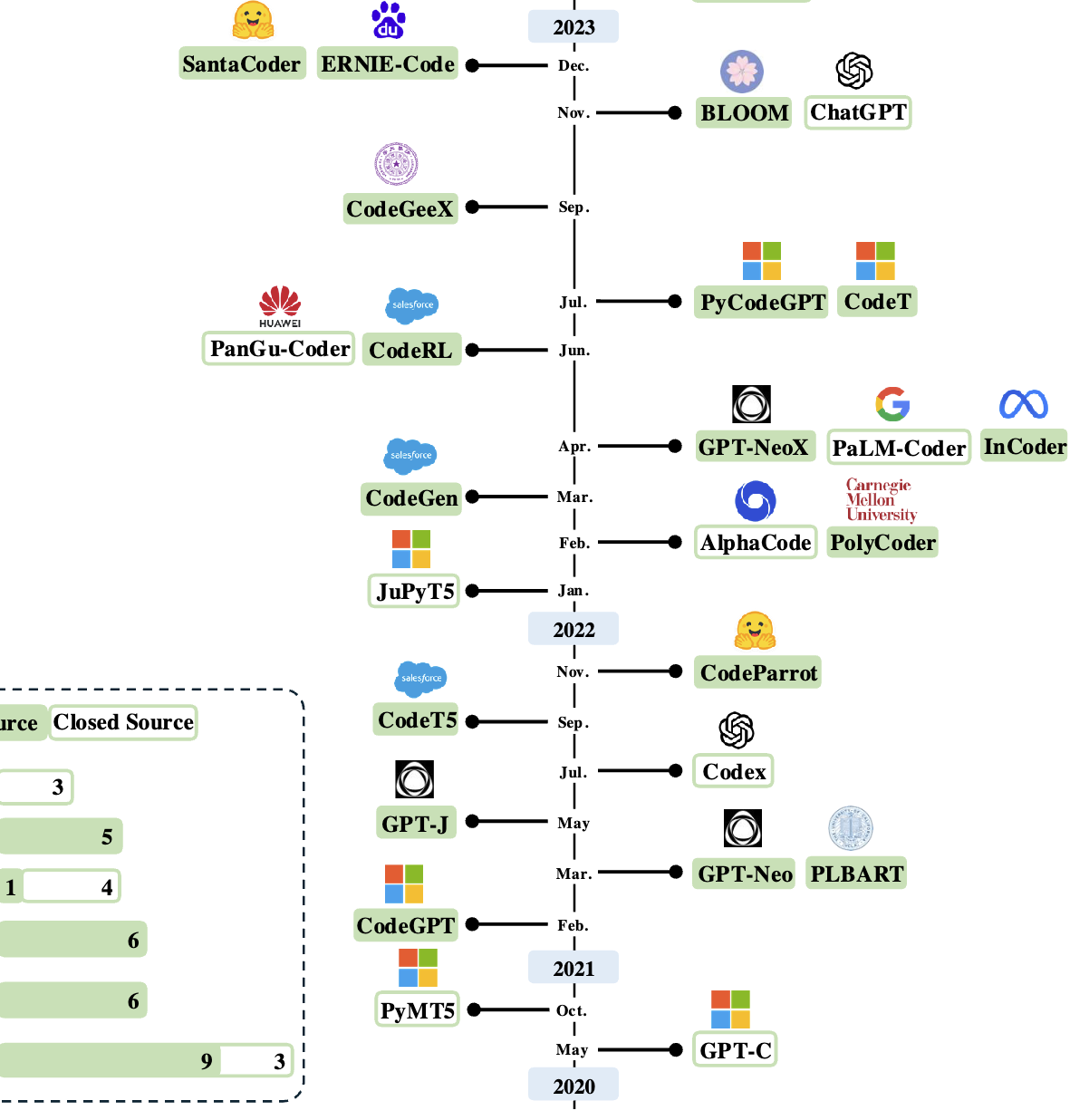
https://arxiv.org/pdf/2406.00515
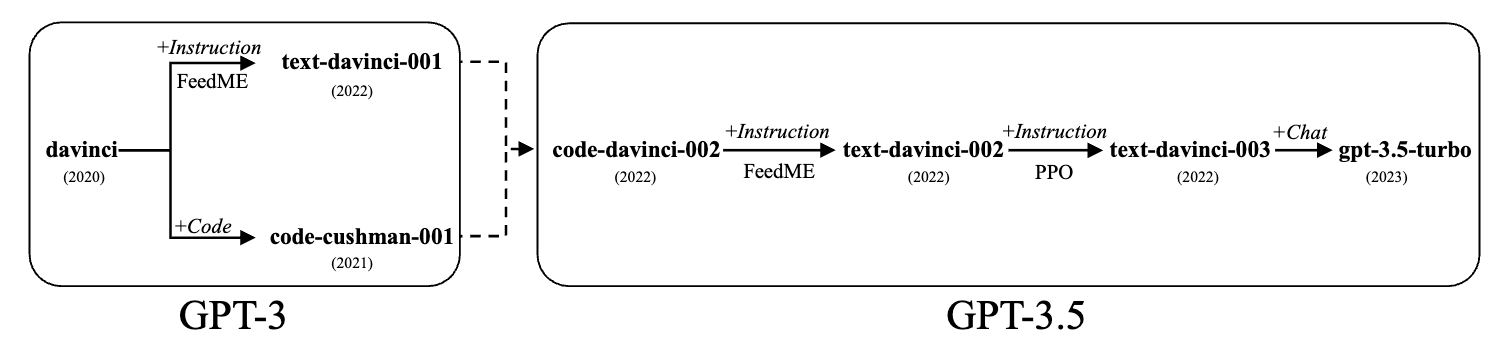
Coding contributes a lot in Advances of LLM
Coding contributes a lot in Advances of LLM
https://arxiv.org/pdf/2303.10420
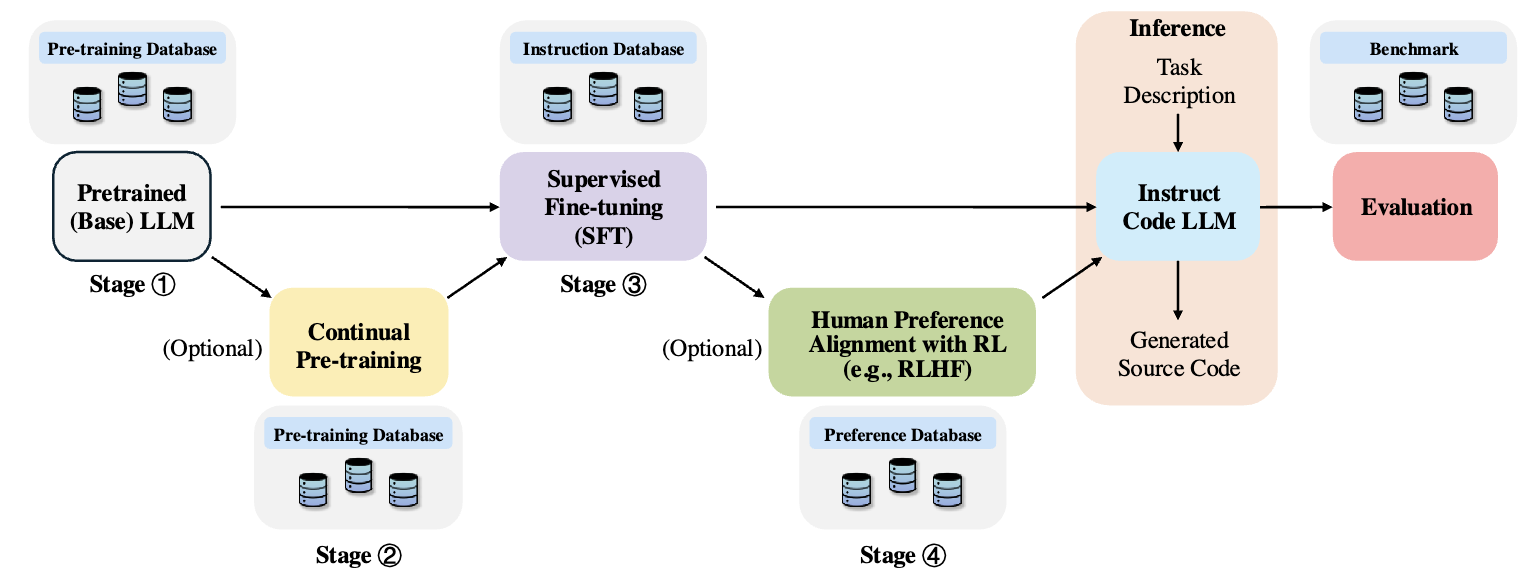
Training to Generate Code
Training to Generate Code
https://arxiv.org/pdf/2406.00515
Data is Foundation
Data is Foundation
https://arxiv.org/pdf/2406.00515
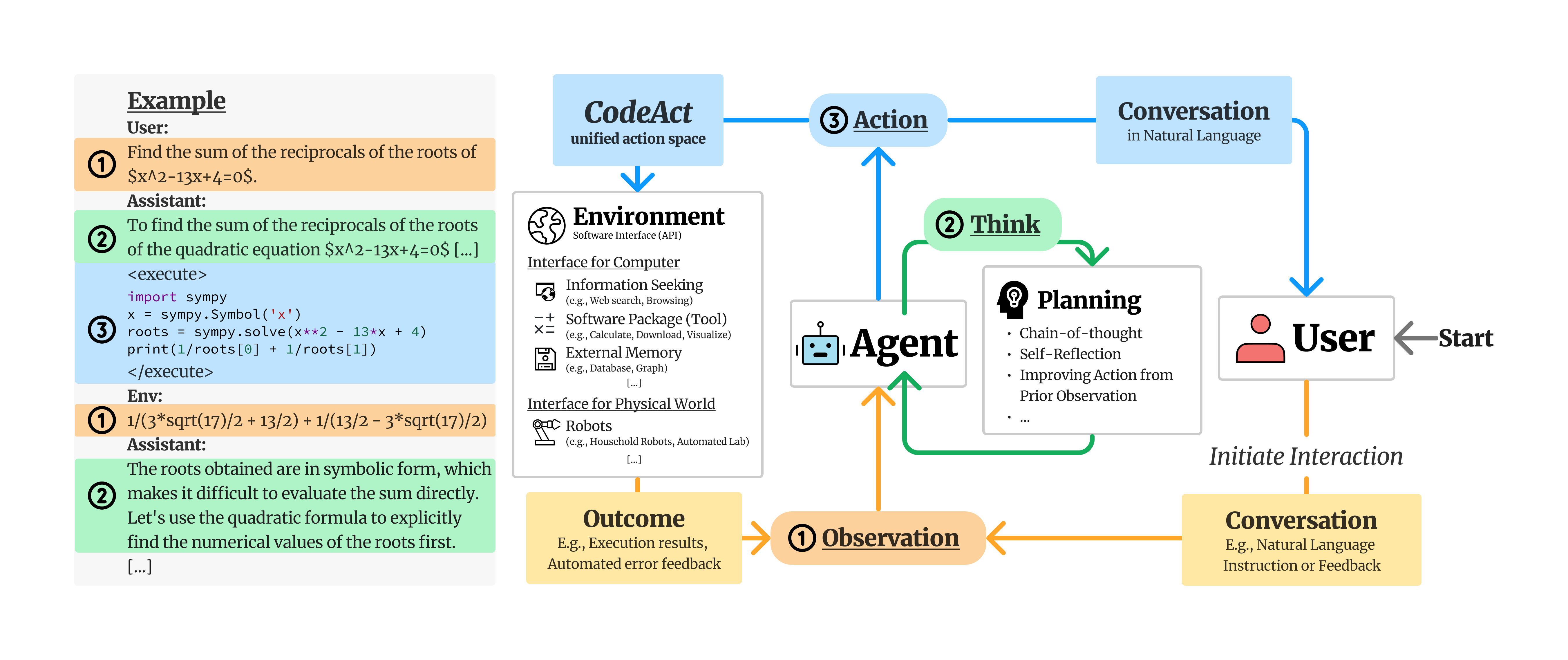
Code Act
Code Act
https://github.com/xingyaoww/code-act
Case Study: Plan and Execute
Case Study: Plan and Execute
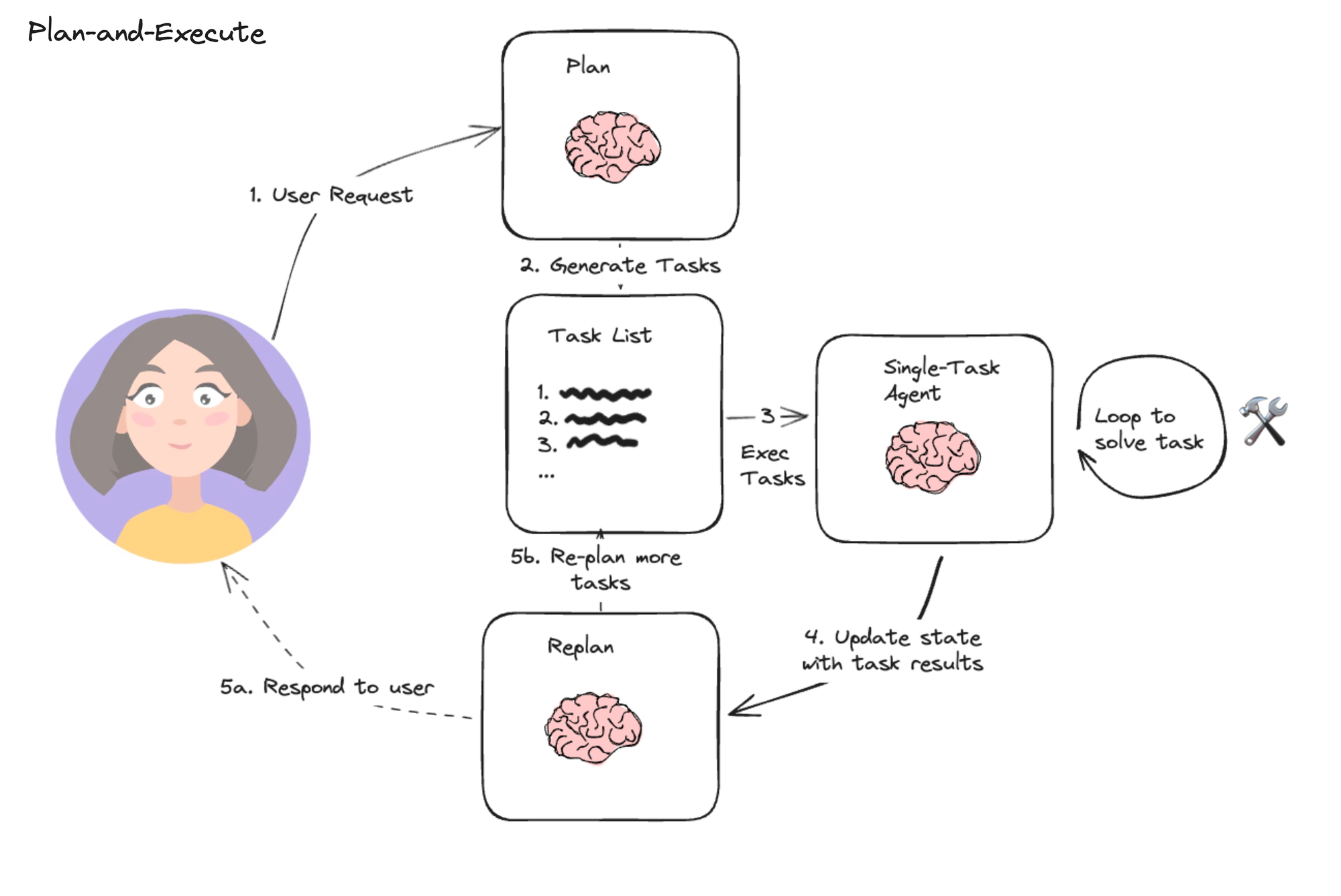
https://langchain-ai.github.io/langgraph/tutorials/plan-and-execute/plan-and-execute/
4.5 Planning and Control 4.5.2 System I / II in Agents

4.5 Planning and Control 4.5.2 System I / II in Agents
4.6 Coordination and Collaboration 4.6.1 Workflows and Coordination
4.6 Coordination and Collaboration 4.6.1 Workflows and Coordination
Workflows and Multi-Agent Systems
Workflows and Multi-Agent Systems
https://langchain-ai.github.io/langgraph/tutorials/workflows/#agent
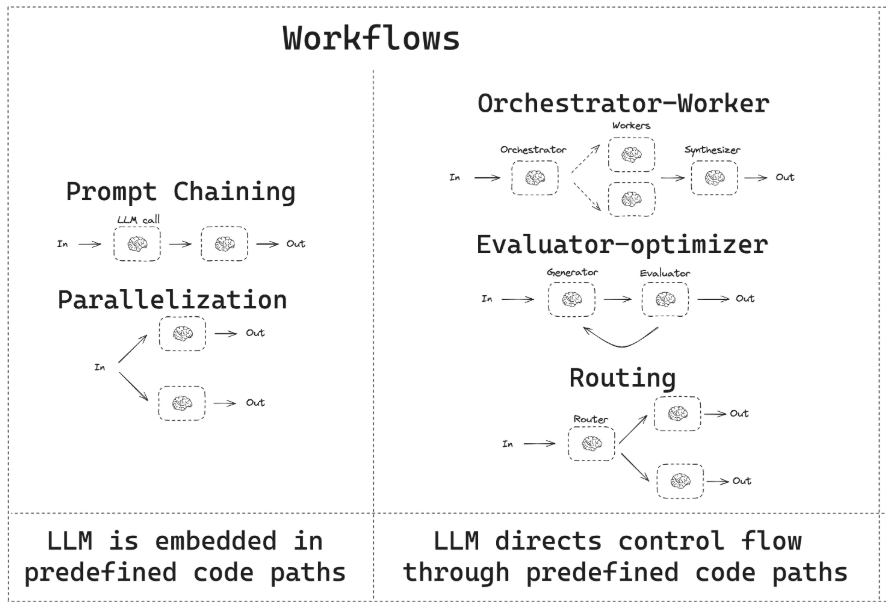
Prompt Chaining
Prompt Chaining
https://langchain-ai.github.io/langgraph/tutorials/workflows/#agent
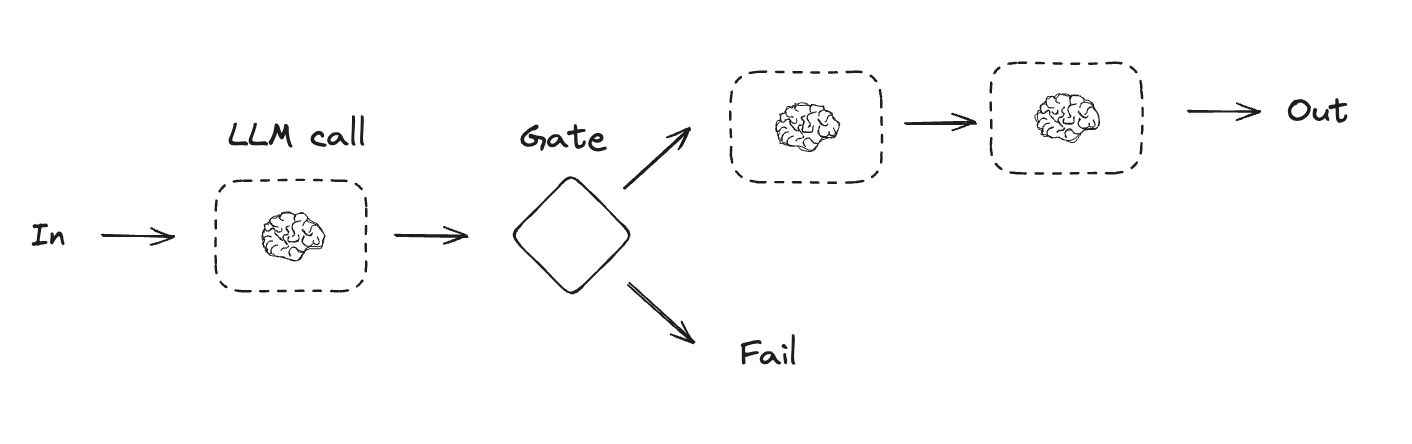
Parallelization
Parallelization
https://langchain-ai.github.io/langgraph/tutorials/workflows/#agent
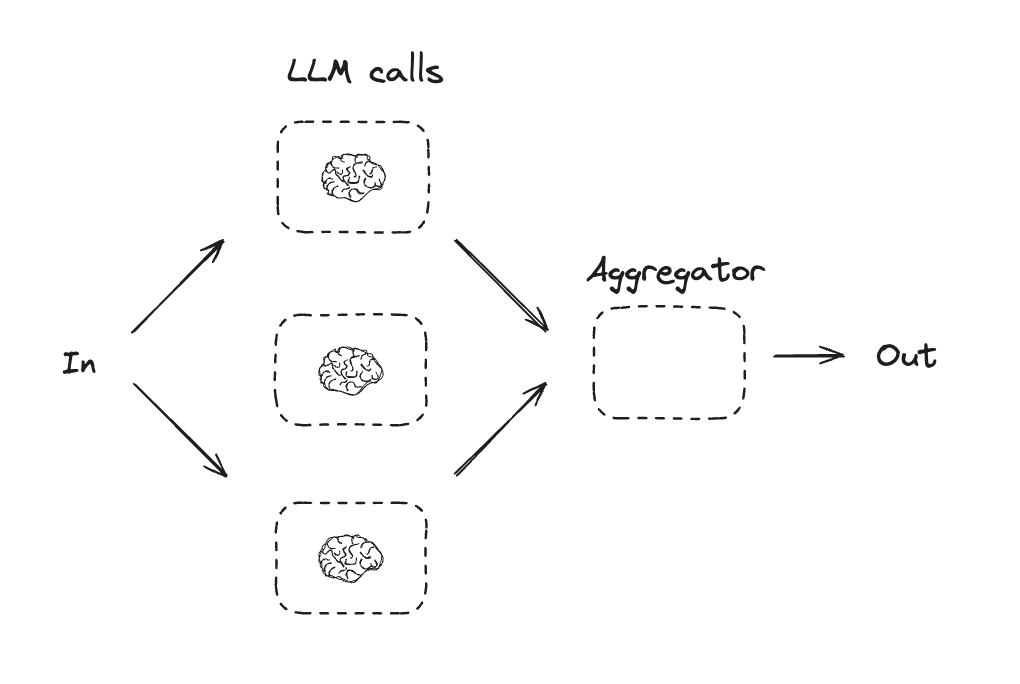
Routing
Routing
https://langchain-ai.github.io/langgraph/tutorials/workflows/#agent
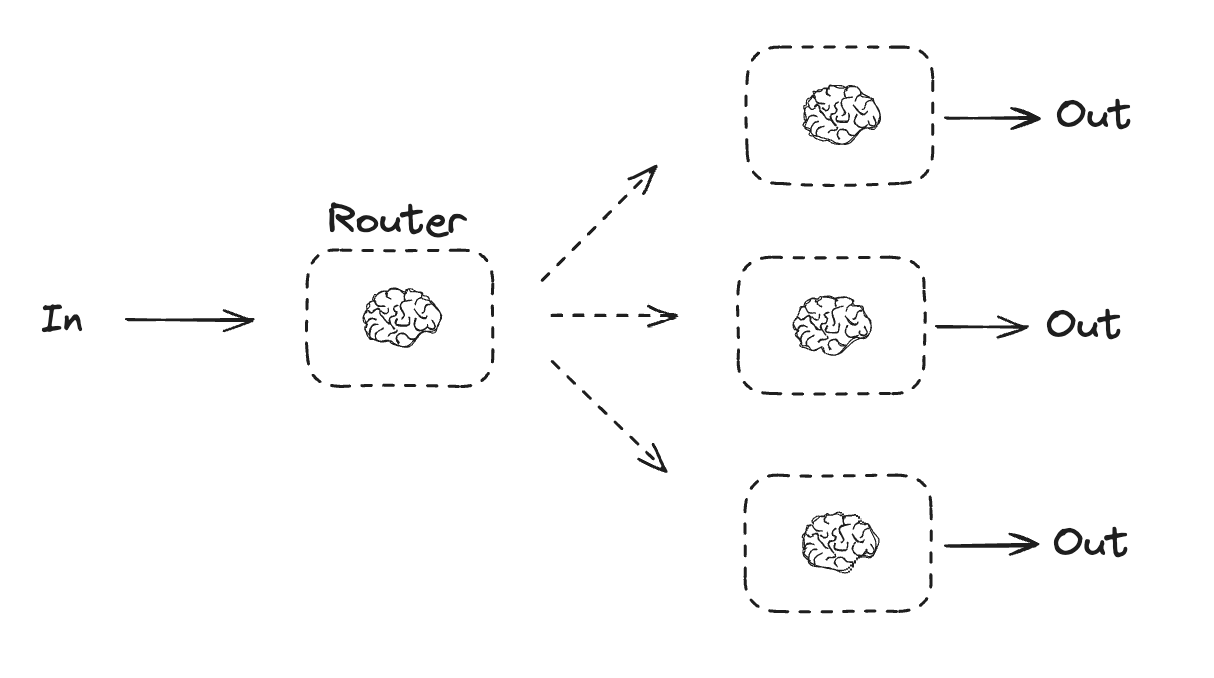
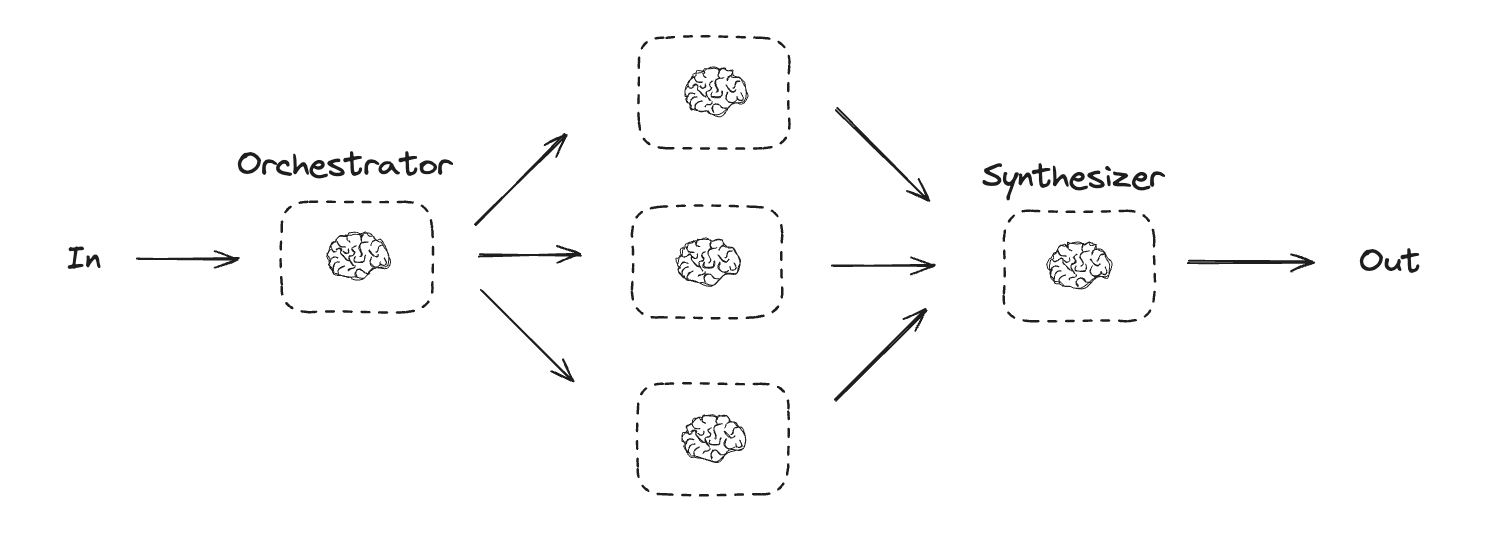
Orchestrator-Worker
Orchestrator-Worker
https://langchain-ai.github.io/langgraph/tutorials/workflows/#agent
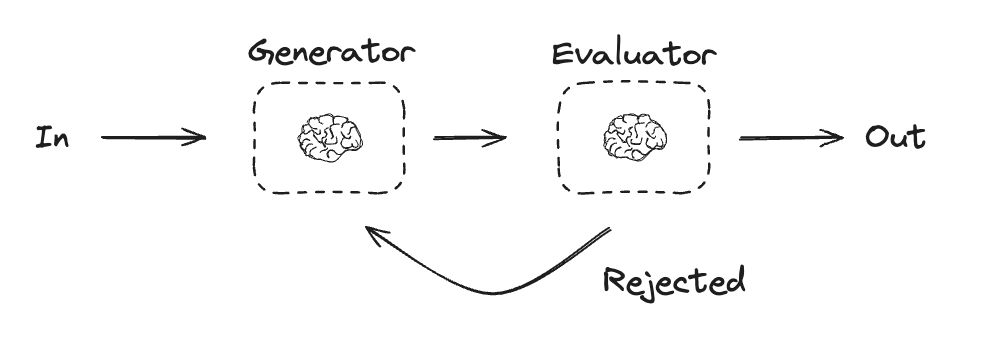
Evaluator-optimizer
Evaluator-optimizer
https://langchain-ai.github.io/langgraph/tutorials/workflows/#agent
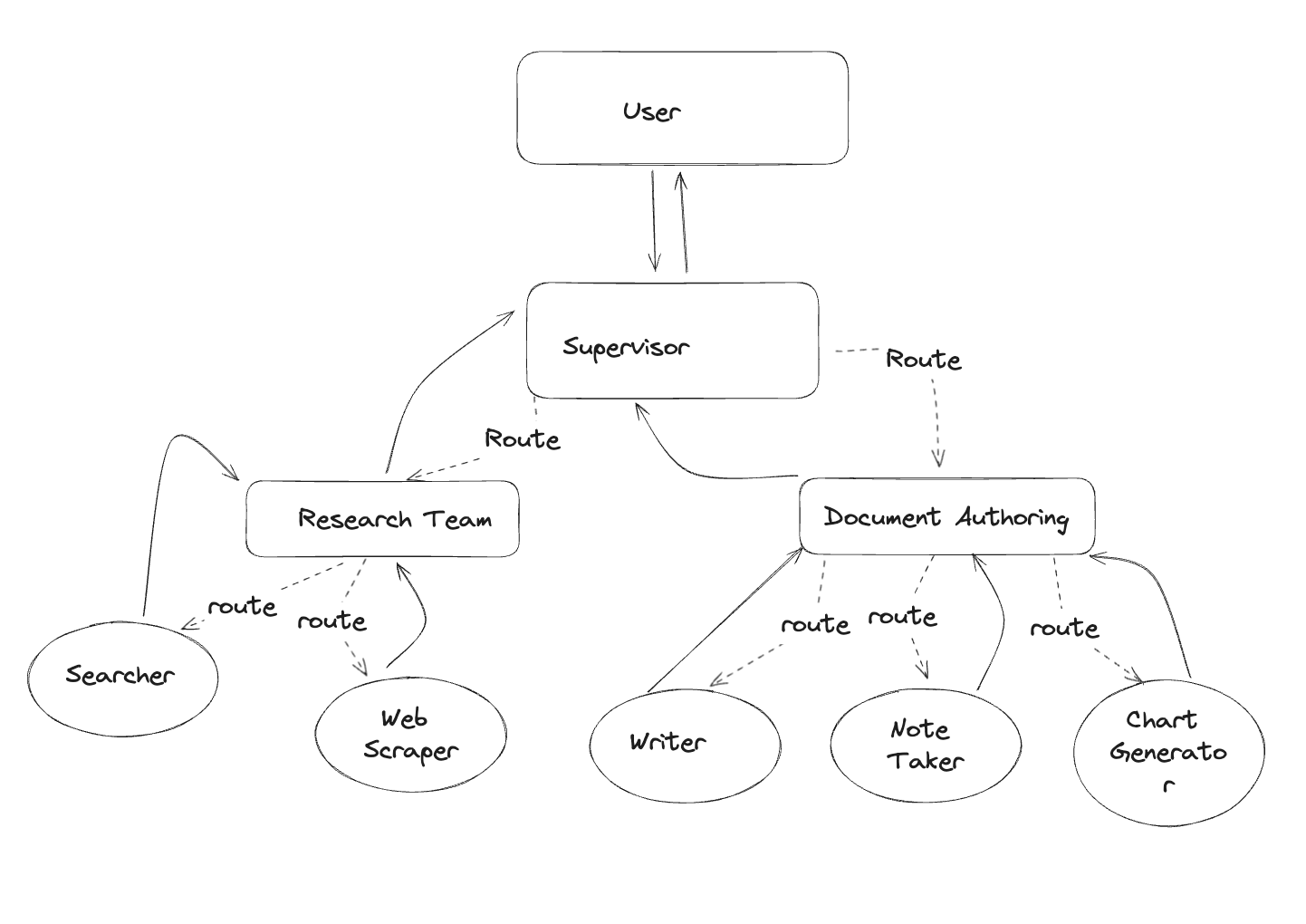
Case Study: Research and Report
Case Study: Research and Report
https://blog.langchain.dev/langgraph-multi-agent-workflows/
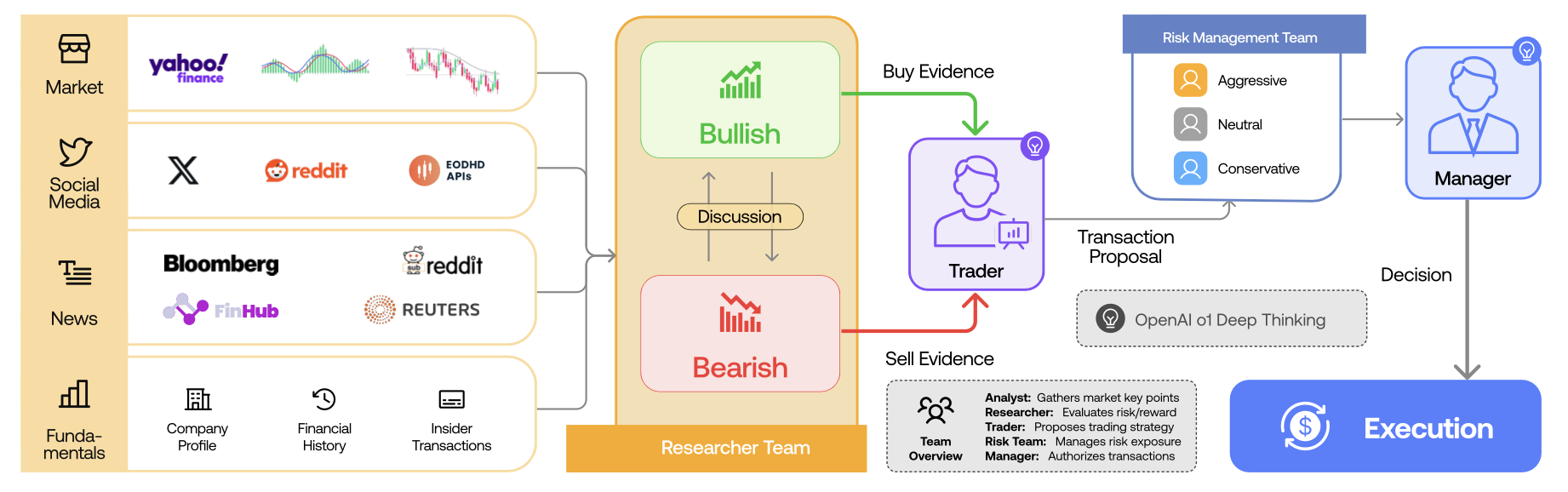
Case Study: Trading Agent
Case Study: Trading Agent
TradingAgents: Multi-Agents LLM Financial Trading Framework
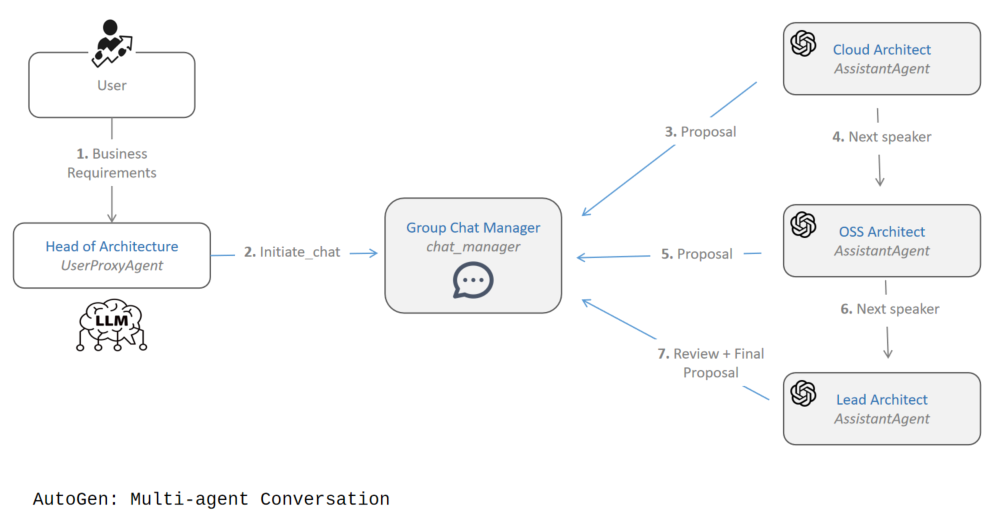
Case Study: Agent Conversation
Case Study: Agent Conversation
https://medium.com/@tsiciliani/multi-agent-conversation-with-autogen-ai-52a48240e698
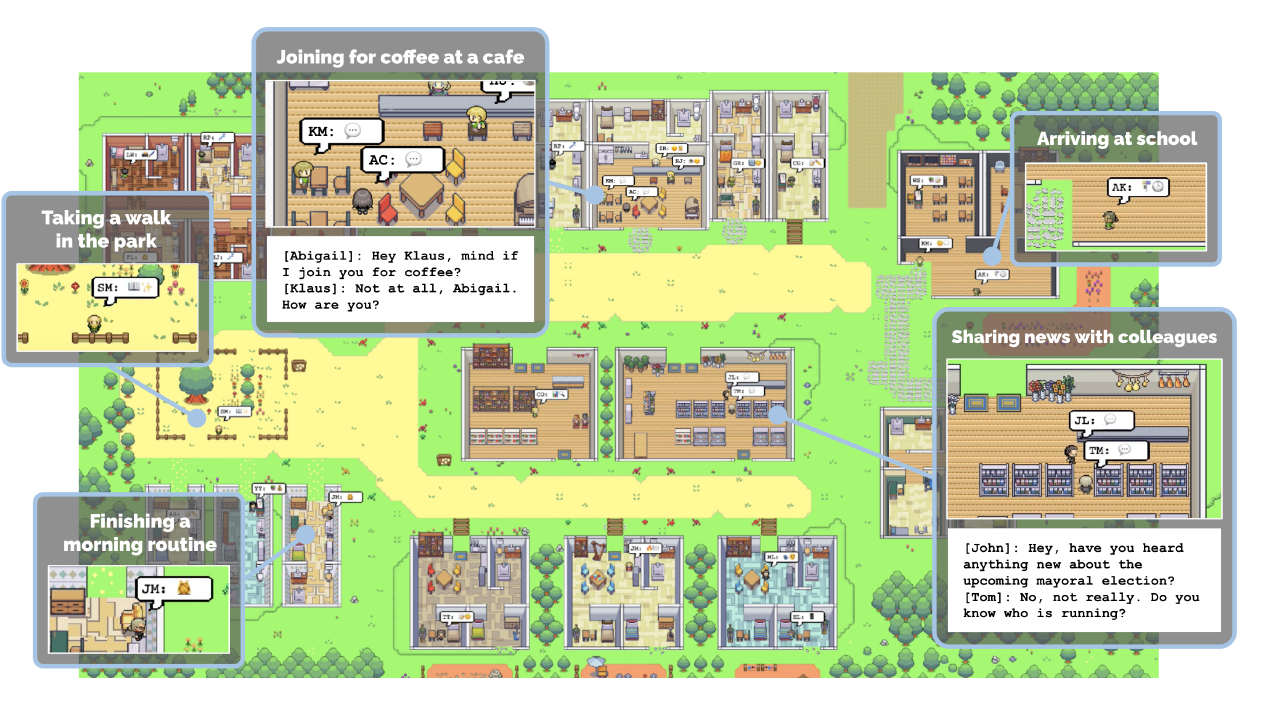
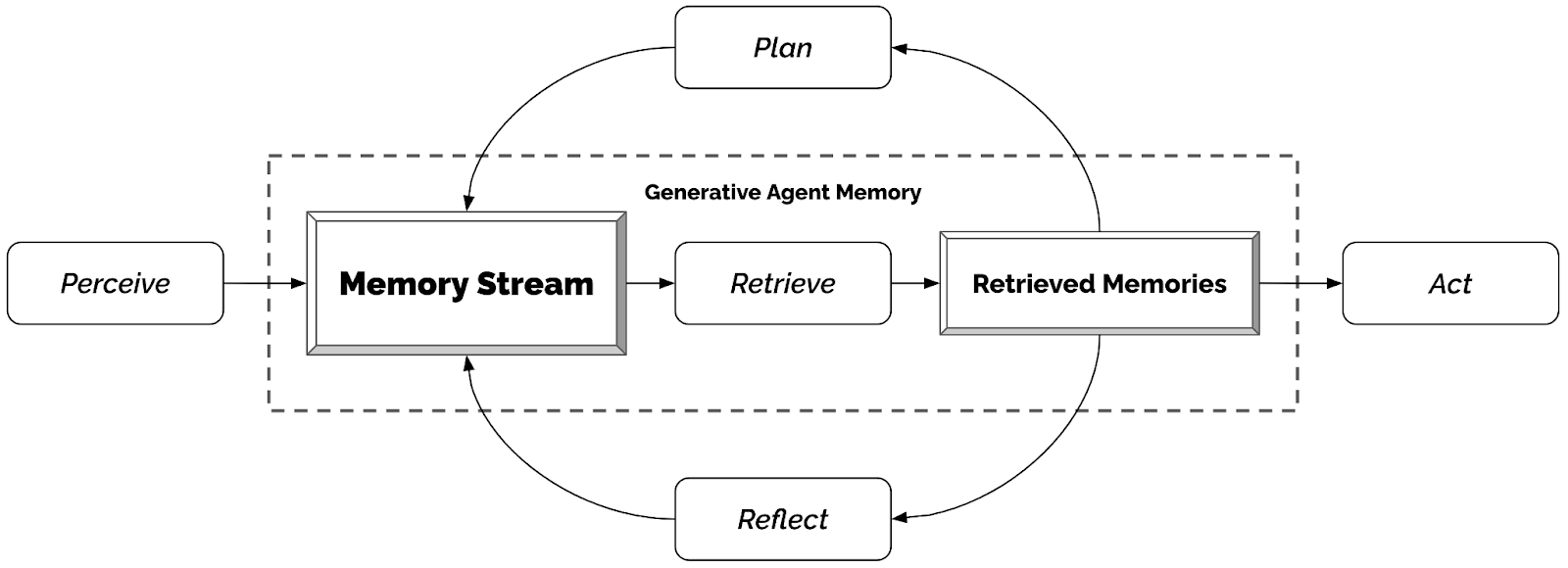
Case Study: Agent Town
Case Study: Agent Town
https://hai.stanford.edu/news/computational-agents-exhibit-believable-humanlike-behavior
4.7 Learning and Evaluation 4.7.1 Feedback and System Optimization
4.7 Learning and Evaluation 4.7.1 Feedback and System Optimization
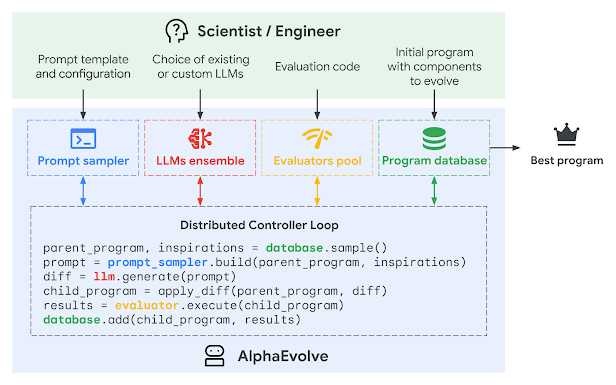
Case Study: Alpha Evolve
Case Study: Alpha Evolve
https://deepmind.google/discover/blog/alphaevolve-a-gemini-powered-coding-agent-for-designing-advanced-algorithms/
Agent Paradigm
Agent Paradigm
https://arxiv.org/pdf/2510.05592
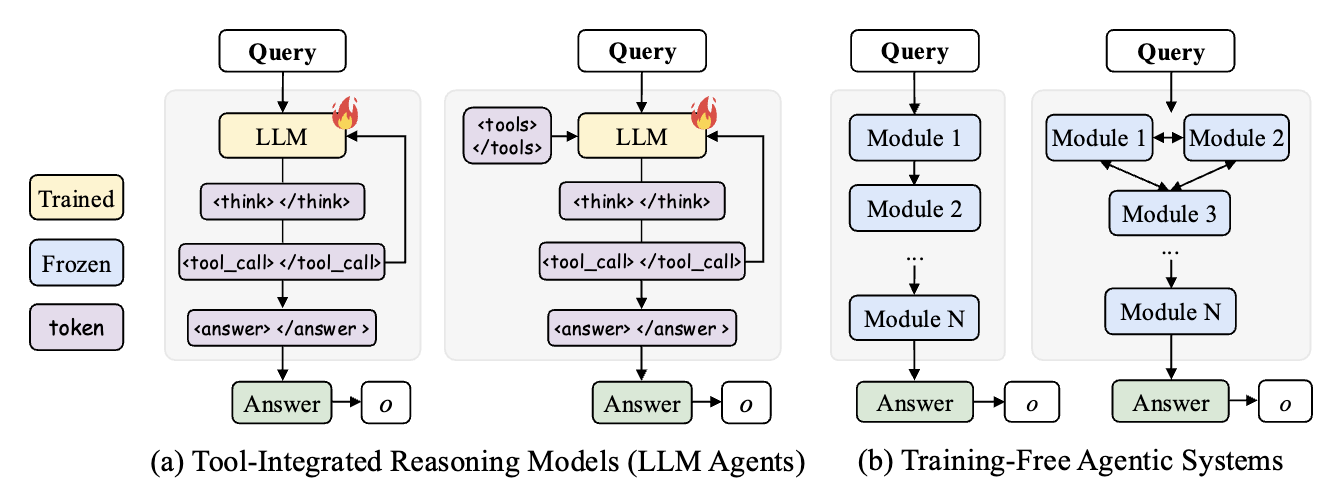
Agent Flow
Agent Flow
https://arxiv.org/pdf/2510.05592
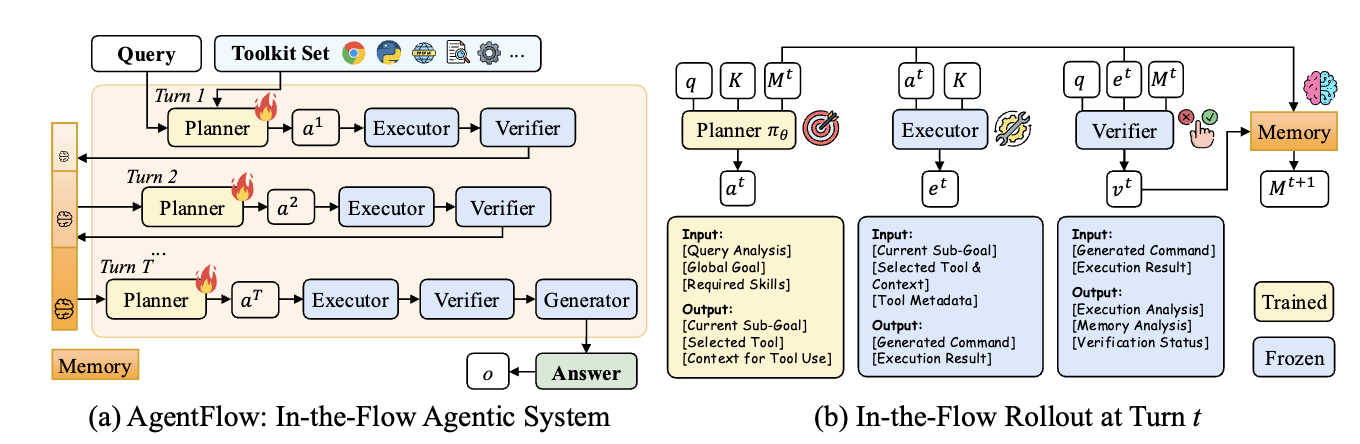
Agent Flow
Agent Flow
https://arxiv.org/pdf/2510.05592
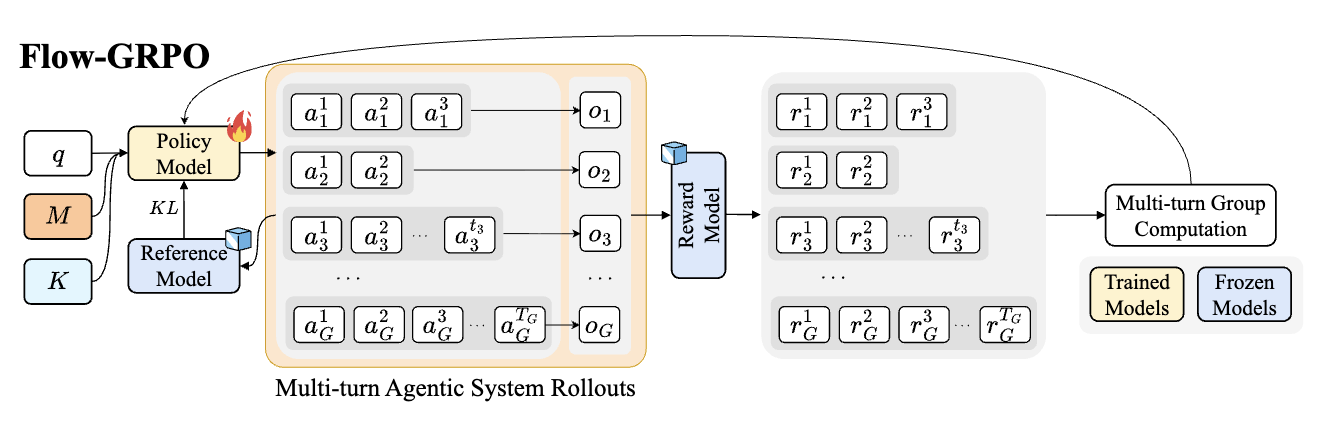
Thank You!
Thank You!